
 English
 Español

Home / News / Foam Padding Waterproof: A Buyer's Guide to Moisture-Resistant Closed-Cell Foam
Foam padding that fails in wet conditions creates more than a warranty problem. A fitness mat that absorbs sweat and cleaning solutions becomes a hygiene issue. A protective pad inside an EV battery pack that takes on moisture can jeopardize the mechanical isolation it was designed to provide. The solution is not a water-repellent coating added after molding; it is the cell structure of the foam itself. Closed-cell foams made from low-moisture-absorption thermoplastics deliver the waterproof behavior that B2B buyers expect, and the data is measurable—usually below 1% water absorption by weight.
What Makes Foam Padding Waterproof?
Two mechanisms explain why a piece of foam padding resists water: the structure of the bubbles inside the material and the chemical nature of the polymer that forms the bubble walls.
Waterproof behavior starts with closed-cell geometry. In a closed-cell foam, each gas-filled bubble is an independent volume surrounded by a continuous polymer wall. The cells do not interconnect, so water that wets the surface has no route into the interior. In contrast, open-cell foams contain interconnecting channels that allow water to migrate through the material. Closed-cell content in a quality physical foam often exceeds 90%, which is why these foams naturally resist water ingress.
The second mechanism is the polymer itself. Thermoplastics used in foaming—TPU, polypropylene, PVDF, and TPEE—are intrinsically low in moisture pickup. A finished M-TPU foam sheet typically absorbs less than 1% of its weight in water after 24 hours of immersion. Polypropylene and PVDF foams are even lower. Because Shincell's supercritical physical foaming process uses nitrogen and carbon dioxide instead of chemical blowing agents, the resulting cell walls are pure thermoplastic and retain the low water absorption of the base resin.
How to Compare Waterproof Foam Materials
When you evaluate foam padding for a moisture-sensitive application, the table below offers a practical starting point. Values are typical ranges based on published material data and should be confirmed with supplier test reports.
| Material | Water Absorption (%, 24h) | Continuous Temperature | Compression Set | Typical Use |
|---|---|---|---|---|
| M-TPU | 0.5 – 1.0 | -30°C to 80°C | Excellent | Fitness mats, yoga mats, protective padding |
| MPP (PP) | 0.1 – 0.3 | -20°C to 120°C | Good | Rigid structural pads, thermal insulation |
| PVDF | 0.1 – 0.2 | -40°C to 150°C | Fair | High-temperature, chemical-exposure padding |
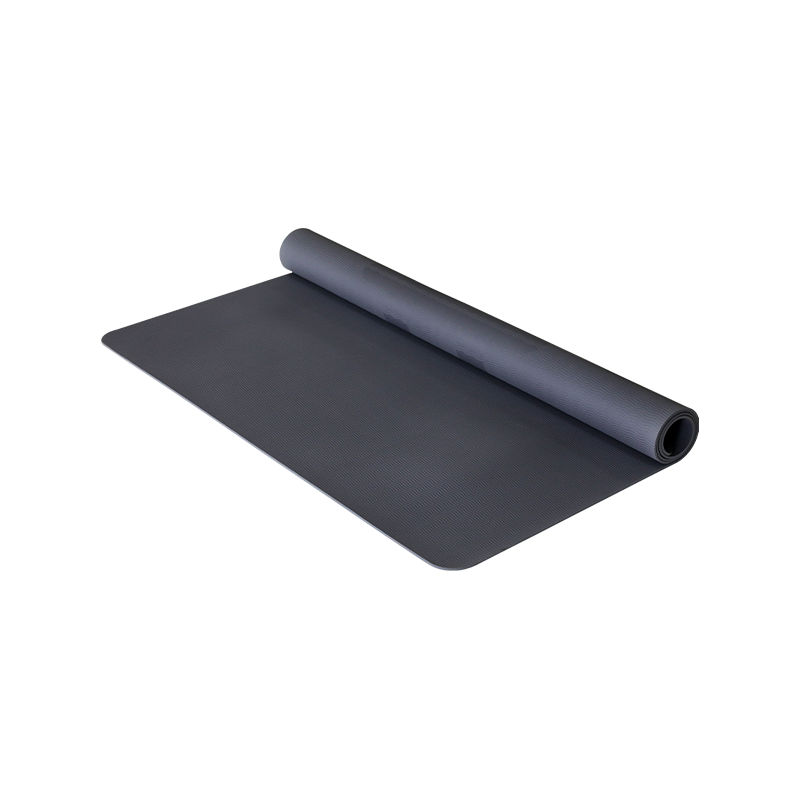
For flexible padding where comfort, elasticity, and waterproof behavior must coexist, a waterproof M-TPU foam sheet is often the first choice. It resists hydrolysis better than polyester TPU alternatives and holds a stable closed-cell structure after repeated flexing. If the application involves high temperatures or aggressive chemicals, a PVDF foam sheet provides a higher service ceiling and lower water pickup.
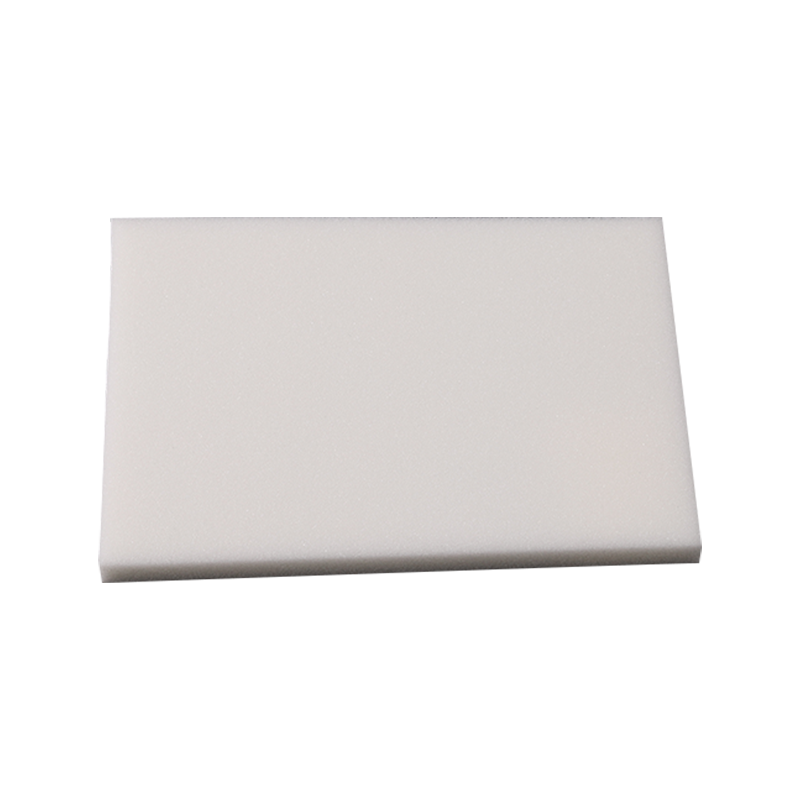
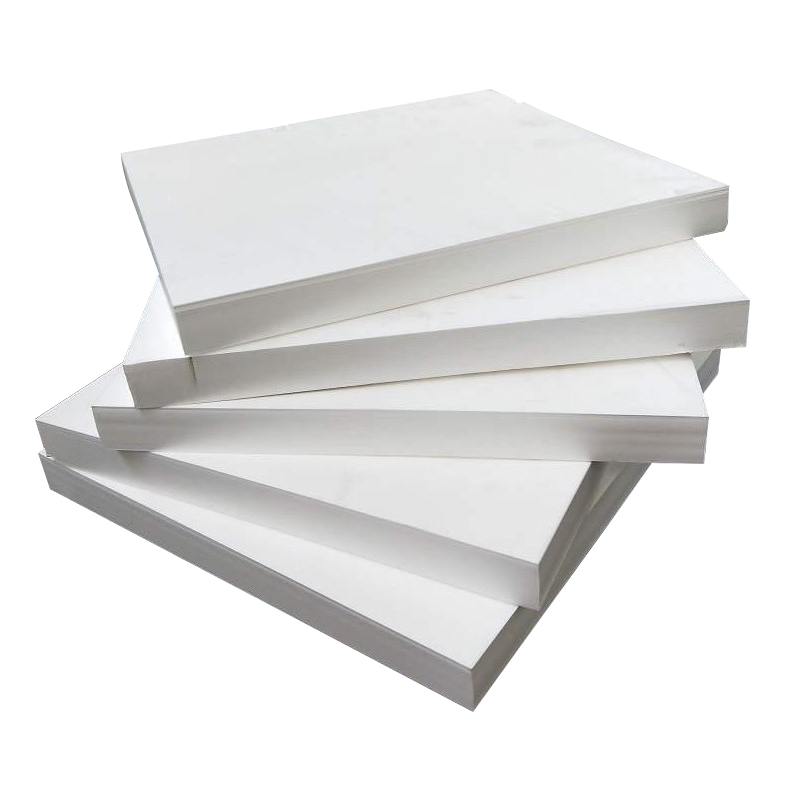
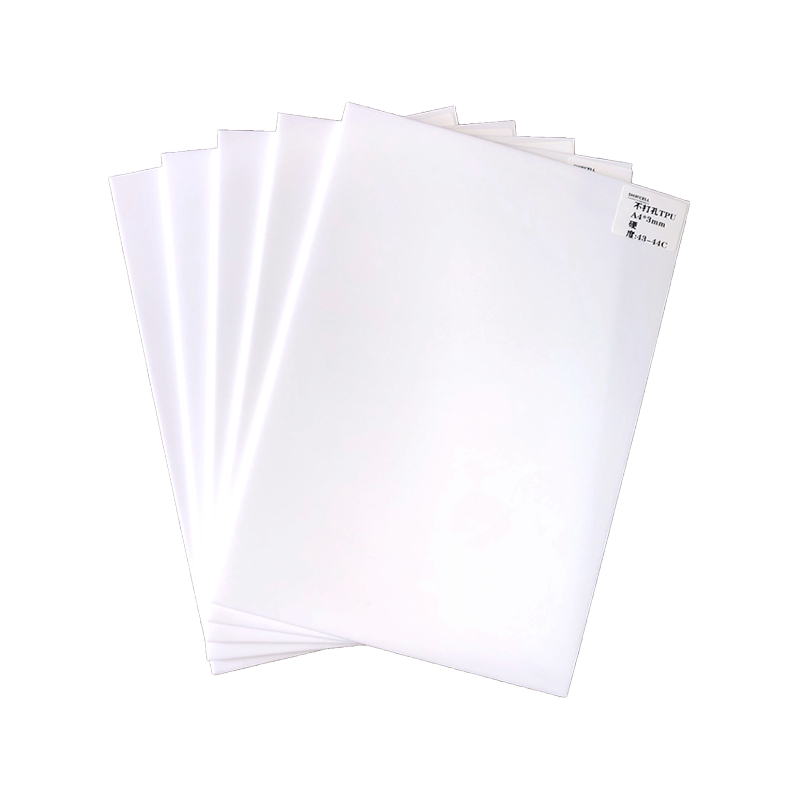 Waterproof M-TPU Foam Sheet for Flexible PaddingThis closed-cell foam offers cushioning, resilience, and hydrolytic stability. Its high tensile strength and chemical resistance make it reliable for applications requiring comfort and waterproof behavior.View Product →
Key Performance Criteria for Waterproof Foam Padding
Purchasing waterproof foam padding based on supplier claims alone is risky. The lab data you request should match the intended failure modes.
- Closed-cell content. Ask for a stated closed-cell percentage. In industrial foams, 90% or higher is the benchmark for waterproof performance.
- Water absorption. A 24-hour immersion test is the standard check. For most B2B applications, require less than 1% weight gain. For battery and electronic uses, target below 0.5%.
- Density. Density influences the balance between cushioning and moisture resistance. A very low-density foam may have thin cell walls and a lower closed-cell ratio. Specify density based on the load and boundary conditions you actually have.
- Compression set. Foam that collapses under repeated load can develop cracks in cell walls, letting water in. Ask for compression set data at 50% strain and 23°C.
- Hydrolysis resistance. For TPU-based padding, aliphatic grades are markedly more resistant to water-driven degradation than aromatic grades. If the product will spend years in warm and humid conditions, specify aliphatic TPU.
Applications That Demand Waterproof Foam Padding
Waterproof foam padding is not a single material; it is a requirement that appears across very different technical environments.
Fitness and yoga mats are exposed to sweat, liquid disinfectants, and daily cleaning. A pad that takes on water becomes heavy, sour, and slippery. Closed-cell M-TPU foam handles those conditions and keeps its grip properties. For manufacturers looking at the broader range of exercise mats and mattresses with built-in foam cushioning, the material choice drives the warranty risk.
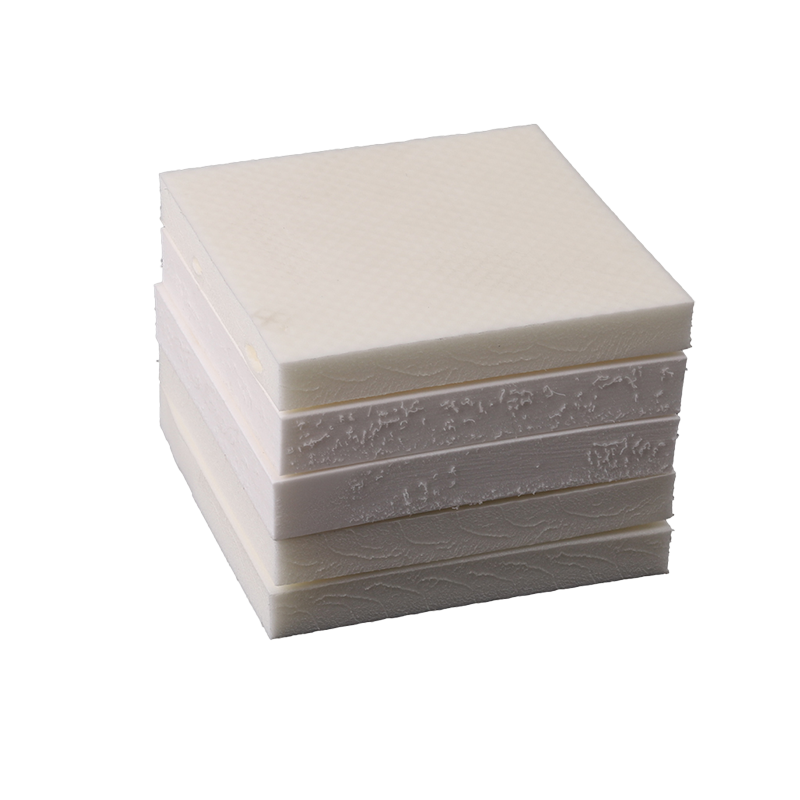
EV battery packs are another critical case. A battery pad sits inside a sealed enclosure and can encounter condensation or coolant ingress. Water absorption in such pads would reduce thermal insulation and mechanical isolation over time. Foam pads used in new energy battery packs therefore need both water resistance and flame-retardant behavior. A microcellular aliphatic TPU foam is a strong candidate here because it combines flexibility with hydrolysis resistance.
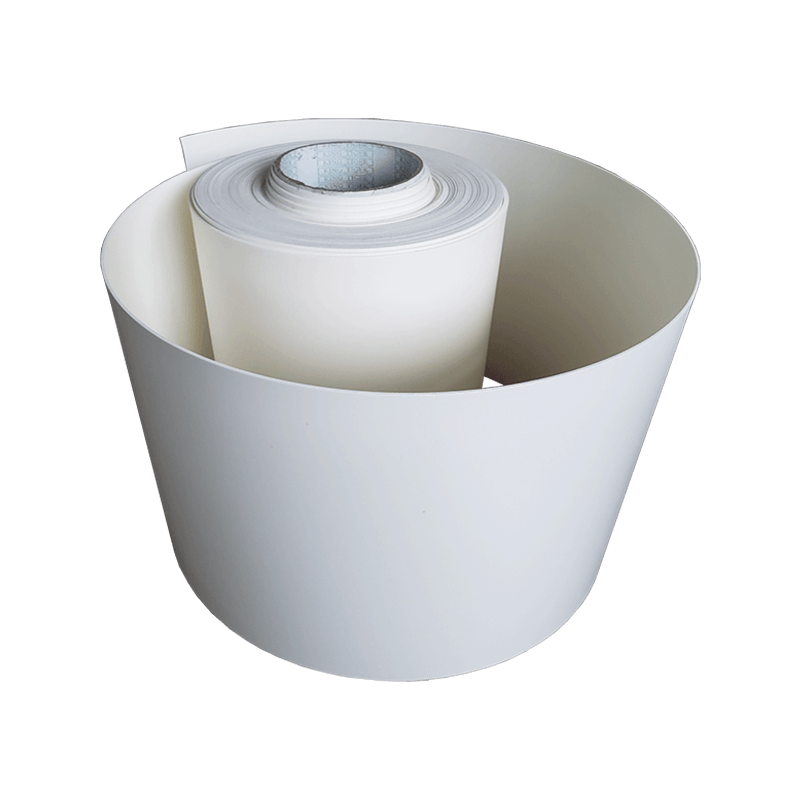
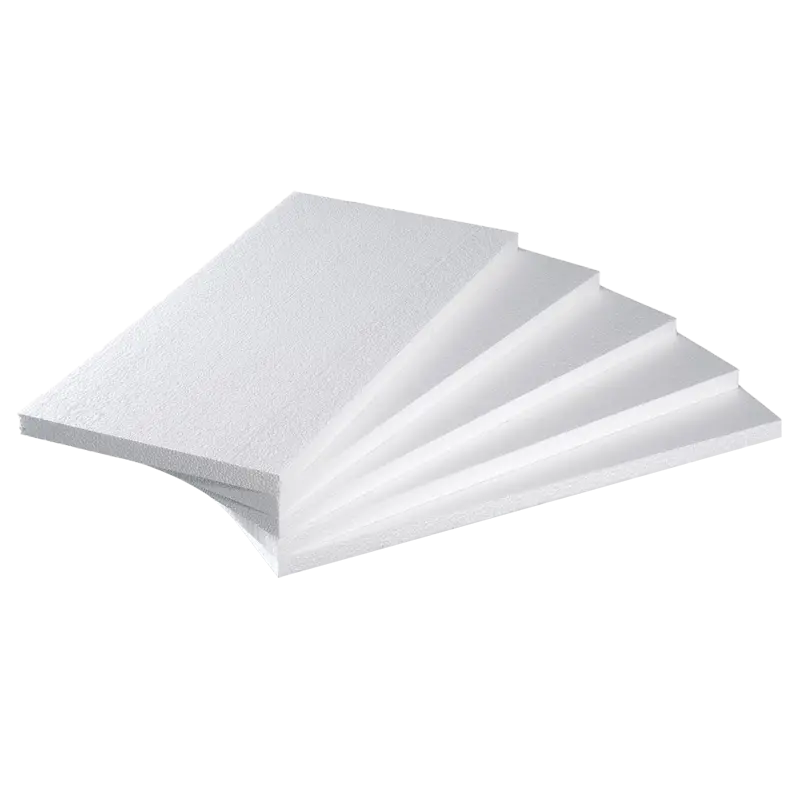 Microcellular Aliphatic TPU Foam for Battery PadsThis foam combines flexibility with hydrolysis resistance and low water absorption. It suits sealed enclosures like EV battery packs, where condensation and flame retardancy are concerns.View Product →
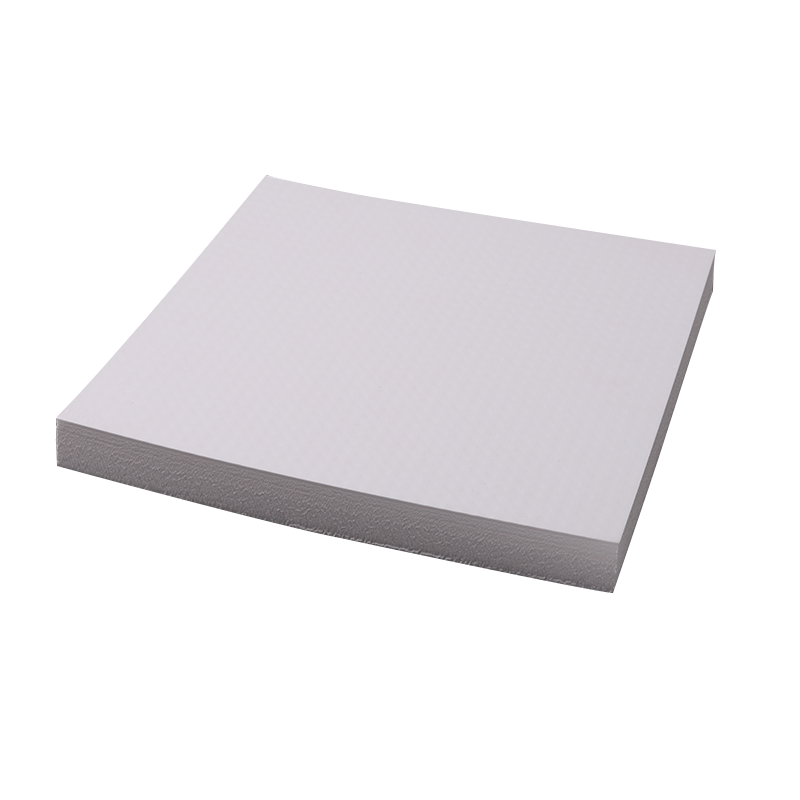
Outdoor telecom and aerospace equipment requires foam padding that survives rain, humidity, and wide temperature swings. In those environments, a PVDF foam sheet offers an exceptionally low water pickup combined with high thermal stability. It is especially useful when chemical resistance is also on the requirement list.
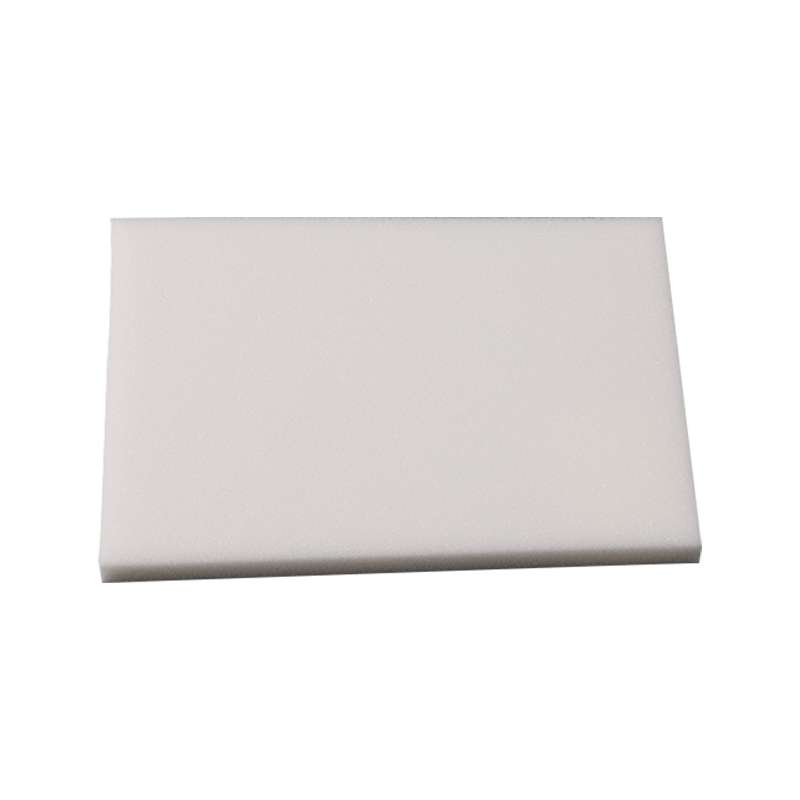
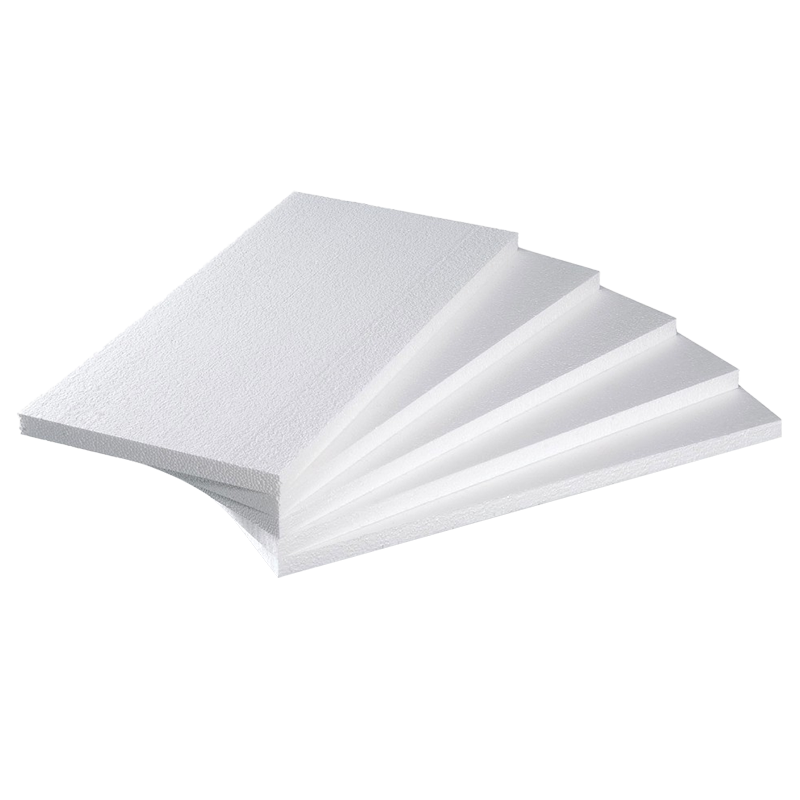 PVDF Foam Sheet with Low Water Pickup and StabilityThis sheet provides exceptional thermal stability and chemical resistance, with minimal water absorption. Ideal for outdoor telecom and aerospace equipment exposed to humidity and temperature swings.View Product →
How to Verify Waterproof Performance Before Buying
The fastest route is to evaluate a coupon sample rather than trust a data sheet. Cut a test piece of the foam padding, weigh it, submerge it in water for 24 hours, and weigh it again. If the weight increase is below 1%, the product has passed the baseline test used across many industrial sourcing specs.
Ask the supplier for a closed-cell structure report. A scanning electron microscope image will show the cell size distribution and whether the cells are closed or interconnected. In a supercritical physical foam, cells are typically in the microcellular range, which gives a more uniform structure than chemically blown foams.
Request a compression set value and the recommended operating temperature window. Those numbers tell you how the foam will behave after long-term use. Waterproof performance is not permanent if the cell walls degrade mechanically or chemically.
FAQ
Q1: Is all closed-cell foam waterproof?
Not all. Closed-cell geometry reduces water ingress, but the polymer material still matters. A polyester-based TPU can hydrolyze in warm humid service, losing its waterproof characteristics over time. For long-term durability, use aliphatic TPU, polypropylene, or PVDF.
Q2: What water absorption value should I specify for foam padding?
For most industrial applications, specify less than 1% weight gain after a 24-hour immersion test. For battery pack pads or electronics, specify below 0.5%.
Q3: Can waterproof foam padding be recycled again?
Yes, if the foam is thermoplastic and made by physical foaming. Because no chemical crosslinking is used, the material can be reprocessed, which is an advantage over thermoset foams.
Q4: Does a higher density always mean better waterproof performance?
Not necessarily. Higher density generally means thicker cell walls and lower water uptake, but a well-engineered microcellular foam can achieve excellent closed-cell content even at lower density. Evaluate closed-cell content and water absorption data instead of relying on density alone.
 ++86-0512-66079229