
 English
 Español

Home / News / How a 1mm MTPU Foam Base Layer Elevates Ultra-Thin Fabric Composites
Understanding the Role of a 1mm MTPU Foam Base Layer
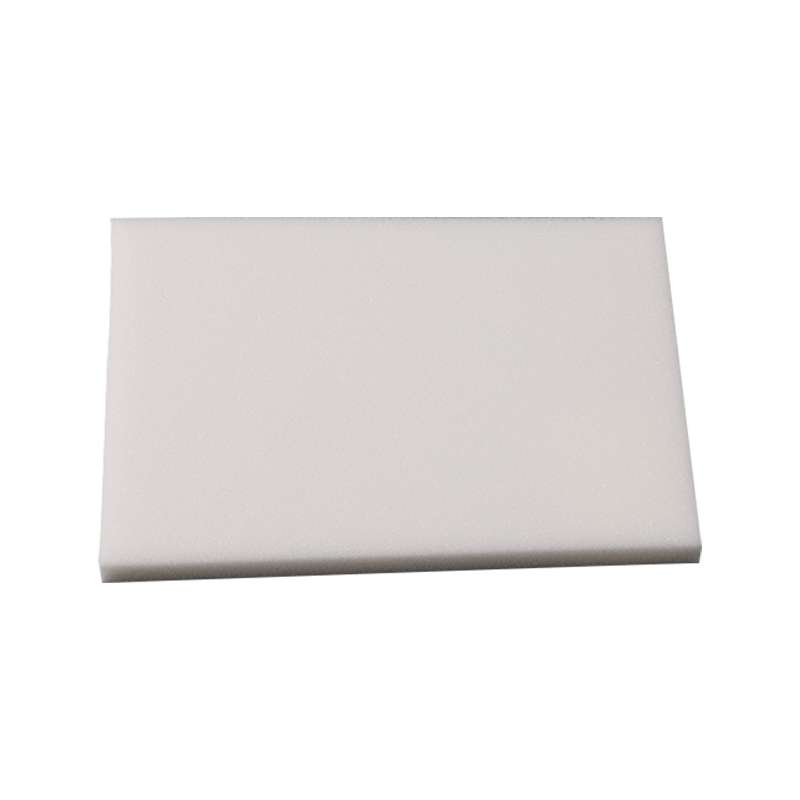
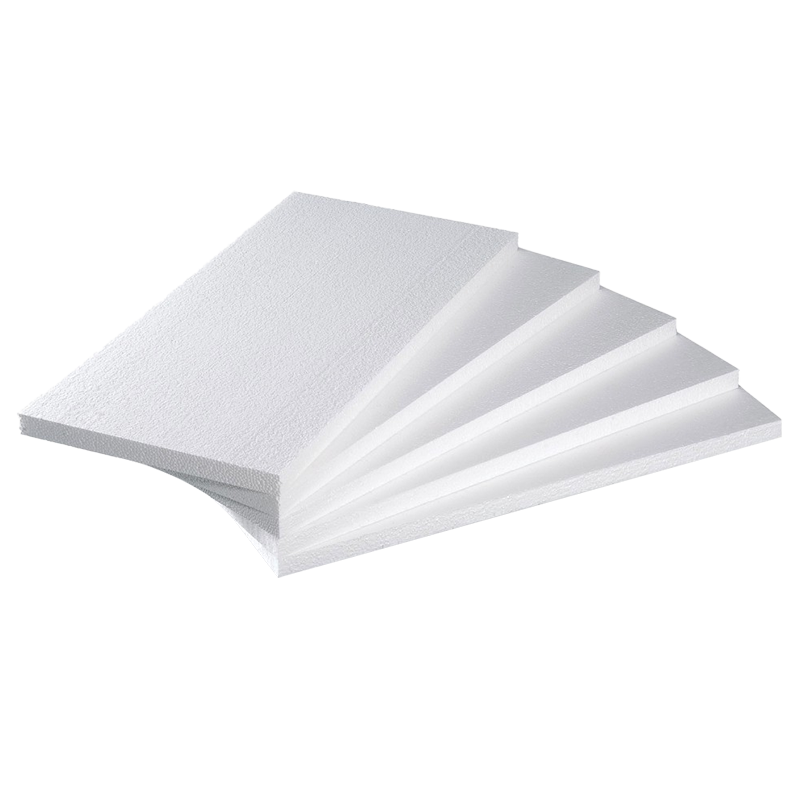
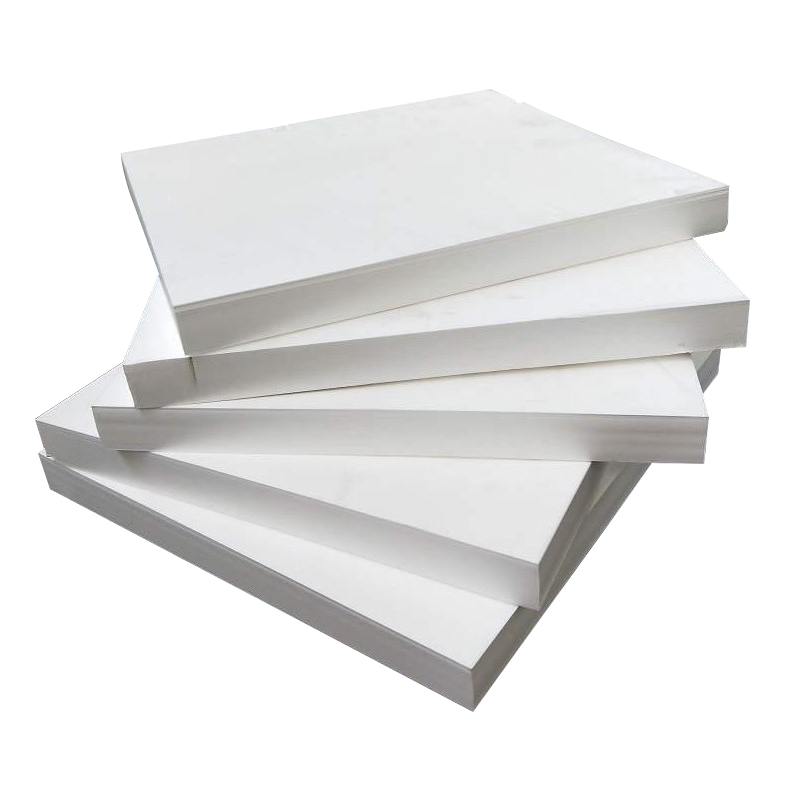
Thin composite fabrics built around a 1mm MTPU foam base layer have become a practical answer to a persistent design tension: buyers want softness, cushioning, and moisture control, but they also want a material that stays light, drapes well, and does not add bulk to a seam. A single millimeter of thermoplastic polyurethane foam, when paired with a face fabric and a thin backing scrim, can build a finished composite around 1.5mm thick without sacrificing the mechanical behavior that heavier foam laminates rely on.
The appeal of this construction is not simply "thinner is better." It is that a well-formulated MTPU foam, at the right density and cell structure, reaches a point where additional thickness stops improving comfort or protection in proportion to the added weight, cost, and stiffness. Sourcing teams evaluating foam-backed textiles for apparel, footwear linings, medical padding, or technical accessories increasingly ask fabrication partners to justify foam gauge with data rather than assumption, and the 1mm base layer is where that data most often points for lightweight applications.
Typical finished composite: 0.3mm to 0.4mm face fabric, 1mm MTPU foam core, 0.1mm to 0.2mm bonding or scrim layer, totaling approximately 1.5mm.
Why Manufacturers Choose Thin Foam Base Layers Over Thicker Alternatives
Moving from a 2mm or 3mm foam core down to a 1mm base layer changes several performance variables at once, not just weight. The comparison below reflects general industry patterns observed across foam-backed textile production rather than any single supplier's data sheet.
| Foam Thickness | Approx Weight (g/m2) | Flex Recovery | Breathability Impact | Common Use Case |
|---|---|---|---|---|
| 1mm | 60 to 90 | High, fast recovery | Minimal airflow restriction | Apparel linings, light padding, footwear |
| 2mm | 120 to 160 | Moderate recovery | Noticeable restriction if unperforated | Mid-weight cushioning, bag panels |
| 3mm | 180 to 240 | Slower recovery, stiffer hand | Significant restriction unless engineered | Structural padding, protective inserts |
Core Advantages at a Glance
- Reduced seam bulk at overlocked or bonded edges, which matters for garments folded or rolled in packaging.
- Lower total landed weight per finished unit, which affects freight cost on high volume apparel orders.
- Faster compression recovery, since thinner open-cell or semi-open-cell foam returns to shape more quickly after repeated flexing.
- Better drape around curved panels such as shoulder seams, footwear collars, or bag gussets, where thicker foam tends to pucker.
- Compatibility with fine gauge stitching, since a 1.5mm total composite does not overwhelm standard sewing machine presser feet.
Structure and Fabrication of the 1.5mm Composite
Building a stable 1.5mm composite from a 1mm foam core requires attention to how each layer is bonded, not just what each layer is made of. Flame lamination, hot melt film bonding, and gravure roll coating are the three methods most commonly applied to MTPU foam at this gauge, each with different effects on hand feel and bond strength.
Layer Stack Diagram
The middle bond line matters more than most buyers expect. A gravure adhesive pattern applied too heavily can stiffen the composite and reduce the flexibility that a thin foam layer was chosen to provide in the first place. Fabrication teams generally target the lowest adhesive add-on weight that still passes peel strength testing, since every additional gram of adhesive reduces the flexibility advantage of the 1mm core.
Foam Cell Structure Considerations
Open-cell MTPU foam breathes more freely but compresses permanently under sustained load faster than a semi-closed structure. For a 1mm gauge, most fabricators favor a semi-open cell structure that balances airflow with a longer compression life, since fully closed-cell foam at this thickness tends to feel stiff against skin contact areas.
How Perforation Enhances Airflow in TPU Foam Sheets
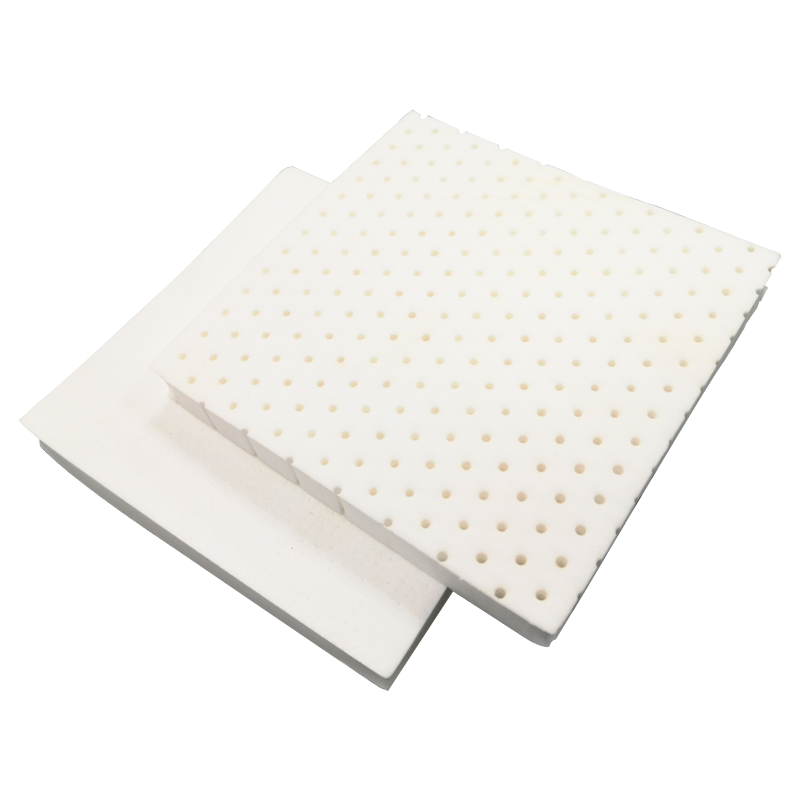
A common refinement applied to the 1mm base layer is perforation, and this is where the perforated TPU foam sheet format becomes relevant. Instead of a solid foam sheet, the core is punched with a defined pattern of small holes before or after lamination, creating direct air paths through an otherwise airtight layer.
Perforation density and hole diameter are specified based on the end use rather than a single fixed pattern. A footwear lining aimed at moisture evacuation typically calls for smaller, denser perforation to preserve compression support, while a technical apparel panel prioritizing airflow can use larger, more widely spaced holes since less compression resistance is needed.
| Perforation Style | Hole Spacing | Effect on Breathability | Effect on Compression Support |
|---|---|---|---|
| Fine, dense | Close | Moderate improvement | Support mostly retained |
| Medium, staggered | Standard | Strong improvement | Slight reduction |
| Wide, open | Wide | Highest airflow | Noticeable reduction |
Key Material and Process Considerations When Specifying Foam Base Layers
Specifying a 1mm foam layer correctly requires more than naming a thickness. The following factors determine whether the finished composite performs consistently across a production run.
Density Range
Most 1mm MTPU cores fall between 0.10 and 0.18 g/cm3. Lower density improves softness and airflow; higher density improves recovery and abrasion resistance.
Adhesive Compatibility
The bonding chemistry must be compatible with both the face fabric finish and the foam surface energy, or delamination risk increases after repeated laundering or flexing.
Lamination Method
Flame lamination gives a soft hand but is less common at 1mm gauge due to burn-through risk; hot melt film bonding is generally preferred for thin foam.
Thickness Tolerance
A stated 1mm foam layer typically carries a plus or minus tolerance of 0.05mm to 0.1mm, which should be confirmed before committing to a tight total composite spec.
Durability Testing Checklist
- Flex fatigue cycling to assess recovery after repeated bending
- Peel strength testing between foam and face fabric
- Cold temperature flex testing for outdoor or cold-chain applications
- Abrasion resistance on the exposed face fabric side
- Dimensional stability after wash or steam exposure
Application Scenarios for Ultra-Thin Foam-Backed Fabrics
Composites built on a 1mm base layer are used wherever cushioning is needed but bulk is not acceptable. The categories below reflect the most consistent demand patterns across textile sourcing.
| Application | Why 1mm Foam Fits |
|---|---|
| Performance apparel linings | Adds softness against skin without changing garment silhouette |
| Footwear collar and tongue padding | Cushions pressure points while keeping the shoe upper flexible |
| Technical bag and pouch panels | Protects contents from light impact while folding flat for storage |
| Medical padding and orthopedic liners | Distributes pressure evenly over long wear periods |
| Waterproof breathable outerwear composites | Works with a membrane layer without adding stiffness to seams |
In waterproof breathable composites specifically, the base layer sits beneath a membrane rather than replacing it, and its job shifts toward comfort and structure rather than water resistance. This is one reason a flexible foam base layer is often chosen over a solid film backing, since the perforation supports the membrane's moisture vapor transfer instead of trapping it.
Evaluating Composite Quality Before Production Scale-Up
A thin foam composite that passes lab testing on a small sample does not automatically hold the same properties across a full production roll. Roll-to-roll consistency should be verified before committing to volume.
Before scaling a 1.5mm composite into full production, it is worth running a short qualification batch and checking the following points against the original specification sheet, not just against a visual sample swatch.
- Confirm thickness consistency at multiple points across the roll width, not only at the center
- Verify that perforation pattern, if specified, is uniform edge to edge
- Check bond strength after simulated wash or wear cycling, not only at time zero
- Compare hand feel and drape against the approved reference sample under the same lighting and handling conditions
- Review packaging and roll tension, since thin foam composites can develop permanent crease marks if rolled too tightly
Working with a fabricator that can supply a structure of foam data sheet alongside the physical sample, rather than thickness alone, gives a sourcing team a clearer basis for comparing suppliers on equal terms.
Frequently Asked Questions
Q1: Is a 1mm MTPU foam layer strong enough for structural padding?
A 1mm layer is generally suited to comfort padding and light cushioning rather than structural protection. Applications needing impact resistance typically call for thicker or higher density foam.
Q2: Does perforating the foam reduce its lifespan?
Perforation reduces the total foam volume slightly, but with a properly engineered hole pattern and density, compression recovery over the expected service life is not meaningfully affected.
Q3: Can a 1mm foam base layer be used with a waterproof membrane?
Yes, it is a common pairing. The foam sits as a comfort and structure layer beneath or beside the membrane, usually with perforation to preserve airflow.
Q4: What thickness tolerance should be expected on a 1mm foam sheet?
Most production runs hold a tolerance of around 0.05mm to 0.1mm, though this should be confirmed with the specific fabricator before finalizing a spec sheet.
Q5: Is flame lamination or hot melt bonding better for a 1mm foam core?
Hot melt film bonding is generally preferred at this gauge, since flame lamination carries a higher risk of burn-through on very thin foam.
Q6: How does foam density affect the final fabric hand feel?
Lower density foam feels softer and drapes more easily, while higher density foam feels firmer and recovers its shape faster after compression.
 ++86-0512-66079229