
 English
 Español

Home / News / How Custom Fit Foam Packaging Protects Delicate Equipment From Shock, Vibration, and Repeated Use
Why Impact Protection Starts With the Right Foam Sheet
Most damage claims on shipped equipment do not come from a single dramatic drop. They come from thousands of small vibration cycles during transit, repeated compression from a lid closing against a tightly packed case, and moisture or heat buildup inside a sealed enclosure. Packaging engineers who track return data consistently find that vibration-related fatigue and edge abrasion account for a larger share of damaged units than one-time impact events. That shifts the real design question away from "how thick should the foam be" and toward "which foam structure absorbs energy the right way for this specific product."
A protective case with foam only performs as well as the material inside it. Two sheets that look similar on a shelf can behave completely differently once cut, compressed, and reused hundreds of times. This article walks through how foam structure, density, and cutting method combine to protect delicate equipment, with data comparisons across the variables that matter most when specifying custom foam insert systems for repeated use.
Field data from packaging labs shows that foam selection, not case wall thickness, is the leading variable in reducing in-transit component failure for sensitive electronics and optical assemblies.
What Makes Custom Fit Foam Packaging Effective for Delicate Equipment
Custom fit foam packaging works by matching the cushioning curve of the material to the fragility rating of the product it holds. A generic foam block absorbs energy inconsistently because contact points are random. A properly engineered insert controls where load lands, how fast it decelerates, and how many cycles the material can absorb before it starts to lose resilience.
Core design variables engineers weigh first
- Static load distribution across the contact footprint of the item
- Peak deceleration the internal components can tolerate without damage
- Frequency range of vibration expected during the transport method used
- Number of open and close cycles expected over the product life
- Sensitivity to static discharge for circuit boards and connectors
These five variables determine density, cell structure, and surface finish long before anyone selects a color or thickness. For high-cycle use cases, such as a technician's tool case foam insert opened multiple times a day, resilience after repeated compression matters more than raw cushioning at first use.
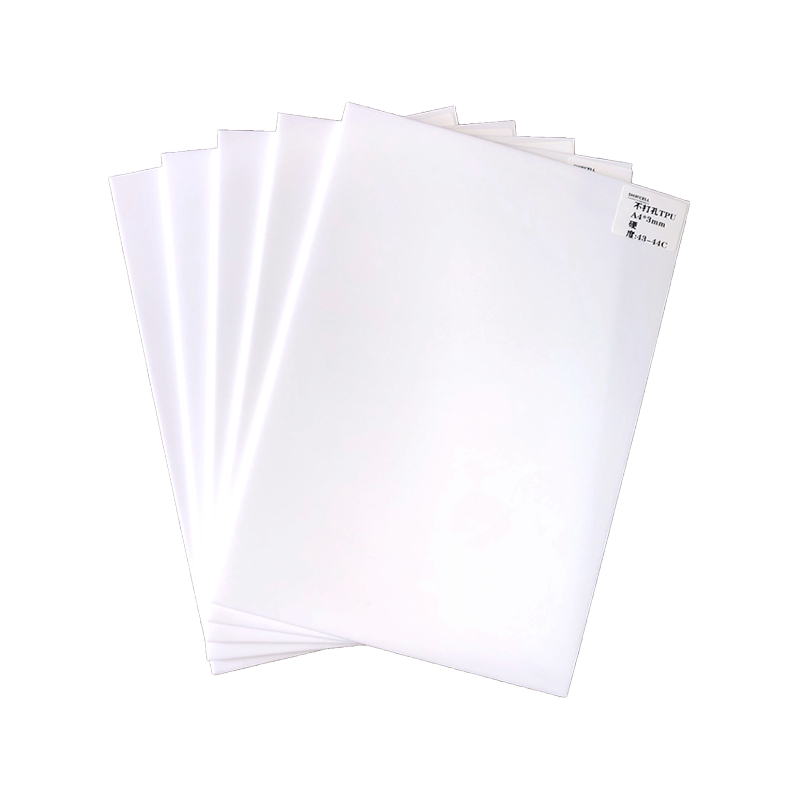
Perforated TPU Foam Sheet: Breathable Cushioning for Ventilated Assemblies
Thermoplastic polyurethane foam with a perforated surface pattern is built for a narrower job than general purpose packaging foam. The perforation channels allow trapped air and moisture to move through the material instead of pooling against a sealed component surface, which matters for equipment that generates heat in storage or that ships through variable humidity conditions.
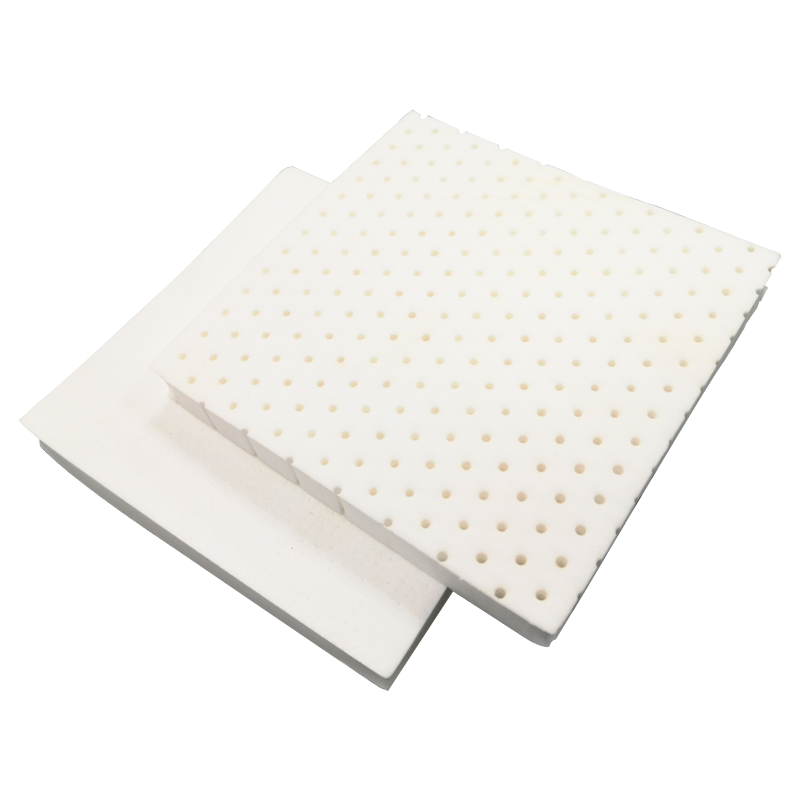
The perforated tpu foam sheet structure also compresses more predictably at moderate loads than a solid-cell sheet of similar thickness, because the perforation pattern gives the cell walls a controlled path to flex along. In practice this makes it well suited to enclosures that combine cushioning with airflow, such as housings for equipment with internal fans or battery packs that require some ventilation even while cushioned.
Where this material tends to be specified
| Requirement | Why perforation helps |
|---|---|
| Heat-generating components | Airflow reduces localized heat buildup inside a sealed case |
| Humid transit routes | Moisture disperses rather than collecting against the product surface |
| Repeated compression | Perforation pattern gives predictable, repeatable flex |
MTPU Foam Sheet: Microcellular Structure for High-Precision Case Inserts
Microcellular thermoplastic polyurethane foam is defined by cell size rather than perforation pattern. The cells are dramatically smaller and more uniform than in standard foam, which produces a denser, tighter structure with higher resistance to oils, solvents, and repeated compression cycles.
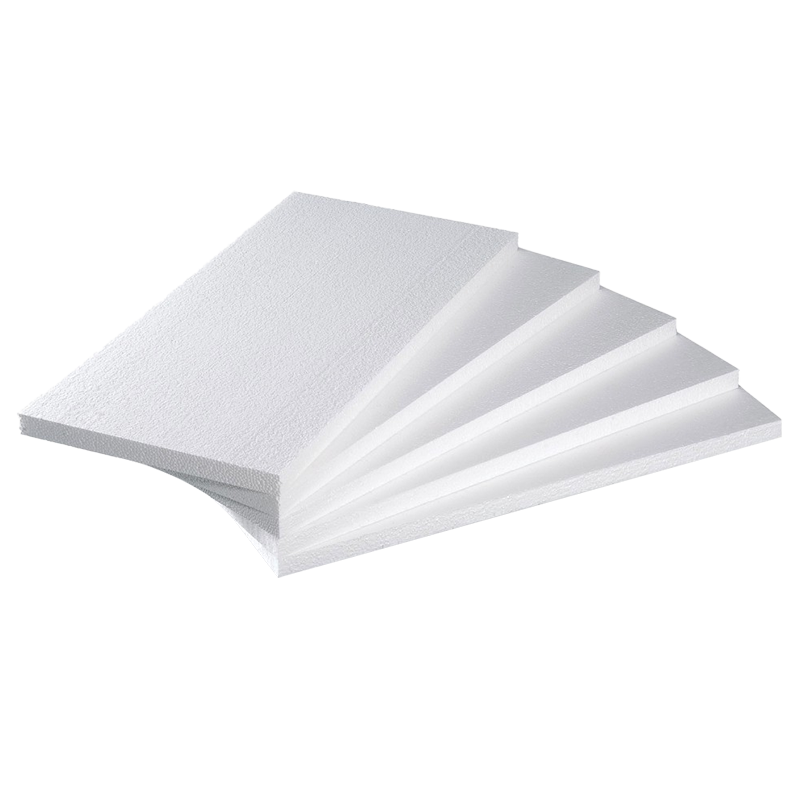
Because the mtpu foam sheet structure resists chemical exposure better than open-cell alternatives, it is commonly chosen for cases that travel through maintenance environments where lubricants, cleaning agents, or fuel residue may contact the insert directly. Its finer cell structure also die-cuts with a cleaner edge, which matters when the insert needs a tight tolerance around an irregular product shape rather than a simple rectangular pocket.
Fine cell structure Chemical resistance Clean die-cut edges Repeated compression stability
Comparing Foam Performance Across Core Packaging Metrics
The chart below compares perforated TPU foam and MTPU foam across five properties packaging engineers weigh when specifying a custom foam insert. Neither material scores highest across every axis, which is why the correct choice depends on which property matters most for the specific equipment being protected.
Shock Absorption by Foam Density: A Data Comparison
Density is the single variable with the strongest measurable effect on shock absorption within a given foam family. The column chart below reflects typical reductions in peak deceleration force across three common density tiers used in custom shipping foam design.
Higher density improves force reduction but adds weight and reduces flex, which is why dense foam is typically reserved for the base support layer of a protective case with foam rather than the full insert body.
Which Industries Rely Most on Die Cut Foam Packaging Inserts
Demand for precision-cut cushioning is not evenly spread across sectors. The chart below reflects the relative share of die cut foam packaging inserts ordered by industry, based on aggregated packaging supplier order patterns.
How Die Cut Foam Packaging Inserts Are Engineered
A precision insert is not a single cutting step. It moves through a sequence where each stage narrows the tolerance of the final part, and skipping a step is the most common cause of a poor product fit.
Compression Set and Long-Term Durability in Repeated-Use Cases
For inserts opened daily, such as a technician kit or a rental equipment case, the number that matters most over time is compression set, the percentage of thickness the foam fails to recover after repeated loading. A material with a low compression set holds its cushioning shape through years of use instead of flattening into a permanent impression of the product.
The gap between the two lines widens as cycle count increases, which is why an anti-static foam insert that will be opened many times a day benefits from a tighter cell structure even if the upfront material cost is higher.
Matching Foam Type to Application: A Practical Selection Table
The table below summarizes how the two material families discussed above line up against common packaging use cases, alongside a general purpose reference point.
| Application | Recommended Structure | Primary Benefit |
|---|---|---|
| Ventilated electronics housing | Perforated cell structure | Controlled airflow and moisture release |
| High-cycle tool case foam | Microcellular structure | Low compression set over repeated use |
| Chemical or workshop exposure | Microcellular structure | Resistance to oils and solvents |
| Irregular product silhouette | Fine, precisely die-cut cell structure | Tight tolerance around the product outline |
| Lightweight shipping cushioning | Perforated, lower density structure | Weight reduction without losing rebound |
Designing a Protective Case With Foam for Anti-Static and Tool Storage Needs
Beyond the foam material itself, layout decisions determine whether a case insert actually functions the way it was designed to. Two design habits consistently separate durable inserts from ones that fail early.
Layer separation for mixed sensitivity items
An insert that holds both static-sensitive boards and standard hand tools should never rely on a single foam layer. A dedicated anti-static foam insert layer isolates the sensitive components, while a separate cushioning layer absorbs general impact for the rest of the kit. Mixing the two functions into one sheet usually under-serves both.
Contrast cutting for visual accountability
A two-tone tool case foam layout, where a top layer is cut to the exact shape of each item and a contrasting base layer shows through any empty cavity, gives an immediate visual check for missing tools without requiring a written checklist. This is a low-cost design change that meaningfully reduces lost-item rates in field service and maintenance kits.
Inserts designed with shadow cavities in a contrasting base layer are consistently reported by field service teams as easier to audit at the end of a shift than uniform single-color foam.
Frequently Asked Questions
Q1: What is the difference between perforated and microcellular foam sheets?
Perforated foam has small through-holes cut into a standard cell structure to allow airflow and moisture movement, while microcellular foam achieves a denser, more uniform structure at the cell level itself, without added perforation. They solve different problems: ventilation versus chemical resistance and cut precision.
Q2: How is foam density chosen for a custom shipping foam insert?
Density is matched to the weight and fragility of the item and the expected handling conditions. Heavier items generally need a higher density base layer to prevent bottoming out, while lighter, more fragile items often perform better with a lower density top layer that flexes more readily on impact.
Q3: Can die cut foam packaging inserts be reused after the first shipment?
Yes, when the density and cell structure are matched correctly to the expected number of cycles. Foam that is undersized for repeated use will show compression set and lose fit over time, which is why cycle life should be part of the original material specification rather than an afterthought.
Q4: Does perforated foam reduce cushioning performance compared to solid foam?
Perforation changes how the material compresses rather than simply reducing its protective capacity. For applications where airflow or moisture release matters, the tradeoff is generally favorable, since heat and moisture buildup can damage equipment independently of physical shock.
Q5: What makes a foam insert suitable for anti-static applications?
Anti-static suitability depends on the surface and material treatment applied to the foam, not the base cell structure alone. A layer intended for circuit boards or connectors should be specified and tested for static dissipation separately from the general cushioning layers in the same case.
 ++86-0512-66079229