
 English
 Español

Home / News / How Do MPP Foam Sheets Compare to EPP or Other Polypropylene Foams in Performance?
Introduction
In modern engineering and industrial applications, polymeric foams play a critical role in meeting performance, weight, and sustainability targets across sectors such as automotive, electronics, consumer goods, and packaging. mpp foam sheet — a microcellular polypropylene foam — has emerged as a material of interest due to its unique combination of mechanical performance, processability, and functional versatility. At the same time, expanded polypropylene (EPP) and other polypropylene foam variants continue to be widely used and evaluated for various structural, insulation, and impact management applications.
Industry Background and Application Importance
Polypropylene Foams in Engineering Systems
Polypropylene (PP) is a widely used semi‑crystalline thermoplastic polymer with an attractive balance of stiffness, chemical resistance, lightweight characteristics, and cost‑effectiveness. Foam variants of polypropylene leverage controlled gas expansion to create internal cellular structures that reduce density while enhancing energy absorption, thermal resistance, and acoustic damping.
Key foam categories include:
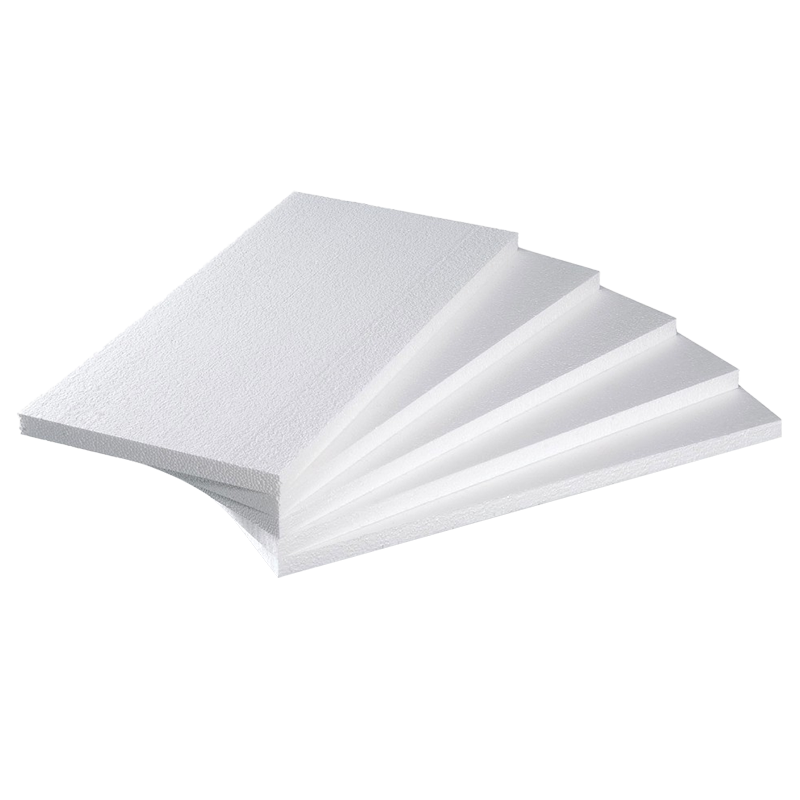
- Expanded Polypropylene (EPP): Characterized by high resilience and closed‑cell structure formed through bead foaming and steam expansion.
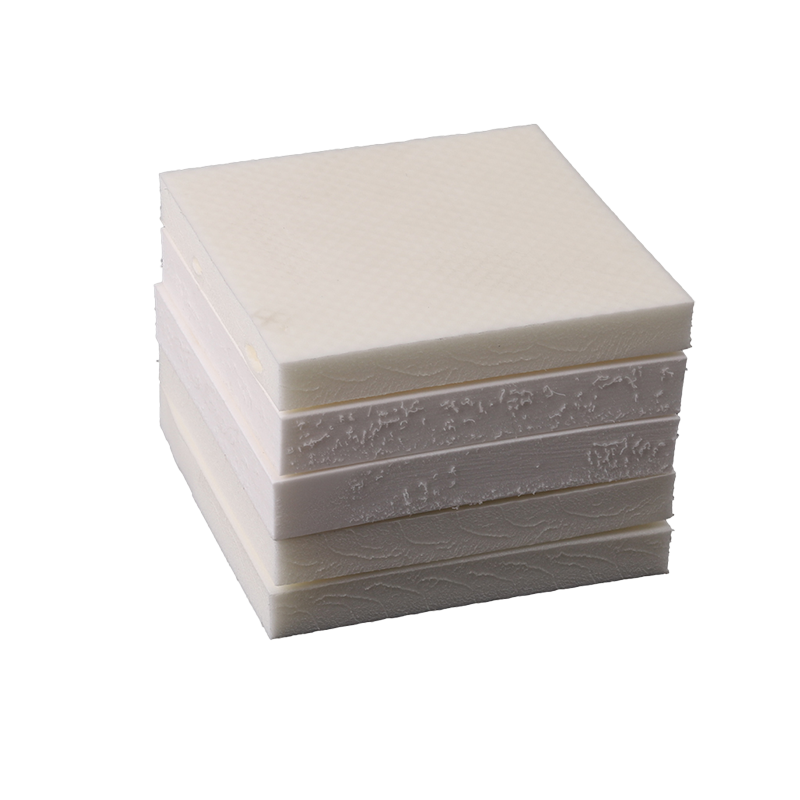
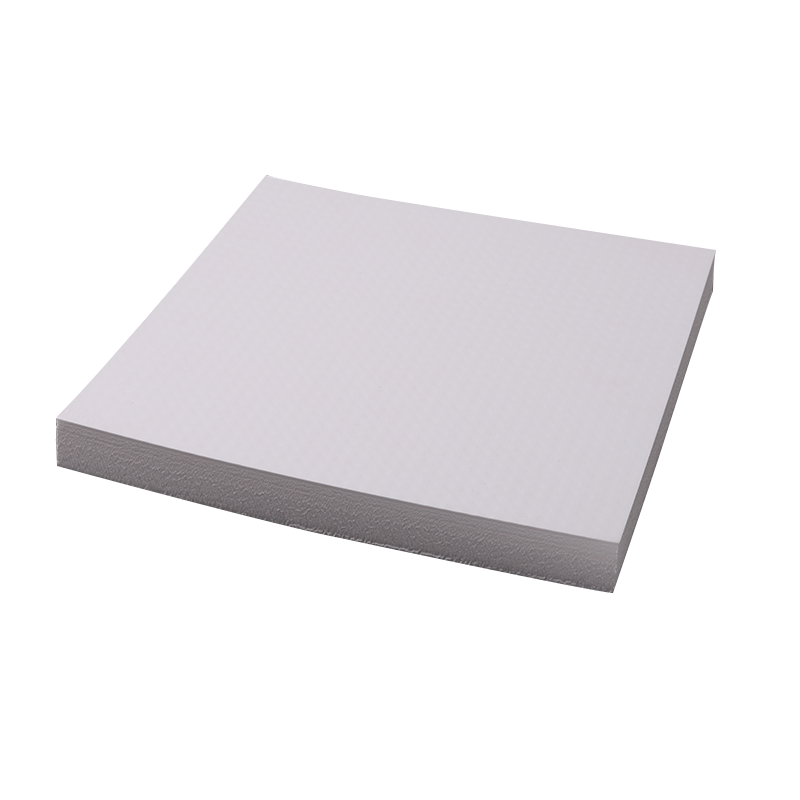
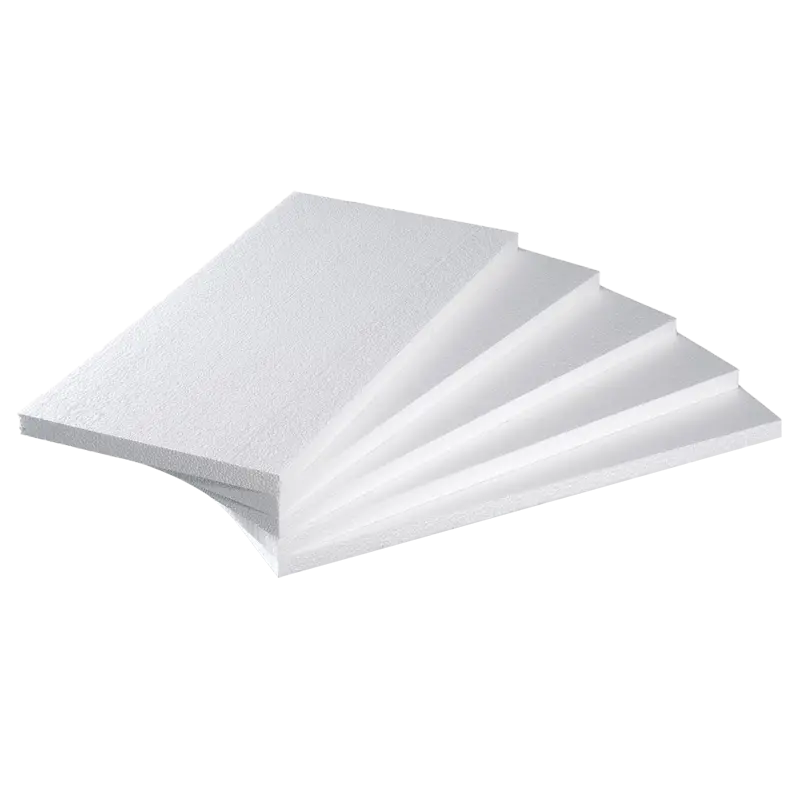
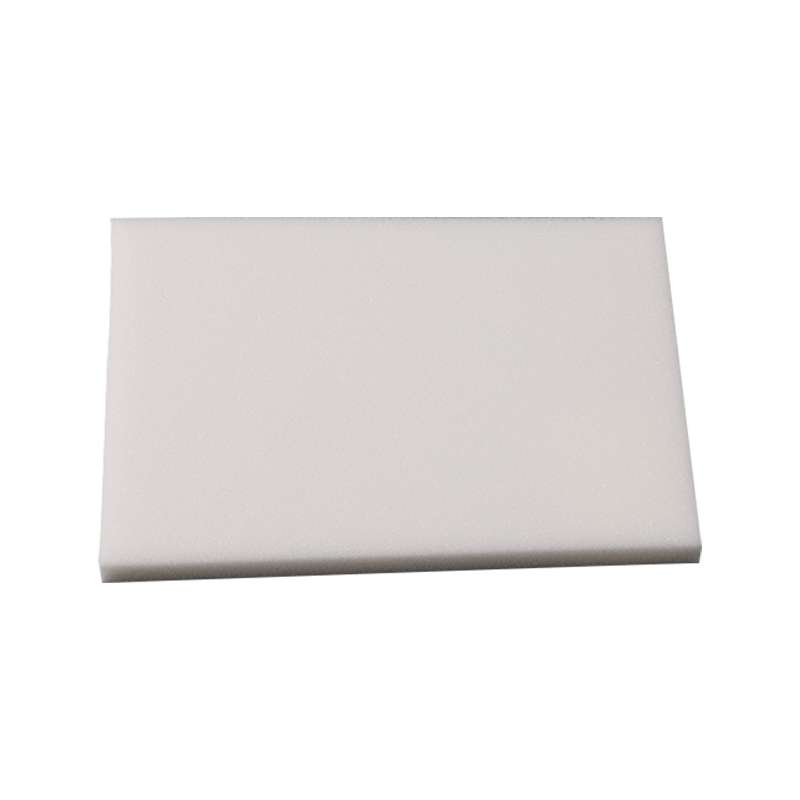
- Injection Molded Microcellular PP Foam (e.g., mpp foam sheet): Produced via nucleation and microcellular expansion during thermoplastic processing, resulting in fine cell size and uniform distribution.
- Other PP Foam Types: Including extruded foams, bead foams, and blend foams that vary by cell morphology and processing method.
These materials are integral to systems requiring:
- Impact mitigation and crash energy management
- Thermal insulation and vibration damping
- Lightweight structural components
- Packaging protection
- Acoustic management in enclosed environments
System‑Level Drivers for Material Selection
System engineers and technical procurement teams evaluate foam materials not only for isolated properties (e.g., density, stiffness) but also for their holistic contribution to system performance. Primary engineering drivers include:
- Energy absorption efficiency
- Mechanical durability under multi‑axial loads
- Dimensional stability in variable environments
- Integration with manufacturing processes (e.g., molding, cutting)
- Lifecycle costs and sustainability considerations
With evolving application requirements — such as increased electrification in automotive systems, stricter thermal management needs in battery enclosures, and greater emphasis on recyclability — material choices reflect a nuanced balancing of performance, cost, manufacturability, and environmental impact.
Core Technical Challenges in Polymer Foam Selection
Selecting an appropriate foam material is complex due to the interplay of material properties, manufacturing constraints, and functional requirements. The following sections outline the core challenges that technical stakeholders must consider.
1. Mechanical Performance Under Diverse Loading Conditions
Foam materials are often subjected to multi‑directional stresses, including compression, tension, shear, and cyclic loading. Specific challenges include:
- Predicting deformation behavior under dynamic impact events.
- Ensuring recovery and resilience for repeated loading without permanent cell collapse.
- Maintaining uniform mechanical performance across large sheet formats or molded parts.
2. Cell Structure Control and Uniformity
The internal cellular morphology — cell size, distribution, and wall thickness — significantly influences performance attributes such as:
- Energy absorption efficiency
- Thermal conductivity
- Acoustic damping
- Dimensional stability
Achieving consistent and reproducible cell structure across production batches is a major technical challenge, especially for high‑performance foam sheet applications.
3. Integration With Downstream Processes
Foam materials must be compatible with subsequent fabrication and assembly operations. Challenges include:
- Maintaining structural integrity during machining, cutting, or thermoforming.
- Achieving reliable bonding with adhesives, coatings, and complementary structural materials.
- Minimizing distortion or property variation post‑fabrication.
4. Thermal and Environmental Stability
Applications such as battery thermal management, building insulation, or automotive under‑hood components expose foams to:
- Wide temperature ranges
- Humidity and moisture
- UV exposure
- Chemical agents
Ensuring long‑term stability without significant degradation in properties is essential for system reliability and safety.
5. Sustainability and Lifecycle Impact
Environmental performance considerations are increasingly prioritized in engineering decisions, including:
- Recyclability of material streams
- Use of recycled content
- End‑of‑life pathways
- Energy consumption during manufacturing
Balancing sustainability goals without compromising performance metrics adds complexity to material selection.
Technical Pathways and System‑Level Engineering Perspectives
To address these challenges, advanced engineering strategies are adopted across the material development and system integration lifecycle.
Microstructural Design and Engineering
The internal architecture of foam is a primary determinant of mechanical and thermal behavior. For instance:
- Cell size reduction enhances strength density and uniformity.
- Closed‑cell structures minimize moisture ingress and provide better thermal insulation.
- Controlled anisotropy can tailor properties in specific load directions.
Achieving targeted microstructures involves careful selection of nucleating agents, processing conditions, and polymer rheology.
Process Optimization and Quality Control
Manufacturing processes for polypropylene foams vary by category:
- Bead expansion (EPP): Controlled steam expansion of pre‑foamed beads, followed by molding.
- Microcellular injection or extrusion (mpp foam sheet): Incorporation of physical blowing agents and precise thermal control to induce fine, uniform microcells.
Advanced process monitoring (e.g., in‑line density scanning, thermal profiling) improves consistency and reduces defects.
System Integration Strategies
Engineering teams adopt several strategies to integrate foam materials effectively, such as:
- Design for Manufacturability (DFM): Aligning foam component design with process capabilities to avoid stress concentrations, warping, or failures during fabrication.
- Multi‑material Assemblies: Co‑designing foam with adjacent rigid components, fasteners, or reinforcement structures to optimize load transfer and avoid delamination.
- Simulation‑Driven Optimization: Using finite element analysis (FEA) and multi‑physics modeling to predict performance under realistic loading scenarios.
Lifecycle and Environmental Engineering
Sustainability engineering practices help quantify and reduce environmental impact:
- Lifecycle Assessment (LCA): Evaluates cradle‑to‑grave environmental metrics for different foam types.
- Recyclability Pathways: Designing systems for disassembly and reuse of foam materials or their inclusion in mechanical recycling streams.
- Energy Efficiency: Choosing materials and processes with lower energy intensity without sacrificing performance.
Comparative Performance: mpp Foam Sheet vs. EPP and Other Polypropylene Foams
To aid technical evaluation, the following table presents a comparative overview of key performance and integration characteristics for mpp foam sheet, EPP, and other common polypropylene foam variants.
Note: The table below synthesizes general material tendencies observed across engineering practice; specific values must be verified for each material grade and application context.
| Performance Attribute | mpp Foam Sheet | EPP | Other Polypropylene Foams |
|---|---|---|---|
| Cell Size & Uniformity | Very fine, uniform microcells | Larger bead‑based cells | Variable; depends on process |
| Mechanical Strength Density | High | Moderate | Broad range |
| Energy Absorption Efficiency | High at controlled deformation | Very good, especially in repeated impacts | Variable |
| Thermal Insulation | Moderate to high | Moderate | Depends on cell structure |
| Dimensional Stability | High | Very good | Moderate |
| Processing Precision | High (sheet form) | Medium (bead molding) | Varies by method |
| Machinability | Excellent | Good | Varies |
| Surface Finish | Smooth, consistent | Bead texture | Depends on process |
| Moisture Resistance | Excellent | Excellent | Varies |
| Recyclability | High (PP base) | High (PP base) | High (PP base) |
| Integration with Adhesives/Bonding | Good | Moderate | Varies |
| Energy Management (Crash/Impact) | High precision | Proven resilience | Application‑dependent |
| Thermal Stability Range | Good | Very good | Process‑dependent |
Mechanical Performance and Load Management
mpp foam sheets — due to their microcellular architecture — provide a high strength‑to‑weight ratio and more predictable energy absorption under controlled deformation. The fine, evenly distributed microcells reduce stress concentrations and enable smoother, more uniform collapse behavior under compression or impact. This can translate into more consistent performance in applications such as:
- Structural core inserts for lightweight panels
- Crash management layers within composite assemblies
- Shock‑absorbing cores for high‑precision packaging
In contrast, EPP excels in multi‑impact resilience due to its larger bead‑based closed‑cell morphology. EPP can undergo repeated deformation with significant elastic recovery — a key advantage in applications like automotive bumpers, occupant safety components, and reusable protective packaging.
Other polypropylene foam variants — such as extruded or blended foams — can offer tailored mechanical performance but often with broader variability depending on cell structure, density, and process control.
Thermal and Acoustic Performance
Thermal and acoustic management are vital considerations in applications ranging from battery enclosures to building insulation.
-
Thermal insulation: Microcellular structures in mpp foam sheet can enhance thermal resistance due to reduced solid conduction paths and minimal convective heat transfer. When designed appropriately, such foams deliver improved insulation per unit thickness relative to coarser foams.
-
Acoustic damping: Fine, closed cells can attenuate broadband acoustic energy effectively, making mpp foam sheet suitable for noise‑control applications where space constraints and weight limits are present.
EPP maintains competitive thermal and acoustic performance but may require greater thickness to achieve similar insulation levels due to the larger cell size and bead interfaces.
Other PP foams vary widely; some extruded foams are optimized for thermal insulation in building systems, while others focus on acoustic applications.
Manufacturability and Integration Considerations
From a system integration perspective, manufacturability includes material form, consistency, cutting/processing behavior, and compatibility with joining methods.
-
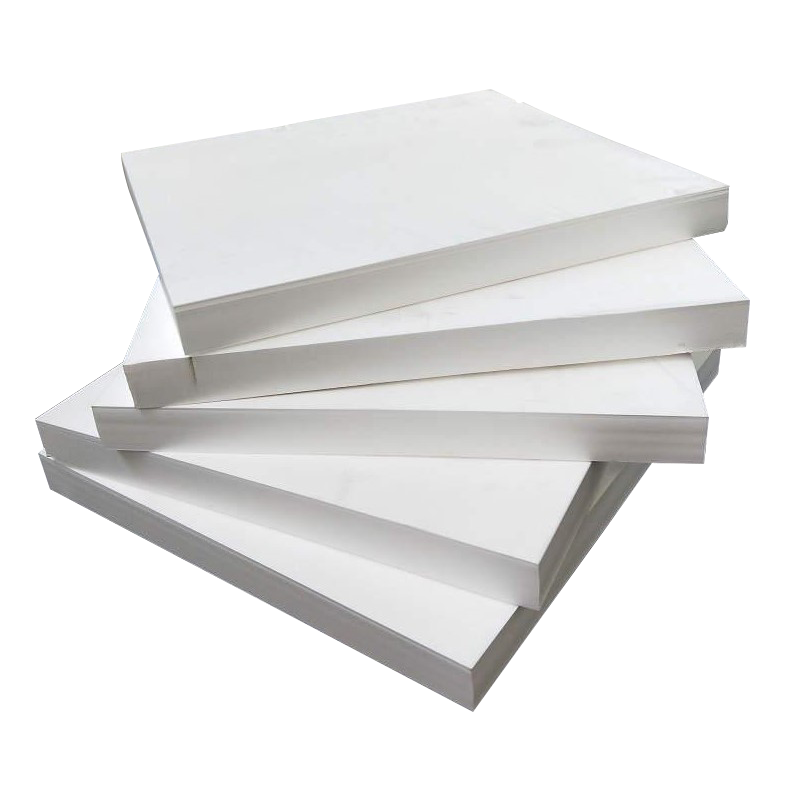
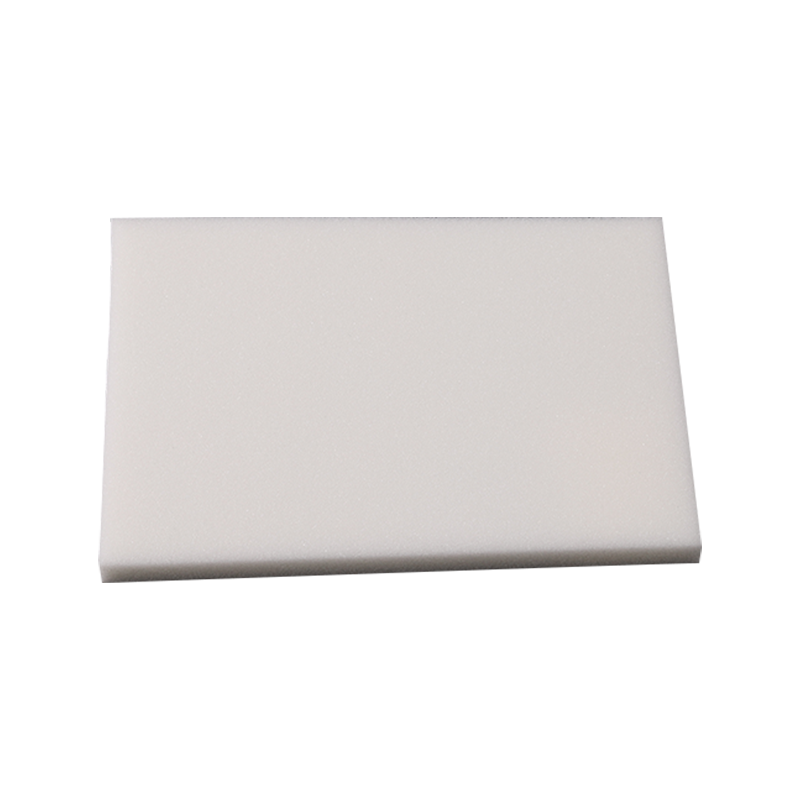
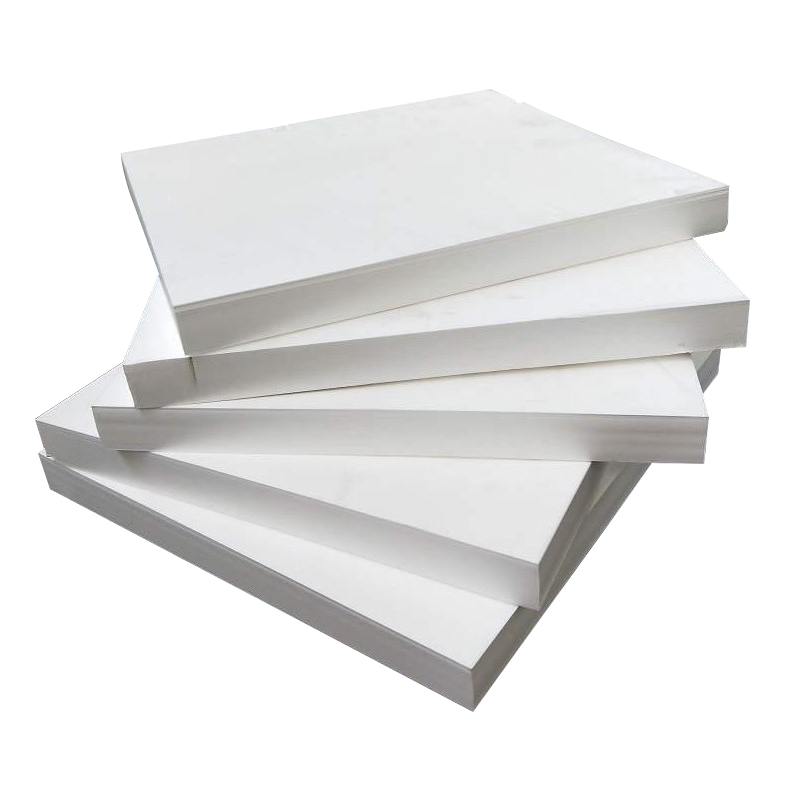
Form Factor: mpp foam sheet is typically supplied in uniform sheet form, enabling predictable machining, trimming, and integration into panelized assemblies. This is advantageous for high‑precision applications requiring tight dimensional tolerances.
-
Surface Quality: Smooth surfaces improve bonding with adhesives and coatings, facilitating integration into multi‑layer structures.
-
Cutting and Machining: The uniform microcell structure allows reliable cutting, routing, and thermoforming without significant edge tear or distortion.
EPP, while machinable, may require more process accommodation due to its bead morphology — especially for high‑precision, thin‑wall features.
Other PP foams exhibit variable behavior; extruded foams may offer consistent sheets, while bead foams can be more challenging to process in certain geometries.
Durability and Environmental Stability
Durability assessments must consider mechanical aging, environmental exposure, and long‑term stability:
-
mpp foam sheet: Exhibits strong dimensional stability and resistance to moisture ingress, due to closed microcells. UV resistance and thermal endurance are linked to polymer additives and grade selection.
-
EPP: Renowned for resilience and durability under repeated deformation — particularly valuable in automotive and reusable packaging.
Other foams display a spectrum of durability profiles influenced by cell morphology and polymer additives.
Cost and Lifecycle Considerations
Cost metrics extend beyond raw material pricing to include:
- Manufacturing complexity
- Scrap and rework rates
- Assembly and processing costs
- End‑of‑life management
mpp foam sheet may command higher upfront costs due to microcell generation processes and quality control, but its predictable performance and integration advantages can yield lower system costs through reduced rework, improved performance margins, and compatibility with automated assembly.
EPP often benefits from economies of scale in high‑volume applications, and its robustness can reduce lifecycle costs in reusable systems.
Typical Application Scenarios and System Architecture Analyses
To contextualize the performance differences, the following sections describe representative application domains where material choice impacts system‑level behavior.
1. Automotive Structural and Safety Systems
Functional Needs:
- Lightweight structural cores
- Impact energy absorption
- Vibration damping
- Thermal and acoustic comfort
Integration Context:
Automotive systems increasingly demand lightweight solutions without compromising safety. In the frontal and side crash management architectures, foam elements act as energy absorbers between outer skins and structural frames. Here:
- mpp foam sheet offers predictable collapse behavior, aiding precise calibration of crash energy distribution.
- EPP contributes resilience in secondary impact events and where repeated deformation resistance is beneficial.
In acoustic and thermal applications — e.g., under‑hood insulation or battery housings — the fine cell structure and thermal resistance of microcellular foams support compact packaging solutions.
2. Electronic Enclosures and Thermal Management
Functional Needs:
- Heat dissipation control
- Protective cushioning
- EMI/RFI mitigation (indirect via structural stability)
- Space‑constrained design
Integration Context:
Foam materials in electronics often serve dual roles: protecting sensitive components from mechanical shock and contributing to thermal regulation. The uniform microcellular structure and smooth surface of mpp foam sheet facilitate:
- Precision fitting into tight geometries
- Reliable contact with structural surfaces
- Integration with thermal interface materials
EPP remains viable where repeated service access or reusable packaging is required.
Other polypropylene foams may be selected for low‑density insulation applications but can pose trade‑offs in mechanical robustness.
3. Packaging for High‑Value or Fragile Goods
Functional Needs:
- Impact attenuation
- Compression resistance
- Reusability and sustainability
Integration Context:
In protective packaging systems, foam inserts are engineered to:
- Match product geometry
- Absorb shock over multiple axes
- Enable return and reuse
EPP is widely used in reusable protective packaging due to resilience and recovery characteristics. mpp foam sheet is advantageous when a tailored energy absorption profile and precise fit are prioritized over repeated deformation tolerance.
Both materials contribute to sustainable packaging strategies through recyclability, but design for disassembly supports end‑of‑life material recovery.
4. Building and Architectural Insulation Systems
Functional Needs:
- Thermal insulation
- Moisture resistance
- Structural decoupling
- Acoustic attenuation
Integration Context:
In building envelope systems, closed‑cell foams provide insulation against heat flow and moisture. Microcellular structures in mpp foam sheet can augment thermal performance per unit thickness — an asset in space‑limited retrofits. EPP and other extruded foams contribute where larger panels or mass insulation are primary drivers.
Impact of Material Selection on System Performance, Reliability, and Operational Efficiency
The choice between mpp foam sheet, EPP, and other polypropylene foams resonates through multiple system characteristics:
System Performance
- Energy absorption and safety margins: Fine microcells enable tailored deformation; bead foams support resilience under repeat events.
- Thermal and acoustic management: Closed cells enhance insulation and damping; cell size distribution affects frequency response.
Reliability
- Dimensional stability: Microcell structures lead to predictable shrinkage and dimensional behavior during processing and use.
- Environmental aging: Degree of crystallinity and additives influence thermal and UV stability.
Operational Efficiency
- Manufacturing reproducibility: Consistent foam properties simplify assembly automation.
- Integration with other materials: Smooth surfaces and predictable behavior reduce assembly challenges.
Maintenance and Lifecycle Cost
- Repeat usage and durability: EPP’s resilience reduces replacement frequency in reusable systems.
- Recycling infrastructure compatibility: Polypropylene base supports integration into existing recycling streams.
Industry Trends and Future Technical Directions
Industry dynamics are shaping the evolution of polypropylene foam technologies across multiple dimensions:
1. Sustainability and Circularity
- Increased use of recycled polypropylene and closed‑loop manufacturing.
- Design for material recovery and end‑of‑life reuse.
- Lifecycle assessments guiding material selection at the system level.
2. Advanced Process Control and Digital Manufacturing
- Integration of real‑time monitoring for density and cell structure control.
- Use of machine learning to optimize process parameters.
- Digital twins for predicting foam performance across lifecycle conditions.
3. Multifunctional Foam Systems
Emerging applications demand foams that deliver combined mechanical, thermal, and acoustic performance concurrently, driving research into hybrid cell architectures and tailored polymer formulations.
4. Integration With Smart Materials
Foams with embedded sensors, conductive networks, or adaptive responses may emerge to support performance monitoring and adaptive system behavior in structural and safety applications.
Summary: System‑Level Value and Engineering Significance
The comparative analysis of mpp foam sheet with EPP and other polypropylene foams highlights that no single material is universally optimal. Instead, material selection should be guided by system‑level priorities including:
- Target performance envelopes (e.g., impact tolerance, insulation requirements)
- Integration and manufacturability constraints
- Lifecycle and sustainability goals
- Reliability under expected environmental and operational conditions
mpp foam sheet distinguishes itself through its microcellular structure, which supports high strength density, precision integration, and enhanced thermal and acoustic performance in applications where these traits align with system goals. EPP, with its larger bead structure and proven resilience, excels in multi‑impact scenarios and reusable systems.
Understanding these differences from a holistic, system engineering perspective enables technical teams to optimize design outcomes and achieve balanced performance, cost, and sustainability.
Frequently Asked Questions (FAQ)
Q1: What is the primary structural difference between mpp foam sheet and EPP?
A1: The primary difference lies in cellular morphology — mpp foam sheet has a finer, more uniform microcell structure produced through nucleated expansion processes, while EPP is formed from expanded beads, resulting in larger, bead‑based cells.
Q2: How does microcell size influence mechanical performance?
A2: Smaller, uniform cells tend to distribute stress more evenly and provide smoother deformation profiles, leading to more predictable energy absorption and mechanical behavior under load.
Q3: Can mpp foam sheet be used in high‑temperature applications?
A3: Yes, but thermal stability depends on the specific polypropylene grade, additives, and application environment. Engineers should evaluate thermal limits based on expected service temperatures.
Q4: How does foam architecture influence acoustic performance?
A4: Closed, fine cell structures can dampen a broader range of frequencies and reduce airborne noise transmission, whereas larger cells may perform differently depending on frequency and thickness.
Q5: What environmental benefits are associated with polypropylene foams?
A5: Polypropylene foams are recyclable and can incorporate recycled content. Design for disassembly and material recovery enhances circularity and reduces lifecycle environmental impact.
References
- Technical insights into microcellular polymer foams and their structural performance implications, Journal of Cellular Materials (no brand or product names referenced).
- Comparative analysis of polypropylene foam morphologies and engineering applications, International Polymer Engineering Review.
- Lifecycle considerations for polymer foam systems in industrial applications, Sustainable Materials Engineering Journal.
 ++86-0512-66079229