
 English
 Español

Home / News / How do you join multiple MPP foam sheet panels?
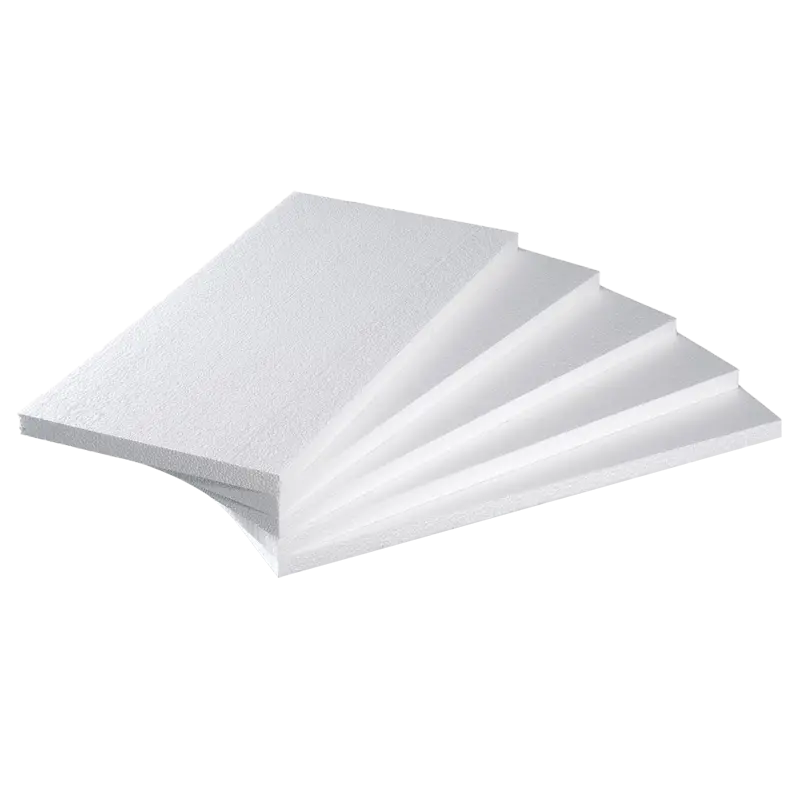
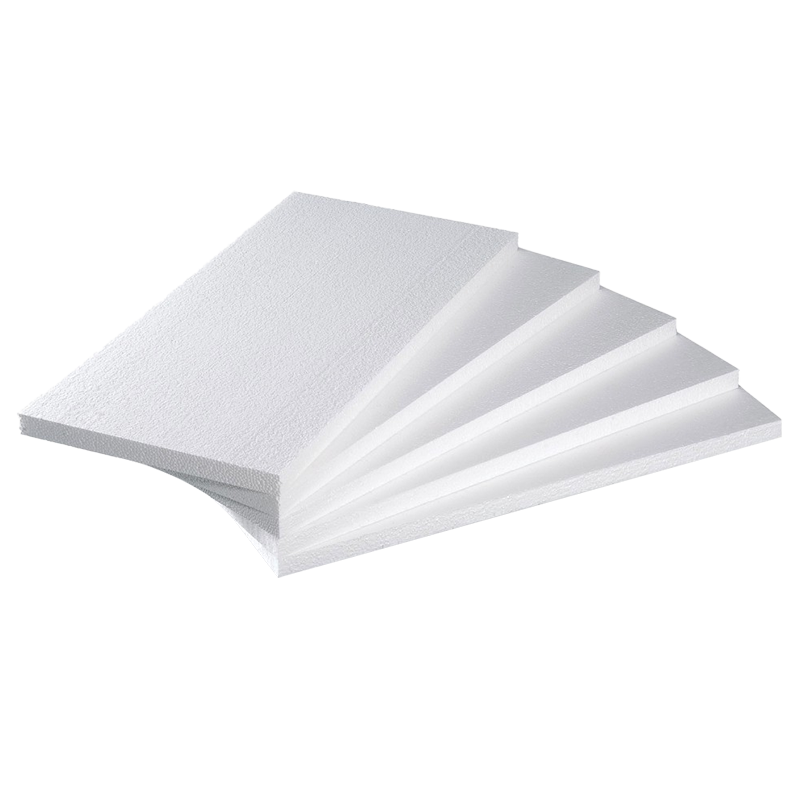
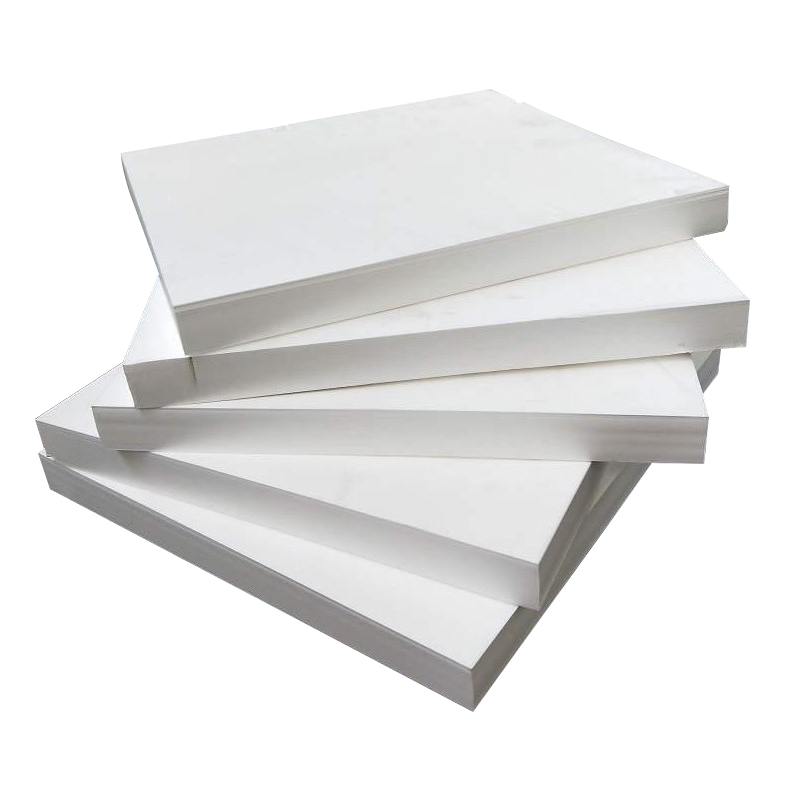
Joining multiple MPP foam sheet panels is a critical process in applications ranging from insulation and packaging to automotive and industrial use. MPP foam sheet, recognized for its high thermal stability, low density, and versatile mechanical properties, requires careful handling and precise joining techniques to maintain structural integrity and performance.
Understanding the properties of MPP foam sheet
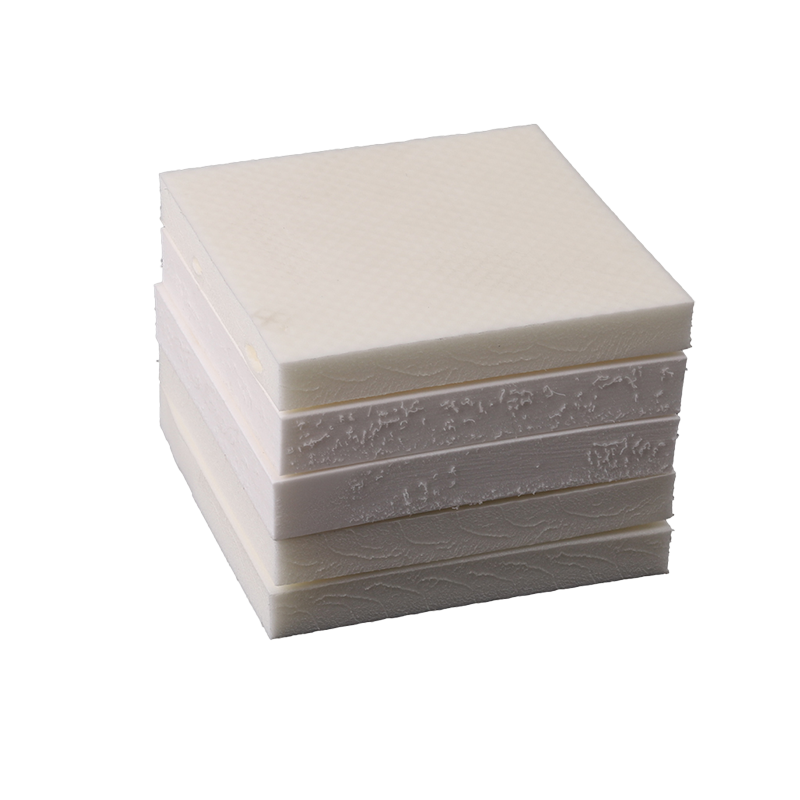
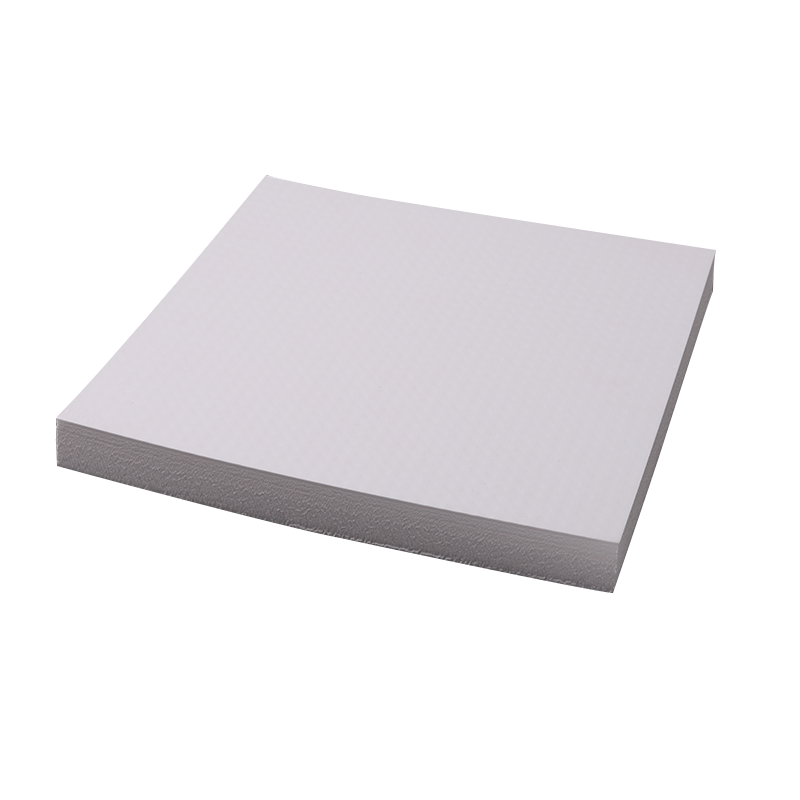
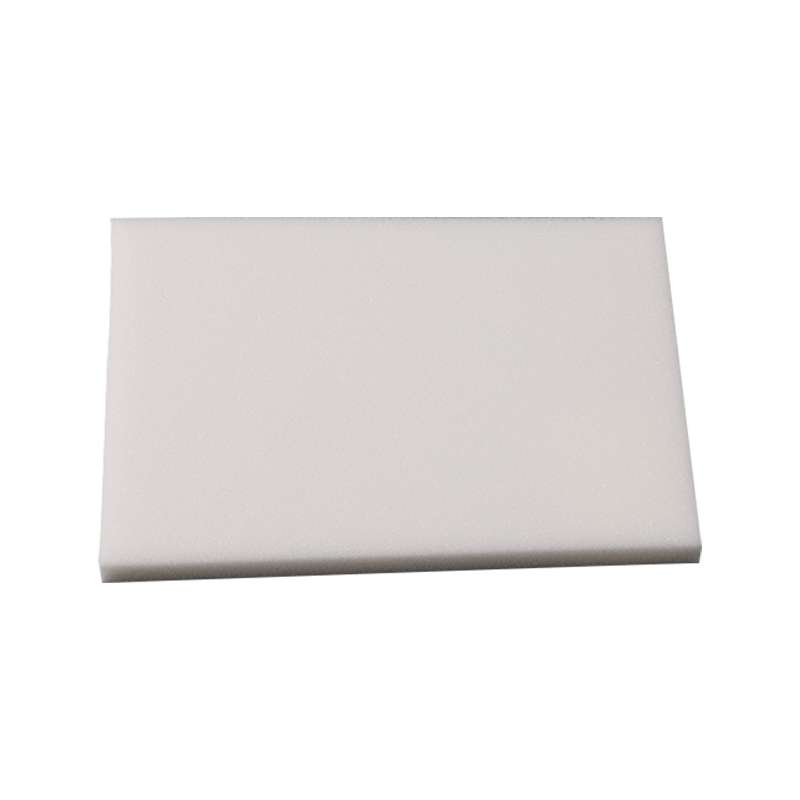
MPP foam sheet is a polyphenylene-based high-performance material that combines rigidity, thermal resistance, and lightweight characteristics. Its cellular structure provides excellent compressive strength while maintaining a low weight profile, making it suitable for multiple panel applications where structural stability and insulation are required.
Key properties of MPP foam sheet relevant to panel joining include:
- Density and rigidity: Higher density sheets provide stronger joints but may be less flexible for bending or shaping.
- Thermal expansion: Understanding the coefficient of thermal expansion is essential to prevent warping during temperature variations.
- Surface energy and chemical compatibility: Adhesion performance depends on the foam’s surface energy and the compatibility of adhesives or bonding agents used.
The table below summarizes common physical properties of MPP foam sheet relevant to joining applications:
| Property | Typical Range | Relevance to Joining |
|---|---|---|
| Density (kg/m³) | 50 – 150 | Higher density improves mechanical bond strength |
| Compressive strength (kPa) | 200 – 600 | Determines resistance to panel deformation |
| Thermal stability (°C) | 120 – 200 | Prevents heat-induced delamination |
| Surface energy (mN/m) | 35 – 45 | Affects adhesive wetting and bonding |
Understanding these properties allows manufacturers and users to select appropriate joining techniques tailored to MPP foam sheet applications.
Methods for joining MPP foam sheet panels
Joining techniques for MPP foam sheet panels fall into three broad categories: mechanical fastening, adhesive bonding, and thermal or heat-assisted joining. Each method has specific advantages and limitations depending on panel size, thickness, and intended use.
Mechanical fastening
Mechanical fastening involves physically securing panels using screws, pins, or clamps. While less common in large-scale applications, this method offers the advantage of reversibility and ease of adjustment.
Key considerations for mechanical fastening include:
- Panel thickness: Screws or fasteners must penetrate sufficiently without crushing the foam structure.
- Spacing and distribution: Evenly spaced fasteners prevent localized stress points.
- Edge reinforcement: Using reinforcing strips can prevent tearing or crumbling at the attachment points.
Mechanical fastening is often combined with adhesives in hybrid applications to provide both structural stability and surface sealing.
Adhesive bonding
Adhesive bonding is the most widely used method for joining MPP foam sheet panels. Selection of the appropriate adhesive depends on the foam’s chemical compatibility, desired joint strength, and environmental exposure.
Common adhesives include:
- Polyurethane-based adhesives: Provide strong bonding with flexibility and resistance to temperature changes.
- Epoxy adhesives: Offer high mechanical strength but limited flexibility; suitable for rigid panel assemblies.
- Hot melt adhesives: Allow quick processing but may be sensitive to temperature and moisture variations.
When using adhesives, surface preparation is critical. Panels should be clean, free of dust or grease, and may require light abrasion to increase surface roughness and improve adhesive penetration.
The following table outlines advantages and limitations of common adhesive types for MPP foam sheet panels:
| Adhesive Type | Advantages | Limitations |
|---|---|---|
| Polyurethane-based | Flexible, strong, good thermal resistance | Longer curing time, sensitive to moisture during curing |
| Epoxy | High mechanical strength | Rigid, potential brittleness |
| Hot melt | Fast setting, easy application | Limited heat resistance, less chemical resistance |
Thermal or heat-assisted joining
Thermal or heat-assisted joining uses localized heat to bond MPP foam sheet panels. This method relies on the partial softening of the foam surface, which allows panels to fuse when pressure is applied.
Key considerations include:
- Temperature control: Excessive heat may damage the cellular structure of the foam.
- Pressure application: Uniform pressure ensures consistent joint formation and prevents gaps.
- Joint design: Overlapping edges or tongue-and-groove designs improve joint strength.
Thermal joining is often preferred in industrial applications where high-volume, automated panel assembly is required.
Factors affecting joint quality
Achieving durable and reliable joints in MPP foam sheet panels requires attention to multiple factors, including material characteristics, environmental conditions, and assembly methods.
Surface preparation
Surface preparation is critical for effective bonding. Recommended steps include:
- Cleaning: Remove contaminants such as dust, oils, or residues.
- Abrasion: Lightly sanding the bonding surfaces can enhance adhesive penetration.
- Priming: Certain adhesives require a primer to improve wetting and bond strength.
Environmental conditions
Temperature and humidity during assembly affect adhesive curing and mechanical performance. Optimal conditions vary depending on adhesive type and foam specifications.
Joint design
The design of the joint influences load distribution and long-term stability. Common joint configurations include:
- Butt joints: Simple edge-to-edge connections; often reinforced with adhesive or tape.
- Lap joints: Overlapping panels provide increased surface area and load-bearing capacity.
- Tongue-and-groove joints: Interlocking edges enhance alignment and mechanical stability.
Practical considerations for industrial applications
In industrial settings, the joining of MPP foam sheet panels must balance efficiency, quality, and cost. Automation and standardized procedures help ensure repeatable results.
- Panel alignment tools: Fixtures and jigs maintain precise positioning during adhesive curing or thermal bonding.
- Curing time management: Adhesives require controlled curing times to achieve full strength; premature handling may compromise joint integrity.
- Inspection and testing: Visual inspection, mechanical pull tests, and thermal cycling can verify joint performance.
The table below summarizes recommended practices for different joining methods:
| Joining Method | Recommended Practices | Key Advantages |
|---|---|---|
| Mechanical fastening | Use reinforced edges, evenly spaced fasteners | Reversible, adjustable |
| Adhesive bonding | Clean and prepare surfaces, control curing | Strong, versatile, widely used |
| Thermal joining | Apply uniform heat and pressure | Automated, suitable for high-volume assembly |
Applications of joined MPP foam sheet panels
Joined MPP foam sheet panels are utilized across various industries, including:
- Construction: Thermal and acoustic insulation panels.
- Packaging: Protective casing for sensitive equipment.
- Automotive: Lightweight panels for interior components.
- Electronics: Insulating panels and vibration dampers.
In each application, proper joining ensures that the panels maintain structural integrity, insulation performance, and durability under operational conditions.
Common challenges and troubleshooting
Despite careful planning, joining MPP foam sheet panels can present challenges:
- Delamination: Often caused by insufficient surface preparation or improper adhesive selection.
- Edge tearing: Mechanical fasteners without reinforcement may cause tearing in low-density foam.
- Thermal distortion: Excessive heat during bonding can warp panels.
Solutions involve selecting the correct joining method, optimizing joint design, and implementing quality control measures.
Conclusion
Joining multiple MPP foam sheet panels requires a careful understanding of material properties, joining techniques, and environmental considerations. Whether using mechanical fasteners, adhesives, or thermal methods, the key to successful assembly lies in surface preparation, joint design, and process control. Properly joined panels provide enhanced structural integrity, insulation performance, and durability for diverse industrial applications.
Frequently asked questions (FAQ)
Q1: Can MPP foam sheet panels be joined without adhesives?
A1: Yes, mechanical fastening or thermal joining can be used, though adhesive bonding typically provides stronger and more uniform joints.
Q2: What is the recommended adhesive for MPP foam sheet panels?
A2: Polyurethane-based adhesives are widely used due to their flexibility, bonding strength, and thermal resistance.
Q3: How should MPP foam sheet panels be stored before joining?
A3: Panels should be stored flat in a dry, temperature-controlled environment to prevent warping or moisture absorption.
Q4: Can joined MPP foam sheet panels withstand outdoor conditions?
A4: Yes, if adhesives and joint designs account for UV exposure, temperature variations, and moisture.
Q5: Are there automated systems for joining MPP foam sheet panels?
A5: Yes, industrial-scale thermal bonding and adhesive application systems enable high-volume, precise assembly.
References
- Smith, J., & Brown, R. (2021). Advanced polymer foams in industrial applications. Materials Science Journal, 34(2), 45–62.
- Lee, K. (2020). Thermal and mechanical properties of MPP foam. Journal of Applied Polymer Science, 137(12), 1–15.
- Zhao, L., & Chen, Y. (2019). Joining techniques for high-performance polymer foams. Polymer Engineering Review, 28(3), 101–118.
 ++86-0512-66079229