
 English
 Español

Home / News / How Does Foaming Technology Impact the Mechanical Properties of TPEE Sheets?
Introduction
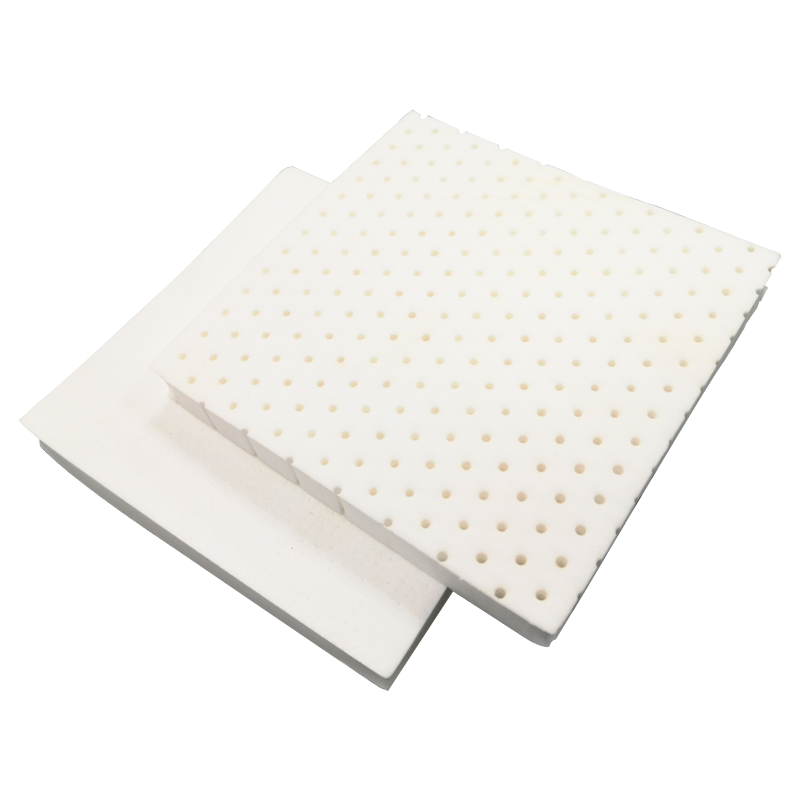
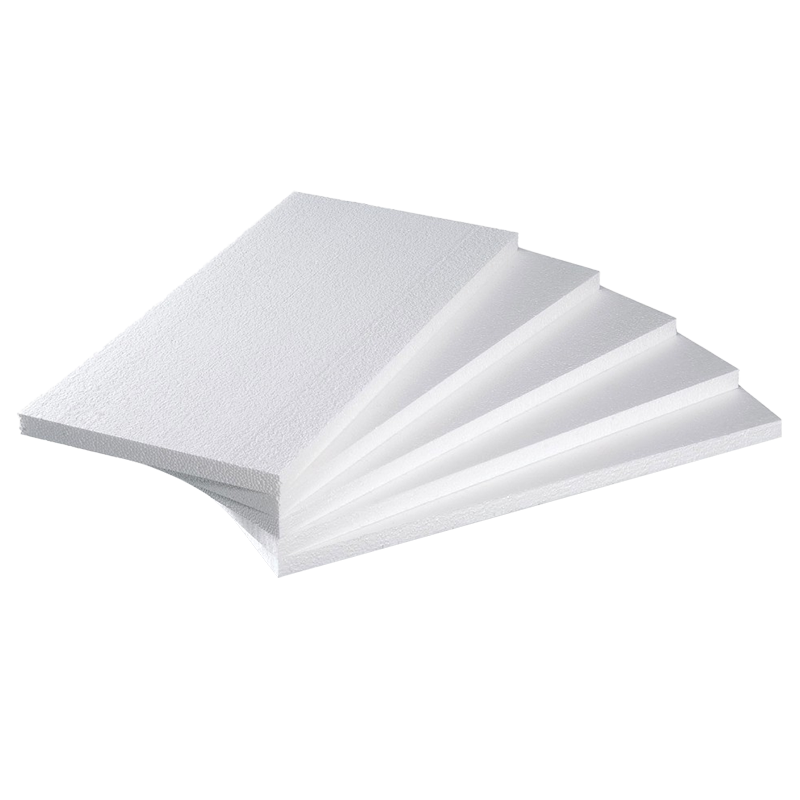
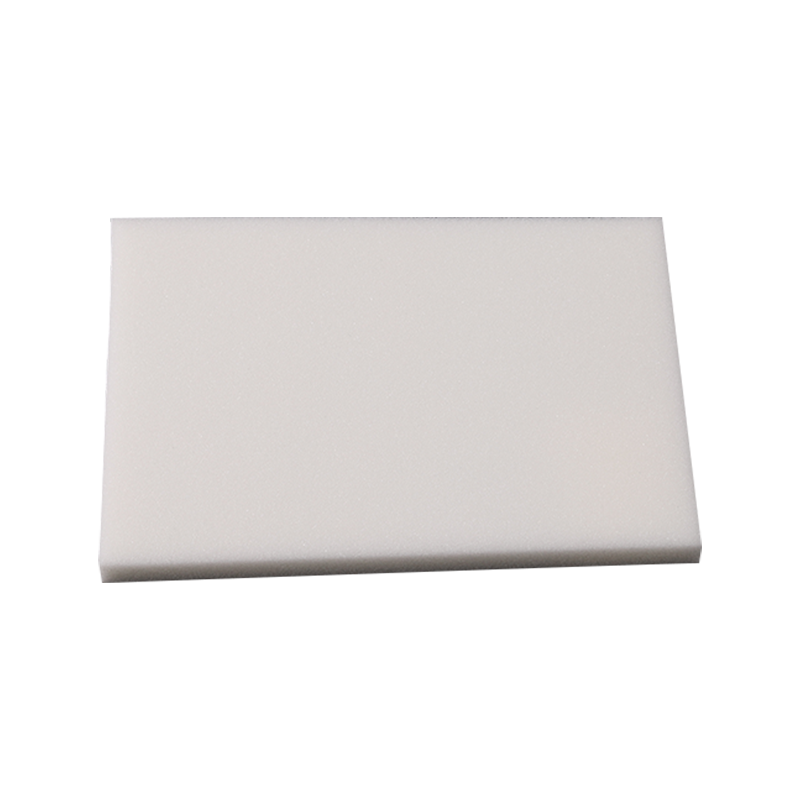
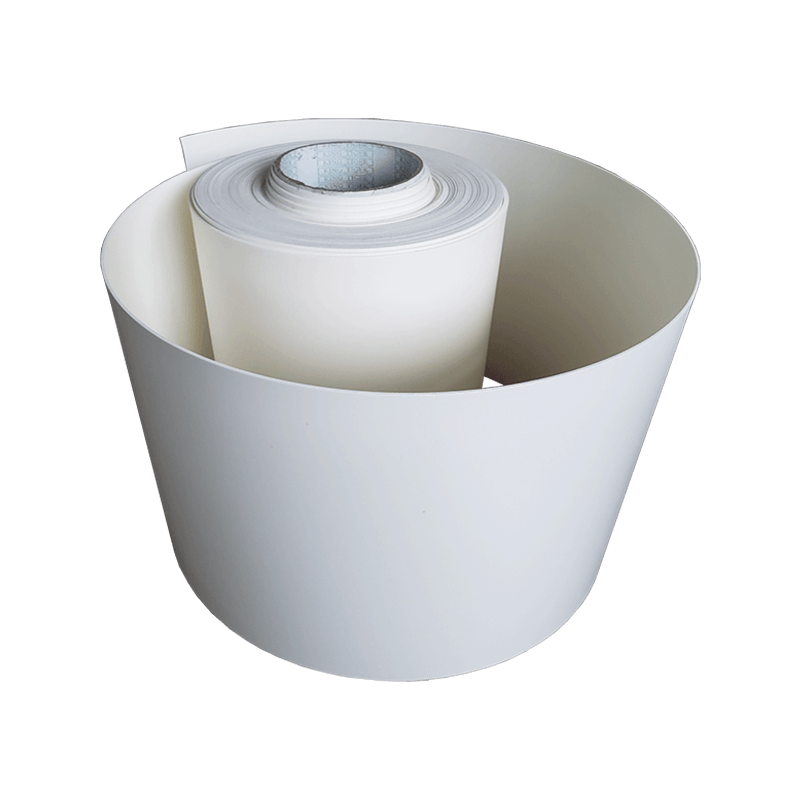
Thermoplastic polyester elastomers (TPEE) represent a class of block copolymers combining the elasticity of rubber with the processability of thermoplastics. When foamed, TPEE transitions from a dense, solid form into a cellular, lightweight structure known as M‑TPEE foam sheet. This transformation is achieved through advanced foaming technologies that introduce controlled gas cells into the polymer matrix.
The application of foaming technology to TPEE materials is increasingly significant across industries focused on sealing, damping, cushioning, insulation, and lightweight structural elements. Engineers, technical managers, system integrators, and B2B technical procurement specialists must understand how foaming alters the mechanical behavior of TPEE sheets — not just at the material level, but within the context of system performance, reliability, and integrated application demands.
Industry Background and Application Importance
The Rise of Polymer Foams in Engineering Systems
Polymer foams are an essential class of engineered materials characterized by a matrix interspersed with a high volume of gas cells (closed or open). Across sectors such as automotive, industrial manufacturing, consumer electronics, and building systems, foams are used for:
- Vibration and noise reduction
- Thermal and moisture insulation
- Shock absorption and impact management
- Lightweight structural components
- Sealing and gasketing interfaces
The migration from traditional elastomeric films to foamed elastomeric sheets reflects a broader industry need for materials that balance mechanical performance with weight reduction, cost efficiencies, and multifunctional behavior.
Role of M‑TPEE Foam Sheet
Among elastomeric foams, M‑TPEE foam sheet has gained attention due to the intrinsic properties of TPEE:
- Balanced hardness and elasticity
- Good dynamic resilience
- Wide temperature performance window
- Compatibility with standard thermoplastic processing
When expanded into foam sheets, TPEE supports design requirements where tailored mechanical properties (e.g., compression set, modulus, elongation) intersect with system‑level constraints such as assembly tolerances and cyclic loads.
Core Technical Challenges in Industry
Bringing M‑TPEE foam sheets into system‑level design involves navigating several technical challenges:
1. Control of Cellular Structure
The mechanical properties of foam sheets are highly dependent on the cell size distribution, cell density, and uniformity:
- Large cells may reduce density but compromise load support.
- Non‑uniform cells create anisotropic mechanical responses.
- Open vs. closed cells impact compression resistance and air permeability.
Precise control of foaming agents, nucleation sites, and process parameters is required to achieve repeatable performance.
2. Balancing Density Reduction with Mechanical Integrity
Foaming reduces material density, which is beneficial for weight reduction, but this often comes at the expense of stiffness, strength, and fatigue resistance. The system‑level challenge is to find the optimum trade‑off between mass savings and mechanical function in service conditions.
3. Temperature and Environment Sensitivity
Foam structures are more susceptible to thermal softening and environmental aging than solid polymers. Engineers must account for:
- Thermal degradation of cell walls
- Humidity‑induced property changes
- Cyclic fatigue under variable loads
4. Scale‑Up and Manufacturing Variation
Consistent production of M‑TPEE foam sheets at industrial scale introduces variability risks, such as:
- Inconsistent foaming due to throughput differences
- Non‑uniform cooling profiles
- Variations in raw material and foaming agent quality
These challenges affect not only material properties but also assembly tolerances and system reliability.
Key Technical Pathways and System‑Level Solution Approaches
To address the above challenges, engineers and materials scientists apply a range of techniques:
Controlled Foaming Through Precise Process Engineering
Successful foaming requires optimization of:
- Foaming agent type and concentration
- Temperature and pressure profiles
- Residence time in extrusion or molding
- Nucleation control (e.g., via microscale additives)
Process control strategies ensure that the cell size distribution and density fall within design targets.
Multi‑Scale Material Design
A system engineering approach considers properties at:
- Microstructure level (cell morphology and polymer matrix interaction)
- Component level (foam sheet mechanical behavior)
- System level (integration with assemblies and interfaces)
This multi‑scale view enables trade‑off decisions that align with system performance requirements.
Simulation and Predictive Modeling
Finite element analysis and other modeling tools help predict how variations in cellular structure affect mechanical behavior under real‑world loads. Simulation supports:
- Design optimization
- Failure mode assessment
- Sensitivity analysis
Material Formulation Adjustments
Additives and co‑polymers can moderate mechanical characteristics, such as:
- Toughening agents to improve impact resistance
- Stabilizers to enhance thermal aging performance
- Compatibilizers to refine cell uniformity
Typical Application Scenarios and System‑Level Analysis
M‑TPEE foam sheet is increasingly specified in systems where mechanical performance must be validated within complex assemblies. Below are key application examples.
Case 1: Sealing and Gasketing in Automotive Systems
In automotive door seals and interface gasketing:
- Compression set resistance impacts long‑term sealing integrity.
- Dynamic resilience affects noise vibration harshness (NVH) performance.
- Temperature cycling affects sealing performance across climates.
| Property | Requirement | M‑TPEE Foam Sheet Impact |
|---|---|---|
| Compression Set | Low | Closed‑cell structure retains elasticity |
| Shore Hardness | Moderate | Foam lowers apparent stiffness |
| Thermal Stability | High | Matrix chemistry supports temperature range |
Case 2: Cushioning and Shock Absorption in Industrial Equipment
For vibration isolation mounts in machinery:
- Foamed sheets must absorb multi‑axis loads without excessive deformation.
- Uniform cell morphology supports predictable stiffness and damping.
System analysis must include:
- Dynamic load spectrums
- Fatigue life estimation
- Thermal effects on damping
Case 3: Lightweight Insulation in Consumer Electronics
Electronic housings benefit from foam sheets that provide:
- Thermal management
- Mechanical buffering
- Gap filling without heavy weight penalty
Here, mechanical properties at microscale influence:
- Contact pressure distribution
- Long‑term creep and relaxation
- Interaction with adhesives and structural frames
Impact of Foaming on System Performance, Reliability, and Lifecycle
Foaming technology changes the mechanical property landscape of TPEE sheets in the following ways:
Mechanical Performance
Foaming introduces a cellular architecture that alters:
- Modulus: General reduction due to void inclusions.
- Stress at yield: Reduced compared to solid, but tunable via density control.
- Energy absorption: Enhanced due to progressive cell wall buckling.
Reliability and Durability
Foam sheets experience:
- Improved damping under vibratory loads
- Variable fatigue behavior depending on cell uniformity
- Potential for increased creep at elevated temperatures
Integration engineers must validate long‑term behavior in expected service environments.
System Efficiency and Weight Reduction
Weight reduction through foaming contributes to:
- Lower overall system mass
- Reduced energy consumption (e.g., in automotive systems)
- Potential material cost savings
However, the impacts on stiffness and load support must be quantified to avoid performance degradation.
Maintenance and Service Life
Foamed components may exhibit:
- Aging due to oxidation or thermal history
- Dimensional change under compression set
- Interaction with adhesives and mating materials
Maintenance planning should incorporate material property degradation over time.
Industry Development Trends and Future Technology Directions
The field of foamed elastomers, and specifically M‑TPEE foam sheet, is evolving along several technical vectors:
Enhanced Control of Cellular Architecture
Advanced nucleating technologies and real‑time process monitoring aim to produce:
- Narrow distributions of cell size
- Tailored gradients of density across thickness
- Controlled anisotropy for directional properties
Sustainable and Circular Materials
Research into recycled feedstocks and closed‑loop processing will increase emphasis on:
- Recyclability of foam sheets
- Reduced volatile organic compound emissions
- Lower energy processing pathways
Digitalization of Foaming Processes
Integration of sensors, machine learning, and feedback control promises:
- Real‑time adjustment of foaming parameters
- Reduced production variability
- Predictive maintenance of processing lines
Multifunctional Foam Systems
Future designs are likely to combine:
- Thermal management with structural damping
- Smart materials with embedded sensing
- Gradient foams with variable properties
These innovations require cross‑disciplinary engineering knowledge bridging material science, system design, and manufacturing technology.
Summary: System‑Level Value and Engineering Significance
The interaction between foaming technology and the mechanical properties of TPEE sheets is not merely a material science topic; it is a systems engineering imperative:
- Foaming fundamentally alters stiffness, toughness, damping, and resilience.
- Precise control of cellular architecture is key to predictable performance.
- Applications demand integration of mechanical data with system design requirements.
- Reliability, lifecycle behavior, and environmental contexts must be part of engineering evaluations.
- Future directions point to greater process control, sustainability, and multifunctionality.
Engineers and decision makers should consider not just the foam sheet in isolation, but its behavior as part of a larger engineered system.
FAQ
Q1: What is the primary mechanical effect of foaming on TPEE sheets?
A1: Foaming introduces a cellular structure that generally lowers material density while modifying mechanical responses such as stiffness, energy absorption, and compression set.
Q2: How does cell size distribution influence mechanical properties?
A2: Uniform, controlled cell size distribution supports predictable modulus and fatigue behavior, while irregular cell structure can lead to anisotropy and inconsistent performance.
Q3: Can foamed TPEE sheets withstand the same temperatures as solid TPEE?
A3: The polymer chemistry remains the same, but foam structures are more sensitive to thermal softening and aging, requiring system‑level validation for high‑temperature applications.
Q4: What testing methods are recommended for evaluating foamed sheet mechanical properties?
A4: Compression, tensile, dynamic mechanical analysis, and fatigue testing across service conditions provide a comprehensive performance profile.
Q5: How should engineers account for foam sheet behavior in design models?
A5: Use multi‑scale simulation, consider density gradients, and validate models with empirical testing to ensure system‑level reliability.
References
- Systematic materials engineering literature on thermoplastic elastomer foams and cellular polymer mechanics.
- Industry processing guides and technical standards for polymer foaming and extrusion.
- Case studies in automotive sealing and vibration damping demonstrating foam integration outcomes.
 ++86-0512-66079229