
 English
 Español

Home / News / How does microcellular aliphatic TPU foam compare to PET foam?
In recent years, the demand for advanced foam materials in industrial, automotive, medical, and packaging applications has increased significantly. Among these materials, microcellular aliphatic TPU foam has gained attention due to its distinctive combination of flexibility, durability, and chemical resistance. Simultaneously, PET foam has been widely employed in applications requiring rigidity and thermal stability.
Material Composition and Structure
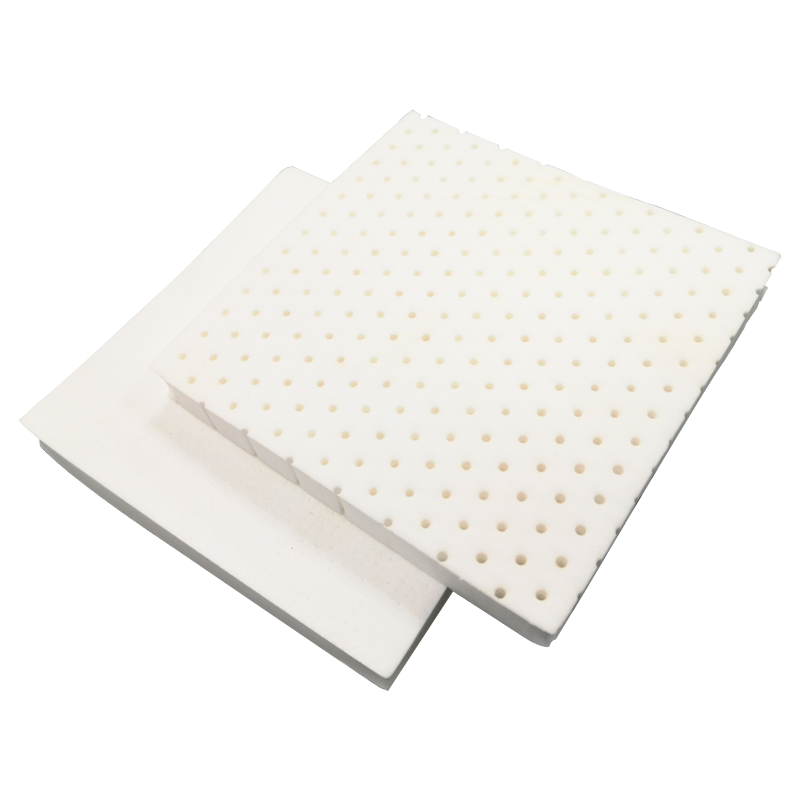
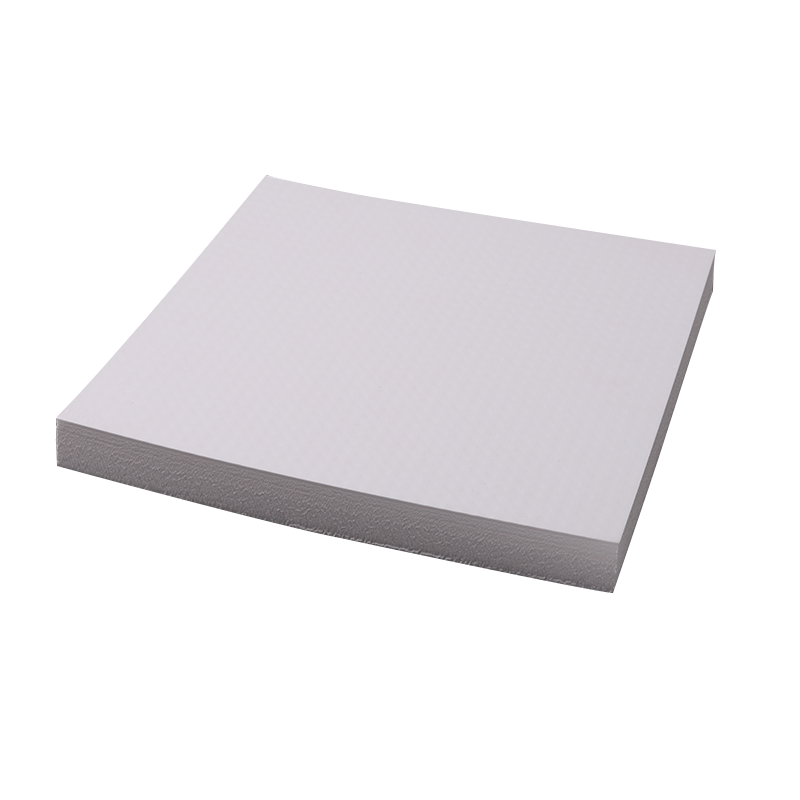
Microcellular aliphatic TPU foam is derived from aliphatic thermoplastic polyurethane elastomers, which are known for their excellent flexibility, abrasion resistance, and hydrolytic stability. The microcellular structure is achieved through controlled foaming processes that produce small, evenly distributed cells, contributing to uniform density and mechanical resilience.
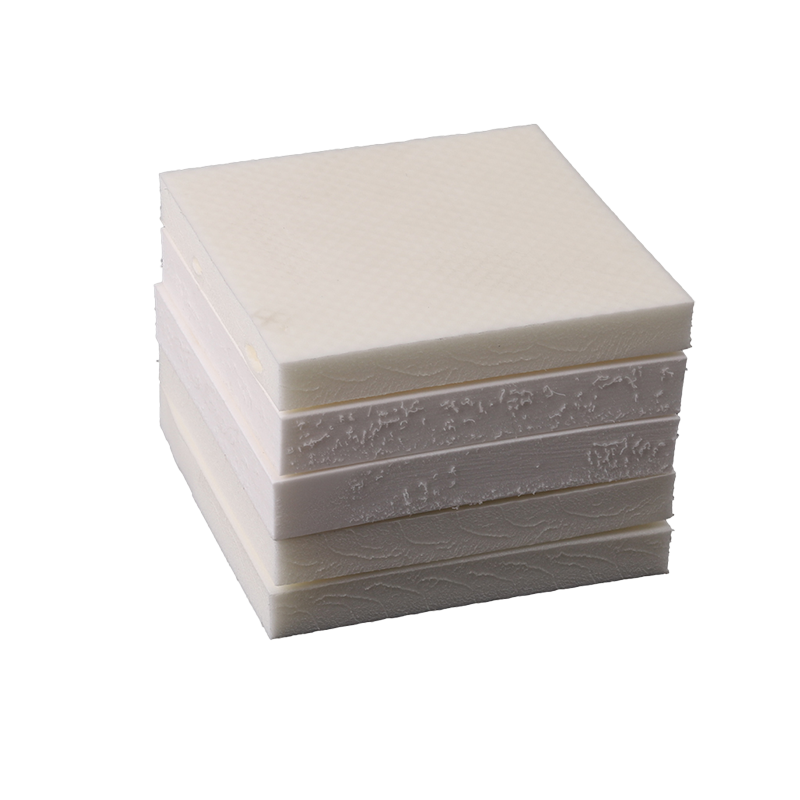
In contrast, PET foam is composed of polyethylene terephthalate, a semi-crystalline thermoplastic known for its high stiffness, thermal resistance, and dimensional stability. PET foam typically exhibits a closed-cell structure, offering significant rigidity but less elasticity compared to microcellular aliphatic TPU foam.
Table 1: Structural characteristics of microcellular aliphatic TPU foam vs PET foam
| Feature | Microcellular Aliphatic TPU Foam | PET Foam |
|---|---|---|
| Base polymer | Aliphatic TPU | Polyethylene terephthalate (PET) |
| Cell structure | Microcellular, uniform | Closed-cell, rigid |
| Flexibility | High | Moderate to low |
| Density range | Low to medium | Medium to high |
| Elastic recovery | Excellent | Limited |
The structural differences directly influence the performance characteristics of each material in real-world applications, particularly in impact absorption, cushioning, and vibration damping.
Mechanical Properties Comparison
One of the primary distinctions between microcellular aliphatic TPU foam and PET foam is mechanical performance. Microcellular aliphatic TPU foam demonstrates high elasticity, superior tear strength, and excellent fatigue resistance, making it well-suited for applications involving repeated compression or dynamic loading. Its microcellular architecture contributes to uniform stress distribution, reducing the likelihood of localized failure.
PET foam, while rigid and dimensionally stable, generally exhibits lower elongation at break and reduced impact absorption. It is better suited for applications requiring structural support, insulation, or load-bearing characteristics rather than flexibility.
Table 2: Mechanical performance comparison
| Property | Microcellular Aliphatic TPU Foam | PET Foam |
|---|---|---|
| Tensile strength | Moderate to high | High |
| Elongation at break | High | Moderate |
| Tear resistance | High | Moderate |
| Compression set | Low | Moderate to high |
| Impact absorption | Excellent | Limited |
The selection of foam material should consider expected mechanical stresses. Products exposed to frequent bending, compression, or vibration benefit from microcellular aliphatic TPU foam, whereas components requiring structural integrity and minimal deformation may prefer PET foam.
Thermal Performance
Thermal properties are crucial for applications in automotive interiors, electronic housings, and high-temperature environments. Microcellular aliphatic TPU foam exhibits good thermal stability under moderate temperatures but may soften under prolonged exposure to high heat. Its glass transition temperature is lower than PET, which limits extreme heat applications but enhances flexibility in cold environments.
PET foam, by contrast, demonstrates higher thermal resistance due to the semi-crystalline structure of polyethylene terephthalate. It maintains dimensional stability under elevated temperatures and can withstand long-term thermal exposure, making it suitable for insulation and high-temperature support applications.
The thermal behavior influences material selection for protective packaging, vibration dampening in engines, and electronic component cushioning, where heat resistance and dimensional stability are critical.
Chemical and Environmental Resistance
Microcellular aliphatic TPU foam is known for its resistance to hydrolysis, oils, and many solvents, which makes it suitable for industrial, medical, and marine environments. Its aliphatic base provides UV resistance, reducing degradation from sunlight exposure. However, some aggressive chemicals may still affect its long-term performance.
PET foam exhibits excellent resistance to moisture and most chemicals but can be prone to stress cracking under certain solvents or strong acids. Its rigidity makes it less suitable for applications involving dynamic exposure to chemicals or repeated mechanical stress.
Understanding the chemical and environmental compatibility of both materials is essential when designing products for outdoor, marine, or industrial chemical environments.
Processing and Fabrication
Microcellular aliphatic TPU foam can be processed through extrusion, injection molding, and thermoforming, allowing for complex shapes and custom density control. The foaming process can be tailored to achieve specific cell sizes and densities, optimizing the cushioning, elasticity, and vibration absorption.
PET foam, while compatible with thermoforming and compression molding, is less adaptable to intricate shapes due to its stiff nature. Post-processing may involve cutting, lamination, or bonding with adhesives to achieve desired geometries.
The processing flexibility of microcellular aliphatic TPU foam is particularly valuable in sports equipment, footwear, protective padding, and ergonomic components, whereas PET foam excels in structural panels, insulation cores, and packaging inserts.
Application Suitability
The choice between microcellular aliphatic TPU foam and PET foam often depends on functional requirements and environmental conditions.
-
Microcellular aliphatic TPU foam is ideal for:
- Shock absorption and impact protection
- Vibration damping in automotive and industrial machinery
- Medical cushioning and orthopedic supports
- Flexible packaging requiring resilience
-
PET foam is ideal for:
- Structural components requiring rigidity
- Thermal and acoustic insulation
- Lightweight panels in transportation
- Packaging with high compression resistance
The table below summarizes the suitability of each foam type for selected industries:
Table 3: Application suitability
| Industry | Microcellular Aliphatic TPU Foam | PET Foam |
|---|---|---|
| Automotive | Vibration pads, cushioning | Insulation panels, structural support |
| Medical | Orthopedic padding, prosthetics | Limited use |
| Packaging | Flexible protective inserts | Rigid inserts, thermal insulation |
| Sports equipment | Footwear midsoles, protective gear | Rarely used |
Sustainability Considerations
Sustainability is increasingly important in material selection. Microcellular aliphatic TPU foam is recyclable under controlled conditions, and its durability extends product lifespan, reducing overall environmental impact. PET foam is also recyclable, widely accepted in recycling streams, and can be reprocessed into sheets, panels, or insulation boards.
Choosing the appropriate foam involves balancing performance, durability, and environmental footprint, aligning with industry sustainability goals.
Conclusion
In conclusion, microcellular aliphatic TPU foam and PET foam serve complementary roles in modern industrial and commercial applications. Microcellular aliphatic TPU foam provides superior flexibility, impact absorption, and resilience, while PET foam offers rigidity, thermal stability, and dimensional consistency. Understanding the mechanical, thermal, chemical, and processing differences enables informed material selection based on specific application requirements.
FAQ
Q1: Can microcellular aliphatic TPU foam replace PET foam in all applications?
A1: No, while microcellular aliphatic TPU foam offers flexibility and impact resistance, PET foam’s rigidity and thermal stability are essential for applications requiring structural support.
Q2: Is microcellular aliphatic TPU foam suitable for high-temperature environments?
A2: Microcellular aliphatic TPU foam performs well under moderate temperatures but may soften under prolonged high heat, whereas PET foam maintains stability at higher temperatures.
Q3: Can microcellular aliphatic TPU foam be recycled?
A3: Yes, under controlled conditions, microcellular aliphatic TPU foam can be recycled, contributing to sustainable manufacturing practices.
Q4: Which foam is better for vibration damping?
A4: Microcellular aliphatic TPU foam excels in vibration absorption due to its elasticity and microcellular structure, whereas PET foam is less effective in dynamic damping applications.
Q5: How does chemical exposure affect microcellular aliphatic TPU foam?
A5: It resists many solvents, oils, and hydrolysis, but prolonged exposure to aggressive chemicals may degrade performance.
References
- Material Science and Engineering of Thermoplastic Polyurethanes, Journal of Polymer Materials, 2022.
- Advanced Polymer Foam Applications in Automotive and Medical Industries, International Journal of Polymer Science, 2021.
- Comparative Analysis of Polyurethane and PET Foam for Industrial Applications, Materials Today, 2023.
 ++86-0512-66079229