
 English
 Español

Home / News / How does mpp foam sheet achieve its microcellular structure during extrusion or foaming?
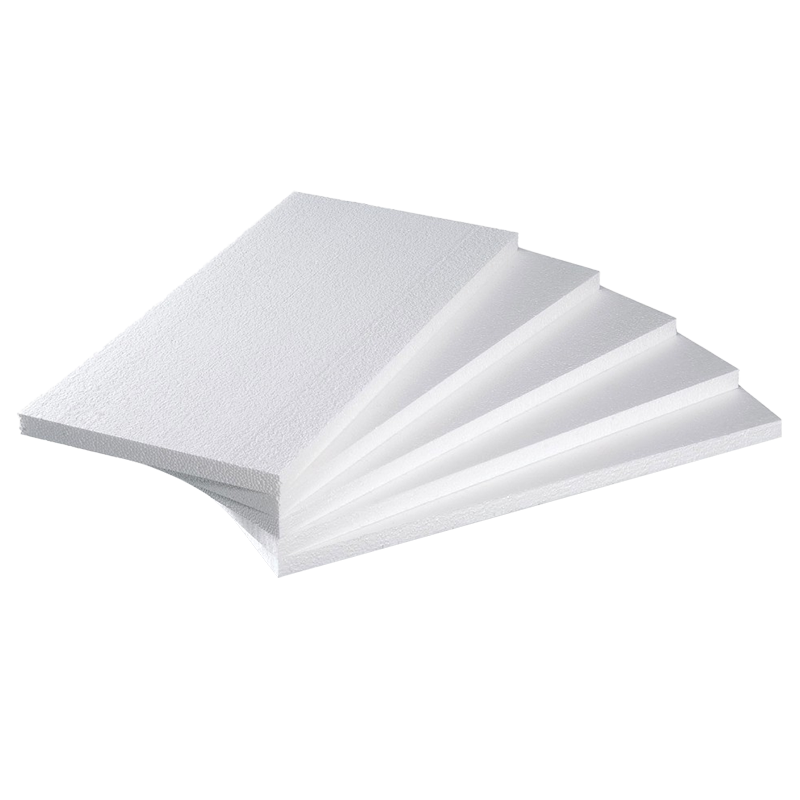
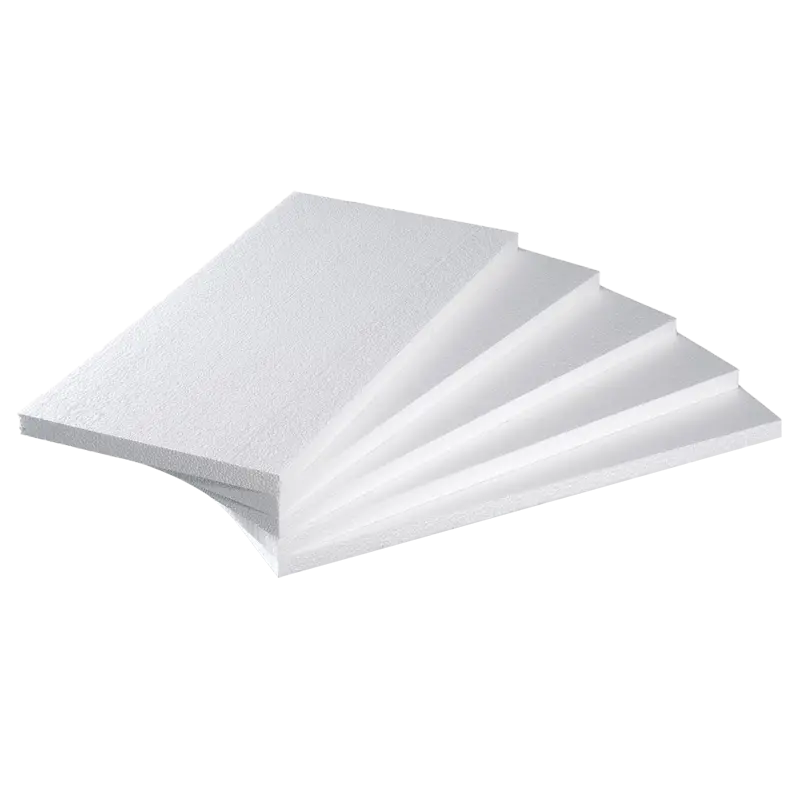
The manufacturing of mpp foam sheet represents a refined balance between polymer science, precise temperature control, and advanced extrusion technology. This material is widely recognized for its lightweight, cushioning, and insulating properties, which are directly derived from its unique microcellular structure.
1. Introduction to mpp foam sheet
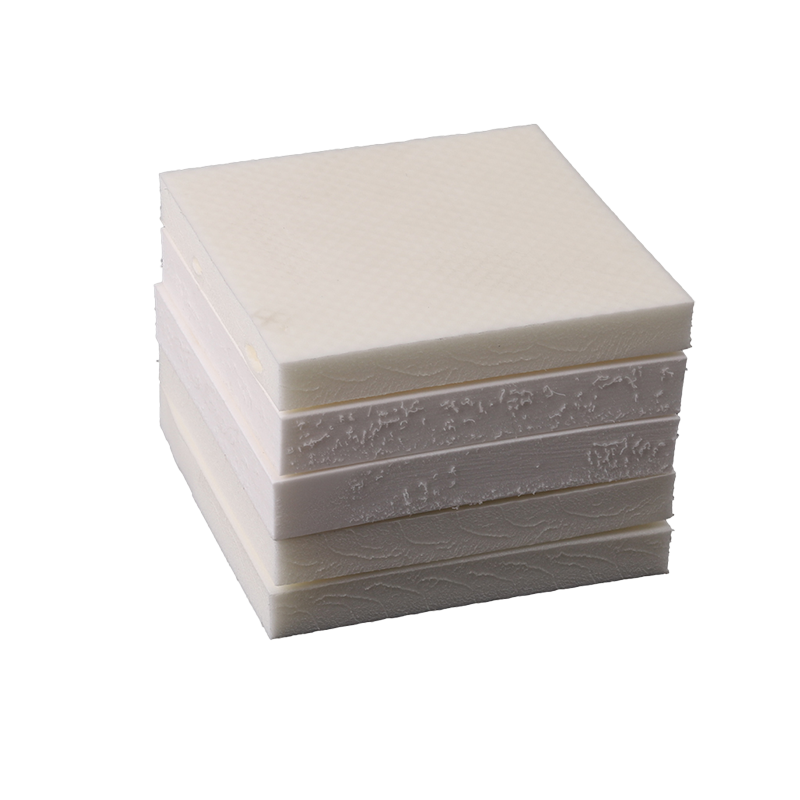
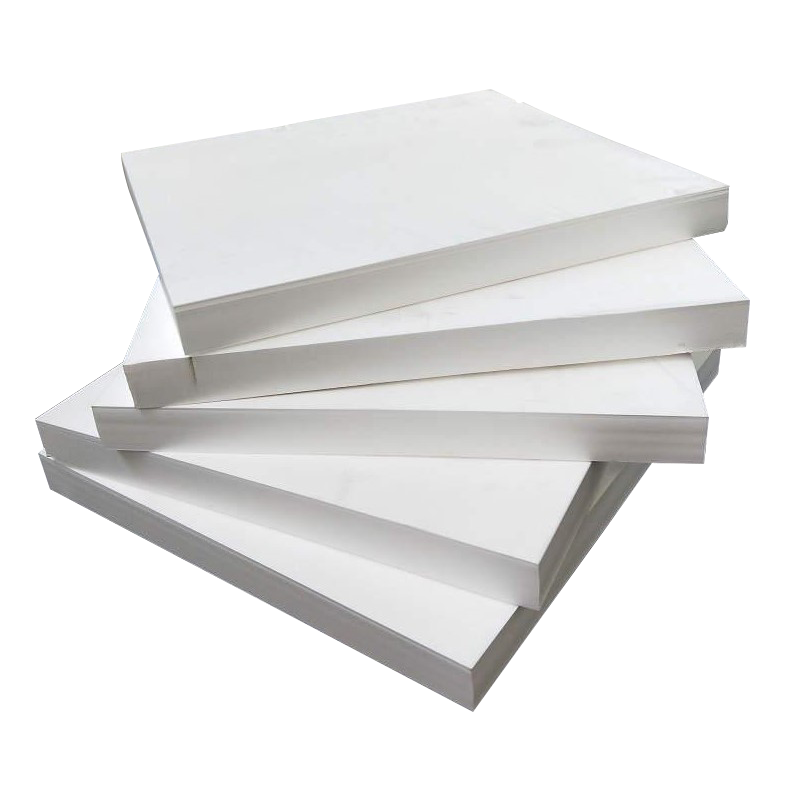
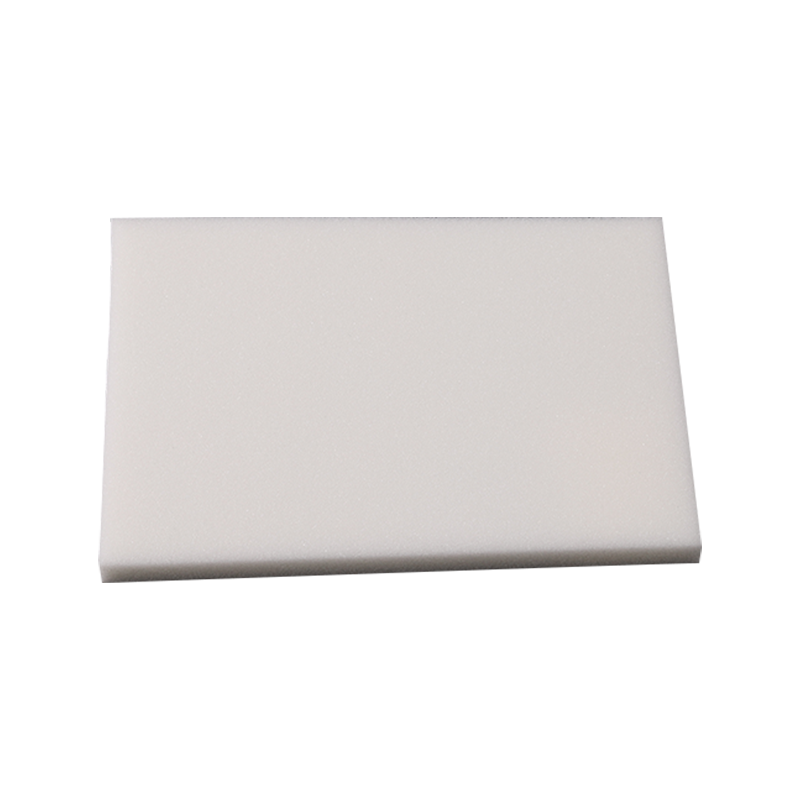
mpp foam sheet is a polymer-based foam material commonly used in protective packaging, automotive interiors, electronics cushioning, and construction insulation. The abbreviation “MPP” often refers to a modified polypropylene system designed for enhanced formability and mechanical strength compared with standard polypropylene foam. Its success lies in its fine and uniform cell structure, which directly determines the sheet’s density, flexibility, and impact resistance.
The microcellular structure of mpp foam sheet is not accidental—it is the outcome of a carefully designed foaming process involving physical or chemical blowing agents. The number, size, and distribution of microcells depend on precise control over temperature, pressure, and polymer melt viscosity during the extrusion foaming stage.
From a production standpoint, achieving consistent microcellular morphology allows manufacturers to tailor product properties for specific applications, balancing weight reduction with structural integrity.
2. Core principles of microcellular foaming
Microcellular foaming involves creating numerous small, closed cells within a polymer matrix during its molten or semi-molten phase. For mpp foam sheet, the target is to form a large number of evenly distributed cells with diameters typically below 100 microns. The smaller and more uniform these cells are, the better the mechanical and thermal performance of the final sheet.
The process generally includes three critical stages:
- Saturation – introducing a foaming agent into the polymer melt under controlled pressure.
- Nucleation – initiating cell formation by reducing pressure or adjusting temperature to trigger bubble growth.
- Cell growth and stabilization – expanding and freezing the cells into a stable microstructure during cooling and shaping.
In extrusion foaming, all these stages occur continuously as the material moves through the extruder. Each stage must be precisely managed to maintain balance between cell expansion and polymer strength.
3. Material composition and its impact on cell formation
The material composition of mpp foam sheet directly influences the success of its microcellular structure. Modified polypropylene (MPP) resins are typically compounded with various additives to optimize foaming behavior and performance consistency.
| Component | Function in MPP Foam Sheet |
|---|---|
| Base polypropylene resin | Provides the structural matrix and defines melt viscosity. |
| Foaming agent (physical or chemical) | Creates the gas phase necessary for bubble formation. |
| Nucleating agent | Controls the number and size of cells. |
| Stabilizers and antioxidants | Prevent polymer degradation during high-temperature processing. |
| Processing aids | Improve melt flow and surface quality. |
Base resin selection is crucial. The melt flow index (MFI) determines how easily the material can expand during foaming without collapsing. If the resin viscosity is too low, the cells may coalesce; if too high, foaming efficiency drops. Similarly, the type and concentration of the foaming agent influence the uniformity of the cell structure.
In practice, manufacturers fine-tune formulations to ensure that gas release, melt strength, and cooling rate complement one another, producing the desired microcellular morphology.
4. The extrusion foaming process in detail
The extrusion process used to manufacture mpp foam sheet is continuous, involving heating, melting, mixing, foaming, and shaping. The extruder’s temperature profile, screw design, and die configuration all play vital roles in achieving stable microcellular formation.
4.1 Melting and mixing stage
In the initial zones of the extruder, polypropylene resin and additives are fed and melted. Consistent temperature distribution ensures that the polymer achieves uniform viscosity, allowing even dispersion of the foaming and nucleating agents. This stage determines the baseline conditions for later cell formation.
4.2 Saturation and nucleation
Once the polymer melt reaches a stable state, the foaming agent—either a gas such as nitrogen or carbon dioxide, or a chemical blowing compound—is injected or decomposed under high pressure. The gas dissolves into the polymer matrix, forming a homogeneous solution.
When the pressure is suddenly released or the temperature is adjusted, gas molecules form nuclei within the melt. Each nucleus becomes the center of a growing microcell.
The number of nuclei formed directly affects the final cell density and size. A higher number of nuclei typically leads to finer cell structure, while lower nucleation density results in larger, less uniform cells.
4.3 Cell growth and stabilization
After nucleation, gas bubbles expand within the softened polymer. This is the most sensitive stage—excessive expansion can rupture cells or create irregularities. The cooling system must solidify the sheet at the precise moment when the desired cell size is reached. Controlled cooling “locks in” the microcellular structure, preserving uniformity across the sheet’s cross-section.
4.4 Shaping and winding
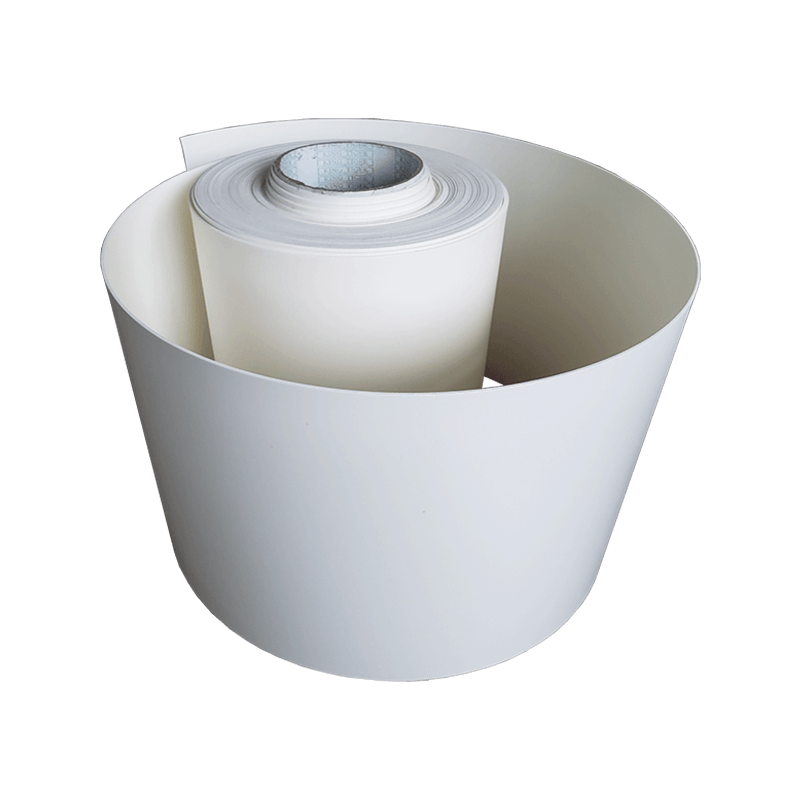
Finally, the foamed material exits through a flat die, where it takes the form of a continuous sheet. Rollers or chill rolls help maintain consistent thickness and surface smoothness before the sheet is cooled and wound. Adjusting line speed and die gap ensures even thickness and stable dimensions.
5. Key processing parameters influencing microcellular formation
The formation of the microcellular structure in mpp foam sheet depends heavily on specific process variables. Minor deviations in these parameters can lead to significant quality differences.
| Parameter | Effect on Microcellular Structure |
|---|---|
| Temperature profile | Affects melt viscosity and cell growth rate. |
| Pressure control | Determines saturation and nucleation uniformity. |
| Foaming agent content | Influences cell density and expansion ratio. |
| Extruder screw speed | Affects mixing intensity and melt homogeneity. |
| Cooling rate | Controls final cell size and wall thickness. |
Temperature control is among the most critical factors. Too high a temperature can lead to cell collapse, while too low a temperature may prevent full expansion. Similarly, pressure regulation during gas injection ensures consistent saturation and controlled nucleation.
Manufacturers often use multi-zone temperature profiles and feedback systems to maintain tight tolerances, ensuring that each stage of foaming proceeds smoothly.
6. Role of foaming and nucleating agents
Foaming agents and nucleating agents are central to achieving the desired microcellular architecture in mpp foam sheet.
Foaming agents generate the gas phase within the polymer. Physical agents (such as CO₂ or N₂) are environmentally preferred, as they leave no residue. Chemical agents decompose at specific temperatures to release gas, providing more control over foam initiation in certain systems.
Nucleating agents determine the number of sites where bubbles form. These fine particles reduce surface energy barriers, allowing uniform bubble formation throughout the melt. By optimizing nucleating agent concentration and dispersion, producers can achieve more uniform and stable cells.
A well-balanced combination of both agent types ensures consistent cell density, smooth surfaces, and controlled expansion ratios.
7. Equipment configuration and extrusion design
The extrusion line design used for mpp foam sheet production must support precise thermal management and stable gas dispersion. Typical configurations include:
- Single-screw or twin-screw extruders for melting and mixing.
- Gas injection systems with metering control for physical foaming agents.
- Static mixers to ensure homogenous gas distribution.
- Flat dies with optimized flow channels to minimize shear stress.
- Chill roll units for controlled cooling and surface stabilization.
Each mechanical element contributes to maintaining the delicate balance required for microcellular uniformity. Advanced process controls, such as temperature and pressure feedback loops, help maintain stability under continuous operation.
8. Common challenges in achieving uniform microcellular structure
Despite advances in process control, manufacturers face several challenges when producing mpp foam sheet with consistent microcellular structure. Common issues include:
- Uneven cell size distribution due to inconsistent gas injection.
- Cell collapse or coalescence caused by poor cooling or excessive pressure drop.
- Surface irregularities from unstable die temperature or melt flow.
- Density variations across the width of the sheet.
Overcoming these challenges requires careful calibration of operating parameters and continuous monitoring. Real-time sensors for pressure and temperature, combined with automated control systems, allow rapid adjustment to maintain stable output quality.
9. Quality control and inspection methods
Quality control ensures that mpp foam sheet meets structural and performance requirements. Several analytical techniques are used to evaluate the microcellular structure:
| Inspection Method | Purpose |
|---|---|
| Optical microscopy | Observes cell size and distribution. |
| Density measurement | Assesses overall expansion ratio. |
| Compression testing | Evaluates cushioning and mechanical strength. |
| Dimensional analysis | Ensures uniform thickness and surface consistency. |
| Thermal stability tests | Measures heat resistance and deformation temperature. |
These tests confirm that the microcellular structure achieved during extrusion matches design specifications. Regular inspection also helps detect early process deviations that could lead to defects or inefficiencies.
10. Performance benefits of optimized microcellular structure
A precisely formed microcellular structure gives mpp foam sheet its characteristic advantages. These properties make it a preferred material in various industries seeking performance and sustainability.
Key performance benefits include:
- Lightweight with high mechanical strength – enabling material reduction without sacrificing durability.
- Excellent cushioning and shock absorption – ideal for protecting sensitive products during transportation.
- Thermal and acoustic insulation – suitable for building and automotive applications.
- Stable dimensional integrity – maintaining form under temperature variations.
- Enhanced processability – allowing lamination, cutting, and shaping without structural damage.
These benefits result directly from the controlled distribution of cells throughout the polymer matrix. Consistency in cell morphology ensures predictable and repeatable product behavior.
11. Advances in extrusion and foaming technologies
Recent technological developments have significantly improved the production efficiency and consistency of mpp foam sheet.
- Supercritical gas technology allows finer control of nucleation, reducing cell size and improving uniformity.
- Closed-loop control systems adjust gas injection and temperature in real-time, preventing defects.
- Improved die designs reduce shear and enhance melt distribution, creating smoother surfaces.
- Energy-efficient heating systems lower production costs while maintaining precise control.
The combination of these innovations enables manufacturers to achieve thinner, lighter sheets with equal or better mechanical properties—enhancing both performance and sustainability.
12. Environmental and sustainability considerations
As industries move toward eco-friendly materials, mpp foam sheet production has evolved to align with environmental goals. The use of physical foaming agents such as CO₂ reduces chemical waste and emissions. Additionally, polypropylene-based foams are recyclable, making them attractive alternatives to traditional non-recyclable materials.
Manufacturers increasingly implement closed-loop recycling systems, reusing scrap material generated during cutting and trimming. Moreover, efforts are being made to optimize production efficiency, reducing energy consumption and material waste.
From an end-use perspective, the lightweight nature of mpp foam sheet contributes to lower transportation emissions and improved sustainability across supply chains.
13. Application-oriented optimization
Different industries require mpp foam sheet with customized properties. Adjusting the microcellular structure allows manufacturers to meet diverse application requirements:
| Application | Desired Property | Processing Adjustment |
|---|---|---|
| Protective packaging | High cushioning | Lower density, larger cells |
| Automotive interiors | Dimensional stability | Moderate density, uniform cells |
| Building insulation | Thermal resistance | Multi-layer foaming and lamination |
| Electronics | Anti-static properties | Add conductive or antistatic agents |
By fine-tuning foaming conditions—such as gas content, cooling speed, and cell density—producers can create tailor-made solutions that meet precise functional and mechanical needs.
14. Future trends and technological directions
The future of mpp foam sheet production is shaped by continuous innovation in both materials and processing technology. Emerging trends include:
- Integration of digital control and monitoring systems for real-time quality assurance.
- Development of bio-based polypropylene to enhance environmental compatibility.
- Micro- and nano-cellular foams offering superior strength-to-weight ratios.
- Hybrid foaming systems combining physical and chemical agents for advanced performance.
As these technologies mature, manufacturers will achieve even greater precision in microcellular control, opening new opportunities in high-performance and sustainable packaging applications.
15. Conclusion
The formation of the microcellular structure in mpp foam sheet is a complex yet highly controllable process that defines the material’s performance and value. Through precise regulation of temperature, pressure, and gas content during extrusion, producers can create fine, uniform cells that enhance strength, cushioning, and insulation.
A deep understanding of material composition, foaming dynamics, and process parameters enables continuous improvement in product quality and sustainability. As technology advances, mpp foam sheet will continue to play an important role in sectors seeking lightweight, efficient, and environmentally responsible materials.
 ++86-0512-66079229