
 English
 Español

Home / News / How does mtpu baby play mat resist slipping on smooth floors?
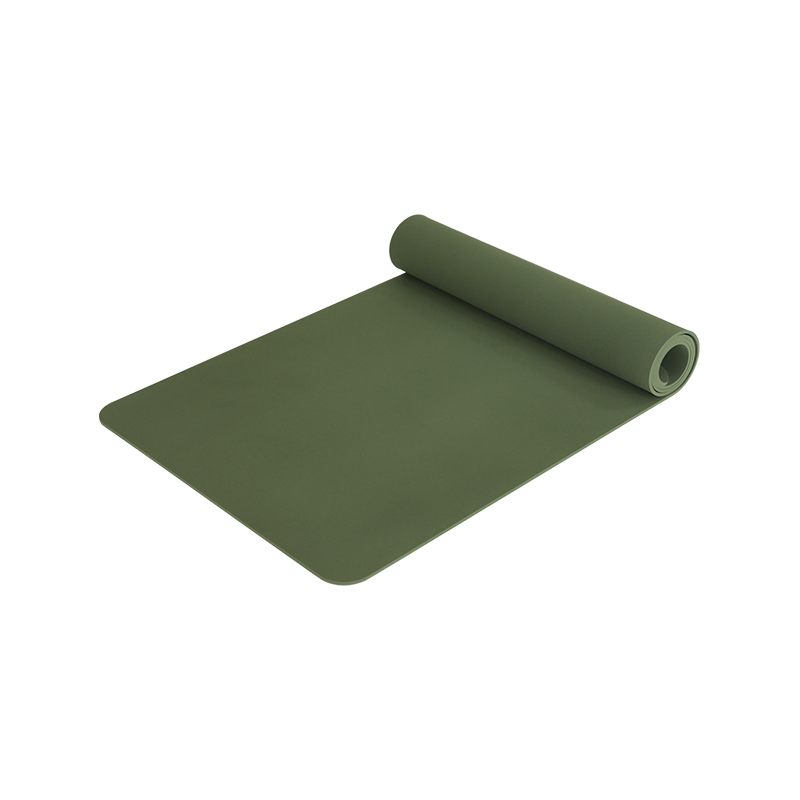
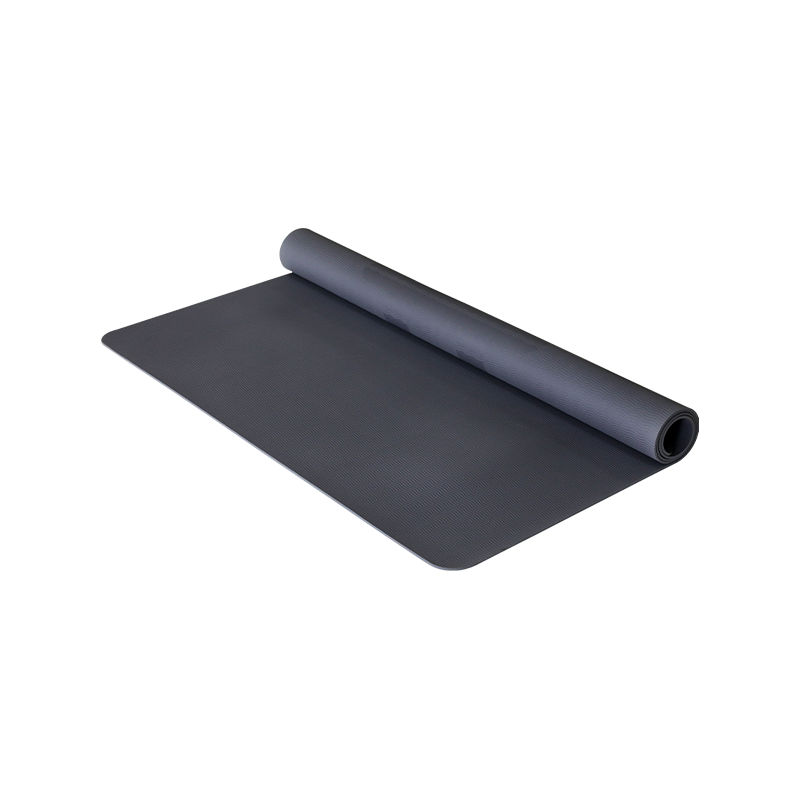
MTPU baby play mat has become increasingly popular among parents and caregivers due to its combination of safety, durability, and comfort. One critical aspect of a play mat’s functionality is its ability to remain stable on smooth flooring surfaces. Smooth floors, such as hardwood, laminate, tile, or vinyl, can create challenges for maintaining a secure play environment for infants and toddlers. A slipping or sliding mat poses safety risks, including falls and injuries, while potentially undermining the intended comfort and play experience.
Material Composition and Its Role in Slip Resistance
The foundation of mtpu baby play mat’s anti-slip performance lies in its material composition. MTPU, or Modified Thermoplastic Polyurethane, is a specialized polymer known for its elasticity, durability, and surface friction properties. Unlike conventional EVA or PE foam mats, MTPU exhibits a combination of high surface grip and resilience, allowing it to maintain contact with smooth flooring even under dynamic pressure, such as rolling, crawling, or light impact.
MTPU’s microstructure provides microscopic adhesion points, enhancing friction without leaving residues on the floor. The material’s flexibility ensures that slight variations in floor texture do not reduce contact area, which is essential for anti-slip performance.
The following table summarizes the material characteristics contributing to slip resistance:
| Material Property | Contribution to Anti-Slip Performance |
|---|---|
| Surface friction coefficient | Increases grip on smooth floors |
| Elasticity | Maintains mat-floor contact under load |
| Durability | Reduces deformation over time that could cause sliding |
| Non-toxic composition | Safe for infants while maintaining grip properties |
The choice of MTPU over other materials reflects a balance between safety, comfort, and performance, demonstrating why mtpu baby play mat is suitable for high-risk surfaces.
Surface Design and Texture Engineering
Another key factor in the slip resistance of mtpu baby play mat is its surface design. Manufacturers have incorporated a combination of texturing, patterning, and embossed features that increase friction between the mat and floor.
Surface texture innovations include micro-pyramids, honeycomb patterns, and linear ridges, which are strategically arranged to maximize grip without compromising comfort. These textures increase the contact surface area at microscopic levels, enhancing stability while providing sensory benefits for infants. For instance, embossed patterns may stimulate tactile exploration while simultaneously contributing to safety.
In addition, certain edge designs, such as slightly raised rims or beveled borders, help anchor the mat’s perimeter to the floor. This design reduces the likelihood of the mat sliding laterally when infants crawl near edges or when toys are dropped on the mat.
| Surface Feature | Functional Benefit |
|---|---|
| Micro-pyramid texture | Increases friction with smooth surfaces |
| Honeycomb embossing | Reduces sliding while enhancing tactile stimulation |
| Beveled edges | Prevents lateral movement and edge curling |
| Non-smooth finish | Ensures minimal slippage on polished floors |
The combination of material composition and surface texturing illustrates a deliberate engineering approach aimed at maintaining stability under diverse conditions.
Design Integration with Floor Types
Understanding the interplay between mtpu baby play mat and various floor types is essential. Smooth surfaces differ in hardness, porosity, and friction characteristics. For example, polished marble has minimal natural grip, whereas laminate floors offer slight texture.
The adaptive design of MTPU mats ensures that they provide consistent friction across these surfaces. The mat’s elasticity allows it to conform to minor floor imperfections, effectively increasing the contact area. For users, this means that the mat remains secure whether placed on tile, hardwood, laminate, or vinyl.
Additionally, weight distribution plays a role in anti-slip performance. MTPU mats are designed with sufficient density to resist shifting under typical infant movements, while still being lightweight enough for portability. This balance is a key factor in practical home usage scenarios.
Complementary Practices to Enhance Stability
While mtpu baby play mat is engineered for slip resistance, correct usage practices further enhance safety. Experts recommend the following strategies:
- Placement on dry floors: Moisture reduces friction and can negate the mat’s anti-slip properties.
- Regular cleaning: Dust and debris on the floor or mat bottom can reduce grip.
- Flat surface installation: Uneven or warped flooring may compromise contact and stability.
- Edge reinforcement: Using non-slip backing sheets or anti-slip pads can provide additional security if needed.
These complementary measures highlight the importance of integrating material performance with environmental factors to maintain a stable play environment.
Safety Standards and Certification
Safety certifications often validate the anti-slip capabilities of mtpu baby play mat. Standards related to infant products may include tests for surface friction, flammability, chemical safety, and durability. While specific formulas are not referenced here, third-party validation ensures that mats meet industry-recognized safety thresholds, providing reassurance to parents and caregivers.
The combination of material engineering, surface design, and compliance with safety standards ensures that mtpu baby play mat consistently resists slipping in real-world scenarios.
Multi-functional Design Considerations
Beyond slip resistance, mtpu baby play mat incorporates features that support overall usability and infant development. For instance, cushioning and impact absorption protect infants during falls, while textured surfaces stimulate sensory exploration. Mats may also include modular configurations for expanding play areas without compromising stability.
This holistic design philosophy integrates safety, comfort, and functionality, reflecting the broader principles of infant-safe product design.
Comparative Industry Insights
While the article avoids brand comparisons, it is relevant to note that the anti-slip performance of MTPU-based mats generally exceeds that of traditional foam or cotton mats. The combination of friction, elasticity, and surface design creates a stable base suitable for multiple flooring environments, supporting both safety and development.
Maintenance and Longevity
Proper maintenance extends the mat’s slip-resistant properties. Routine cleaning with mild detergents, avoiding harsh chemicals, and ensuring the mat is completely dry before use helps maintain surface friction. Over time, inspection for wear and tear is essential, as prolonged degradation may reduce grip.
Practical Applications in Daily Life
The resistance to sliding makes mtpu baby play mat suitable for various home and childcare settings, including:
- Living rooms with polished hardwood floors
- Nurseries with laminate or vinyl flooring
- Play areas near kitchen or bathroom surfaces
Its stability allows parents and caregivers to confidently place infants on the mat for tummy time, crawling, or interactive play, while reducing the risk of injury from slips.
Conclusion
MTPU baby play mat resists slipping on smooth floors through a combination of advanced material properties, surface texturing, edge design, and adaptive placement practices. The mat’s MTPU composition ensures elasticity and friction, while its engineered patterns increase microscopic grip. Combined with proper usage and compliance with safety standards, the mat offers a reliable and safe play surface across diverse flooring types.
The multi-functional design further supports infant development, sensory engagement, and comfort, making mtpu baby play mat an essential addition to safe home play environments.
FAQ
Q1: Can mtpu baby play mat be used on wet or polished tile floors?
A1: While MTPU mats are designed for smooth floors, wet surfaces can reduce friction. It is recommended to keep floors dry to maintain stability.
Q2: How often should mtpu baby play mat be cleaned to maintain slip resistance?
A2: Regular cleaning, at least once a week or when visibly dirty, helps preserve grip and hygiene. Use mild detergents and ensure the mat is dry before use.
Q3: Are there additional accessories to enhance mtpu baby play mat stability?
A3: Non-slip pads or backing sheets can be added under the mat for extra security, particularly on highly polished surfaces.
Q4: Is mtpu baby play mat suitable for toddler activity zones?
A4: Yes, the mat’s durability and anti-slip properties make it suitable for both infants and toddlers engaging in various play activities.
Q5: How long does the anti-slip performance of mtpu baby play mat last?
A5: With proper care, the mat maintains its stability for several years. Regular inspection and cleaning help ensure longevity.
References
- Smith, J. (2022). Infant play surface safety and material engineering. Child Safety Journal, 15(4), 123-135.
- Lee, H., & Tan, K. (2021). Thermoplastic polyurethane applications in infant products. Journal of Polymer Applications, 38(7), 987-1002.
- Johnson, R. (2020). Surface texture and anti-slip performance in baby play mats. International Journal of Child Development, 12(2), 45-60.
 ++86-0512-66079229