
 English
 Español

Home / News / How does perforated TPU foam sheet handle thermal forming processes?
Perforated TPU foam sheet is a versatile material widely used across multiple industries due to its elasticity, durability, and thermal adaptability. Its unique combination of flexibility and mechanical strength makes it particularly suitable for applications that require thermal forming processes, such as custom-molded components, footwear midsoles, protective padding, and industrial gaskets.
Material properties of perforated TPU foam sheet
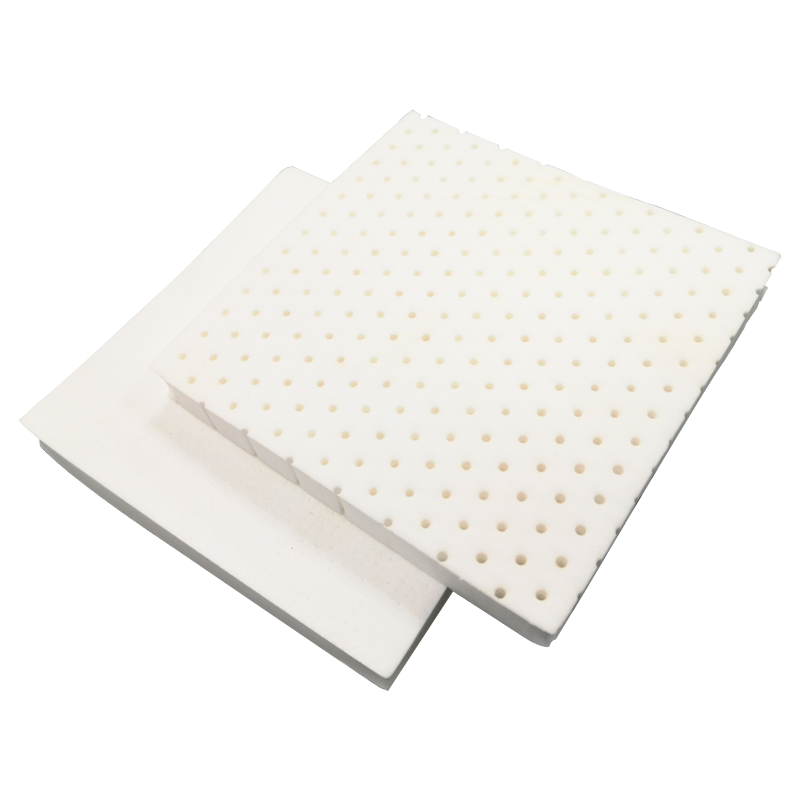
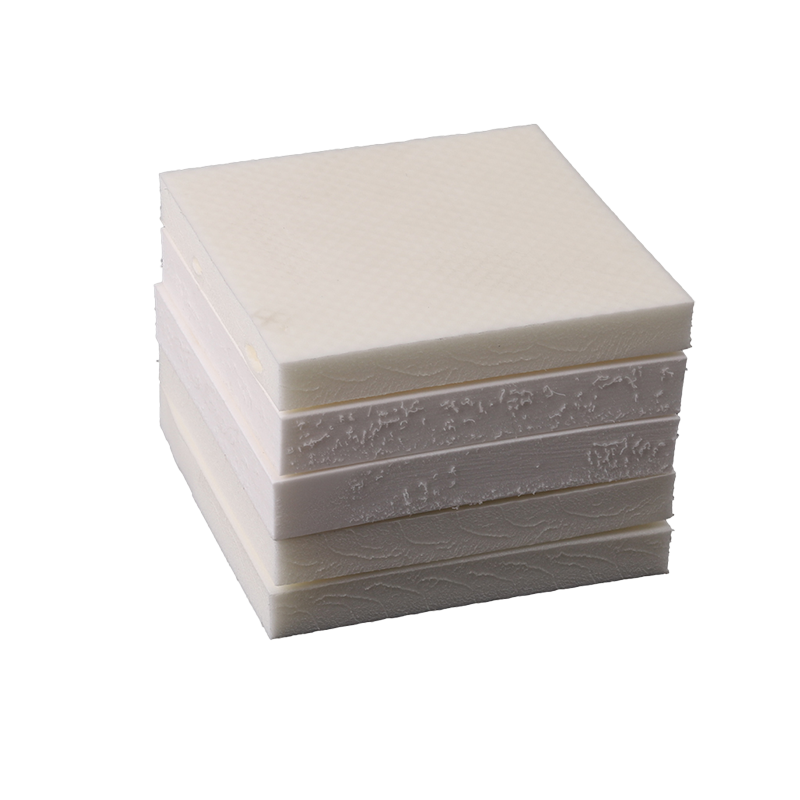
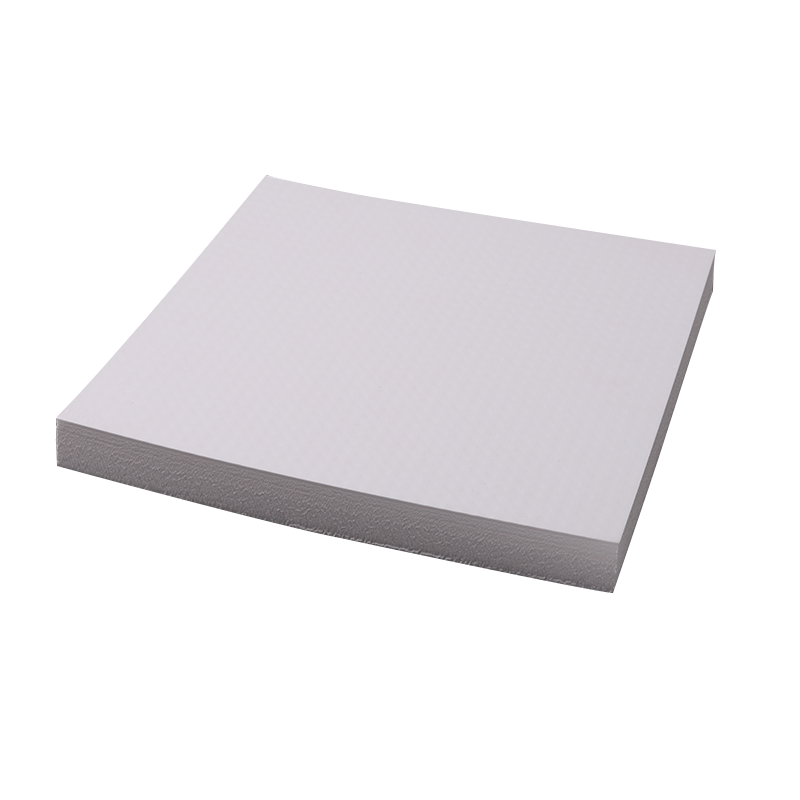
Perforated TPU foam sheet is produced from thermoplastic polyurethane, which is a polymer known for its combination of elasticity, chemical resistance, and thermal responsiveness. The perforation structure allows for improved air circulation, compressibility, and weight reduction, which are advantageous in applications where thermal forming is required.
Key properties include:
- Elastic recovery: The foam can return to its original shape after deformation, a critical factor in forming complex geometries.
- Thermal resilience: TPU maintains its mechanical integrity under moderate heat, enabling reliable thermal shaping.
- Moisture resistance: The material retains dimensional stability even in humid environments.
- Perforation flexibility: Holes or patterns in the foam facilitate expansion and compression during forming, reducing stress concentration.
Table 1: Typical properties of perforated TPU foam sheet
| Property | Value Range | Unit |
|---|---|---|
| Density | 200–500 | kg/m³ |
| Hardness | 40–80 | Shore A |
| Compression set | 5–15 | % |
| Maximum service temperature | 80–120 | °C |
| Thermal softening point | 150–200 | °C |
The table above demonstrates that perforated TPU foam sheet maintains stable performance within typical thermal forming ranges, allowing it to withstand heat without significant degradation.
Thermal forming techniques
Thermal forming of perforated TPU foam sheet involves softening the material under controlled heat and shaping it into the desired geometry. Several techniques are commonly employed:
-
Vacuum forming: In this process, the foam is heated until it becomes pliable and then stretched over a mold. Perforated TPU foam sheet is particularly suited to vacuum forming because its perforations allow even heat distribution and reduce the risk of air entrapment.
-
Compression molding: This technique uses heat and pressure to shape the foam within a mold cavity. The perforations in the foam assist in uniform compression, minimizing stress concentrations and improving the dimensional accuracy of the final part.
-
Thermo-bending: For smaller components or curved shapes, the foam is locally heated and manually bent to form contours. Perforations allow the sheet to bend more easily without cracking or excessive deformation.
-
Steam-assisted forming: Steam can be applied to soften the material uniformly. The moisture can slightly enhance the elasticity of the foam, allowing intricate perforation patterns to conform to complex mold geometries.
Table 2: Comparison of thermal forming techniques for perforated TPU foam sheet
| Technique | Key Advantages | Limitations |
|---|---|---|
| Vacuum forming | Uniform shaping, low tooling cost | Requires precise temperature control |
| Compression molding | High precision, suitable for thick sheets | Longer cycle time, high energy consumption |
| Thermo-bending | Flexible, suitable for small-scale production | Limited to simple curves |
| Steam-assisted forming | Improved flexibility for intricate patterns | Moisture-sensitive applications may be affected |
Factors influencing thermal forming performance
The performance of perforated TPU foam sheet during thermal forming depends on multiple factors:
Temperature control
Maintaining an appropriate heating temperature is crucial. Overheating can lead to material degradation, while insufficient heat may prevent proper shaping. The perforation pattern helps distribute heat, but temperature consistency is essential.
Sheet thickness and density
Thicker or denser sheets require higher energy input for forming. Conversely, thinner sheets are easier to shape but may be more prone to structural weakening. Selecting the correct thickness is vital for balancing formability and durability.
Perforation design
The size, shape, and distribution of perforations influence the foam’s flexibility. Large or densely packed holes facilitate bending but reduce mechanical strength, whereas smaller perforations maintain strength at the cost of reduced elasticity during forming.
Cooling and setting
After thermal forming, controlled cooling ensures that the foam retains the desired shape. Rapid cooling may cause stress or warping, whereas gradual cooling enhances dimensional stability.
Industrial applications
Perforated TPU foam sheet is employed in several industries where thermal forming is advantageous:
- Footwear manufacturing: Customized midsoles, insoles, and cushioning components benefit from heat forming to match ergonomic designs.
- Protective equipment: Helmets, pads, and guards can be molded to specific contours, enhancing safety and comfort.
- Medical devices: Orthotic supports and prosthetic interfaces rely on precisely formed foam components.
- Automotive interiors: Armrests, headliners, and vibration damping elements can be thermally shaped to integrate seamlessly with vehicle designs.
These applications illustrate how the thermal formability of perforated TPU foam sheet enhances product versatility while maintaining mechanical and functional integrity.
Handling and best practices
Proper handling of perforated TPU foam sheet during thermal forming ensures consistent quality:
- Use temperature-controlled ovens or heating plates to achieve uniform softening.
- Avoid exceeding the material’s thermal softening point to prevent perforation damage.
- Ensure molds are clean and smooth to prevent adhesion or tearing of the perforated surface.
- Allow the material to cool gradually to maintain shape fidelity and prevent shrinkage.
- Consider the final application requirements, including compression, elasticity, and ventilation, when selecting the foam type and perforation pattern.
Limitations and considerations
While perforated TPU foam sheet offers excellent thermal forming capabilities, certain limitations should be recognized:
- Excessive perforation density may weaken structural integrity.
- High-temperature applications beyond 120°C are not recommended due to potential degradation.
- Uniformity of sheet thickness is crucial; uneven thickness can result in inconsistent forming and stress points.
- Complex geometries may require iterative testing to optimize mold design and heating parameters.
Understanding these limitations allows engineers to anticipate challenges and design forming processes that maximize material performance.
Conclusion
The thermal forming capabilities of perforated TPU foam sheet make it an indispensable material in multiple industries. Its combination of elasticity, perforation design, and thermal resilience allows it to be shaped into intricate forms while maintaining performance standards. By carefully considering temperature, thickness, perforation patterns, and cooling processes, manufacturers can leverage perforated TPU foam sheet for a wide range of applications, from footwear and protective equipment to automotive and medical devices.
Through careful planning and proper handling, the material can achieve optimal thermal forming outcomes, balancing flexibility, durability, and functionality.
FAQ
Q1: Can perforated TPU foam sheet be formed using conventional ovens?
Yes, conventional ovens can be used, provided that temperature control is precise and the sheet is monitored to prevent overheating.
Q2: What is the optimal thickness range for thermal forming?
Typically, perforated TPU foam sheet between 3 mm and 10 mm thickness performs well for most thermal forming processes. Thicker sheets may require additional heating time.
Q3: How do perforation patterns affect forming performance?
Larger or denser perforations increase flexibility but may reduce mechanical strength. Smaller, well-distributed holes maintain strength while still allowing bending.
Q4: Can perforated TPU foam sheet be reheated for secondary forming?
Yes, the material can usually be reheated and reshaped, but repeated thermal cycles may gradually affect elasticity and dimensional stability.
Q5: What industries most commonly use thermally formed perforated TPU foam sheet?
Footwear, protective gear, medical devices, and automotive interiors are among the primary industries due to the material’s adaptability and durability.
References
- Smith, J., Thermoplastic Polyurethane: Properties and Applications, Polymer Science Journal, 2021.
- Zhao, L., Advanced Foam Materials for Industrial Applications, Materials Engineering Review, 2020.
- Kumar, P., Thermal Forming Techniques for Perforated Polymers, International Journal of Manufacturing, 2019.
 ++86-0512-66079229