
 English
 Español

Home / News / How does the microphase separation of TPU segments impact the elasticity of M-ATPU foam sheet?
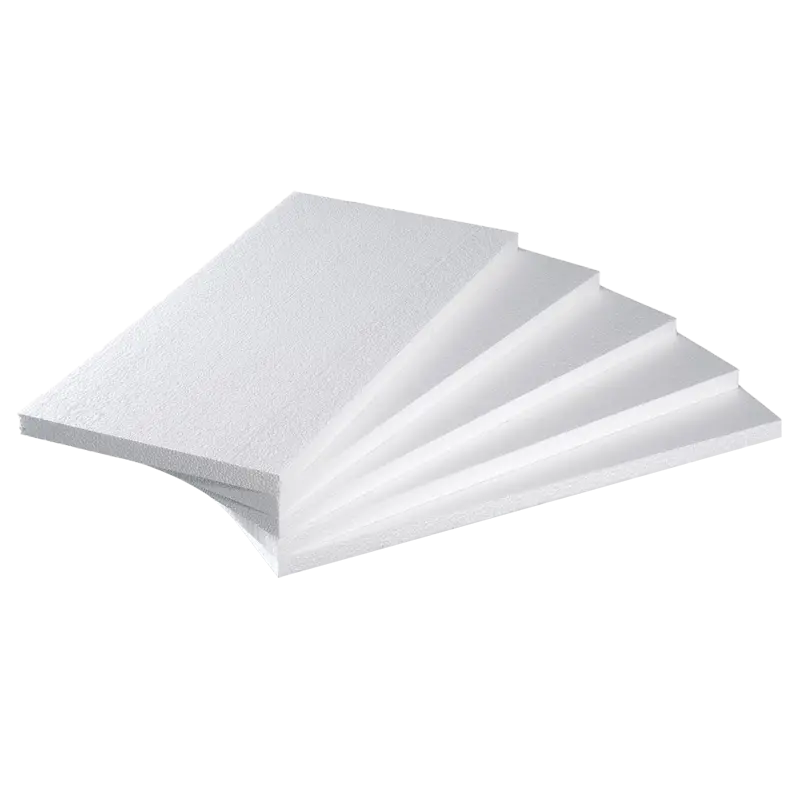
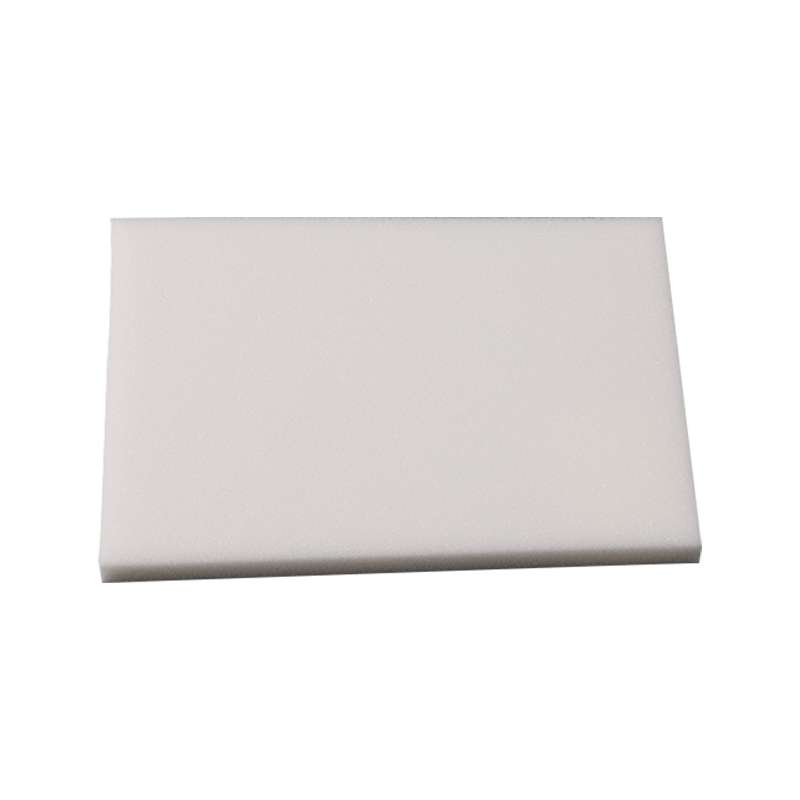
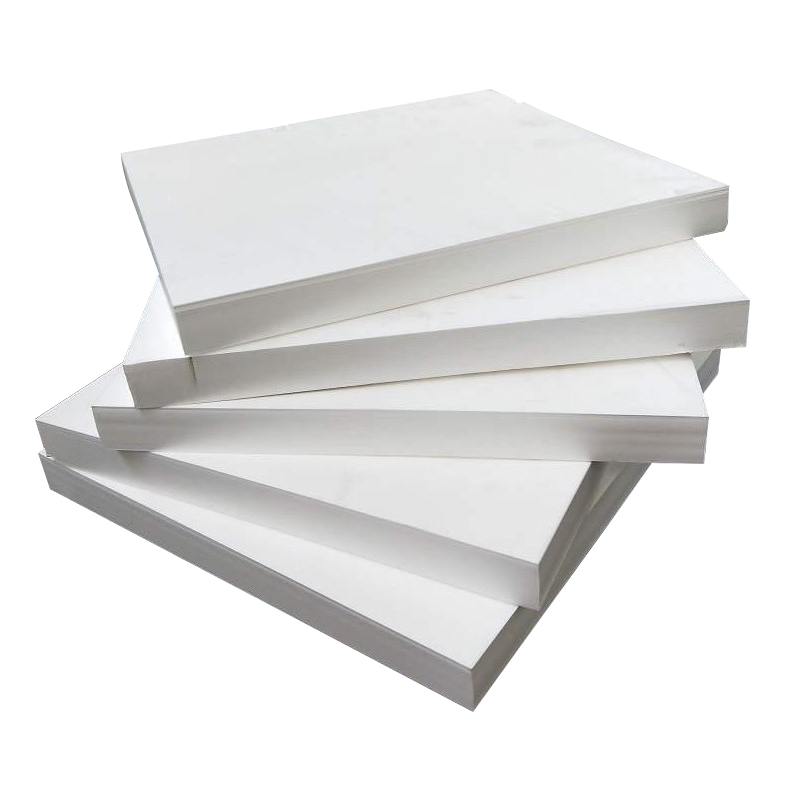
M-ATPU foam sheet has emerged as a critical material in modern manufacturing, particularly in applications demanding high elasticity, durability, and comfort. Its performance characteristics are largely determined by the microphase separation of TPU segments, a structural feature that significantly affects the material’s mechanical behavior.
Understanding the structure of M-ATPU foam sheet
M-ATPU foam sheet is derived from thermoplastic polyurethane (TPU), a versatile polymer that combines soft, flexible segments with rigid, crystalline domains. Microphase separation refers to the phenomenon where these soft and hard segments organize into distinct, nanoscale domains within the polymer matrix.
Soft segments typically consist of polyether or polyester chains that provide flexibility, while hard segments are composed of diisocyanate and chain extender combinations that contribute rigidity. The interplay between these segments creates a material that balances elasticity, resilience, and structural stability.
The degree of phase separation is influenced by the chemical composition of TPU, processing conditions, and molecular weight distribution. In M-ATPU foam sheet, controlling microphase separation is a critical factor in achieving consistent mechanical performance across different applications.
Mechanism of microphase separation in TPU
Microphase separation occurs due to the inherent incompatibility between soft and hard segments at the molecular level. The soft segments are generally amorphous and flexible, allowing for significant deformation under stress, whereas hard segments are crystalline or semi-crystalline and act as physical crosslinks that reinforce the polymer network.
The physical separation of these domains produces a unique microstructure characterized by hard domains embedded in a soft matrix. This arrangement permits energy dissipation during deformation, which directly influences elasticity. In M-ATPU foam sheet, a well-defined microphase-separated structure ensures that the foam can undergo repeated compression and expansion without permanent deformation, a property crucial for cushioning and comfort applications.
Factors affecting microphase separation include:
- Molecular weight of TPU segments: Higher molecular weight increases the degree of phase separation by enhancing domain formation.
- Chemical composition: Variation in the ratio of soft to hard segments modifies domain size and distribution.
- Processing conditions: Temperature, cooling rate, and extrusion parameters impact the extent of separation and domain morphology.
Impact of microphase separation on elasticity
The elasticity of M-ATPU foam sheet is closely linked to the distribution and morphology of hard and soft domains. Soft segments act as flexible springs that stretch under load, while hard segments serve as anchors that return the material to its original shape when the load is released.
Key points of influence include:
- Domain size and distribution: Uniformly distributed hard domains promote consistent elastic recovery across the material. Larger or irregular domains may create stress concentrations that reduce resilience.
- Hard segment content: Higher hard segment content increases tensile strength but may reduce flexibility. Balancing the ratio of soft and hard segments is crucial for achieving desired elasticity.
- Interfacial interactions: Strong interfacial adhesion between soft and hard domains ensures efficient stress transfer and minimizes permanent deformation.
Studies and industrial observations indicate that well-optimized microphase separation enhances both compressive and tensile elasticity, making M-ATPU foam sheet particularly suitable for applications requiring repeated deformation, such as midsoles, ergonomic mats, and protective padding.
Processing considerations for elasticity optimization
The production of M-ATPU foam sheet involves extrusion or foaming processes that can influence microphase separation and, consequently, elasticity. Manufacturers must carefully control parameters to maintain a balance between soft and hard domains.
Critical processing considerations include:
- Temperature control: Excessive heat may cause hard segment melting, reducing phase separation and elasticity.
- Foaming agent selection: The type and amount of foaming agent determine cell size and uniformity, which interact with the microphase-separated structure to influence compressive properties.
- Cooling rate: Rapid cooling can preserve microphase-separated domains, while slow cooling may allow domain coalescence, affecting elasticity.
Properly managed processing ensures that the M-ATPU foam sheet exhibits consistent performance and meets buyer expectations in demanding applications.
Material performance and application relevance
The elasticity of M-ATPU foam sheet, derived from controlled microphase separation, provides tangible benefits across multiple industries.
Footwear and sports equipment
In footwear, elasticity directly affects comfort and energy return. Microphase-separated M-ATPU foam sheet supports dynamic compression and rebound, enhancing cushioning without compromising structural integrity. Its performance under repeated stress makes it ideal for midsoles, insoles, and protective padding in athletic footwear.
Automotive and industrial applications
In automotive interiors, elasticity contributes to vibration damping and impact absorption. M-ATPU foam sheet can conform to complex geometries while maintaining mechanical stability, providing comfort and safety benefits. Similarly, industrial applications, such as gaskets or protective layers, rely on elasticity for durability and performance under continuous stress.
Packaging and consumer goods
In packaging and ergonomic products, elasticity ensures that M-ATPU foam sheet adapts to variable loads while protecting sensitive items. Buyers seeking high-performance materials consider the balance of softness and resilience critical to product longevity.
Evaluation and testing of elasticity
To assess the impact of microphase separation on M-ATPU foam sheet elasticity, manufacturers employ standardized testing methods:
| Test Type | Purpose | Key Parameters Measured |
|---|---|---|
| Tensile testing | Determine stretch and recovery | Elongation at break, tensile strength |
| Compression testing | Evaluate cushioning and load-bearing | Compression set, rebound resilience |
| Dynamic mechanical analysis | Assess viscoelastic behavior | Storage modulus, loss modulus, damping |
| Cyclic loading | Measure long-term elasticity | Fatigue resistance, permanent deformation |
These tests enable buyers and manufacturers to compare grades of M-ATPU foam sheet and select materials that meet specific performance requirements.
Design considerations for buyers
When selecting M-ATPU foam sheet, buyers must consider the relationship between microphase separation and elasticity to ensure optimal performance.
Key considerations include:
- Intended application: Cushioning, vibration damping, or protective padding will have different elasticity requirements.
- Environmental exposure: Temperature, humidity, and UV exposure can influence elasticity and long-term performance.
- Material grade: Variations in molecular weight, soft-to-hard segment ratio, and foaming parameters affect elasticity and resilience.
By understanding these factors, buyers can make informed decisions and specify M-ATPU foam sheet that delivers consistent performance across applications.
Advancements and future trends
Ongoing research focuses on enhancing elasticity through precise control of microphase separation. Innovations include:
- Tailoring molecular weight distributions to optimize domain formation.
- Using advanced foaming techniques to achieve uniform cell structures compatible with microphase-separated domains.
- Developing bio-based or recycled TPU formulations that maintain elasticity while supporting sustainability goals.
These advancements are expected to expand the application potential of M-ATPU foam sheet, particularly in industries demanding high-performance, lightweight, and durable materials.
Conclusion
The microphase separation of TPU segments plays a decisive role in the elasticity of M-ATPU foam sheet. The interplay between soft and hard domains determines mechanical performance, energy dissipation, and resilience, which are critical for industrial and consumer applications. By carefully controlling chemical composition, molecular architecture, and processing conditions, manufacturers can produce M-ATPU foam sheet with optimized elasticity tailored to specific use cases.
Understanding these mechanisms provides buyers with the knowledge to select high-quality materials that meet functional, durability, and comfort requirements. With ongoing research and innovation, M-ATPU foam sheet will continue to serve as a versatile and reliable material for advanced applications across footwear, automotive, industrial, and consumer product markets.
 ++86-0512-66079229