
 English
 Español

Home / News / How Marine Grade MPP Foam Sheets Deliver Reliable Buoyancy for Boat Hulls and Decks
Why Marine Environments Demand Purpose-Built Foam Materials
Vessels operate in one of the harshest material environments available: constant saltwater exposure, ultraviolet degradation, vibration loading, and repeated wet-dry cycling. A foam that performs well in furniture or packaging can fail quickly once it is bonded to a hull, mounted under a deck, or used inside a seating cushion that sits above the waterline. Buyers sourcing marine boat foam need materials engineered specifically for closed-cell water rejection, dimensional stability, and long-term buoyancy retention rather than general-purpose cushioning stock.
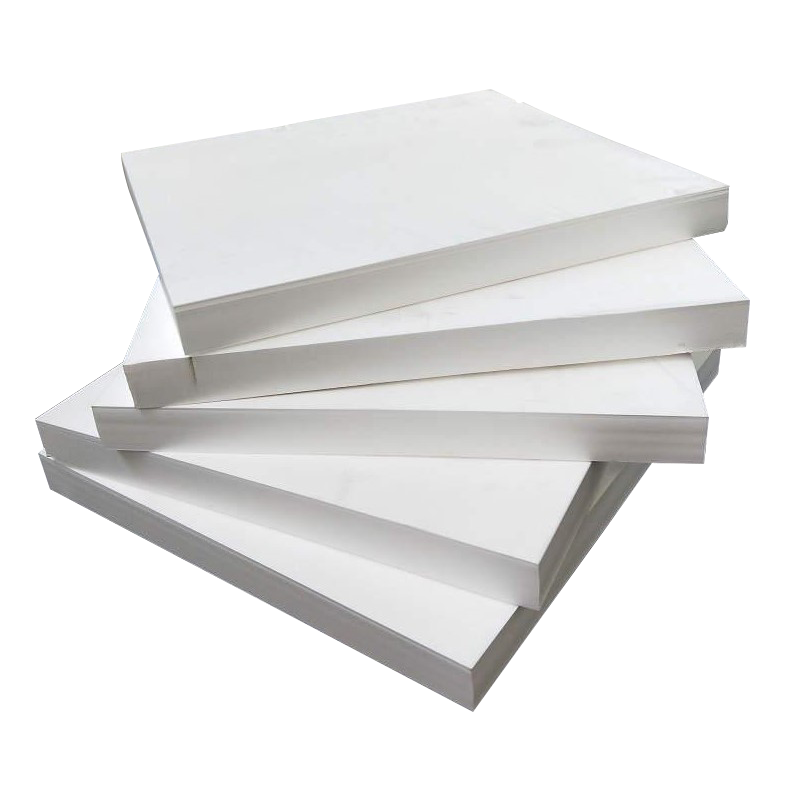
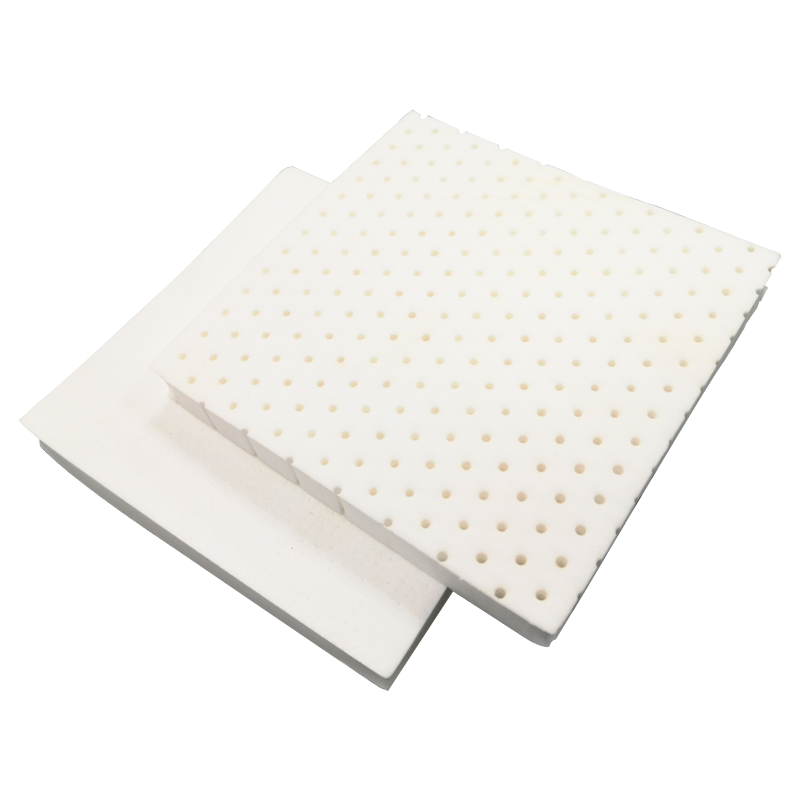
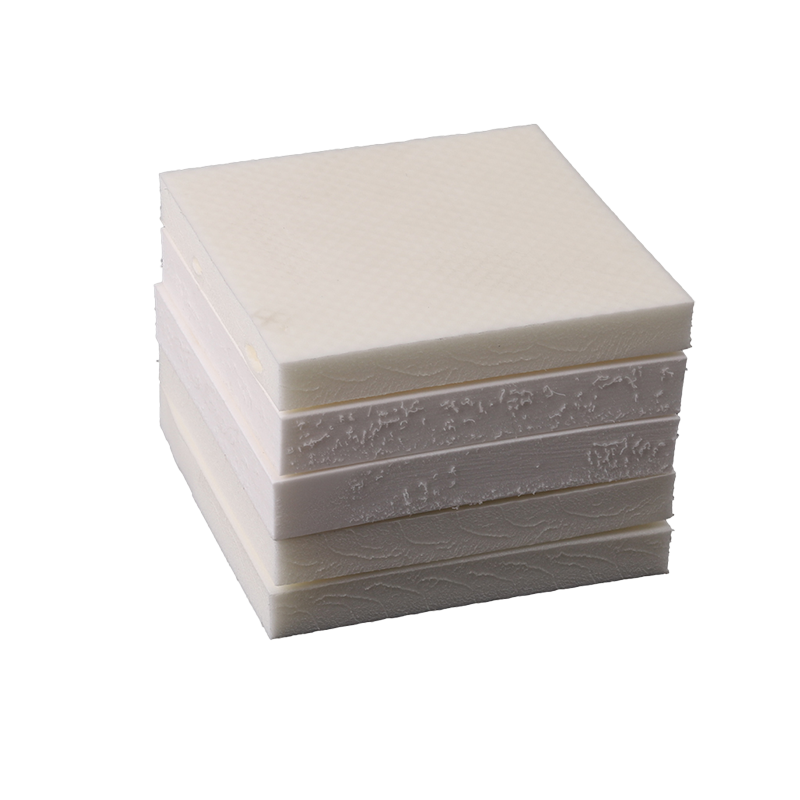
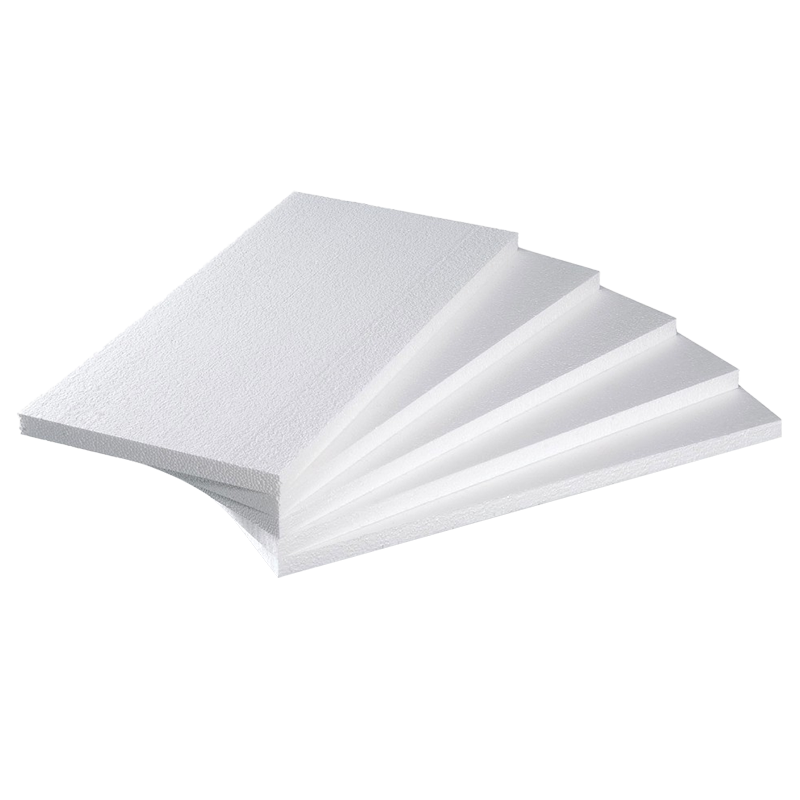
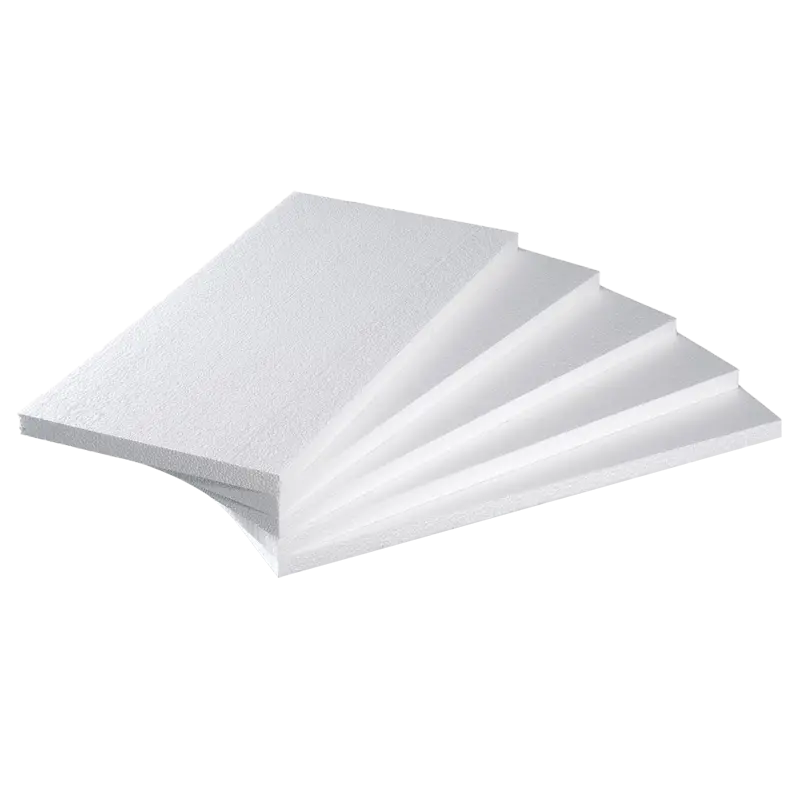
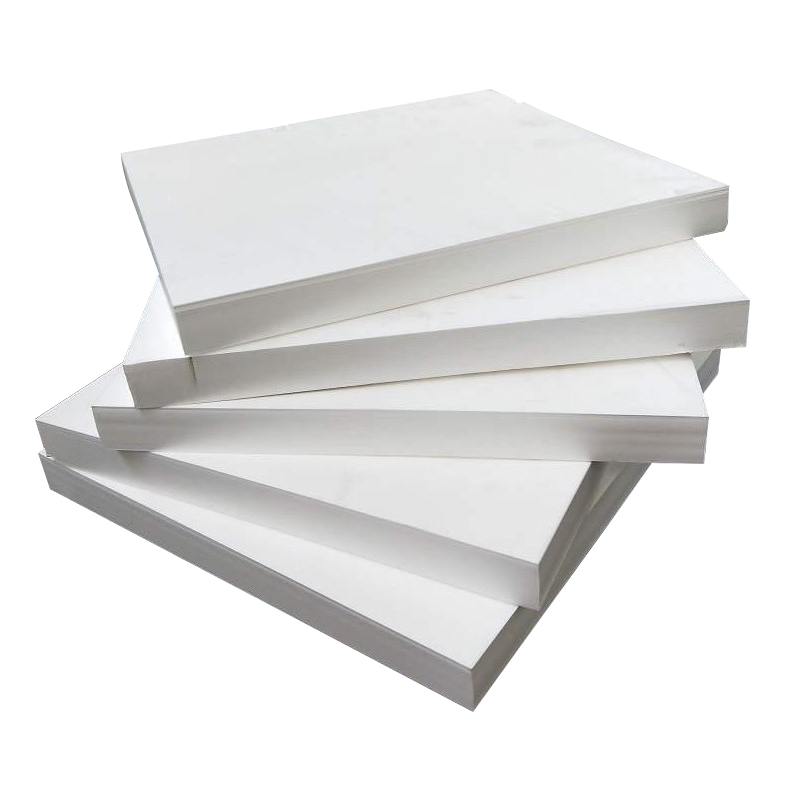
A rigid, closed-cell foam sheet structure suited for marine fabrication work
This article reviews the material science behind marine-grade polypropylene foam sheets, compares performance data across common foam categories, and outlines where these materials fit across boat decks, hulls, cushions, and flotation systems.
Core Material Characteristics That Define Marine-Grade Foam
An mpp foam sheet is built from expanded polypropylene beads fused into a sheet with a fine, uniform closed-cell structure. This structure is the primary reason the material resists moisture absorption far better than open-cell foams, which behave more like a sponge once punctured or submerged for extended periods.
Cell Structure and Water Rejection
Closed-cell foams trap gas within isolated pockets rather than an interconnected network. Because water cannot travel freely between cells, saturation stays limited to surface-level cut edges, which is critical for waterproof marine foam used below deck lines or inside hull cavities.
Density Range and Structural Role
Marine foam sheets are typically supplied across a density range rather than a single specification, allowing fabricators to match load-bearing needs with weight budgets. Lower density grades favor buoyancy and weight savings, while higher density grades favor impact resistance and structural rigidity.
| Property | Standard Open-Cell Foam | MPP Foam Sheet | FR-MPP Foam Sheet |
|---|---|---|---|
| Cell Structure | Open, interconnected | Closed, uniform | Closed, uniform |
| Water Absorption | High | Very Low | Very Low |
| Fire Response | Untreated | Standard | Flame Retardant Treated |
| Typical Use Zone | Interior only | Deck, hull, cushions | Enclosed cabins, engine bays |
How Expanding Flotation Foam Supports Vessel Stability
expanding flotation foam is used to fill hollow chambers inside hulls, transoms, and pontoon tubes, providing reserve buoyancy in the event of a hull breach. Unlike liquid-poured flotation systems, pre-formed flotation foam block sections offer consistent density and can be trimmed to fit irregular cavities without curing time on-site.
- Boat hull foam sections reduce swamping risk by displacing water inside sealed compartments.
- Pontoon boat foam log cores rely on closed-cell density to hold shape under continuous load.
- Buoyancy foam placed near the waterline supports faster self-bailing after wave impact.
Because buoyancy performance depends on long-term cell integrity rather than a one-time test result, fabricators generally request absorption data across extended immersion periods before specifying a foam grade for below-waterline use.
Long-Term Water Absorption Behavior in Marine Foam
The line chart below compares cumulative water absorption over a 30-day immersion period for a standard open-cell reference foam against a closed-cell marine sheet.
Compressive Strength and Density Grade Selection
Selecting the correct density grade balances weight, cost, and expected load. Higher density grades resist deformation under repeated foot traffic on a deck or the point-loading of hardware mounts, while lower density grades favor overall vessel weight reduction.
| Density Grade | Recommended Use |
|---|---|
| 20-25 kg/m3 | Flotation foam block fill, non-load areas |
| 30-35 kg/m3 | Marine mattress foam, boat cushions foam |
| 40-50 kg/m3 | Boat seating foam, general deck backing |
| 55-65 kg/m3 | Foam for boat deck under heavy foot traffic |
Property Trade-Offs: MPP Foam Sheet vs FR-MPP Foam Sheet
The FR-MPP Foam Sheet shares the same closed-cell base structure as standard MPP foam but includes a flame retardant treatment, making it a common choice for engine bay linings, enclosed cabin panels, and other zones where fire codes apply. The radar comparison below highlights where the two grades diverge.
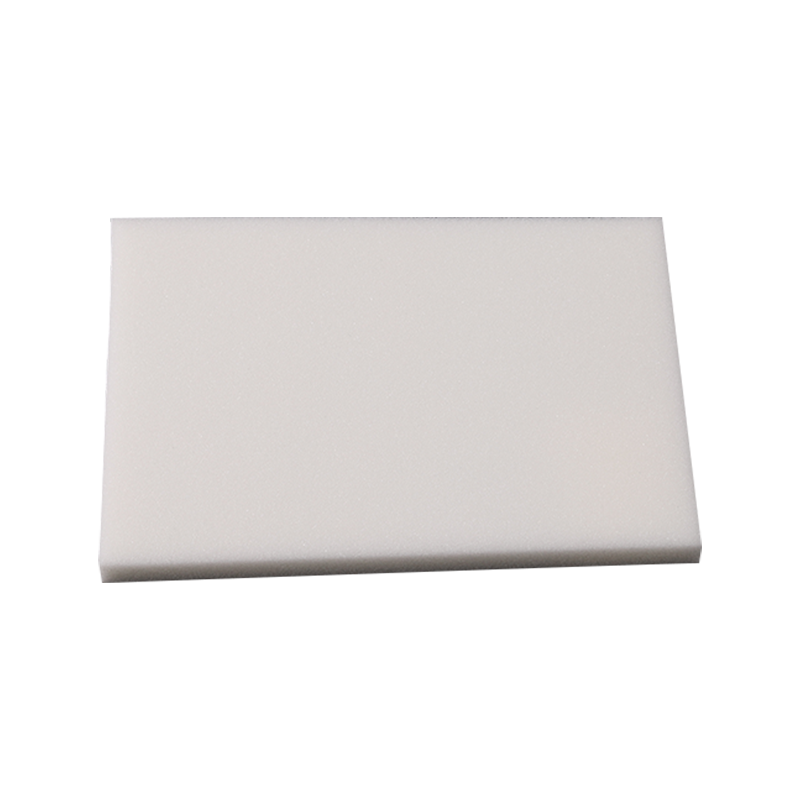
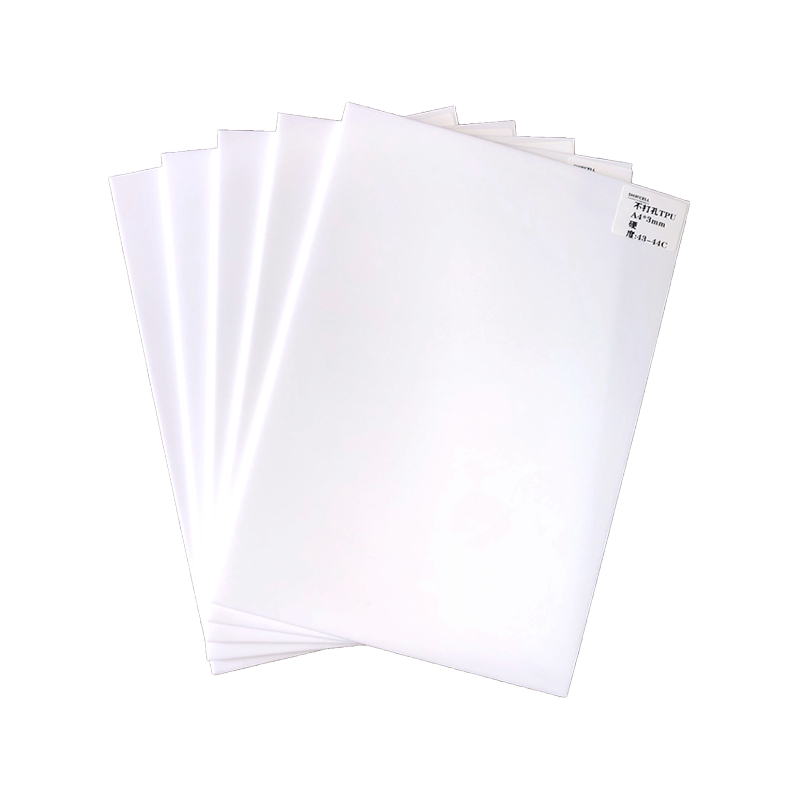
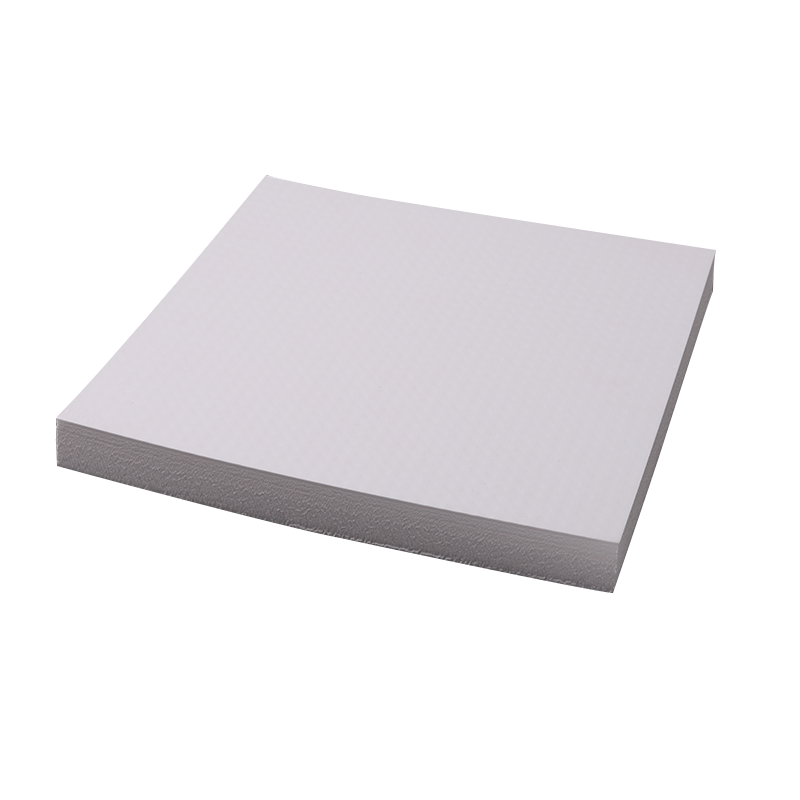
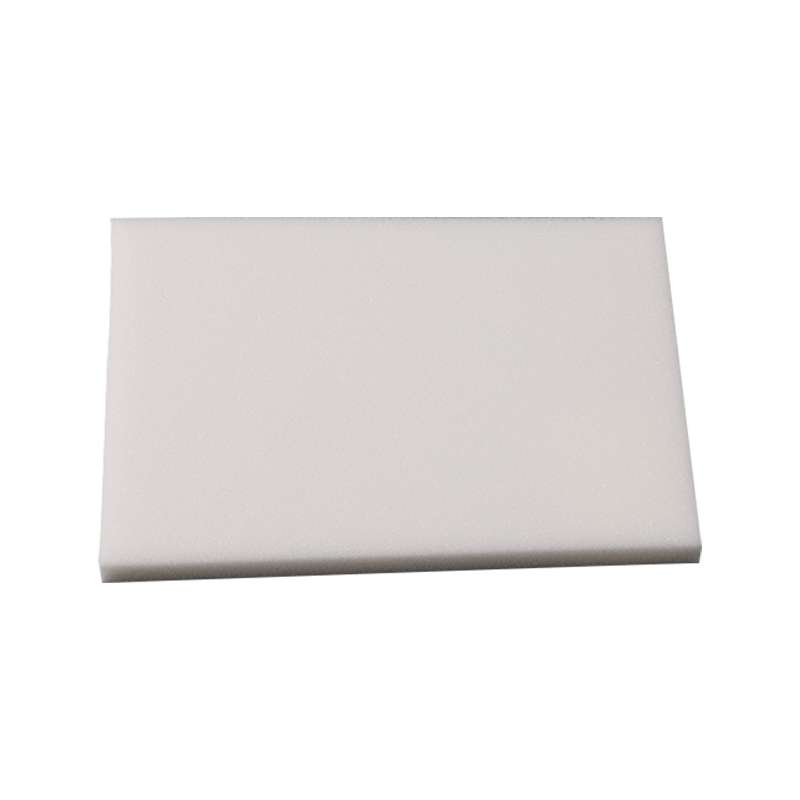
Flame retardant treated foam sheet structure for enclosed marine spaces
From Resin to Finished Marine Component: The Production Workflow
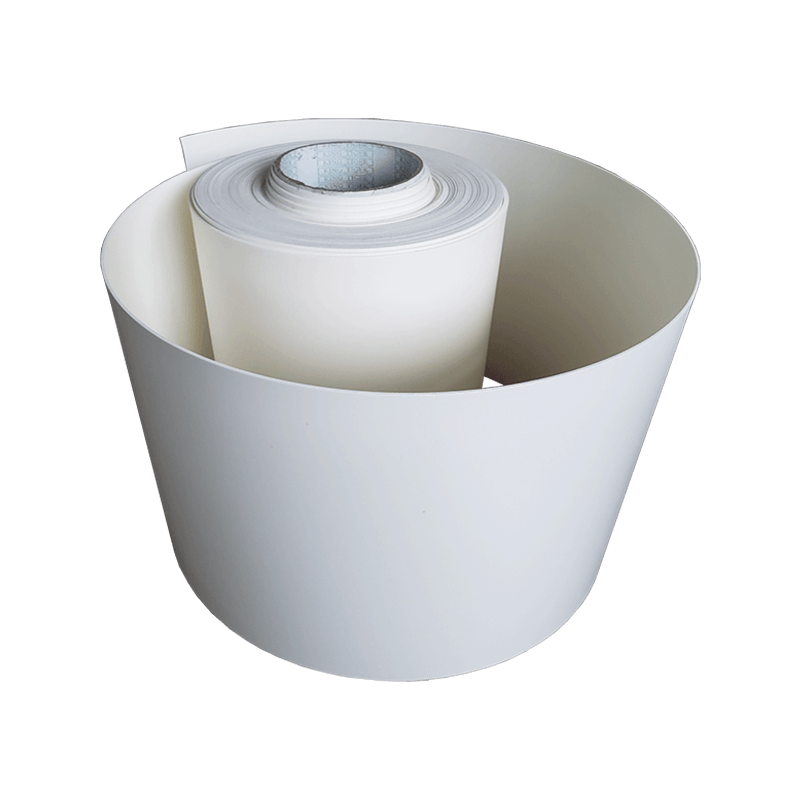
Understanding the fabrication sequence helps buyers set realistic lead times and clarify where custom die-cutting or lamination steps can be added.
Practical Applications Across Boat Decks, Cushions, and Seating
Marine foam sheet products are rarely limited to one function on a vessel. The same base material, adjusted by density and treatment, can serve structural, comfort, and safety roles across a single build.
Deck and Structural Backing
Foam for boat deck backing provides underlayment support between the outer skin and structural stringers, reducing flex and dampening vibration under foot traffic.
Seating and Sleeping Comfort
Marine mattress foam and boat cushions foam use mid-density grades to balance comfort with resistance to compression set from repeated sitting or lying loads, while boat seating foam is typically shaped and upholstered over a rigid support layer.
Flotation and Hull Reinforcement
Boat hull foam and flotation foam block sections are placed within sealed compartments, contributing reserve buoyancy without relying on mechanical bilge systems alone.
Marine Grade Foam Waterproof Marine Foam Pontoon Boat Foam Boat Cushions Foam
Selection Criteria for Procurement and Fabrication Teams
Matching density and treatment to the specific zone of the vessel prevents both overspending on unnecessary fire treatment and underperforming in below-waterline applications.
- Confirm whether the installation zone requires flame retardant treatment, such as engine bays or enclosed cabin panels.
- Match density grade to expected load, choosing lower density for buoyancy fill and higher density for deck backing.
- Request water absorption data over extended immersion periods, not single-point testing.
- Verify sheet thickness tolerances against the die-cutting or lamination process planned for fabrication.
- Check compatibility with adhesives or laminate facings used in the final assembly.
Frequently Asked Questions
Q1: What makes closed-cell foam better suited to marine use than open-cell foam?
Closed-cell foam isolates gas pockets from one another, which limits water absorption to cut edges rather than allowing saturation throughout the material. This keeps weight and buoyancy performance more stable over time in wet conditions.
Q2: How is FR-MPP foam sheet different from standard MPP foam sheet?
FR-MPP foam sheet undergoes an additional flame retardant treatment applied to the same closed-cell base structure, making it more suitable for enclosed spaces such as engine bays where fire exposure risk is higher.
Q3: What density range is typically used for boat cushions and mattress applications?
Mid-range densities, generally between 30 and 35 kg per cubic meter, are commonly used to balance comfort with resistance to long-term compression set.
Q4: Can marine foam sheets be used for both flotation fill and deck backing?
Yes, the same base material family can serve both roles, though the density grade should be adjusted, with lower density favored for flotation fill and higher density favored for structural deck backing.
Q5: Does water absorption testing need to cover extended immersion periods?
Extended immersion testing, often over several weeks, gives a more realistic picture of long-term performance than short single-point tests, since some materials show gradual saturation that only becomes evident over time.
 ++86-0512-66079229