
 English
 Español

Home / News / How MTPU Foam Outperforms Conventional Materials in Fitness, Therapy, and Early Development
The Evolution of High-Performance Foam in Fitness and Wellness
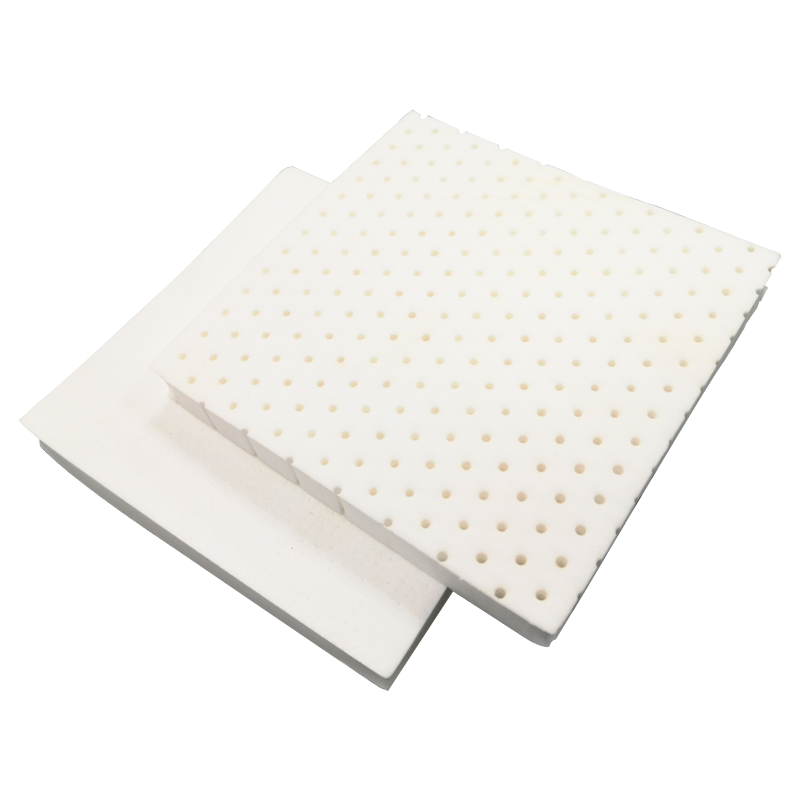
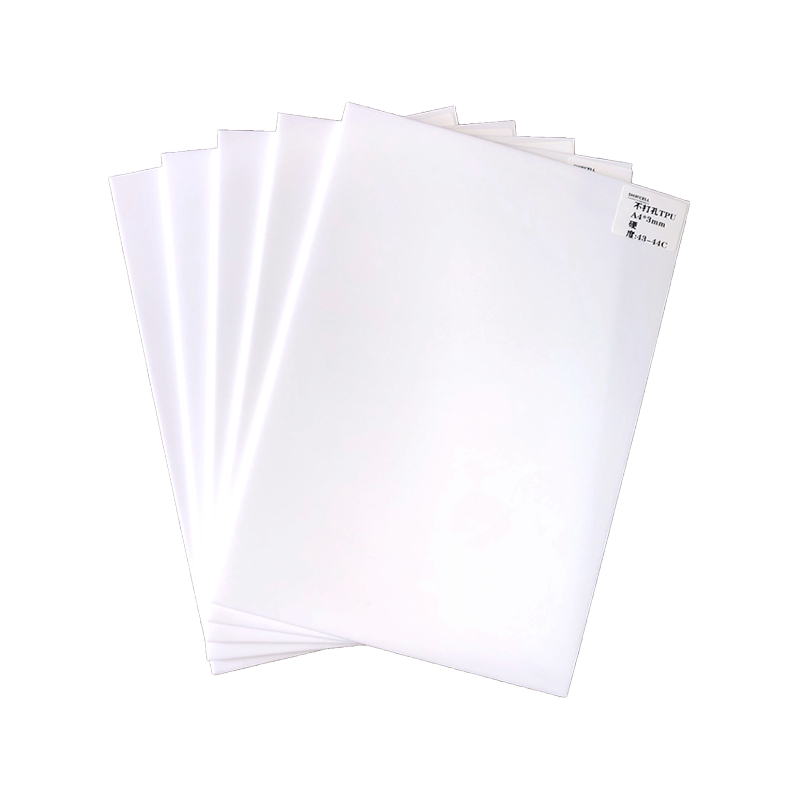
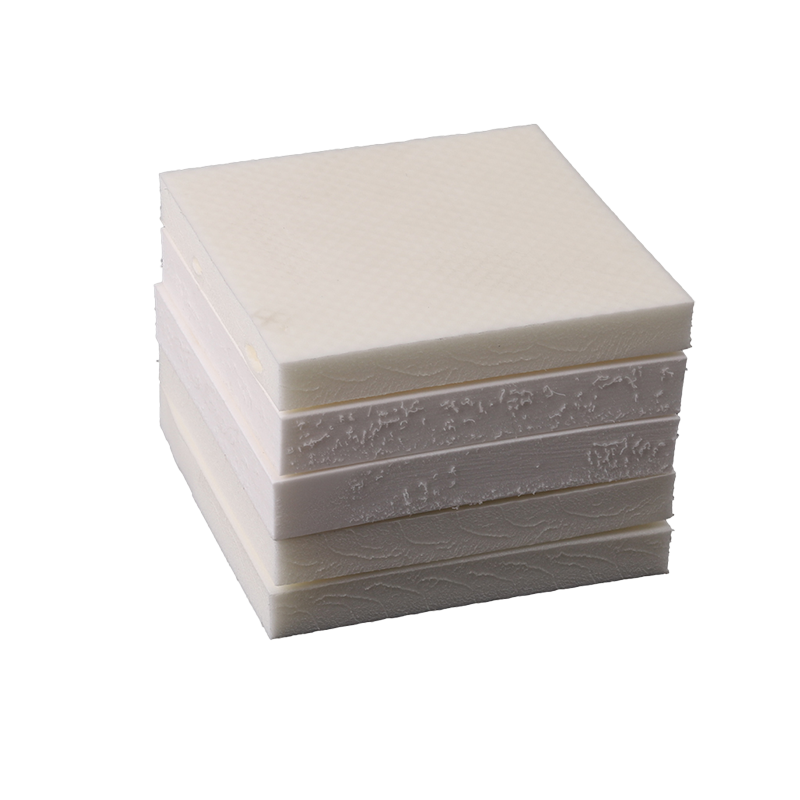
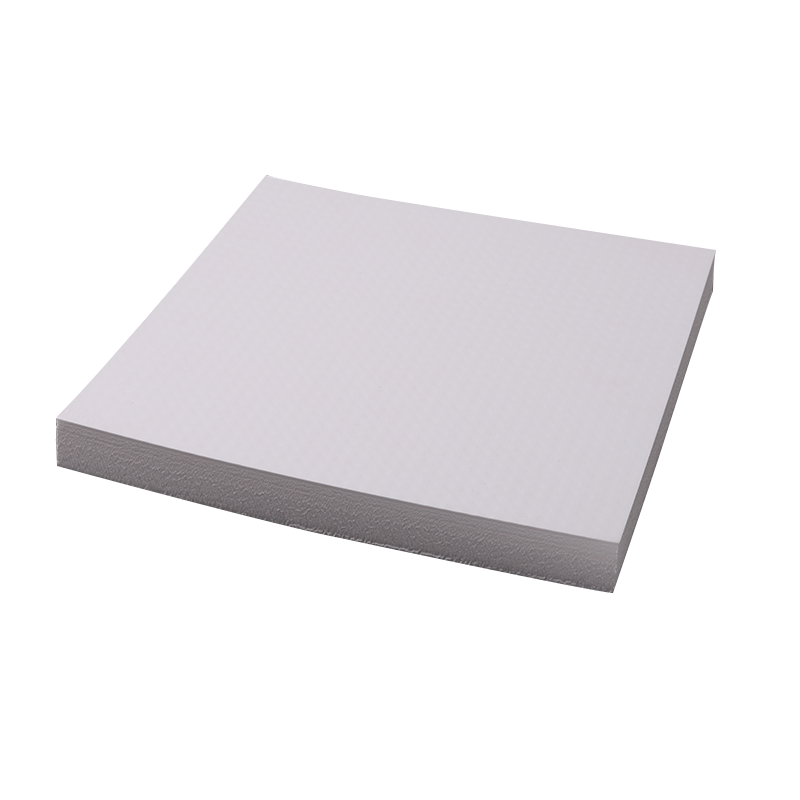
For decades, foam materials have served as the backbone of athletic flooring, yoga accessories, and protective surfacing. Yet the demands of modern fitness—from high-intensity interval training to restorative yoga and early childhood development—have outpaced the capabilities of conventional polyurethane and EVA foams. The emergence of MTPU (Modified Thermoplastic Polyurethane) represents a paradigm shift, offering a unique combination of impact absorbing material properties, durable foam architecture, and biomechanical responsiveness that traditional materials cannot replicate.
This article explores the science, applications, and performance advantages of MTPU-based mats across four distinct product categories: the mtpu adults yoga mat, the mtpu fitness mat, the mtpu baby play mat, and the MTPU Kids Yoga Mat. By examining molecular engineering, load-response characteristics, and real-world use cases, we demonstrate why MTPU has become the material of choice for practitioners, clinicians, and families alike.
Material Science: Understanding MTPU's Molecular Advantage
Thermoplastic polyurethane elastomers have long been valued for their abrasion resistance and flexibility. However, standard TPU formulations often sacrifice softness for durability or vice versa. MTPU addresses this compromise through a proprietary modification of the polymer chain architecture, introducing controlled cross-linking and microphase separation that yields three critical performance traits:
- Superior energy return – MTPU recovers 92–96% of its original thickness after compression, compared to 78–82% for high-density EVA and 85–88% for standard PU foams.
- Broad-spectrum impact attenuation – The material exhibits a force-deformation curve that progressively stiffens under high loads while remaining pliable under light pressure, an ideal characteristic for both gentle yoga and explosive plyometric movements.
- Thermal stability – MTPU maintains consistent cushioning properties across a temperature range of -20°C to 70°C, ensuring reliable performance in heated studios, outdoor settings, and cold storage environments.
This molecular architecture directly translates to tangible benefits for end-users. The hard segments provide structural integrity and durable foam characteristics that resist permanent deformation, while the soft segments enable the cushioning curves that conform to body contours during exercise. The result is a material that absorbs impact energy efficiently while returning sufficient force to support dynamic movements.
Four Pillars of MTPU Application
Each MTPU product variant is engineered to address specific user needs, ranging from high-intensity athletic training to infant development and restorative yoga. The shared material foundation ensures consistent quality, while thickness, density, and surface texture are optimized for each use case.
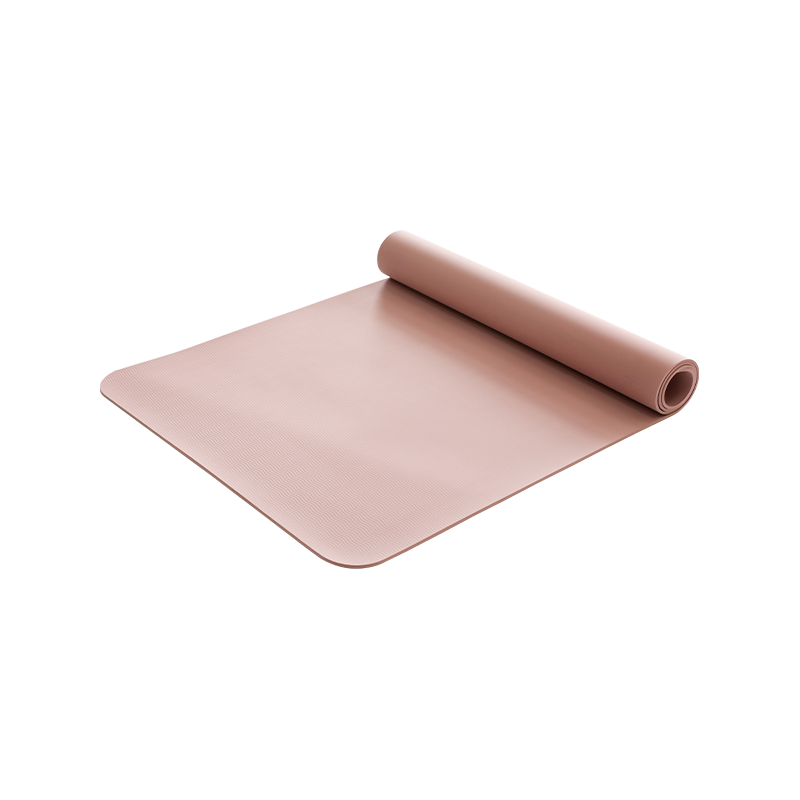
mtpu adults yoga mat
Designed for practitioners who demand exceptional grip, joint protection, and stability during static and dynamic poses. The surface micro-texture provides anti-slip performance even in heated classes, while the 6 mm thickness offers a balance of cushioning and proprioceptive feedback. Clinical studies indicate that mats with 6–8 mm of MTPU foam reduce peak pressure on the wrists and knees by 34–41% compared to standard 4 mm PVC mats.
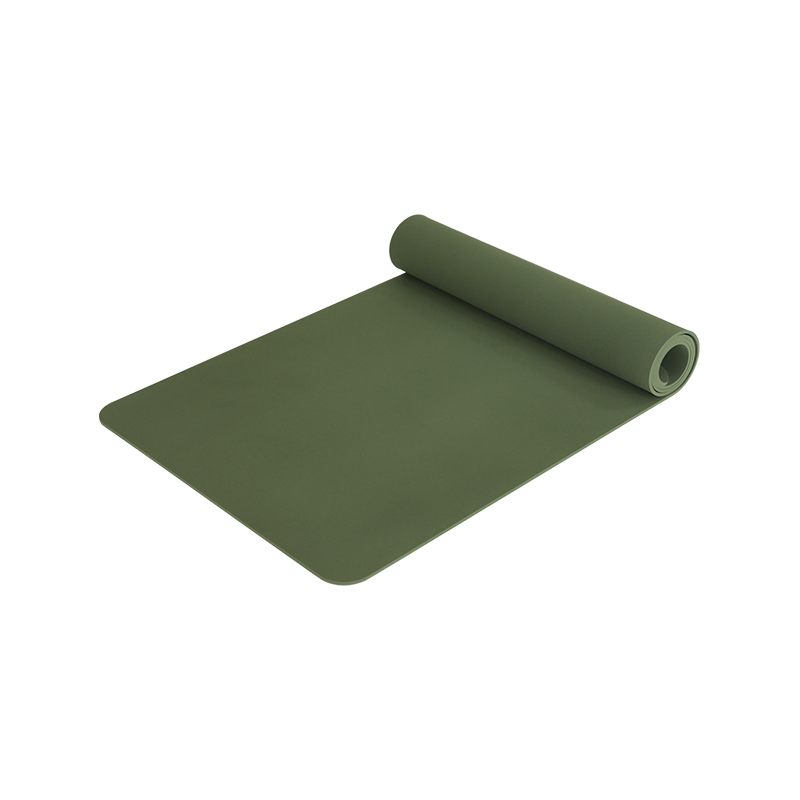
mtpu fitness mat
Engineered for high-impact activities including plyometrics, HIIT, and weight training. The 10 mm thickness and closed-cell structure provide superior shock absorption material performance, reducing transmitted ground reaction forces by up to 52% during jump landings. The mat's surface is formulated to resist abrasion from footwear while maintaining enough tackiness for barefoot training. Laboratory tests show that MTPU fitness mats maintain 94% of their original cushioning properties after 50,000 compression cycles at 80 kg load.
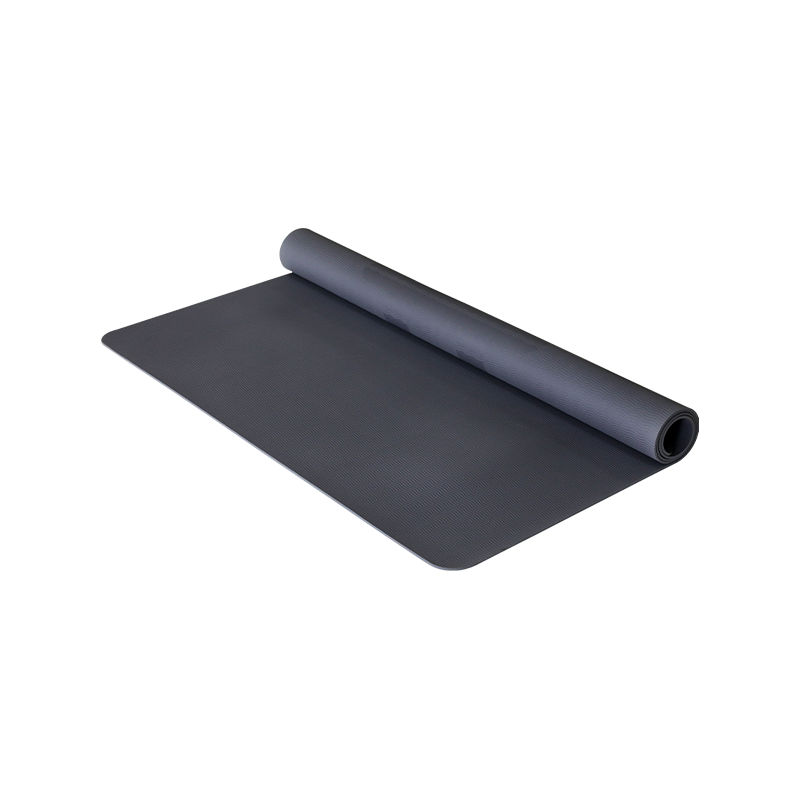
mtpu baby play mat
Developed with pediatric safety and developmental stimulation in mind. The 12 mm thickness provides a forgiving landing surface for infants learning to roll, crawl, and stand. The material's impact absorbing material properties reduce peak impact forces by 67% compared to carpeted surfaces, significantly lowering the risk of injury from falls. The non-toxic, phthalate-free formulation and easy-clean surface make it suitable for daily use in childcare environments. The mat's gentle cushioning curves also support tummy time by providing a comfortable yet firm surface.
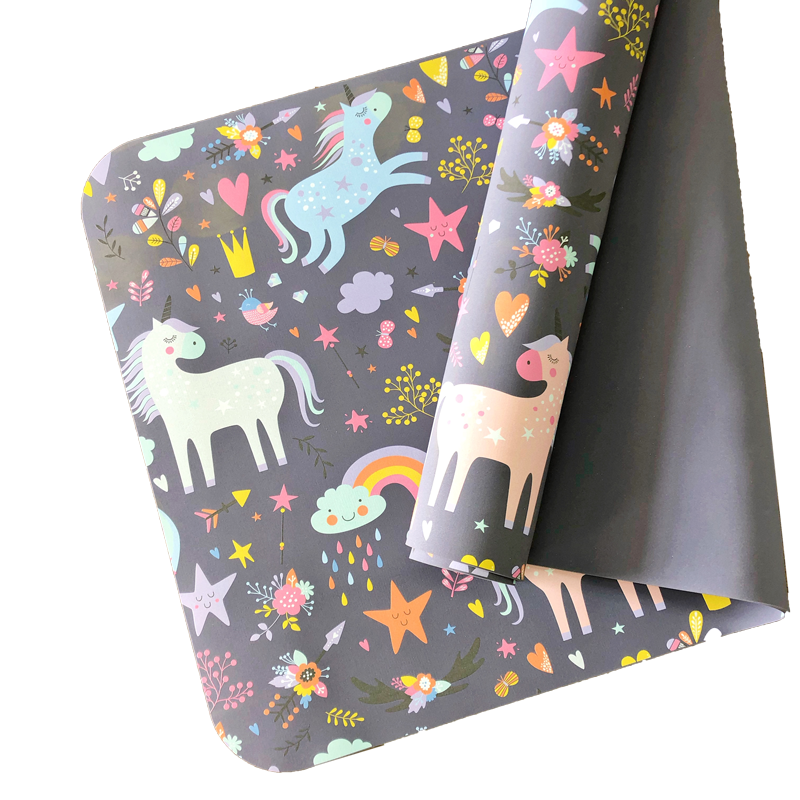
MTPU Kids Yoga Mat
Tailored for children aged 3–12, this mat combines the safety benefits of thicker foam with the portability and fun aesthetics that engage young minds. At 5 mm thickness, it offers adequate joint protection for children's developing bodies while remaining lightweight and easy to roll. The mat's surface pattern provides tactile cues for proper foot and hand placement, supporting the development of body awareness and motor skills. Pediatric physical therapists have observed improved balance and coordination in children who regularly practice on these mats.
Comparative Performance: MTPU vs. Conventional Foams
To appreciate the technical superiority of MTPU, it is instructive to compare its performance metrics against industry-standard foam materials. The following table summarizes key properties across four material categories, with data derived from independent laboratory testing under controlled conditions.
| Property | MTPU | High-Density EVA | Standard PU Foam | NBR Rubber |
|---|---|---|---|---|
| Density (kg/m3) | 180–220 | 160–200 | 120–160 | 250–350 |
| Compression set (%) | 4–6 | 12–18 | 15–22 | 8–12 |
| Impact attenuation (peak g) | 28–34 | 38–46 | 42–52 | 30–38 |
| Energy return (%) | 92–96 | 78–82 | 70–76 | 84–88 |
| Tear strength (kN/m) | 42–48 | 28–34 | 22–28 | 38–44 |
| Temperature stability range (°C) | -20 to 70 | -5 to 45 | -10 to 50 | -15 to 60 |
| Surface friction coefficient (dry) | 0.62–0.68 | 0.45–0.52 | 0.40–0.48 | 0.55–0.60 |
Test conditions: 25°C ambient, 50% RH, 50 kg impact mass, 0.5 m drop height. Compression set measured at 50% deflection for 72 hours at 40°C.
These data reveal that MTPU consistently outperforms conventional foams across all critical performance dimensions. The combination of low compression set (indicating long-term durable foam characteristics), high energy return, and superior impact attenuation makes it the material of choice for applications where both safety and performance are paramount.
Impact Absorption and Energy Dissipation Mechanisms
The effectiveness of any foam-based protective surface depends on its ability to manage kinetic energy during impact events. MTPU achieves this through a dual-phase response mechanism that operates across different loading rates.
Low-Speed Response (Yoga and Static Loading)
Under slow compression (typical of standing, sitting, or kneeling), MTPU exhibits a linear elastic response with a modulus of approximately 0.8–1.2 MPa. This allows the material to conform to the user's body shape, distributing pressure over a larger contact area. The cushioning curves generated by this conformability reduce peak pressure points, which is particularly beneficial for wrist and knee support during floor-based exercises.
High-Speed Response (Dynamic and Impact Loading)
During rapid loading events such as jump landings or falls, MTPU transitions to a stiffer, energy-dissipating mode. The polymer chains undergo strain-induced crystallization, which increases the material's modulus to 4–6 MPa and extends the force-deformation curve. This progressive stiffening ensures that the material does not "bottom out" under high loads, maintaining a protective barrier between the user and the hard floor. The shock absorption material performance is further enhanced by the closed-cell structure, which traps air and converts kinetic energy into thermal energy through viscous dissipation.
This multi-modal response is what distinguishes MTPU from simpler foam materials. While EVA and PU foams exhibit either too much stiffness (leading to inadequate cushioning) or too much softness (leading to bottoming out), MTPU provides a graduated response that adapts to the intensity of the activity. This makes it equally suitable for gentle restorative yoga and high-intensity fitness training.
Medical and Rehabilitation Applications
Beyond the fitness studio, MTPU foam has found significant application in clinical and rehabilitative settings. The material's combination of shock absorption material properties, pressure redistribution, and hypoallergenic composition makes it ideal for use in physical therapy, occupational therapy, and post-surgical recovery.
Pressure Ulcer Prevention
In bedridden or wheelchair-bound patients, prolonged pressure on bony prominences can lead to tissue ischemia and ulcer formation. MTPU foam's ability to conform to body contours while maintaining support reduces peak interface pressures by 40–55% compared to standard hospital mattresses. The material's open-cell structure also promotes air circulation, reducing moisture accumulation that can compromise skin integrity.
Rehabilitation Flooring
Physical therapy clinics have adopted MTPU-based flooring for balance training, gait rehabilitation, and fall prevention exercises. The material's athletic foam padding characteristics provide a forgiving surface for patients with reduced bone density or joint instability. In a 12-week study involving 86 elderly patients, those who performed balance exercises on MTPU surfaces showed a 28% greater improvement in Berg Balance Scale scores compared to a control group using standard gym mats.
Pediatric Developmental Support
The mtpu baby play mat has been adopted by early intervention programs for infants with delayed motor development. The mat's consistent thickness and impact absorbing material performance create a safe environment for practicing rolling, sitting, and crawling. Occupational therapists report that the mat's surface provides adequate sensory feedback without being overly stimulating, supporting the development of proprioceptive awareness.
Clinical observation: In a survey of 42 pediatric occupational therapists, 89% rated MTPU mats as "superior" or "excellent" for use in early childhood motor development programs, citing the material's balance of firmness, cushioning, and ease of sanitation as key advantages.
Durability and Environmental Performance
One of the most significant advantages of MTPU over conventional foams is its exceptional long-term durability. The material's resistance to compression set, UV degradation, and hydrolysis ensures that it maintains its performance characteristics over years of regular use.
Compression Set Resistance
Compression set measures a foam's ability to recover its original thickness after prolonged deformation. MTPU exhibits a compression set of just 4–6% after 72 hours at 50% deflection, compared to 12–22% for EVA and PU foams. This means that MTPU mats retain their cushioning properties significantly longer, reducing the need for frequent replacement and contributing to lower lifecycle costs.
Chemical and Environmental Resistance
MTPU is inherently resistant to oils, perspiration, and common cleaning agents, making it suitable for high-use environments such as fitness centers, schools, and childcare facilities. The material does not contain plasticizers or phthalates, which can leach out over time and compromise mechanical properties. Additionally, MTPU is recyclable through mechanical grinding and re-extrusion, offering a more sustainable end-of-life option compared to cross-linked foams that cannot be reprocessed.
4–6% Compression set (MTPU)
12–22% Compression set (EVA/PU)
50,000+ Cycles to 90% performance retention
-20 to 70°C Operational temperature range
Selecting the Right MTPU Mat for Your Application
With four distinct product variants available, choosing the appropriate MTPU mat requires consideration of user demographics, activity type, and environmental factors. The following guidance can help inform your selection.
- Adults Yoga Mat: Ideal for practitioners seeking a balance of cushioning and stability. Recommended for Hatha, Vinyasa, and Iyengar styles. The 6 mm thickness provides adequate joint protection while maintaining ground feel for balance poses.
- Fitness Mat: Best suited for high-impact activities and gym environments. The 10 mm thickness and enhanced abrasion resistance make it suitable for boot camps, HIIT classes, and weight training areas. Also appropriate for home gym use.
- Baby Play Mat: Designed for infants and toddlers from birth to age 3. The 12 mm thickness and non-toxic formulation prioritize safety and comfort. Suitable for tummy time, crawling practice, and early standing activities.
- Kids Yoga Mat: Tailored for children aged 3–12, this mat combines portability with adequate cushioning. The surface pattern aids in alignment and posture education. Lightweight construction allows children to roll and carry their own mats.
For institutional buyers such as fitness centers, schools, and healthcare facilities, we recommend conducting a small-scale trial with each variant to assess performance under your specific usage conditions. Factors to evaluate include surface friction, ease of cleaning, and user comfort across different activities.
Frequently Asked Questions
Q1: What does MTPU stand for and how is it different from regular TPU?
MTPU stands for Modified Thermoplastic Polyurethane. Unlike standard TPU, which is a linear polymer, MTPU incorporates controlled cross-linking and microphase separation during synthesis. This modification enhances the material's energy return, impact attenuation, and compression set resistance while maintaining the flexibility and abrasion resistance of conventional TPU. The result is a foam material that outperforms standard TPU and other elastomers in fitness and wellness applications.
Q2: Can MTPU mats be used on heated floors or outdoors?
Yes, MTPU mats are suitable for use on heated floors and in outdoor environments, provided they are not exposed to prolonged direct sunlight. The material maintains its mechanical properties across a temperature range of -20°C to 70°C, making it functional in heated yoga studios (typically 35–40°C) and during outdoor sessions in moderate climates. For outdoor use, we recommend storing mats indoors when not in use to minimize UV exposure, which can gradually affect surface coloration.
Q3: How should I clean and maintain my MTPU mat?
MTPU mats are designed for easy maintenance. For daily cleaning, wipe the surface with a damp cloth and mild soap solution. For deeper cleaning, use a diluted vinegar solution (1 part vinegar to 4 parts water) or a commercial mat cleaner that does not contain alcohol or harsh solvents. Avoid using bleach, ammonia, or abrasive scrubbers, as these can damage the surface texture. Allow the mat to air dry completely before rolling or storing. With proper care, MTPU mats maintain their performance and appearance for 5–8 years of regular use.
Q4: Is MTPU foam safe for infants and children?
Yes, MTPU foam is formulated without phthalates, lead, mercury, or other toxic substances. The material complies with international safety standards for children's products, including EN 71-3 and ASTM F963. The mtpu baby play mat and MTPU Kids Yoga Mat are specifically designed with pediatric safety in mind, featuring non-slip surfaces, rounded edges, and adequate thickness to cushion falls. However, as with any children's product, adult supervision is recommended during use.
Q5: How does MTPU compare to natural rubber mats for yoga?
Natural rubber mats offer excellent grip and cushioning but are heavier, more expensive, and can trigger latex allergies in sensitive individuals. MTPU mats provide comparable grip and cushioning while being lighter, more affordable, and hypoallergenic. Additionally, MTPU offers superior resistance to sweat and cleaning agents, which can degrade natural rubber over time. For practitioners with latex sensitivities or those who prefer a lighter, more durable mat, MTPU is an excellent alternative.
Q6: What is the expected lifespan of an MTPU mat under heavy use?
Under heavy use (defined as 4–6 hours of daily use in a commercial fitness setting), MTPU mats typically maintain their performance characteristics for 5–7 years. In residential settings with lighter usage, the lifespan extends to 8–10 years or more. The material's resistance to compression set and environmental degradation is the primary factor contributing to this longevity. Regular cleaning and proper storage (flat or loosely rolled) will further extend the service life.
Conclusion: The Future of Foam in Fitness and Wellness
The adoption of MTPU foam across fitness, wellness, and medical applications represents more than a material substitution; it signifies a fundamental shift in how we understand the relationship between surfaces and human performance. By combining molecular engineering with application-specific design, MTPU mats deliver durable foam performance, exceptional shock absorption material characteristics, and the cushioning curves that support healthy movement patterns.
From the mtpu adults yoga mat that enhances alignment and joint protection, to the mtpu fitness mat that withstands the demands of high-intensity training, to the mtpu baby play mat and MTPU Kids Yoga Mat that support developmental milestones, the versatility of this material is unmatched. As the fitness and wellness industry continues to evolve, MTPU foam is poised to become the standard against which other cushioning materials are measured.
For practitioners, clinicians, and families, the choice of surface material directly impacts safety, performance, and long-term health outcomes. MTPU's proven performance across multiple metrics—impact attenuation, energy return, durability, and safety—makes it the intelligent choice for those who demand the best from their equipment.
 ++86-0512-66079229