
 English
 Español

Home / News / How to Choose Between M-TPU, Polyurethane, and Polyethylene Industrial Foams
The Evolution of Engineering Foams in Modern Industry
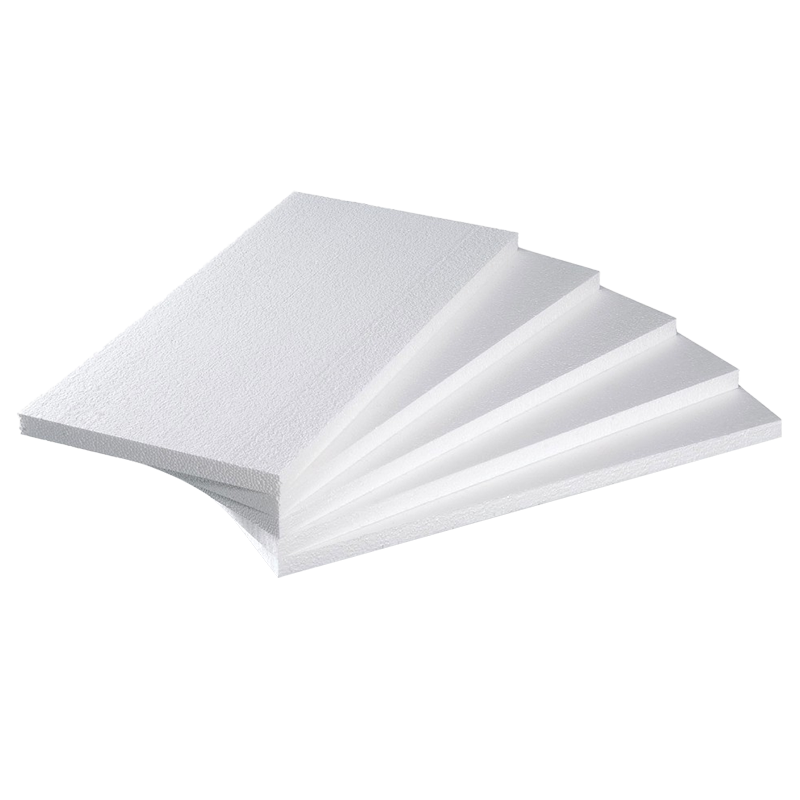
Industrial manufacturing continuously demands materials that offer higher efficiency, longer lifespans, and tailored mechanical properties. Among the most versatile materials utilized across automotive, packaging, aerospace, and medical sectors are polymer foams. Selecting the correct foam requires a deep technical understanding of polymer structures and their physical manifestations. This comprehensive guide evaluates three prominent foam categories: Microcellular Thermoplastic Polyurethane (M-TPU), mpp foam sheet technologies, Polyurethane (PU), and Polyethylene (PE).
Each material class exhibits unique cellular layouts, crosslinking densities, and viscoelastic behaviors. Understanding the divergence between a traditional perforated tpu foam sheet and standard closed-cell crosslinked foam variations allows engineers to optimize component weight, energy absorption, and thermal performance. This analysis bypasses superficial marketing terms to deliver direct engineering insights into structural integrity, chemical resistance, and environmental viability.
Chemical Composition and Structural Foundations
The operational limits of an industrial foam are inherently dictated by its underlying molecular architecture. Microcellular Thermoplastic Polyurethane represents an advanced phase within the thermoplastic polyurethane vs pu dialectic. Unlike conventional thermoset PU, M-TPU consists of linear segmented block copolymers. These contain alternating hard segments (diisocyanates and short-chain diols) and soft segments (long-chain polyols). The hard domains act as physical crosslinks that impart exceptional structural memory, while the soft domains provide elasticity.
Standard pu foam material variants, including flexible industrial cushioning and rigid insulation, are thermoset polymers formed via the exothermic reaction of liquid isocyanates with polyols. The structural stability relies on chemical crosslinking bonds formed during the expansion phase. When analyzing memory foam vs pu foam, the distinction lies in the addition of specific chemicals that increase viscosity and delay elasticity, creating a viscoelastic state that responds directly to pressure and temperature.
To answer the fundamental question of what is pe foam, one must look at polyolefin chains. Polyethylene foam is a thermoplastic matrix produced through the polymerization of ethylene monomers. In industrial grades, it often undergoes physical or chemical crosslinking to form a closed-cell crosslinked foam. This process locks the linear polymer chains into a three-dimensional network, drastically elevating thermal stable performance and structural rigidity compared to non-crosslinked alternatives.
Comprehensive Mechanical and Physical Property Metrics
To accurately execute a polyurethane foam vs polyethylene foam evaluation alongside M-TPU, engineering teams must evaluate standardized physical parameters. The table below outlines core performance values gathered under uniform testing environments across equivalent target densities.
| Mechanical Property | M-TPU Foam | Polyurethane (PU) Foam | Polyethylene (PE) Foam |
|---|---|---|---|
| Cellular Topology | Microcellular Closed-Cell | Open or Closed-Cell Mixed | Closed-Cell Crosslinked |
| Tensile Strength (kPa) | 1200 - 3500 | 150 - 600 | 200 - 800 |
| Elongation at Break (%) | 150 - 400 | 80 - 200 | 50 - 150 |
| Compression Set (50%, 22h) | Less than 5% | 10% - 25% | 15% - 35% |
| Chemical Resistance | Outstanding Oils/Hydrocarbons | Moderate Acids/Solvents | Excellent Acids/Alkalis |
| Recyclability Status | Fully Recyclable Thermoplastic | Difficult Thermoset Process | Partially Recyclable Polymer |
This metric distribution underscores the superiority of M-TPU in dynamic load scenarios. The tensile strength of M-TPU exceeds that of both polyurethan foam and polyethylene variants by a substantial margin. Furthermore, the exceptionally low compression set values ensure that parts manufactured from M-TPU retain their original dimension profiles after extended cyclic fatigue applications.
Deep Dive: Architectural Classification & Microcellular Processing
When navigating the broader spectrum of industrial components, understanding the diverse types of foam requires analyzing their processing methodologies. Microcellular polymers are distinguished by gas-bubble diameters typically measuring below 100 micrometers, yielding cell densities greater than ten million cells per cubic centimeter. This refined structure removes macroscopic stress concentration points common to bulk expansion foams.
The Role of Perforated Architecture
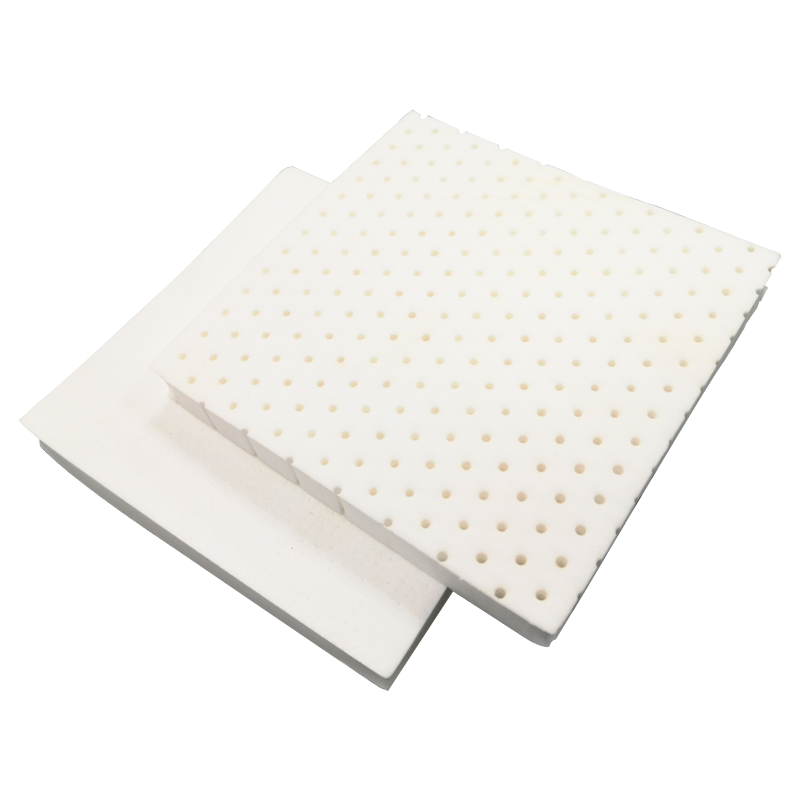
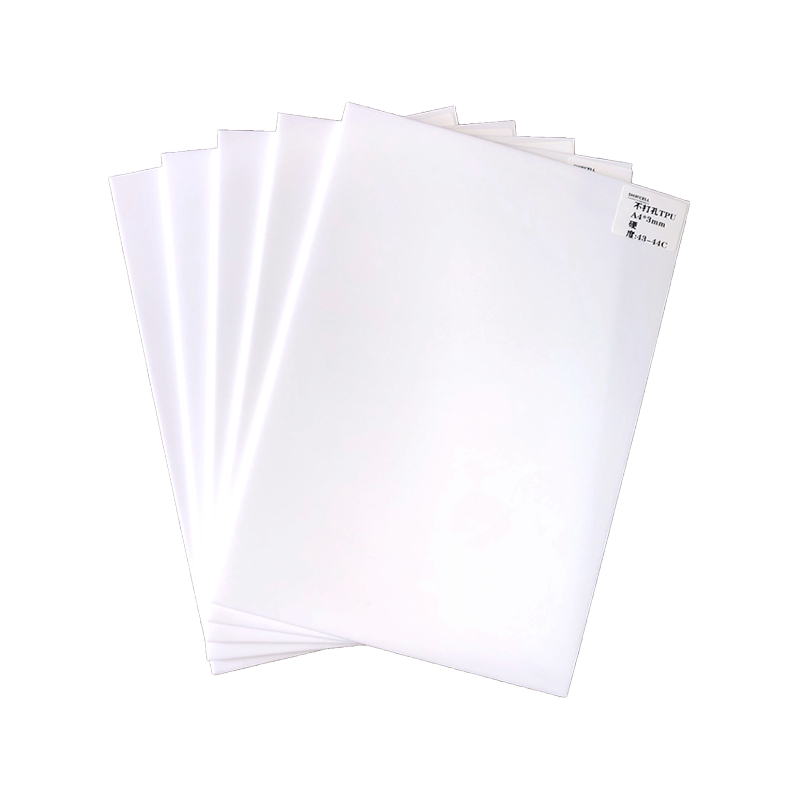
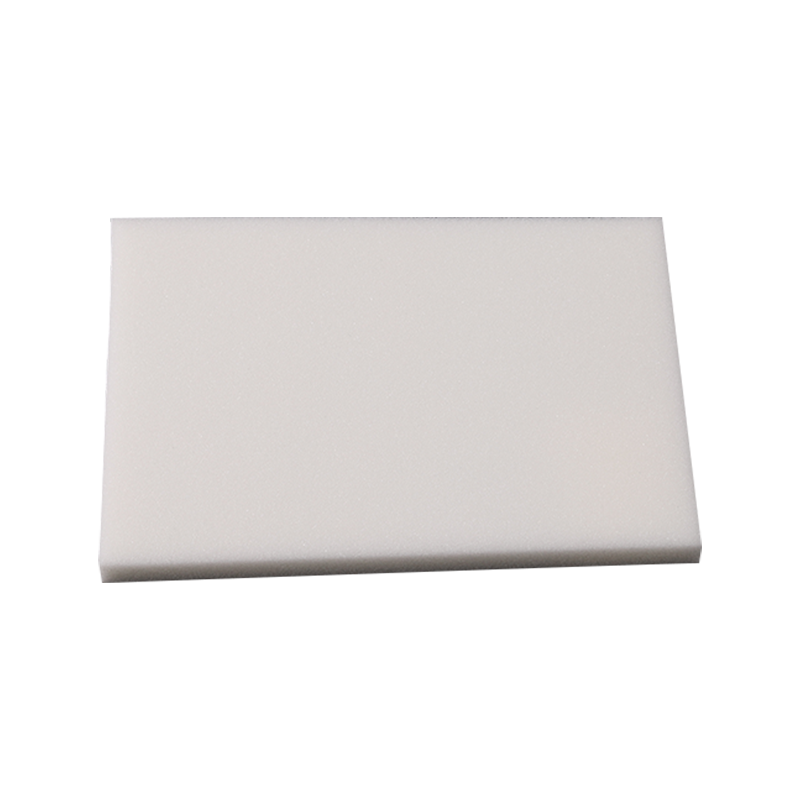
A specialized iteration is the Perforated TPU Foam Sheet. While standard closed-cell sheets isolate gas pockets to maximize thermal resistance, perforating the matrix introduces directional fluid and vapor permeability without compromising the mechanical resilience of the polyurethane cell walls. This architecture is vital for multi-layer industrial linings where moisture dissipation and physical cushioning must happen concurrently.
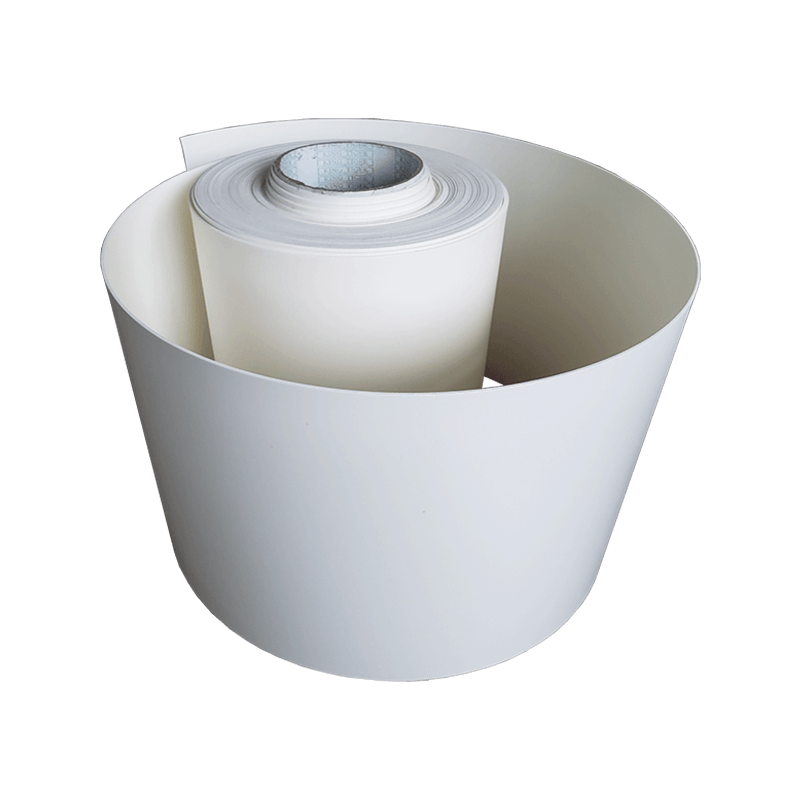
Conversely, an industrial mpp foam sheet utilizes supercritical fluid processing technologies (frequently utilizing carbon dioxide or nitrogen gas) to create high-density microcellular structures. This eliminates hazardous chemical blowing agents, resulting in an ultra-pure material profile suitable for electronics packaging and medical applications where outgassing must be strictly avoided.
Performance Profiling: Tensile Strength, Resilience, and Longevity
The mechanical longevity of a foam component is heavily governed by its fatigue response profiles under mechanical strain. In high-demand settings, elastomers suffer from continuous stress relaxation. When analyzing thermoplastic polyurethane vs pu configurations, the physical crosslinks of the thermoplastic variant allow for continuous elastic recovery.
- M-TPU Dynamic Resilience: Exhibits a high energy return capacity exceeding 65 percent. The elastomeric chains quickly rebound upon load removal, making it optimal for vibration dampening mounts in automotive chassis.
- Polyurethane Hysteresis: Traditional polyurethane foam variants display higher energy hysteresis losses. This energy dissipation is beneficial for impact absorption, but leads to internal heat generation under high-frequency cycling, accelerating polymer breakdown.
- Polyethylene Creep Tendency: PE foam matrices, while rigid under initial loading, show progressive deformation under sustained long-term static loads due to the sliding of unbonded or lightly crosslinked non-elastomeric chains.
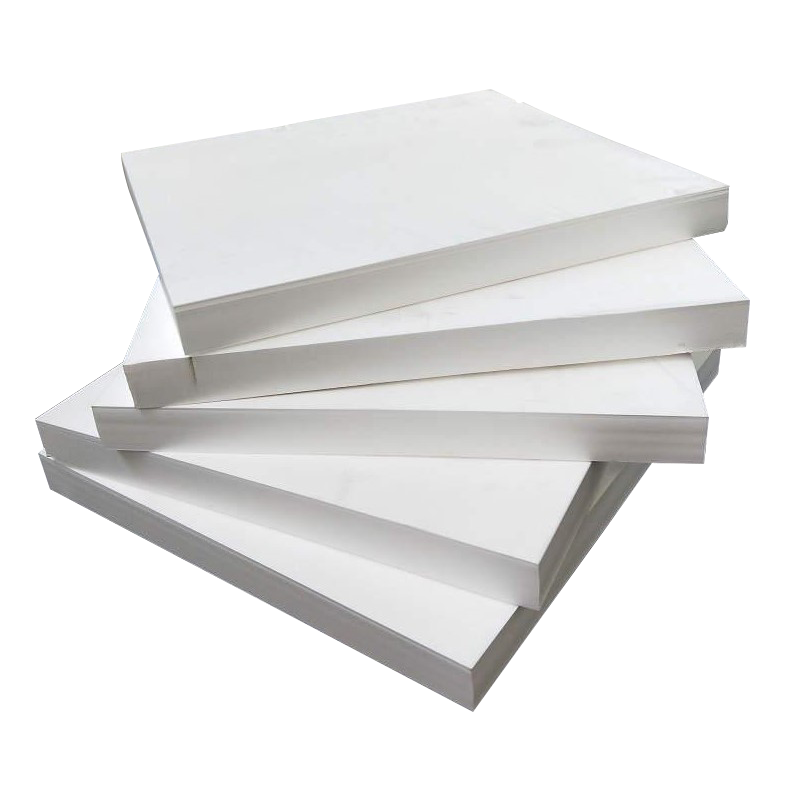
For extreme environments demanding robust chemical resistance, crosslinked PE foam presents a highly inert option against aggressive industrial acids, industrial solvents, and alkaline wash protocols. M-TPU complements this by providing unmatched resistance to aliphatic hydrocarbons, greases, and industrial oils, making it an excellent barrier material in heavy machinery enclosures.
Industrial Implementation and Application Matching
Selecting the ideal foam variant requires a balanced assessment of operating temperatures, environmental exposures, and financial allocations. The spectrum of application matching runs from simple single-use protective shipping inserts to structural aerospace dampening systems.
Automotive and Aerospace Subsystems
In transport applications, structural weight reduction must be balanced with acoustic insulation and vibration management. Microcellular TPU sheets provide highly lightweight acoustic isolation layers that resist oil degradation in engine bays. Their superior tensile properties allow for ultra-thin wall components that drastically reduce the overall volume footprint compared to bulky open-cell PU foam layers.
Heavy Packaging and Electronics protection
Precision electronics demand clean packaging media. High-density microcellular sheets made from pristine polyolefins ensure that sensitive optical components remain free from chemical contamination. For heavy industrial machinery shipping, the superior load-bearing capacity of closed-cell crosslinked foam blocks ensures that heavy equipment does not bottom out during bumpy transit sequences.
Frequently Asked Technical Questions
Q1: What is the primary operational advantage of choosing M-TPU over a standard crosslinked polyurethan foam?
M-TPU delivers substantially higher tensile strength, superior elongation capacities, and a drastically reduced compression set under cyclic loading conditions. Furthermore, because it is a thermoplastic elastomer utilizing physical crosslinks, it can be melted down and completely recycled at the end of its operational lifecycle, unlike thermoset polyurethan foams.
Q2: How does a perforated TPU foam sheet maintain insulation properties while permitting airflow?
The base structure remains comprised of independent closed cells that retard thermal conductive transfers. The micro-perforations introduce specific through-channels that allow targeted moisture vapor and air transport across the sheet plane without collapsing the internal gas-filled micro-cells that provide the structural cushioning.
Q3: In the context of polyurethane foam vs polyethylene foam, which material displays higher chemical resistance?
Polyethylene foam generally displays superior chemical resistance against harsh acids, strong alkalis, and aqueous solutions due to its non-polar hydrocarbon structure. Polyurethane foam can experience chemical degradation or hydrolytic cleavage when exposed to strong acids or extended moisture profiles at elevated temperatures.
Q4: Why is an industrial MPP foam sheet considered superior for cleanroom and electronics packaging application enclosures?
MPP foam sheets are manufactured using supercritical fluid gas expansion processes rather than traditional chemical blowing agents. This leaves no residual volatile organic compounds or heavy chemical elements within the polymer matrix, preventing chemical outgassing that could damage sensitive micro-circuits or optical devices.
Q5: What mechanical differences define the memory foam vs pu foam performance paradigms?
Standard industrial PU foam behaves as an elastic material that responds rapidly to pressure inputs with minimal hysteresis delay. Memory foam is modified into a viscoelastic state, meaning it exhibits time-dependent strain responses, slowly distributing applied weights and converting mechanical energy into heat via molecular displacement friction.
 ++86-0512-66079229