
 English
 Español

Home / News / How to Choose Medical Foam Manufacturers for Biocompatible, Orthopedic and Cleanroom-Grade Applications
Where Medical Foam Fits Into Modern Device and Facility Design
Foam materials sit quietly inside a large share of healthcare products without ever being the headline feature. They line hospital beds, pad wheelchair seating, cushion prosthetic sockets, seal cleanroom equipment housings, and protect diagnostic instruments during transport. In each of these roles, the foam is doing structural and functional work: distributing pressure, absorbing vibration, sealing gaps against particulates, and maintaining a stable interface between rigid components and soft tissue or sensitive electronics.
What separates medical grade foam from general industrial padding is not a single property but a combination of requirements that must all be satisfied at once: chemical stability under repeated cleaning cycles, dimensional consistency across production lots, resistance to microbial growth, and documented biocompatibility. A foam that performs well in furniture cushioning can fail outright in a patient-contact application if it degrades under alcohol-based disinfectants or sheds particulate under compression.
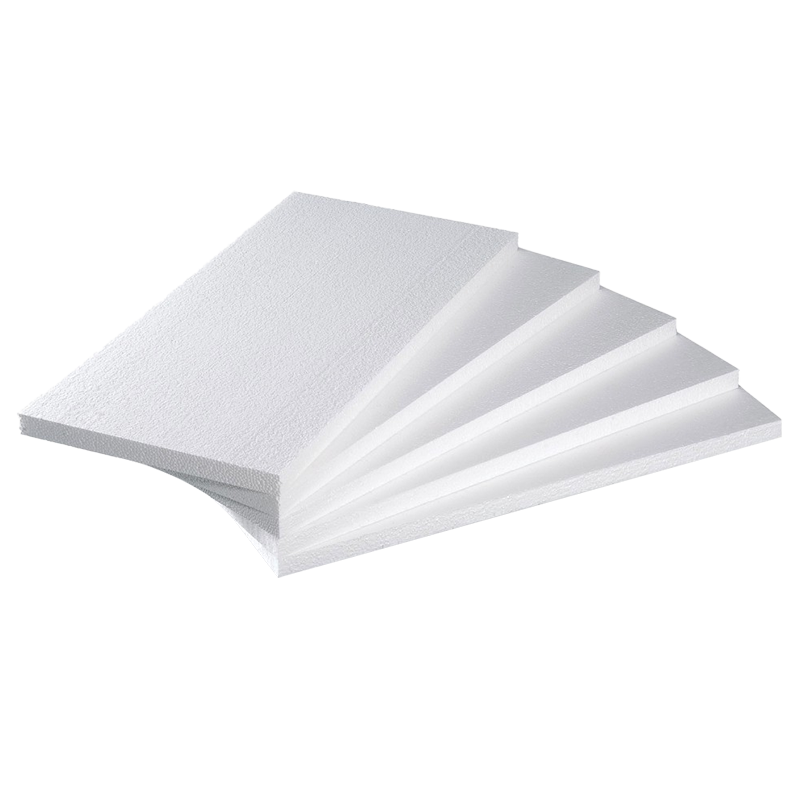
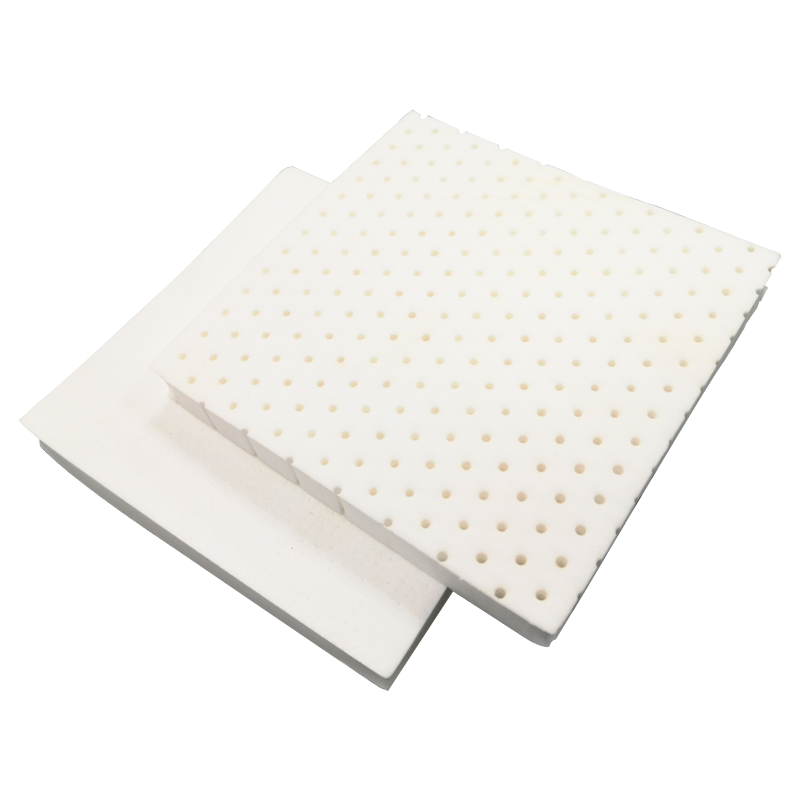
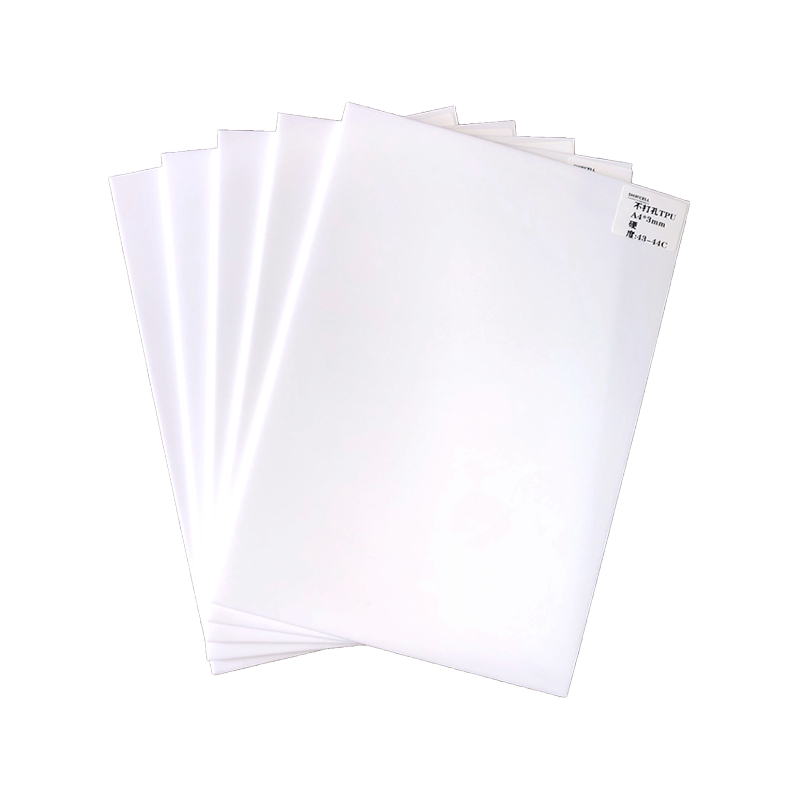
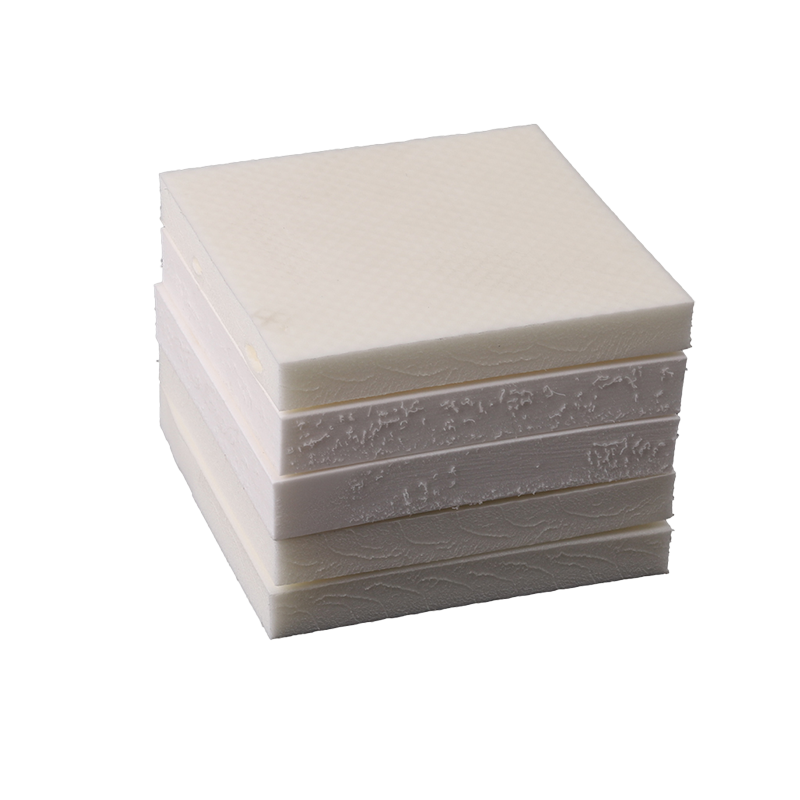
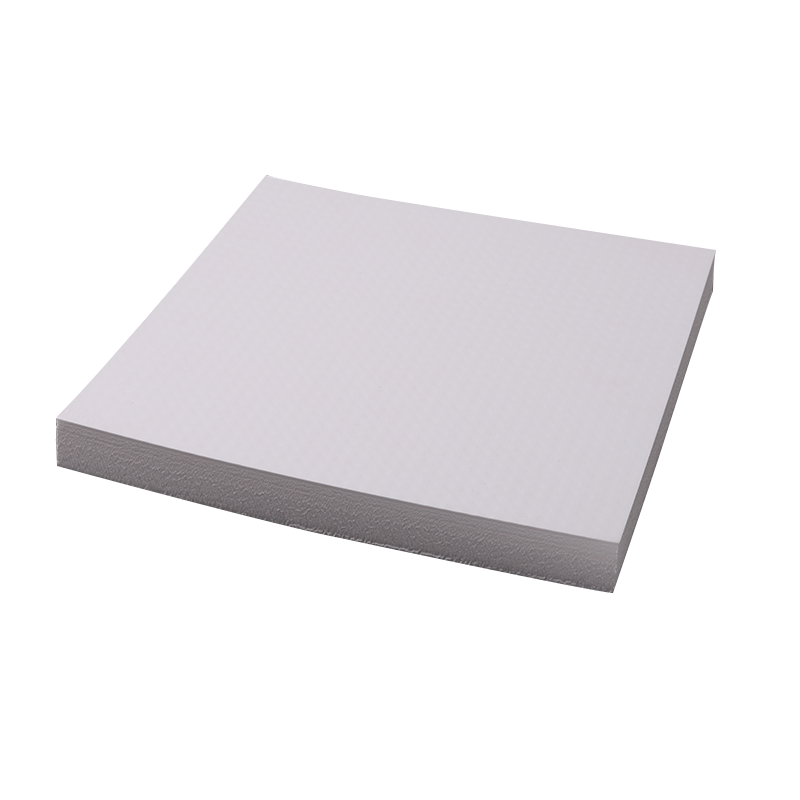
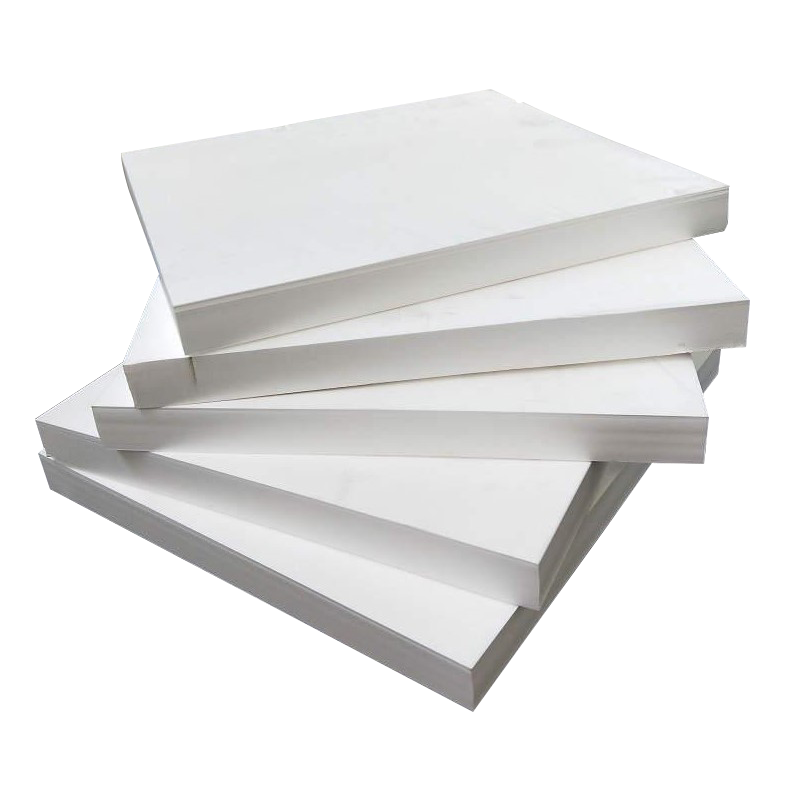
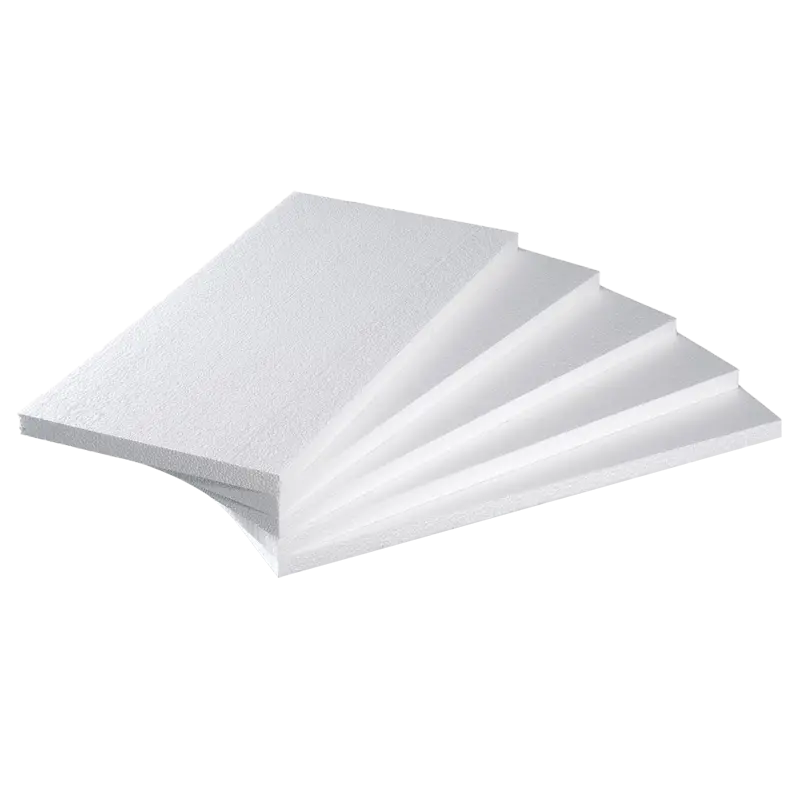
Foam sheet stock prepared for die-cutting into medical cushioning and sealing components
This article works through the performance properties buyers should evaluate, how biocompatible foam materials are classified and tested, where microcellular thermoplastic polyurethane elastomer foam sheet fits into orthopedic and cleanroom use cases, and a practical framework for evaluating medical foam manufacturers before committing to a production partner.
Core Performance Properties Buyers Should Evaluate
Specification sheets for medical foam tend to list a long set of physical properties, but a handful of them carry disproportionate weight in real-world performance. Density affects both cushioning feel and long-term compression behavior. Indentation load deflection, often shortened to firmness, determines how the foam responds to initial contact pressure. Compression set describes how much thickness is permanently lost after sustained loading, which is critical for anything that stays compressed for long periods, such as a mattress overlay or a packaging insert holding a device in place for weeks in a warehouse.
| Property | Why It Matters | Typical Evaluation Method |
|---|---|---|
| Density | Affects cushioning feel, durability, and cost | Weight per unit volume testing |
| Firmness | Determines pressure redistribution behavior | Indentation load deflection testing |
| Compression Set | Predicts long-term thickness retention | Sustained load and heat aging cycles |
| Tear Strength | Resistance to fabrication and handling damage | Tensile and tear testing |
| Flame Rating | Required for many facility and transport applications | Standardized burn testing |
| Biocompatibility | Required for any patient-contact surface | Cytotoxicity, sensitization, irritation testing |
Density in particular varies widely across foam families used in healthcare settings, and buyers frequently underestimate how much this single variable shapes downstream performance. The chart below illustrates typical density ranges across common categories of medical grade foam used in cushioning, sealing, and support applications.
Biocompatible Foam Materials and Regulatory Considerations
The term biocompatible foam gets used loosely in marketing copy, but it has a specific meaning tied to testing categories. Materials intended for skin contact, mucosal contact, or internal contact are typically evaluated against cytotoxicity, sensitization, and irritation endpoints, with additional testing layered on for longer contact durations or internal use. A foam that has never been tested against these categories is not automatically unsafe, but it should not be described as biocompatible until the relevant testing has actually been performed and documented for that specific formulation and manufacturing process.
A foam formulation is only as biocompatible as the specific batch and process that produced it. Additives, colorants, adhesives, and even mold-release agents used during fabrication can change the biological response even when the base polymer itself is well characterized.
Buyers should also separate two related but distinct questions: whether a material is biocompatible, and whether it is suitable for a cleanroom environment. A foam can pass biocompatibility testing while still shedding excessive particulate, which disqualifies it from use inside controlled environments where airborne contamination is tightly regulated. Open-cell foams generally shed more than closed-cell or microcellular structures, which is one reason microcellular foam sheet has become a common choice for cleanroom gasketing and seals.
Higher tear strength reduces the risk of fabrication defects during die-cutting and lamination, and it also lowers the chance of edge fraying after repeated handling, which matters for components that are removed and reinstalled frequently, such as reusable positioning pads.
MTPU Foam Sheet: Engineering Advantages for Orthopedic and Cleanroom-Grade Applications
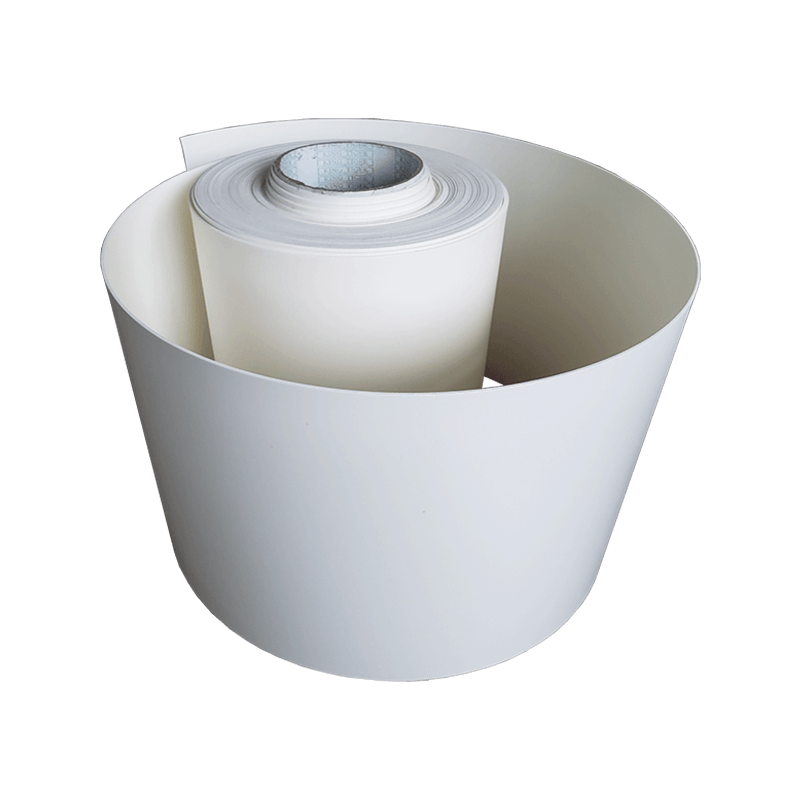
Among the material families used across healthcare cushioning and sealing, microcellular thermoplastic polyurethane elastomer foam sheet, generally referred to as mtpu foam sheet, has gained traction because its cell structure sits between conventional open-cell foam and solid elastomer sheet. The microcellular construction gives it closed or near-closed cell characteristics, which limits fluid absorption and particulate generation, while still retaining enough compressibility to function as a cushioning or sealing layer.
Compared with standard polyurethane foam, this material family typically offers a tighter cell structure, more consistent rebound after compression, and better resistance to compression set over repeated loading cycles. It also tends to hold up well against repeated cleaning with common disinfectant chemistries, which is a frequent failure point for lower-cost foam substitutes that were never engineered for a healthcare duty cycle.
Cost efficiency remains one area where standard PU foam can still hold an advantage, particularly for lower-duty applications where the extra durability of an elastomer foam sheet is not needed. The right choice depends on how demanding the use environment actually is, not on defaulting to the highest-performing material for every component on a device.
Orthopedic Foam Design Considerations for Patient Support Surfaces
Orthopedic applications place unusual demands on foam because the loading pattern is rarely uniform. A prosthetic liner, a wheelchair cushion, or a positioning pad used during surgery all involve concentrated pressure over irregular contact areas, sustained for extended periods, often against skin that already has reduced circulation or sensation. This is very different from the loading pattern seen in general seating or transport packaging.
- Pressure redistribution across bony prominences rather than a single firmness rating
- Resistance to permanent deformation under sustained, uneven loading
- Breathability or moisture management to reduce skin maceration risk
- Layering compatibility, since many orthopedic products combine multiple foam densities
Durability under repeated compression is particularly important for reusable orthopedic components, since a cushion that loses rebound after a few thousand cycles will stop performing its pressure-redistribution function long before it visibly wears out. The chart below compares resilience retention over an extended number of compression cycles for two foam categories.
The gap between the two lines widens as cycle count increases, which reflects a common pattern in orthopedic foam performance: differences that seem minor in early testing can become significant over a product's actual service life.
Cleanroom Foam Manufacturing Standards and Quality Control Flow
Producing cleanroom foam components involves more than switching to a lower-particulate raw material. The fabrication environment, cutting method, and post-processing steps all influence whether the finished part will actually meet cleanroom particulate and outgassing expectations. A manufacturer with strong raw material sourcing but an uncontrolled cutting room can still produce parts that fail cleanroom qualification.
A typical production and quality control sequence for cleanroom-grade foam components moves through several checkpoints, each of which should generate documentation that a buyer can request and review.
Buyers evaluating a cleanroom foam supplier should ask specifically which of these steps take place inside a controlled environment versus a general production area, since particulate contamination introduced during cutting or packaging can undo the benefit of clean raw materials.
How to Evaluate Medical Foam Manufacturers: A Practical Framework
Choosing among medical foam manufacturers is ultimately a risk-management exercise. The lowest quoted price rarely reflects the full cost of a supplier relationship once lot-to-lot variation, documentation gaps, or failed audits are factored in. A more reliable evaluation looks at process control and documentation depth alongside price.
Documentation
Can the supplier provide biocompatibility test reports specific to the exact formulation being quoted, not a general material family reference.
Process Control
Are cutting, washing, and packaging steps performed in a controlled environment consistent with the intended end use.
Consistency
Does the supplier track lot-to-lot variation in density and firmness, and will they share that data on request.
Responsiveness
How quickly can the supplier support design changes, sample iterations, and corrective action requests.
It is also worth asking how a prospective supplier handles nonconforming material. A manufacturer that can walk through a specific, documented corrective action process is generally a safer long-term partner than one that simply asserts a low defect rate without describing how deviations are caught and resolved.
Healthcare Cushioning Material Applications Across Care Settings
The demand for healthcare cushioning material spans a wider range of settings than most people initially assume, from acute care facilities to home health equipment to diagnostic device packaging.
| Setting | Typical Foam Use | Primary Requirement |
|---|---|---|
| Acute Care Beds | Pressure redistribution overlays | Compression set resistance |
| Mobility Equipment | Wheelchair and seating cushions | Long-term firmness retention |
| Prosthetics and Orthotics | Liners and interface padding | Skin contact biocompatibility |
| Diagnostic Equipment | Vibration damping and sealing | Chemical and moisture resistance |
| Device Packaging | Transport and impact protection | Dimensional stability |
| Cleanroom Equipment | Gasketing and enclosure seals | Low particulate generation |
Even within a single product line, different components often call for different foam families. A single wheelchair cushion, for example, may combine a firmer base layer for structural support with a softer top layer for skin interface, each selected against a different property from the list covered earlier in this article.
Frequently Asked Questions
Q1: What makes a foam suitable for direct skin contact in a medical device?
Direct skin contact generally requires documented cytotoxicity, sensitization, and irritation testing for the specific formulation being used, not just the general material family. Surface finish and cleanability also matter for extended or repeated contact.
Q2: How does microcellular foam sheet differ from conventional open-cell foam?
Microcellular structures have smaller, more uniform, and often near-closed cells, which reduces fluid absorption and particulate shedding compared with conventional open-cell foam, while still allowing meaningful compressibility.
Q3: Is a higher density foam always a better choice for patient support surfaces?
Not necessarily. Density influences durability and feel, but firmness and pressure redistribution characteristics matter more for patient support performance, and the right combination depends on the specific load pattern of the application.
Q4: What should be requested from a supplier before qualifying a new foam material?
Formulation-specific biocompatibility reports, lot-to-lot consistency data, and clarity on which production steps occur in a controlled environment are reasonable starting requests before committing to qualification testing.
Q5: Can the same foam material be used for both cushioning and sealing applications?
Sometimes, but sealing applications typically place more weight on compression set resistance and low particulate generation, while cushioning applications weigh firmness and long-term rebound more heavily, so the same material does not always serve both roles equally well.
 ++86-0512-66079229