
 English
 Español

Is TPU Foam Safe?
Yes, TPU (Thermoplastic Polyurethane) foam is generally safe for a wide range of applications, including consumer products, medical devices, sports equipment, and industrial uses. It is non-toxic under normal conditions, does not contain plasticizers like phthalates or BPA, and complies with major international safety standards such as RoHS and REACH. However, like any material, its safety depends on the specific formulation, intended use, and processing conditions.
What Is TPU Foam and Why Does It Matter for Safety?
TPU foam is an elastic, flexible cellular material made from thermoplastic polyurethane. It combines the resilience of rubber with the processability of thermoplastics. Unlike traditional PVC or latex foams, TPU foam is free from harmful additives that are commonly associated with health risks.
Key characteristics that contribute to its safety profile include:
- No halogen content (chlorine or bromine)
- No heavy metal catalysts in standard grades
- Low VOC (Volatile Organic Compound) emissions
- Resistant to microbial growth, reducing allergen buildup
- Biocompatibility in medical-grade formulations
These properties make TPU foam a preferred material when safety and performance must coexist.
Safety Certifications and Compliance Standards
Reputable TPU foam products are tested and certified against internationally recognized standards. Below is a summary of the most relevant certifications:
| Standard | Scope | Relevance |
| RoHS | Restricts hazardous substances in electronics | Ensures no lead, cadmium, or mercury |
| REACH | EU chemical safety regulation | Verifies no SVHCs (Substances of Very High Concern) |
| OEKO-TEX Standard 100 | Textile and foam safety for skin contact | Safe for direct human contact, including children's products |
| FDA 21 CFR | Food contact and medical material safety (USA) | Applicable for medical-grade and food packaging use |
| ISO 10993 | Biological evaluation of medical devices | Biocompatibility for implantable and skin-contact medical uses |
When selecting TPU foam for regulated applications, always request the relevant test reports and certificates from the supplier to confirm compliance.
Is TPU Foam Safe for Skin Contact?
Medical-grade and OEKO-TEX certified TPU foam is considered safe for prolonged skin contact. It is widely used in:
- Orthopedic braces and prosthetic liners
- Shoe insoles and footwear padding
- Sports protective gear (helmets, shin guards, elbow pads)
- Wearable device cushioning
- Baby and infant products
Unlike natural rubber latex, TPU foam does not trigger latex allergies. It is hypoallergenic in standard formulations, making it suitable even for sensitive skin applications.
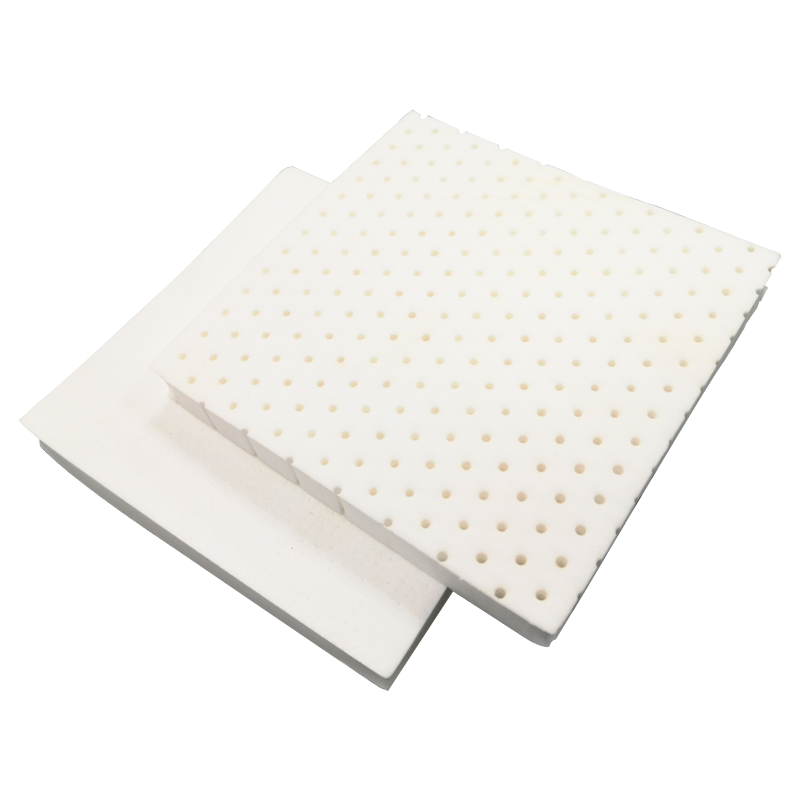
For products requiring maximum breathability and skin safety in direct-contact applications, a Perforated TPU Foam Sheet offers enhanced airflow that reduces heat and moisture buildup — a key factor in skin comfort and hygiene.
Is TPU Foam Safe to Breathe Around?
Under normal ambient conditions, solid or foamed TPU does not off-gas harmful chemicals. Studies have shown that TPU foam at room temperature emits VOC levels well below regulatory thresholds set by standards like EN 16516 and ASTM D5116.
However, safety considerations change during processing:
- Cutting or grinding: Fine TPU dust particles may be generated. Use appropriate respiratory protection (N95 or equivalent) in dusty environments.
- Thermal processing (above 200°C): TPU can decompose and release isocyanate vapors, which are respiratory irritants. Adequate ventilation and exhaust systems are mandatory in manufacturing settings.
- Burning TPU: Combustion produces toxic fumes including carbon monoxide and nitrogen oxides. TPU should never be incinerated in open environments.
For end-users in everyday product applications, TPU foam poses no inhalation risk under normal use conditions.
Is TPU Foam Safe for Children and Baby Products?
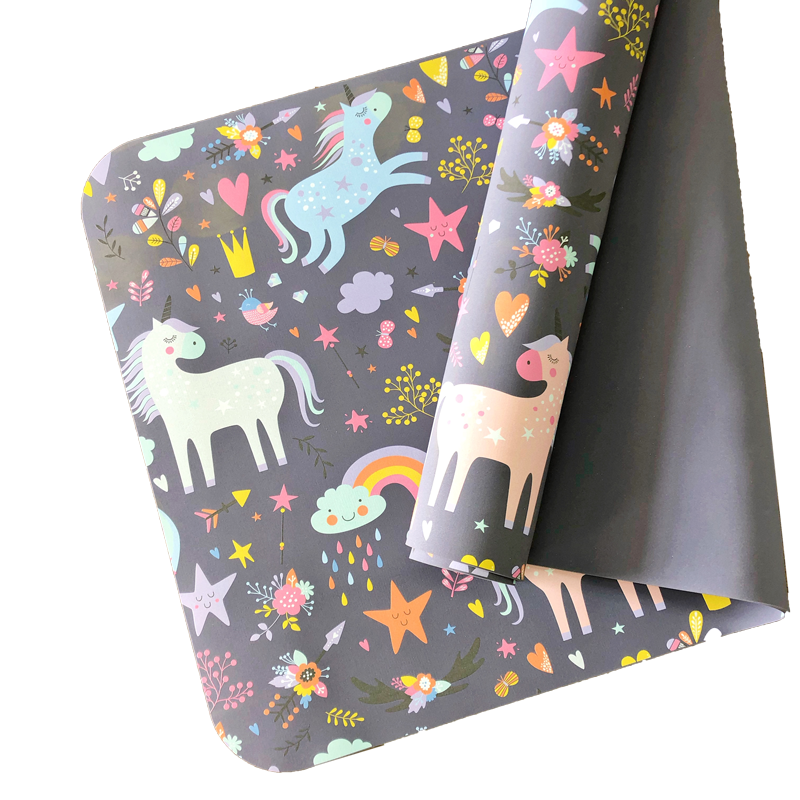
Certified TPU foam that passes OEKO-TEX Standard 100 or EN 71 toy safety testing is considered safe for use in children's products. It is used in children's shoe soles, playmat cushioning, sports protective equipment for youth, and infant seating padding.
Key safety advantages over alternatives like EVA or PVC foam for children's use:
- Does not contain phthalate plasticizers (commonly found in PVC foam)
- No formamide (sometimes detected in EVA foam)
- Does not easily crumble into small particles that could be ingested
- Durable enough to maintain integrity over extended use
Always verify product-specific certifications when specifying TPU foam for children's applications, as formulations vary between manufacturers.
TPU Foam vs. Other Foam Materials: A Safety Comparison
| Material | Contains Plasticizers? | Latex-Free? | Low VOC? | Recyclable? |
| TPU Foam | No | Yes | Yes | Yes |
| PVC Foam | Yes (phthalates) | Yes | No | Difficult |
| EVA Foam | No | Yes | Moderate | Limited |
| Natural Latex Foam | No | No | Yes | Biodegradable |
| Polyurethane (PU) Foam | No | Yes | Moderate | Limited |
TPU foam consistently outperforms many conventional foam alternatives in terms of chemical safety and environmental profile, particularly when compared to PVC-based foams.
Environmental Safety: Is TPU Foam Eco-Friendly?
TPU foam has a more favorable environmental safety profile compared to halogenated foams. Key environmental safety facts:
- TPU is thermoplastic and can be remelted and reprocessed, supporting closed-loop recycling.
- It does not contain chlorine, so incineration does not produce dioxins or furans — a significant issue with PVC foam disposal.
- Bio-based TPU grades using renewable feedstocks (e.g., castor oil-derived diols) are commercially available, reducing reliance on petrochemicals.
- TPU foam does not leach significant quantities of toxic additives into soil or water during standard product lifespans.
While TPU is not biodegradable in standard conditions, its recyclability and non-toxic disposal characteristics make it a safer option from an environmental standpoint compared to many traditional foam materials.
Practical Safety Guidelines When Using TPU Foam
Whether you are a product designer, manufacturer, or end-user, following these guidelines ensures safe use of TPU foam:
- Always request material safety data sheets (MSDS/SDS) from suppliers for the specific TPU grade.
- Confirm relevant certifications (RoHS, REACH, OEKO-TEX) match your application requirements.
- Use respiratory protection when machining, cutting, or grinding TPU foam in enclosed environments.
- Ensure proper ventilation during hot processing operations above 180°C.
- Store TPU foam away from direct sunlight and high heat sources to maintain material integrity.
- Do not incinerate TPU foam; follow local regulations for industrial foam disposal.
- For medical or food contact applications, specify and verify biocompatible or food-grade TPU formulations only.
FAQ: TPU Foam Safety
Q1: Is TPU foam toxic?
No. Standard TPU foam is non-toxic under normal use conditions. It does not contain BPA, phthalates, or heavy metals, and emits very low levels of VOCs at ambient temperatures.
Q2: Can TPU foam cause allergic reactions?
TPU foam is hypoallergenic and does not contain latex proteins. Allergic reactions are extremely rare and typically linked to specific chemical additives in non-standard formulations rather than TPU itself.
Q3: Is TPU foam food safe?
Food-grade TPU formulations that comply with FDA 21 CFR or EU 10/2011 regulations are considered safe for food contact applications. Always confirm the specific grade meets the applicable food safety standard.
Q4: Is perforated TPU foam safer than solid TPU foam?
Both have the same material safety profile. Perforated TPU foam provides additional airflow and moisture management, which improves hygiene in skin-contact applications — an indirect safety benefit for extended wear.
Q5: Can TPU foam be used in medical devices?
Yes. Medical-grade TPU foam that passes ISO 10993 biocompatibility testing is widely used in wound care, orthopedic supports, prosthetics, and wearable medical devices.
Q6: What temperature is TPU foam safe up to?
Most standard TPU foams maintain structural and chemical integrity up to approximately 80–100°C in continuous use. Short-term exposure up to 120°C is tolerated by many grades. Thermal decomposition begins above 200°C, at which point ventilation precautions are necessary.
Q7: Is TPU foam safe for outdoor use?
Yes. TPU foam has good UV and weathering resistance compared to many other foam types, making it suitable for outdoor sporting goods and protective equipment without significant safety degradation over time.
 ++86-0512-66079229