
 English
 Español

Home / News / Low Durometer Foam: Durometer Scales, Soft Materials & Selection Guide
When a design engineer opens a material specification and sees "low durometer foam," the first question is usually the same: how soft is soft enough? Durometer is an indentation hardness reading, but the number changes meaning depending on the scale used, the foam density, and the test method. For practical purposes, low durometer foam falls below roughly 20 Shore A, below 50 Shore 00, or in the 10-40 range on the Asker C scale.
The important conclusion up front: the softest foam is not automatically the best foam. A low durometer reading on a sample block does not guarantee that the part will stay soft after prolonged compression, hold its thickness under load, or return to shape reliably. The foams that perform well at low hardness combine an elastic polymer base with a fine, uniform cell structure - exactly what supercritical physical foaming is designed to deliver.
This guide covers the durometer scales, the thermoplastic materials that make durable low-durometer foam, the applications that depend on it, and the specification checks that prevent a soft foam from becoming a source of field failures.
What Does "Low Durometer" Actually Mean?
Durometer measures the resistance of a material surface to indentation by a blunt pin. For elastomers and foams, three scales matter most. Shore A is used for flexible rubber and firm elastomers; Shore 00 covers soft foam and gel-like materials; Shore 000 extends to extremely soft gels. In Asia and in much of the cushioning industry, Asker C is a common alternative because it applies a smaller load and can distinguish between very soft foams.
Most suppliers describe a foam as low durometer when it measures below 20 points on Shore A, below 50 on Shore 00, or below 40 on Asker C. The table below maps those ranges to the feel a buyer can expect.
Quick reference: Low durometer foam generally means below 20 Shore A, below 50 Shore 00, or below 40 Asker C.
| Scale | Low-range values | Typical feel | Common foam uses |
|---|---|---|---|
| Shore A | 0-20 | Firm but squeezable | Gaskets, protective edging |
| Shore 00 | 0-50 | Soft cushioning | Seat pads, wearable padding |
| Shore 000 | 0-20 | Gel-like, delicate | Medical compression liners |
| Asker C | 0-40 | Soft to medium foam | Yoga mats, mattress toppers |
Many thin foam sheets are too flexible for Shore A to be meaningful. Buyers of foam sheet should request values on the Shore 00 or Asker C scale and specify the test method so the number can be compared across suppliers.
Why Durometer Alone Is Not Enough
Two foams can show the same durometer on paper and feel completely different in a finished product. Three properties matter as much as hardness:
- Compression set - the percentage of original thickness lost after a foam is held compressed for a set time and temperature. Low-durometer foams with a high compression set turn into flat, hard pads long before the warranty ends.
- Density - lower-density foams feel softer at first touch but bottom out under load. A slightly higher density foam at the same durometer provides more support and a longer service life.
- Cell structure - large, irregular cells collapse unevenly and create an inconsistent feel. Microcellular foams with small, uniform cells distribute load smoothly, so the softness feels predictable.
A durometer number tells you the starting softness. Compression set and cell uniformity tell you whether the foam will still be soft after six months of use.
Materials That Deliver Low Durometer Foam
The polymer base determines how soft a foam can go without losing mechanical integrity. For durable low-durometer foam, thermoplastic elastomers such as TPU, TPEE, and PEBAX are increasingly replacing conventional EVA and crosslinked polyurethane because they can be physically foamed into microcellular structures while remaining recyclable.
| Material | Typical low range | Compression set | Key characteristics |
|---|---|---|---|
| TPU | Shore 00 20-60, Asker C 20-40 | Low | High elasticity, abrasion resistance |
| TPEE | Shore 00 30-60 | Moderate | Fatigue resistance, heat stability |
| PEBAX | Shore 00 15-50 | Low | Low weight, low-temperature flexibility |
| EVA | Shore 00 30-50 | Higher | Low cost, slower recovery |
| Silicone | Shore 00 10-40 | Low | High-temperature stability |
TPU: the default choice for durable softness
TPU foam is the most common answer when a soft foam has to hold up. Because TPU is an elastic thermoplastic, it recovers quickly after compression and resists tearing. Shincell's M-TPU foam sheet is produced with supercritical physical foaming, so it reaches low durometer with a fine microcellular structure and no chemical blowing-agent residue.
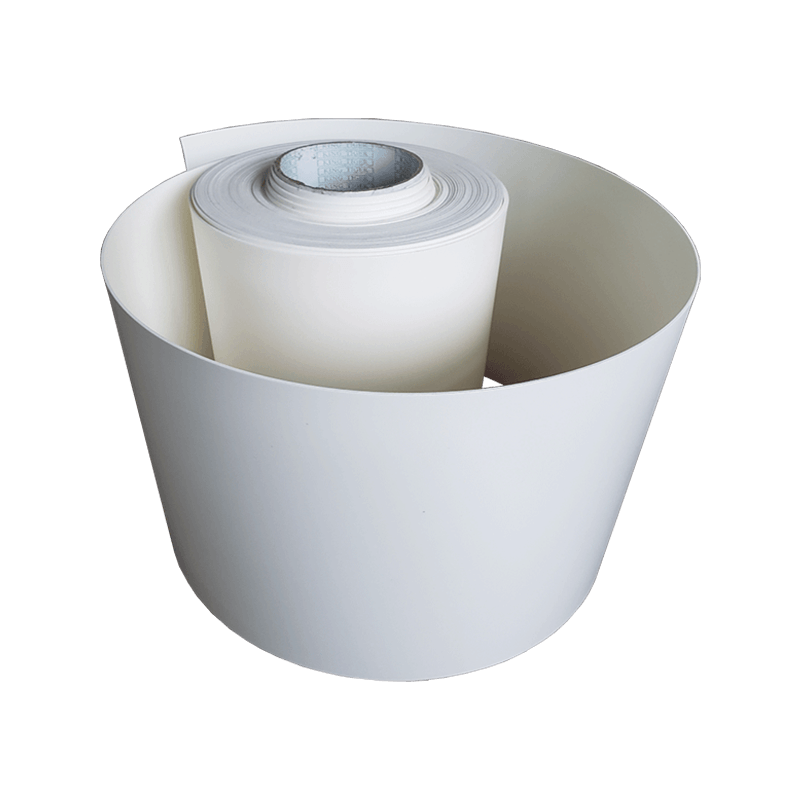
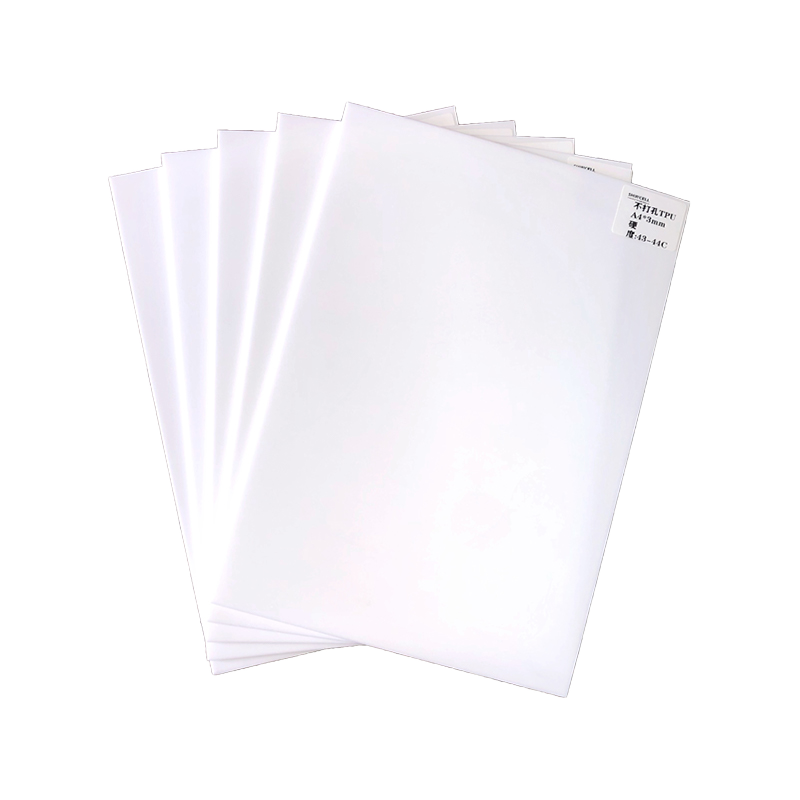 Shincell M-TPU Foam Sheet for Soft, Durable CushioningThis supercritical physically foamed TPU sheet offers low durometer, fine microcellular structure, and no chemical blowing-agent residue, making it suitable for parts needing quick recovery and tear resistance.View Product →
TPEE and PEBAX: softness with fatigue resistance
TPEE foam suits parts that face repeated flexing and moderate heat. PEBAX foam goes lighter and softer while keeping excellent recovery at low temperatures, which makes it a strong choice for wearable devices and premium footwear. Both materials can be specified at low durometer without the surface tackiness typical of some soft polyurethane foams.
Applications That Rely on Low Durometer Foam
Low durometer foam appears wherever a part must seal, cushion, or conform without transmitting excessive force. Typical engineering and consumer applications include:
- Gaskets and seals for electronic enclosures, where a soft foam compresses easily and maintains light sealing pressure.
- Wearables and medical padding, where comfort against the skin matters and the foam must not crease or irritate.
- Yoga, fitness, and baby play mats, where a low durometer surface improves grip and impact absorption.
- Sports footwear and insoles, where soft foam reduces peak pressure under the heel and forefoot.
- EV battery cushioning pads, where low hardness helps absorb vibration and accommodate cell expansion.
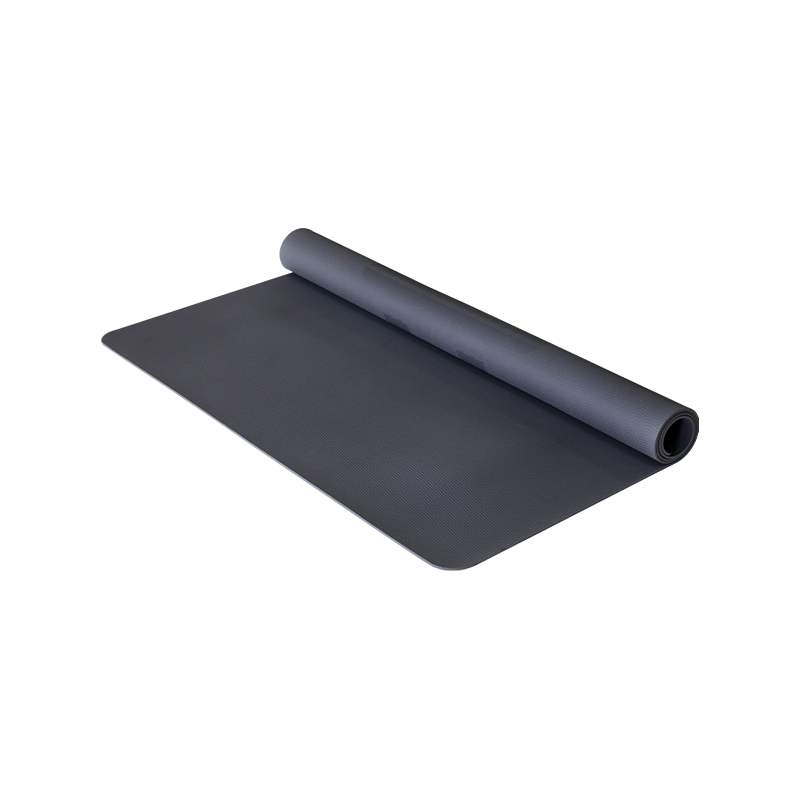
For each of these uses, the foam must keep its soft feel under repeated load. Shincell's M-TPEE foam sheet is a common choice for compression pads and mats that need a balance of softness and fatigue resistance.
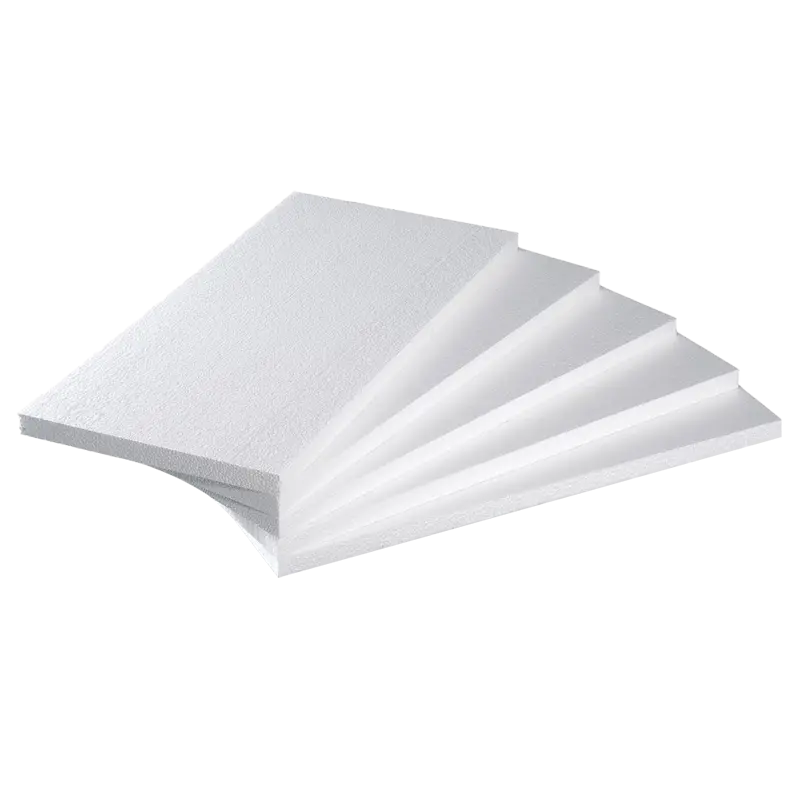
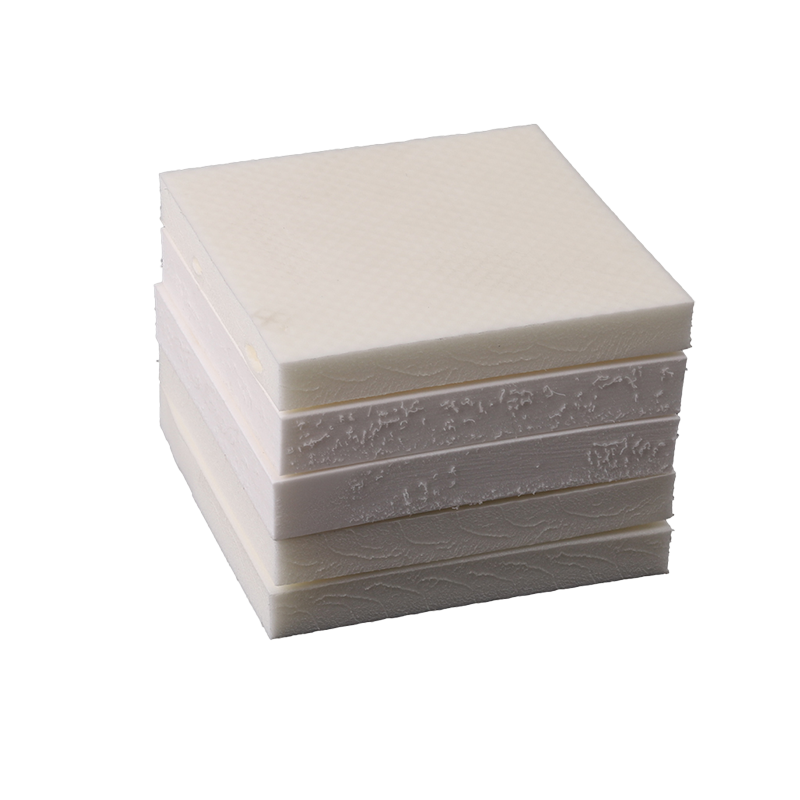 Shincell M-TPEE Foam Sheet for Compression Pads and MatsThis TPEE foam sheet provides a balance of softness and fatigue resistance, with excellent low-temperature performance and resilience, ideal for applications under repeated load.View Product →
Application-specific guidance for these industries is available on the applications overview page.
What Supercritical Physical Foaming Adds to Soft Foam
The way a low-durometer foam is manufactured determines whether the softness is consistent across the entire sheet and from batch to batch. Chemical foaming decomposes additives to generate gas, which leaves irregular cells, possible residual by-products, and limits on material chemistry.
Supercritical physical foaming uses nitrogen or CO2 in a supercritical state to create a high density of micro- and nanoscale cells. Because the gas is removed after foaming and no chemical crosslinking agent is used, the resulting thermoplastic foam is clean, recyclable, and uniform in cell size. For low-durometer products, the practical benefit is softness without the dead spots or collapse zones sometimes seen in chemically foamed sheets.
The difference between supercritical foaming and chemical foaming is covered in more detail separately, including processing conditions and material properties.
The M-PEBAX foam sheet, for example, reaches very low durometer while keeping a fine cell structure, so engineers get a soft, durable part that is light enough for portable electronics and footwear.
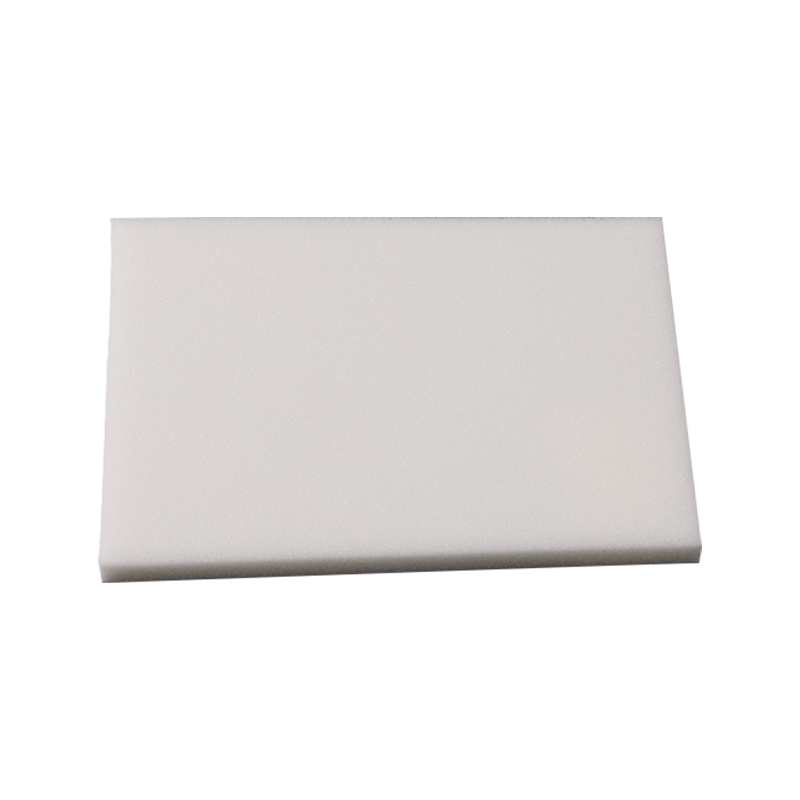
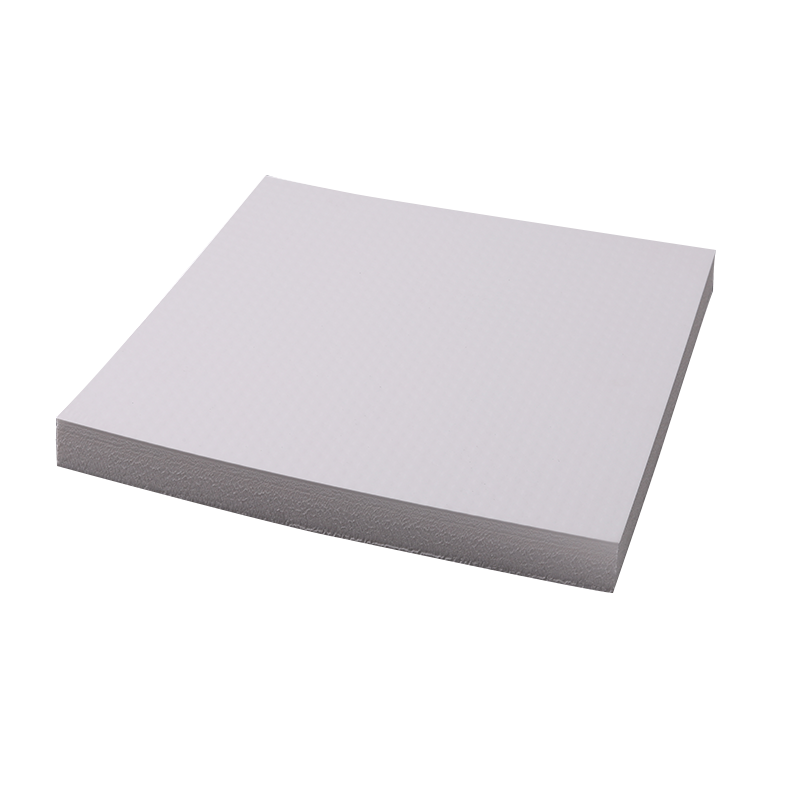 Shincell M-PEBAX Foam Sheet for Lightweight Soft PartsEngineered with fine cell structure and very low durometer, this PEBAX foam combines softness, durability, and lightness, making it a fit for portable electronics and footwear.View Product →
How to Specify Low Durometer Foam
Writing a reliable specification for low-durometer foam is about removing ambiguity. Use this checklist:
- Confirm the hardness scale with your supplier. Use Shore 00 or Asker C for soft foam; Shore A is rarely discriminating below 20 points.
- Define density together with hardness. A 200 kg/m3 foam at 30 Shore 00 is not the same part as a 120 kg/m3 foam at the same reading.
- Set a compression-set limit. For sealing gaskets, request less than 10% thickness loss after 25% compression for 24 hours at room temperature, and confirm the high-temperature value for your environment.
- Check cell uniformity. Cut a cross-section and look for a consistent cell size; microcellular foam shows a fine, even texture.
- State the temperature range and chemical exposure. Soft TPU, TPEE, and PEBAX foams have different limits, and the foam must survive the application environment.
- Ask whether the foam is physically or chemically foamed, and confirm recyclability if your project has sustainability targets.
Low Durometer Foam FAQ
Q1: What is considered low durometer foam?
A foam is generally described as low durometer when it measures below 20 Shore A, below 50 Shore 00, or below 40 Asker C. These thresholds correspond to materials that compress easily under light finger pressure and are used for cushioning, sealing, and comfort layers.
Q2: Is a lower durometer always better?
No. Very low hardness improves comfort and conformability, but if the foam has a poor compression set or too low a density, it can flatten, bottom out, and stop performing. The right specification matches hardness to the application load and service life.
Q3: Can low durometer foam recover after compression?
Yes, when the material has a low compression set and a resilient cell structure. Thermoplastic elastomer foams such as TPU and PEBAX recover quickly after short-term compression, while some EVA foams recover slowly. Prolonged compression at high temperature can still cause permanent deformation.
Q4: What is the difference between supercritical foaming and chemical foaming?
Chemical foaming uses heat-activated additives that decompose to release gas, which can leave irregular cells and chemical residues. Supercritical physical foaming dissolves nitrogen or CO2 into the polymer at high pressure and forms fine cells by rapid pressure release, producing a cleaner, more uniform, and recyclable foam.
Selecting a low-durometer foam comes down to matching hardness, density, and cell structure to the real loading conditions of the part. When the cells are uniform and the polymer is elastic, a soft foam keeps its character for the life of the product. Shincell manufactures thermoplastic foam sheets and mats across this range using physical foaming, and its engineers help buyers verify durometer, compression set, and density before production.
 ++86-0512-66079229