
 English
 Español

Home / News / MPP Materials Market Update: Rising Demand and Supply Pressures
Market Overview: MPP Foam Sheet Demand Is Accelerating
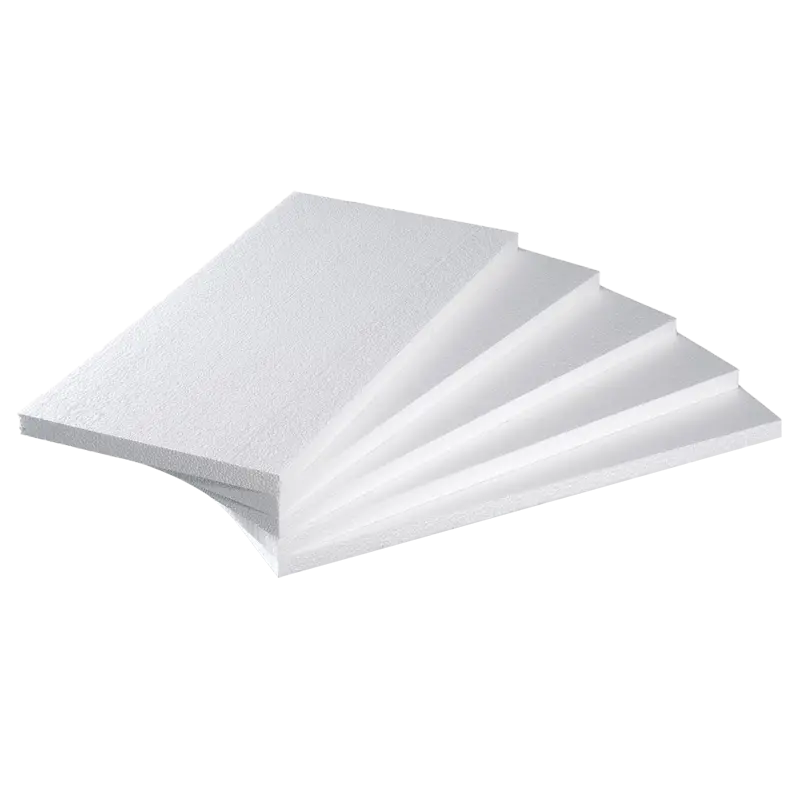
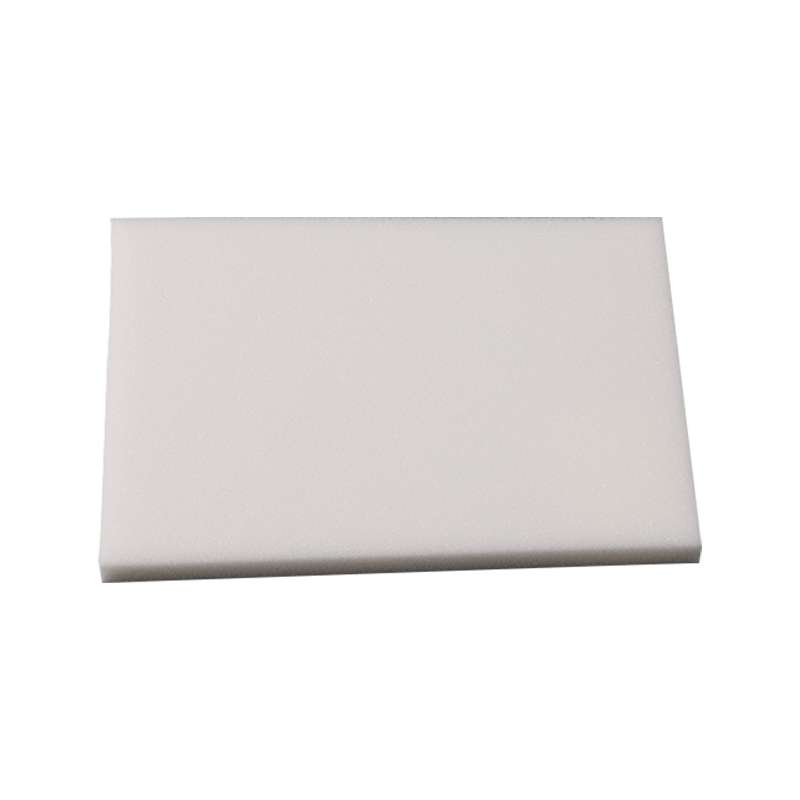
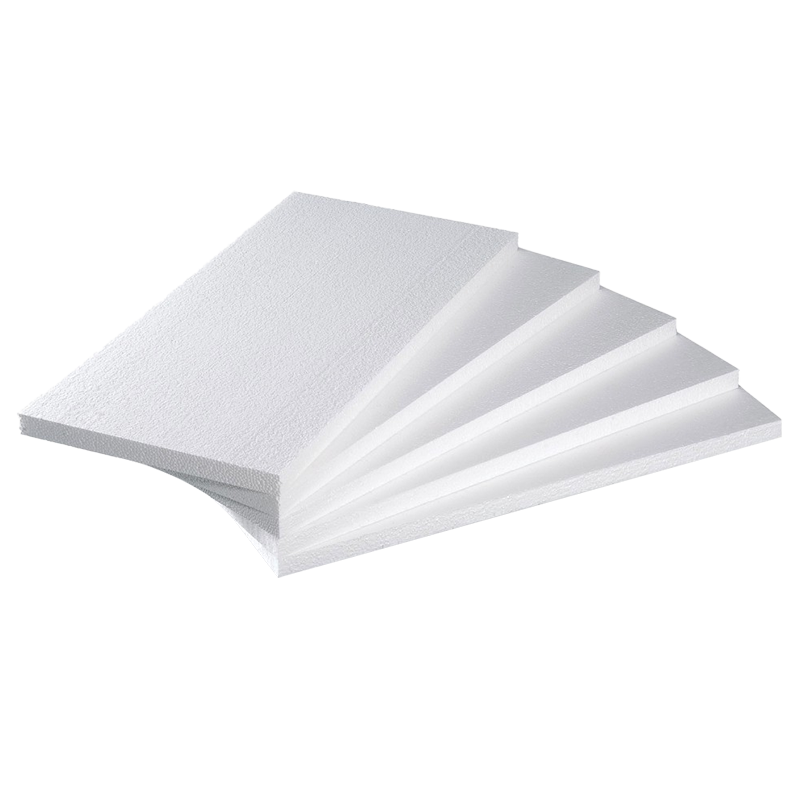
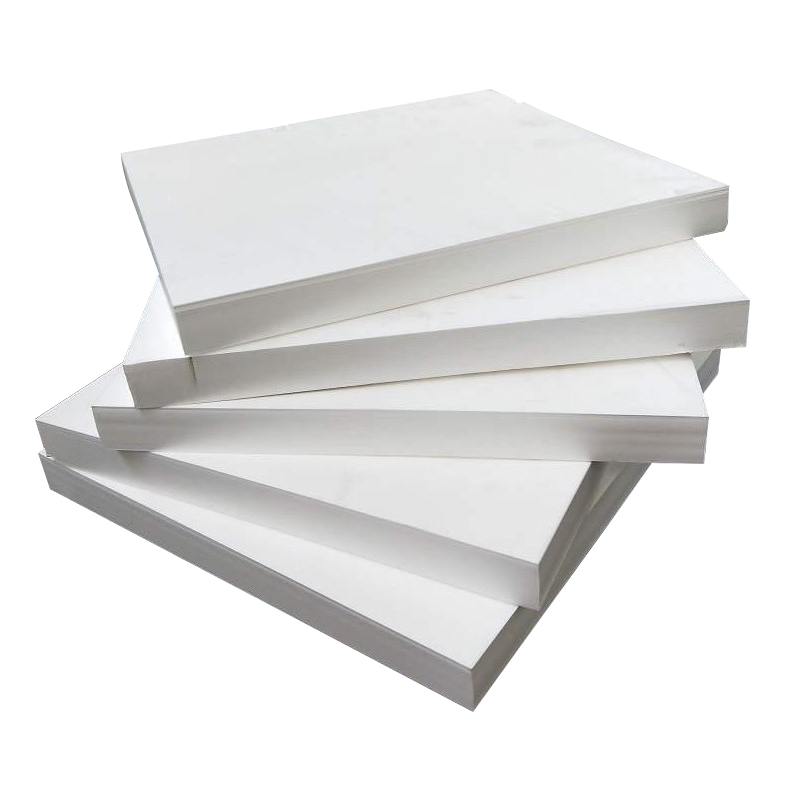
The global MPP (Modified Polypropylene) materials market is experiencing a significant inflection point. Demand for MPP foam sheet has risen by an estimated 12–18% year-over-year across key industrial sectors, driven by the electrification of transportation, expansion of lightweight packaging, and growing adoption in construction insulation. At the same time, supply chain pressures — including raw material scarcity and rising energy costs — are creating upward pricing momentum that industry stakeholders must proactively manage.
The core conclusion is clear: buyers should expect tighter availability and higher average prices through at least mid-2026, while manufacturers and processors are accelerating capacity investments to close the supply gap.
Key Demand Drivers Pushing MPP Foam Sheet Consumption Higher
Electric Vehicle Battery Insulation
The EV sector has emerged as one of the fastest-growing end-use markets. MPP foam sheet is widely specified for battery pack thermal management and vibration damping due to its heat resistance up to 130°C and superior compressive strength. With global EV production forecast to exceed 40 million units annually by 2027, procurement volumes for MPP-based components are scaling accordingly.
Lightweight Packaging and Food-Grade Applications
Regulatory pressure to reduce single-use plastics is redirecting demand toward recyclable foam alternatives. MPP foam sheet offers a density range of 30–200 kg/m³, making it suitable for protective packaging across electronics, fresh produce, and pharmaceutical logistics. Several major logistics operators have begun transitioning from expanded polystyrene (EPS) to MPP-based solutions, citing both recyclability advantages and superior impact absorption.
Construction and Building Insulation
Thermal insulation requirements in commercial construction are tightening under updated energy codes in Europe, North America, and parts of Southeast Asia. MPP foam sheet's low thermal conductivity (typically 0.033–0.040 W/m·K) and moisture resistance make it a preferred specification for underfloor, wall cavity, and roof deck insulation systems.
Supply-Side Pressures and Current Market Constraints
Supply conditions for MPP foam sheet feedstocks have tightened considerably since late 2023. The following factors are driving upward cost pressure:
- Polypropylene resin prices increased approximately 9–14% between Q3 2024 and Q1 2025 due to reduced refinery output in key producing regions.
- Energy-intensive foam extrusion processes have become 15–22% more expensive in markets with high electricity costs, including parts of Europe.
- Shipping and logistics costs for raw material imports remain elevated compared to pre-2022 benchmarks, particularly for trans-Pacific routes.
- Lead times from compounding to finished sheet have extended from an average of 3–4 weeks to 6–9 weeks in some regions.
- New capacity additions are predominantly concentrated in Asia, creating a geographic mismatch with demand growth in Western markets.
These pressures are not expected to fully normalize before late 2026, meaning procurement teams should factor extended lead times and price escalation clauses into their supplier agreements.
Regional Market Dynamics at a Glance
The table below summarizes demand growth rates, supply tightness, and pricing trends across the primary MPP foam sheet markets:
| Region | Demand Growth (YoY) | Supply Tightness | Price Trend |
| China & East Asia | +18–22% | Moderate | Stable to +8% |
| Europe | +10–14% | High | +12–18% |
| North America | +8–12% | Moderate-High | +10–15% |
| Southeast Asia | +14–18% | Low-Moderate | Stable to +6% |
| Middle East & Africa | +6–10% | Low | Stable |
European markets are facing the sharpest pricing environment due to the combined effect of energy costs, import dependency, and strong EV-linked demand. Southeast Asia, by contrast, benefits from proximity to resin production and lower energy input costs.
MPP Foam Sheet Key Technical Specifications Buyers Should Evaluate
When qualifying MPP foam sheet for industrial applications, procurement engineers should evaluate the following performance parameters to ensure material suitability:
- Density: Typically 30–200 kg/m³; lower densities for packaging, higher for structural applications.
- Temperature resistance: Continuous service up to 120–130°C; short-term peak tolerance varies by formulation.
- Compressive strength: Ranges from 100 kPa to over 600 kPa depending on density grade.
- Cell structure: Closed-cell architecture minimizes water absorption and improves thermal insulation values.
- Recyclability: Full thermoplastic recyclability distinguishes MPP foam from thermoset alternatives.
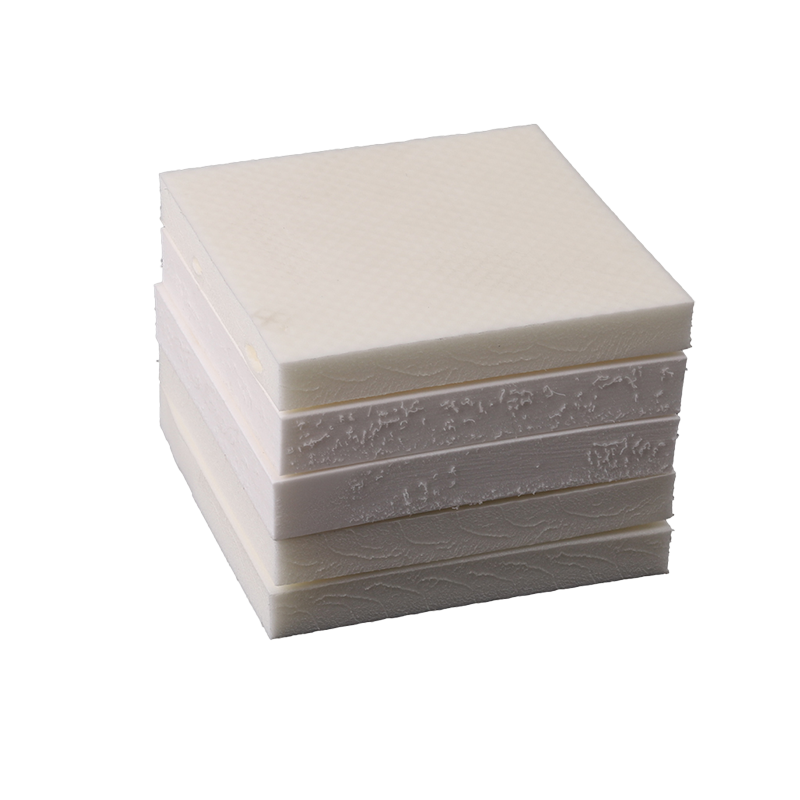
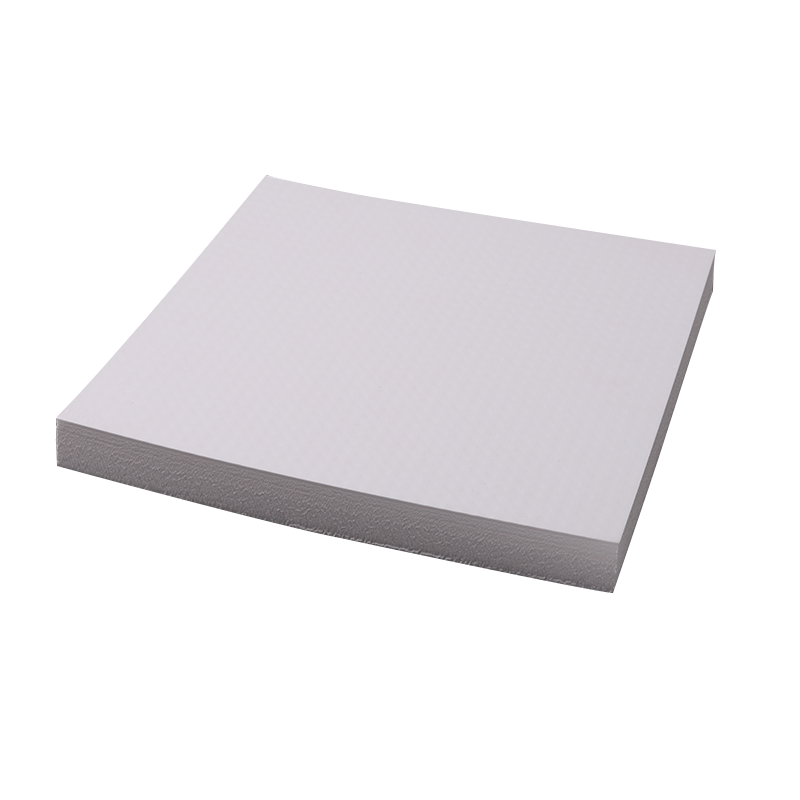
- Sheet dimensions: Standard widths of 1,000–2,000 mm; custom thicknesses typically range from 3 mm to 100 mm.
Strategic Procurement Recommendations for Buyers in 2025–2026
Given the current market environment, buyers and procurement managers should consider the following approaches:
- Lock in multi-quarter contracts with index-linked pricing provisions to limit exposure to spot price volatility.
- Diversify supplier geography — sourcing from both Asian and domestic suppliers reduces logistics risk and lead time uncertainty.
- Build strategic safety stock of 6–10 weeks where warehousing permits, particularly for high-volume EV or construction programs.
- Qualify alternate density grades where application tolerances allow, providing flexibility to switch between supply-constrained specifications.
- Engage suppliers in technical development partnerships early in the product design cycle to secure allocation priority for new programs.
Outlook: What to Expect Through 2026
The structural demand tailwinds for MPP foam sheet are durable. The transition to electric mobility, tightening building energy codes, and sustainability-driven packaging shifts are multi-year trends, not cyclical spikes. Market analysts project global MPP foam demand to grow at a compound annual rate of 9–13% through 2028, with the highest growth rates in EV battery applications and green building materials.
Supply is expected to gradually improve as new extrusion capacity — predominantly in China, Vietnam, and Eastern Europe — comes online between 2025 and 2027. However, the ramp-up period means that the supply-demand imbalance is unlikely to fully resolve before late 2026. Buyers who act proactively to secure supply relationships and optimize specifications will be best positioned to manage both cost and availability risk.
Frequently Asked Questions
Q1: What is MPP foam sheet primarily used for?
MPP foam sheet is used in EV battery insulation, lightweight protective packaging, construction thermal insulation, and automotive interior components, valued for its heat resistance, recyclability, and mechanical performance.
Q2: Why are MPP foam sheet prices rising in 2025?
Prices are rising due to increased polypropylene resin costs, higher energy input expenses for extrusion, extended logistics lead times, and demand growth outpacing current production capacity.
Q3: How does MPP foam sheet compare to EPS in terms of recyclability?
MPP foam sheet is fully thermoplastic and recyclable within standard PP streams. EPS recycling infrastructure is far more limited, making MPP a more sustainable choice under current regulatory frameworks.
Q4: What density of MPP foam sheet is recommended for battery pack applications?
Density grades of 80–150 kg/m³ are commonly specified for EV battery thermal management, balancing compressive strength with weight targets. Final selection depends on cell pressure and thermal interface requirements.
Q5: How long are current lead times for MPP foam sheet orders?
As of early 2025, lead times in constrained markets range from 6–9 weeks for standard grades. Custom formulations or large-volume orders may require 10–14 weeks of advance planning.
Q6: Is MPP foam sheet suitable for food-contact packaging?
Certain MPP foam sheet formulations meet food-contact compliance standards, but buyers must verify the specific grade against applicable regulations (such as EU 10/2011 or FDA 21 CFR) with their supplier before use.
 ++86-0512-66079229