
 English
 Español

Home / News / What Are the Main Types of Polyurethane Foam and Their Industrial Applications
Introduction to Polyurethane Foam
Polyurethane foam is a versatile polyurethane foam material widely used across industries due to its unique combination of lightweight structure, flexibility, and durability. It can be formulated to meet various performance requirements, including cushioning, insulation, vibration damping, and impact resistance. The foam's adaptability is enhanced by its ability to exist in multiple forms, including flexible, rigid, and high-resilience variants.
Among these, MTPU foam sheet has gained significant attention for its balance of mechanical strength, elasticity, and ease of fabrication, making it a preferred choice in technical and industrial applications.
Classification of Polyurethane Foam
Polyurethane foams can be broadly categorized based on density, flexibility, and chemical structure. Understanding these distinctions is essential for selecting the appropriate foam for specific industrial requirements.
Flexible Polyurethane Foam
Flexible polyurethane foam is widely used in furniture, bedding, automotive seating, and packaging. It offers excellent cushioning properties while maintaining lightweight characteristics. Density typically ranges from 20 to 80 kg/m³, and the foam can be tailored to provide specific compression resistance for various applications.
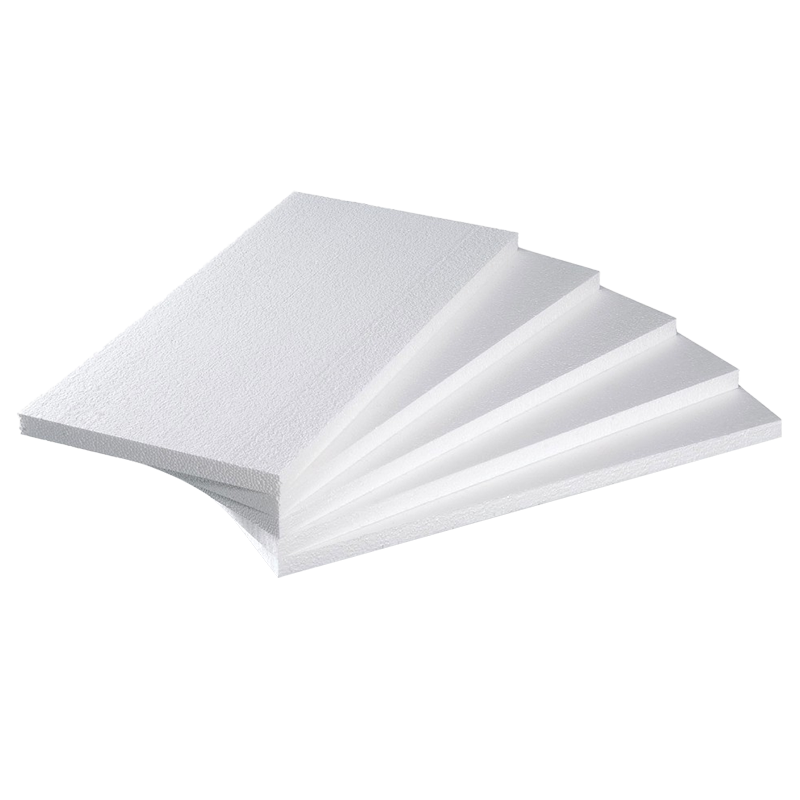
Rigid Polyurethane Foam
Rigid polyurethane foam is primarily utilized for thermal insulation in construction, refrigeration, and pipeline protection. Its high compressive strength and low thermal conductivity make it ideal for energy-efficient applications. Density usually ranges from 30 to 100 kg/m³, with closed-cell structures enhancing insulation performance.
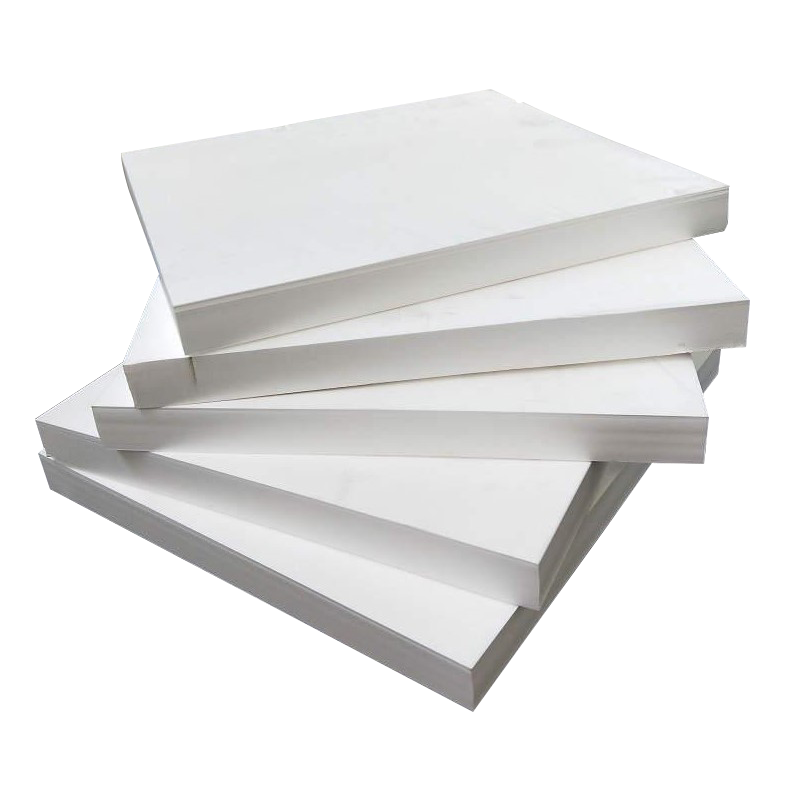
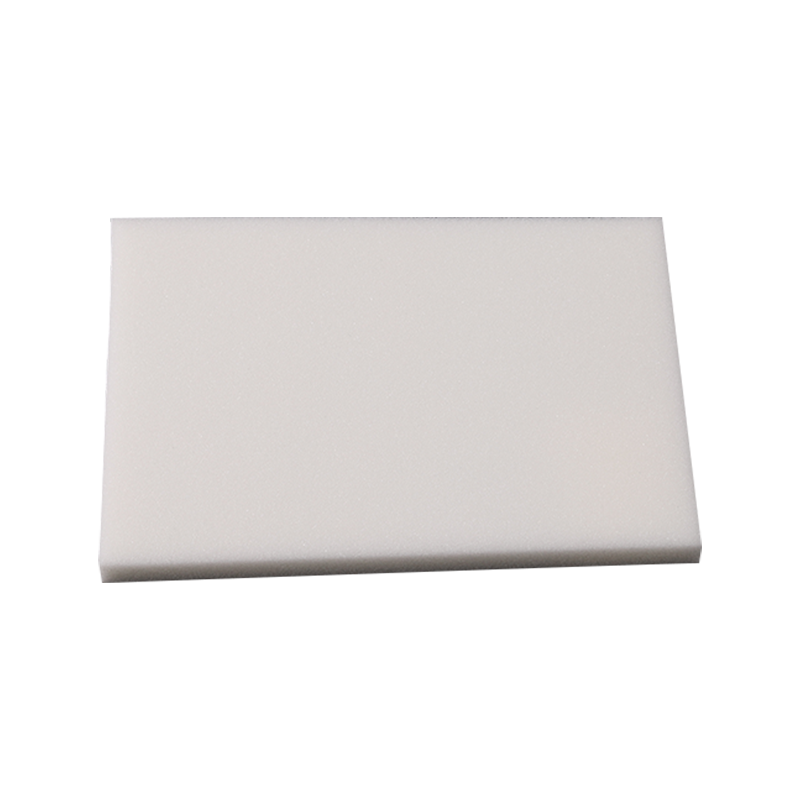
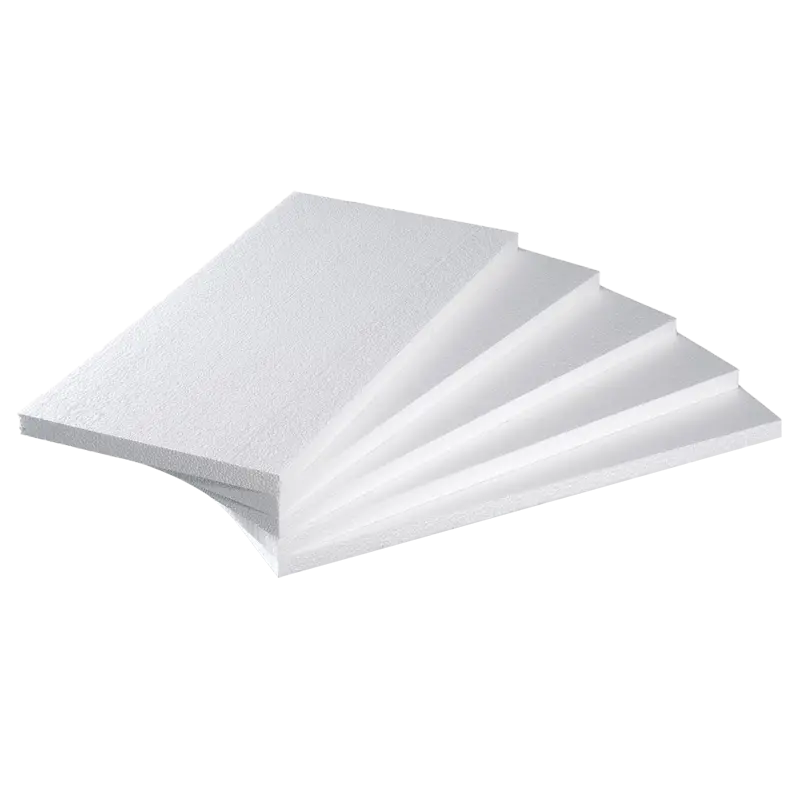
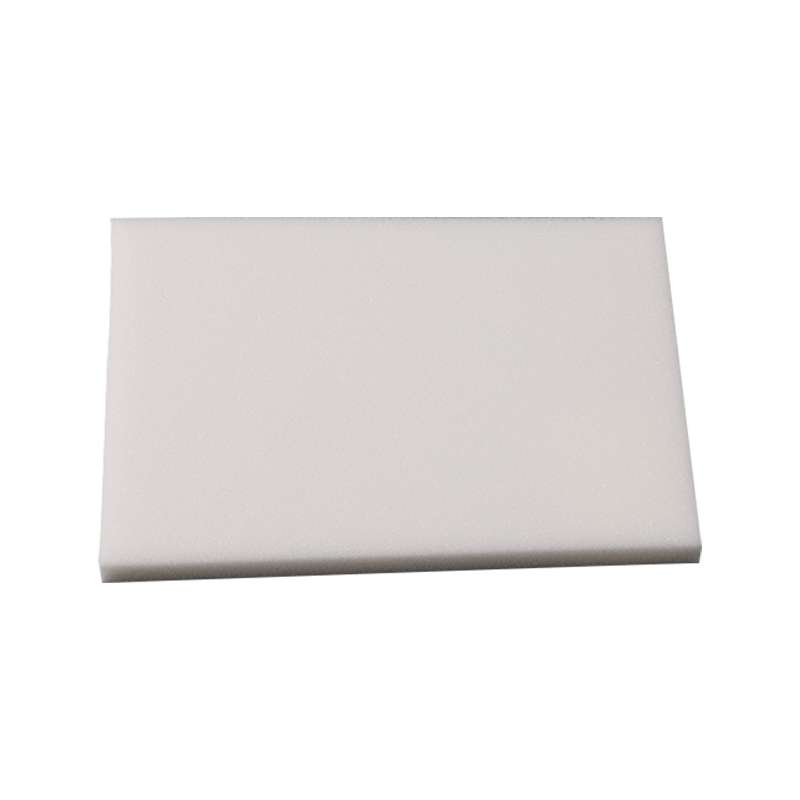
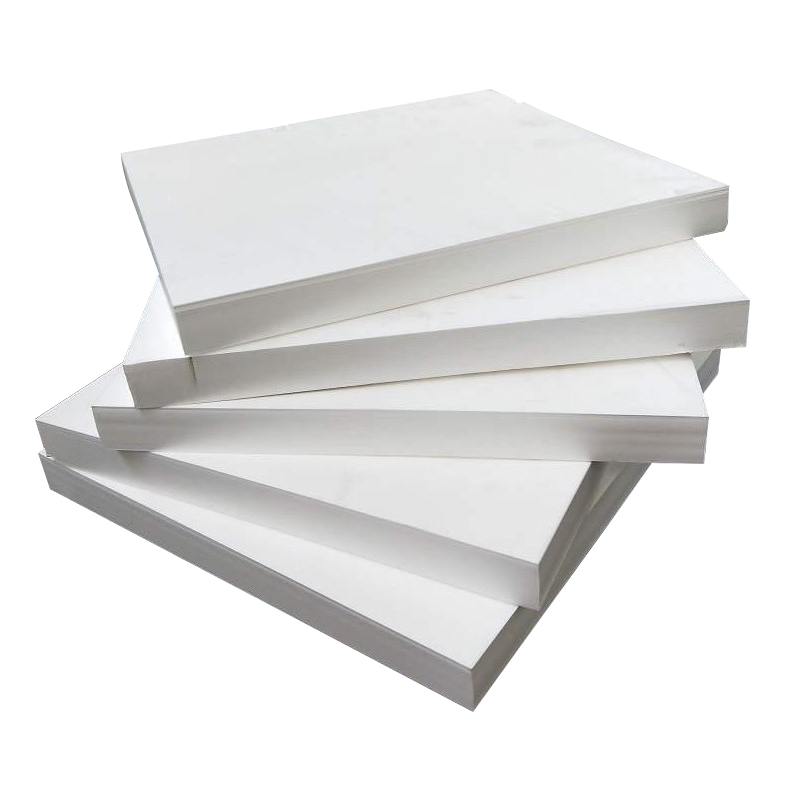
MTPU Foam Sheet
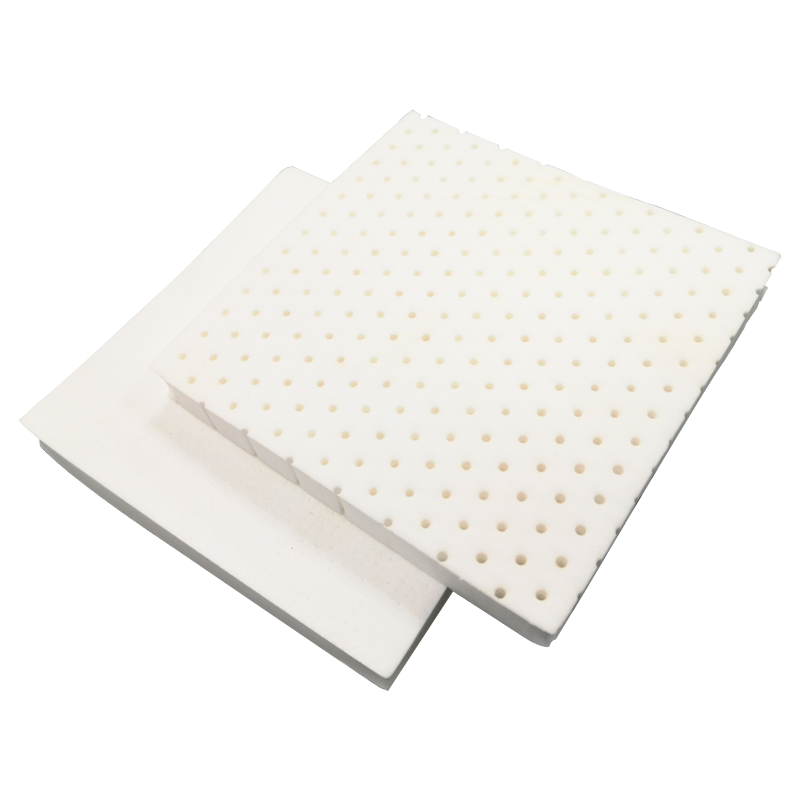
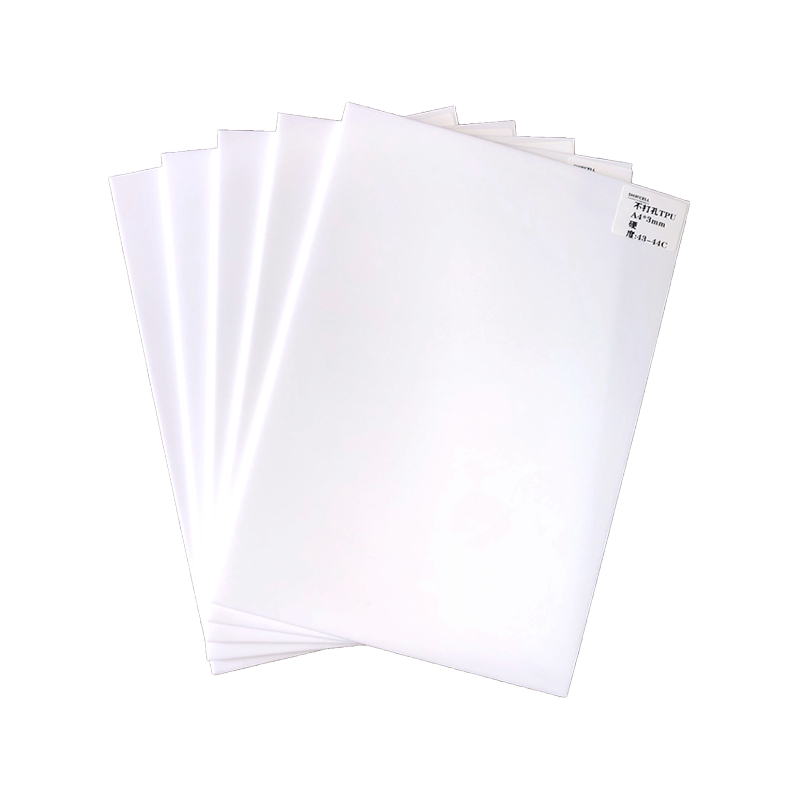
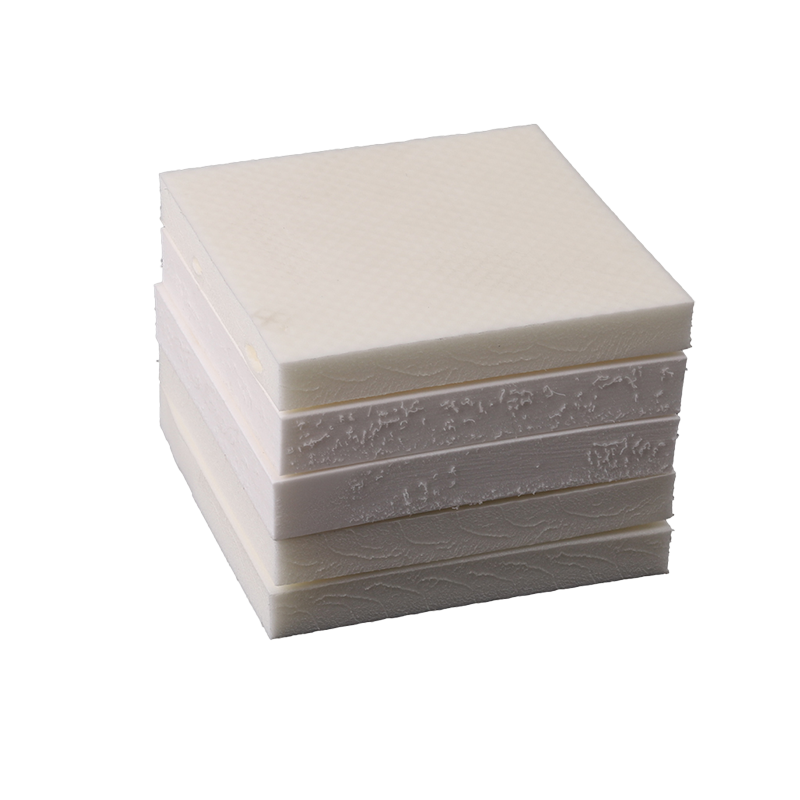
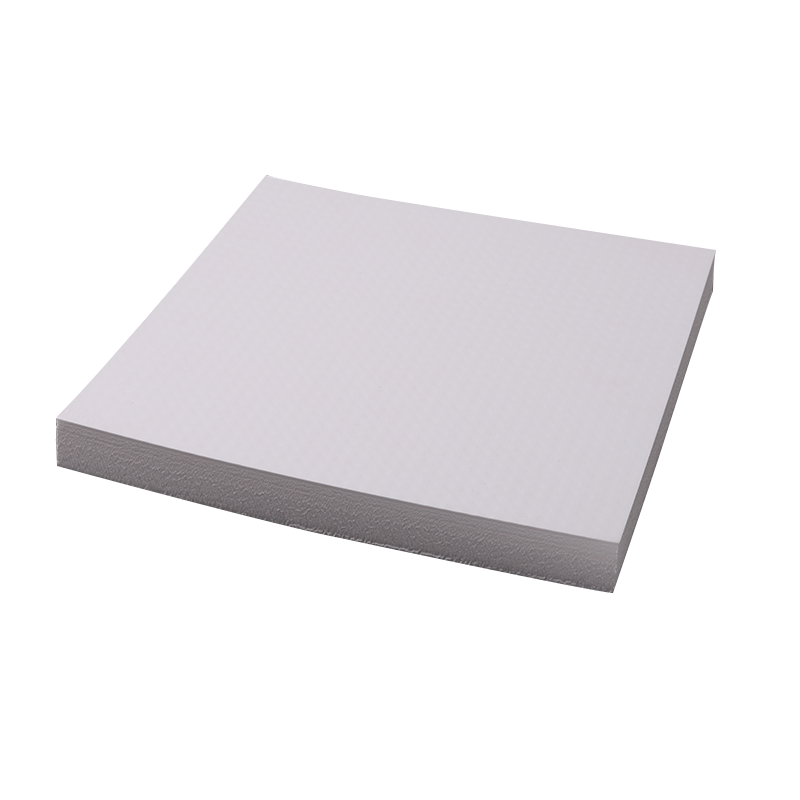
The MTPU foam sheet represents a high-performance class of thermoplastic polyurethane foam. Its unique combination of mechanical strength, flexibility, and chemical resistance allows for precise industrial applications such as protective packaging, vibration damping, and technical gaskets. Compared to conventional foams, MTPU sheets maintain dimensional stability under repeated stress and environmental exposure.
High-Resilience Polyurethane Foam
High-resilience (HR) polyurethane foam is designed for applications requiring rapid recovery after compression. Commonly used in premium mattresses, automotive seating, and sports equipment, HR foam provides both comfort and long-term durability. Density typically ranges from 35 to 65 kg/m³, with enhanced cell structures to maintain performance over extended cycles.
Physical Properties and Performance Metrics
The selection of polyurethane foam depends on its mechanical, thermal, and chemical properties. Key performance metrics include:
- Density – affects weight, cushioning, and thermal insulation capabilities.
- Compression Set – measures the foam’s ability to retain its shape after prolonged stress.
- Tear and Tensile Strength – critical for durability in mechanical or industrial applications.
- Thermal Stability – ensures performance in environments with varying temperature ranges.
- Chemical Resistance – protects against degradation from oils, solvents, and other industrial chemicals.
For instance, MTPU foam sheets exhibit tensile strengths up to 5 MPa and excellent elongation properties, making them ideal for repetitive stress applications without compromising structural integrity.
Industrial Applications of Polyurethane Foam
Polyurethane foam finds applications across multiple industries due to its versatility and customizable properties. Understanding the correct foam type ensures optimal performance and longevity.
Automotive and Transportation
In automotive sectors, foams are used for seating, headrests, door panels, and vibration dampers. MTPU foam sheets provide high durability under dynamic loads, protecting sensitive components while offering occupant comfort.
Construction and Insulation
Rigid polyurethane foam is widely applied in building insulation, roofing panels, and cold storage systems. Its low thermal conductivity contributes to energy efficiency, while high compressive strength ensures structural stability.
Protective Packaging
Foam sheets, particularly MTPU, are ideal for protective packaging in electronics, medical devices, and delicate machinery. Their ability to absorb shocks and resist deformation prevents product damage during transport.
Sports and Leisure Equipment
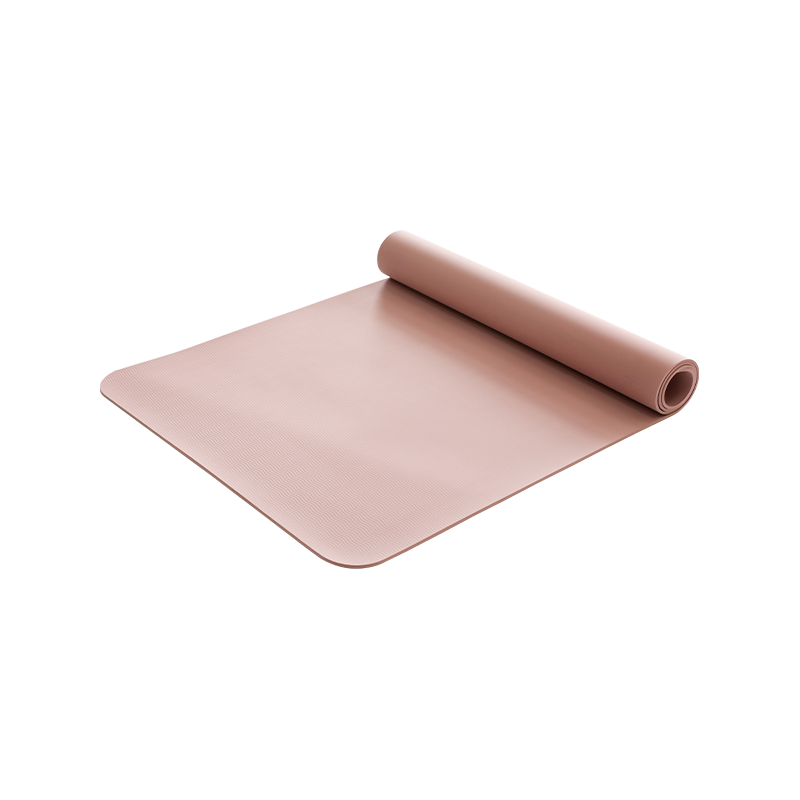
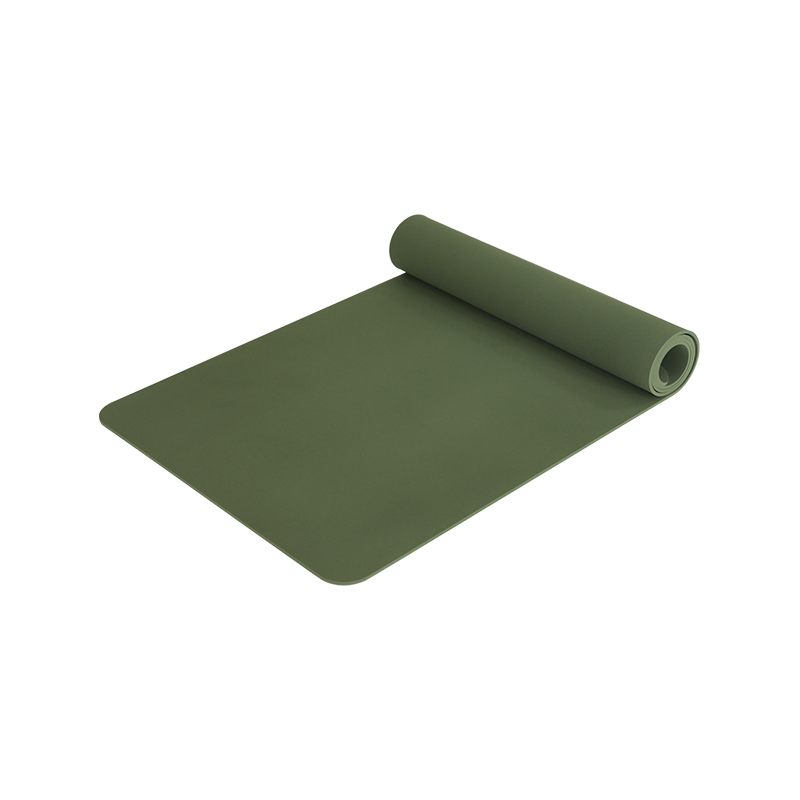
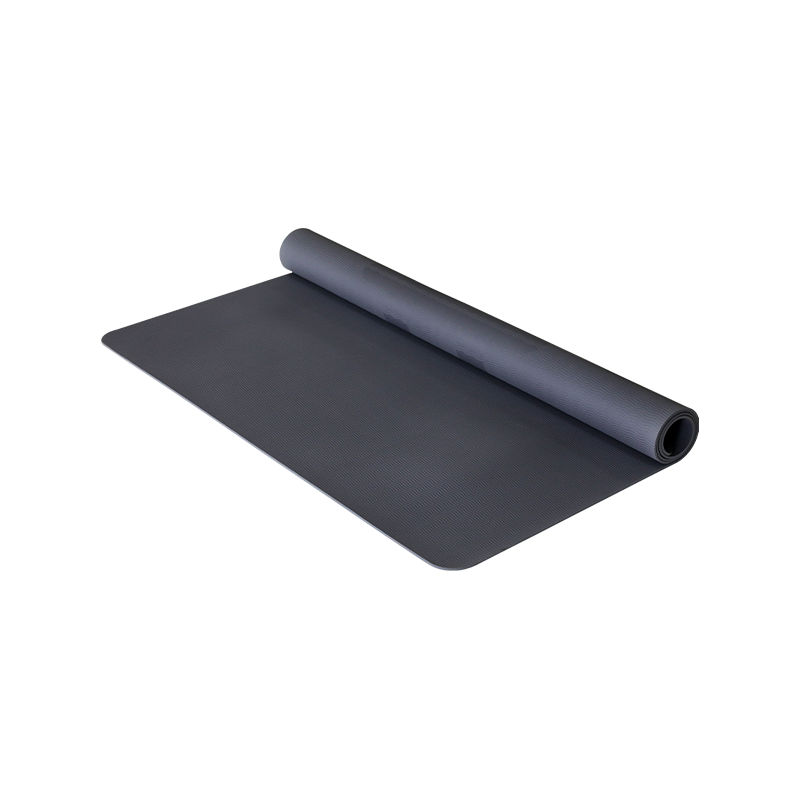
Flexible and high-resilience foams are commonly used in athletic mats, helmets, and fitness equipment. The foam’s energy-absorbing capacity ensures safety and comfort during repeated use.
Comparative Analysis of Foam Types
The following table summarizes the key distinctions among major polyurethane foam types:
| Foam Type | Density (kg/m³) | Flexibility | Primary Application | Key Advantage |
| Flexible Foam | 20–80 | High | Seating, cushions, packaging | Excellent cushioning, lightweight |
| Rigid Foam | 30–100 | Low | Insulation, construction | High compressive strength, thermal insulation |
| MTPU Foam Sheet | 50–120 | Medium | Protective sheets, technical components | Dimensional stability, chemical resistance |
| High-Resilience Foam | 35–65 | High | Mattresses, automotive seats | Rapid recovery, long-term durability |
Selection Guidelines for Industrial Use
When choosing polyurethane foam, consider:
- Application environment – temperature, humidity, and exposure to chemicals.
- Mechanical demands – load-bearing, impact resistance, and compression recovery.
- Dimensional requirements – thickness, shape, and tolerance for deformation.
- Cost-efficiency – balancing performance against material and fabrication costs.
- Regulatory compliance – particularly for medical, food packaging, and insulation applications.
By following these guidelines, engineers and designers can select the most suitable foam type, such as MTPU foam sheet, for demanding industrial applications.
FAQ on Polyurethane Foam
Q1: What is the main difference between flexible and rigid polyurethane foam?
Flexible foam is soft, lightweight, and used for cushioning, whereas rigid foam is hard, structurally strong, and primarily used for insulation.
Q2: Why is MTPU foam sheet preferred in technical applications?
MTPU foam sheet combines high mechanical strength, elasticity, and chemical resistance, making it ideal for protective and precision applications.
Q3: How should polyurethane foam be stored?
Foam should be stored in a dry, temperature-controlled environment to prevent moisture absorption and premature degradation.
Q4: Can polyurethane foam be recycled?
Certain polyurethane foams can be mechanically or chemically recycled, though options vary based on foam type and local facilities.
Q5: What factors affect foam durability?
Density, cell structure, environmental exposure, and mechanical stress all significantly influence the lifespan and performance of polyurethane foam.
 ++86-0512-66079229