
 English
 Español

Home / News / What are the primary benefits of using PEBAX foam in midsole technology?
The Evolution of High-Performance Midsole Materials
The footwear industry has undergone a massive transformation in the last decade, moving from traditional heavy rubbers to sophisticated thermoplastic elastomers. At the heart of this revolution is Polyether Block Amide, commonly referred to as PEBAX. For B2B buyers and manufacturers, selecting the right material is no longer just about cost; it is about the performance-to-weight ratio and the longevity of the product under extreme stress.
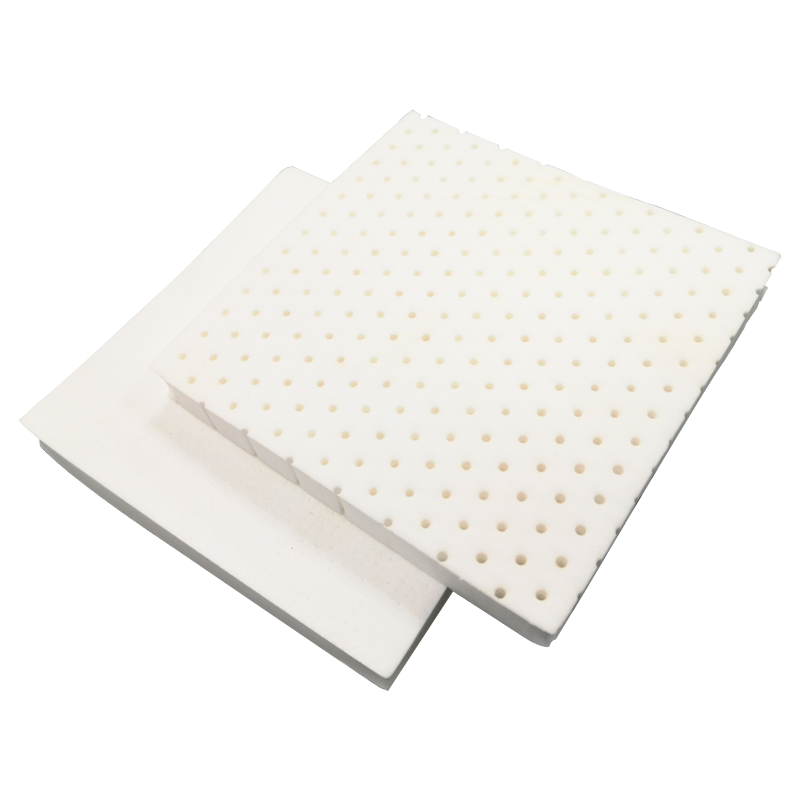
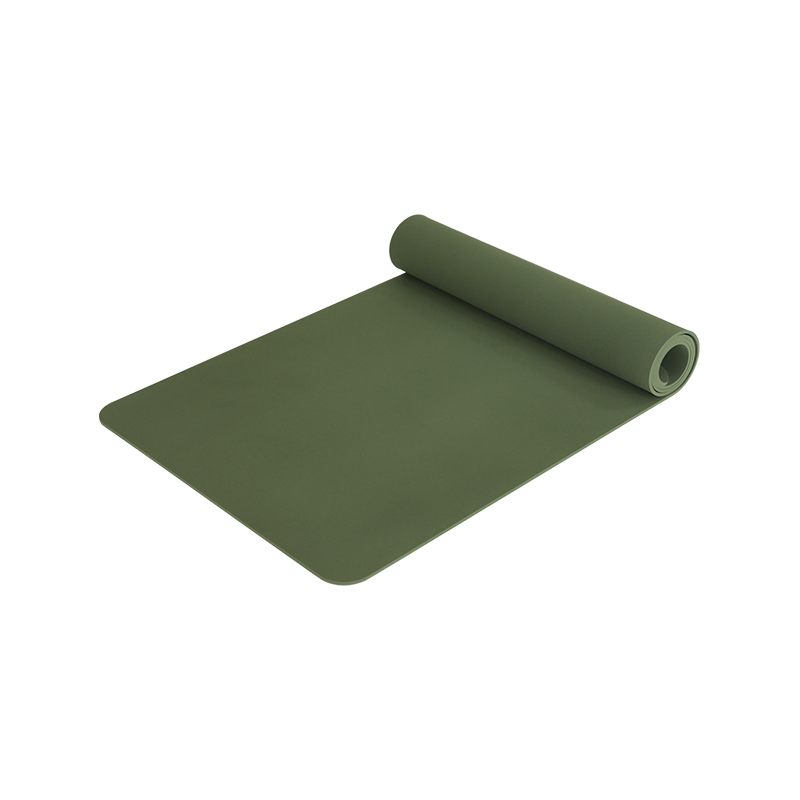
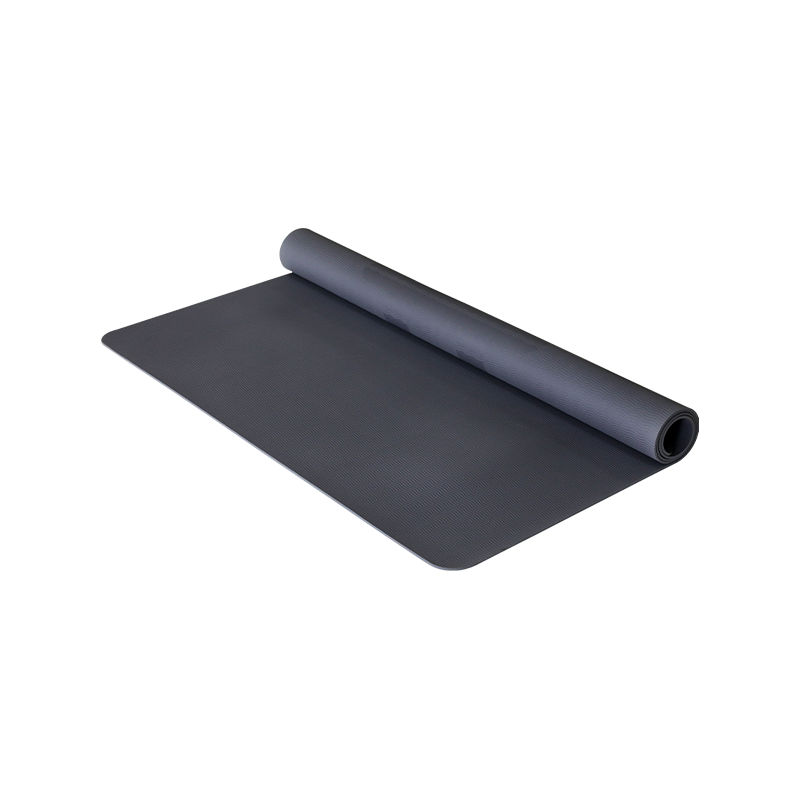
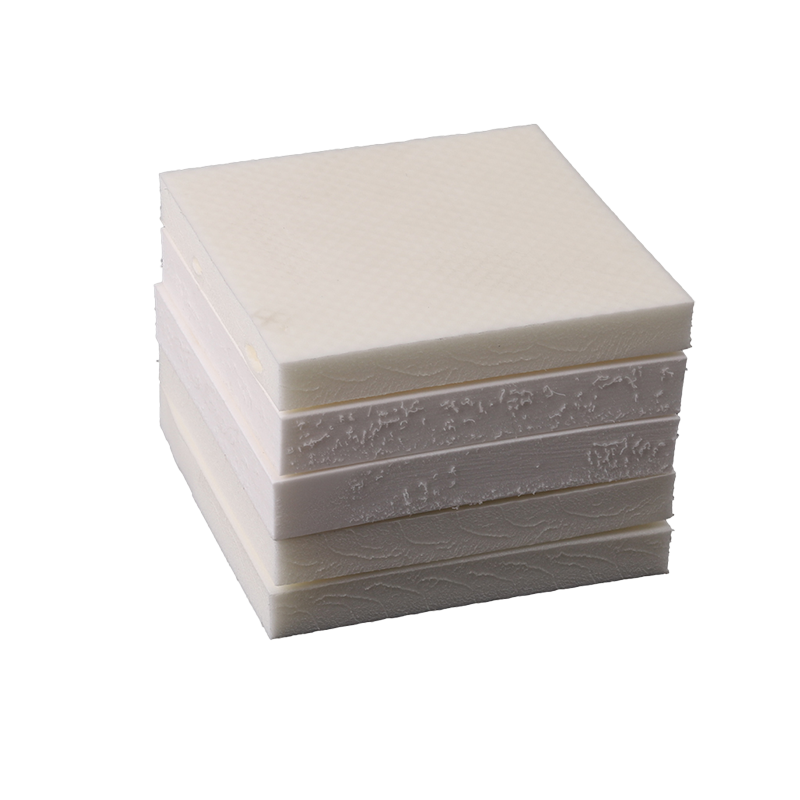
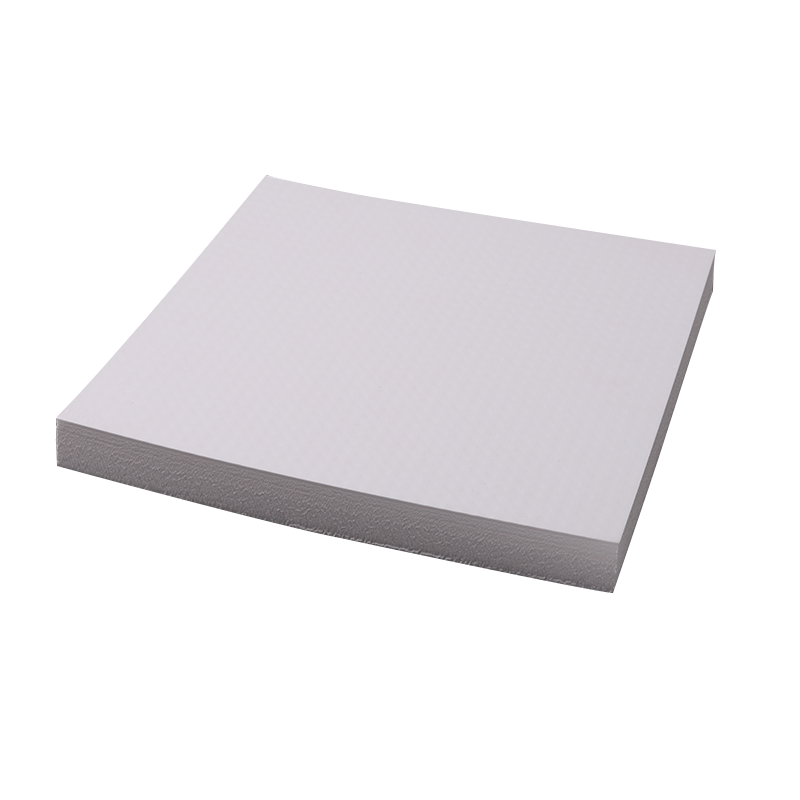
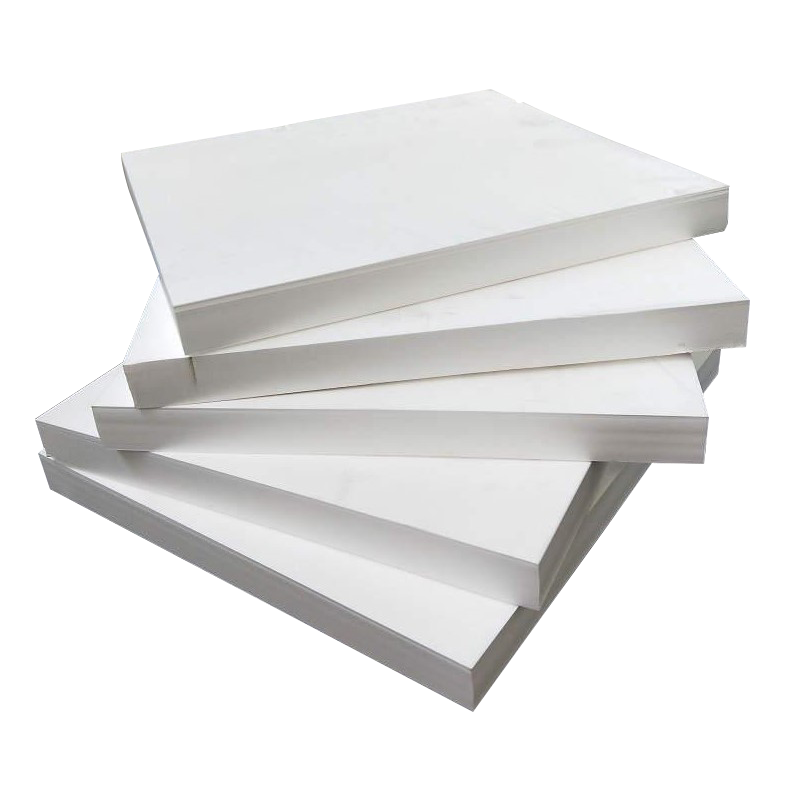
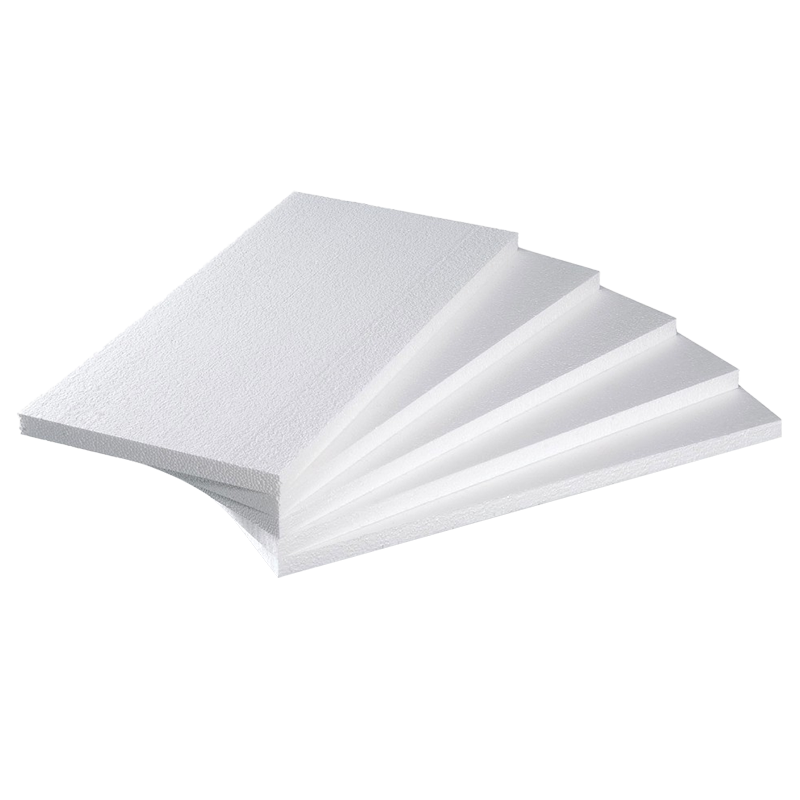
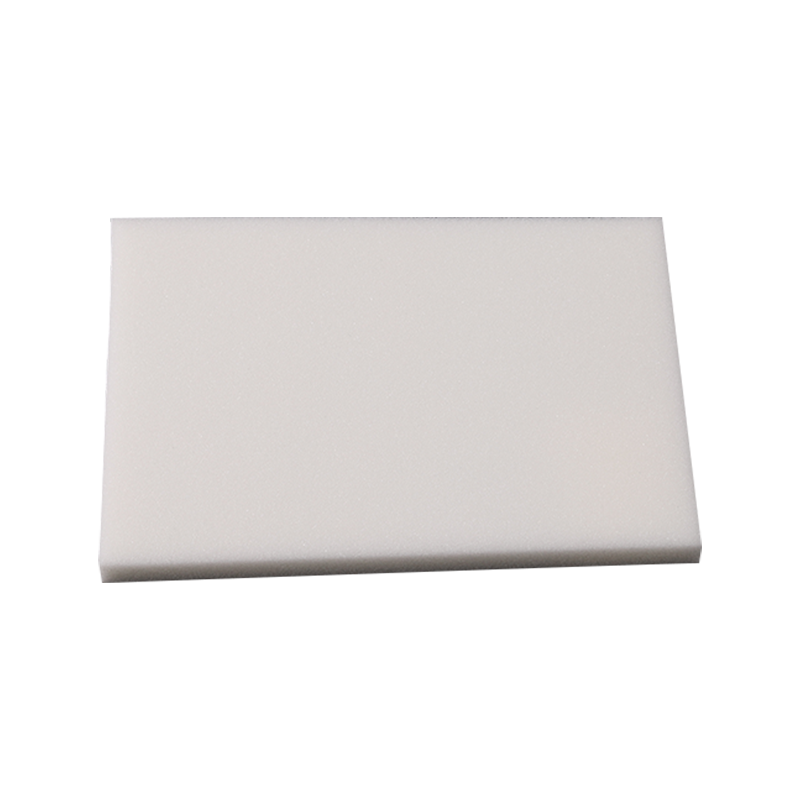
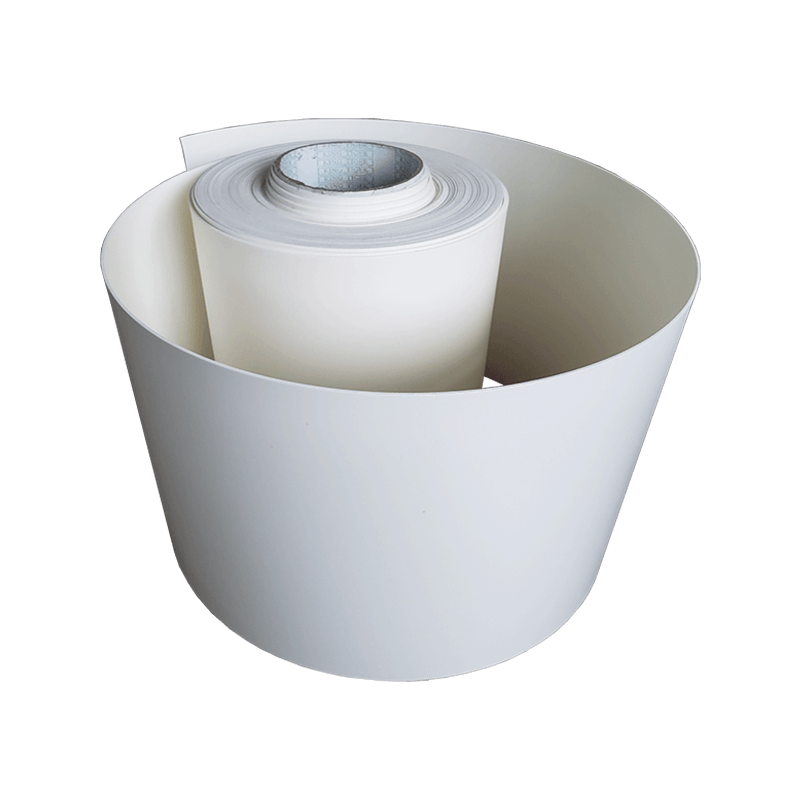
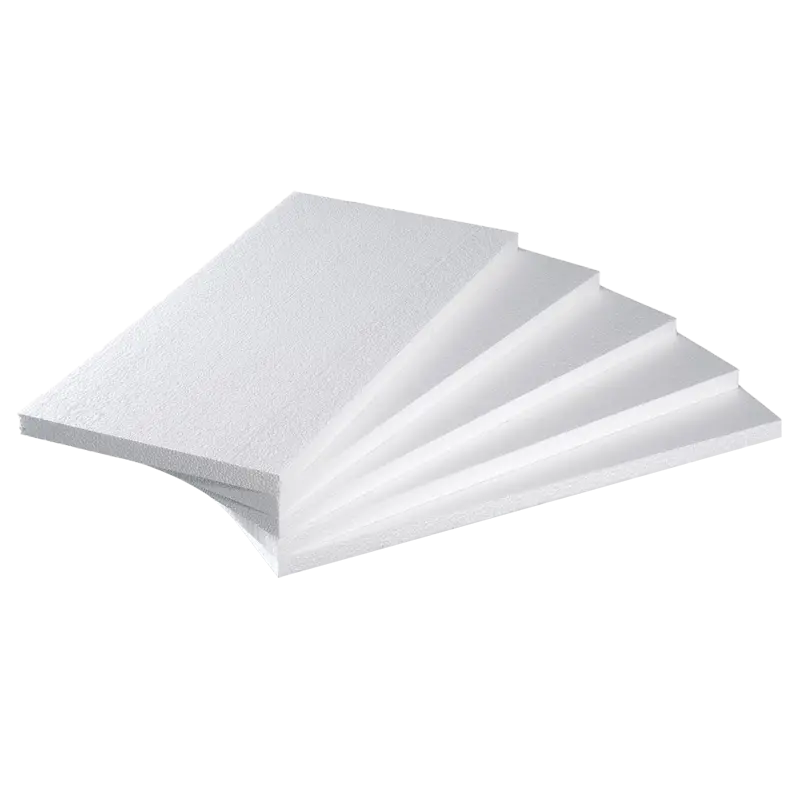
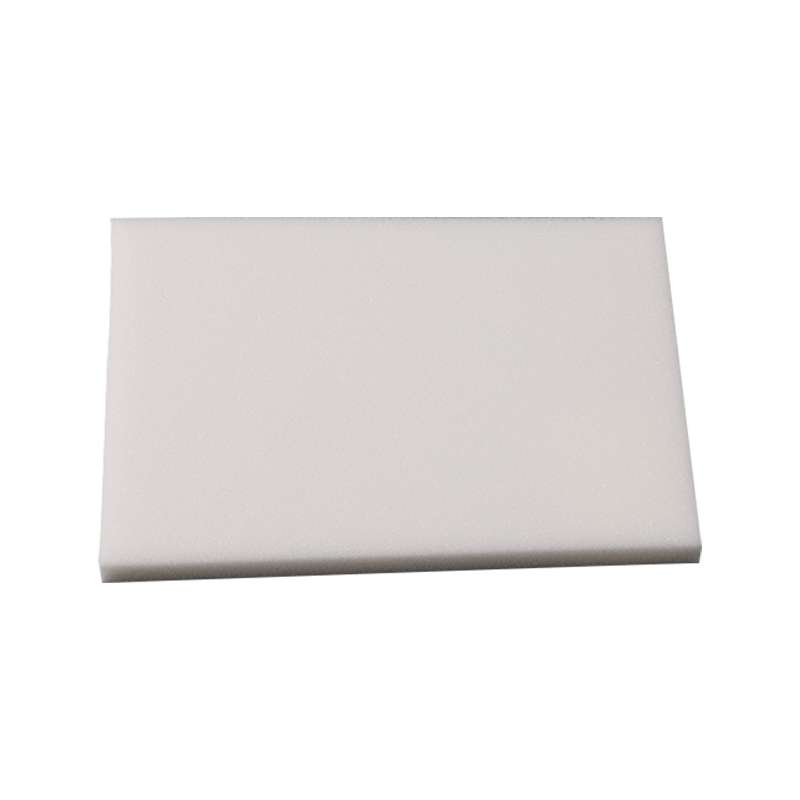
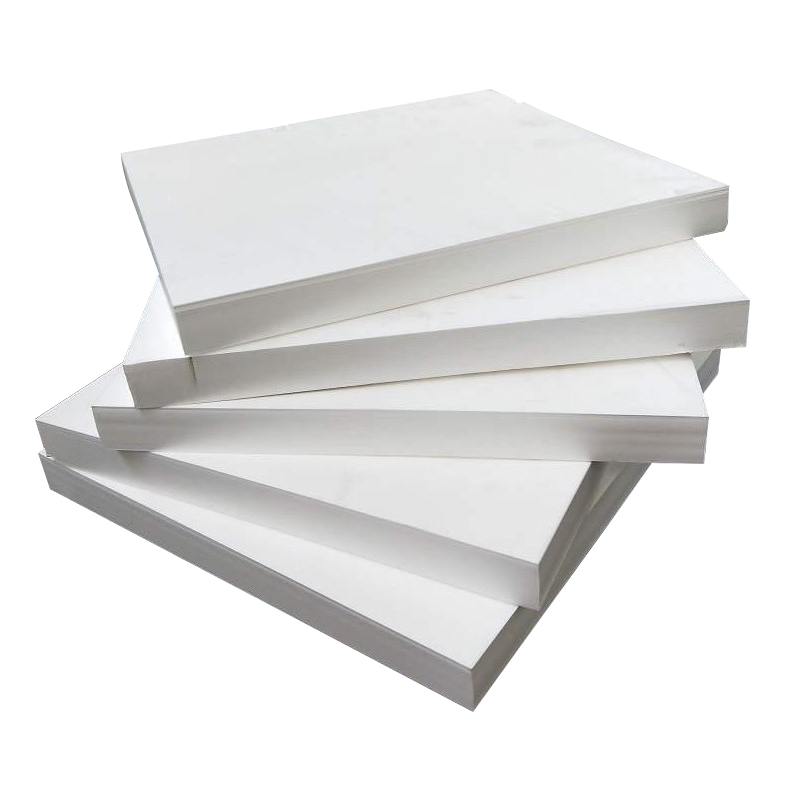
Using an M-PEBAX Foam Sheet allows developers to create midsoles that were previously thought impossible. These materials bridge the gap between rigid structural integrity and cloud-like softness, making them the gold standard for marathon running shoes, elite basketball footwear, and technical trekking boots. In the professional sports equipment supply chain, this material is recognized for its ability to maintain mechanical integrity where others fail.
Superior Energy Return and Mechanical Efficiency
The most significant benefit of PEBAX foam is its exceptional energy return. While standard EVA (Ethylene Vinyl Acetate) foams typically offer an energy return of 50% to 60%, high-grade PEBAX variants can achieve over 80% energy return. This means that for every strike a runner makes, less energy is lost as heat, and more is returned as kinetic force.
Understanding Hysteresis Loss
Hysteresis refers to the energy dissipated when a material is deformed and then returns to its original shape. PEBAX foam has a very low hysteresis curve. This efficiency ensures that the midsole does not feel "mushy" but instead provides a responsive, bouncy sensation that helps reduce athlete fatigue over long distances.
- Efficiency: Transfers power directly from the foot strike to the toe-off phase.
- Consistency: Maintains the same level of responsiveness throughout a 42km race.
- Performance: Proven to improve running economy by up to 4% in elite testing environments.
Unmatched Lightweight Properties for Industrial Design
For footwear manufacturers, weight is the ultimate enemy. A lighter shoe reduces the aerobic demand on the wearer. PEBAX foam is significantly lighter than TPU (Thermoplastic Polyurethane) and EVA foams of similar thickness, which allows for larger stack heights without the weight penalty.
| Material Type | Typical Density (g/cm³) | Weight Impact |
| Standard EVA | 0.15 - 0.25 | Standard |
| Premium TPU | 0.20 - 0.30 | Heavy |
| PEBAX Foam | 0.07 - 0.12 | Ultra-Light |
By utilizing a lower density material, designers can increase the stack height of the midsole to provide more cushioning without making the shoe cumbersome. This is a critical factor for B2B distributors focusing on the maximalist shoe trend in international markets.
Temperature Resistance and Thermal Stability
One of the hidden flaws of traditional midsole materials is their sensitivity to climate. EVA foam tends to harden in cold weather and become overly soft and unstable in extreme heat. PEBAX foam maintains its mechanical properties across a wide temperature range, from -20°C to over 40°C.
Why Temperature Stability Matters for Global Supply Chains
From a B2B perspective, this stability ensures that the product quality remains consistent regardless of the shipping destination or storage conditions. Whether the end-user is running in a winter tundra or a desert marathon, the compression set and rebound remain predictable, reducing customer returns and performance complaints.
Durability and Long-term Compression Resistance
"Bottoming out" is a common complaint in the footwear industry, where the foam lose its ability to bounce back after a few hundred kilometers. PEBAX is inherently more resilient. Its molecular structure allows it to withstand millions of flex cycles without significant structural degradation.
- Longer Lifespan: Extends the effective mileage of a shoe from 500km to over 800km.
- Shape Retention: Does not take a permanent "set" even under high body weight or intensive pressure.
- Tear Resistance: Highly resistant to the nicks and abrasions common in trail running environments.
Customization for Diverse Footwear Applications
PEBAX foam can be tuned during the manufacturing process to reach different Shore hardness levels. This versatility makes it suitable for various components of a shoe, not just the primary midsole. Manufacturers can request specific M-PEBAX Foam Sheet densities to match their design specifications.
Common Industry Applications
- Race Day Flats: Maximizing energy return for high-speed performance.
- Orthopedic Inserts: Providing firm but lightweight support for medical-grade comfort.
- Safety Footwear: Incorporating shock absorption in heavy-duty work boots.
- Ski Boot Liners: Utilizing its thermal insulation and flexibility at low temperatures.
The Sustainability Aspect of PEBAX Materials
Modern B2B buyers are increasingly focused on environmental impact. Many PEBAX formulations are derived from castor beans, a non-food crop that does not compete with land used for food production. This bio-based origin reduces the carbon footprint compared to purely petroleum-based foams, allowing brands to market greener high-performance products without sacrificing quality.
Summary for Manufacturers and Sourcing Managers
In conclusion, integrating PEBAX technology into your product line is a strategic investment in quality. Its ability to combine extreme lightness with maximum durability and energy return provides a competitive edge in the global footwear market. For sourcing teams, prioritizing materials like the M-PEBAX foam sheet ensures that the final product meets the rigorous demands of today’s athletes and consumers.
Frequently Asked Questions
Q1: How does PEBAX foam compare to standard EVA in terms of durability?
PEBAX is significantly more durable, maintaining its energy return and shape for nearly double the mileage of standard EVA foams.
Q2: Is the M-PEBAX Foam Sheet suitable for cold weather sports?
Absolutely. One of its primary advantages is maintaining flexibility and shock absorption at temperatures as low as -20°C.
Q3: Why is energy return important for athletic footwear?
High energy return reduces the amount of metabolic energy an athlete must expend, directly contributing to improved speed and reduced muscle fatigue.
Q4: Can PEBAX be combined with other materials like carbon plates?
Yes, it is frequently used in "super shoe" designs where it acts as the cushioning layer surrounding a rigid carbon fiber plate.
 ++86-0512-66079229