
 English
 Español

Home / News / What effect does moisture absorption have on the dimensional stability of MPEBAX foam sheet?
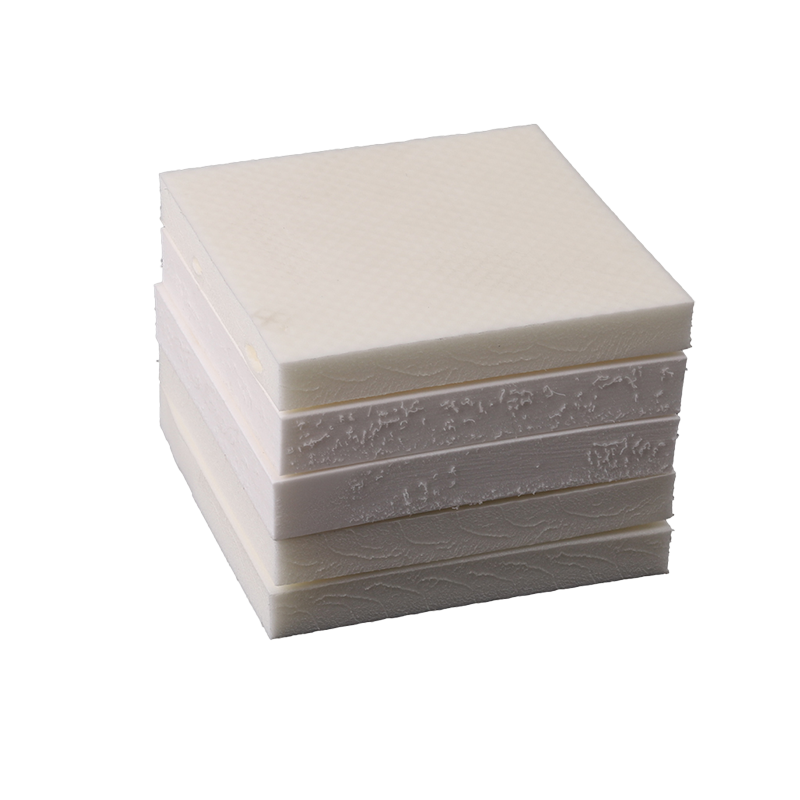
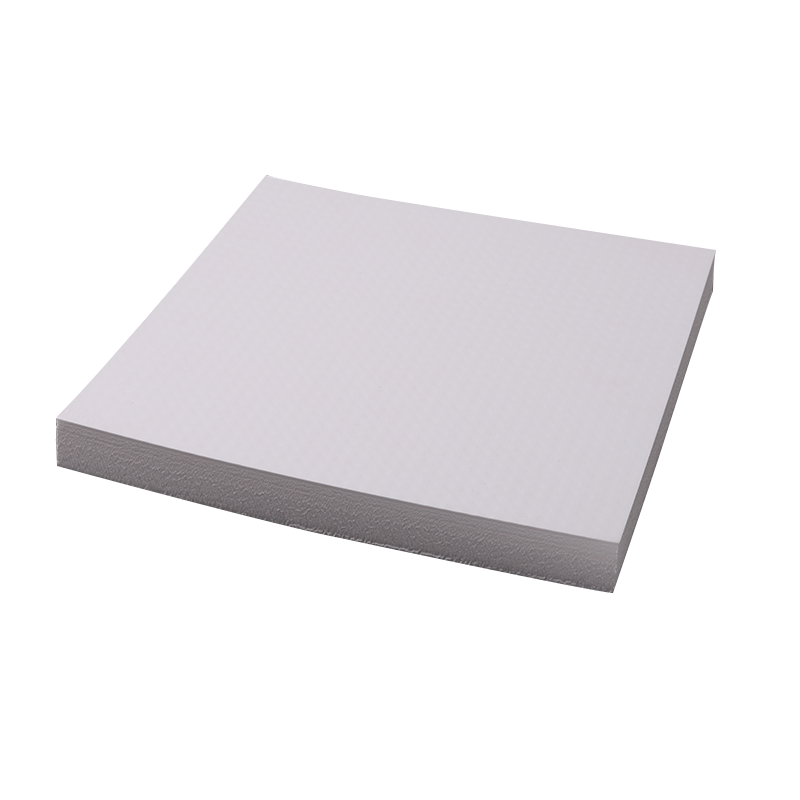
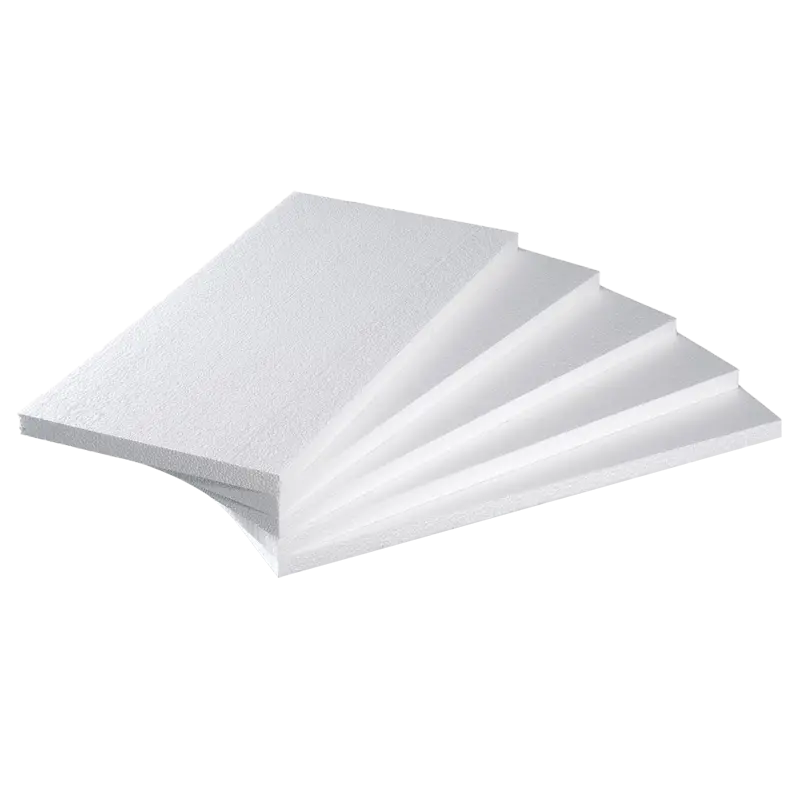
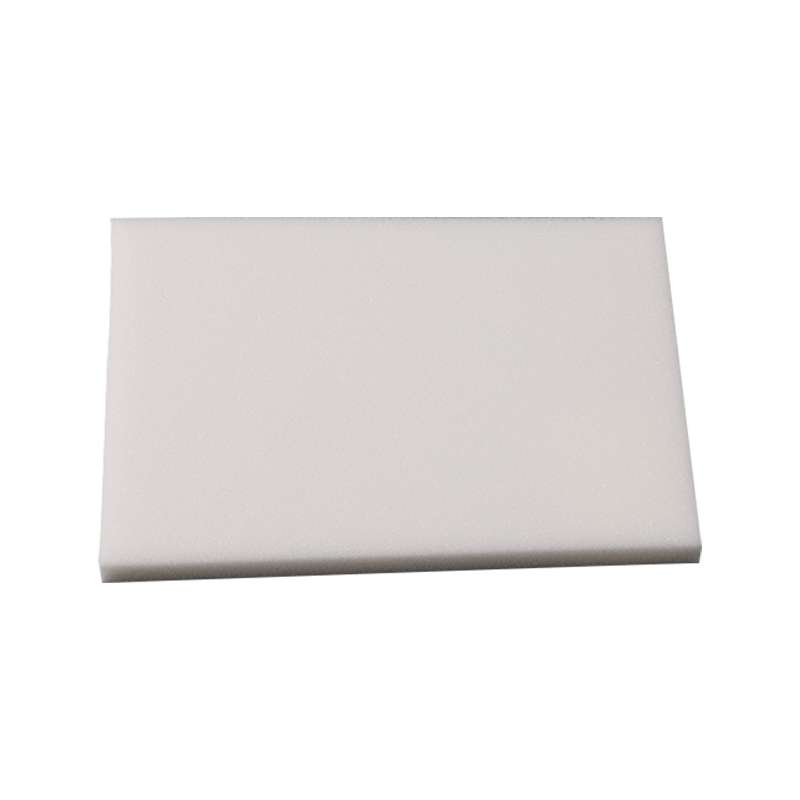
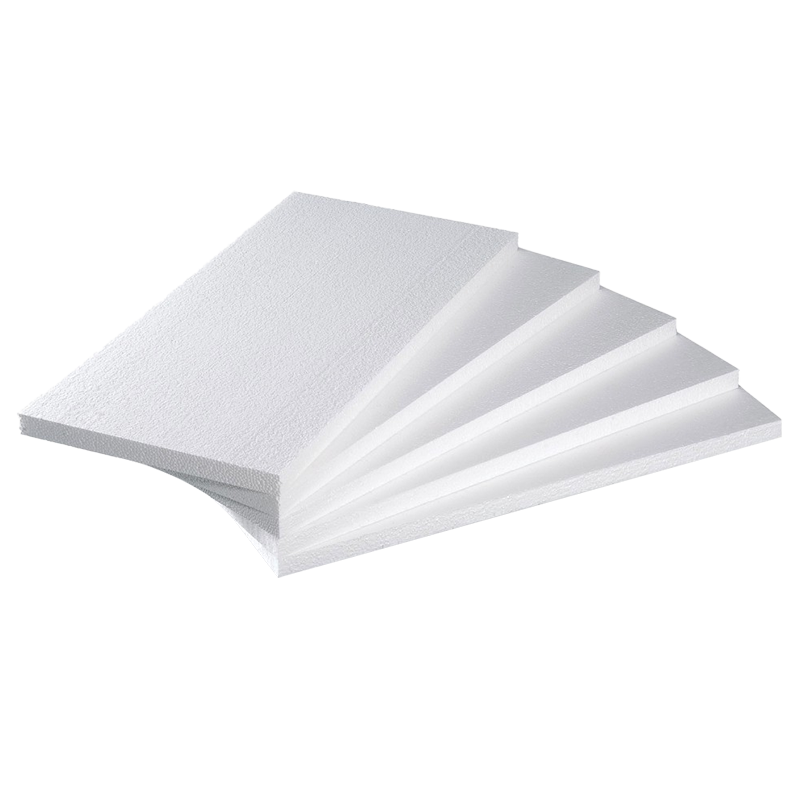
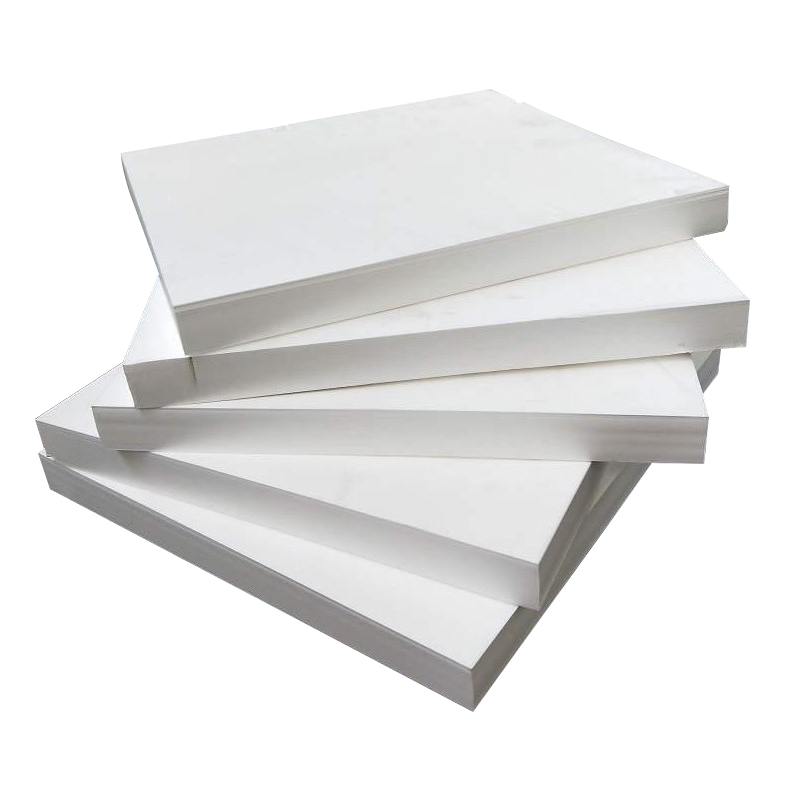
MPEBAX foam sheet is widely recognized for its unique combination of elasticity, lightweight properties, and durability, making it a material of choice in applications ranging from sports footwear to medical cushioning. However, like many polymeric foam materials, moisture absorption can influence the performance of MPEBAX foam sheet, particularly its dimensional stability.
The structure and properties of MPEBAX foam sheet
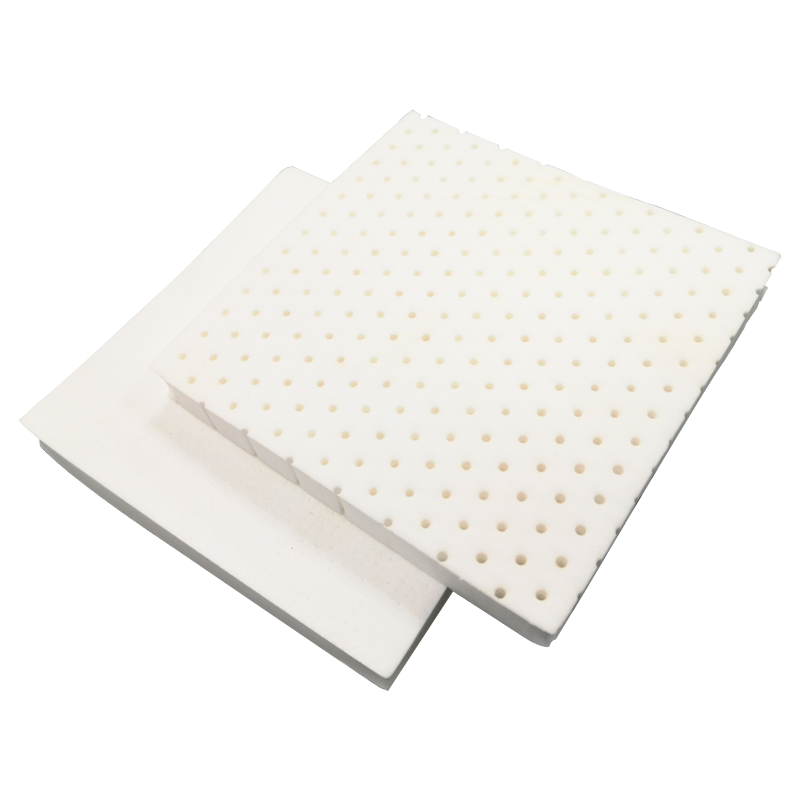
MPEBAX foam sheet is a block copolymer composed of polyether and polyamide segments. The polyether segments impart flexibility and elasticity, while the polyamide domains contribute strength and dimensional integrity. During the foaming process, the polymer undergoes microcellular expansion, resulting in a lightweight, resilient structure.
The microcellular network of MPEBAX foam sheet contains numerous interconnected or closed cells, which can interact with environmental moisture. While closed-cell structures generally provide better resistance to water uptake, MPEBAX foam sheet can still absorb moisture due to the hydrophilic nature of polyamide segments.
The foam’s physical characteristics—density, cell size, and porosity—directly affect its susceptibility to moisture absorption. Lower-density sheets with larger cells tend to absorb more water, while higher-density foam sheets with compact cells show better dimensional stability.
Mechanisms of moisture absorption in MPEBAX foam sheet
Moisture absorption in MPEBAX foam sheet occurs primarily through diffusion. Water molecules penetrate the polymer matrix and occupy free volume spaces within the foam. Several factors influence the extent of absorption:
- Polymer composition: The ratio of polyether to polyamide segments affects hydrophilicity. Polyamide-rich sheets tend to absorb more moisture due to the presence of polar amide groups.
- Cell structure: Open-cell foams allow water to enter more easily compared to closed-cell foams, which can restrict water ingress.
- Environmental conditions: High humidity, condensation, and direct water exposure accelerate moisture absorption.
- Foam thickness and density: Thicker and denser MPEBAX foam sheet generally exhibits slower water uptake but may still experience dimensional changes over time.
The absorption process is gradual, and the equilibrium moisture content is influenced by temperature and relative humidity. Over time, water molecules interact with the polymer chains, potentially affecting mechanical properties and shape retention.
Effects of moisture absorption on dimensional stability
Dimensional stability refers to the ability of a material to maintain its size and shape under varying environmental conditions. In MPEBAX foam sheet, moisture absorption can compromise dimensional stability in several ways:
- Swelling: Water molecules occupy spaces within the polymer matrix, causing expansion of the foam structure. Even minor swelling can affect precise applications such as molded shoe midsoles or medical padding.
- Softening and reduced stiffness: Moisture acts as a plasticizer, temporarily reducing intermolecular forces. This leads to decreased hardness and elasticity, which can alter the foam’s shape under stress.
- Long-term deformation: Repeated moisture cycles, especially in humid environments, can cause permanent deformation or creep in the foam sheet. This effect is more pronounced in lower-density or highly open-cell foams.
- Changes in bonding strength: For laminated or bonded assemblies, moisture-induced swelling may weaken adhesive interfaces, impacting overall structural integrity.
The consequences of dimensional instability are application-dependent. In sports footwear, for example, changes in foam thickness or density can affect cushioning performance and energy return. In medical applications, swelling or warping can compromise comfort and functional support.
Testing methods for moisture absorption and dimensional changes
Manufacturers and quality control teams employ standardized methods to assess moisture uptake and its effects on MPEBAX foam sheet. These tests provide critical data for predicting long-term performance:
Table 1: Common testing methods for MPEBAX foam sheet
| Test Type | Purpose | Description |
|---|---|---|
| Gravimetric water absorption | Measures moisture uptake | Foam samples are immersed or exposed to controlled humidity, then weighed over time to determine percentage water gain. |
| Dimensional change measurement | Assesses swelling | Foam length, width, and thickness are recorded before and after moisture exposure. |
| Dynamic mechanical analysis (DMA) | Evaluates mechanical property changes | Determines how stiffness, elasticity, and damping vary with moisture content. |
| Cyclic humidity testing | Simulates real-world conditions | Foam sheets are subjected to repeated wet/dry cycles to monitor dimensional recovery and permanent deformation. |
These tests help manufacturers establish moisture performance benchmarks for different grades of MPEBAX foam sheet and optimize formulations for specific applications.
Mitigation strategies to enhance dimensional stability
Several strategies are employed to minimize the impact of moisture absorption on MPEBAX foam sheet:
- Polymer modification: Adjusting the polyether/polyamide ratio or incorporating hydrophobic additives can reduce water uptake.
- Optimized foaming process: Achieving uniform closed-cell structures limits water penetration and improves dimensional stability.
- Surface coatings: Thin protective coatings or laminates can act as moisture barriers without significantly affecting flexibility or cushioning.
- Environmental conditioning: Preconditioning foam sheets in controlled humidity before application can stabilize dimensions and reduce long-term swelling.
- Material selection: For high-moisture environments, higher-density foam grades with minimal open-cell content are recommended.
By combining these strategies, manufacturers can produce MPEBAX foam sheet with superior dimensional stability, even under challenging environmental conditions.
Application-specific considerations
MPEBAX foam sheet is used in a variety of industries, each with unique moisture-related challenges:
- Footwear industry: Consistent cushioning performance requires foam that resists swelling in sweat-prone areas. Selecting a high-density, closed-cell foam helps maintain midsole thickness and energy return.
- Medical applications: Dimensional stability is crucial for pads and prosthetics, where swelling could compromise patient comfort or device function. Preconditioning and moisture-resistant grades are preferred.
- Sports equipment: Protective padding must retain shock absorption even after exposure to sweat or outdoor moisture. Foam sheets with controlled moisture uptake ensure consistent impact protection.
- Industrial insulation: In thermal or acoustic insulation, dimensional stability prevents gaps that could reduce effectiveness. Laminated or coated MPEBAX foam sheets provide additional protection.
Understanding these application-specific requirements allows buyers and designers to select foam sheets that meet both performance and environmental durability standards.
Factors influencing long-term moisture performance
The long-term behavior of MPEBAX foam sheet in moisture-rich environments depends on multiple factors:
- Material formulation: Different grades vary in polyamide content and cell structure, affecting equilibrium moisture content.
- Environmental exposure: Continuous humidity, water immersion, or fluctuating temperatures accelerate dimensional changes.
- Mechanical loading: Compressive or tensile forces during moisture exposure can exacerbate swelling or permanent deformation.
- Aging: Over time, polymer chains may relax or rearrange, influencing both moisture absorption kinetics and dimensional recovery.
Manufacturers often perform accelerated aging tests to predict long-term foam stability under realistic conditions, helping ensure reliable product performance for end-users.
Summary of best practices for buyers
Buyers seeking high-quality MPEBAX foam sheet should consider the following:
- Evaluate the density and cell structure appropriate for moisture exposure.
- Select grades with optimized polyether/polyamide ratios for reduced water uptake.
- Specify preconditioned or laminated sheets for applications requiring precise dimensional stability.
- Request moisture absorption and dimensional change data from suppliers to verify performance under expected environmental conditions.
- Factor in long-term cyclical moisture exposure in design and material selection.
By following these guidelines, buyers can ensure that MPEBAX foam sheet maintains consistent performance, durability, and shape, even under humid or wet conditions.
Conclusion
Moisture absorption significantly impacts the dimensional stability of MPEBAX foam sheet, influencing its swelling, mechanical properties, and long-term deformation. Understanding the foam’s microstructure, polymer composition, and environmental interactions allows manufacturers and buyers to select, produce, and utilize foam sheets with reliable performance.
Through careful material formulation, process optimization, and protective strategies, it is possible to mitigate the adverse effects of moisture and achieve high dimensional stability in MPEBAX foam sheet. These insights are essential for applications in footwear, medical devices, sports equipment, and industrial insulation, ensuring that foam maintains its shape, function, and durability over time.
By emphasizing quality control, material selection, and environmental testing, stakeholders can fully leverage the benefits of MPEBAX foam sheet while minimizing risks associated with moisture absorption.
 ++86-0512-66079229