
 English
 Español

Home / News / What European Buyers Actually Look For in Eco-Friendly Packaging Compliance: A Comprehensive Compliance Guide
The European packaging industry is undergoing a significant transformation. With the EU Green Deal pushing organizations toward sustainability, European buyers have become increasingly discerning about packaging materials. They are no longer satisfied with generic "green" claims. Instead, they demand transparency, regulatory compliance, and measurable environmental impact. This shift has made understanding buyer expectations not just beneficial—it is essential for suppliers and manufacturers.
Modern packaging decisions are now driven by a confluence of regulatory requirements, consumer preferences, and corporate sustainability commitments. European procurement departments have become expert evaluators of packaging materials, scrutinizing everything from material composition to end-of-life recyclability. The evolution of these expectations reflects a broader maturation of the sustainable packaging market across Europe.
The Evolving Regulatory Landscape for Packaging Materials
Understanding the regulatory framework is fundamental to comprehending what European buyers prioritize. The EU has established one of the world's most comprehensive packaging regulations, and this framework continues to evolve at a rapid pace.
EU Packaging and Packaging Waste Directive
The foundational legislation governing packaging materials across Europe is the Packaging and Packaging Waste Directive (94/62/EC). This directive sets minimum requirements for packaging composition, reusability, and recyclability. More importantly, it establishes the Extended Producer Responsibility (EPR) principle, which holds manufacturers accountable for the entire lifecycle of their packaging.
European buyers are increasingly asking suppliers: Can you demonstrate that your packaging meets the EPR requirements in your country of operation? This question reflects a fundamental shift in responsibility allocation. Suppliers must now provide documentation proving compliance, not just general statements about sustainability.
Single-Use Plastics Directive and its Implications
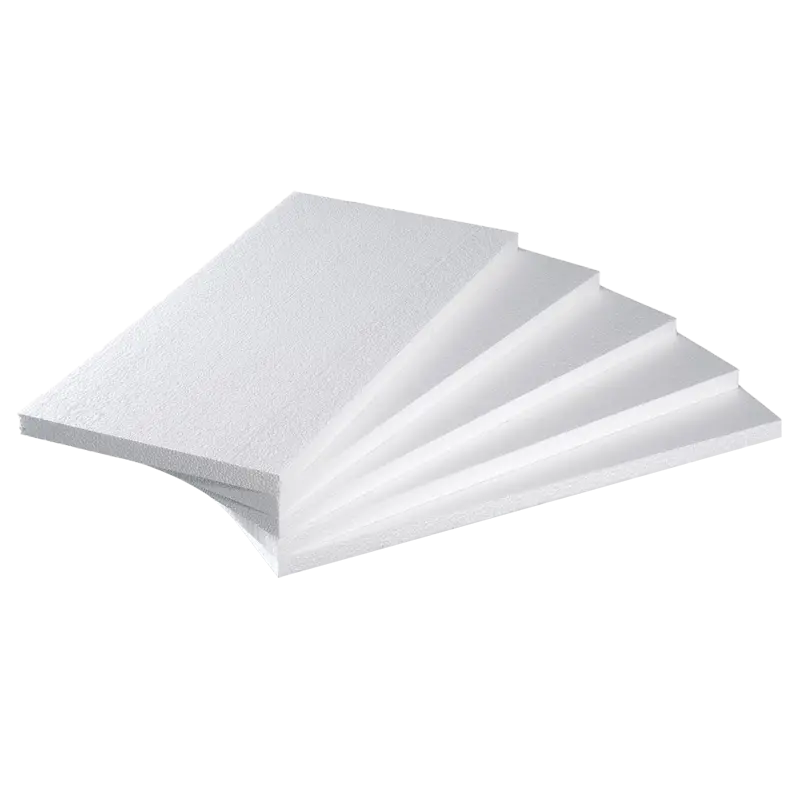
The Single-Use Plastics Directive (SUP Directive), implemented in 2021, has eliminated or severely restricted specific plastic products. For packaging manufacturers, this means certain lightweight plastic films, expanded polystyrene (EPS) products, and other single-use items are no longer acceptable solutions. European buyers now automatically screen out packaging options that violate these restrictions.
The directive's most significant impact has been the push toward material alternatives. This is where advanced foam solutions become particularly relevant, as they offer viable replacements for traditional plastic foams while meeting the strict environmental criteria that procurement departments now mandate.
The EU Green Deal and Circular Economy Action Plan
The EU Green Deal represents perhaps the most ambitious environmental policy framework globally. It commits the European Union to achieving climate neutrality by 2050 and requires the Circular Economy Action Plan to be integrated into all sector-specific policies—including packaging.
Under this framework, European buyers evaluate packaging through a circular economy lens. They ask: Can this material be recovered, recycled, or composted at scale? Is it designed for disassembly and material separation? These questions drive procurement decisions far more than price considerations alone.
What European Buyers Actually Evaluate: The Selection Criteria
When European procurement departments assess packaging materials, they operate with a structured evaluation framework. Understanding this framework is crucial for suppliers seeking to meet buyer expectations.
Material Composition and Transparency
The first criterion European buyers examine is complete transparency regarding material composition. This goes far beyond listing the primary material. Buyers now demand detailed information about:
- Primary constituent materials and their percentages
- All additives, including processing aids and flame retardants
- Heavy metal content and whether substances of very high concern (SVHC) are present
- Recyclability of each component and potential contamination issues
For foam packaging solutions specifically, European buyers scrutinize the blowing agent composition. This is where advanced manufacturing technologies become differentiators. Supercritical CO2 foaming technology, for instance, represents a clear advantage because it eliminates the need for chemical blowing agents that might persist in recycling streams or release volatile organic compounds (VOCs).
Regulatory Compliance Documentation
European procurement teams now maintain compliance matrices for each supplier and material type. They require:
- Certification of compliance with the Packaging Directive requirements
- Proof of adherence to national recycling collection standards
- Test reports confirming recyclability or biodegradability claims
- SVHC declarations and compliance with REACH regulations
- Food contact material certifications (if applicable)
Suppliers lacking this documentation face automatic disqualification, regardless of how competitive their pricing might be. European buyers operate under the principle of "verification first, negotiation second."
Environmental Impact Metrics
Modern European buyers now assess packaging through life cycle assessment (LCA) frameworks, though not all conduct full LCAs internally. Instead, they evaluate:
Carbon Footprint
Manufacturing emissions and shipping-related emissions per unit
Recycled Content
Percentage of post-consumer or post-industrial recycled materials
Recyclability Rate
Documented evidence of actual recycling rates in target markets
Biodegradability
Third-party certification if biodegradability is claimed
The critical distinction here is that European buyers no longer accept theoretical environmental benefits. They demand verified, documented, and traceable evidence of environmental performance.
Supplier Sustainability Commitment
Beyond the material itself, European buyers evaluate suppliers based on their organizational commitment to sustainability. This includes:
- Published sustainability goals and progress reports
- Investment in renewable energy or waste reduction programs
- Third-party certifications (ISO 14001, ISO 50001, etc.)
- Supply chain transparency and ethical sourcing practices
Procurement departments often use these criteria to differentiate between suppliers offering similar products. A supplier with demonstrated organizational commitment frequently wins contracts over competitors with marginally lower prices.
MPP Foam Sheet and Advanced Foam Technologies: Meeting Buyer Expectations
Advanced foam packaging solutions have emerged as key technologies for meeting the stringent requirements of European buyers. These materials address the specific pain points that drive procurement decisions.
Understanding MPP Foam Sheet Advantages
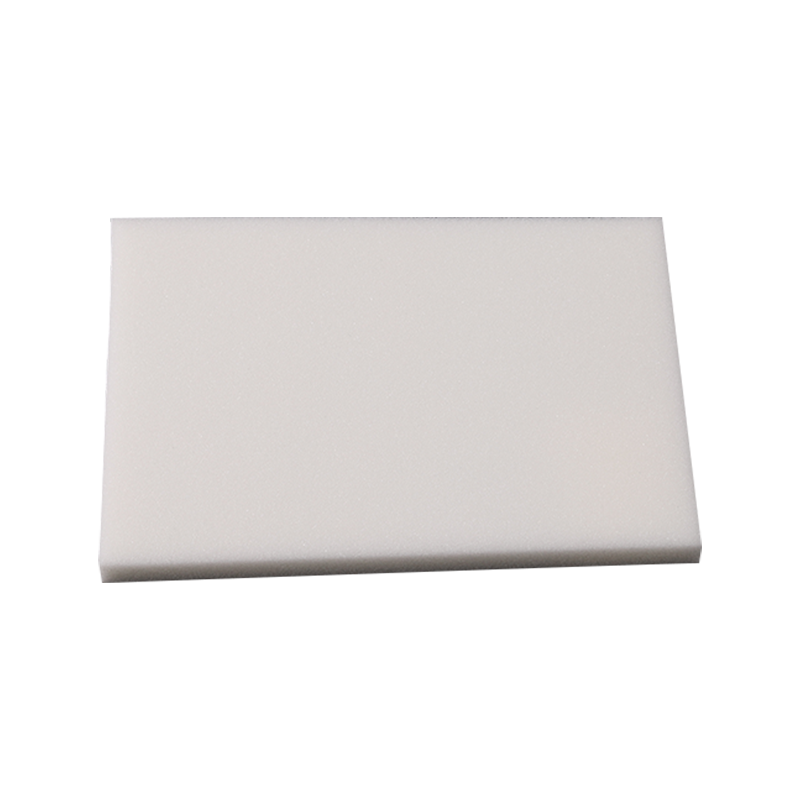
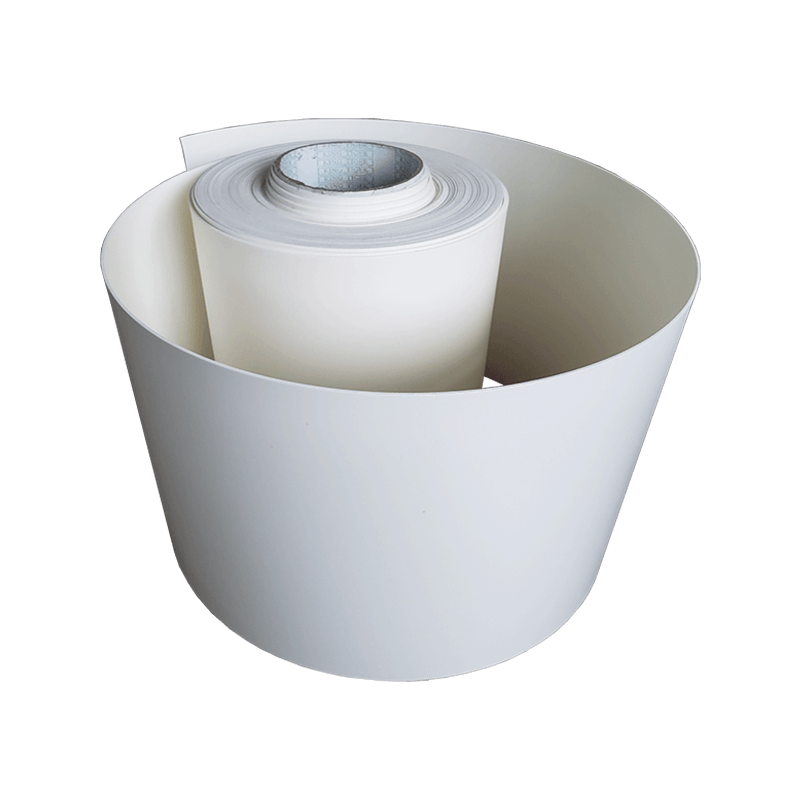
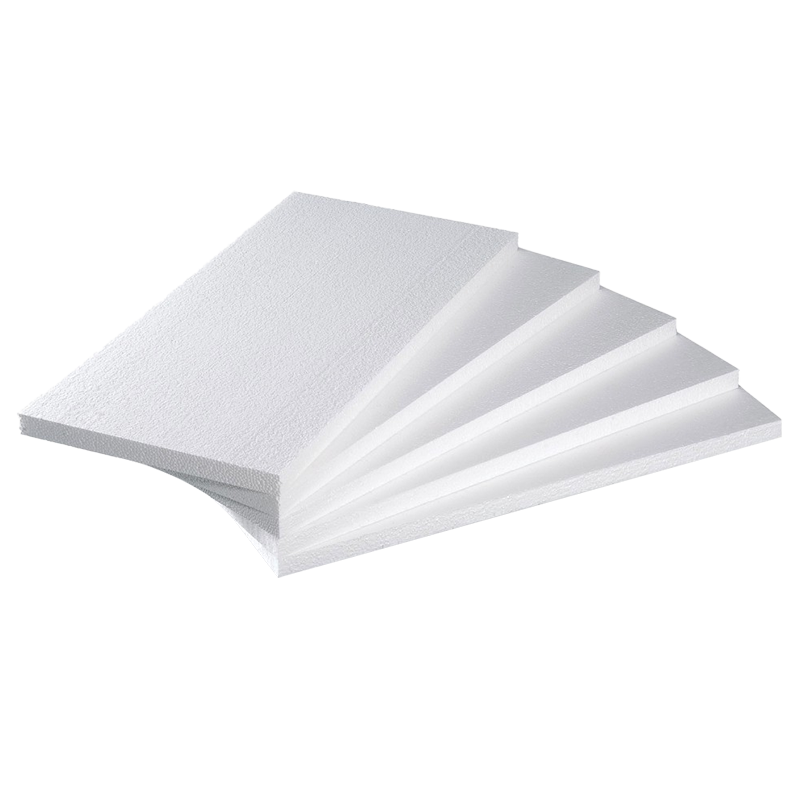
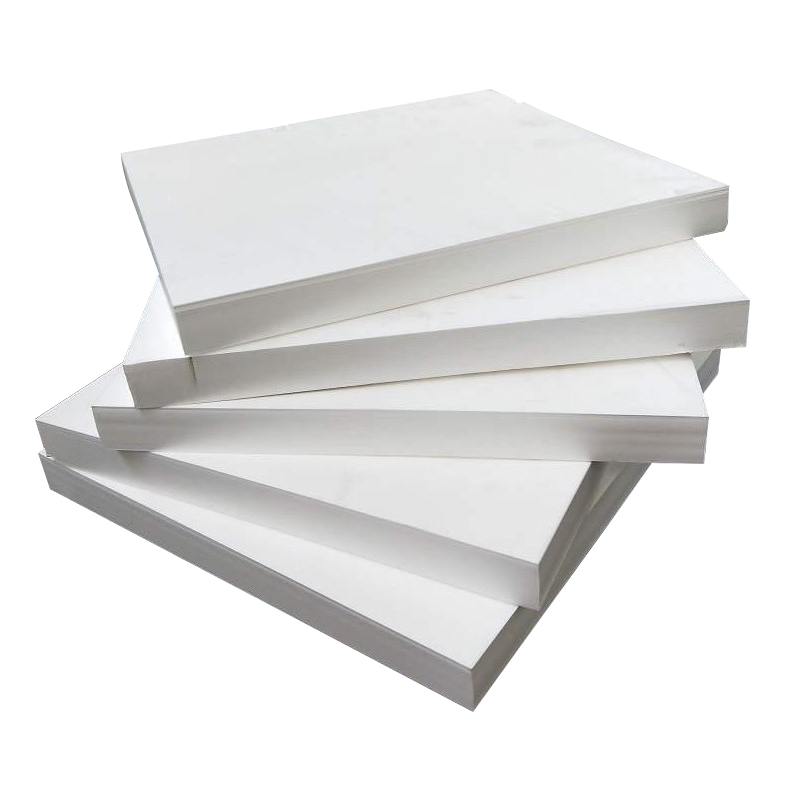
Molded pulp-based (MPP) and related advanced foam products represent a category of packaging materials specifically engineered to align with European buyer priorities. MPP Foam Sheet technology offers several characteristics that directly address buyer requirements:
Zero VOC Emissions
Manufacturing processes that eliminate volatile organic compound release, ensuring workplace safety and environmental compliance
Recyclable Composition
Material structure that integrates seamlessly into existing paper and fiber recycling streams across Europe
Reduced Carbon Footprint
Manufacturing processes optimized for lower energy consumption compared to traditional plastics
Biodegradable Options
Variants that fully biodegrade in composting facilities across European member states
Supercritical CO2 Foaming Technology
One of the most significant technological advances in foam manufacturing is supercritical CO2 foaming. This process represents a fundamental shift in how foam materials can be produced while meeting environmental standards.
Traditional foam manufacturing relied on chemical blowing agents that could potentially persist in the environment or create processing difficulties during recycling. Supercritical CO2 foaming eliminates this concern entirely. The technology uses carbon dioxide under specific pressure and temperature conditions to create cellular foam structures, then releases the CO2 into the atmosphere—a benign endpoint that European regulators view favorably.
European buyers recognize supercritical CO2 foaming as evidence of technological sophistication. It signals that a supplier has invested in modern manufacturing infrastructure specifically designed to meet contemporary environmental standards. This recognition often translates into procurement preference, as it reduces regulatory risk for the buyer.
Comparative Analysis of Foam Solution Performance
| Material Type | Recyclability | VOC Profile | Biodegradable | Carbon Footprint |
|---|---|---|---|---|
| Traditional EPS | Limited | High | No | Moderate |
| PE Foam | Moderate | Moderate | No | Moderate-High |
| Advanced MPP Foam | Excellent | Zero/Very Low | Yes | Low |
How European Buyers Make Final Packaging Decisions
The decision-making process for packaging materials in Europe has become increasingly systematic and data-driven. Understanding this process helps suppliers position their offerings effectively.
The Multi-Stage Evaluation Process
Stage 1: Regulatory Screening
The process begins with regulatory screening. Materials or suppliers that fail to meet baseline EU requirements are eliminated immediately. European buyers cannot afford regulatory risk, and materials with questionable compliance status are rejected without further consideration.
This stage typically involves checking whether the material is on any EU restriction lists, whether it complies with the Packaging Directive, and whether it meets country-specific requirements in target markets. The screening is often automated through compliance management systems that many larger European companies now operate.
Stage 2: Technical Assessment
Materials that pass regulatory screening advance to technical assessment. At this stage, procurement teams evaluate whether the material can actually function for its intended application. They assess factors such as cushioning performance, temperature resistance, barrier properties, and production compatibility with existing equipment.
Suppliers that can demonstrate superior technical performance while maintaining compliance gain competitive advantage. This is particularly relevant for foam solutions, where advanced engineering can deliver better protective properties with less material—a combination that appeals to both performance and sustainability-focused buyers.
Stage 3: Environmental Validation
Environmental validation represents perhaps the most rigorous stage. European buyers now compare packaging options using standardized environmental assessment frameworks. They examine carbon footprint data, recycled content percentages, recyclability verification, and end-of-life scenario analysis.
Suppliers with transparent environmental claims and third-party verification significantly strengthen their position at this stage. Environmental Product Declarations (EPDs) and similar certification documents are increasingly required for serious procurement consideration.
Stage 4: Final Selection and Implementation
The final stage involves selecting materials and suppliers that best balance all evaluation criteria. At this point, price becomes relevant again, but only among qualified suppliers. Suppliers lacking compliance documentation rarely get to negotiate on price—they are simply disqualified.
Implementation also involves establishing quality assurance processes, defining sustainability performance metrics, and committing to ongoing compliance monitoring. Suppliers that clearly communicate their ability to support these requirements gain advantage in final negotiations.
Real-World Scenarios: What Buyers Prioritize in Different Industries
European buyer expectations for packaging vary somewhat by industry, though sustainability and compliance remain universal priorities. Understanding these variations helps suppliers position their offerings appropriately.
Electronics and Fragile Goods
In electronics packaging, European buyers prioritize protective performance alongside environmental compliance. They evaluate whether foam cushioning materials can reliably protect sensitive components during transport while maintaining recyclability. The integration of advanced foam technologies that deliver superior cushioning with lower material usage appeals particularly to this sector.
Key Concern: Ensuring that foam products do not outgas contaminants that could affect product quality, and that the foam material is genuinely recoverable after use.
Food and Beverage Packaging
Food sector buyers maintain the strictest compliance requirements, as they must ensure packaging materials do not migrate harmful substances into food products. EU food contact material regulations are particularly stringent, and buyers require comprehensive migration test reports for all packaging materials in contact with food.
Key Concern: Increasingly, food sector buyers face consumer expectations for sustainable packaging, driving preferences toward materials with clear environmental benefits and certifications.
E-commerce and Logistics
The explosive growth of e-commerce across Europe has created new buyer priorities in the logistics sector. Speed of delivery requires protective packaging that can withstand multiple handling events. Simultaneously, logistics companies face regulatory pressure to reduce packaging waste in urban areas.
Key Concern: Foam solutions that balance protection with weight reduction and recyclability are particularly attractive. Buyers evaluate whether materials can be efficiently recovered from return streams.
Emerging Trends and Future Buyer Expectations
European buyer expectations continue to evolve. Understanding emerging trends helps suppliers anticipate future requirements and position themselves as forward-thinking partners rather than reactive suppliers.
Digital Product Passports and Traceability
The EU is developing digital product passport requirements that will enable tracking of packaging materials throughout their lifecycle. This emerging standard will require suppliers to provide machine-readable data about material composition, recyclability instructions, and environmental performance metrics.
Suppliers that invest in traceability systems and digital documentation now will be well-positioned when these requirements become mandatory. European buyers increasingly view digital transparency as a competitive differentiator.
Verified Recycled Content Standards
While recycled content is already a buyer priority, future expectations will likely focus on verified recycled content with documented chain of custody. Mass balance accounting methods—while currently accepted—are gradually being replaced by more stringent verification protocols.
Suppliers that establish certified recycling partnerships and can demonstrate actual post-consumer recovery rates will gain significant competitive advantage as standards tighten.
Circular Design Principles
Design for circularity is moving from a nice-to-have consideration to a baseline expectation. European buyers increasingly require that packaging be explicitly designed for recovery and reuse, not merely recyclable in theory.
This means packaging must be designed for easy material separation, must not contain mixed materials that complicate recycling, and should minimize contamination risk during recovery processes. Suppliers demonstrating sophisticated circular design thinking gain favor with procurement teams.
Supply Chain Decarbonization
Beyond the packaging material itself, European buyers increasingly scrutinize the entire supply chain carbon footprint. This includes raw material sourcing, manufacturing, transportation, and end-of-life processing. Suppliers demonstrating supply chain decarbonization efforts—renewable energy adoption, logistics optimization, supplier emissions management—strengthen their competitive position.
Strategic Recommendations for Suppliers Targeting European Buyers
1
Develop Comprehensive Compliance Documentation
The single most important investment suppliers can make is developing detailed, accurate compliance documentation. This should include certification of compliance with relevant EU directives, technical test reports supporting environmental claims, and detailed material composition information. Suppliers that have this documentation ready reduce buyer friction and accelerate sales cycles significantly.
2
Pursue Relevant Third-Party Certifications
Third-party certifications provide independent verification of claims and reduce perceived risk for European buyers. Relevant certifications include environmental product declarations (EPDs), recycling certifications, and food contact material approvals where applicable. The investment in certification often pays dividends through faster purchasing decisions.
3
Build Transparency into Business Operations
European buyers increasingly view transparency as a proxy for reliability. Publishing sustainability reports, openly discussing supply chain practices, and regularly updating documentation demonstrates maturity and professionalism. Suppliers that embrace transparency gain trust and often command price premiums as a result.
4
Invest in Modern Manufacturing Technology
Manufacturing technologies like supercritical CO2 foaming demonstrate commitment to meeting contemporary environmental standards. These technologies often become discussion points in buyer conversations and signals that suppliers understand future regulatory directions. The investment in modern technology often pays dividends through improved negotiating position.
5
Establish Dedicated Sustainability Communications
European buyers are increasingly sophisticated in their evaluation of sustainability communications. Generic green claims fail to impress. Instead, detailed, specific information about environmental performance—with supporting data—demonstrates genuine commitment. Suppliers that invest in sustainability communications tailored to buyer audiences achieve better results.
Frequently Asked Questions
Q1: What is the most critical requirement for packaging materials in the European market?
Regulatory compliance is the most critical requirement. European buyers automatically eliminate materials that do not clearly demonstrate compliance with relevant EU directives. All other evaluation criteria are secondary to meeting baseline regulatory requirements. This means suppliers must have complete documentation confirming compliance before engaging in serious commercial discussions.
Q2: How do European buyers verify environmental claims about packaging materials?
Verification methods include requesting third-party certifications, conducting life cycle assessments, reviewing test reports from accredited laboratories, and evaluating supplier sustainability reports. European buyers increasingly require documented evidence rather than accepting claims at face value. Suppliers without verification mechanisms face skepticism and reduced purchasing likelihood.
Q3: What role does recycled content play in European buyer decisions?
Recycled content is an increasingly important evaluation criterion, though buyers distinguish between post-consumer and post-industrial recycled material. Post-consumer recycled content is generally more valued as it demonstrates actual participation in circular economy systems. However, documented, verified recycled content is significantly more valuable than unverified claims.
Q4: Are European buyers willing to pay premium prices for sustainable packaging?
Yes, but only for materials that deliver clear environmental benefits with proper documentation. European buyers view sustainable packaging as an investment in regulatory compliance and brand protection rather than a pure cost center. Materials offering both superior environmental performance and documented lifecycle benefits command price premiums.
Q5: How important is supplier sustainability commitment beyond the material itself?
Increasingly important. European buyers evaluate suppliers as partners in sustainability initiatives, not merely as material vendors. Suppliers demonstrating organizational commitment to sustainability—through published goals, third-party certifications, and transparent operations—gain significant competitive advantage and often qualify for preferred supplier status.
Q6: What is supercritical CO2 foaming and why do European buyers prefer it?
Supercritical CO2 foaming is a manufacturing process that uses carbon dioxide under specific conditions to create foam structures without chemical blowing agents. European buyers prefer it because it eliminates VOC emissions, demonstrates technological sophistication, reduces environmental impact, and aligns with regulatory trends. The technology signals supplier commitment to advanced, environmentally-conscious manufacturing.
Q7: How much advance notice should suppliers provide for regulatory compliance changes?
European buyers increasingly require that suppliers provide advance notice of any regulatory compliance changes affecting their materials. Ideally, suppliers should provide documentation addressing upcoming regulatory requirements before they become mandatory. Proactive communication about future compliance significantly strengthens buyer relationships.
Q8: What is the timeframe for packaging material qualification in European companies?
Material qualification typically takes 3-6 months for straightforward materials with complete compliance documentation. Materials lacking proper documentation can take significantly longer or face outright rejection. Suppliers accelerate qualification by providing comprehensive documentation upfront and being responsive to buyer technical questions.
 ++86-0512-66079229