
 English
 Español

Home / News / What is MPP foam and why is it used in EV battery thermal management?
Introduction to MPP Foam and Its Relevance to Electric Vehicle Industry
The global electric vehicle (EV) market has experienced unprecedented growth over the past decade, driven by global decarbonization goals, governmental regulatory policies, and increasing consumer demand for sustainable transportation. As the core component of electric vehicles, the traction battery system directly determines vehicle performance, safety, service life, and user experience. Thermal management has become one of the most critical technical challenges in EV battery design, manufacturing, and operation, as temperature fluctuations directly impact battery efficiency, charging speed, cycle life, and safety performance.
Advanced thermal interface materials and thermal insulation materials are essential for building reliable battery thermal management systems. Among these materials, modified polypropylene (MPP) foam stands out as a high-performance solution widely adopted by automotive engineering teams and battery manufacturers worldwide. MPP Foam Sheet is a specialized cellular material engineered with tailored physical and chemical properties to address the unique thermal challenges of modern lithium-ion battery packs used in passenger electric vehicles, commercial EVs, and energy storage systems.
For B2B buyers in the automotive supply chain, battery manufacturing sector, and new energy industry, understanding the material characteristics, processing advantages, safety performance, and application value of MPP foam sheet is critical for material selection, product design optimization, cost control, and compliance with industry safety standards. This article provides a comprehensive analysis of MPP foam, focusing on its material fundamentals, key properties, functional advantages, and specific applications in EV battery thermal management systems to support professional procurement and engineering decision-making.
Unlike general-purpose foam materials used in packaging or construction, MPP foam sheet is manufactured through precision foaming technology and material modification processes to meet the strict requirements of automotive-grade applications. It integrates thermal insulation, shock absorption, flame retardancy, lightweight performance, and chemical stability in a single material, making it irreplaceable in the structural design of new energy vehicle batteries.
Fundamental Definition and Manufacturing Basics of MPP Foam
What Is MPP Foam?
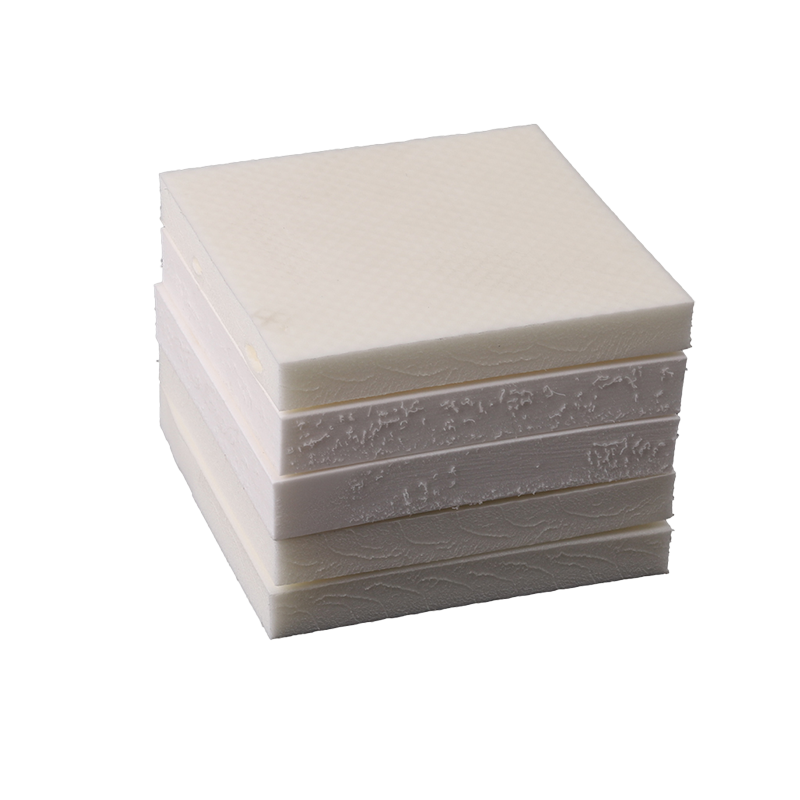
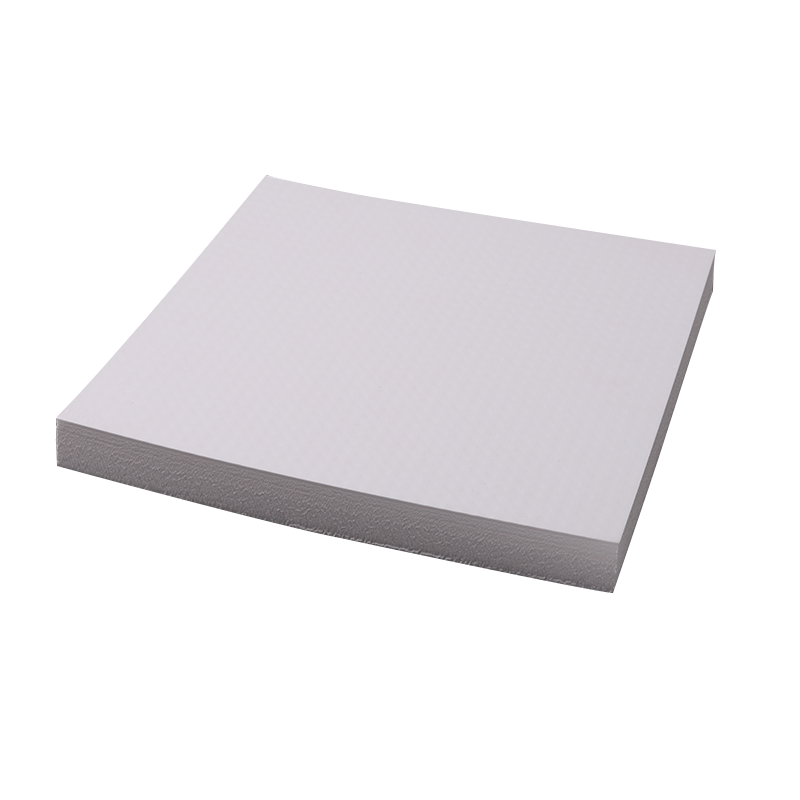
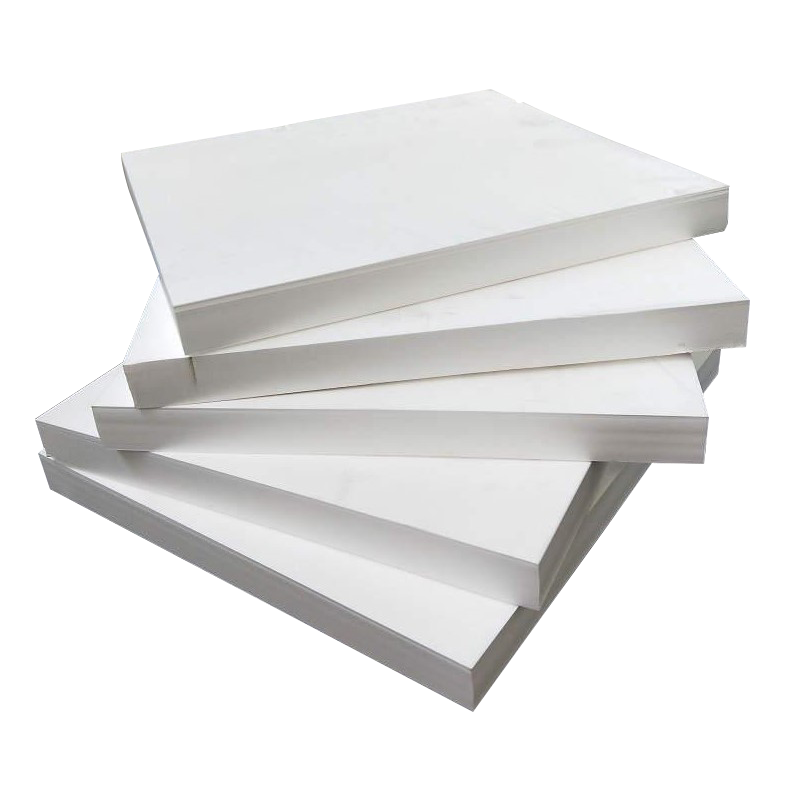
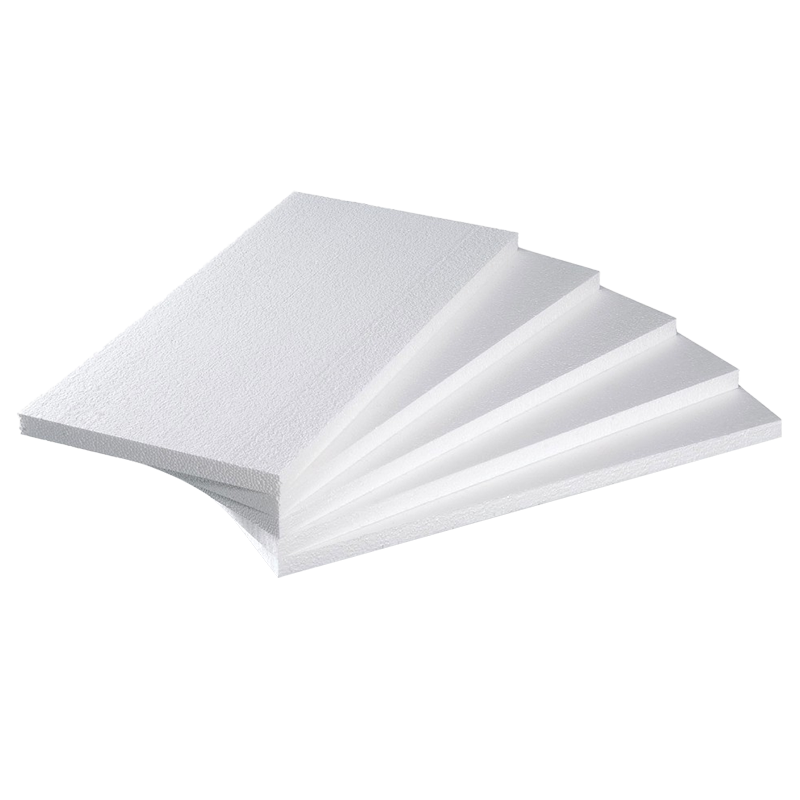
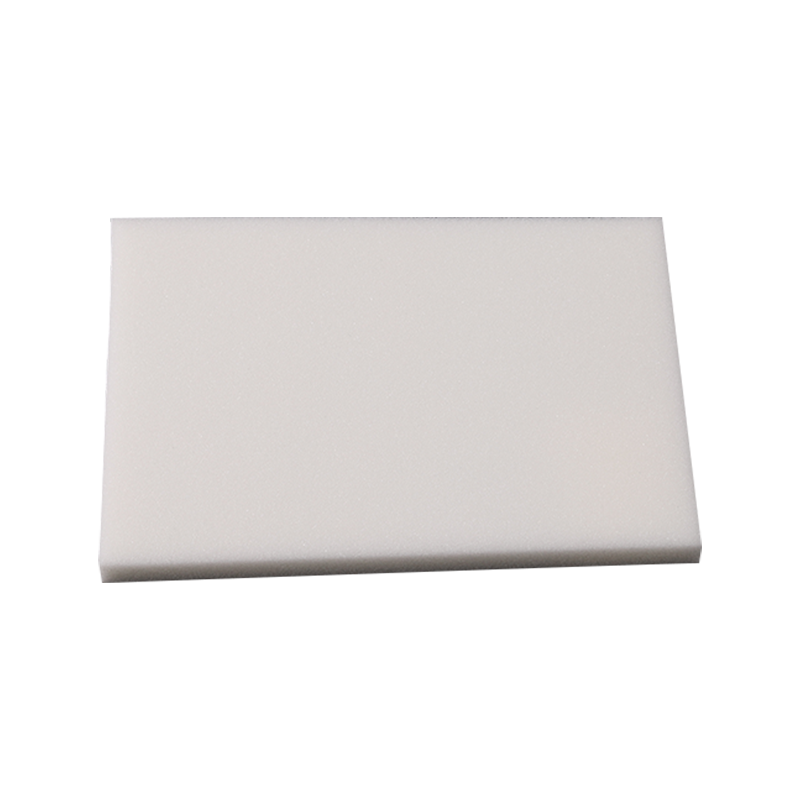
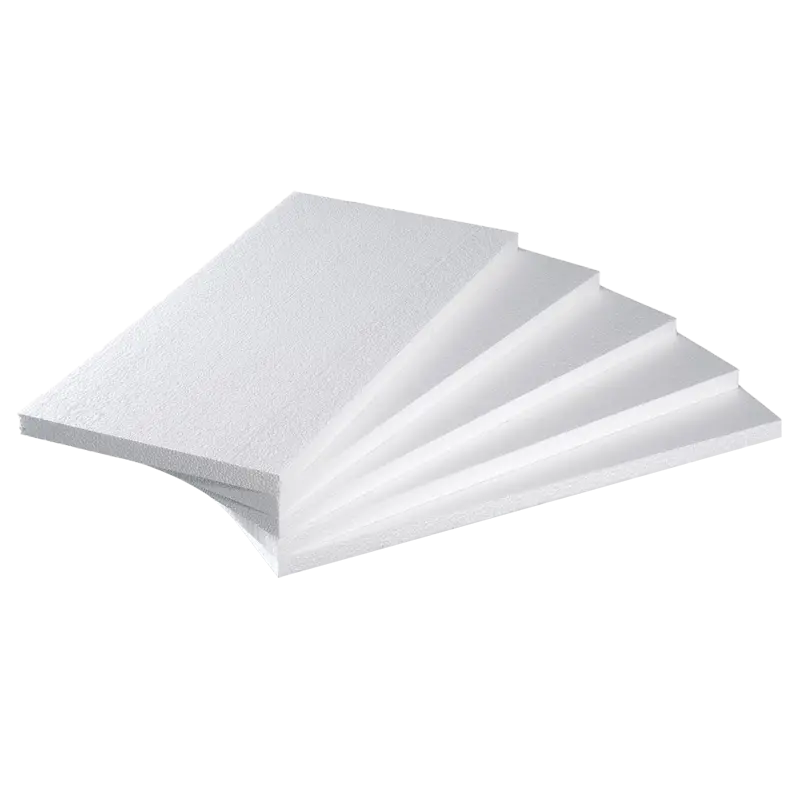
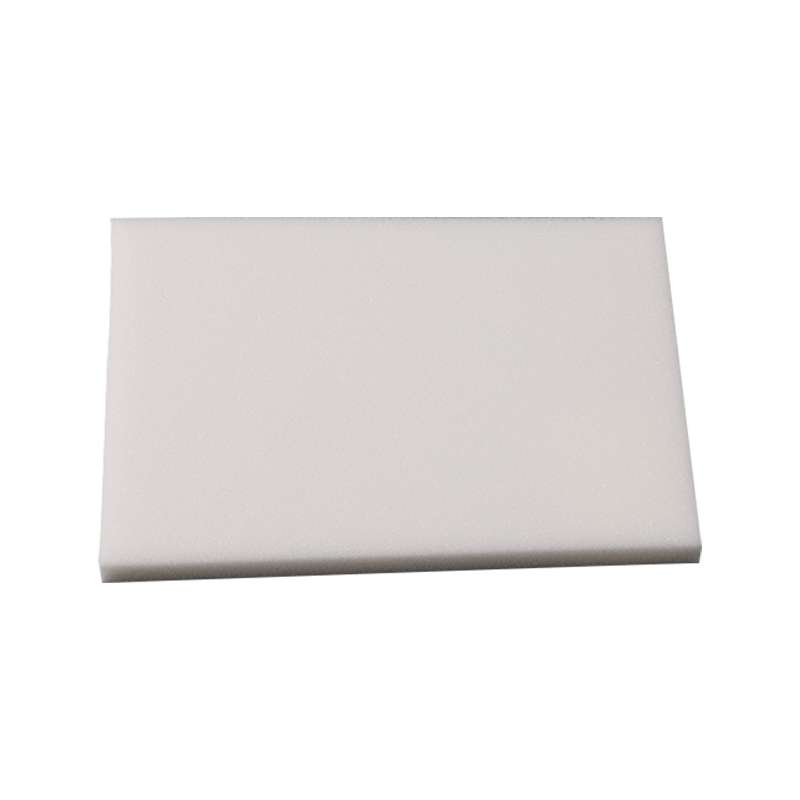
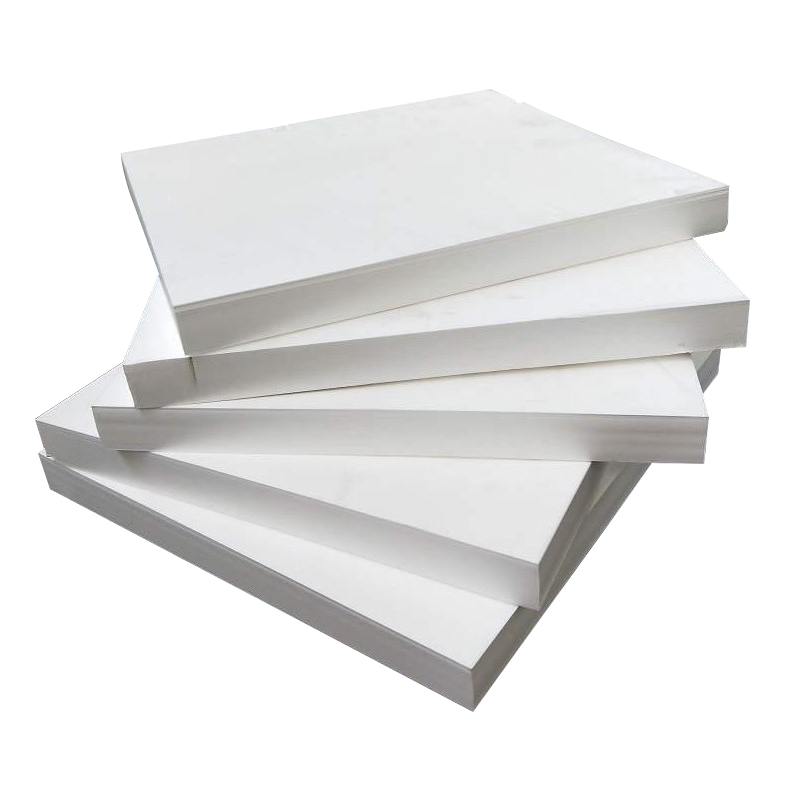
MPP foam refers to modified polypropylene foam, a high-performance polymer cellular material formed by introducing modification components and foaming agents into polypropylene resin through professional processing technology. The material features a closed-cell or semi-closed-cell internal structure, which provides excellent physical stability and functional performance for industrial applications. MPP foam sheet is the standardized sheet product formed by precision calendering, cutting, and molding of MPP foam materials, suitable for large-scale industrial processing and assembly.
The modification technology applied in MPP foam is the core factor that distinguishes it from traditional polypropylene foam. Through physical and chemical modification methods, the material’s heat resistance, flame retardancy, mechanical strength, and dimensional stability are significantly improved, enabling it to adapt to the complex and harsh operating environment inside EV battery packs. This targeted modification makes MPP foam sheet fully compliant with automotive industry standards and battery safety specifications.
Core Manufacturing Processes of MPP Foam Sheet
The production of high-quality MPP foam sheet involves multiple precision processing steps, each directly affecting the final performance of the material. The main manufacturing processes include the following stages:
- Raw material purification and modification: Polypropylene resin is mixed with special modifiers, flame retardants, and foaming additives in precise proportions to enhance material performance.
- Melt extrusion: The mixed raw materials are heated and melted in an extruder to form a uniform polymer melt with stable fluidity.
- Foaming forming: The melt is injected with a foaming agent and rapidly cooled to form a uniform internal cellular structure, controlling cell size and density.
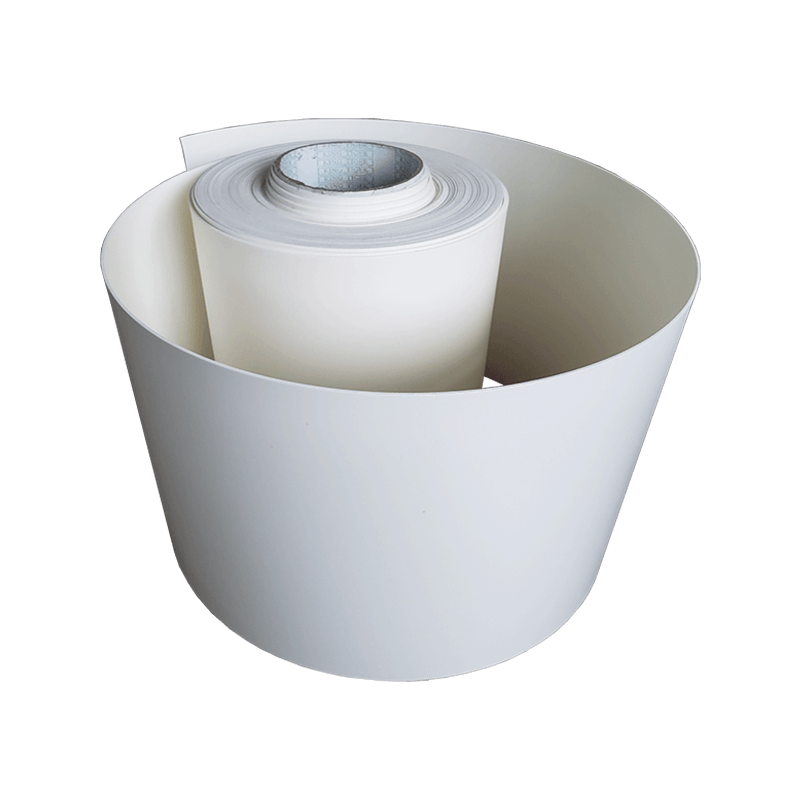
- Calendering and shaping: The foamed material is calendered into sheets of specified thickness and width to ensure flatness and dimensional accuracy.
- Slicing and post-processing: The continuous foam sheet is cut to standard sizes and subjected to surface treatment to improve bonding and assembly performance.
- Quality inspection and certification: Each batch of products undergoes performance testing to ensure compliance with automotive-grade material standards.
Advanced manufacturing lines can produce MPP foam sheet with thickness ranging from 1mm to 50mm and density controlled between 30kg/m³ to 300kg/m³, providing customizable options for different battery thermal management design requirements. The fully automated production process ensures consistent product performance, stable quality, and suitability for large-scale industrial procurement and automated production line applications.
Key Physical and Chemical Properties of MPP Foam Sheet
Thermal Performance Parameters
Thermal performance is the most critical property of MPP foam sheet for EV battery applications. The material exhibits excellent low thermal conductivity, with a stable thermal conductivity coefficient of 0.035 to 0.045 W/(m·K) at room temperature, making it highly efficient in isolating heat transfer and maintaining temperature stability within battery modules.
MPP foam sheet maintains stable performance in a wide operating temperature range from -40°C to 120°C, without deformation, cracking, or performance degradation. This wide temperature adaptability allows it to work reliably in extreme cold environments, high-temperature operating conditions, and during fast charging processes of EV batteries.
The material also features excellent thermal shock resistance, maintaining structural integrity and functional stability after repeated temperature cycling tests. This characteristic is essential for long-term service in electric vehicle batteries, which experience frequent temperature changes during daily charging and discharging operations.
Mechanical Properties and Structural Stability
MPP foam sheet offers outstanding mechanical properties suitable for automotive structural applications. It has excellent compression resistance, with a compression deformation rate of less than 10% under long-term pressure loading, ensuring stable support for battery modules throughout the vehicle's service life.
The material exhibits superior shock absorption and cushioning performance, effectively absorbing vibration and impact energy generated during vehicle operation. This protects internal battery cells and electrical components from mechanical damage, enhancing overall battery system reliability and safety.
Dimensional stability is another key advantage of MPP foam sheet. The material shows minimal shrinkage or expansion under different environmental conditions, with a dimensional change rate of less than ±1% after high-temperature and low-temperature exposure tests. This ensures precise fit during battery assembly and long-term operational stability.
Flame Retardancy and Safety Characteristics
Safety is the top priority in EV battery design, and MPP foam sheet meets strict automotive flame retardancy standards. The material achieves a flame retardant rating of UL94 V-0, the highest level for polymer foam materials, meaning it self-extinguishes immediately after ignition without dripping or supporting combustion.
MPP foam sheet produces minimal smoke and toxic gas emissions during combustion, significantly improving passenger safety in the event of a battery thermal runaway incident. It also acts as a fire barrier, slowing heat spread and providing additional escape time for vehicle occupants.
The material is halogen-free and environmentally friendly, complying with EU RoHS, REACH, and other international environmental protection directives. This eco-friendly characteristic aligns with the sustainable development goals of the electric vehicle industry and meets global regulatory requirements for automotive materials.
Chemical Resistance and Aging Resistance
MPP foam sheet demonstrates excellent chemical stability, resisting corrosion from battery electrolytes, automotive cooling fluids, lubricants, detergents, and other common chemical substances. This ensures the material maintains its performance in the complex chemical environment inside battery packs.
The material has outstanding aging resistance, maintaining more than 90% of its original performance after accelerated aging tests simulating 8 years of actual use. This long-term durability matches the designed service life of electric vehicle batteries, typically 8 to 10 years, eliminating the need for material replacement during the vehicle lifecycle.
Why MPP Foam Sheet Is Indispensable in EV Battery Thermal Management
Core Functions of Battery Thermal Management Systems
EV battery thermal management systems are designed to maintain lithium-ion batteries within their optimal operating temperature range of 25°C to 40°C, ensuring maximum performance, efficiency, and safety. These systems must handle heat generated during charging and discharging, isolate external temperature influences, prevent thermal runaway, and ensure uniform temperature distribution across all battery cells.
Temperature inconsistency between battery cells directly reduces cycle life and charging efficiency. A temperature difference of just 5°C between cells can decrease battery pack service life by up to 20%. Effective thermal management materials are essential to minimize temperature gradients and maintain consistent performance across the entire battery pack.
Thermal Insulation and Temperature Uniformity
MPP foam sheet serves as a high-efficiency thermal insulation layer between battery cells, modules, and the external environment. Its closed-cell structure traps stationary air within the material, creating an effective barrier to heat transfer. This insulation effect prevents rapid temperature changes in the battery pack caused by external environmental conditions.
In cold environments, MPP foam sheet retains heat generated by the battery, reducing the energy consumption of heating systems and improving low-temperature range performance. In high-temperature conditions, it blocks external heat intrusion and assists cooling systems in maintaining optimal battery temperatures.
The material effectively reduces temperature differences between adjacent battery cells, promoting uniform temperature distribution across the entire pack. This temperature consistency maximizes charging and discharging efficiency, extends cycle life, and reduces performance degradation caused by uneven aging of battery cells.
Thermal Runaway Prevention and Blocking
Thermal runaway is the most severe safety hazard in lithium-ion batteries, occurring when internal short circuits or damage cause rapid temperature increase, leading to fire or explosion. MPP foam sheet acts as a critical safety barrier, delaying and blocking the spread of thermal runaway between cells and modules.
Test data shows that MPP foam sheet can delay thermal runaway propagation by more than 10 minutes, a critical timeframe for vehicle safety systems to alert drivers and initiate protective measures. This fire-blocking effect significantly improves the safety performance of electric vehicles and protects passenger life safety.
The material's high flame retardancy, low smoke emission, and non-toxic combustion products make it an ideal safety material for modern EV battery designs, fully complying with global strict battery safety standards including GB 38031, UN R100.3, and IEC 62660.
Lightweight Design and Energy Efficiency Improvement
Vehicle weight directly impacts driving range and energy consumption. MPP foam sheet is an ultra-lightweight material with a density much lower than metal and traditional plastic insulation materials. Using MPP foam in battery packs reduces overall weight by 15% to 30% compared to alternative materials.
This weight reduction directly translates to improved EV range. For every 100kg of weight reduced, vehicle range typically increases by 10% to 15%. The lightweight advantage of MPP foam sheet helps manufacturers enhance product competitiveness without compromising safety or performance.
Vibration Damping and Mechanical Protection
Electric vehicles experience continuous vibration and occasional impact during operation. MPP foam sheet's excellent cushioning properties absorb mechanical energy, protecting fragile battery cells and electrical connections from damage.
The material provides stable support for battery modules while accommodating minor dimensional changes caused by temperature fluctuations. This combination of support and flexibility prevents structural stress accumulation and extends the reliable service life of the entire battery system.
Specific Applications of MPP Foam Sheet in EV Battery Packs
Cell-to-Cell Thermal Insulation Layers
MPP foam sheet is widely used as a thermal insulation barrier between individual lithium-ion battery cells. Thin sheets of 1mm to 3mm thickness are precisely cut and inserted between prismatic or pouch cells, providing effective heat isolation while maintaining compact module design.
This application prevents heat accumulation between adjacent cells, maintains consistent cell temperatures, and blocks thermal runaway propagation. The material's flexibility allows it to fit perfectly with cell surfaces, maximizing thermal contact efficiency and insulation performance.
Module-to-Module Isolation and Fire Barriers
In large battery packs containing multiple modules, MPP foam sheet with thickness of 5mm to 15mm serves as a high-performance isolation layer between modules. These thicker sheets provide enhanced thermal insulation and fire blocking, creating independent safety zones within the battery pack.
This modular isolation design ensures that a failure in one module cannot quickly spread to others, significantly improving overall pack safety. The material's structural rigidity also provides mechanical support between modules, enhancing the structural integrity of the entire battery pack.
Battery Pack Wall and Cover Insulation
MPP foam sheet is applied to the inner surfaces of battery pack housings and covers as a thermal insulation and protective layer. This application shields the internal components from external temperature fluctuations and provides an additional safety barrier against external impact and fire risks.
The material's lightweight properties do not significantly increase pack weight, while its excellent workability allows it to be formed into complex shapes matching the housing contours. This ensures full coverage insulation without gaps or dead spaces.
Gap Filling and Structural Cushioning
MPP foam sheet is used to fill gaps between battery components, cooling systems, and structural elements. Its compressibility allows it to adapt to dimensional tolerances and assembly gaps, eliminating air gaps that reduce thermal management efficiency.
As a cushioning material, it absorbs vibration and reduces noise generated during vehicle operation, improving overall NVH (noise, vibration, harshness) performance. This multi-functional application simplifies material types in battery design and reduces assembly complexity.
Thermal Interface Materials for Cooling Systems
In liquid cooling and air cooling battery systems, MPP foam sheet works with cooling components to optimize heat transfer efficiency. It directs heat flow to cooling channels, improves contact between heat sources and cooling elements, and prevents thermal short-circuiting within the pack.
The material's chemical compatibility with cooling fluids ensures long-term stability in direct contact with cooling systems. This integrated design enhances overall thermal management efficiency and reduces energy consumption of cooling systems.
Performance Comparison: Advantages of MPP Foam Sheet Over Traditional Materials
To help B2B buyers and engineering teams understand the competitive advantages of MPP foam sheet, we compare its key performance indicators with traditional thermal management materials based on objective test data. This comparison focuses on parameters critical to EV battery applications.
| Performance Item | MPP Foam Sheet | Traditional Foam Materials | Insulation Paper & Fiber Materials |
| Thermal Conductivity | 0.035-0.045 W/(m·K) | 0.045-0.060 W/(m·K) | 0.050-0.070 W/(m·K) |
| Operating Temperature Range | -40°C to 120°C | -20°C to 80°C | -30°C to 100°C |
| Flame Retardant Rating | UL94 V-0 | UL94 V-2/HB | UL94 V-1 |
| Compression Deformation Rate | <10% | 20%-35% | 15%-25% |
| Service Life | >10 years | 3-5 years | 5-7 years |
| Weight Density | Ultra-light | Light | Medium |
Comprehensive Advantage Analysis
MPP foam sheet outperforms traditional materials in all key performance categories critical to EV battery thermal management. Its superior thermal insulation efficiency reduces energy consumption and improves temperature control precision.
The wider operating temperature range ensures reliable performance in extreme climates, from frigid winter regions to hot summer environments. This universal adaptability simplifies material selection for global vehicle platforms.
The highest flame retardancy rating provides unmatched safety performance, meeting the strictest international battery safety standards. Excellent mechanical stability and long service life reduce maintenance requirements and total lifecycle costs.
For B2B buyers, these comprehensive advantages translate to lower total costs, improved product performance, enhanced safety ratings, and simplified supply chain management. The long-term durability of MPP foam sheet reduces warranty claims and improves brand reputation for vehicle manufacturers.
Processing and Installation Advantages for Industrial Applications
High Processability and Customization Capabilities
MPP foam sheet offers excellent processing characteristics suitable for automated industrial production. It can be precisely cut, punched, molded, and laminated using standard manufacturing equipment, supporting high-volume production requirements.
The material accepts various surface treatments including adhesive coating, film lamination, and texture forming to enhance bonding performance and assembly convenience. Custom sizes, thicknesses, and densities are available to meet specific design requirements of different battery models.
CNC cutting technology produces MPP foam sheet components with dimensional accuracy of ±0.1mm, ensuring perfect fit in automated assembly lines. This high precision reduces assembly time, minimizes material waste, and improves production efficiency.
Simple Installation and Assembly Efficiency
MPP foam sheet components can be installed using pressure-sensitive adhesive, thermal bonding, or mechanical fixing methods, all compatible with automated assembly processes. The lightweight nature reduces handling requirements and speeds up production lines.
The material's flexibility accommodates minor assembly tolerances without compromising performance, reducing rejection rates and improving production yield. Its clean, dust-free processing characteristics maintain high manufacturing environment standards.
Storage and Transportation Benefits
MPP foam sheet has excellent compression resistance, allowing stacked storage without performance degradation. The material's stability eliminates special storage environment requirements, reducing warehouse management costs.
Lightweight properties significantly reduce transportation costs compared to heavier alternative materials. The durable packaging resistance ensures product integrity during long-distance transportation and storage.
Quality Standards and Certification Requirements for Automotive-Grade MPP Foam Sheet
Automotive applications require materials to meet strict international quality standards and certification requirements. For B2B buyers, verifying these certifications is essential to ensuring product quality, safety, and compliance.
International Automotive Material Standards
- ISO 9001 quality management system certification for consistent production quality
- IATF 16949 automotive industry quality standard for strict process control
- UL 94 flame retardancy testing and certification for safety performance
- ASTM D3575 standard for flexible cellular plastic materials
- Automotive OEM internal material specifications and performance requirements
Battery Safety and Environmental Protection Certifications
- GB 38031 Chinese national standard for EV battery safety
- UN R100.3 international regulation for electric vehicle safety
- RoHS and REACH compliance for environmental protection and hazardous substance control
- IEC 62660 standard for secondary lithium-ion batteries for electric vehicles
- ELV directive compliance for end-of-life vehicle recycling requirements
Key Quality Control Parameters for B2B Procurement
When procuring MPP foam sheet for automotive applications, B2B buyers should focus on the following critical quality control parameters to ensure material performance and consistency:
- Dimensional accuracy: Thickness, width, length tolerances within specified ranges
- Density uniformity: Consistency across the entire sheet and between production batches
- Thermal conductivity stability: Tested at multiple temperature points
- Compression performance: Long-term deformation resistance and recovery capability
- Flame retardancy consistency: Full compliance with UL94 V-0 rating
- Aging resistance: Performance retention after accelerated life testing
- Chemical stability: Compatibility with battery materials and cooling fluids
Reputable MPP foam sheet suppliers provide comprehensive test reports, certification documents, and quality assurance agreements. Establishing long-term cooperative relationships with certified manufacturers ensures stable supply, consistent quality, and professional technical support for B2B buyers.
Future Development Trends of MPP Foam in EV Thermal Management
Material Performance Enhancement Directions
The continuous development of electric vehicle technology drives innovation in MPP foam sheet materials. Future advancements will focus on ultra-low thermal conductivity versions with values below 0.030 W/(m·K) for enhanced insulation efficiency.
Higher operating temperature materials capable of withstanding 150°C continuous exposure will support next-generation high-energy-density batteries. Research into multi-functional integrated MPP foam combining thermal management, electromagnetic shielding, and structural reinforcement is also underway.
Intelligent Manufacturing and Customization
Digital manufacturing technologies will enable real-time performance monitoring and precise quality control. AI-optimized foaming processes will produce materials with tailored cell structures for specific applications, maximizing performance efficiency.
On-demand customized production with rapid delivery will become standard, supporting the flexible manufacturing requirements of modern automotive production. Circular economy principles will drive development of recyclable MPP foam materials with reduced environmental impact.
Expansion to New Energy Applications
Beyond EV batteries, MPP foam sheet will find increasing applications in energy storage systems, solar power stations, aerospace batteries, and other new energy fields. Its proven performance in vehicle applications provides a solid foundation for expansion into these growing sectors.
The global market demand for MPP foam sheet is projected to grow at a compound annual growth rate of 12% to 15% over the next five years, driven by the rapid expansion of the electric vehicle industry worldwide. This growth presents significant opportunities for B2B buyers and suppliers in the new energy material supply chain.
FAQ: Frequently Asked Questions About MPP Foam Sheet for EV Battery Thermal Management
Q1: What thickness range of MPP foam sheet is suitable for EV battery applications?
Common thicknesses range from 1mm to 50mm. Cell insulation uses 1-3mm, module separation uses 5-15mm, and pack insulation uses 10-30mm based on design requirements.
Q2: How does MPP foam sheet improve battery service life?
It maintains optimal battery temperatures, reduces cell temperature differences, absorbs vibration, and prevents thermal runaway, extending battery life by 20% or more.
Q3: Is MPP foam sheet environmentally friendly and recyclable?
Yes, it is halogen-free, RoHS compliant, and can be recycled, meeting automotive environmental protection requirements.
Q4: What is the service life of MPP foam sheet in EV batteries?
It exceeds 10 years of stable performance, matching the designed service life of modern electric vehicle batteries.
Q5: Can MPP foam sheet be customized for specific battery designs?
Yes, it can be customized in density, thickness, size, and shape to meet specific thermal management and assembly requirements.
Q6: Does MPP foam sheet affect battery cooling system efficiency?
No, it optimizes thermal management by directing heat flow to cooling systems and maintaining uniform temperatures, improving overall efficiency.
Q7: What flame retardant rating does MPP foam sheet achieve?
It achieves UL94 V-0 rating, the highest level for foam materials, providing excellent fire safety performance.
Q8: Is MPP foam sheet resistant to battery electrolyte corrosion?
Yes, it has excellent chemical stability and resists corrosion from common battery electrolytes and cooling fluids.
Q9: Can MPP foam sheet be used in extreme temperature environments?
Yes, it operates reliably from -40°C to 120°C, suitable for all climatic regions worldwide.
Q10: What makes MPP foam sheet superior to traditional insulation materials?
It offers better thermal insulation, higher flame retardancy, longer service life, lighter weight, and excellent mechanical properties in one integrated material.
Conclusion
MPP foam sheet has established itself as an indispensable material in modern electric vehicle battery thermal management systems, offering a unique combination of thermal insulation, flame retardancy, mechanical stability, lightweight performance, and long-term durability. Its comprehensive performance advantages address the critical challenges of battery safety, efficiency, and service life, making it the preferred choice for leading EV manufacturers and battery suppliers worldwide.
For B2B buyers in the automotive and new energy sectors, selecting high-quality MPP Foam Sheet is a strategic decision that directly impacts product performance, safety ratings, production efficiency, and overall cost-effectiveness. Understanding the material's fundamental properties, manufacturing processes, application methods, and quality standards is essential for making informed procurement and engineering decisions.
As the electric vehicle industry continues to evolve and expand, the demand for high-performance thermal management materials like MPP foam sheet will grow exponentially. Ongoing material innovations and manufacturing advancements will further enhance its performance capabilities and application scope, solidifying its position as a critical enabling technology for the future of electric mobility.
The successful application of MPP foam sheet in EV battery thermal management demonstrates the importance of advanced materials in driving technological progress in the new energy industry. By choosing the right thermal management materials, manufacturers can create safer, more efficient, and more reliable electric vehicles that accelerate the global transition to sustainable transportation.
 ++86-0512-66079229