
 English
 Español

Home / News / What is the UL94 flame rating for FR-MPP foam sheets?
Understanding UL94 Flame Ratings for FR-MPP Foam Sheets
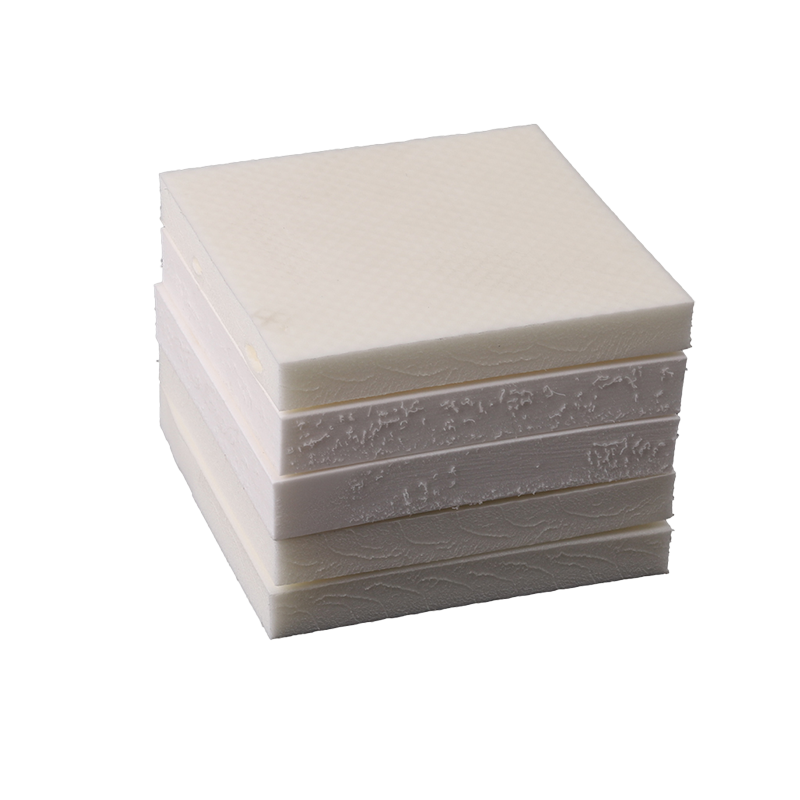
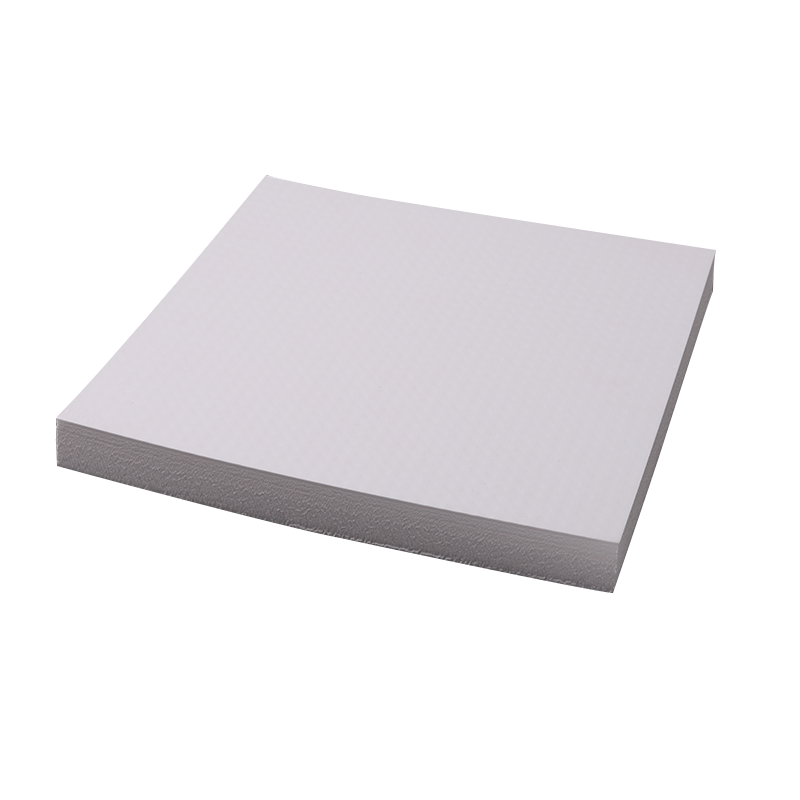
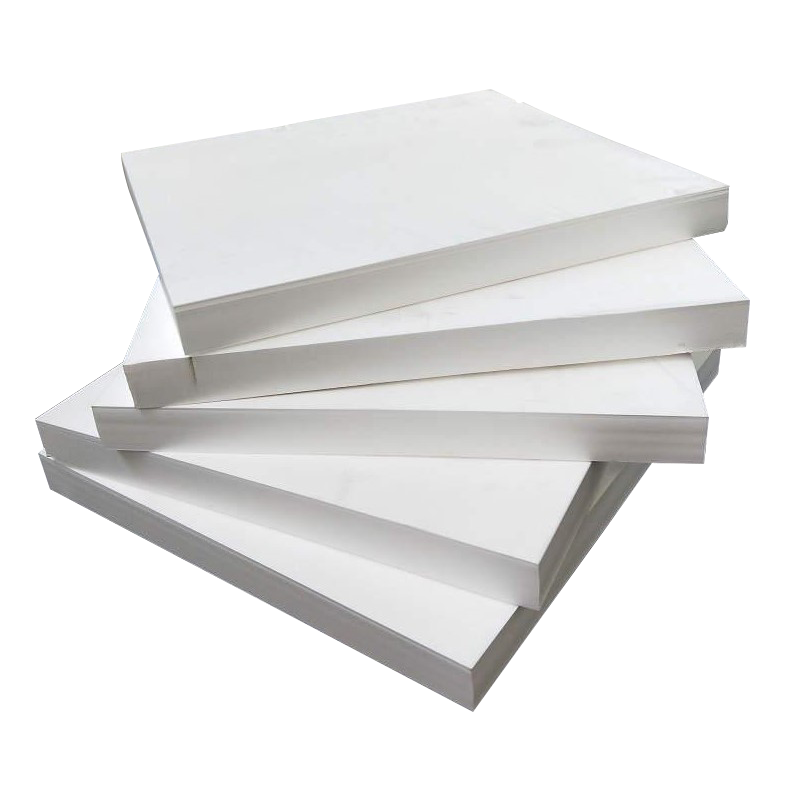
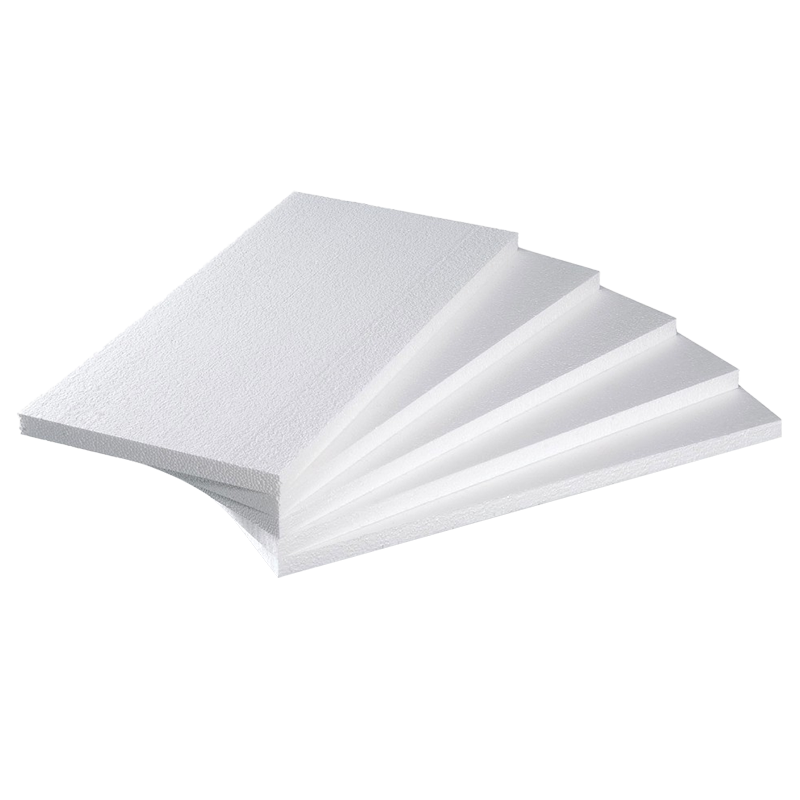
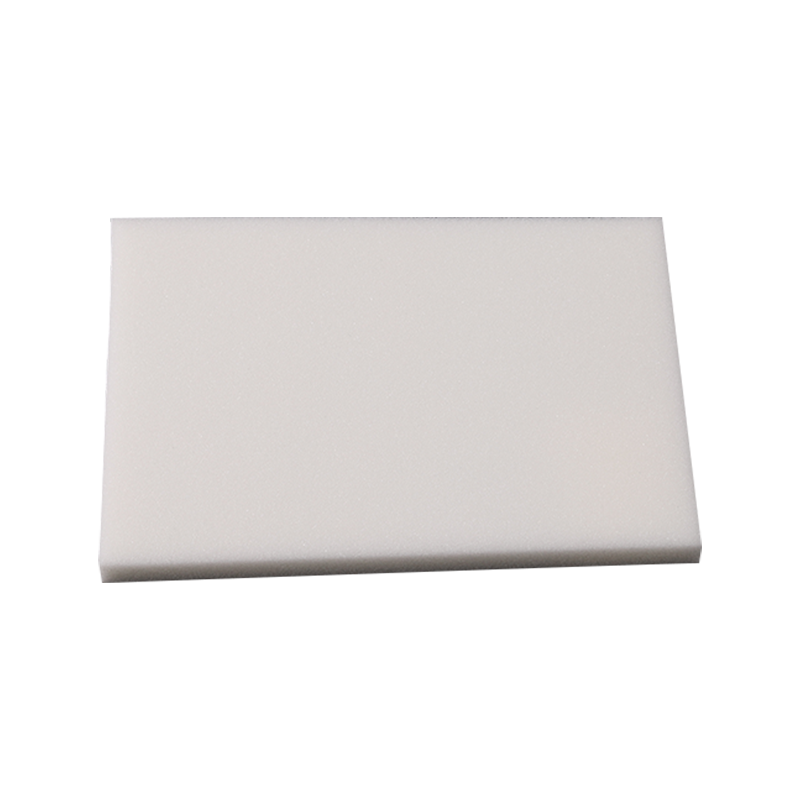
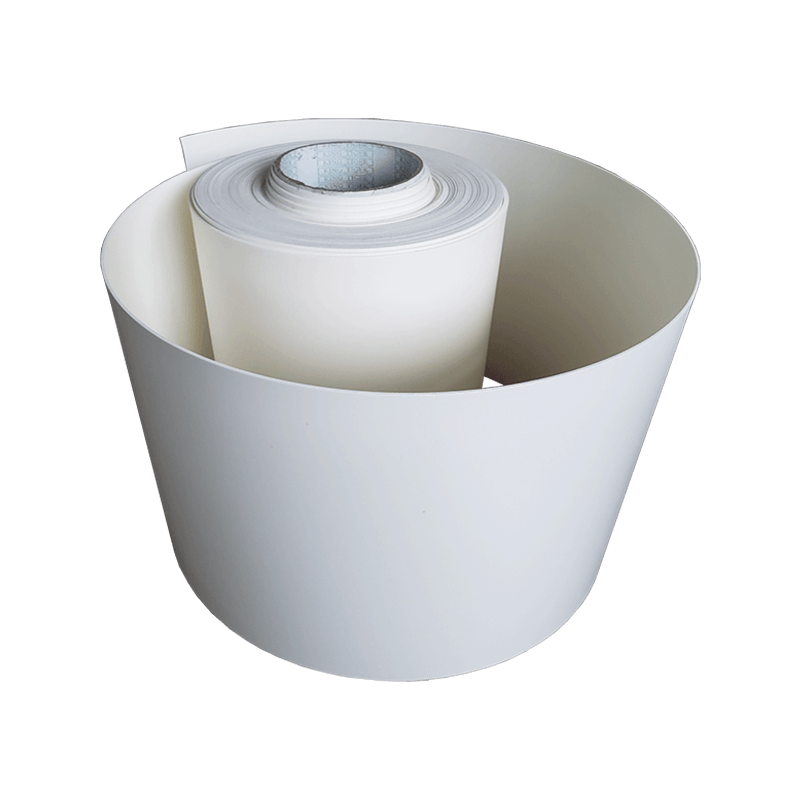
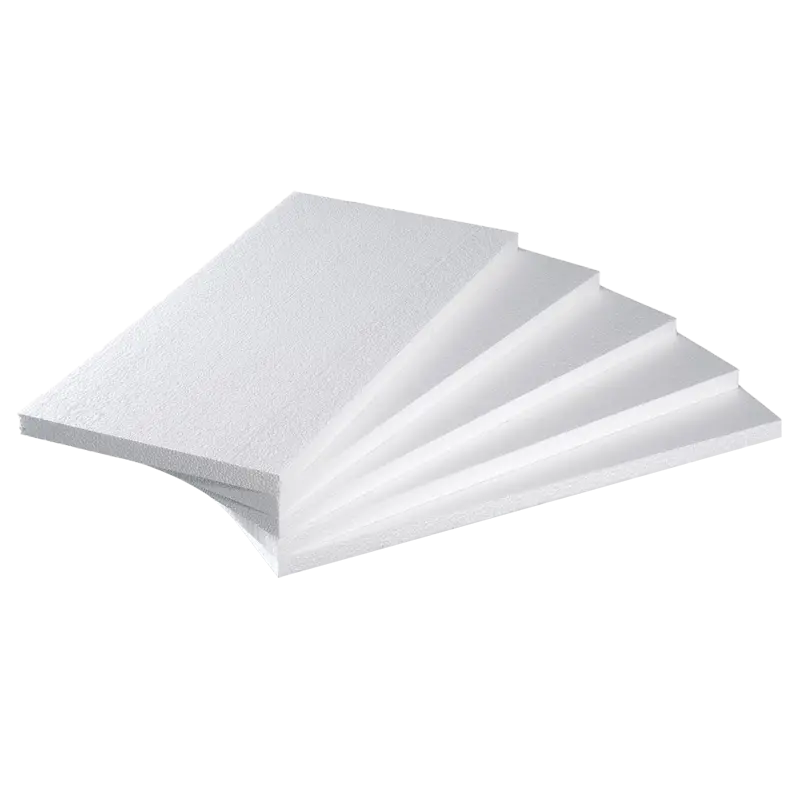
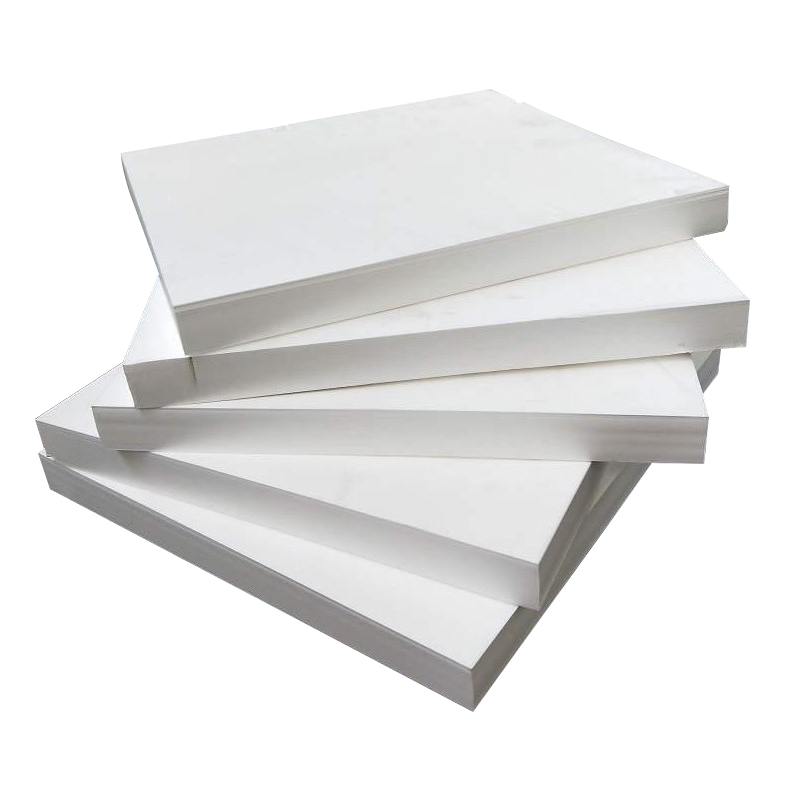
The FR-MPP Foam Sheet represents a significant advancement in flame-retardant material technology, combining the lightweight properties of microcellular polypropylene foam with exceptional fire safety performance. Understanding the UL94 flame rating system is essential for engineers, procurement specialists, and safety managers who need to specify materials that meet stringent fire safety requirements in automotive, electronics, construction, and industrial applications.
Underwriters Laboratories (UL) developed the UL94 standard as the primary testing protocol for evaluating the flammability of plastic materials used in devices and appliances. This standardized testing methodology provides manufacturers and end-users with clear, comparable data regarding how materials behave when exposed to open flame, enabling informed decisions about material selection for safety-critical applications.
What is UL94 V-0 Rating and Why It Matters
The UL94 V-0 rating represents the highest classification within the vertical burning test category, indicating superior flame retardancy performance. When FR-MPP foam sheets achieve UL94 V-0 certification, they demonstrate exceptional resistance to ignition and self-extinguishing capabilities that significantly enhance safety in applications where fire hazards exist.
UL94 V-0 Testing Criteria and Performance Standards
To achieve UL94 V-0 classification, FR-MPP foam sheets must meet rigorous testing criteria that evaluate material behavior under controlled flame exposure. The testing protocol involves applying a calibrated flame to vertically mounted specimens and measuring specific performance parameters that determine the material's fire safety characteristics.
Key UL94 V-0 Testing Requirements:
- Afterflame time must not exceed 10 seconds after removal of the test flame
- The total afterflame time for five specimens must not exceed 50 seconds
- No flaming drips are permitted that could ignite cotton indicator placed below the specimen
- Specimens must not burn up to the holding clamp during the test duration
- Second ignition afterflame must not exceed 10 seconds for individual specimens
Comparison of UL94 Rating Classifications:
| Rating | Afterflame Time | Flaming Drips | Relative Performance |
| HB | Slow burning horizontal | Allowed | Basic level |
| V-2 | Stops within 30 seconds | Allowed (ignites cotton) | Moderate |
| V-1 | Stops within 30 seconds | Not allowed | Good |
| V-0 | Stops within 10 seconds | Not allowed | Excellent |
The distinction between V-0 and lower ratings becomes critical in applications where material proximity to ignition sources, electrical components, or high-temperature environments creates elevated fire risks. FR-MPP foam sheets with V-0 certification provide the confidence that materials will not contribute to fire propagation, even under challenging conditions.
Composition and Manufacturing of FR-MPP Foam Sheets
FR-MPP (Flame-Retardant Microcellular Polypropylene) foam sheets are engineered through advanced supercritical carbon dioxide foaming technology, creating a unique material structure that combines polypropylene's inherent properties with specialized flame-retardant additives. The manufacturing process produces a closed-cell microcellular structure with cell sizes typically less than 100 micrometers, achieving cell densities exceeding 10^9 cells per cubic centimeter.
Material Composition and Flame Retardant Mechanisms
The base polypropylene resin is enhanced with halogen-free flame retardant additives, typically phosphorus-nitrogen intumescent systems that activate when exposed to heat or flame. These additives work through multiple mechanisms to achieve UL94 V-0 performance:
- Condensed Phase Action: The intumescent system forms a protective char layer on the material surface when heated, creating a barrier that prevents oxygen access and inhibits further decomposition
- Gas Phase Action: Released phosphorus and nitrogen compounds dilute combustible gases and interrupt free radical chain reactions in the flame zone
- Thermal Insulation: The formed char layer provides thermal insulation, reducing heat transfer to underlying material layers
- Smoke Suppression: Halogen-free formulations generate significantly lower smoke density compared to traditional brominated flame retardants
Supercritical CO2 Foaming Technology
The manufacturing process utilizes nitrogen and carbon dioxide gases commonly found in air to expand the plastic and form micro and nano bubbles within the polymer matrix. This purely physical foaming process eliminates chemical blowing agents and cross-linking agents, resulting in a clean, environmentally friendly material that remains fully recyclable. The supercritical fluid technology enables precise control over cell structure, density, and mechanical properties while maintaining the flame-retardant characteristics necessary for UL94 V-0 certification.
Key Physical Properties of FR-MPP Foam Sheets:
| Property | Typical Value Range | Test Standard |
| Density | 30-100 kg/m³ | ISO 845:2006 |
| Cell Size | < 100 μm (typically 1-10 μm) | Microscopy Analysis |
| Thermal Conductivity | 0.037-0.041 W/(m·K) | GB/T 10294-2008 |
| Heat Deflection Temperature | 120°C | ISO 75-2 |
| Water Absorption | < 0.10% | CNS2536-1990 |
| Operating Temperature | -40°C to +120°C | ASTM D3574 |
Mechanical Performance and Structural Characteristics
FR-MPP foam sheets exhibit a unique combination of rigidity and toughness that distinguishes them from conventional foam materials. Traditional structural foams tend to be rigid but brittle, while soft foams offer flexibility but lack structural integrity. FR-MPP foam bridges this performance gap, delivering both mechanical strength and resilience essential for demanding industrial applications.
Density-Dependent Mechanical Properties
The mechanical performance of FR-MPP foam sheets varies significantly with density, allowing manufacturers to specify materials precisely matched to application requirements. Different density grades provide tailored solutions for load-bearing, cushioning, or insulation applications while maintaining UL94 V-0 flame retardancy across all density ranges.
Mechanical Properties by Density Grade:
| Foaming Ratio | Density (kg/m³) | Hardness (°) | Compression Strength (MPa) | Tensile Strength (MPa) |
| 10x | 90 | 82 | 1.51 | 3.91 |
| 15x | 60 | 75 | 0.73 | 3.46 |
| 20x | 45 | 68 | 0.51 | 2.38 |
| 25x | 36 | 62 | 0.36 | 1.89 |
Compression and Recovery Characteristics
FR-MPP foam sheets demonstrate excellent compression set resistance and elastic recovery, maintaining dimensional stability even after prolonged compression. The closed-cell microcellular structure enables the material to absorb mechanical energy while resisting permanent deformation. Compression set values typically remain below 5% at ambient temperature and below 20% at 70°C when compressed to 60% of free height for 22 hours, ensuring long-term performance reliability in sealing and cushioning applications.
Impact Absorption and Energy Dissipation
The microcellular architecture of FR-MPP foam creates an effective energy absorption mechanism through controlled cell collapse and air compression within the cellular structure. This characteristic makes the material particularly valuable for protective packaging, automotive crash protection systems, and safety equipment where impact energy management is critical. The material's ability to absorb and dissipate energy while maintaining flame-retardant properties addresses multiple safety requirements simultaneously.
Industrial Applications of UL94 V-0 FR-MPP Foam Sheets
The combination of UL94 V-0 flame rating with the mechanical and thermal properties of FR-MPP foam sheets enables diverse applications across industries where fire safety cannot be compromised. The material's versatility extends from transportation and electronics to construction and industrial safety equipment.
New Energy Vehicle and Battery Applications
The electric vehicle industry represents one of the most demanding application environments for FR-MPP foam sheets. Lithium-ion battery packs require materials that provide thermal insulation, electrical isolation, mechanical cushioning, and flame retardancy simultaneously. FR-MPP foam sheets serve critical functions in battery pack construction:
- Cell-to-Cell Spacing: Maintains precise gaps between battery cells while providing thermal insulation and flame barriers
- Module Cushioning: Absorbs mechanical vibrations and thermal expansion stresses while maintaining electrical isolation
- Pack Compression Pads: Provides controlled compression force to maintain cell contact pressure throughout battery life
- Thermal Runaway Barriers: The UL94 V-0 rating provides critical fire containment capabilities during thermal events
The material's resistance to electrolyte corrosion, combined with its voltage breakdown resistance and thermal stability up to 120°C, makes it ideally suited for the harsh chemical and thermal environment within battery enclosures. The halogen-free flame retardant formulation ensures that even in fire scenarios, toxic gas emissions remain minimized, protecting occupants and emergency responders.
5G Telecommunications and Data Center Infrastructure
Telecommunications equipment and data center infrastructure demand materials that combine electrical insulation, thermal management, and fire safety. FR-MPP foam sheets provide effective solutions for base station equipment, server enclosures, and cable management systems where the UL94 V-0 rating ensures compliance with stringent fire codes governing telecommunications facilities.
The material's low dielectric constant and excellent electrical insulation properties make it suitable for radio frequency applications, while the closed-cell structure prevents moisture ingress that could compromise electrical performance. The lightweight nature of FR-MPP foam reduces structural loading in telecommunications towers and rooftop installations, enabling easier installation and reduced infrastructure costs.
Railway and Aerospace Transportation
Mass transit applications, including high-speed rail, subway systems, and aerospace interiors, subject materials to rigorous fire safety standards that FR-MPP foam sheets readily satisfy. The material's smoke suppression characteristics, combined with the UL94 V-0 rating, address critical evacuation safety requirements in enclosed transportation environments.
Typical transportation applications include:
- Interior panel cores for rail cars and aircraft cabins
- Seat cushioning and structural components
- HVAC duct insulation and sealing systems
- Floor insulation and sound dampening layers
- Fire door core materials and safety barriers
Industrial Safety and Protective Equipment
Industrial environments benefit from FR-MPP foam sheets in safety equipment, machine guarding, and protective barriers where fire hazards coexist with mechanical protection requirements. The material serves as an effective thermal insulation layer for equipment enclosures, preventing surface temperatures from reaching hazardous levels while containing potential ignition sources.
In personal protective equipment applications, FR-MPP foam provides lightweight thermal insulation for protective clothing and equipment used by firefighters, industrial workers, and military personnel. The material's energy absorption capabilities also contribute to protective gear designed for blast and impact protection.
Processing and Fabrication Guidelines
FR-MPP foam sheets offer excellent processability, enabling conversion into complex shapes and integrated components through various manufacturing techniques. Understanding the material's processing characteristics ensures optimal fabrication results while preserving the UL94 V-0 flame retardant properties.
Cutting and Machining Operations
The material responds well to precision cutting techniques including die-cutting, laser cutting, and CNC machining. Die-cutting produces clean edges suitable for gaskets, seals, and insulation components with tight dimensional tolerances. Laser cutting enables complex contours and rapid prototyping without mechanical tool wear, though process parameters must be controlled to prevent thermal degradation of the foam structure near cut edges.
CNC machining operations, including routing and milling, create three-dimensional features and complex geometries for custom components. The material's consistent cell structure and absence of hard inclusions enable smooth cutting action and excellent surface finish quality. Recommended cutting speeds range from 3000-8000 RPM depending on tool diameter and material thickness, with feed rates adjusted to prevent material melting or tearing.
Thermal Forming and Shaping
FR-MPP foam sheets can be thermoformed into curved shapes and three-dimensional configurations when heated to appropriate forming temperatures, typically between 140°C and 160°C. The material exhibits excellent thermoplastic behavior, allowing deep draws and complex bends without cracking or delamination. After forming, the material retains its flame-retardant properties and mechanical characteristics, provided forming temperatures remain below the degradation threshold.
Lamination and Assembly Techniques
The material accepts various adhesive systems for bonding to itself and to other substrates. Pressure-sensitive adhesive backings enable easy installation and field application, while structural adhesives provide permanent bonds for load-bearing assemblies. When selecting adhesives, compatibility with the flame-retardant formulation must be verified to ensure that bonding operations do not compromise the UL94 V-0 rating.
Thermal lamination processes bond FR-MPP foam cores to skin materials including continuous fiber reinforced thermoplastic (CFRT) sheets, aluminum, and coated steel, creating sandwich panel structures with enhanced structural performance. The glue-free thermal lamination process eliminates volatile organic compounds from adhesive systems, maintaining the environmental benefits of the base foam material.
Environmental and Sustainability Considerations
FR-MPP foam sheets address growing environmental concerns through sustainable manufacturing processes and end-of-life recyclability. The supercritical CO2 foaming technology eliminates chemical blowing agents, cross-linking agents, and volatile organic compounds from the production process, resulting in a material with zero VOC emissions and no residual odors.
Halogen-Free Flame Retardant Formulations
Unlike traditional flame-retardant materials that rely on halogenated compounds containing bromine or chlorine, FR-MPP foam sheets utilize phosphorus-nitrogen intumescent systems that provide equivalent UL94 V-0 performance without generating corrosive or toxic gases during combustion. This halogen-free approach aligns with environmental regulations including RoHS, REACH, and WEEE directives, enabling unrestricted use in electronics and consumer products.
The environmental benefits of halogen-free flame retardants extend beyond the material itself to encompass the entire product lifecycle. Manufacturing processes generate no hazardous byproducts, and combustion scenarios produce significantly reduced smoke density and toxicity compared to halogenated alternatives. This characteristic proves particularly valuable in transportation and building applications where smoke inhalation represents a primary hazard during fire events.
Recyclability and Circular Economy
The thermoplastic nature of polypropylene, combined with the physical foaming process that avoids chemical cross-linking, renders FR-MPP foam sheets fully recyclable at end-of-life. Unlike thermoset foam materials that cannot be reprocessed, FR-MPP foam can be ground, re-melted, and reformed into new products without significant property degradation.
The material's recyclability supports circular economy initiatives and enables manufacturers to meet sustainability targets through reduced virgin material consumption and waste diversion from landfills. Post-industrial scrap from fabrication operations can be immediately recycled back into the production stream, while post-consumer materials can be collected and processed through established polypropylene recycling infrastructure.
Life Cycle Assessment and Carbon Footprint
The lightweight nature of FR-MPP foam sheets contributes to reduced transportation emissions and improved fuel efficiency in automotive and aerospace applications. Density reductions of 80-90% compared to solid polypropylene translate directly to weight savings that reduce energy consumption throughout the product's operational life.
Manufacturing energy requirements for supercritical CO2 foaming are lower than conventional chemical foaming processes, further reducing the material's carbon footprint. The absence of chemical blowing agents eliminates the environmental impact associated with their production, transportation, and potential emissions during processing.
Quality Assurance and Certification Requirements
Maintaining UL94 V-0 certification requires rigorous quality control throughout the manufacturing process, from raw material selection through final product testing. Buyers should verify that suppliers maintain appropriate quality management systems and provide documentation supporting flame-retardant claims.
Testing Protocol and Verification
UL94 testing follows standardized protocols defined in IEC 60695-11-10 and ASTM D3801, requiring specific specimen dimensions, conditioning procedures, and flame application parameters. Test specimens measuring 125mm x 13mm with thicknesses ranging from 0.5mm to 13mm are conditioned at 23°C and 50% relative humidity for 48 hours prior to testing.
The vertical burning test apparatus consists of a Bunsen burner with specified flame height and a metal mesh screen to support the specimen. Two 10-second flame applications are made to the bottom center of the specimen, with afterflame times recorded after each application. Five specimens must be tested, and the results evaluated against the V-0 criteria to determine classification.
 ++86-0512-66079229