
 English
 Español

Home / News / What Makes a 1mm MTPU Foam Sheet the Right Base Layer for Technical Fabric Laminates?
Understanding Multi-Layer Laminate Construction in Technical Textiles
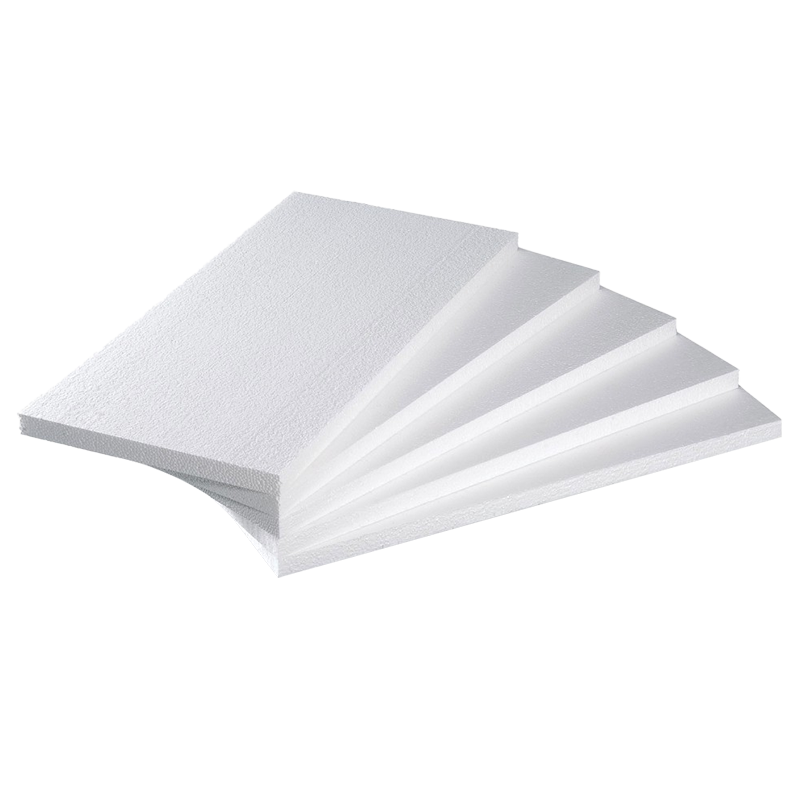
A technical fabric laminate is rarely a single material doing all the work. It is a stack of layers, each contributing a specific function, bonded together so the finished composite behaves as one part rather than several. A typical construction for apparel, footwear, or equipment padding includes a face fabric for appearance and abrasion resistance, a foam core for cushioning and shape retention, and sometimes a backing fabric or film for structure and moisture control.
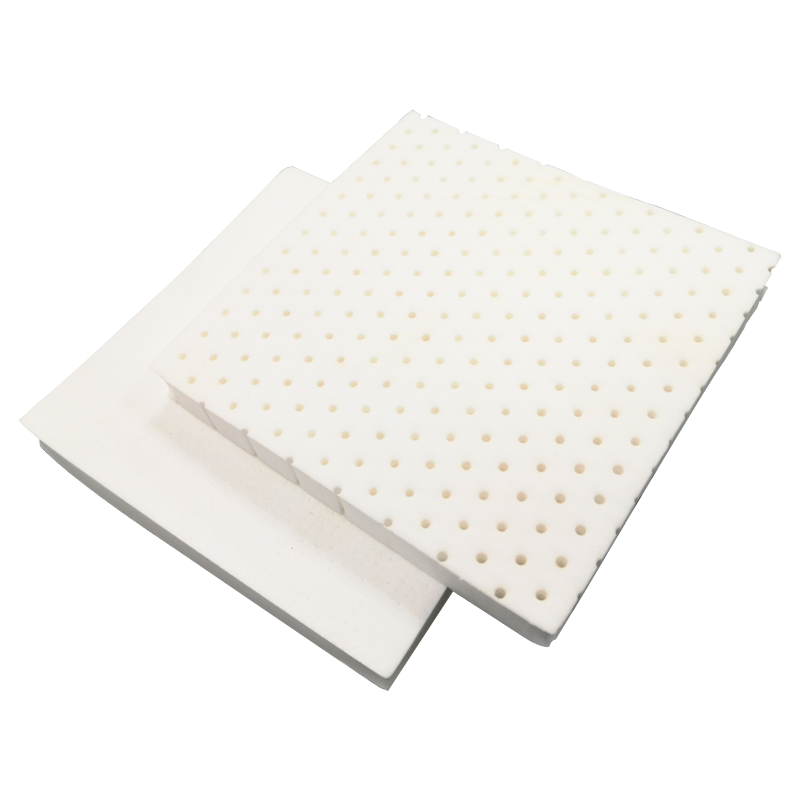
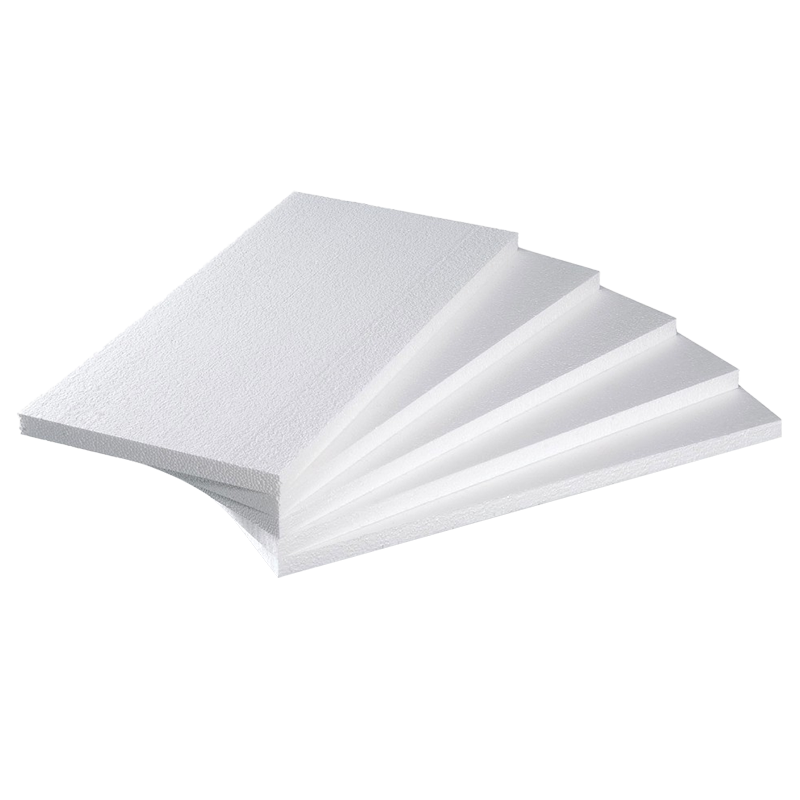
The foam core is often the layer that determines whether the final product feels premium or feels like a compromise. Foam that is too soft collapses under repeated load. Foam that is too dense adds weight and stiffness without adding comfort. This is where the choice between a mtpu foam sheet and other foam types becomes a design decision rather than a cost decision.
In laminate engineering, three variables are adjusted together: foam thickness, foam density, and the lamination method used to join the layers. Getting one variable right while ignoring the other two usually produces a laminate that fails prematurely at the seam, the fold line, or the point of repeated flex.
- Face layer: fabric, knit, or synthetic leather selected for surface finish and durability
- Core layer: foam sheet selected for compression behavior and recovery
- Bonding interface: flame lamination, adhesive lamination, or heat lamination
- Optional backing layer: tricot, mesh, or film for stretch control or waterproofing
Why a 1mm MTPU Foam Base Layer Improves Fabric Performance
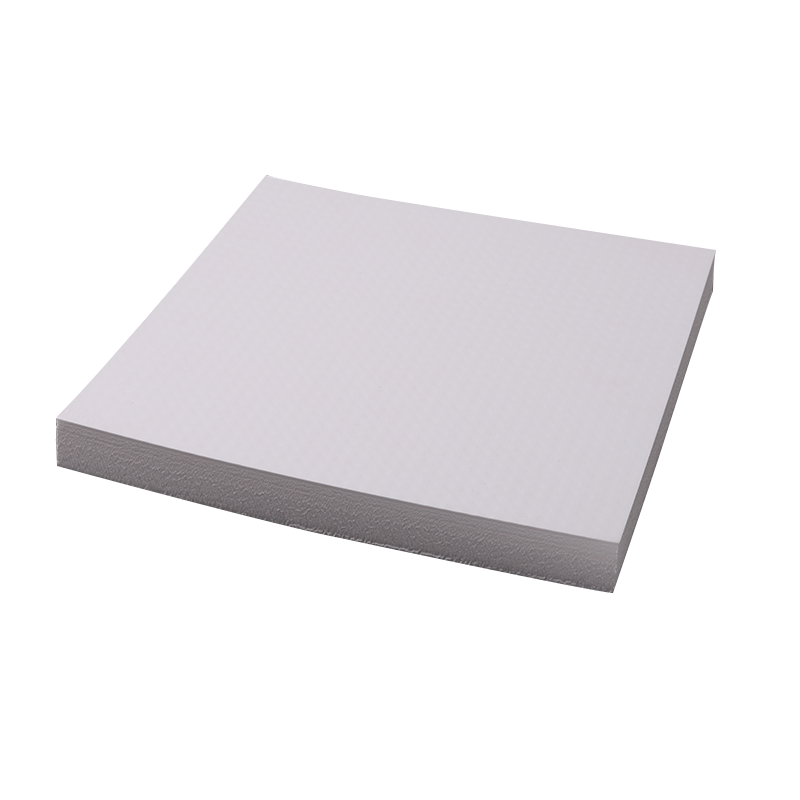
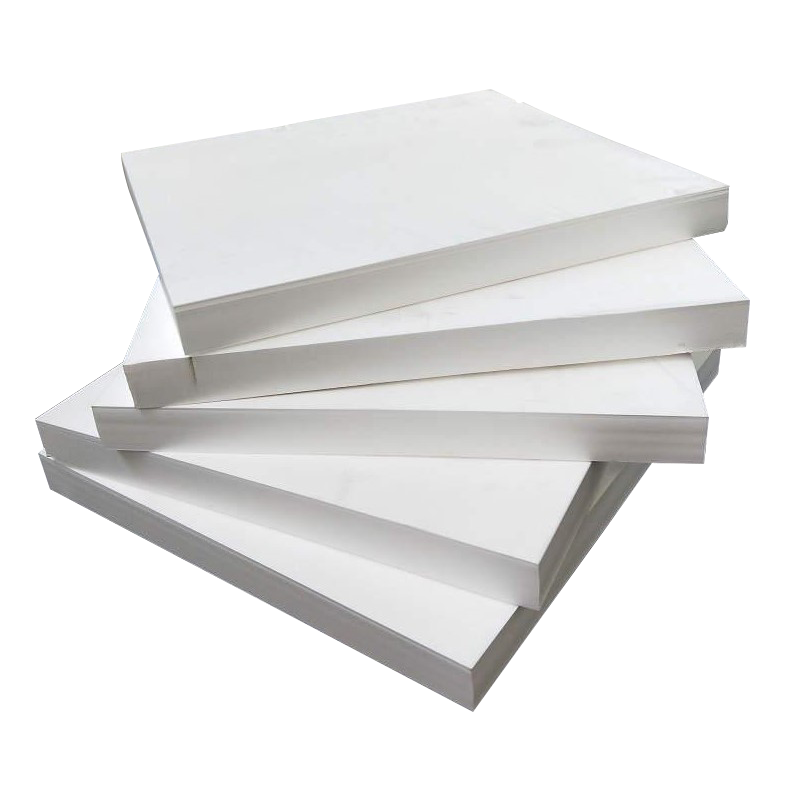
A 1mm thickness base layer is thin enough to preserve fabric drape while adding measurable compression recovery, surface smoothing, and bonding stability across the whole panel.
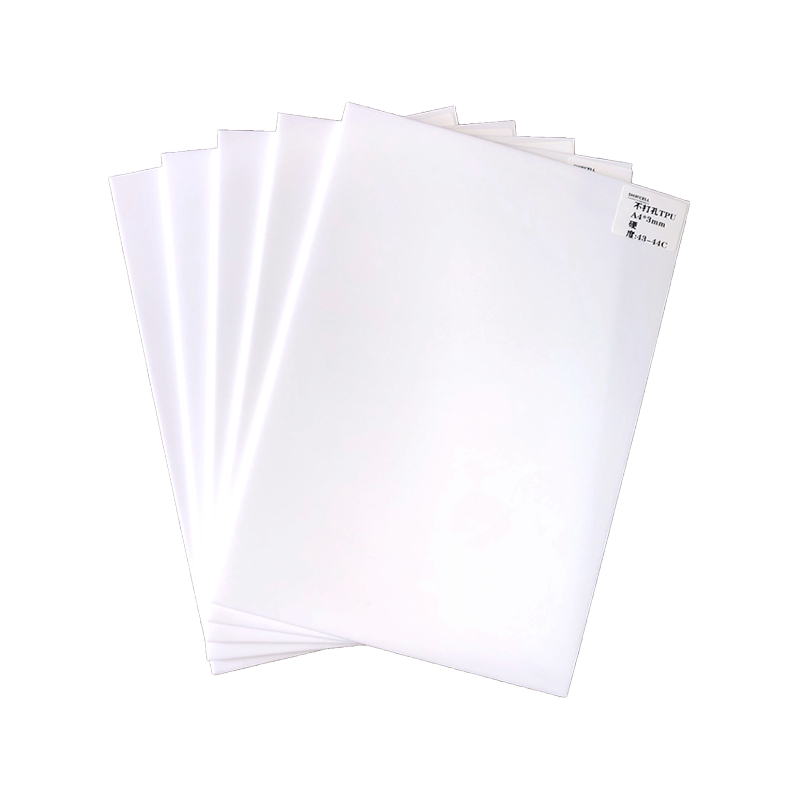
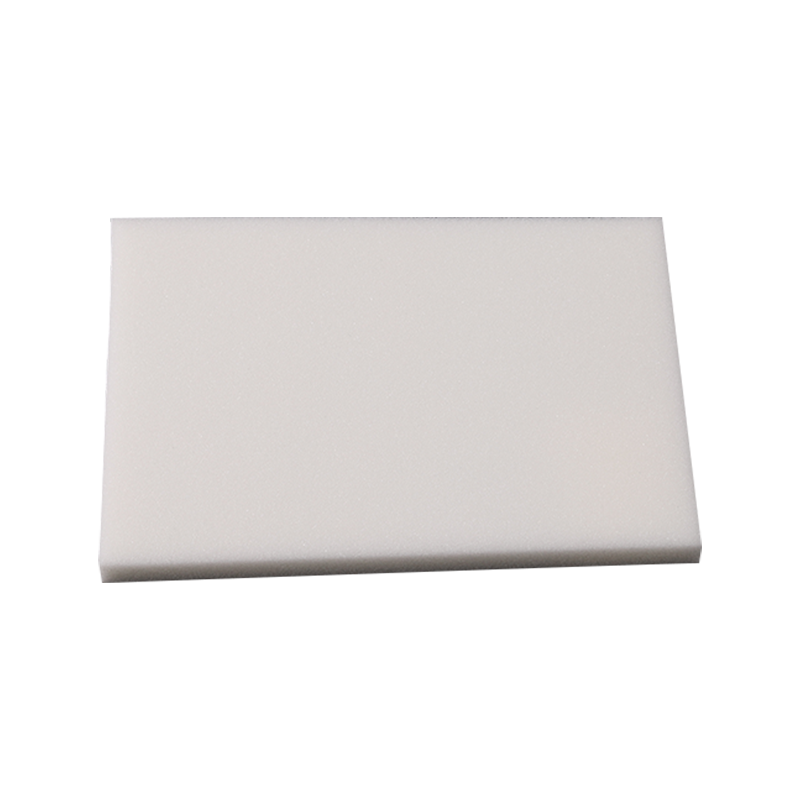
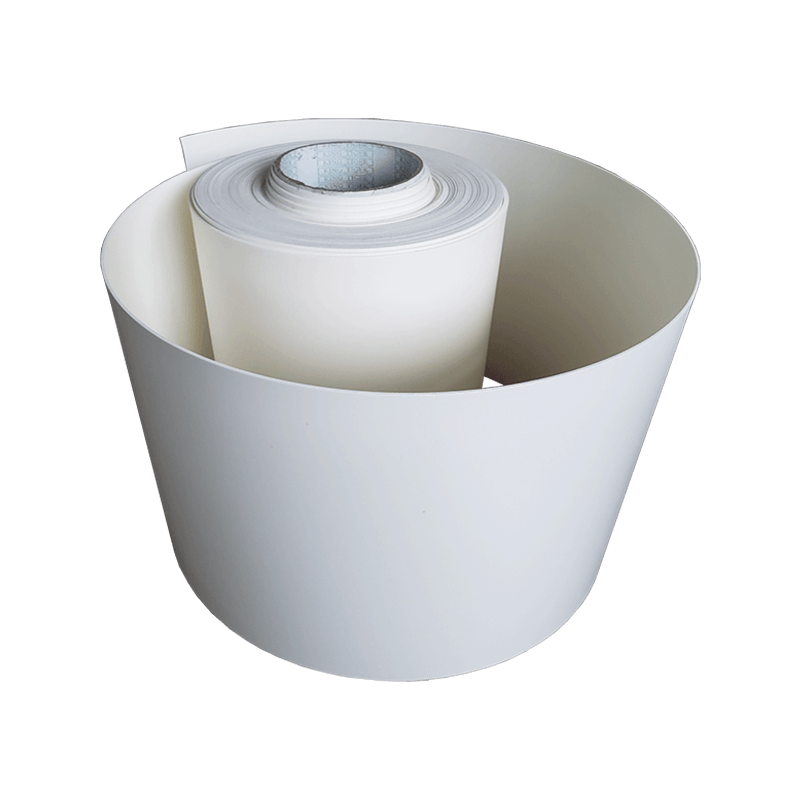
Thickness matters more than most product teams expect. At around 1mm, a microcellular polyurethane foam sheet sits in a narrow performance window: thick enough to smooth out seam allowances and stitching irregularities underneath the face fabric, but thin enough that it does not change the hand feel or add bulk to a finished panel. This is why 1mm is a common specification point for garment interlining, shoe upper reinforcement, and thin protective padding, rather than a thickness chosen for cushioning alone.
Benefits typically observed when a 1mm foam base layer is added underneath a technical fabric include the following.
| Benefit | Effect on the Laminate |
|---|---|
| Surface leveling | Hides stitch lines and minor fabric texture unevenness |
| Compression recovery | Returns to original thickness after repeated flex or folding |
| Bond stability | Provides a consistent, low-porosity surface for adhesive or flame lamination |
| Weight control | Adds cushioning without a significant increase in panel weight |
| Dimensional stability | Resists shrinkage or distortion during heat lamination cycles |
Because the foam sits directly against the fabric, its cell structure also affects how the finished laminate breathes. Open-cell and microcellular structures allow limited air exchange, which is a relevant factor for apparel and footwear applications where trapped moisture reduces comfort over long wear periods.
MTPU Foam Sheet vs MTPEE Foam Sheet: Material Properties Compared
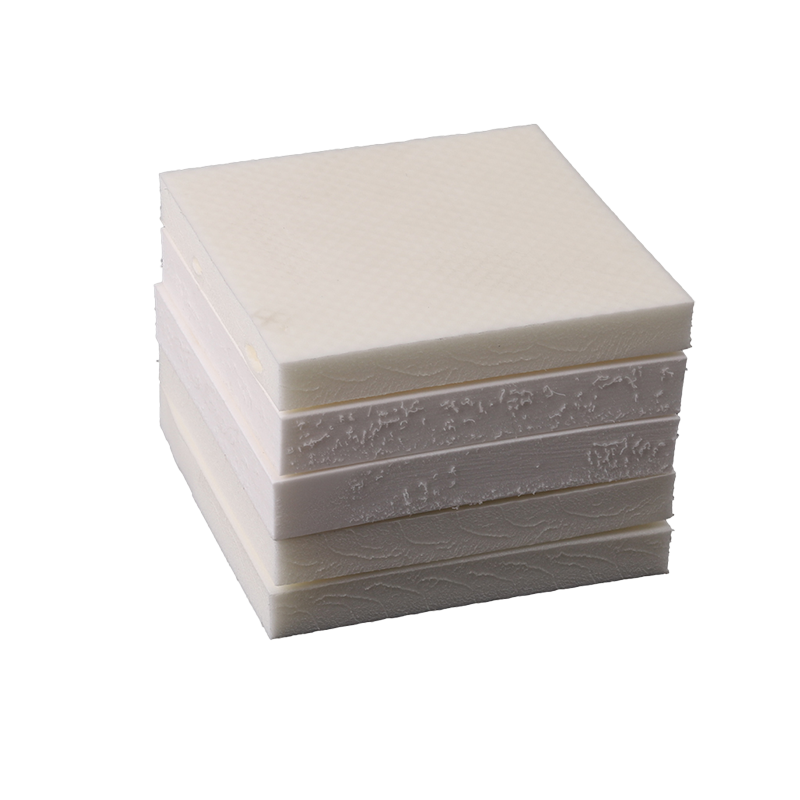
Thermoplastic polyurethane foam and thermoplastic polyester elastomer foam are frequently specified for similar applications, but their property profiles are not interchangeable. A mtpee foam sheet typically offers stronger resilience at elevated temperatures and better resistance to compression set under sustained load, while an mtpu foam sheet tends to offer softer hand feel, easier low-temperature bonding, and broader compatibility with adhesive systems used in footwear and apparel lamination lines.
The practical takeaway is that neither material is universally superior. Selection depends on the operating temperature range of the finished product, the bonding process available on the production line, and how much compression the panel will experience during its service life.
Engineering Considerations: Density, Compression Set, and Bonding
Foam sheet performance in a laminate is governed largely by density and by how well the foam resists permanent deformation after repeated loading, commonly referred to as compression set. Both properties should be checked against the intended use case before a foam is locked into a bill of materials.
Higher density generally correlates with better long-term recovery but also with reduced softness and higher material cost per sheet. Mid-range densities are the common starting point for garment and footwear laminates, with higher density reserved for load-bearing padding such as strap linings or protective inserts.
Bonding method should be matched to the foam chemistry. Flame lamination works well on many polyurethane foams but requires tight process control on thin sheets to avoid scorching the surface. Adhesive lamination gives more predictable results on thin 1mm sheets and is generally preferred where surface finish quality is critical, such as on visible fabric panels.
Lamination Process Flow for Technical Textile Composites
Producing a stable fabric and foam laminate follows a repeatable sequence. Skipping steps, particularly surface conditioning and curing, is the most common cause of delamination in the field.
Curing time and temperature should be set according to the foam supplier's data sheet rather than assumed from a similar past project, since even small differences in cell structure between an mtpu foam sheet and other foam families can shift the optimal bonding temperature by a noticeable margin.
Application-Specific Design Guidelines
Thickness selection should follow the mechanical demand of the panel, not a single default specification across a whole product line.
| Application | Typical Foam Thickness | Priority Property |
|---|---|---|
| Footwear upper lining | 0.8mm to 1.2mm | Surface leveling and bond stability |
| Sportswear panels | 1mm to 2mm | Softness and breathability |
| Protective inserts | 3mm to 6mm | Compression recovery |
| Automotive interior trim | 2mm to 4mm | Heat resistance |
| Medical padding | 2mm to 5mm | Long-term compression set |
Quality Control and Testing Benchmarks
Before a foam laminate is approved for production, it should pass a short set of physical tests rather than a visual check alone. These tests are inexpensive relative to the cost of a field failure or a customer return.
- Peel bond strength between fabric and foam layer
- Compression set after a fixed number of load cycles
- Thickness tolerance across the full sheet width
- Dimensional stability after exposure to elevated temperature
- Surface finish consistency after lamination
Sheets that fail bond strength testing usually point to a surface contamination issue or an incorrect lamination temperature rather than a defect in the foam itself. Documenting test results against each production batch makes it possible to trace a quality issue back to a specific process variable instead of guessing after the fact.
Custom Foam Product Design: Matching Foam Type to End Use
Custom foam products are rarely a single-material decision. Designers who treat foam sheet selection as an afterthought after the fabric and construction method are already fixed tend to end up compensating for a bonding or comfort problem late in development, when changes are expensive.
A more reliable approach is to define the mechanical requirement first: how much compression the panel will see, how often, and at what temperature range, and then choose between an mtpu foam sheet and an mtpee foam sheet based on which property profile matches that requirement, rather than defaulting to whichever material was used on the previous project.
Sampling multiple thickness and density combinations before finalizing a bill of materials remains the most reliable way to confirm that a laminate will hold up under the specific stresses of its intended use.
Frequently Asked Questions
Q1: What is the main advantage of a 1mm foam base layer under fabric?
At 1mm, the foam smooths surface irregularities and adds compression recovery without noticeably changing the fabric's drape, weight, or hand feel, which makes it suitable for linings and panels where bulk is undesirable.
Q2: How does an MTPU foam sheet differ from an MTPEE foam sheet in day-to-day use?
MTPU foam generally offers a softer feel and easier bonding at lower temperatures, while MTPEE foam tends to hold up better under sustained compression and higher operating temperatures.
Q3: Can thin foam sheets be flame laminated without damage?
Yes, but thin sheets require tighter control of flame exposure time and distance than thicker foam, since scorching or surface collapse is more likely on a 1mm sheet than on a thicker one.
Q4: How is foam density chosen for a specific product?
Density is chosen based on how much load the panel will bear and how often it will be compressed, with higher density reserved for protective or load-bearing applications and lower density used where softness is the priority.
Q5: What causes delamination between foam and fabric layers?
Most delamination cases trace back to surface contamination before bonding, incorrect lamination temperature, or a mismatch between the adhesive system and the foam's surface chemistry.
 ++86-0512-66079229