
 English
 Español

Home / News / What Makes Engineered Foam Sheets the Preferred Choice for Industrial Gasketing and Protection?
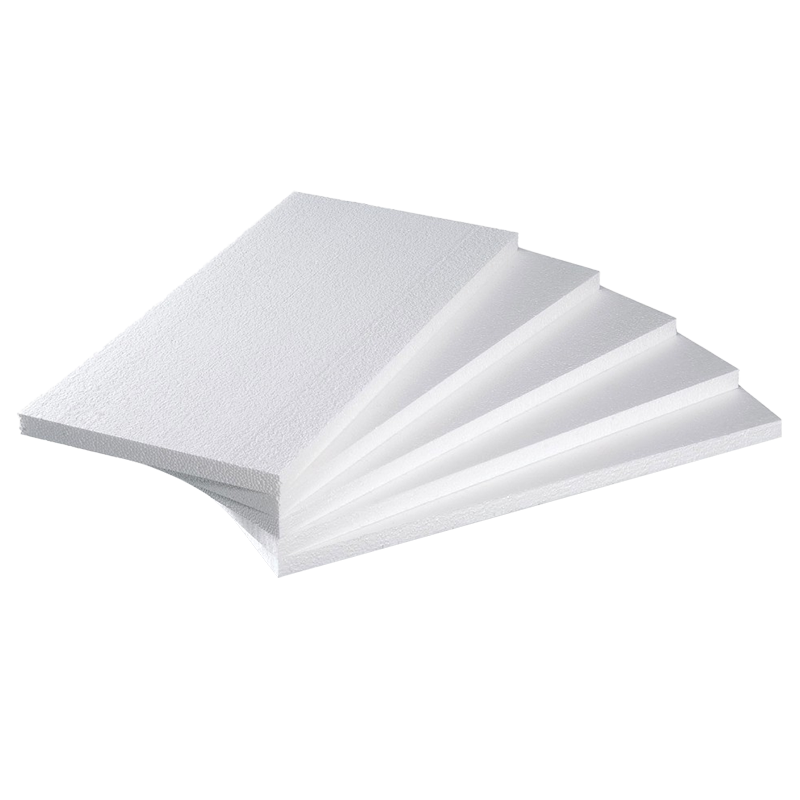
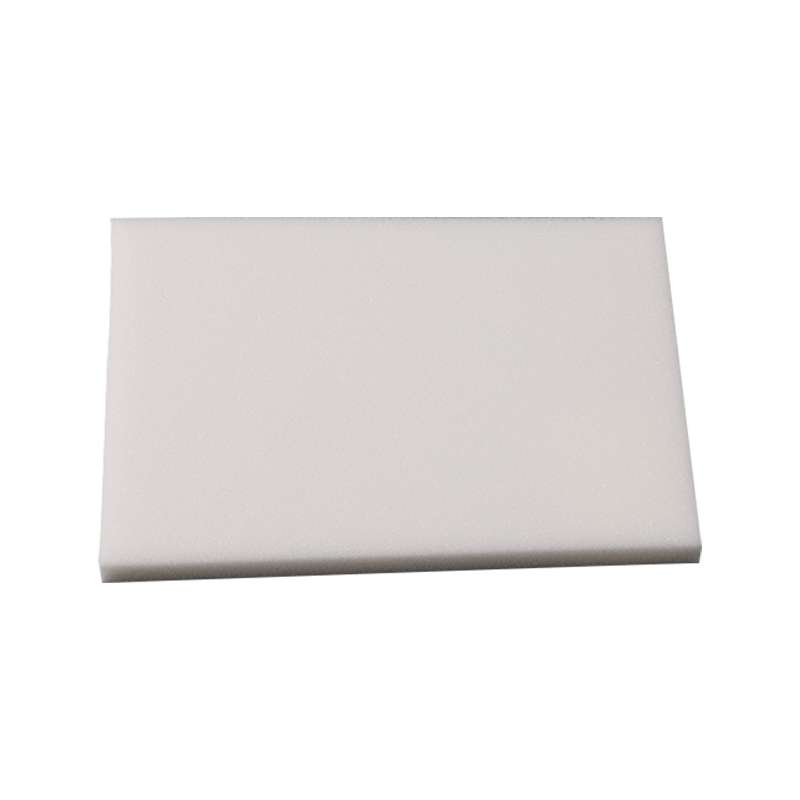
In high-stakes industrial environments, the reliability of sealing, cushioning, and thermal management systems often determines the difference between operational excellence and costly downtime. Engineers and procurement specialists consistently seek materials that deliver consistent performance under mechanical stress, thermal cycling, chemical exposure, and fire hazards. Among the most versatile solutions are engineered foam sheets—specifically, advanced polymer foams engineered at the microcellular level. This article examines four leading engineered foam materials: MTPU Foam Sheet, PVDF Foam Sheet, FR-MPP Foam Sheet, and M-ATPU Foam Sheet. We explore their distinct properties, comparative advantages, and the custom fabrication techniques that transform them into precision gasketing and protection components.
Unlike conventional elastomers or solid plastics, microcellular foams offer a unique combination of compressibility, resilience, and lightweight construction. Their closed-cell or open-cell architectures can be tailored to control air permeability, moisture resistance, and thermal conductivity. This makes them indispensable for applications ranging from aerospace sealing to electronics cushioning and fire-rated building systems. The following sections provide a technical deep dive into each material, supported by performance data and real-world application insights.
Understanding Engineered Foam Solutions for Industrial Applications
Engineered foam sheets are not merely softened plastics; they are carefully formulated composites where a polymer matrix is expanded with a blowing agent to create a controlled cellular structure. The cell size, density, and wall thickness directly influence mechanical response, thermal behavior, and chemical resistance. For industrial gasketing and protection, the ideal foam must balance conformability with load-bearing capacity, and durability with cost-effectiveness.
The four materials discussed here represent distinct polymer families, each with a unique value proposition:
- MTPU — thermoplastic polyurethane elastomer with microcellular foaming, offering exceptional elasticity and abrasion resistance.
- PVDF — polyvinylidene fluoride foam, renowned for chemical inertness and high-temperature stability.
- FR-MPP — flame-retardant modified polypropylene foam, combining fire resistance with structural rigidity.
- M-ATPU — microporous aliphatic TPU foam, distinguished by UV stability and hydrolysis resistance.
Selecting the right material requires a systematic evaluation of the operating environment, mechanical demands, and regulatory requirements. The following sections unpack each material's chemistry, processing, and performance characteristics.
Figure 1: Decision flow for engineered foam selection and conversion.
MTPU Foam Sheet — Microcellular Thermoplastic Polyurethane Elastomer
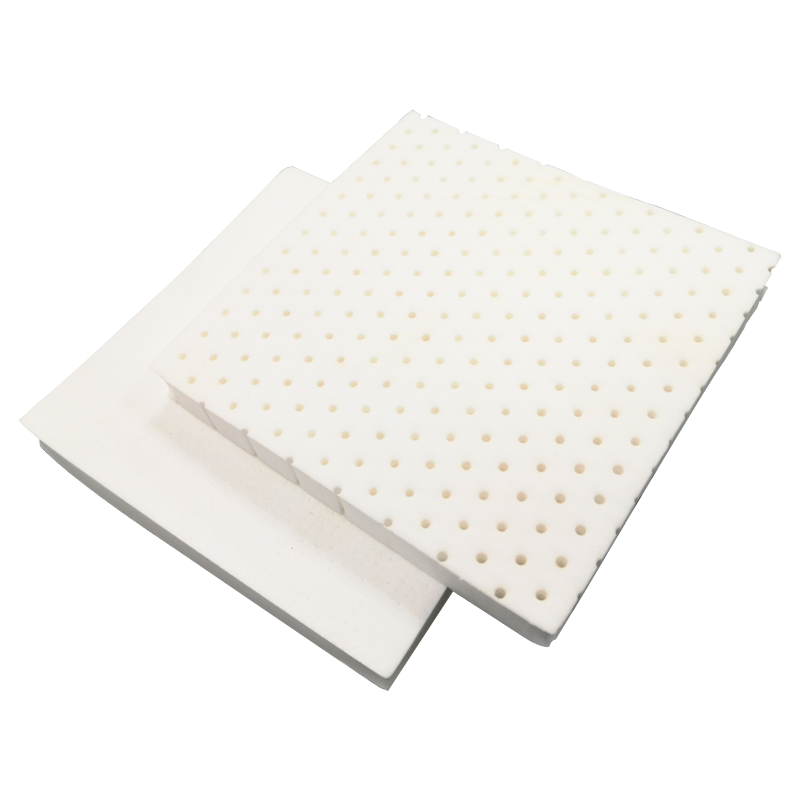
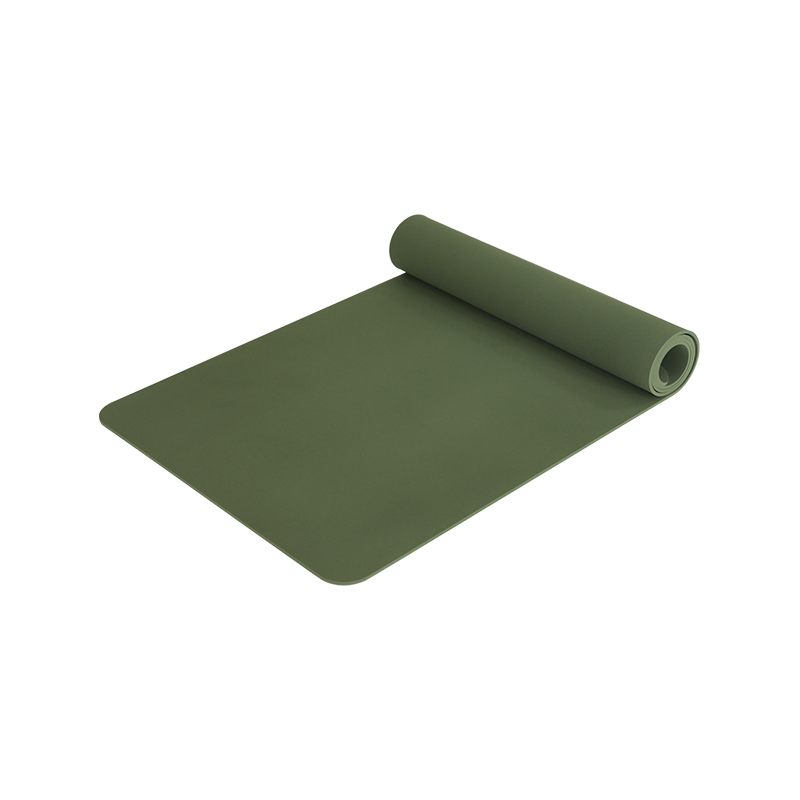
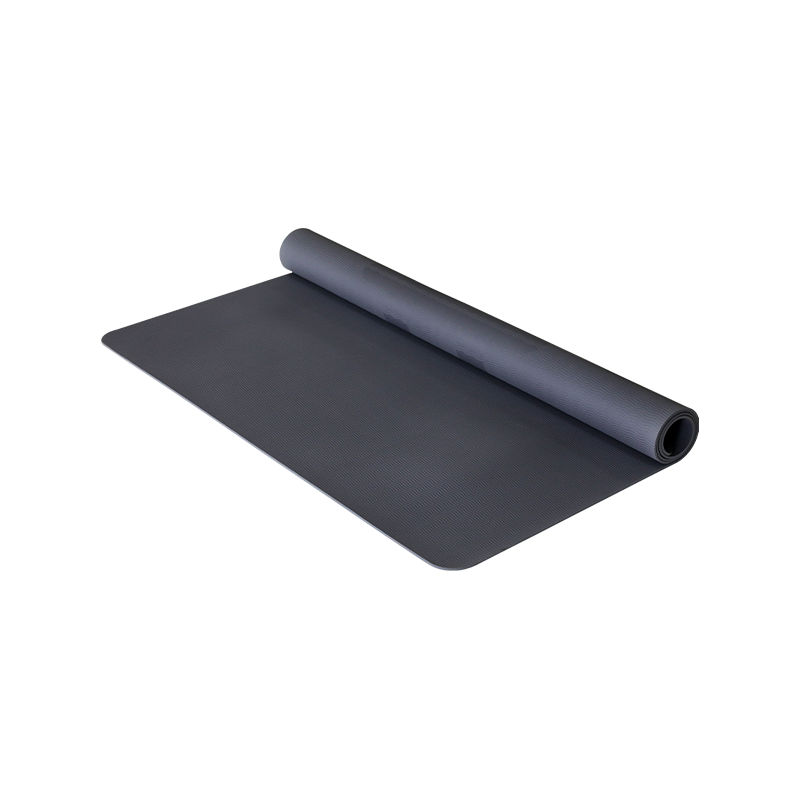
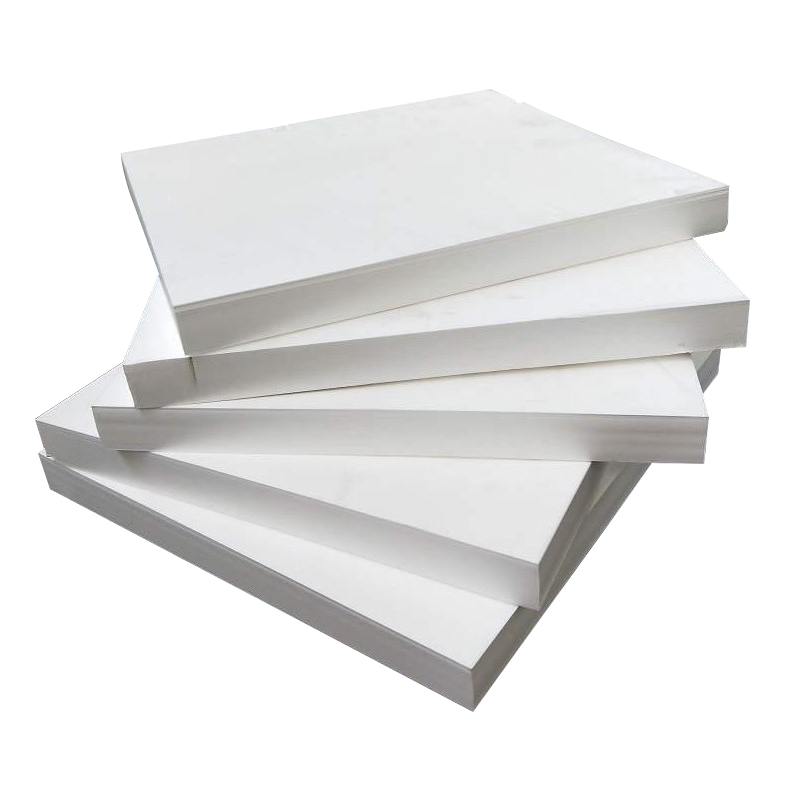
MTPU Foam Sheet is produced by expanding thermoplastic polyurethane elastomer through a physical or chemical foaming process, resulting in a closed-cell structure with typical densities ranging from 0.25 to 0.65 g/cm3. The microcellular morphology—with cell diameters in the 10–80 μm range—imparts a remarkable combination of flexibility, tear strength, and energy absorption.
The elastomeric nature of TPU gives MTPU foam exceptional resilience: it recovers rapidly after compression, maintaining sealing force over prolonged service. Its abrasion resistance surpasses many conventional rubber foams, making it suitable for dynamic sealing applications where surfaces move or vibrate.
Key Performance Attributes
- Compression set resistance: Maintains less than 15% permanent deformation after 70 hours at 70°C (ASTM D395).
- Operating temperature range: -40°C to +100°C, with intermittent peaks up to 120°C.
- Chemical resistance: Good resistance to oils, greases, and aliphatic hydrocarbons; limited with strong acids and ketones.
- Dielectric strength: 15–20 kV/mm, suitable for electrical insulation gaskets.
- Damping coefficient: 0.12–0.18 at 10 Hz, providing effective vibration isolation.
Application spotlight: In automotive battery pack sealing, MTPU foam gaskets have demonstrated consistent sealing performance over 1,500 thermal cycles from -30°C to +80°C, with leakage rates below 0.01 sccm at 5 kPa differential pressure.
PVDF Foam Sheet — High-Performance Fluoropolymer Foam
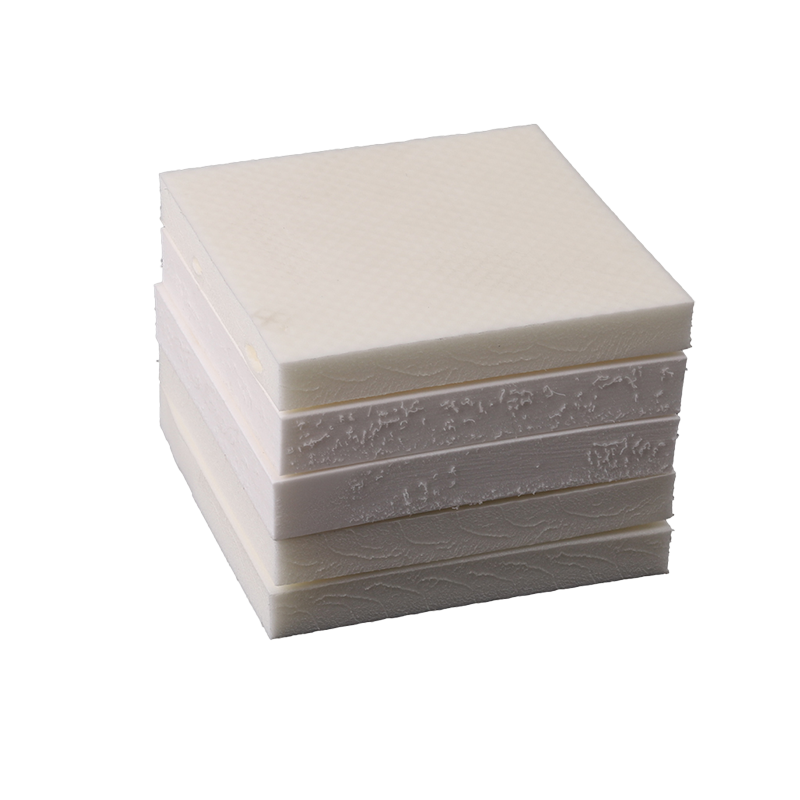
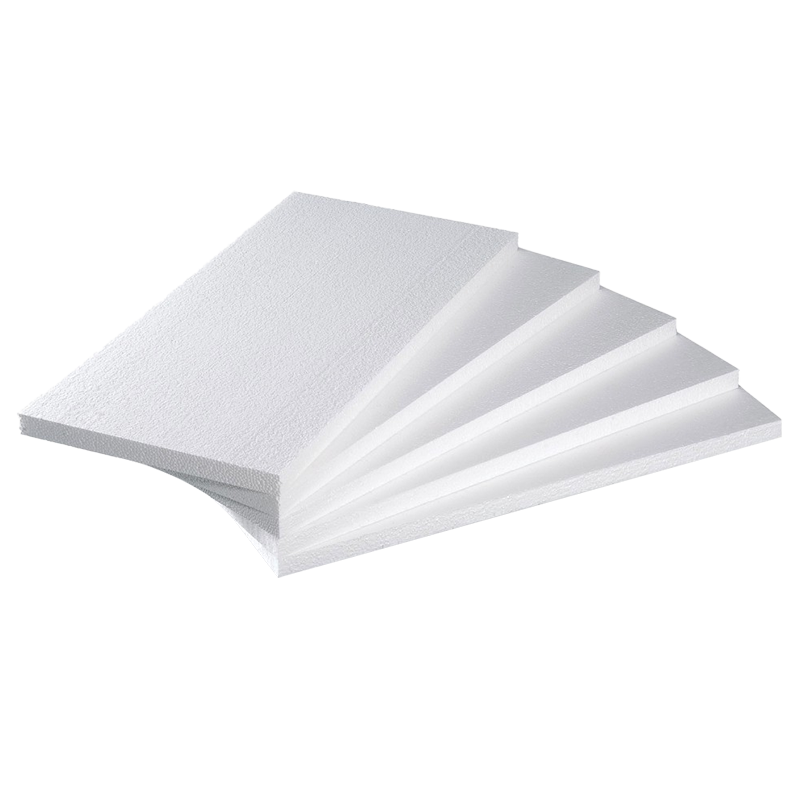
PVDF Foam Sheet is derived from polyvinylidene fluoride, a semi-crystalline fluoropolymer with an exceptional balance of chemical resistance, thermal stability, and mechanical toughness. The foamed version retains the intrinsic benefits of PVDF while adding lightweight compressibility and thermal insulation.
PVDF foam exhibits outstanding resistance to UV radiation, gamma rays, and harsh chemicals including strong acids, bases, and organic solvents. Its continuous use temperature ranges from -40°C to +150°C, with short-term exposure up to 170°C without significant degradation.
Distinctive Advantages
- Chemical inertness: Unaffected by most mineral acids, halogens, and aromatic hydrocarbons; suitable for aggressive chemical processing environments.
- Low smoke and toxicity: PVDF produces minimal smoke and corrosive gases when exposed to flame, meeting stringent fire safety standards (e.g., UL 94 V-0).
- Hydrophobic nature: Water absorption is less than 0.05% by volume, ensuring stable dielectric properties in humid conditions.
- Thermal conductivity: 0.08–0.12 W/m·K, providing effective thermal insulation for cryogenic and high-temperature piping.
- Density range: 0.35–0.70 g/cm3, with cell sizes typically 20–60 μm.
Industry use case: In semiconductor wet process tools, PVDF foam gaskets have provided leak-free sealing for over 5 years in continuous contact with 49% HF and 96% H?SO? at 120°C, with no measurable material degradation.
FR-MPP Foam Sheet — Fire-Resistant Modified Polypropylene Foam
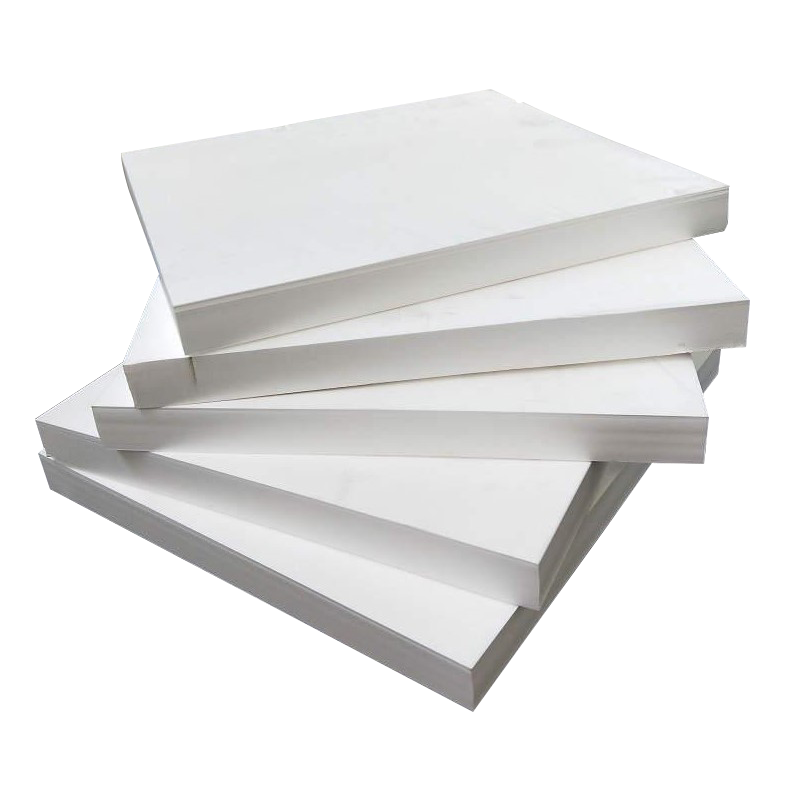
FR-MPP Foam Sheet is a modified polypropylene foam engineered with flame-retardant additives that impart self-extinguishing properties without compromising the inherent toughness of polypropylene. The cellular structure is predominantly closed-cell, with densities ranging from 0.30 to 0.60 g/cm3.
Unlike many halogenated flame-retardant foams, FR-MPP uses phosphorus-based or intumescent systems that produce less smoke and toxic byproducts during combustion. It achieves UL 94 V-0 rating at thicknesses as low as 1.5 mm, making it a preferred choice for fire-rated building components and transportation interiors.
Critical Performance Metrics
- Flame spread index: ≤15 (ASTM E84 Class A), with smoke development index ≤200.
- Oxygen index: 26–30%, indicating good resistance to ignition in ambient air.
- Heat deflection temperature: 110°C at 0.45 MPa, suitable for warm environments.
- Compressive strength: 0.4–1.2 MPa at 25% compression, offering robust structural support.
- Moisture absorption: <0.1% by volume, preserving insulation properties in damp conditions.
Construction application: In high-rise building curtain wall systems, FR-MPP foam gaskets have passed the NFPA 285 fire propagation test, maintaining seal integrity for over 90 minutes under standard fire exposure conditions.
M-ATPU Foam Sheet — Microporous Aliphatic TPU Foam
M-ATPU Foam Sheet represents a specialized class of microporous foam based on aliphatic thermoplastic polyurethane. Unlike aromatic TPU variants, aliphatic TPU exhibits superior resistance to ultraviolet radiation and hydrolysis, making it ideal for outdoor and long-term service applications.
The microporous structure—with cell diameters in the 5–30 μm range—provides a smooth surface finish and excellent conformability to irregular substrates. M-ATPU foam maintains its elasticity over a wide temperature range and resists yellowing and embrittlement even after extended UV exposure.
Superior Durability Features
- UV stability: Retains >90% tensile strength after 1,000 hours of QUV accelerated weathering (ASTM G154).
- Hydrolysis resistance: Excellent resistance to moisture-induced degradation, with less than 10% reduction in properties after 1,000 hours at 70°C / 95% RH.
- Low-temperature flexibility: Remains flexible down to -50°C without cracking (ASTM D2137).
- Optical clarity: Semi-transparent grades available for applications requiring visual inspection.
- Density: 0.20–0.45 g/cm3, offering lightweight cushioning with high recoverability.
Outdoor deployment: In solar panel mounting systems, M-ATPU foam gaskets have demonstrated leak-free sealing for over 8 years in desert environments, with peak surface temperatures exceeding 85°C and annual UV dose of 6,000 MJ/m2.
Comparative Performance Analysis of Engineered Foam Sheets
The table below summarizes key physical and mechanical properties of the four foam materials under standardized test conditions. These data serve as a reference for material selection based on specific application requirements.
| Property | MTPU | PVDF | FR-MPP | M-ATPU |
|---|---|---|---|---|
| Density (g/cm3) | 0.25 – 0.65 | 0.35 – 0.70 | 0.30 – 0.60 | 0.20 – 0.45 |
| Max Service Temp (°C) | 100 | 150 | 110 | 90 |
| Compression Set (70h/70°C) | ≤15% | ≤20% | ≤25% | ≤12% |
| Tensile Strength (MPa) | 2.5 – 6.0 | 3.0 – 8.0 | 2.0 – 5.0 | 3.5 – 7.5 |
| Elongation at Break (%) | 300 – 600 | 150 – 350 | 100 – 200 | 350 – 700 |
| Water Absorption (%) | 0.3 – 1.0 | <0.05 | <0.1 | 0.5 – 1.5 |
| UL 94 Flammability | HB | V-0 | V-0 | HB |
| Typical Cell Size (μm) | 10 – 80 | 20 – 60 | 30 – 80 | 5 – 30 |
Table 1: Comparative property data for engineered foam sheets (typical values based on standard test methods).
Custom Foam Fabrication — From Sheet to Precision Component
Raw foam sheets are rarely used in their as-manufactured form for industrial gasketing and protection applications. The transformation from bulk sheet to finished component involves a suite of precision fabrication techniques that enable tight tolerances, complex geometries, and value-added features.
Primary Fabrication Methods
- Die cutting: Rotary or flat-bed die cutting produces high volumes of consistent gaskets and seals with dimensional tolerances of ±0.1 mm. This method is cost-effective for large production runs.
- Waterjet cutting: Abrasive waterjet cutting offers burr-free edges and accommodates thick sections or complex contours without heat-affected zones.
- Laser cutting: CO? and fiber lasers provide high-precision cutting for thin-gauge foams, with minimal material waste and excellent edge quality.
- Lamination: Multi-layer foam composites can be produced by bonding foam sheets to films, fabrics, or rigid substrates, combining sealing, cushioning, and barrier functions.
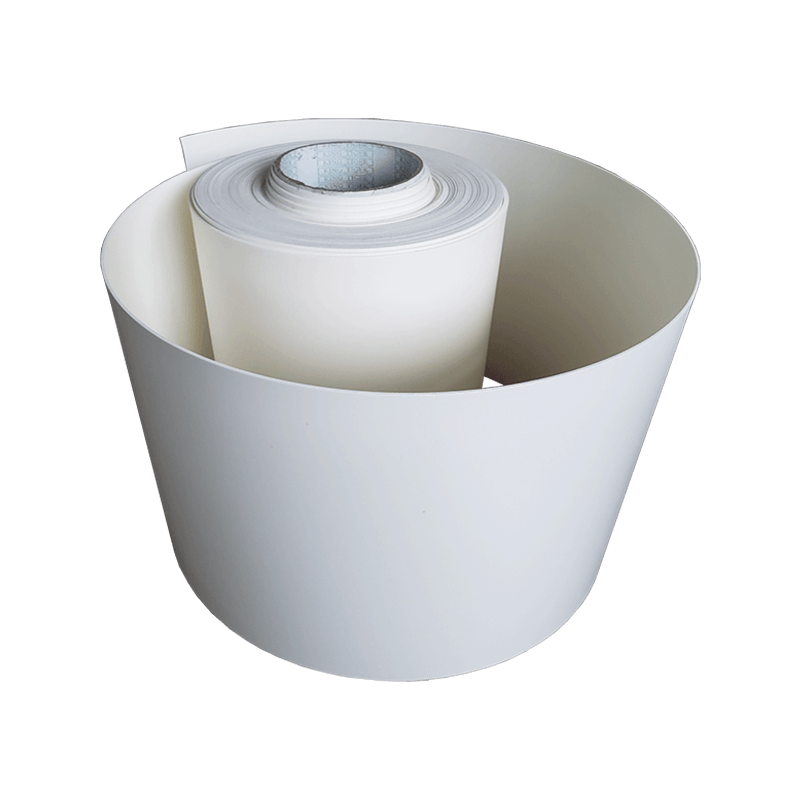
- Slitting and spooling: Continuous rolls of foam can be slit to custom widths for automated dispensing and assembly processes.
Quality assurance: Fabricated foam components typically undergo 100% dimensional inspection using vision systems or laser micrometers, ensuring that each part meets the specified tolerances. Compression-deflection tests and adhesion peel tests are performed on sample lots to verify functional performance.
Value-Added Capabilities
Beyond basic cutting, custom foam fabricators offer additional services that streamline assembly and improve product reliability:
- Pressure-sensitive adhesive (PSA) coating: One or both sides of the foam can be coated with acrylic or silicone adhesives for peel-and-stick installation.
- Kitting and packaging: Components can be pre-assembled into kits with custom packaging to reduce handling errors and improve inventory management.
- Surface treatments: Corona or plasma treatment enhances adhesion for printing or secondary bonding operations.
- Color coding: Pigmented foams or printed markings enable visual identification of different material grades or thicknesses.
Key Application Areas for Engineered Foam Gasketing and Protection
Engineered foam sheets serve critical functions across diverse industries. The following table summarizes typical applications for each material, highlighting the performance attributes that drive material selection.
| Industry | Typical Application | Preferred Material | Key Requirement |
|---|---|---|---|
| Automotive | Battery pack seals, door seals | MTPU / M-ATPU | Compression set, flexibility |
| Chemical Processing | Flange gaskets, pump seals | PVDF | Chemical resistance, high temp |
| Aerospace | Cabin seals, insulation panels | FR-MPP / PVDF | Fire safety, lightweight |
| Electronics | EMI shielding gaskets, cushioning | MTPU / M-ATPU | Dielectric strength, conformability |
| Construction | Fire-stopping seals, expansion joints | FR-MPP | Flame retardancy, durability |
| Renewable Energy | Solar panel mounting, wind turbine seals | M-ATPU / PVDF | UV stability, weather resistance |
Table 2: Industry-specific applications and material preferences for foam gasketing and protection.
Frequently Asked Questions About Engineered Foam Gasketing Materials
Q1: What is the difference between closed-cell and open-cell foam for gasketing?
Closed-cell foams have sealed, non-interconnected pores that resist fluid absorption and provide superior sealing against liquids and gases. Open-cell foams allow air and moisture to permeate through the structure, which can be beneficial for breathability or sound absorption but compromises sealing integrity. Most industrial gasketing applications use closed-cell foams for reliable barrier performance. MTPU, PVDF, FR-MPP, and M-ATPU foams are all predominantly closed-cell materials.
Q2: How do I select the right foam material for high-temperature applications?
Material selection should consider both continuous service temperature and peak exposure. PVDF foam offers the highest continuous service temperature (150°C), followed by FR-MPP (110°C) and MTPU (100°C). For applications exceeding 150°C, other material classes such as silicone or PTFE foams may be more appropriate. Additionally, evaluate compression set at elevated temperatures, as some materials may relax more than others under prolonged heat exposure.
Q3: Can engineered foam sheets be fabricated with adhesive backing?
Yes, pressure-sensitive adhesives (PSAs) can be applied to one or both sides of foam sheets during the fabrication process. Common adhesive systems include acrylic (general purpose), silicone (high-temperature and chemical-resistant), and rubber-based (high-tack applications). The adhesive is typically protected by a release liner that is removed just before installation. Adhesive selection should be validated for compatibility with the substrate and operating environment.
Q4: What are the typical tolerances for die-cut foam gaskets?
Rotary die cutting can achieve dimensional tolerances of ±0.2 mm for most foam materials, while flat-bed die cutting offers ±0.1 mm for thinner sections. For ultra-precision requirements, laser cutting or waterjet cutting can achieve tolerances as tight as ±0.05 mm. Tolerances are also influenced by material thickness, density, and cell structure—softer, more compressible foams may exhibit slightly more variability.
Q5: How does foam density affect gasketing performance?
Density directly influences mechanical properties: higher-density foams generally offer greater compressive strength, lower compression set, and better resistance to extrusion under high pressures. Lower-density foams provide softer sealing with better conformability to rough or irregular surfaces. The optimal density depends on the clamping force available, the surface finish of the mating parts, and the required seal integrity. Material suppliers typically offer a range of densities to suit different application needs.
Q6: Are engineered foam sheets recyclable or environmentally sustainable?
Many thermoplastic foams, including MTPU, FR-MPP, and M-ATPU, are technically recyclable through mechanical or chemical recycling processes. However, the practical recyclability depends on collection infrastructure and contamination levels. Some manufacturers are developing bio-based or recycled-content foam formulations. For critical applications, the focus remains on long service life and reliability, which indirectly supports sustainability by reducing replacement frequency and waste generation.
Q7: What is the typical lead time for custom foam gasket fabrication?
Lead times depend on material availability, tooling complexity, and order volume. For standard materials with existing die tooling, production can begin within 3–5 business days. Custom die fabrication typically adds 5–10 business days. Larger volume orders (10,000+ pieces) may require 2–4 weeks for material procurement and production scheduling. Many fabricators offer expedited services for urgent requirements.
Q8: Can foam gaskets be used in outdoor or UV-exposed environments?
Yes, but material selection is critical. M-ATPU foam, with its aliphatic TPU chemistry, offers excellent UV stability and is specifically designed for outdoor applications. PVDF foam also provides outstanding UV resistance due to its fluoropolymer backbone. MTPU foam may degrade under prolonged UV exposure unless it is protected by a coating or formulated with UV stabilizers. For outdoor applications, always consult the material supplier's UV resistance data and consider accelerated weathering testing.
 ++86-0512-66079229