
 English
 Español

Home / News / What makes PVDF foam sheets suitable for semiconductor cleanroom environments?
Fundamental Properties of PVDF Foam Sheets Supporting Semiconductor Cleanroom Applications
Semiconductor cleanrooms represent the most stringent industrial environment globally, with strict limits on particulate contamination, chemical exposure, electrostatic discharge, and material outgassing. The selection of internal materials directly determines the yield and reliability of semiconductor manufacturing processes. PVDF Foam Sheet has become an indispensable core material in modern semiconductor cleanrooms due to its unique physical and chemical properties, which fully match the extreme requirements of the semiconductor industry.
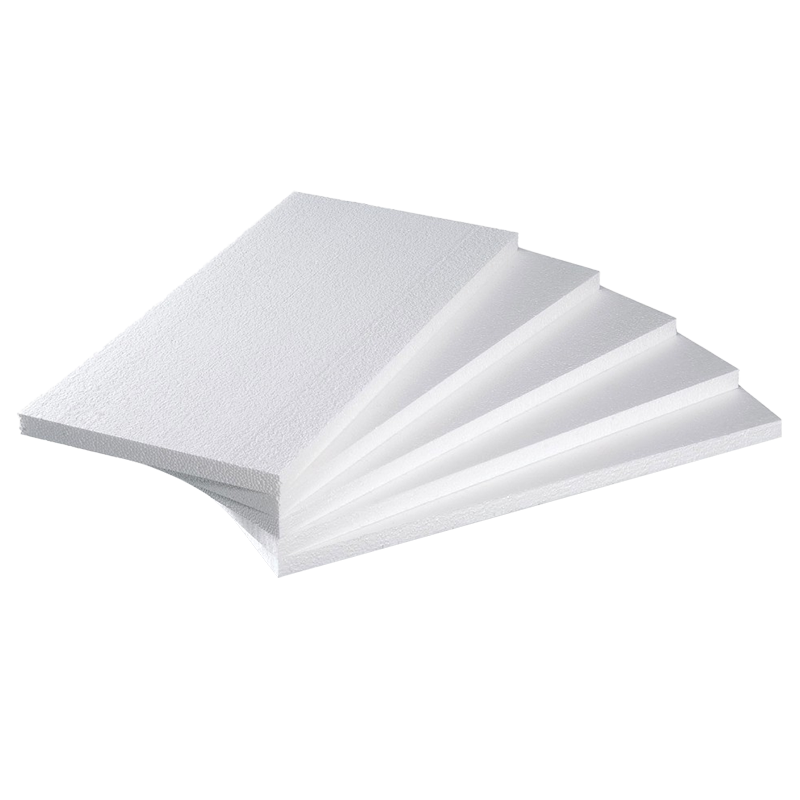
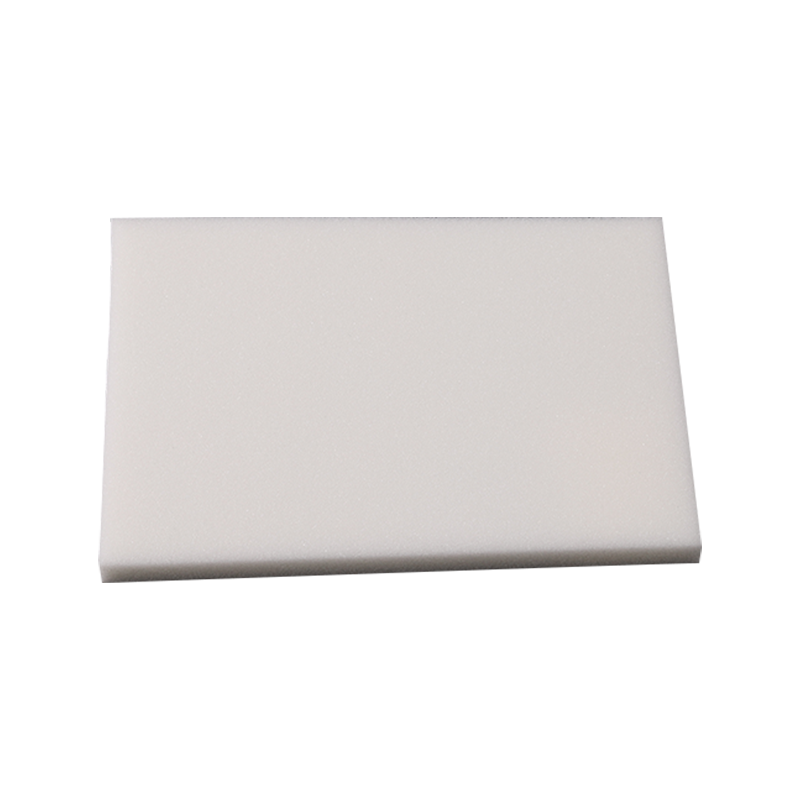
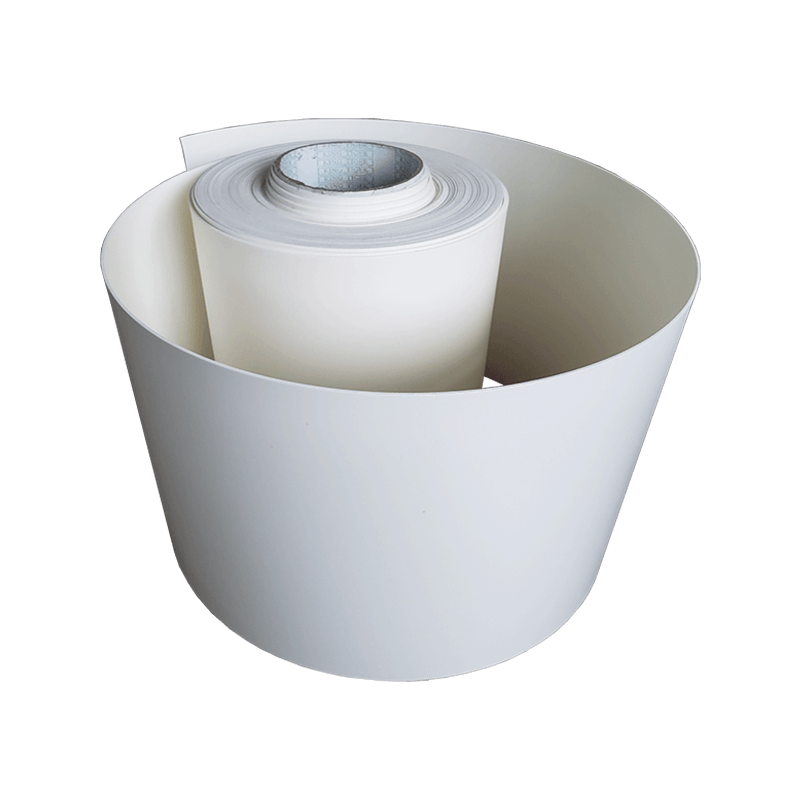
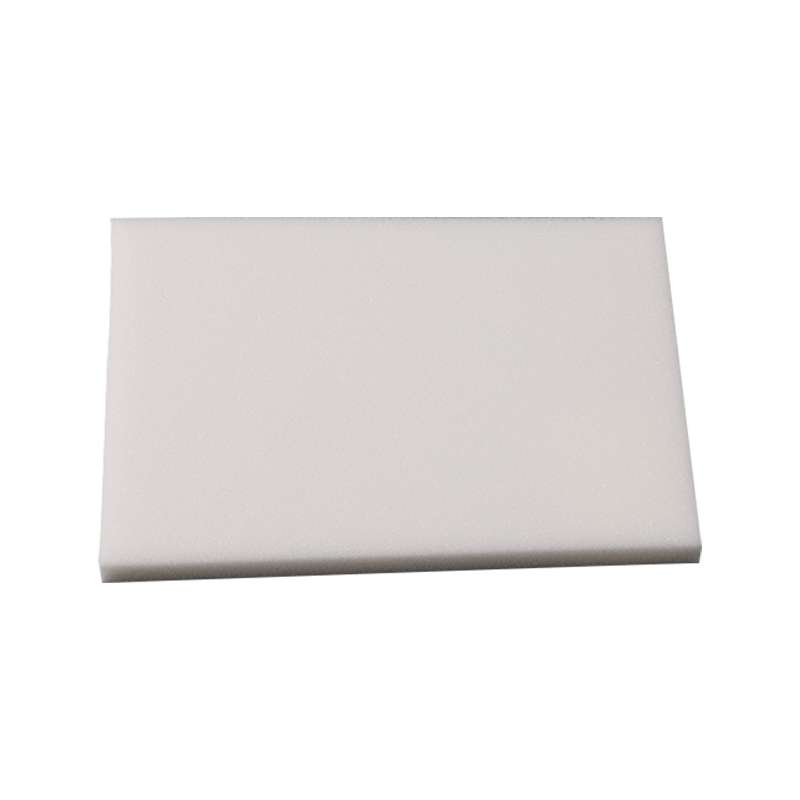
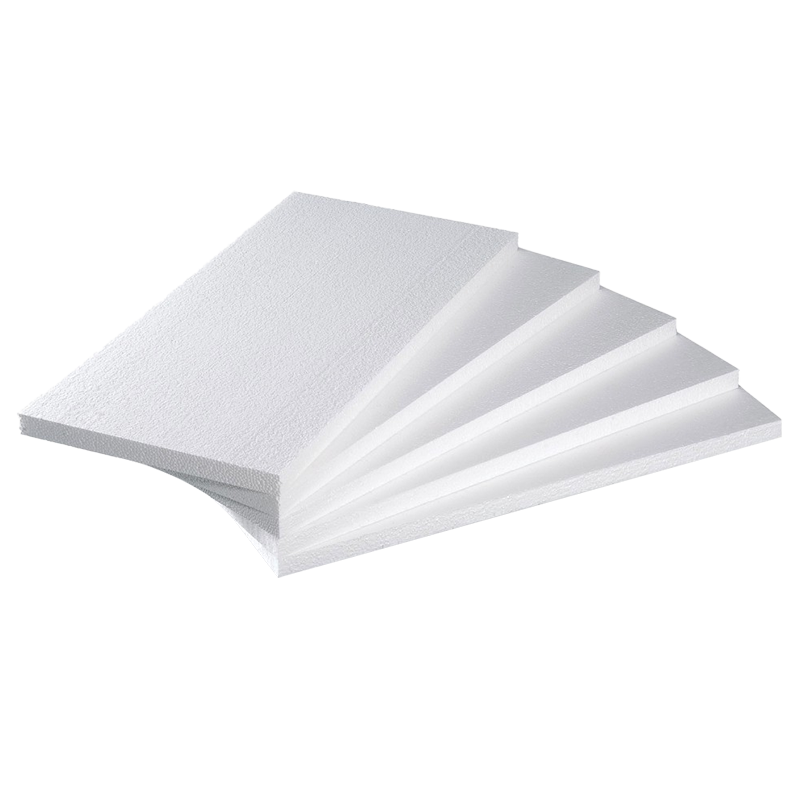
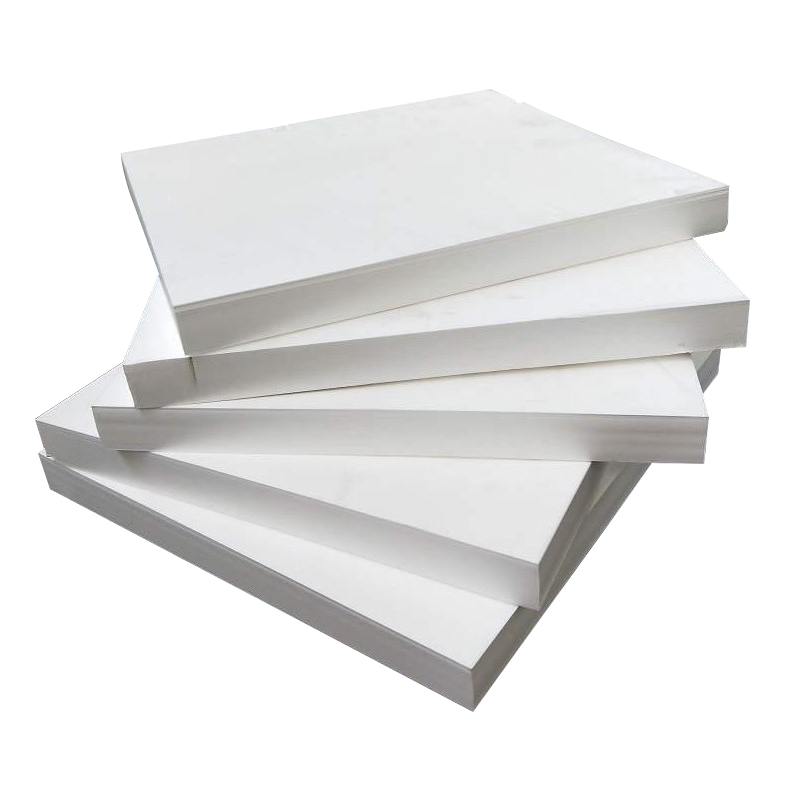
PVDF (Polyvinylidene Fluoride) foam sheet is a high-performance fluoropolymer foam material formed through a specialized foaming process based on pure PVDF resin. Unlike ordinary plastic foam, it retains the excellent inherent characteristics of PVDF resin while possessing lightweight, cushioning, and sound insulation advantages brought by the foaming structure. In semiconductor manufacturing lines ranging from wafer fabrication to chip packaging and testing, PVDF foam sheets are widely used in equipment lining, process isolation, dust prevention, static control, and chemical protection scenarios.
Intrinsic Chemical Stability of PVDF Foam Sheets
Chemical stability is the primary evaluation indicator for cleanroom materials in the semiconductor industry. Semiconductor manufacturing processes involve a variety of strong acids, strong alkalis, organic solvents, oxidizing agents, and other corrosive media, and any material degradation, dissolution, or chemical reaction will lead to irreversible contamination of the production environment and products.
PVDF foam sheets exhibit outstanding resistance to most chemicals used in semiconductor processing. They remain completely stable in environments containing hydrofluoric acid, sulfuric acid, hydrochloric acid, nitric acid, hydrogen peroxide, and common organic solvents, with no dissolution, swelling, cracking, or deformation. This stability is permanent and does not weaken with the extension of service time or changes in environmental temperature and humidity.
Practical application data shows that PVDF foam sheets can maintain structural integrity after 1000 hours of continuous exposure to 50% concentration sulfuric acid at 60°C, with no weight loss or surface damage. In semiconductor wet process equipment, this property ensures that PVDF foam sheets will not become a source of contamination even in direct contact with process chemicals, effectively protecting the cleanliness of wafers and equipment.
Low Outgassing Performance Meeting Cleanroom Grade Requirements
Outgassing refers to the phenomenon where volatile organic compounds (VOCs), unreacted monomers, plasticizers, and other small molecular substances are released from the interior of polymer materials to the external environment. In Class 1 to Class 100 ultra-clean semiconductor cleanrooms, the allowable concentration of volatile pollutants is at the parts per billion (ppb) level, and materials with high outgassing rates are strictly prohibited.
PVDF foam sheets are manufactured using high-purity PVDF resin without adding plasticizers, flame retardants, fillers, or other auxiliary additives that are prone to releasing volatile substances. Their outgassing rate is far lower than the limit standards set by the SEMI (Semiconductor Equipment and Materials International) environmental guidelines. Test results indicate that the total mass loss (TML) of PVDF foam sheets under high-vacuum and high-temperature conditions is less than 0.1%, and the collected volatile condensable materials (CVCM) are less than 0.01%, fully meeting the ultra-low outgassing requirements of semiconductor cleanrooms.
This low outgassing characteristic prevents volatile substances from condensing on the surface of wafers, lenses, and precision components, avoiding defects such as film formation, spots, and performance deviations in semiconductor devices, which is critical for improving the production yield of advanced process chips.
Particle Release and Contamination Control Capabilities of PVDF Foam Sheets
Particulate contamination is the biggest threat to semiconductor manufacturing. Even micron or submicron-sized particles attached to the wafer surface can cause short circuits, open circuits, and performance failures of integrated circuits. The control of particulate release from cleanroom materials is a core technical requirement, and PVDF foam sheets have obvious advantages in this regard.
Low Particle Generation and Anti-Falling Performance
The surface and internal structure of PVDF foam sheets are formed through a precision foaming and molding process, with a dense and stable cell structure, no loose surface layers, no fiber shedding, and no powder generation. Under friction, bending, vibration, and air flow scouring conditions that are common in cleanrooms, PVDF foam sheets will not release particulate pollutants, which is a significant advantage compared with sponge, rubber, ordinary plastic, and other alternative materials.
Professional cleanroom particle test results show that the number of particles with a diameter greater than 0.3μm released by PVDF foam sheets per unit area is less than 10 pieces per cubic foot under dynamic contact conditions, fully meeting the particle emission standards of ISO 14644-1 for Class 3 cleanrooms. In the wafer handling, equipment operation, and process replacement links of semiconductor production lines, this low particle generation characteristic effectively maintains the environmental cleanliness and reduces the risk of wafer scrapping caused by particulate contamination.
Surface Cleanability and Non-Adhesion Characteristics
PVDF foam sheets have a low surface energy and non-stick surface properties, making it difficult for dust, particles, and chemical residues to adhere firmly to their surface. When contamination occurs accidentally, the surface can be quickly and thoroughly cleaned using high-purity water or cleanroom-specific cleaning agents without leaving residues or damaging the material structure.
This cleanability reduces the frequency and difficulty of cleanroom maintenance, shortens the equipment downtime caused by cleaning, and improves the overall operating efficiency of the production line. At the same time, the non-stick property prevents the accumulation of pollutants over time, avoiding secondary pollution caused by the accumulation and shedding of contaminants on the material surface during long-term use.
Compatibility with Cleanroom Sterilization and Cleaning Processes
Semiconductor cleanrooms require regular disinfection, sterilization, and deep cleaning to maintain environmental standards, including high-temperature cleaning, ultraviolet irradiation, ozone treatment, and plasma cleaning. PVDF foam sheets have excellent compatibility with these processes and will not degrade, deform, discolor, or increase particle release after repeated treatments.
- Resistant to repeated high-purity water washing at 80°C without performance attenuation
- Stable under long-term ultraviolet and ozone sterilization environments, no cracking or aging
- Compatible with plasma cleaning processes, no surface damage or volatile substance release
- No chemical reaction with cleanroom special disinfectants, no contamination generation
This compatibility ensures that PVDF foam sheets can maintain stable performance throughout their service life, adapt to the strict maintenance system of semiconductor cleanrooms, and provide long-term and reliable environmental protection.
Electrostatic Control Performance of PVDF Foam Sheets in Semiconductor Cleanrooms
Electrostatic discharge (ESD) is one of the main causes of damage to semiconductor components and electronic failures. A large number of precision components and integrated circuits in the semiconductor manufacturing process are extremely sensitive to static electricity, and even low-voltage static electricity can lead to component breakdown and performance degradation. Therefore, electrostatic control is an essential function of cleanroom materials, and PVDF foam sheets have customizable electrostatic properties to meet different application scenarios.
Customizable Static Dissipation and Conductive Properties
PVDF foam sheets can be formulated with precise surface resistance values during the production process according to the needs of semiconductor cleanrooms, covering three levels: anti-static, static dissipative, and conductive. The surface resistance can be stably controlled within the range of 10^6Ω to 10^12Ω, which can safely and quickly guide static electricity generated in the production process to avoid charge accumulation and discharge risks.
Unlike materials with temporary anti-static treatment, the electrostatic performance of PVDF foam sheets is inherent and uniform, distributed throughout the material structure rather than only on the surface. It will not fail due to surface wear, cleaning, or long-term use, maintaining stable electrostatic protection effects throughout the service life.
ESD Protection for Wafer and Component Handling
In semiconductor production links such as wafer transportation, chip testing, and component assembly, friction, contact separation, and operational vibration are prone to generate static electricity. PVDF foam sheets used as lining materials, buffer pads, and packaging materials can effectively inhibit static electricity generation and quickly eliminate accumulated charges, protecting wafers and precision components from ESD damage.
Application data in 12-inch wafer fabrication plants shows that using PVDF foam sheets with static dissipative properties can reduce the electrostatic damage rate of wafers by more than 90% compared with ordinary foam materials, significantly reducing production losses and improving product qualification rates. This advantage is more prominent in advanced manufacturing processes below 7nm, where components are more sensitive to static electricity.
Electromagnetic Interference Suppression Auxiliary Function
In addition to electrostatic control, PVDF foam sheets with conductive formulations also have a certain auxiliary effect on electromagnetic interference (EMI) shielding. They can absorb and weaken electromagnetic waves generated by equipment operation, reducing electromagnetic interference between precision instruments and ensuring the stability and accuracy of semiconductor manufacturing equipment.
This multi-functional characteristic makes PVDF foam sheets not only a clean environmental material but also an important part of the electromagnetic compatibility (EMC) system of semiconductor production lines, improving the overall operational stability of the production environment.
Physical Durability and Mechanical Properties Adapted to Semiconductor Cleanrooms
Semiconductor cleanroom materials need to maintain stable performance in long-term continuous operation scenarios, withstanding mechanical stress, temperature changes, humidity fluctuations, and repeated use. PVDF foam sheets have excellent mechanical properties and durability, meeting the long-term service requirements of semiconductor production lines.
Excellent Mechanical Strength and Cushioning Performance
PVDF foam sheets have a balanced ratio of hardness and flexibility, with good compression resistance, tear resistance, and impact resistance. They can provide effective buffer protection for precision semiconductor equipment and fragile wafers, avoiding mechanical damage caused by collision, extrusion, and vibration during equipment operation and product handling.
The compression deformation rate of PVDF foam sheets is less than 5% under long-term 50kPa pressure load, and they can quickly restore their original shape after pressure relief, without permanent deformation or structural damage. This stable mechanical property ensures that they can maintain their protective function during long-term repeated use and will not fail due to mechanical fatigue.
Wide Temperature Resistance Range
Semiconductor manufacturing processes involve a wide temperature range, from low-temperature cooling to high-temperature drying and curing. PVDF foam sheets have a wide operating temperature range, from -40°C to 135°C, maintaining stable physical and chemical properties without brittleness at low temperatures and softening or melting at high temperatures.
This temperature resistance allows PVDF foam sheets to be used in various temperature zones of semiconductor production lines, including high-temperature process chambers, constant temperature cleanrooms, and low-temperature storage areas, with strong environmental adaptability and no performance limitations caused by temperature changes.
Moisture Resistance and Weather Resistance
PVDF foam sheets have extremely low water absorption rate, less than 0.05% after long-term immersion in water, and do not absorb moisture or breed mold and microorganisms in high-humidity cleanroom environments. This characteristic avoids material performance degradation and environmental contamination caused by moisture absorption, meeting the humidity control requirements of semiconductor cleanrooms.
At the same time, PVDF foam sheets have excellent weather resistance and UV resistance, no oxidative aging, yellowing, or cracking under long-term light and air exposure, maintaining structural integrity and performance stability for more than 10 years in cleanroom environments, greatly reducing material replacement frequency and maintenance costs.
Compliance with International Semiconductor Industry Standards and Certifications
Semiconductor is a highly standardized industry, and all cleanroom materials must pass strict international standard certifications to be applied in formal production lines. PVDF foam sheets fully comply with major global semiconductor industry standards and environmental requirements, which is an important prerequisite for their wide application in high-end cleanrooms.
Compliance with ISO and SEMI Standard Systems
PVDF foam sheets fully meet the material requirements of ISO 14644 cleanroom classification standards and are suitable for use in ultra-clean environments from Class 1 to Class 1000. At the same time, they comply with SEMI E56, SEMI E63, and other semiconductor equipment and material standards, passing strict tests on particle release, outgassing, chemical resistance, and electrostatic performance.
These standard certifications ensure that PVDF foam sheets can be seamlessly applied to semiconductor production lines worldwide, meeting the unified quality requirements of chip manufacturers, equipment suppliers, and cleanroom construction companies, and avoiding application risks caused by non-compliant materials.
Environmental Protection and Safety Certification
PVDF foam sheets are non-toxic, odorless, do not contain heavy metals, halogens, and other harmful substances, comply with RoHS, REACH environmental protection directives, and meet the green production requirements of the semiconductor industry. They do not produce toxic and harmful substances during use, disposal, and recycling, and are environmentally friendly and safe materials.
In addition, PVDF foam sheets have excellent flame retardant properties, reaching UL94 V-0 level, no dripping, no toxic gas release when burned, meeting the fire safety requirements of semiconductor cleanrooms, and ensuring the safety of personnel and equipment.
Validation by High-End Semiconductor Manufacturing Applications
PVDF foam sheets have been widely verified and applied in advanced semiconductor manufacturing fields such as wafer fabrication, photolithography, etching, thin film deposition, and chip packaging. They are recognized as reliable cleanroom materials by the industry and have become the preferred choice for high-end semiconductor production lines.
From 8-inch to 12-inch wafer factories, from mature processes to advanced processes below 5nm, PVDF foam sheets have shown stable and reliable performance, accumulated a large number of practical application cases, and formed mature application solutions and technical specifications in the semiconductor industry.
Typical Application Scenarios of PVDF Foam Sheets in Semiconductor Cleanrooms
Combined with their excellent comprehensive properties, PVDF foam sheets are widely used in multiple key links of semiconductor cleanrooms, covering equipment manufacturing, process production, environmental protection, product protection, and other fields. The following are the main application scenarios and their functional values:
Equipment Internal Lining and Protective Materials
As lining materials for semiconductor wet process equipment, dry etching equipment, deposition equipment, and testing instruments, PVDF foam sheets play roles in chemical corrosion resistance, particle control, static electricity protection, and buffer protection. They isolate the contact between process media and equipment shells, prevent equipment corrosion and contamination, and maintain the stability of the process environment.
Wafer and Chip Buffer Packaging Materials
Used as buffer pads, separation pads, and packaging liners for wafer transportation and chip storage, PVDF foam sheets provide anti-static, anti-collision, and anti-pollution protection for fragile wafers and precision chips, avoiding damage and contamination during transportation and storage, and improving product yield.
Cleanroom Sealing and Dust Prevention Components
Processed into sealing strips, dust covers, and isolation pads for cleanroom equipment, pipelines, and working areas, PVDF foam sheets prevent external pollutants from entering the clean area and inhibit the generation and spread of internal particles, maintaining the stability of cleanroom environmental indicators.
Static Control and ESD Protection Components
Made into static dissipative workbenches, cushion pads, and operating tools for semiconductor processing stations, PVDF foam sheets effectively control static electricity generation and elimination, protecting sensitive components from ESD damage and ensuring the reliability of electronic products.
Sound Insulation and Vibration Damping Materials
Applied to the vibration damping and sound insulation system of precision equipment, PVDF foam sheets absorb equipment vibration and noise, reduce the impact of vibration on processing accuracy, improve the stability of lithography, testing, and other precision processes, and create a quiet and stable operating environment.
Economic and Application Value of PVDF Foam Sheets for Semiconductor Manufacturers
For B2B buyers in the semiconductor industry, the selection of cleanroom materials is not only based on performance but also needs to comprehensively consider long-term economic benefits, maintenance costs, and production efficiency. PVDF foam sheets bring significant economic value to semiconductor manufacturers through their high performance and long service life.
The excellent durability and long service life of PVDF foam sheets reduce the frequency of material replacement, lowering the procurement and replacement costs caused by frequent material updates. Their low contamination and high stability reduce the wafer scrap rate and equipment failure rate, directly improving production yield and reducing economic losses caused by defective products.
The easy cleaning and low maintenance characteristics reduce the cleanroom downtime and maintenance workload, improving the overall operating efficiency of the production line. At the same time, the standardized performance and universal applicability of PVDF foam sheets reduce the design and adaptation costs of equipment and cleanrooms, shortening the project construction and commissioning cycle.
Although the initial investment of PVDF foam sheets is higher than that of ordinary materials, their comprehensive cost in the full life cycle is far lower than that of alternative materials. For semiconductor manufacturers with high-value products and strict environmental requirements, using high-performance PVDF Foam Sheet is a high-cost-effective investment choice that can bring long-term and stable returns.
Frequently Asked Questions About PVDF Foam Sheets in Semiconductor Cleanrooms
Q1: What cleanroom grades can PVDF Foam Sheet be applied to?
PVDF Foam Sheet is suitable for ISO 14644 Class 1 to Class 1000 ultra-clean semiconductor cleanrooms, meeting the strict requirements of high-end wafer fabrication and chip processing.
Q2: Does PVDF Foam Sheet release particles or volatile substances in cleanrooms?
PVDF Foam Sheet has ultra-low particle release and outgassing rates, far below SEMI and ISO cleanroom limits, and will not cause environmental contamination.
Q3: Can PVDF Foam Sheet be customized with anti-static properties?
Yes, it can be customized with anti-static, static dissipative, and conductive grades, with surface resistance stably controlled at 10^6-10^12Ω to meet ESD protection needs.
Q4: What chemical media can PVDF Foam Sheet resist?
It resists most strong acids, strong alkalis, organic solvents, and oxidizing agents used in semiconductor processes without dissolution or deformation.
Q5: What is the operating temperature range of PVDF Foam Sheet?
The stable operating temperature range is -40°C to 135°C, adapting to various temperature environments in semiconductor production lines.
Q6: Does PVDF Foam Sheet comply with semiconductor industry standards?
It complies with ISO 14644, SEMI series standards, and RoHS, REACH environmental certifications, suitable for global semiconductor manufacturing.
Q7: How long is the service life of PVDF Foam Sheet in cleanrooms?
It can be used stably for more than 10 years in cleanroom environments with low deformation, aging, and performance attenuation.
Q8: Can PVDF Foam Sheet be cleaned and reused repeatedly?
Yes, it supports high-purity water, ultraviolet, ozone, and plasma cleaning, with stable performance after repeated cleaning.
 ++86-0512-66079229