
 English
 Español

Home / News / Why Choose MPP, PVDF, or FR-MPP Foam Sheets for High-Temperature and Fire-Resistant Insulation?
1. Beyond Conventional Insulation: The Rise of Engineered Foams
Industrial designers and materials engineers constantly face a triad of challenges: thermal management, fire safety, and weight reduction. Traditional insulation materials such as fiberglass or generic polyurethane often fail when temperatures exceed 100°C or when flame propagation must be strictly limited. This performance gap has driven the development of high-performance engineering foams—specialized cellular solids that combine low density with exceptional thermal, acoustic, and flame-retardant properties. Among these, MPP Foam Sheet, PVDF Foam Sheet, and FR-MPP Foam Sheet have emerged as reference materials for demanding applications ranging from aerospace interiors to battery enclosures.
But what exactly makes a foam “high-performance”? The answer lies in three interconnected attributes: cellular morphology (closed-cell vs. open-cell), base polymer chemistry, and secondary modifications such as flame-retardant additives. Closed-cell structures, where each gas pocket is fully sealed from its neighbors, provide superior moisture resistance and intrinsic thermal insulation because trapped air (or inert gas) has very low thermal conductivity. Engineering foams based on polypropylene (PP) and polyvinylidene fluoride (PVDF) take this further by offering thermal stability up to 150°C and inherent or enhanced flame retardancy. The following sections dissect the roles of MPP, PVDF, and FR-MPP sheets, backed by quantitative data and application-focused analysis.
2. Core Materials: MPP, PVDF, and FR-MPP Foam Sheets
Each of the three foam families addresses a specific set of operational requirements. Understanding their polymer backbones and manufacturing routes is essential for correct material selection.
2.1 MPP Foam Sheet – Lightweight Thermal and Acoustic Management
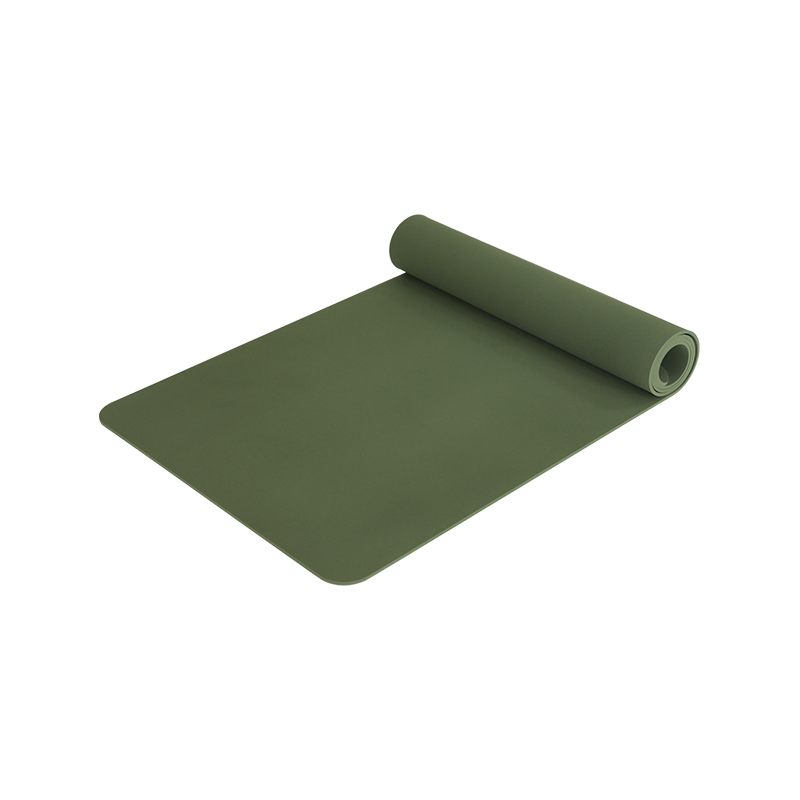
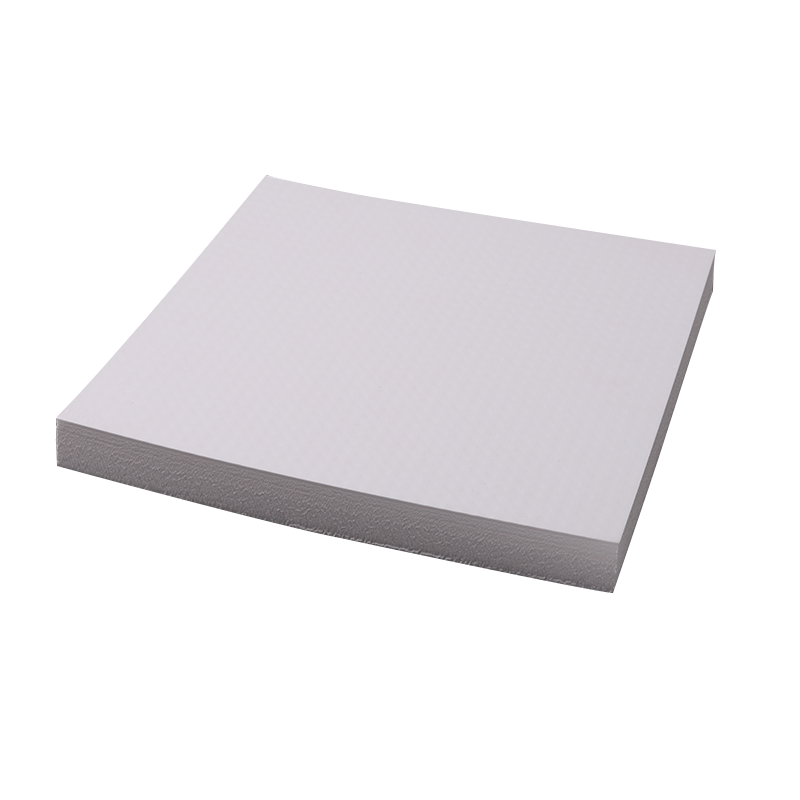
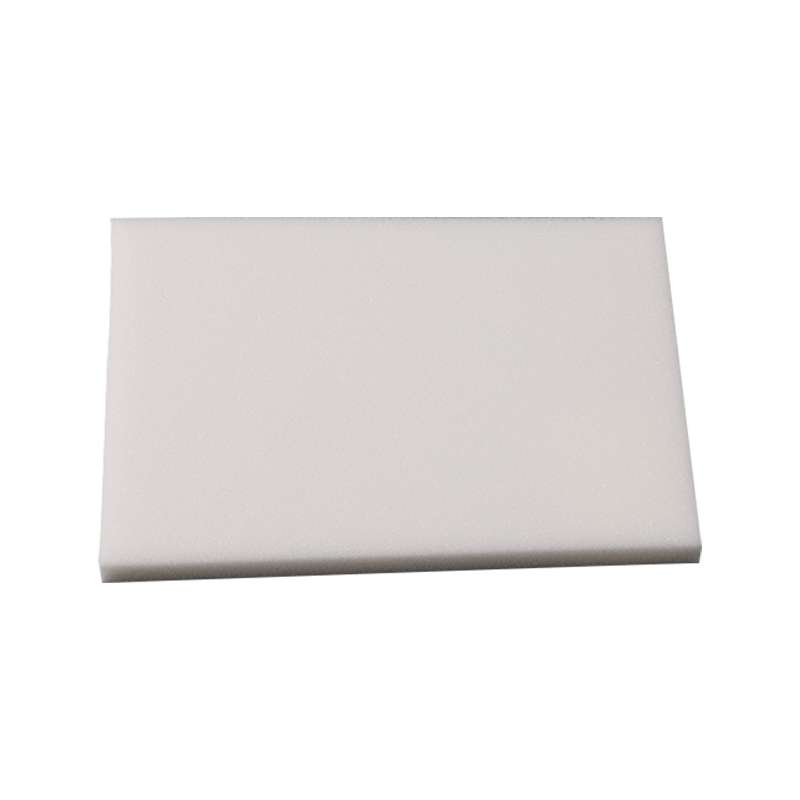
MPP (Microcellular Polypropylene) foam is produced via a continuous extrusion process using supercritical CO2 or N2 as blowing agents, resulting in a uniform closed-cell structure with cell diameters typically between 20 and 100 microns. The base polypropylene offers a density range of 45 to 120 kg/m³, with thermal conductivity as low as 0.032 W/(m·K). Because polypropylene is a semi-crystalline thermoplastic with a melting point around 160°C, MPP foam sheets can be used continuously at temperatures up to 120°C without significant creep or deformation. Their inherent hydrophobicity (water absorption <1% by volume) and excellent chemical resistance to acids, alkalis, and many solvents make them ideal for transportation and industrial insulation.
2.2 PVDF Foam Sheet – High-Temperature and Chemically Aggressive Environments
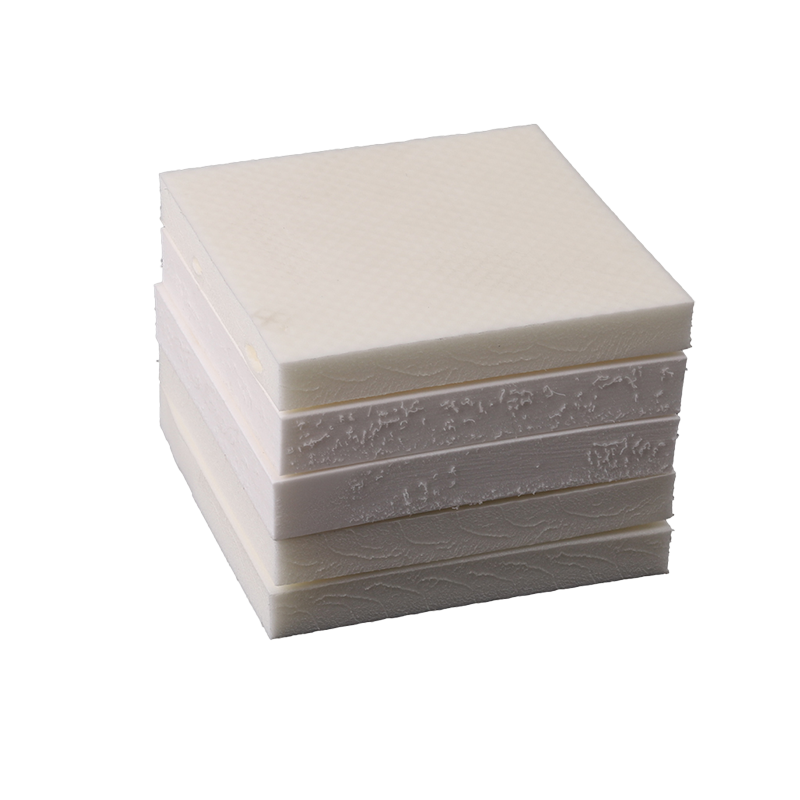
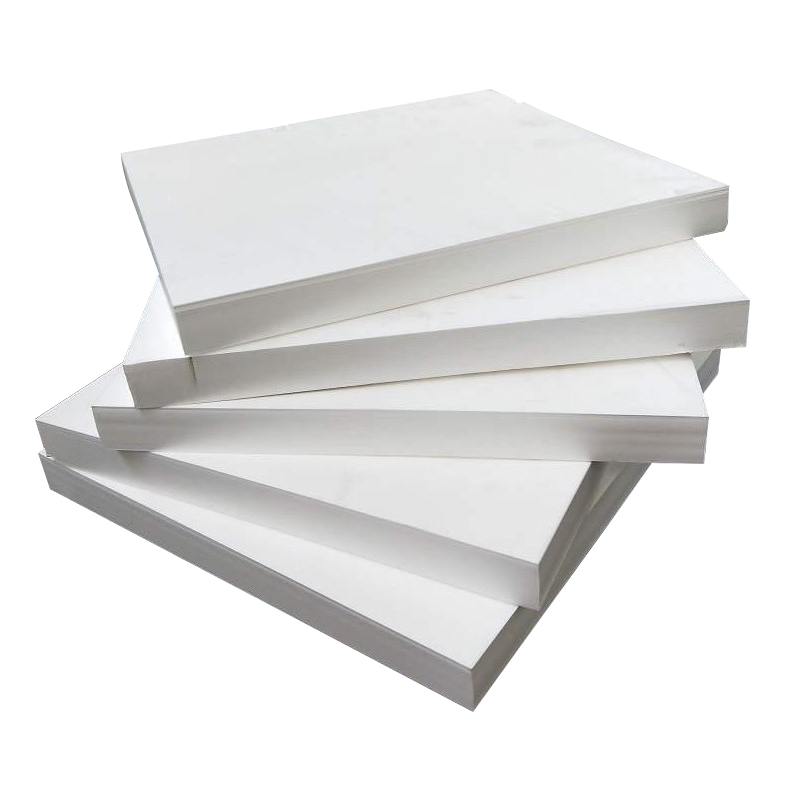
PVDF (Polyvinylidene fluoride) foam takes performance to a higher thermal tier. The fluoropolymer backbone provides outstanding resistance to UV radiation, strong oxidizing agents, and a wide range of chemicals including sulfuric acid and chlorinated solvents. With a continuous service temperature reaching 150°C and short-term excursions up to 170°C, PVDF foam sheets maintain mechanical integrity where conventional polyolefin foams would soften. Density typically ranges from 60 to 200 kg/m³, and the closed-cell content exceeds 95%. Furthermore, PVDF exhibits inherent flame retardancy due to its high fluorine content (59% by weight), achieving UL94 V-0 ratings without halogenated additives. This makes PVDF foam a preferred choice in semiconductor wet benches, chemical storage tanks, and high-temperature ducting.
2.3 FR-MPP Foam Sheet – Flame-Retardant Polypropylene Without Halogens
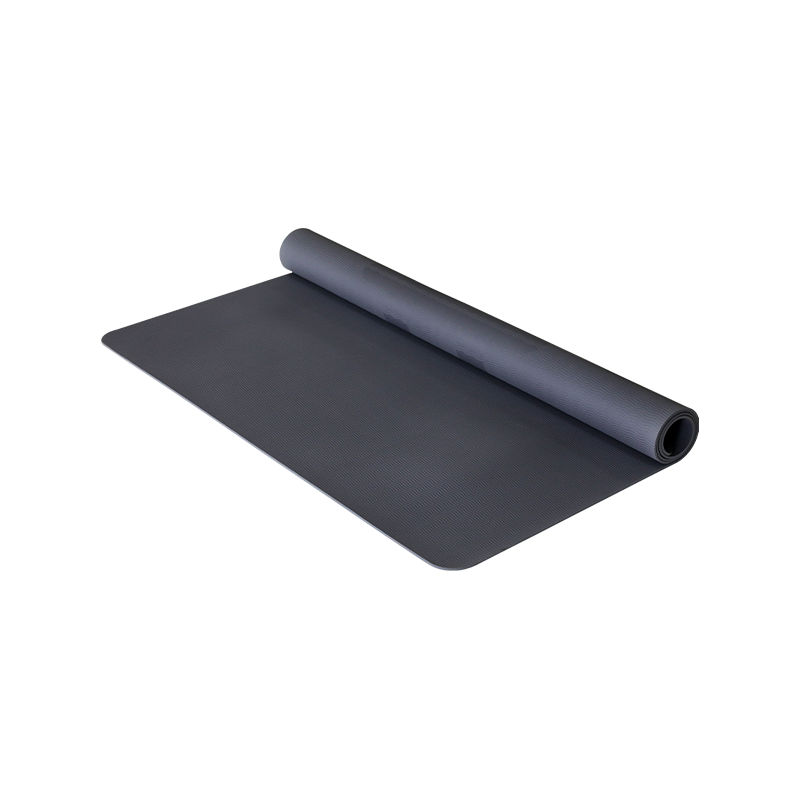
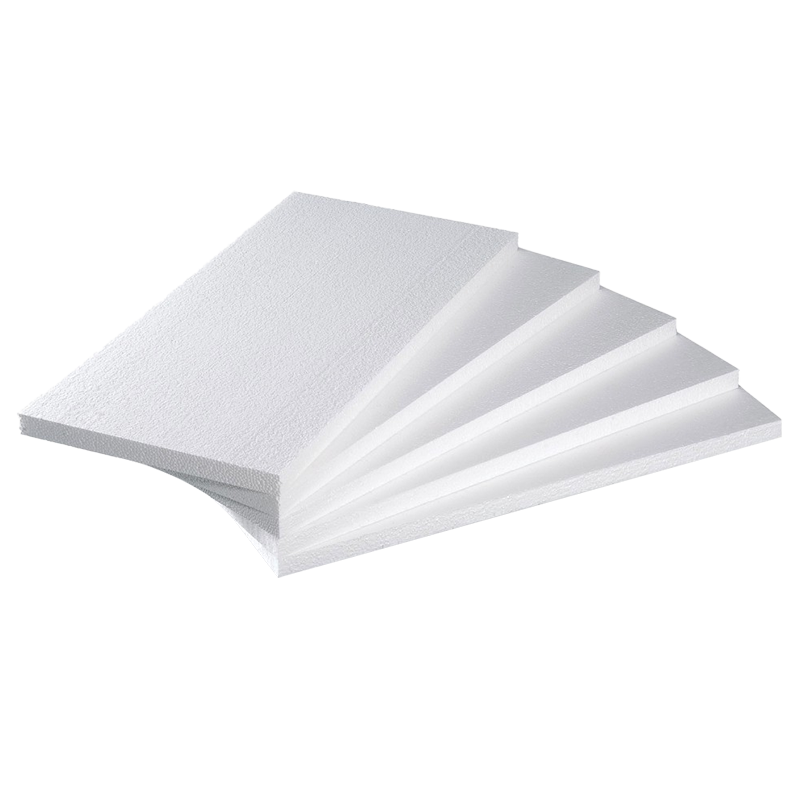
Standard polypropylene is inherently flammable (UL94 HB rating). FR-MPP (Flame-Retardant Modified Polypropylene) foam incorporates phosphorus- or nitrogen-based non-halogenated flame retardants during compounding, followed by foam extrusion. The result is a closed-cell polypropylene foam that achieves UL94 V-0 or V-2 ratings at thicknesses above 2 mm while retaining most of the lightweight and thermal insulation advantages of standard MPP. Typical density lies between 70 and 150 kg/m³, with thermal conductivity around 0.035–0.040 W/(m·K). FR-MPP foam sheets are particularly valuable for electric vehicle (EV) battery packs, where flame propagation must be prevented, and in building ventilation systems requiring low smoke toxicity.
3. Critical Properties: Thermal Insulation, Fire Resistance, and Acoustic Damping
To answer the recurring engineering question “is foam an insulator?” — yes, but the degree and mechanism vary. For closed-cell foams, heat transfer occurs through three parallel paths: conduction through the solid polymer, conduction through the gas inside cells, and radiation across cell walls. At low densities (below 100 kg/m³), gas conduction dominates; at higher densities, solid conduction becomes significant. The table below summarizes key performance indicators for the three foam types.
| Property | MPP Foam Sheet | PVDF Foam Sheet | FR-MPP Foam Sheet |
|---|---|---|---|
| Density range (kg/m³) | 45 – 120 | 60 – 200 | 70 – 150 |
| Max continuous temp. (°C) | 120 | 150 | 115 |
| Thermal conductivity (W/m·K) | 0.032 – 0.038 | 0.040 – 0.048 | 0.035 – 0.042 |
| Flammability rating (UL94) | HB (standard) V-2 (custom) |
V-0 (inherent) | V-0 (≥2mm) |
| Water absorption (% vol, 24h) | < 0.5 | < 0.3 | < 0.6 |
| Acoustic damping coefficient (α, 1000Hz) | 0.25 – 0.40 | 0.20 – 0.35 | 0.25 – 0.38 |
Fire resistance is a multi-faceted parameter. PVDF’s V-0 rating means the material self-extinguishes within 10 seconds after flame removal and produces no flaming drips. FR-MPP achieves similar ratings via intumescent char formation, which insulates the underlying polymer. Acoustic damping, measured by the sound absorption coefficient α, is moderate for closed-cell foams because their rigid cell walls reflect rather than absorb sound waves. However, when used as a decoupling layer in constrained-layer damping systems, these foams effectively reduce structure-borne noise. For pure airborne sound absorption, open-cell foams are superior, but closed-cell engineering foams win where moisture and chemical exposure are concerns.
4. Quantitative Comparison: Density, Temperature Limits, and Flame Retardancy
One of the most frequently debated topics is the role of density in foam performance. Higher density generally increases compressive strength and thermal conductivity (due to more solid polymer), but also improves creep resistance and machinability. For MPP foam sheets, a density increase from 60 kg/m³ to 100 kg/m³ raises compressive strength (at 25% strain) from approximately 0.4 MPa to 1.2 MPa, while thermal conductivity climbs from 0.033 to 0.038 W/(m·K). Designers must balance weight budgets against mechanical requirements.
For high-temperature resistance, PVDF foam sheets stand alone, maintaining >70% of room-temperature compressive strength after 1000 hours at 140°C. In contrast, standard MPP foam begins to lose shape under load at 120°C due to the onset of crystalline melting. FR-MPP, because the flame retardant additives can slightly depress the melting point, has a practical limit near 115°C. When fire resistance is paramount, both PVDF and FR-MPP offer V-0 performance, but PVDF does so without any additives, making it suitable for cleanroom and medical environments where outgassing must be minimized.
5. Application-Driven Selection: Matching Foam Type to Operating Environment
Selecting the correct engineering foam requires mapping environmental stressors—temperature extremes, chemical exposure, mechanical loading, and fire safety codes—to material capabilities. Below are three archetypal use cases.
Case 1: EV Battery Pack Sidewall Insulation
Lithium-ion battery modules operate between -20°C and 60°C normally, but during thermal runaway, nearby cells can reach 200°C for short periods. Here, FR-MPP Foam Sheet is widely adopted because it provides compression resilience (to accommodate cell swelling), flame retardancy (V-0), and low thermal conductivity to prevent thermal propagation. A 3 mm thick FR-MPP sheet with density 100 kg/m³ reduces heat flux by over 85% compared to an air gap. After thermal runaway tests (propane burner at 800°C for 2 minutes), the foam chars but does not ignite, buying critical minutes for passenger evacuation.
Case 2: Semiconductor Wet Process Equipment
In wafer fabrication, chemical baths contain piranha solution (sulfuric acid + hydrogen peroxide) at 120–140°C. Only fluoropolymer-based materials survive. PVDF Foam Sheet lining on tank walls reduces heat loss by 60% compared to an uninsulated stainless steel tank, while its closed-cell structure prevents wicking of aggressive liquids. Real-world data from a 300 mm fab retrofitted with 8 mm PVDF foam insulation showed annual energy savings of 22% on heating and a 40% reduction in condensation on outer walls.
Case 3: HVAC Ducting for Commercial Aircraft
Aircraft interior ductwork must meet FAR 25.853 fire standards and operate at temperatures from -50°C to 85°C. MPP Foam Sheet is often chosen due to its low density (60 kg/m³), which contributes to fuel savings. Compared to traditional melamine foam, MPP is dust-free and does not release toxic fumes during a fire. In one retrofit of a mid-size jet, replacing 15 kg of existing insulation with MPP foam saved 8 kg of weight, translating to approximately 2,000 liters of fuel per year per aircraft.
6. Foam Insulation Types: Where Do Closed Cell Polyurethane and Fluoropolymer Foams Stand?
The broad category of foam insulation types includes polymers such as expanded polystyrene (EPS), extruded polystyrene (XPS), polyisocyanurate (PIR), flexible polyurethane, and rigid closed-cell polyurethane. A closed cell polyurethane foam sheet typically has a density of 30–80 kg/m³ and thermal conductivity around 0.022–0.028 W/(m·K)—superior to MPP or PVDF. However, its maximum continuous operating temperature is only 80–100°C, and it burns readily unless treated with halogenated flame retardants. Furthermore, hydrolysis can occur in humid, high-temperature environments, causing embrittlement.
Engineering foams like MPP and PVDF trade slightly higher thermal conductivity for vastly superior temperature stability and chemical resistance. The table below contrasts common insulation categories with engineering foams.
| Insulation type | Max temp (°C) | Water absorption | Flammability | Typical applications |
|---|---|---|---|---|
| Closed cell polyurethane | 80 – 100 | Low (2-5%) | HB with additive | Building insulation, refrigeration |
| EPDM foam | 110 | Low | HB / V-2 | HVAC gaskets, pipe insulation |
| MPP Foam Sheet | 120 | <0.5% | HB to V-0 | Transportation, electronics |
| PVDF Foam Sheet | 150 | <0.3% | V-0 inherent | Chemical, semiconductor, aerospace |
When engineers ask “is foam an insulator?” the technically correct answer is: all foams insulate to some degree, but the choice of polymer and cell morphology determines the upper temperature limit, chemical compatibility, and fire performance. For high-performance environments, MPP, FR-MPP, and PVDF represent the cutting edge beyond commodity insulation.
7. The Role of Density in Foam Performance
Density in foam is not merely a weight specification; it governs mechanical, thermal, and acoustic properties. Lower density means more air and less polymer, which reduces thermal conductivity (to a point) and weight, but also reduces compressive strength and tear resistance. For MPP foam sheets, the relationship between density and compressive strength is roughly linear: strength (MPa) ≈ 0.008 × density (kg/m³). Thus a 45 kg/m³ MPP foam supports 0.36 MPa, while a 120 kg/m³ version supports 0.96 MPa.
However, there is a minimum density below which cells become unstable and collapse during foaming. For extruded polypropylene, that threshold is about 45 kg/m³. Below this, open-cell content rises, increasing water absorption and reducing insulation effectiveness. At high densities (above 200 kg/m³ for PVDF), the foam behaves almost like a solid polymer, losing the weight-saving advantage. Optimal density for structural insulation applications typically falls between 80 and 120 kg/m³, balancing strength, insulation, and mass.
- Low density (45-70 kg/m³): Best for non-load-bearing thermal wraps, acoustic damping layers, and buoyancy modules.
- Medium density (70-120 kg/m³): Suitable for compression pads, gaskets, and vibration isolation in EV batteries.
- High density (120-200 kg/m³): Used where creep resistance and machinability (threads, tight tolerances) are required, e.g., semiconductor fixture pads.
Technical insight: Density also influences the effective thermal conductivity via solid conduction. For a 30°C mean temperature, doubling density from 60 to 120 kg/m³ increases λ-value by approximately 0.006–0.008 W/(m·K) for MPP foams. This increase is often acceptable in exchange for better mechanical stability.
8. Real-World Performance Data and Engineering Case Studies
Beyond lab-scale data, long-term field performance validates foam selection. The following anonymized case studies illustrate quantifiable benefits.
Automotive Underhood Insulation
A European heavy-truck manufacturer replaced glass-fiber mat with 10 mm FR-MPP foam sheet on the underside of the engine cover. After 5000 hours of operation in temperatures cycling from -30°C to 110°C, the FR-MPP showed no cracking, water absorption below 0.8% by volume, and a surface temperature reduction of 32°C compared to the uninsulated cover. Noise levels inside the cabin dropped by 4 dB(A) at 2000 Hz due to the foam’s damping properties.
Oil & Gas Platform Cable Trays
On an offshore platform, cable trays exposed to salt spray and occasional hydrocarbon fires required flame-retardant insulation. A 6 mm PVDF foam sheet was applied as a liner. After 18 months, inspection revealed zero corrosion underneath the foam, and a simulated jet fire test (1100°C for 10 minutes) showed that the PVDF foam charred but did not melt or drip, maintaining cable integrity for 6 minutes—sufficient for emergency shutdown procedures.
Medical Imaging Equipment
A manufacturer of MRI machines used MPP foam sheets to isolate acoustic noise from gradient coils. The foam (density 85 kg/m³, thickness 12 mm) reduced structure-borne vibrations by 18 dB in the 300–800 Hz range, significantly improving patient comfort. In addition, the foam’s closed-cell nature prevented absorption of cleaning fluids, meeting hospital hygiene requirements.
These cases underscore that engineering foams are not generic materials but highly tunable solutions. The correct combination of polymer, density, and flame-retardant modification can yield life cycle cost reductions of 20–40% compared to legacy insulation methods.
9. Frequently Asked Questions
Q1: What is the main difference between MPP foam sheet and FR-MPP foam sheet?
The key difference lies in flame retardancy. Standard MPP foam sheet typically achieves a UL94 HB rating (slow burning), whereas FR-MPP foam sheet incorporates non-halogenated flame retardants to achieve V-0 or V-2 ratings at thicknesses of 2 mm or more. FR-MPP also has a slightly higher density (starting at ~70 kg/m³ vs. 45 kg/m³ for standard MPP) and a marginally lower continuous use temperature (115°C vs. 120°C).
Q2: Can PVDF foam sheet be used in direct contact with food or potable water?
Yes, PVDF is approved for food contact under FDA 21 CFR 177.2510 and complies with EU Regulation (EC) 1935/2004. However, the foam’s cellular structure might trap particles if cut edges are exposed. For hygienic applications, sealed surfaces are recommended. PVDF foam shows no leaching of plasticizers or heavy metals.
Q3: How does closed cell polyurethane foam sheet compare to MPP foam for thermal insulation in sub-zero temperatures?
Closed cell polyurethane foam has a lower thermal conductivity (0.022–0.026 W/m·K) than MPP foam (0.032–0.038 W/m·K), making it a more efficient insulator at temperatures between -50°C and +80°C. However, below -30°C, some polyurethane formulations become brittle, while MPP remains flexible and impact-resistant. For cryogenic applications, MPP or expanded polystyrene is often preferred over polyurethane.
Q4: Are these foam sheets recyclable?
MPP and FR-MPP are thermoplastic polypropylene-based foams and can be mechanically recycled (shredded, re-extruded) in dedicated facilities. PVDF is also recyclable but requires specialized processing due to its high melting point and fluoropolymer nature. Incineration with energy recovery is possible for all three, but landfilling is discouraged. Always check local regulations for industrial waste streams.
Q5: What thickness ranges are typical for engineering foam sheets?
Extruded MPP, FR-MPP, and PVDF foam sheets are commonly produced in thicknesses from 1 mm to 50 mm, with 2 mm, 3 mm, 5 mm, 10 mm, and 20 mm being stock sizes. Thinner sheets (<1 mm) are possible but become fragile. Thicker blocks (>50 mm) are usually fabricated by lamination or specialty molding.
Q6: How do I choose between MPP, FR-MPP, and PVDF for a high-temperature application at 130°C?
At 130°C, standard MPP foam (max 120°C) is too close to its melting point; FR-MPP is also unsuitable (115°C max). PVDF foam sheet is the correct choice, as it withstands 150°C continuously. If flame retardancy is also required, PVDF inherently provides V-0 without additives, making it ideal for 130°C environments.
 ++86-0512-66079229