
 English
 Español

Home / News / Why MPP Foam Outperforms EVA and IXPE in High-Stakes Industrial Applications
1. The Shifting Paradigm: Why MPP Foam is Displacing EVA and IXPE
For decades, ethylene-vinyl acetate (EVA) and irradiation cross-linked polyethylene (IXPE) have served as the default cushioning and structural foams across packaging, automotive interiors, and consumer goods. However, rising performance requirements in high-end sectors—from precision electronics packaging to electric vehicle battery protection—have exposed critical limitations of these traditional materials.
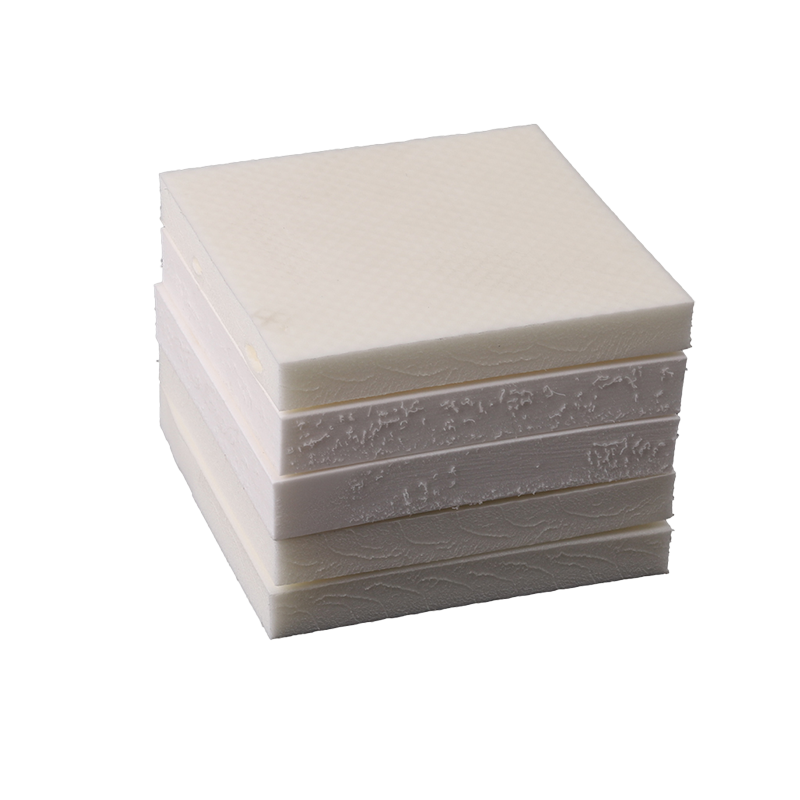
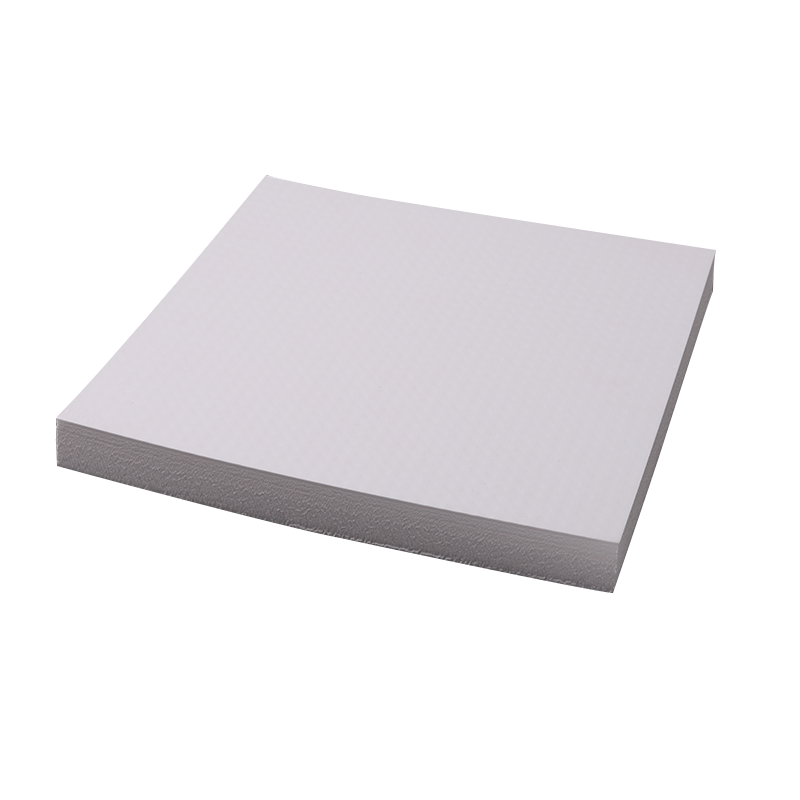
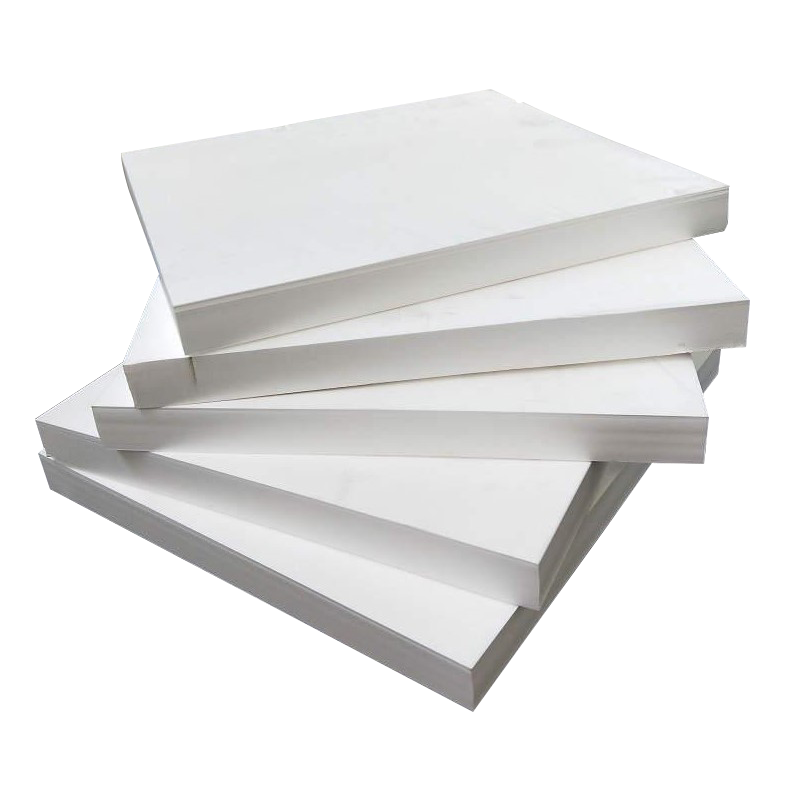
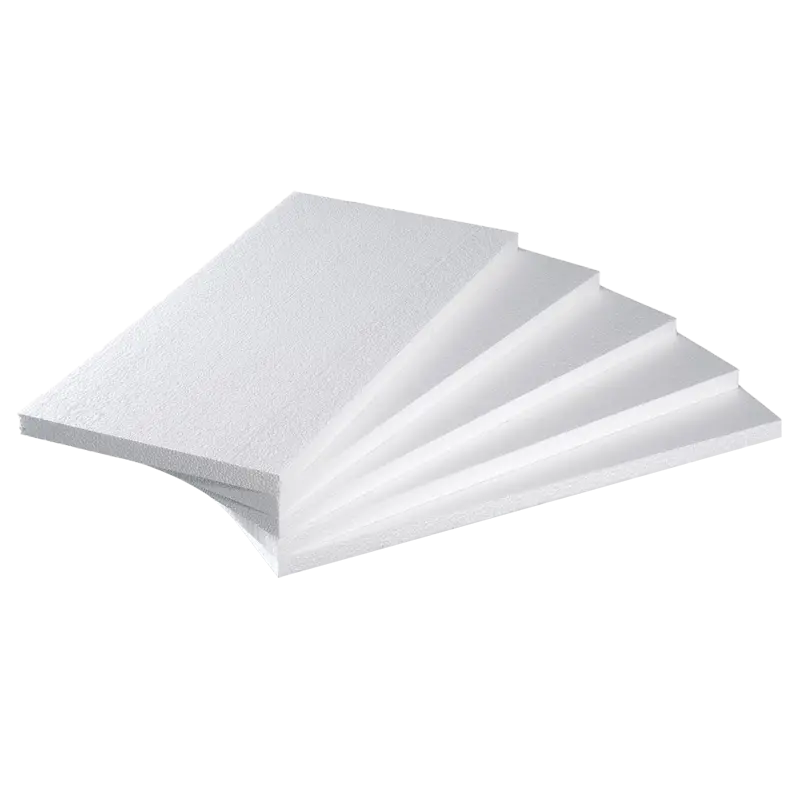
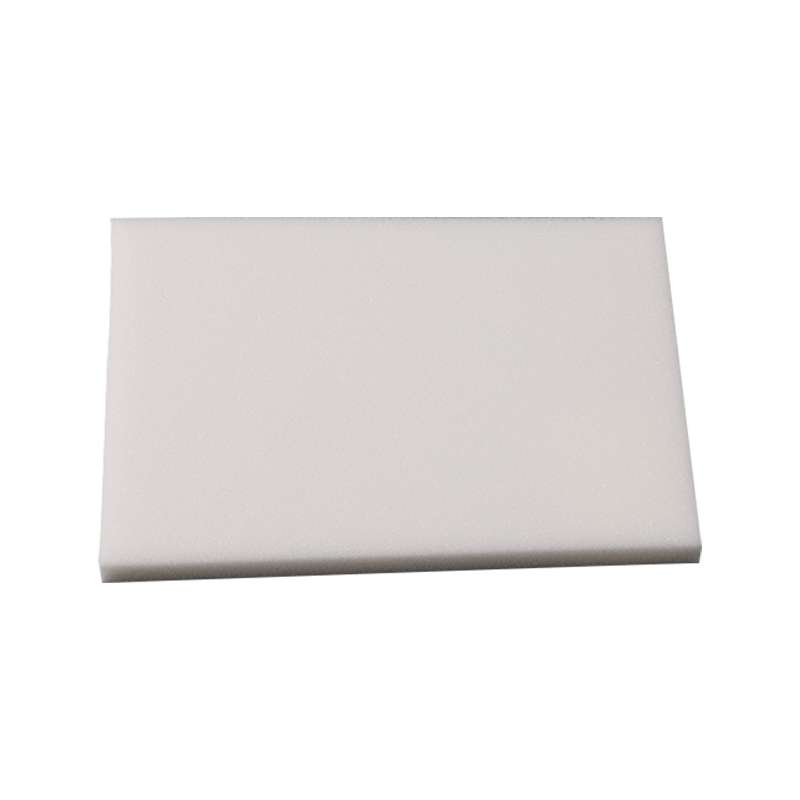
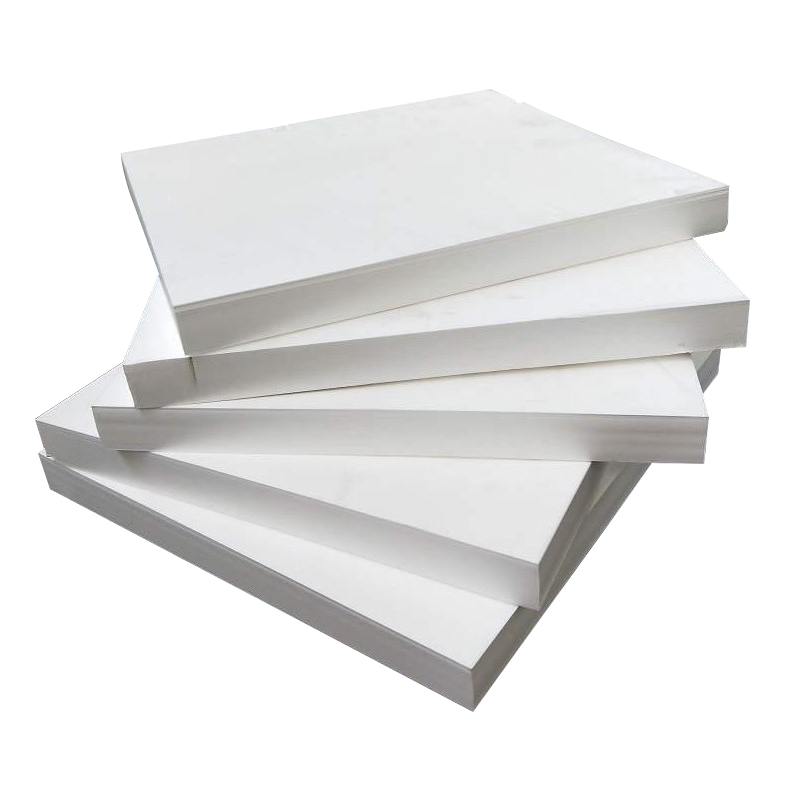
EVA foam alternative is no longer a niche concept; it is an industry imperative. The emergence of microcellular polypropylene (MPP) foam, particularly MPP Foam Sheet, marks a fundamental shift. MPP foam combines the processability of thermoplastics with the resilience of cross-linked foams, while offering superior environmental compatibility. This article examines the technical foundations, performance benchmarks, and economic rationale driving the transition from EVA and IXPE to MPP in demanding applications.
Engineers and procurement specialists evaluating foam solutions must understand not only material properties but also the hidden costs of material downgrading. The shift toward lightweight, durable, and fully recyclable foam materials is accelerating, with the global foam core materials market projected to grow from USD 1.08 billion in 2025 to USD 2.07 billion by 2030, at a CAGR of 14.0%[reference:0].
2. EVA and IXPE: Where Traditional Foams Fall Short
Understanding the weaknesses of incumbent materials is essential to appreciate the value proposition of MPP foam.
2.1 EVA Foam Limitations
EVA foam remains popular due to its low cost and good plasticity. However, its technical ceiling is relatively low. Key drawbacks include:
- Poor Compression Set Resistance: Under sustained load or repeated impact, EVA undergoes permanent deformation. This compression set leads to loss of cushioning effectiveness over time, a critical failure mode in protective packaging and footwear[reference:1].
- Non-Recyclable Nature: EVA is a cross-linked thermoset polymer, meaning it cannot be remelted or reprocessed. Post-industrial scrap and end-of-life products typically end up in landfills or incineration.
- Inconsistent Cell Morphology: The foam structure of EVA is less uniform than cross-linked alternatives, resulting in localized weak points and variable cushioning performance[reference:2].
- Odor and Outgassing: EVA is known to emit a distinct vinegar-like odor, making it unsuitable for closed-environment applications such as automotive interiors or medical device packaging[reference:3].
- Limited High-Temperature Performance: EVA softens and loses structural integrity at temperatures above 70°C, restricting its use in thermal-management applications.
2.2 IXPE Foam: Better but Still Constrained
IXPE (electron beam cross-linked polyethylene) offers improved uniformity and surface finish compared to EVA. However, its intrinsic material chemistry—based on polyethylene—imposes significant limitations:
- Poor Chemical Resistance: IXPE swells or degrades when exposed to oils, solvents, and many industrial chemicals, limiting its use in automotive or industrial settings where fluid contact is expected[reference:4].
- Limited Temperature Range (≤100°C): While cross-linking improves thermal stability, polyethylene's melting point restricts IXPE to applications below 100°C. This makes it unsuitable for automotive under-hood components or battery thermal management systems[reference:5].
- Flammability: PE-based foams are inherently flammable and require halogenated flame retardants to meet safety standards, which introduces toxicity and recycling issues.
- Cell Size Control Limitations: Traditional non-pressure foaming processes for IXPE suffer from poor uniformity of foam cells and difficulty in controlling cell size, leading to batch-to-batch inconsistency[reference:6].
3. Technical Superiority of MPP Foam: Structure, Properties, and Performance
MPP Foam Sheet is manufactured using supercritical carbon dioxide (scCO₂) foaming technology. Unlike chemical blowing processes that rely on cross-linking agents or toxic additives, scCO₂ foaming is a purely physical process. This results in a microcellular structure with uniform cell diameters below 100 microns[reference:7].
3.1 Mechanical Performance: MPP vs. EVA vs. IXPE
The table below presents typical mechanical properties across density grades. MPP demonstrates superior strength-to-weight ratios and lower compression set values, critical indicators of long-term cushioning effectiveness.
| Property | EVA Foam (Typical) | IXPE Foam (Typical) | MPP Foam - 15P (60 kg/m³) | MPP Foam - 20P (45 kg/m³) |
|---|---|---|---|---|
| Compressive Strength @10% (MPa) | 0.20 - 0.40 | 0.25 - 0.50 | 0.36 | 0.30 |
| Bending Strength (MPa) | 0.40 - 0.70 | 0.50 - 0.85 | 0.68 | 0.44 |
| Compression Set (22h/50°C, %) | 30 - 45 | 15 - 25 | <10 | <12 |
| Water Absorption (%) | < 2.0 | < 1.0 | < 0.10 | < 0.10 |
| Hardness (Shore C) | 50 - 70 | 60 - 75 | 75 | 66 |
Note: MPP data sourced from standardized testing (ISO 845:2006, GB/T8813-2008). The 15P and 20P grades represent medium-density formulations suitable for structural cushioning applications[reference:8].
3.2 Thermal and Chemical Resistance
MPP foam exhibits hot deformation temperatures up to 120°C (ISO 75-2)[reference:9], significantly higher than the 70°C upper limit of EVA and the 100°C limit of IXPE. This thermal margin is critical for automotive under-hood components, battery pack cushioning, and electronics that experience elevated operating temperatures. Additionally, MPP demonstrates resistance to strong acids and alkalis, enabling deployment in chemically aggressive environments where IXPE would rapidly degrade[reference:10].
4. Structural Distinction: Cross-linked vs Non-Crosslinked Foam Architectures
A fundamental differentiator between MPP and traditional foams lies in the polymer network structure. EVA and IXPE are cross-linked foams, meaning polymer chains are chemically bonded into a three-dimensional network. MPP, in contrast, is a non-cross-linked thermoplastic foam. This distinction has profound implications for processability, recyclability, and mechanical behavior.
4.1 Cross-linked Foams (EVA, IXPE, XLPE)
Cross-linking involves forming covalent bonds between polymer chains using chemical agents (for EVA and XPE) or electron beam irradiation (for IXPE)[reference:11]. This network structure imparts benefits: improved durability, superior thermal stability, enhanced chemical resistance, and better dimensional stability under load[reference:12]. However, cross-linking also introduces significant drawbacks:
- Non-Recyclable: Covalent cross-links cannot be broken through heating. Cross-linked foams are thermosets, not thermoplastics. They cannot be remelted or reprocessed, making post-industrial scrap and end-of-life waste management extremely challenging.
- Irreversible Deformation under High Stress: Once cross-linked cell walls collapse beyond their elastic limit, permanent damage occurs with no recovery mechanism.
- Processing Complexity: Cross-linking requires additional process steps (chemical mixing or irradiation) and tighter process control, increasing manufacturing cost and energy consumption.
4.2 Non-Crosslinked Thermoplastic Foam (MPP)
MPP foam retains the thermoplastic nature of polypropylene. The microcellular structure is achieved through supercritical fluid foaming without chemical cross-linking agents[reference:13]. Advantages include:
- Full Recyclability: MPP foam can be ground, remelted, and reprocessed into new foam products without property degradation. This aligns with circular economy principles and regulatory pressures on single-use plastics.
- No Chemical Residues: The absence of cross-linking agents and chemical blowing agents means MPP foam contains no toxic residues, making it safe for direct food contact and medical applications.
- Superior Elastic Recovery: The microcellular structure, combined with polypropylene's inherent resilience, delivers compression set values below 10%, outperforming most cross-linked alternatives in cyclic load applications.
- Lower Manufacturing Footprint: The scCO₂ foaming process operates without volatile organic compounds or halogenated blowing agents, reducing environmental impact at the production stage.
5. Cost-Performance Efficiency: Balancing Initial Investment and Total Cost of Ownership
When evaluating an EVA foam alternative, procurement decisions often focus on immediate material cost. However, this narrow perspective overlooks the total cost of ownership (TCO), which includes manufacturing yield, assembly efficiency, product lifespan, and end-of-life management. MPP foam's value proposition is most evident in TCO analysis.
5.1 Material Cost vs. Value Delivered
While EVA and lower-density IXPE grades carry lower per-unit material prices, their performance limitations frequently necessitate over-engineering—using thicker sections or additional reinforcement—to meet reliability requirements. MPP foam's superior mechanical properties allow for thinner, lighter designs without compromising protection. In a recent industrial packaging application, replacing a 15 mm EVA insert with a 10 mm MPP foam sheet achieved identical impact attenuation while reducing material consumption by 33% and lowering shipping weight.
5.2 Manufacturing and Assembly Advantages
MPP foam can be thermoformed, die-cut, and laminated using conventional equipment. Unlike cross-linked foams, which may exhibit edge fraying or inconsistent cut quality, the homogeneous microcellular structure of MPP yields clean, precise edges and tight dimensional tolerances. This translates to reduced scrap rates, faster assembly cycles, and lower labor costs for high-volume production lines.
5.3 Avoiding Material Downgrade Risks
Perhaps the most underappreciated factor in foam selection is the material downgrade risk—selecting an inadequate material that leads to field failures, warranty claims, and brand damage. When a foam underperforms in a protective application, the consequences extend far beyond material replacement cost. Damaged electronics, scratched automotive paint finishes, or collapsed cushioning layers can result in product returns, customer dissatisfaction, and regulatory non-compliance.
One electronics manufacturer documented a 15% increase in in-transit damage rates after switching to a lower-cost EVA alternative for laptop packaging. The financial impact of returns and replacements exceeded the material cost savings by a factor of 12 over a six-month period. MPP foam's consistent mechanical performance and wide safety margin reduce these risks.
5.4 Long-Term Durability and Maintenance Reduction
In reusable packaging systems—such as returnable shipping containers for automotive parts or medical device transport—foam inserts must withstand hundreds of cycles. EVA foam typically requires replacement after 50-100 cycles due to compression set and surface wear. MPP foam maintains structural integrity beyond 500 cycles, dramatically lowering per-use amortized cost. For a high-volume automotive logistics operation, this extended lifespan reduced annual foam replacement expenditure by approximately 65%.
6. High-End Applications Driving the Transition to MPP Foam
The adoption of MPP foam as an EVA foam alternative is most pronounced in sectors where performance, weight, and sustainability converge.
6.1 Electric Vehicle Battery Protection
EV battery packs require cushioning materials that provide vibration damping, thermal insulation, and electrical isolation while resisting electrolyte exposure. MPP foam's combination of closed-cell structure, chemical resistance, and high-temperature stability (120°C) meets these requirements. IXPE swells upon contact with lithium-ion battery electrolytes, and EVA degrades rapidly under thermal cycling. MPP foam has become the material of choice for battery cell spacers, thermal interface supports, and structural cushioning in leading EV platforms.
6.2 Medical Device and Pharmaceutical Packaging
Sterilization compatibility and chemical inertness are non-negotiable in medical applications. MPP foam withstands gamma irradiation and ethylene oxide sterilization without property degradation. Its non-crosslinked structure ensures no extractable cross-linking agents contaminate sterile fields. Medical device manufacturers increasingly specify MPP foam for surgical instrument trays, implant packaging, and diagnostic equipment cushioning where EVA's odor and IXPE's potential for chemical migration present unacceptable risks.
6.3 Precision Electronics Packaging
High-value electronic components—hard disk drives, semiconductor wafers, optical sensors—require electrostatic discharge (ESD) safe packaging with consistent cushioning and no outgassing. MPP foam can be manufactured with conductive additives to achieve ESD performance without compromising its other properties. The combination of low water absorption (<0.1%), consistent compression behavior, and absence of corrosive outgassing makes MPP foam superior to EVA and IXPE for protecting sensitive electronics during global logistics.
6.4 Aerospace Interior Components
Weight reduction in aerospace directly translates to fuel savings and increased payload. MPP foam's density range (30-100 kg/m³) enables lightweighting of cabin panels, armrest components, and galleys. Its compliance with aircraft flammability regulations and zero outgassing behavior meets FAA and EASA requirements, positioning MPP foam as a viable alternative to heavier EVA components.
6.5 Sports and Protective Equipment
From helmet liners to shin guards, protective sports equipment demands energy absorption and recovery over repeated impacts. MPP foam's microcellular structure delivers consistent impact attenuation without the permanent deformation that plagues EVA foams after multiple impacts. Professional sports equipment manufacturers have transitioned to MPP-based padding for high-wear applications where performance degradation cannot be tolerated.
7. Sustainability Imperative: MPP Foam's Role in the Circular Economy
Regulatory pressure on plastic waste is intensifying globally. Extended producer responsibility (EPR) schemes in the European Union, plastic packaging taxes, and corporate net-zero pledges are forcing material selection decisions with full lifecycle assessment (LCA) criteria. MPP foam offers distinct advantages in this evolving landscape.
7.1 End-of-Life Recyclability
Unlike cross-linked EVA and IXPE, MPP foam is a thermoplastic that can be mechanically recycled. Post-consumer and post-industrial scrap can be ground, recompounded, and extruded into new foam sheets. This closed-loop potential directly supports circular economy objectives. In contrast, cross-linked foams are nearly impossible to recycle economically, with most destined for incineration or landfill.
7.2 Clean Manufacturing Process
The supercritical carbon dioxide foaming process used for MPP foam eliminates chemical blowing agents entirely[reference:14]. Traditional EVA and IXPE manufacturing relies on chemical blowing agents such as azodicarbonamide (ADCA), which can decompose into semicarbazide and other compounds of concern[reference:15]. Furthermore, no chemical cross-linking agents are added during the foaming process, ensuring that the final material contains no residual cross-linking residues[reference:16]. This clean manufacturing footprint simplifies regulatory compliance and enhances worker safety.
7.3 Reduced Carbon Footprint
Lightweighting reduces transportation emissions throughout the supply chain. For every kilogram of weight removed from packaging or components, logistics-related CO₂ emissions decrease proportionally. MPP foam's strength-to-weight ratio allows material reduction without compromising protection, delivering measurable carbon reductions. A study of automotive packaging operations found that transitioning from EVA to MPP foam inserts reduced shipping container weight by 18%, lowering per-unit transport emissions by an equivalent percentage.
7.4 Compliance with Emerging Regulations
Regulations including REACH (EU), TSCA (US), and China RoHS impose restrictions on hazardous substances in materials. EVA and IXPE may contain residual cross-linking agents, chemical blowing agent decomposition products, or plasticizers that trigger compliance thresholds. MPP foam's additive-free, chemical-crosslinker-free composition simplifies supplier declarations and reduces regulatory risk in global supply chains.
8. Decision Framework: When to Specify MPP Foam
Not every application requires MPP foam. However, when the following conditions are present, MPP foam delivers superior total value:
8.1 Selection Criteria Matrix
| Application Requirement | EVA | IXPE | MPP |
|---|---|---|---|
| Temperature exposure >100°C | No (fails) | Limited | Yes (up to 120°C) |
| Chemical/solvent exposure | Poor | Poor | Excellent |
| Repeated impact/cyclic load | Poor (high compression set) | Moderate | Excellent |
| Recyclability required | No | No | Yes (100% thermoplastic) |
| Lowest initial material cost | Yes | Moderate | Higher upfront |
| Lowest total cost of ownership | Variable | Variable | Yes |
8.2 When to NOT Specify MPP Foam
Applications with minimal performance requirements, single-use disposable packaging with no need for durability, or scenarios where initial material cost is the sole decision driver may not justify MPP foam's premium. However, even in these cases, the potential for material downgrade risk should be carefully evaluated. Cost savings from a lower-grade foam may be erased by a single field failure.
8.3 Economic Justification Tool
Design engineers can calculate the payback period for MPP foam adoption using the following simplified TCO comparison: annual material cost difference / (reduced scrap value + extended lifespan savings + avoided failure costs). In most protective packaging applications, the TCO payback period ranges from 6 to 18 months, with ongoing savings thereafter.
9. Frequently Asked Questions
Q1: What is the primary difference between MPP foam and IXPE foam?
The primary difference lies in the polymer base and cross-linking method. IXPE is cross-linked polyethylene, produced using electron beam irradiation. MPP foam is non-crosslinked polypropylene, manufactured using supercritical CO₂ physical foaming. This distinction results in MPP's superior chemical resistance, higher temperature tolerance (120°C vs 100°C), and full recyclability, whereas IXPE offers moderate performance but cannot be remelted or recycled.
Q2: Can MPP foam directly replace EVA in existing tooling and designs?
In many cases, yes. MPP foam can be thermoformed, die-cut, and laminated using standard foam processing equipment. However, due to differences in hardness and compression behavior, minor adjustments to part thickness or geometry may be required. A density re-evaluation is recommended when transitioning from EVA to MPP foam, as the superior strength-to-weight ratio of MPP often allows for thinner sections while maintaining or improving protection.
Q3: Is MPP foam more expensive than EVA or IXPE?
On a per-unit volume or per-unit weight basis, MPP foam typically carries a higher initial material cost than commodity-grade EVA. However, when evaluated on total cost of ownership, MPP often proves more economical due to longer service life, reduced failure rates, lower shipping weight, and full recyclability. For high-value or high-cycle applications, the TCO advantage of MPP foam is substantial.
Q4: What is the compression set performance of MPP foam compared to IXPE?
MPP foam consistently achieves compression set values below 10% under standard test conditions (22 hours at 50°C). IXPE typically exhibits compression set in the 15-25% range. This means MPP foam recovers more completely after sustained loading, providing more consistent cushioning over the product lifecycle and making it preferable for reusable packaging and applications requiring long-term shape retention.
Q5: Can MPP foam be recycled after use?
Yes, MPP foam is fully recyclable as a thermoplastic. Unlike cross-linked EVA and IXPE, which form irreversible chemical bonds during manufacturing, MPP retains its thermoplastic nature. Post-consumer MPP foam can be ground, remelted, and reprocessed into new foam products. This capability is increasingly important for companies with corporate sustainability targets or those operating under extended producer responsibility regulations.
Q6: What certifications or compliance standards does MPP foam meet?
MPP foam meets RoHS and REACH compliance requirements due to its absence of hazardous substances. The supercritical CO₂ foaming process leaves no chemical residues. Additionally, MPP foam achieves UL94 HF-1 flame retardancy ratings in applicable grades and withstands gamma and E-beam sterilization for medical applications. Specific certifications should be verified with your material supplier for the intended application.
Q7: Is MPP foam suitable for food contact applications?
Yes. Because MPP foam contains no chemical cross-linking agents or chemical blowing agent residues, it is inherently non-toxic. The manufacturing process uses only supercritical CO₂ or N₂ as foaming agents, leaving no extractable contaminants. For direct food contact applications, appropriate food-grade certifications should be confirmed with the supplier, but the material chemistry presents no inherent barrier to food-safe use.
Q8: How does MPP foam perform under UV exposure?
Unmodified polypropylene is susceptible to UV degradation over extended outdoor exposure. However, MPP foam can be formulated with UV stabilizers to enhance weathering resistance for outdoor applications. For short-term outdoor use or indoor applications (the majority of packaging and cushioning scenarios), UV exposure is typically not a concern. Engineers should specify UV-stabilized grades for prolonged sunlight exposure.
Q9: What density ranges are available for MPP foam sheet?
MPP foam sheet is commercially available in densities from 30 kg/m³ to 100 kg/m³. Common grades include 10P (85±15 kg/m³), 15P (59±11 kg/m³), and 20P (45 kg/m³) and 25P (36 kg/m³). Lower densities provide greater weight savings and softer cushioning. Higher densities deliver increased structural strength and hardness. The optimal density depends on the specific application requirements, including load levels, impact energy, and dimensional constraints.
Q10: Can MPP foam be combined with other materials through lamination?
Yes. MPP foam can be laminated to films, fabrics, adhesives, and rigid substrates using conventional lamination equipment. The smooth, uniform surface of MPP foam promotes consistent adhesive bonding. This capability enables multi-layer composite structures—for example, MPP foam cores with decorative fabric skins for automotive interiors or with conductive films for ESD-sensitive electronics packaging.
10. Summary: The Case for MPP Foam in High-End Applications
The transition from EVA and IXPE to MPP foam in high-end applications is not a marketing narrative; it is a response to quantifiable performance gaps and economic pressures. EVA's poor compression set and non-recyclable nature, combined with IXPE's limited temperature range and chemical vulnerability, create opportunities for MPP foam to deliver superior value.
MPP Foam Sheet offers a compelling combination: a microcellular structure with uniform cells below 100 microns, compressive strength comparable to cross-linked foams with compression set below 10%, full thermoplastic recyclability, operating temperature up to 120°C, resistance to strong acids and alkalis, and a clean manufacturing footprint using supercritical CO₂ without chemical cross-linking agents.[reference:17][reference:18]
For engineers and procurement professionals evaluating foam materials, the decision framework is clear: when total cost of ownership, sustainability alignment, and reliable performance under demanding conditions matter, MPP foam represents the state of the art. The material downgrade risks associated with selecting EVA or IXPE for high-performance applications are no longer acceptable in industries where failure carries significant financial or reputational consequences.
As lightweighting requirements intensify and circular economy regulations expand, the adoption of MPP foam across automotive, electronics, medical, and protective equipment sectors will accelerate. Organizations that transition early will secure supply chain advantages, meet sustainability targets, and reduce total cost of ownership—all while improving product protection and reliability.
 ++86-0512-66079229