
 English
 Español

Home / News / Why MTPU is Revolutionizing the Fitness and Eco-Friendly Mat Industry
Material Engineering Breakdown
The Shift Toward Advanced Polymer Matrices in Sports Science
The global athletic and wellness industries have experienced a profound paradigm shift regarding the technical equipment utilized for daily training, physical rehabilitation, and recreational exercise. Historically, early physical therapy and athletic training surfaces relied heavily on dense vulcanized rubbers or basic polyvinyl chloride formations. While these legacy materials offered fundamental physical separation from rigid subfloors, they presented significant operational limitations, including substantial weight, susceptibility to rapid environmental degradation, and the release of volatile organic chemical compounds. As material science progressed into the twenty-first century, the demand for sophisticated, inert, and highly resilient polymer configurations led to the development of modified thermoplastic structures.
Modern biomechanical engineering demonstrates that an athletic surface must perform multiple concurrent functions: it must deliver precise energy return, manage impact force vectors, resist mechanical shear forces, and maintain chemical stability under varying thermal conditions. Traditional elastomeric foams often failed to balance these requirements, either collapsing under sustained structural loads or exhibiting excessive stiffness that transferred stress directly back to the human musculoskeletal framework. The emergence of modified thermoplastic polyurethane polymer chains resolved these technical conflicts by combining the molecular toughness of engineering plastics with the natural elasticity of high-performance elastomers.
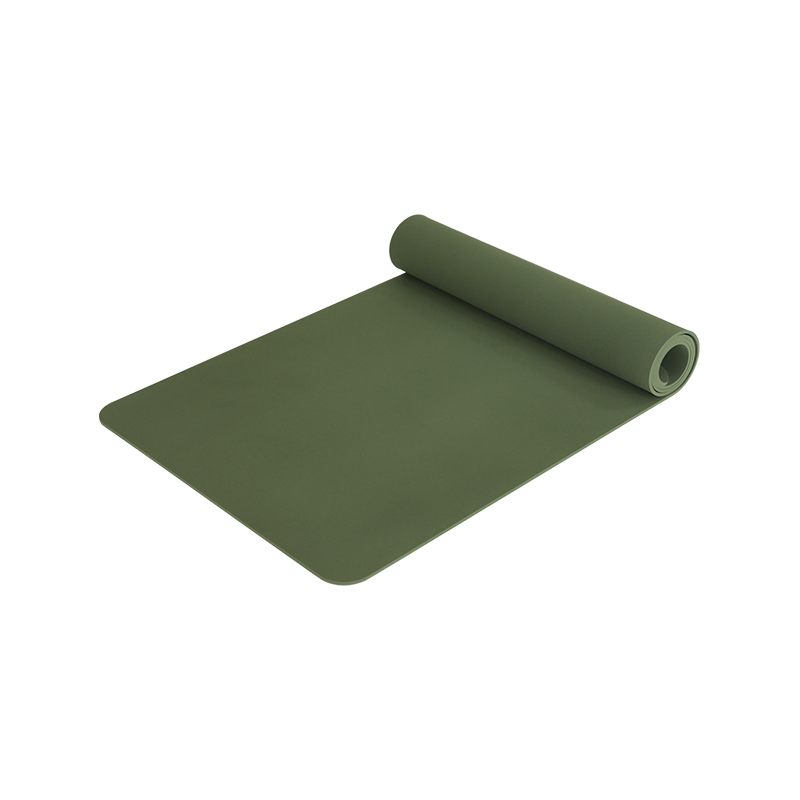
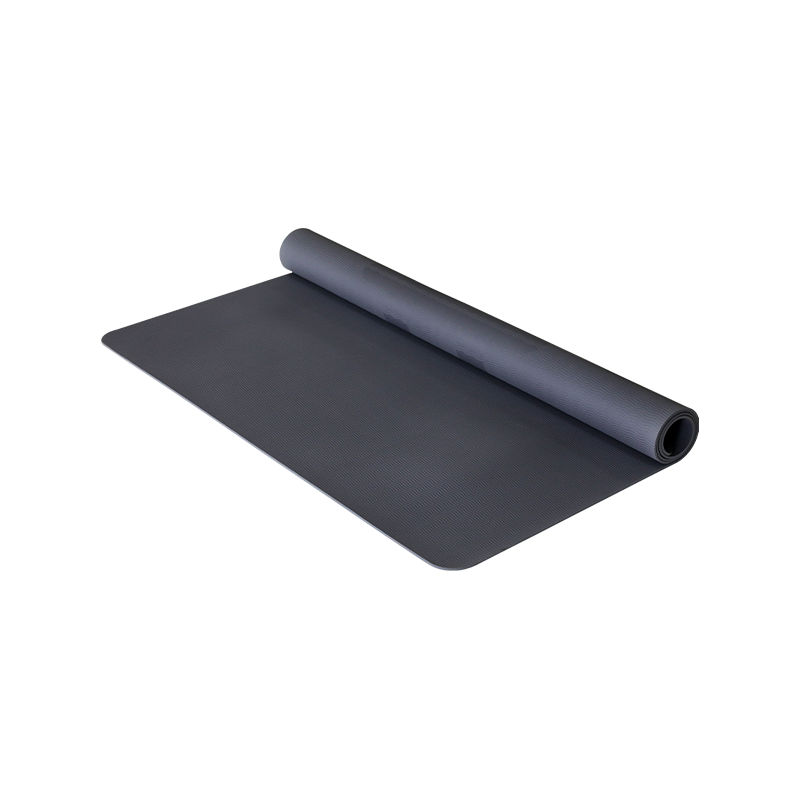
This structural evolution has introduced specialized product classifications tailored to specific consumer groups and performance requirements. For instance, the deployment of the mtpu adults yoga mat has redefined professional wellness standards by offering an optimized balance of surface friction and multi-axis stability. By engineering the underlying material at a macromolecular level, manufacturers can control the specific density profiles and physical characteristics of the finished product, ensuring long-term utility across diverse operating environments.
85%
Reduction in Polyvinyl Chloride Utilization in High-Tier Institutional Facilities
4.5x
Increase in Tensile Tear Resistance Compared to Traditional Hydrocarbon Foams
0%
Plasticizer Migration and Volatile Emission During Extended Thermal Exposure
Microcellular Structure
Analyzing the Structural Superiority of Closed-Cell Foam Systems
To comprehend the performance advantages of modern thermoplastic matrices, it is essential to analyze the underlying microcellular architecture. Industrial foam materials generally fall into two primary structural classifications: open-cell and closed-cell configurations. Open-cell foams feature interconnected gaseous pockets that allow air and moisture to pass freely through the material. While this provides initial softness, it compromises the structural integrity under repeated loads and creates an absorbent matrix that traps perspiration, skin oils, and microbial elements, leading to rapid hygiene degradation and material rot.
Conversely, a premium mtpu fitness mat utilizes an advanced closed-cell foam matrix. Within this microcellular framework, every individual gaseous cell is completely sealed by a continuous walls of modified polyurethane polymer. When an external compressive load is applied, the gas trapped within these microscopic spheres undergoes pneumatic compression, acting as millions of independent, microscopic springs. This pneumatic action ensures that the foam padding absorbs kinetic energy efficiently and immediately returns to its original geometric configuration once the load is removed.
Furthermore, the physical characteristics of these soft foams are determined by the specific gas-to-polymer ratio achieved during the high-pressure gas expansion process. Because the cells are non-porous, the material acts as an absolute barrier against liquid penetration. This complete resistance to moisture absorption prevents the accumulation of bacteria, fungi, and unpleasant odors, facilitating effortless surface sanitization via simple physical wiping. The resulting structural stability provides superior longevity, ensuring the surface retains its precise elastomeric properties even after thousands of compression cycles.
Biomechanical Safety
Shock Absorption Material Innovation and Impact Mitigation
During dynamic physical exercises, such as high-intensity interval training, plyometrics, or rigorous calisthenics, human joints are subjected to repetitive impact forces that can equal several times the individual body mass. Without proper mitigation, these force vectors propagate through the calcaneus, tibia, patella, and lumbar spine, accumulating micro-trauma over extended periods. The introduction of optimized shock absorption material into modern fitness equipment represents a foundational victory for injury prevention and structural kinesiology.
The mechanical efficiency of these platforms depends heavily on the rate of force attenuation. When an athlete lands heavily on a surface, the kinetic energy must be dissipated laterally across the molecular structure rather than reflecting directly upward into the skeletal frame. Advanced thermoplastic materials achieve this via controlled hysteretic loss, meaning the polymer chains temporarily slide past one another at a microscopic scale, absorbing and dispersing a high percentage of the downward kinetic energy before converting it into harmless thermal energy.
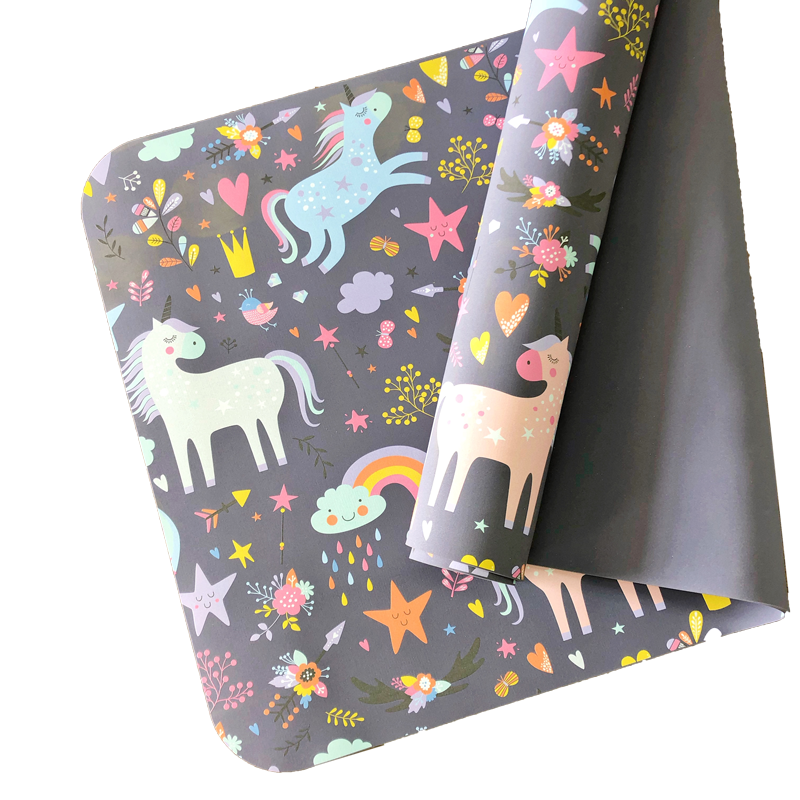
This level of protective engineering is equally crucial for developing pediatric wellness and recreational gear. The implementation of an advanced mtpu kids yoga mat guarantees that developing joints and sensitive growth plates receive identical structural protection during physical play and gymnastics. Because children possess different center-of-gravity dynamics and less developed motor control, providing a highly predictable, high-traction, and impact-mitigating surface significantly reduces the incidence of minor strains and contusions during early physical development.
Comparative Analysis
Material Engineering Matrix: MTPU vs. Legacy Polymers
To fully appreciate the commercial and technical disruption brought about by modified thermoplastic polyurethane foams, a direct comparative assessment against standard industry alternatives is required. Historically, manufacturers selected materials based primarily on immediate procurement costs rather than lifecycle durability or biochemical safety. The following analytical table clarifies the fundamental technical deviations across several critical performance criteria.
| Performance Indicator | Modified Thermoplastic Polyurethane | Ethylene-Vinyl Acetate | Polyvinyl Chloride |
|---|---|---|---|
| Microcellular Architecture | Homogeneous Closed-Cell | Inconsistent Closed-Cell | Variable Open/Closed Mixed |
| Chemical Toxicity Profile | Non-Toxic, Zero Plasticizers | Low-to-Medium Formamide Risk | High Phthalate Content |
| Long-term Compression Set | Minimal (Under 4%) | Severe Permanent Deformation | Moderate Permanent Compression |
| Tensile and Tear Strength | Exceptional (High Elasticity) | Low (Prone to Gouging) | Moderate (Susceptible to Flaking) |
| Moisture Permeability | Absolute Zero Absorption | Low-to-Moderate Absorption | High Micro-Capillary Absorption |
| Recyclability Potential | 100% Thermoplastic Melting | Complex Thermoset Obstacles | Hazardous Material Challenges |
This comparison highlights that older polymer formulations require significant trade-offs. For example, while basic vinyl alternatives provide a cheap initial surface, their dependency on heavy chemical plasticizers to maintain flexibility ensures that the material will steadily emit volatile organic compounds throughout its lifetime. Over time, these plasticizers migrate to the surface, leaving the core brittle, prone to cracking, and distinctly less capable of distributing forces evenly.
Industrial Engineering
Multi Purpose Foam Applications: Beyond Traditional Boundaries
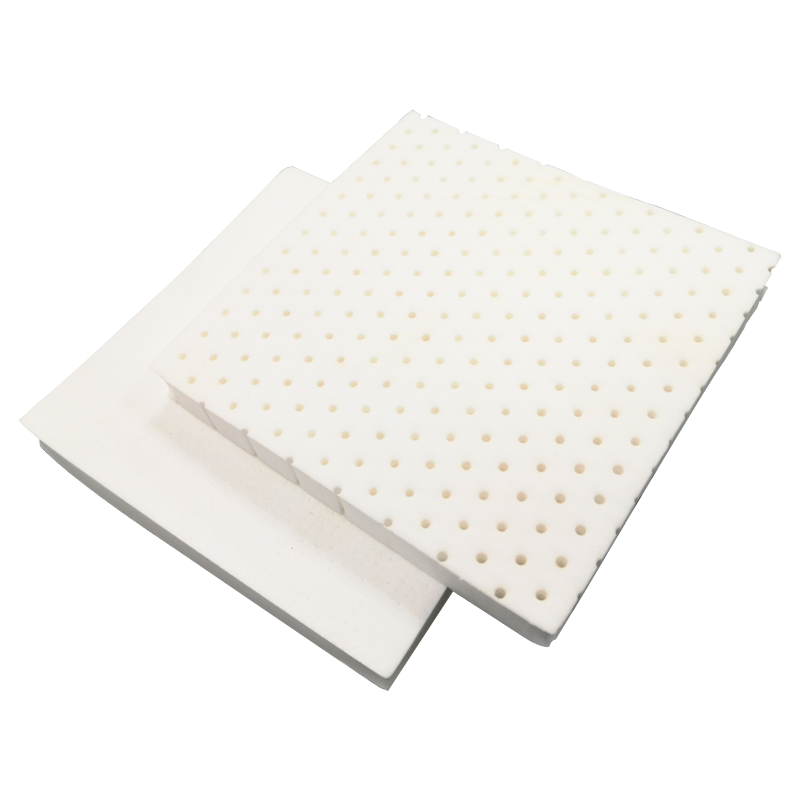
While the physical wellness and fitness sectors represent highly visible consumer applications, the underlying polymer tech serves as a critical multi purpose foam across various demanding commercial and industrial sectors. The distinct ability to tune the mechanical compliance, hardness, and thermal properties of these thermoplastic structures means they can be deployed in environments ranging from automotive cabin insulation to sensitive aerospace component packaging.
In heavy industrial contexts, these foams are valued for their exceptional structural durability and ability to survive harsh chemical environments. Unlike standard hydrocarbon-based foams that swell, dissolve, or break down when exposed to industrial lubricants, sweat, or mild detergents, modified polyurethanes retain their cross-linked integrity. This makes them perfect for structural gasketing, vibration-damping pads for heavy machinery, and defensive barriers in architectural projects requiring long-term reliability.
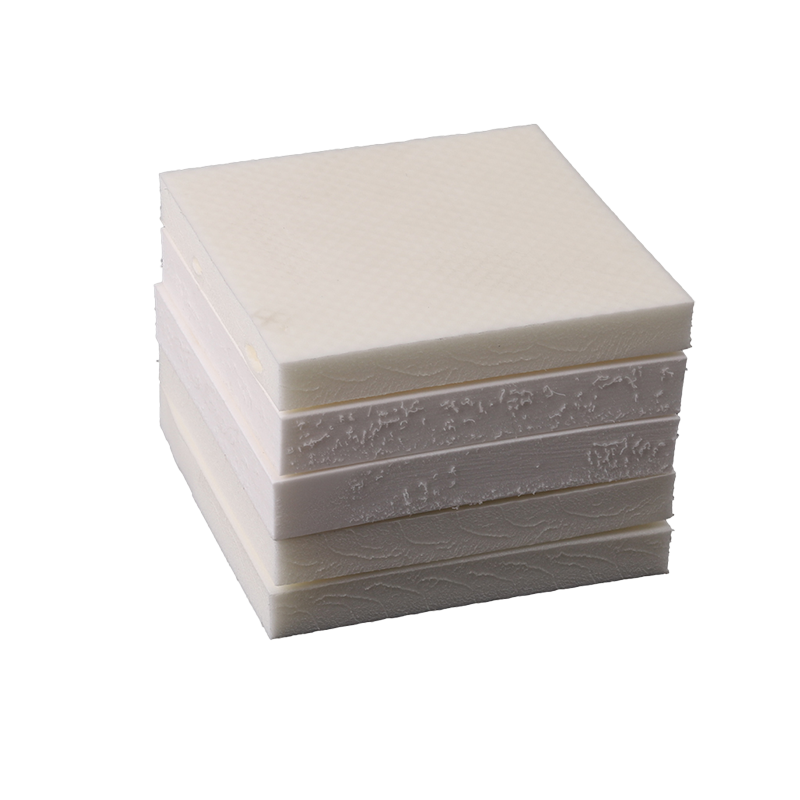
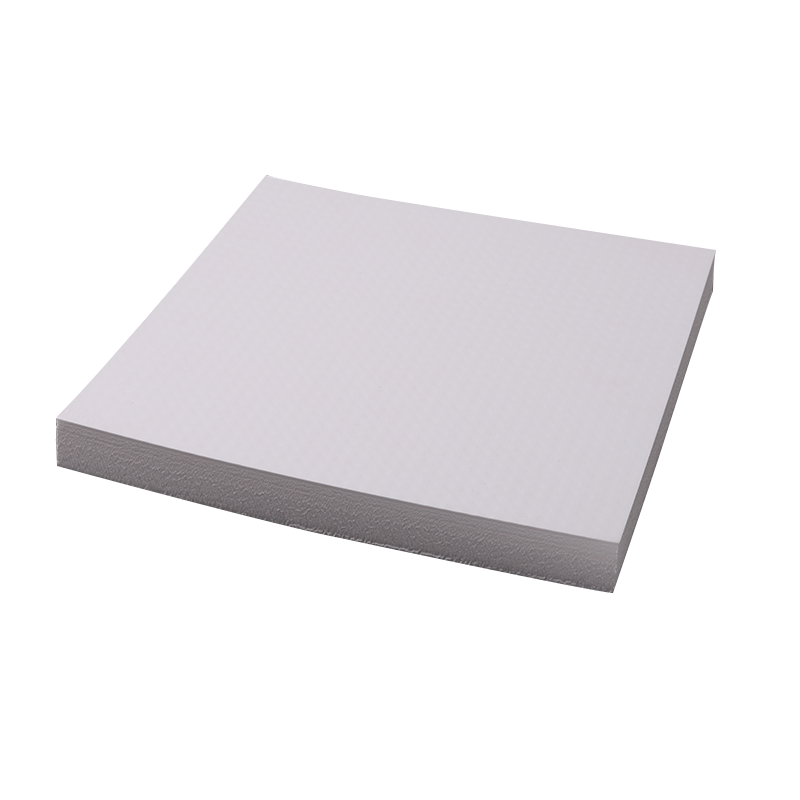
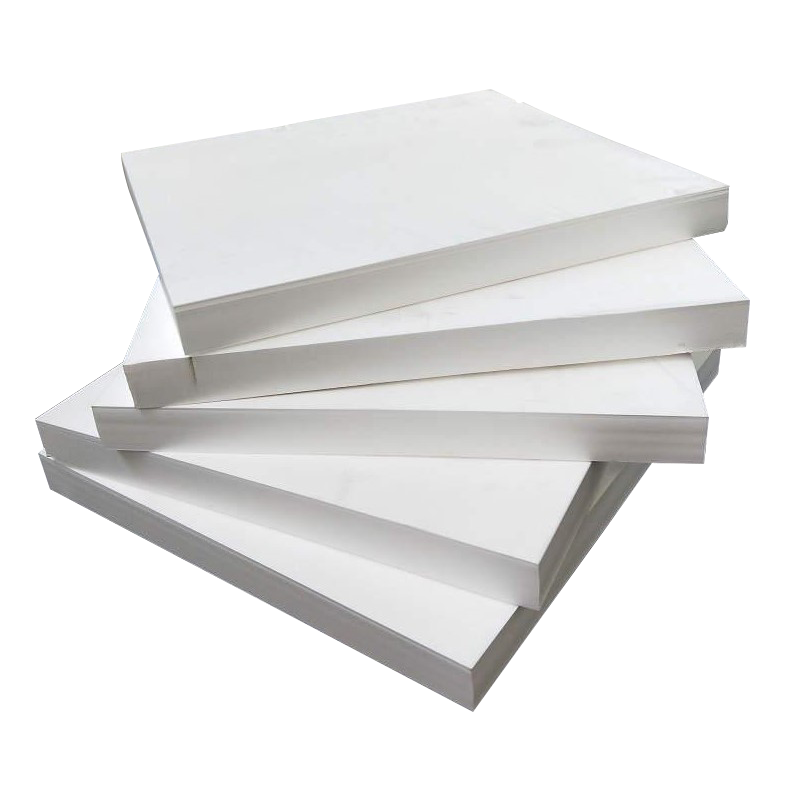
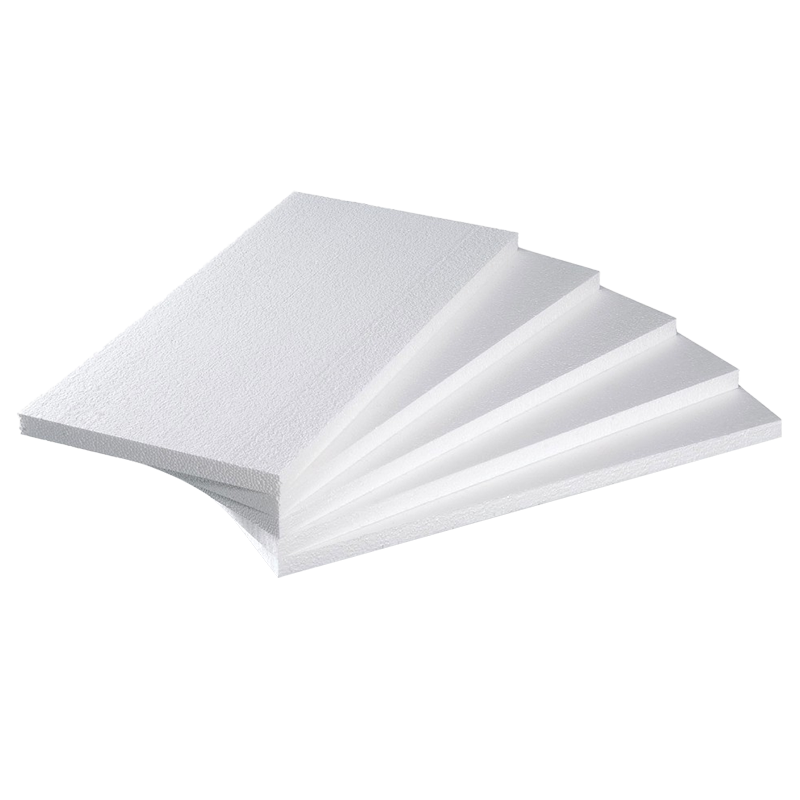
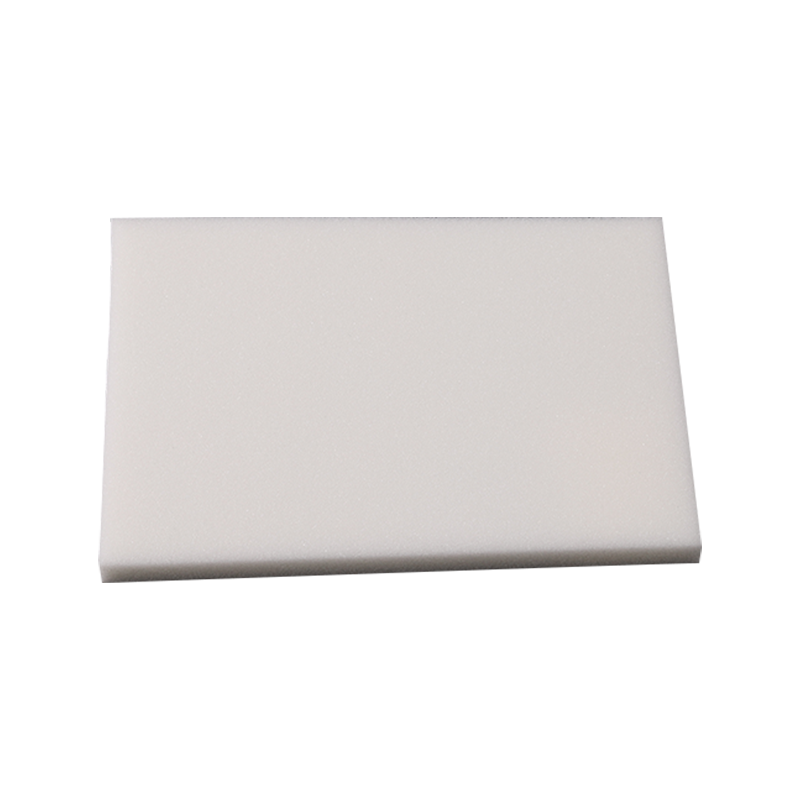
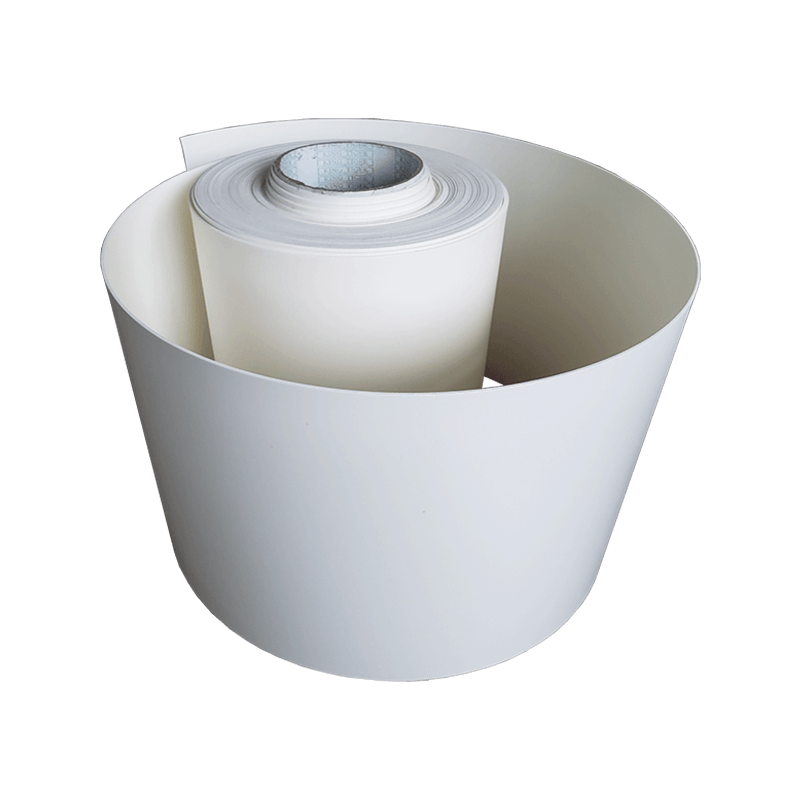
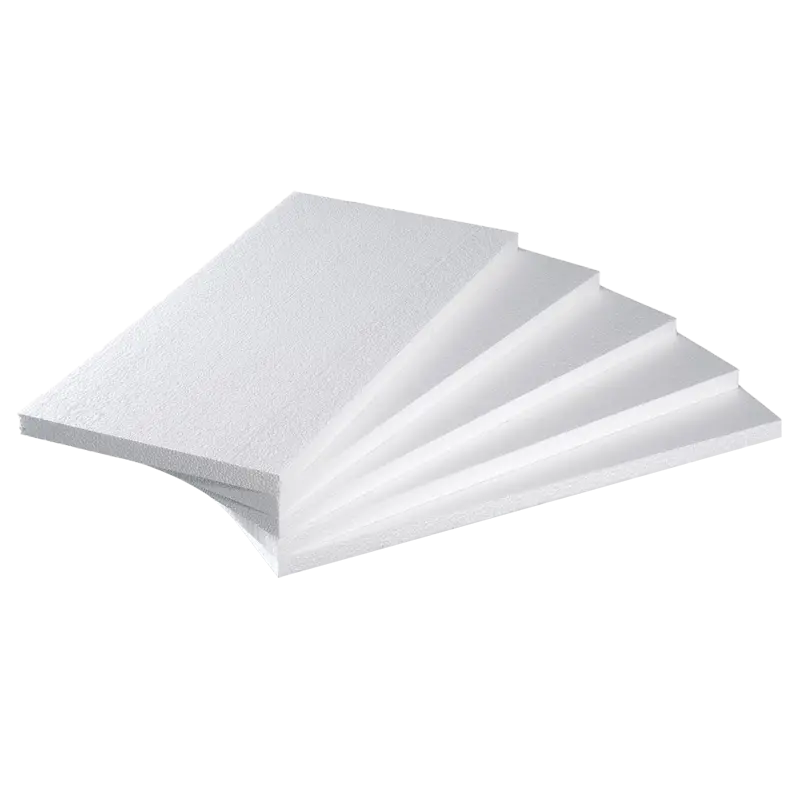
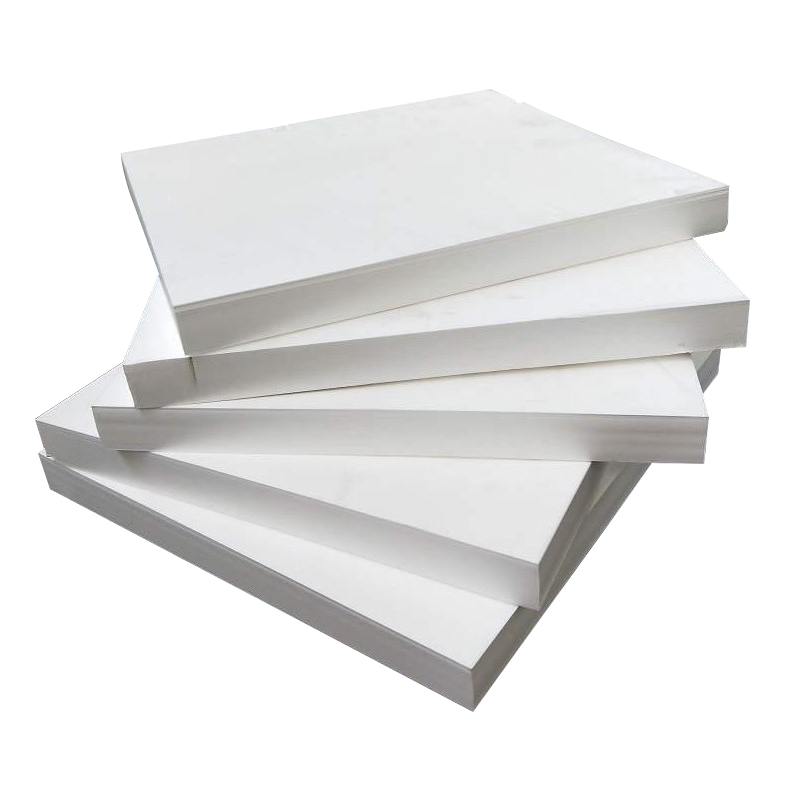
Industrial deployment of high-density thermoplastic foam padding engineered for exceptional load distribution and environmental resistance.
Furthermore, the physical characteristics of this structural substrate provide dual-action advantages in residential and commercial spaces, serving as an exceptional source of insulation and cushioning. When applied as sub-flooring underlayment or specialized protective wall panelling, the microcellular gas pockets act as acoustic and thermal dampeners. They slow down the transfer of ambient thermal energy while disrupting sonic waveforms, creating quieter, more energy-efficient interiors alongside physical impact protection.
Environmental Stewardship
The Sustainable Architecture of Eco-Friendly Play Mats
As ecological awareness transforms consumer purchasing criteria globally, the environmental footprint of manufacturing materials faces unprecedented scrutiny. Historical polymer production relied on complex chemical stabilization processes that rendered the final material completely non-recyclable. When these items reached the end of their functional utility, they were discarded into landfills, where they remained unchanged for centuries, or incinerated, releasing halogenated gases into the atmosphere. The creation of specialized eco-friendly play mats represents a major victory for circular economic design.
Because thermoplastic polyurethane is a true thermoplastic polymer rather than a thermoset rubber, it can be repeatedly melted, filtered, and reformed into new structural products without experiencing significant degradation of its molecular weights. During the primary expansion phase, advanced clean manufacturing utilizes physical gas blowing agents, such as supercritical carbon dioxide or nitrogen gas, completely bypassing traditional chemical blowing agents that damage the ozone layer. This green processing technique guarantees that the resulting material contains no hazardous residues or chemical byproducts.
"True environmental sustainability requires a holistic approach to life-cycle engineering. Transitioning from thermoset chemical cross-linking to clean physical gas expansion techniques allows modern manufacturing to eliminate toxic outgassing completely while providing an absolute pathway for total post-consumer material reclamation."
Consequently, identifying products verified as non-toxic yoga mats has become an essential priority for health-conscious individuals and families. The complete absence of heavy metals, formamide, bisphenols, and volatile organic plasticizers guarantees that users can engage in prolonged, intimate skin contact with the surface without risk of dermal irritation or chemical absorption. This safety profile establishes a secure, pristine environment for all fitness activities, from advanced adult physical conditioning to infant crawling and floor-based play.
Surface Mechanics
Optimizing Tonal Traction via Anti-Slip Fitness Surface Engineering
The operational safety of any physical performance platform depends fundamentally on its surface friction coefficient under wet and dry conditions. During intense physical exertion, human perspiration acts as a lubricant, rapidly reducing physical traction on standard non-porous polymer surfaces. This drop in friction introduces severe biomechanical risks, as slippage can cause unexpected joint hyperextension, ligamentous strains, or catastrophic falls during complex balance postures.
To mitigate these hazards, modern engineering utilizes an advanced anti-slip fitness surface design that features precise microscopic textures and inherent material tackiness. Unlike low-cost surface coatings that wear away after brief periods of mechanical friction, this slip resistance is an intrinsic property of the polyurethane elastomer itself. Even when subjected to heavy moisture, the micro-textured surface channels liquids away from primary contact zones, maintaining solid mechanical interlocks with human hands and feet.
This durability underlines why elite trainers view these tools as indispensable, long-term investments in durable workout gear. A high-grade training surface must withstand intense abrasive forces from running shoes, heavy training equipment, and aggressive cleaning regimens without peeling, flaking, or shedding micro-plastics into the training area. By maintaining its structural integrity over years of heavy use, the polymer minimizes waste while providing a reliable safety foundation for athletic development.
Information Hub
Frequently Asked Questions Regarding Advanced MTPU Foams
Q1: What exactly differentiates an MTPU polymer matrix from standard PVC or EVA alternatives?
An MTPU matrix utilizes an advanced closed-cell structure formed via physical gas expansion rather than hazardous chemical cross-linking agents. This ensures complete chemical purity, zero volatile organic compound outgassing, and significantly higher tensile and tear resistance. It maintains its structural elasticity under repeated compressive loads without cracking or degrading over time.
Q2: How does the closed-cell structure contribute to sanitization and hygiene?
Because the closed-cell configuration features completely sealed, individual microscopic cells, the surface is completely impermeable to liquids. Perspiration, water, oils, and cleaning solutions cannot penetrate the material core. This prevents the growth of bacteria, mold, and odors, allowing the user to completely sanitize the surface with a basic wipe-down.
Q3: Is the material completely safe for direct skin contact by infants and young children?
Yes, the material is thoroughly verified as non-toxic and free from plasticizers, phthalates, formamide, and heavy metals. This makes it an ideal choice for residential environments, early childhood play zones, and specialized pediatric developmental areas where close, continuous skin contact occurs regularly.
Q4: Can these high-density mats be fully recycled once they reach the end of their lifecycle?
Yes, unlike traditional thermoset rubbers or heavily cross-linked chemical foams that cannot be reprocessed, thermoplastic polyurethane can be completely melted down and pelletized. This allows the material to be fully recycled into new industrial polymer applications, supporting sustainable circular economy initiatives.
Q5: How does the shock absorption material protect an individual during high-impact exercises?
The foam utilizes controlled hysteretic energy dissipation. When a heavy downward force vector is applied, the microcellular gas pockets compress pneumatically while the polymer chains temporarily slide past each other at a molecular level. This converts a large percentage of raw kinetic energy into harmless thermal energy, dispersing the force laterally and preventing it from reflecting back into the joints.
 ++86-0512-66079229