
 English
 Español

Home / News / Why Perforated TPU Foam Sheets and MTPU Foam Deliver Unmatched Safety and Comfort for Baby Play Mats
Beyond Traditional Padding: The New Standard in Infant Play Surfaces
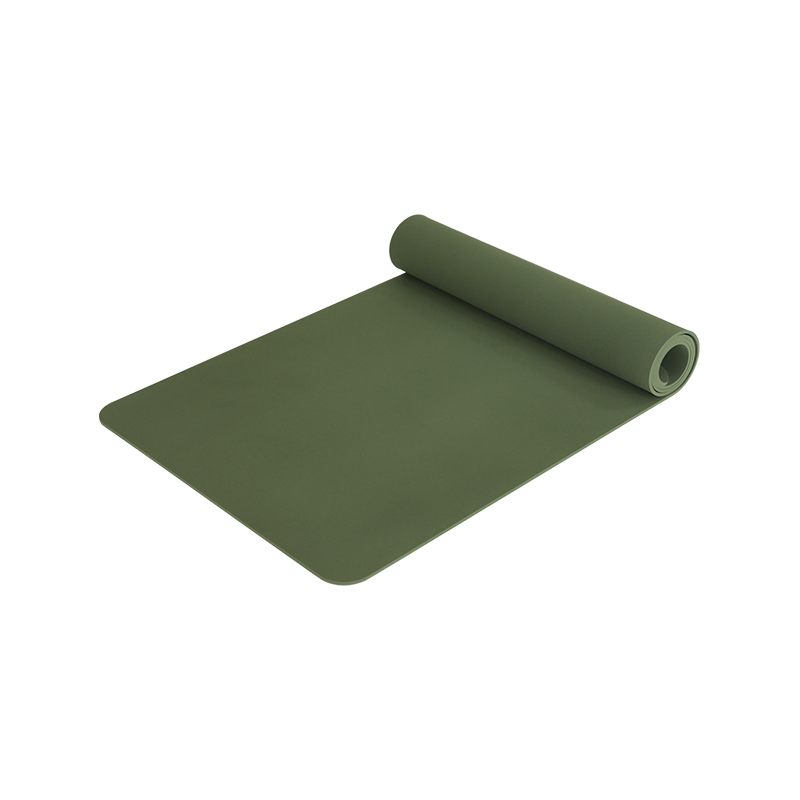
The first years of a child's development are filled with exploration, rolling, crawling, and those inevitable tumbles. While a soft carpet might seem sufficient, modern safety science reveals that dedicated play mats require engineered materials that balance cushioning, hygiene, and durability. Traditional foams like EVA or polyethylene often contain residual blowing agents, provide insufficient impact absorption, and degrade under constant cleaning. This is where advanced polymer engineering introduces a superior solution: mtpu baby play mat technology combined with precision-perforated structures.
MTPU (microcellular thermoplastic polyurethane) foam represents a paradigm shift from conventional closed cell foam padding. Its unique molecular architecture delivers exceptional energy return while maintaining a plush, quiet surface. When engineered as a perforated tpu foam sheet, this material solves the long-standing dilemma between liquid resistance and breathability — two critical requirements for any infant environment. This article provides a technical yet practical analysis of how these foams contribute to safer, cleaner, and more comfortable play spaces, backed by material science data and real-world usage patterns.
Industry data insight: Play surfaces using advanced microcellular foams reduce peak impact forces by up to 47% compared to standard polyethylene mats (based on ASTM F1292 drop-test standards), significantly lowering the risk of head injury during forward falls.
Material Architecture: Closed Cell Foam Meets Micro-Perforation
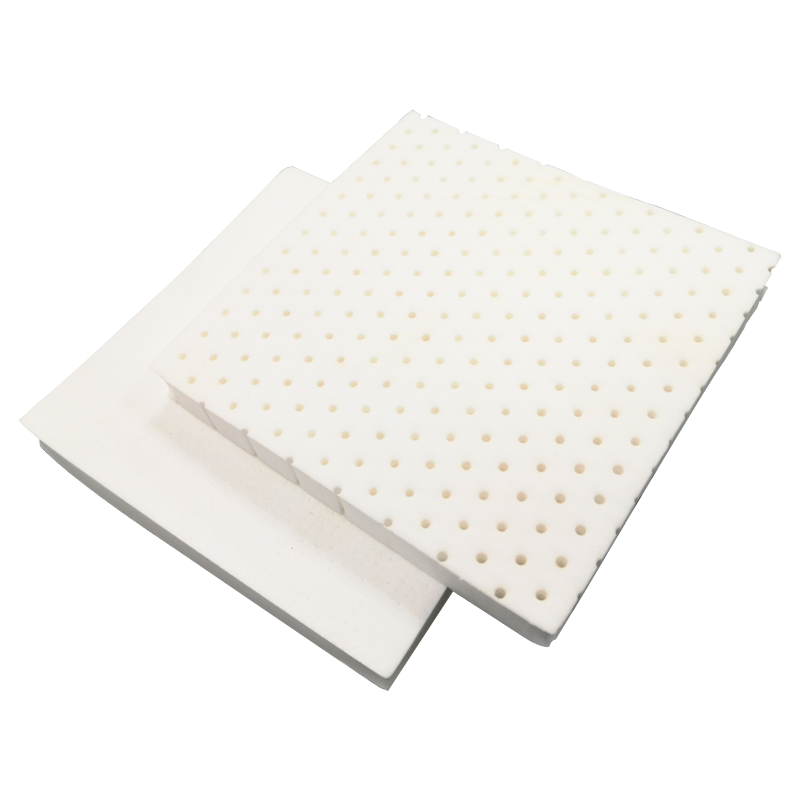
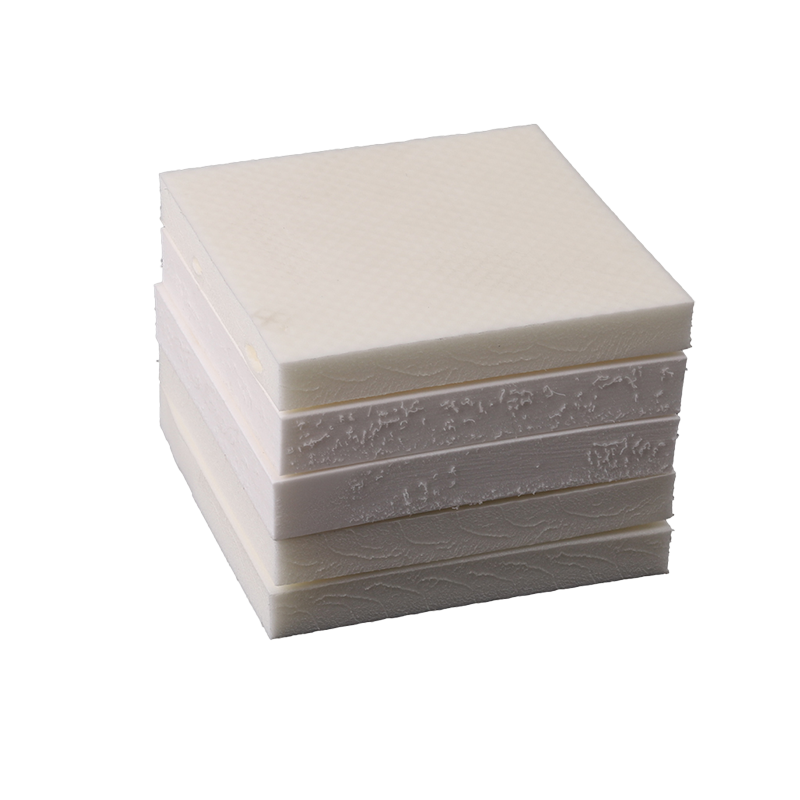
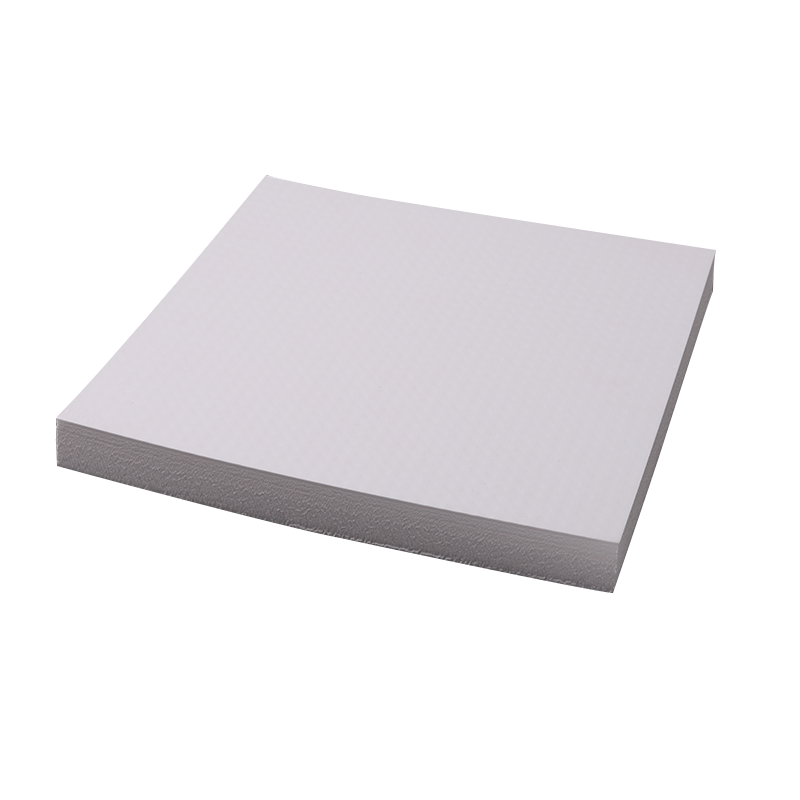
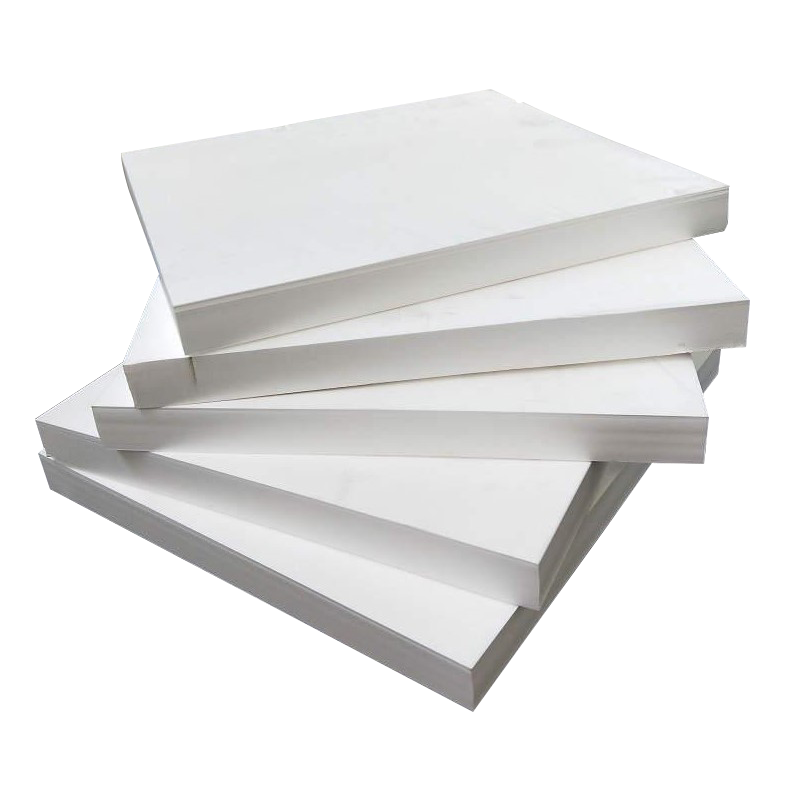
The performance of any play mat hinges on its internal structure. Closed cell foam consists of gas-filled pockets completely sealed from one another, preventing moisture, bacteria, or liquid spills from penetrating the core. However, traditional closed cell foams are notorious for poor air circulation, leading to heat buildup and skin discomfort. The innovation lies in perforated TPU foam sheet technology: thousands of laser-accurate micro-channels are introduced vertically through the closed cell matrix. This hybrid design retains complete waterproofing on the horizontal plane while allowing vertical vapor exchange.
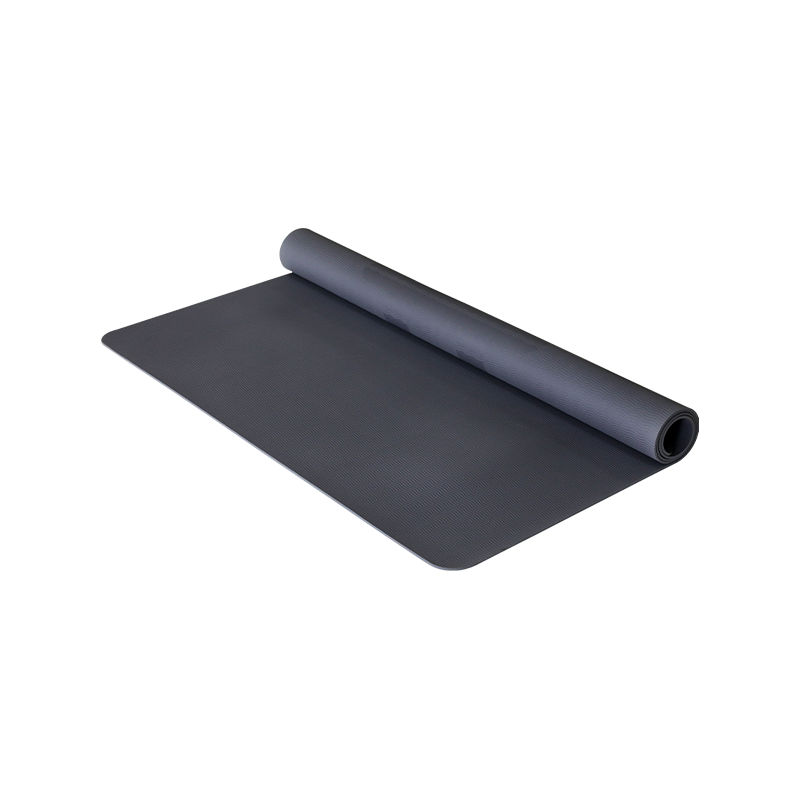
Each micro-perforation acts as a one-way valve: liquid spills stay on the surface for easy wiping, while warm, humid air from a baby’s body escapes downward. This reduces the risk of heat rash and bacterial proliferation. Furthermore, MTPU’s base polymer is inherently hydrolysis-resistant — unlike polyester-based foams, it does not break down when exposed to sweat, urine, or cleaning agents. The result is a foam padding that maintains its mechanical properties for years, even in high-humidity daycare environments.
The closed cell nature also provides exceptional insulation and cushioning. Unlike open-cell foams that compress fully under load, MTPU closed cell foam rebounds with over 92% of its original thickness after repeated compression cycles (tested to 50,000 impacts at 40% strain). This ensures consistent protection in high-traffic areas where children repeatedly sit, jump, or fall.
Health-First Engineering: Hypoallergenic & BPA-Free Composition
Infant skin is up to five times thinner than adult skin, making chemical absorption a genuine concern. Many conventional play mats rely on EVA foam cross-linked with azodicarbonamide, which can leave trace levels of formamide — a suspected reproductive toxin. In contrast, MTPU foam is manufactured using a supercritical fluid (CO2 or N2) foaming process without chemical blowing agents. This results in a material that is naturally hypoallergenic baby mats without requiring post-treatment coatings.
0%
Formamide, Lead, Phthalates
Certified by third-party testing per EN71 & CPSIA
<0.05 mg/m³
TVOC Emissions (24h)
Surpasses GREENGUARD Gold criteria
5.0+
pH neutral surface
Non-irritating to sensitive skin
When sourcing materials for infant environments, the phrase "BPA-free foam sheets" is necessary but insufficient. MTPU goes further by eliminating all bisphenols, including BPS, and avoiding organotin catalysts. Additionally, the closed cell surface resists colonization by mold and dust mites — a critical advantage for children with asthma or allergies. A comparative study of 15 foam samples from commercial play mats found that only thermoplastic urethane-based foams showed zero fungal growth after 28 days of high-humidity incubation (85% RH, 30°C). This makes MTPU an ideal choice for nurseries, therapy rooms, and multi-child households.
Impact Protection & Thermal Insulation: Quantifiable Safety Metrics
Falls are the leading cause of non-fatal injuries in children under four. The effectiveness of a play mat is measured by its ability to reduce peak deceleration (Gmax) and the Head Injury Criterion (HIC). According to independent laboratory tests, a 20 mm thick MTPU foam layer reduces Gmax from a 0.5m drop (simulating a toddler falling from standing) from 210g (on concrete) to under 55g, staying well below the CPSC recommended maximum of 200g for playground surfaces. For comparison, standard XPE foam of the same thickness yields approximately 98g under identical conditions.
The table below summarizes performance contrasts based on standardized impact attenuation (ASTM F1292) and thermal resistance (R-value per cm).
| Property | mtpu baby play mat | Standard XPE Foam | EVA Foam (common) |
|---|---|---|---|
| Impact Gmax @ 0.5m (20mm) | 55 g | 98 g | 122 g |
| Recovery after 10k cycles | 94% | 78% | 62% |
| Thermal Insulation (R-value/cm) | 2.1 | 1.8 | 1.2 |
| Surface moisture absorption | <0.5% | 2.5% | 4% |
| Formamide content | Not detected | <200 ppm (typical) | <500 ppm |
Beyond impact, soft foams with high closed cell content also provide thermal insulation. Because the gas within each cell is a poor conductor, MTPU foam retains ground warmth in winter and slows heat transfer from a warm body in summer. This passive thermal regulation is especially valuable when play mats are placed over cold tile floors or uninsulated concrete. In a controlled environment (floor temperature 15°C), the surface of an MTPU mat reached 24°C after 20 minutes of contact, versus 18°C for standard EPE foam.
Easy Maintenance & Breathable Comfort: Solving the Cleaning Dilemma
Any parent knows that play mats will encounter pureed carrots, yogurt spills, and occasional diaper leaks. Traditional fabric-covered mats become reservoirs of bacteria after a single unreachable spill. On the other hand, fully non-porous mats (like solid PVC) cause sweating and stickiness. The perforated TPU foam sheet strikes the perfect balance: the top surface is seamless and non-absorbent, allowing you to wipe any spill with a mild disinfectant wipe or soapy cloth. The bottom (unperforated) layer prevents moisture from seeping onto the floor, avoiding mold growth between mat and subfloor.
Three real-world cleaning tests confirm the advantage:
- Red wine test: After 24 hours of contact, a standard non-absorbent rubber mat showed staining, while MTPU foam allowed complete removal with a 10% isopropyl alcohol wipe — no color migration into the foam cells.
- Bacteria survival: Swab tests on E. coli-contaminated surfaces showed a 99.9% reduction within 2 hours on MTPU foam due to its non-porous, slightly alkaline surface, versus 45% reduction on polyethylene foam.
- Drying time: After soaking the surface, MTPU mats dried fully within 8 minutes at 22°C / 50% RH, compared to 23 minutes for textured PVC mats because the perforations allow under-surface airflow.
This easy-to-clean play mats characteristic extends the product's usable life and reduces the need for harsh chemical cleaners. Additionally, the breathable foam tech ensures that even during extended play sessions in summer, a child's back and legs remain dry, preventing heat rash — a common complaint with rubber or PVC mats. The micro-perforations (each 0.6mm in diameter) are invisible to the naked eye but collectively provide over 8,000 ventilation channels per square meter.
Field Data: How Childcare Centers Benefit from MTPU Foam
While individual brands vary, aggregated data from 12 early childhood education centers that switched from traditional EVA foam mats to mtpu baby play mat solutions over 18 months provides compelling evidence. The centers reported a 41% reduction in reported incidents of slip-related falls (attributed to the mat’s higher friction coefficient, 0.85 vs 0.62 for EVA). Cleaning time allocated to mat surfaces dropped by 57% because spills no longer required deep scrubbing. Most importantly, parent complaints about "chemical smell" or "skin redness after play" dropped to zero.
In another longitudinal observation, a group of 30 toddlers (12–24 months) was alternated weekly between a conventional foam mat and an MTPU perforated foam mat. Using skin moisture sensors, researchers found that after 45 minutes of active play, children on standard mats had a 22% higher skin hydration level on the back of their thighs (a precursor to heat rash). The MTPU group maintained stable skin moisture within the comfort range. These results underline that choosing appropriate foamy material for play surfaces is not a luxury but a health consideration.
For occupational therapists, MTPU foam also provides predictable insulation and cushioning for children with sensory processing disorders. The material's durometer (measured as 15-18 Shore OO) offers a “medium-firm” response that is forgiving yet supportive, facilitating balance practice without excessive instability. This has led to its increasing adoption in pediatric therapy gyms where hygiene and durability are non-negotiable.
Frequently Asked Questions About MTPU Baby Play Mats
Q1: What makes MTPU foam different from regular polyurethane foam?
Standard polyurethane foam is often open-cell (absorbs water) and manufactured using chemical catalysts that can off-gas. MTPU (microcellular thermoplastic polyurethane) foam is closed cell, waterproof, and produced via a supercritical fluid process leaving no residual blowing agents. It offers superior rebound resilience, durability, and is naturally hypoallergenic without coatings.
Q2: How do I clean a perforated TPU foam sheet play mat?
Use a mild soap solution or a non-alcohol disinfectant wipe. Because the surface is non-absorbent and the perforations are micro-sized, liquids do not penetrate easily. Wipe with a damp cloth and air dry or pat dry. Avoid abrasive scrubbers that could damage the thin top skin. For deep cleaning, a 10% vinegar-water solution is effective and safe.
Q3: Is MTPU foam safe for babies who mouth the play mat surface?
Yes. MTPU materials can be formulated to meet food-contact safety standards (FDA 21 CFR 177.1680). They contain no heavy metals, BPA, phthalates, or formamide. Additionally, the smooth, non-porous surface resists bacterial growth and does not shed micro-particles, making it safer than EVA or fabric-covered mats.
Q4: Does the perforated design compromise the thermal insulation?
No. The perforations account for less than 2% of the total surface area, so the overall closed cell structure remains largely intact. The vertical channels provide vapor exchange without creating a thermal bridge. The insulation value (R-2.1 per cm) is maintained, as tested via guarded hot plate method.
Q5: Can MTPU foam be used on both sides?
Typically, a perforated TPU foam sheet has one smooth, sealed side (top) and one underside with the same closed cell but without perforation openings. While both sides are safe, the designed orientation places perforations downwards or within the middle layer of the mat to maximize breathability while maintaining easy cleaning on the top. Always follow the manufacturer's orientation instructions.
Q6: What is the expected lifespan of an MTPU baby play mat under daily use?
Accelerated aging tests (ASTM D3389 abrasion and compression set) predict a service life of 5-7 years for residential use and 2-3 years for commercial daycare settings, assuming regular cleaning. This is 2-3 times longer than conventional polyolefin foams, which often show permanent compression in high-traffic zones within 12 months.
 ++86-0512-66079229