
 English
 Español

Home / News / Aliphatic Thermoplastic Polyurethane: Properties, Applications, and Selection Guide
Aliphatic thermoplastic polyurethane (aliphatic TPU) is the material to choose when your product must survive sunlight, stay color-stable, and maintain elasticity over years of outdoor use. Unlike ordinary TPU, which often yellows under UV exposure, aliphatic TPU keeps its appearance and performance. This guide explains the chemistry, key properties, and purchasing criteria so you can decide whether this polymer fits your application.
What Is Aliphatic Thermoplastic Polyurethane?
Aliphatic TPU is a thermoplastic elastomer made by reacting an aliphatic diisocyanate with a polyol and chain extender. The aliphatic nature comes from the isocyanate component: instead of aromatic isocyanates such as MDI or TDI, aliphatic grades use hardeners like hexamethylene diisocyanate (HDI) or isophorone diisocyanate (IPDI).
This molecular difference changes how the material reacts to light. Aromatic groups absorb UV radiation and break down, producing yellow chromophores. Aliphatic structures do not, so foams and films made from aliphatic TPU resist yellowing and retain their color even in long-term outdoor exposure.
The polymer remains thermoplastic, meaning it can be melted, re-formed, and recycled. It also offers the elasticity of rubber with the processability of a thermoplastic. When expanded into a microcellular foam, it becomes a lightweight, resilient material for cushioning and protective applications.
The choice of polyol also affects performance. Ether-based polyols improve hydrolysis resistance, while ester-based polyols deliver higher mechanical strength. For outdoor products, an ether-based aliphatic TPU is often preferred because it holds up better in humid environments.
Aliphatic TPU vs Aromatic TPU: What Is the Real Difference?
The most practical difference is UV stability. Aromatic TPU is cheaper and has higher tensile strength in some formulations, but it yellows under sunlight. Aliphatic TPU costs more, yet it keeps its original color and mechanical integrity.
| Property | Aliphatic TPU | Aromatic TPU |
|---|---|---|
| UV stability | Excellent | Limited |
| Color stability | Retains clarity and whiteness | Yellows over time |
| Light transmission | High | Low |
| Tensile strength | Good | Often higher |
| Abrasion resistance | Excellent | Excellent |
| Cost | Higher | Lower |
For products exposed to sunlight, such as outdoor mats, shoe midsoles, automotive interiors, or window profiles, the advantages of aliphatic TPU outweigh the cost premium. For indoor or fully painted applications, aromatic TPU may remain a practical option.
Key Properties of Aliphatic Thermoplastic Polyurethane
Aliphatic TPU combines several performance characteristics that make it suitable for demanding applications:
- UV and weather resistance: It does not yellow or embrittle after prolonged sun exposure.
- Transparency: Clear grades allow optical clarity for lenses, protective films, and display covers.
- Mechanical strength: High tear resistance, abrasion resistance, and tensile strength provide durability.
- Elasticity and recovery: The material returns to shape after compression, making it ideal for foam pads and insoles.
- Chemical resistance: It resists oils, greases, and many solvents, depending on the polyol and hardener.
- Recyclability: Being thermoplastic, the foam can be re-melted and reused, improving the sustainability profile.
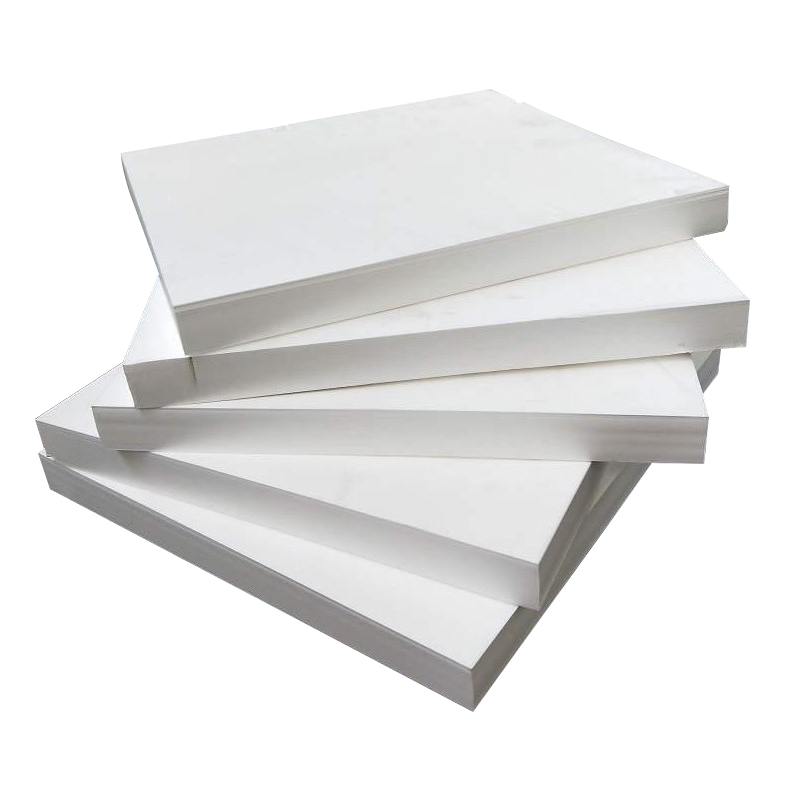
When the same resin is processed with supercritical gas into a microcellular foam, these properties are combined with low density and excellent energy absorption. That is why microcellular aliphatic TPU foam is often used in lightweight cushioning systems that need both resilience and colorfastness.
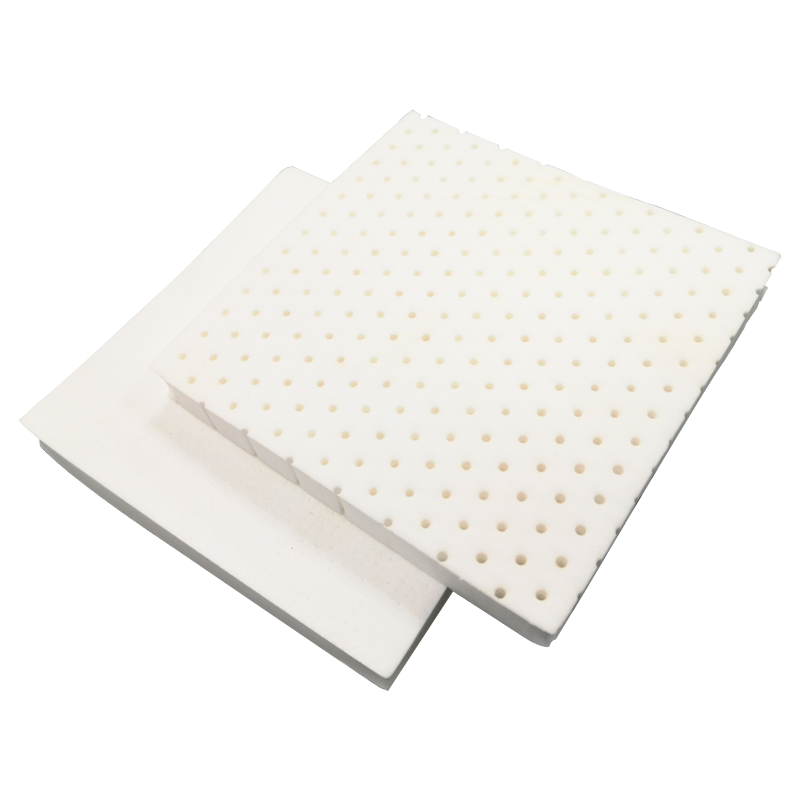
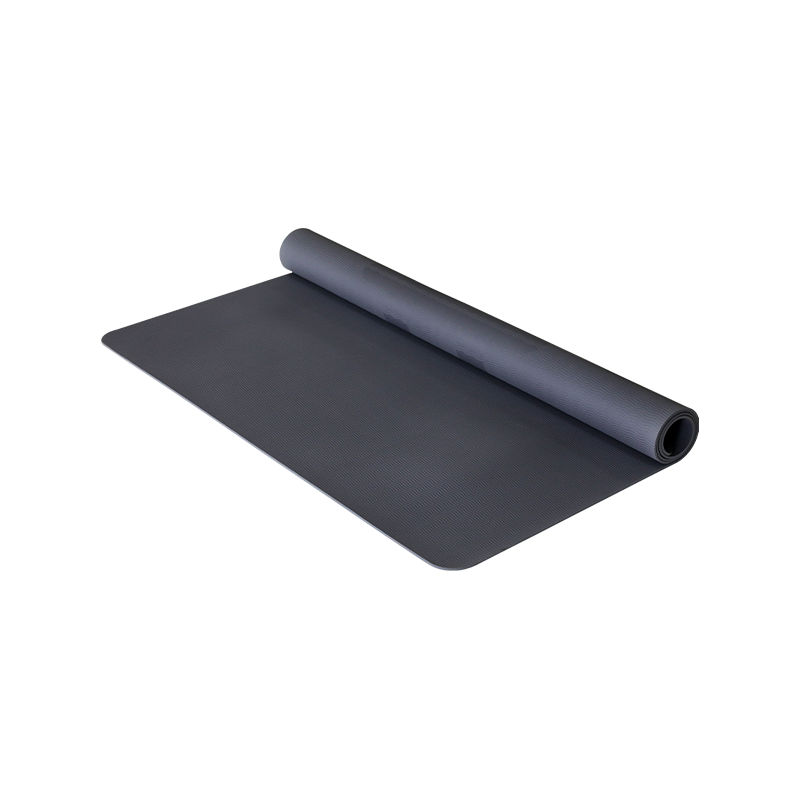
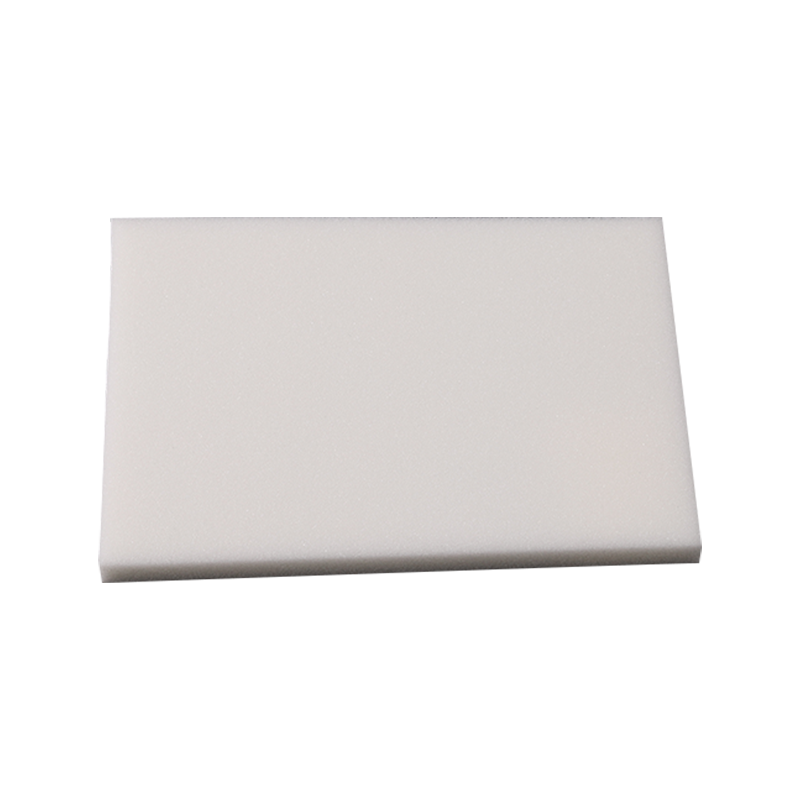
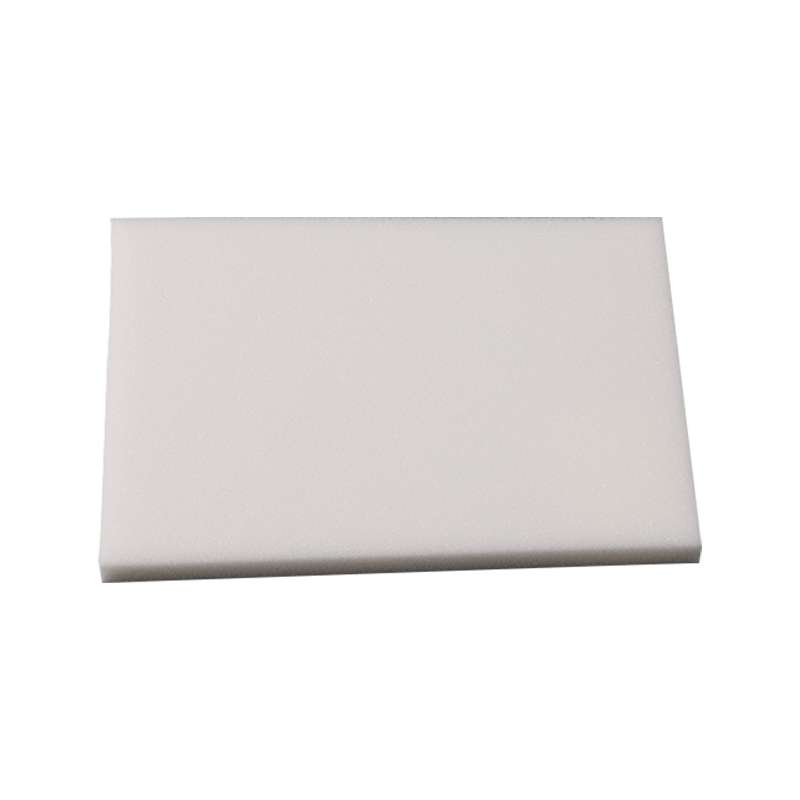
 Microcellular Aliphatic TPU Foam for Lightweight CushioningThis foam combines low density with high resilience and colorfastness, making it suitable for lightweight cushioning systems that require energy absorption and durability.View Product →
For foamed products, expansion ratio and cell size are equally important. A low-density closed-cell structure must still deliver high compression recovery, otherwise the cushioning collapses over time. This is why foams made from aliphatic TPU are found in high-performance shoe midsoles and fitness mats.
Aliphatic TPU Foam: Lightweight Cushioning That Keeps Its Color
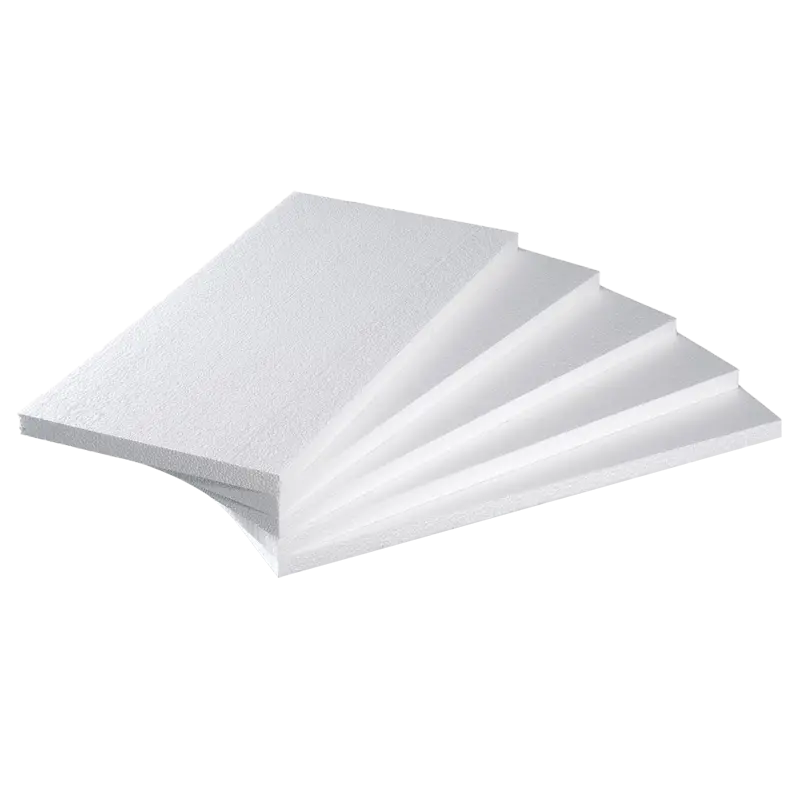
Foaming aliphatic TPU creates a closed-cell structure with micron-scale bubbles. This reduces density while preserving the material's rebound and compression set resistance. Compared to aromatic TPU foam, aliphatic versions deliver the same shock absorption but with superior resistance to photo-degradation.
Shincell produces aliphatic TPU foam sheets using a supercritical physical foaming process with nitrogen and carbon dioxide. The process involves no chemical blowing agents and no crosslinking, allowing the foam to remain thermoplastic and recyclable. For applications that need open-porosity or special air permeability, microporous aliphatic TPU foam offers an alternative structure while retaining the same chemical stability.
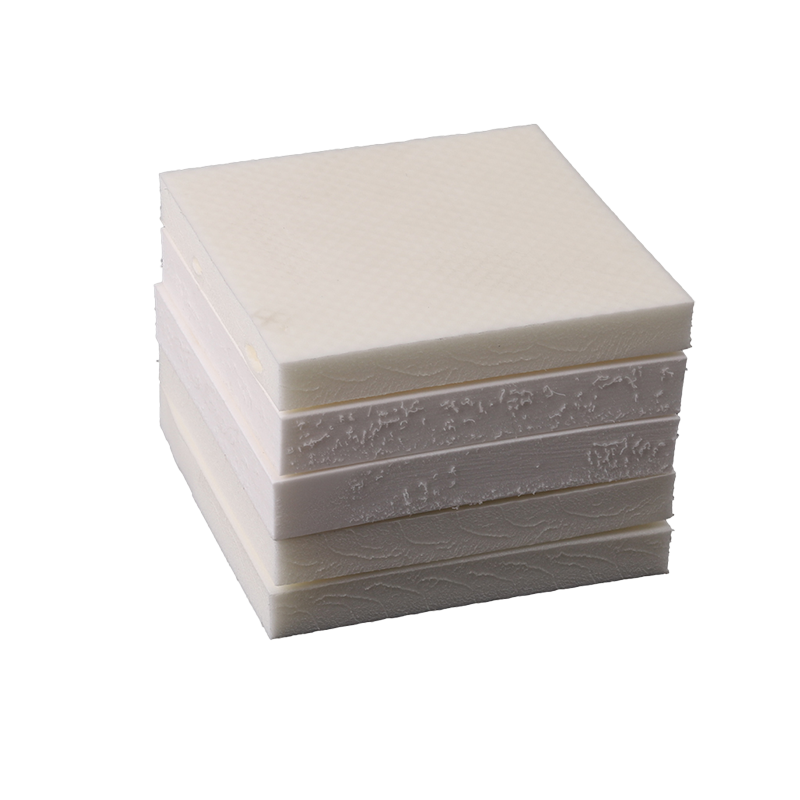
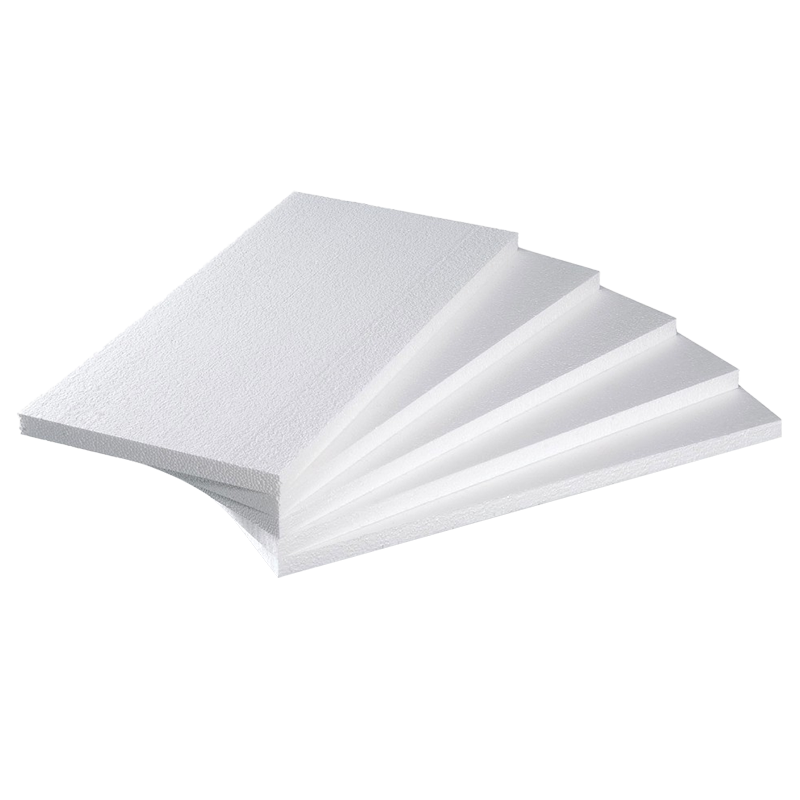
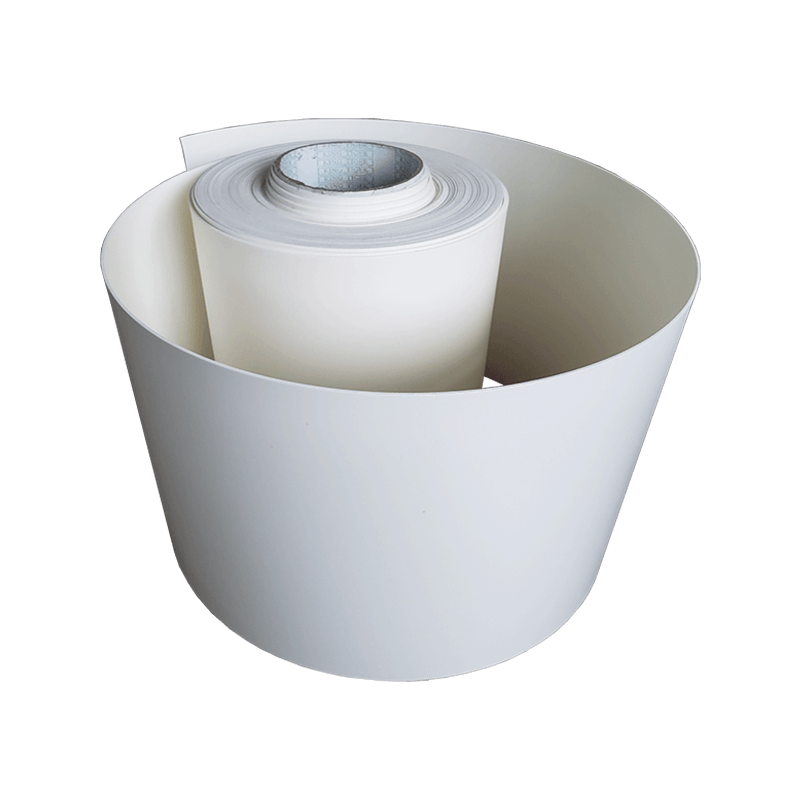
 Aliphatic TPU Foam Sheet for Versatile FabricationProduced via supercritical foaming without chemical agents, this sheet remains thermoplastic and recyclable, and can be die-cut, thermoformed, or laminated for diverse applications.View Product →
In thickness ranges from a few millimeters to larger sheets, these foams can be die-cut, thermoformed, or laminated to textiles. They are used in shoe soles, protective padding, sports equipment, and medical support products.
Where Is Aliphatic Thermoplastic Polyurethane Used?
Because of its combination of durability, lightfastness, and comfort, aliphatic TPU appears in many industries:
- Sports footwear: midsoles, insoles, and heel inserts that must retain their color after outdoor running.
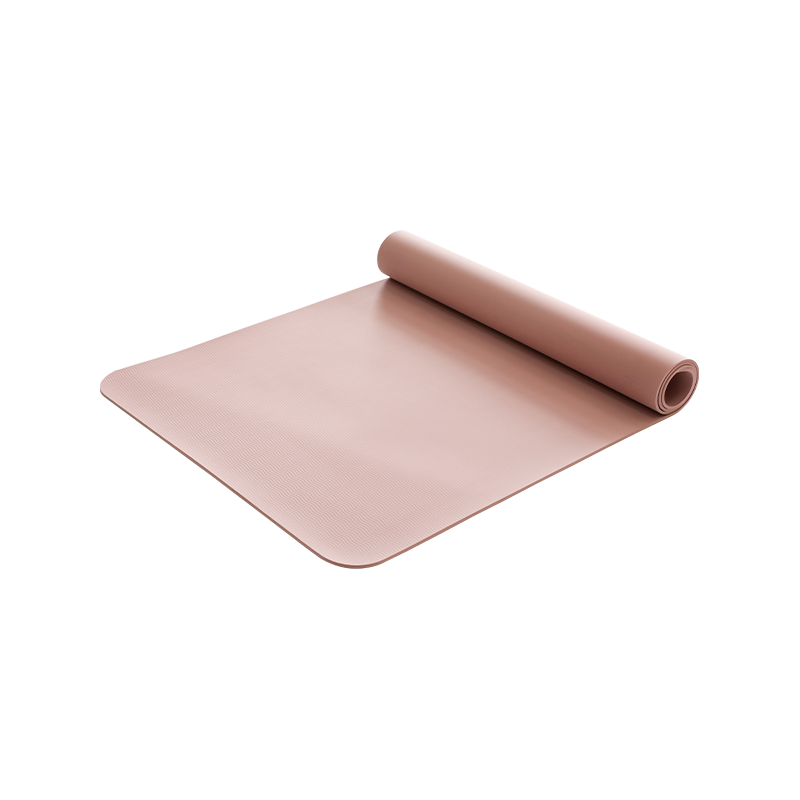
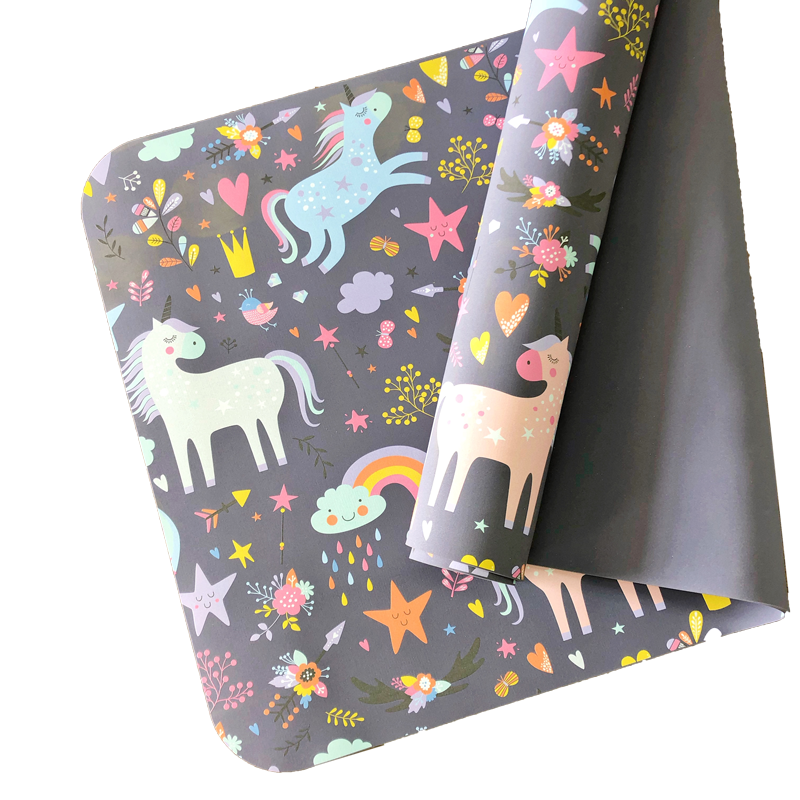
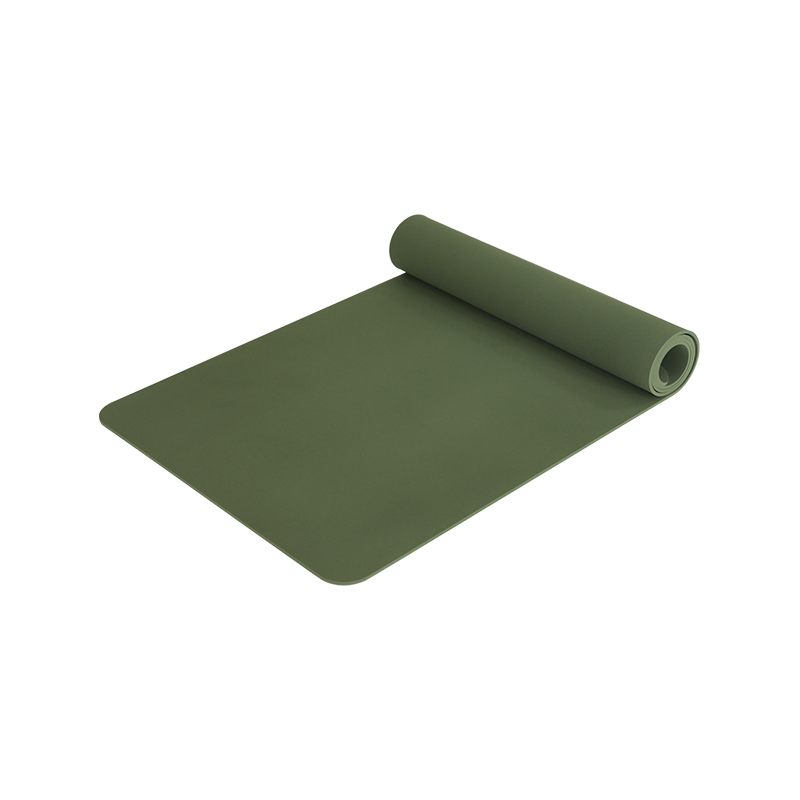
- Fitness and yoga mats: non-yellowing mats that stay clean and bright under repeated use.
- Automotive interior and exterior: protective film, trim, and coating that resist sunlight.
- Electronics: cable jackets, connectors, and keypads with long service life.
- Medical devices: flexible tubing and orthopedic pads with skin-contact safety.
Shincell's aliphatic TPU foam sheets are used in midsoles and sports footwear applications, where the material contributes to energy return and long-lasting appearance.
How to Choose an Aliphatic TPU Grade for Your Product
Selecting the right aliphatic TPU foam requires more than checking "aliphatic" on a datasheet. Here are the factors that matter most:
- Hardness (Shore A / Shore D): determines the feel, from soft gel-like cushioning to semi-rigid structures.
- Density: affects weight, compression strength, and cost per part. Lower density gives lighter parts but reduced physical performance.
- Rebound elasticity: defines how quickly the foam returns to its original shape, critical for running shoes and fitness mats.
- Compression set: a low compression set means the foam will not lose thickness permanently under repeated load.
- UV resistance rating: especially important for exterior or transparent products. Verify test data such as ISO 4892.
- Processing compatibility: the foam must be suitable for your conversion method, whether die-cutting, thermoforming, or lamination.
- Supplier capabilities: confirm consistent thickness, width, and performance across batches. A reliable partner should offer technical support and documentation.
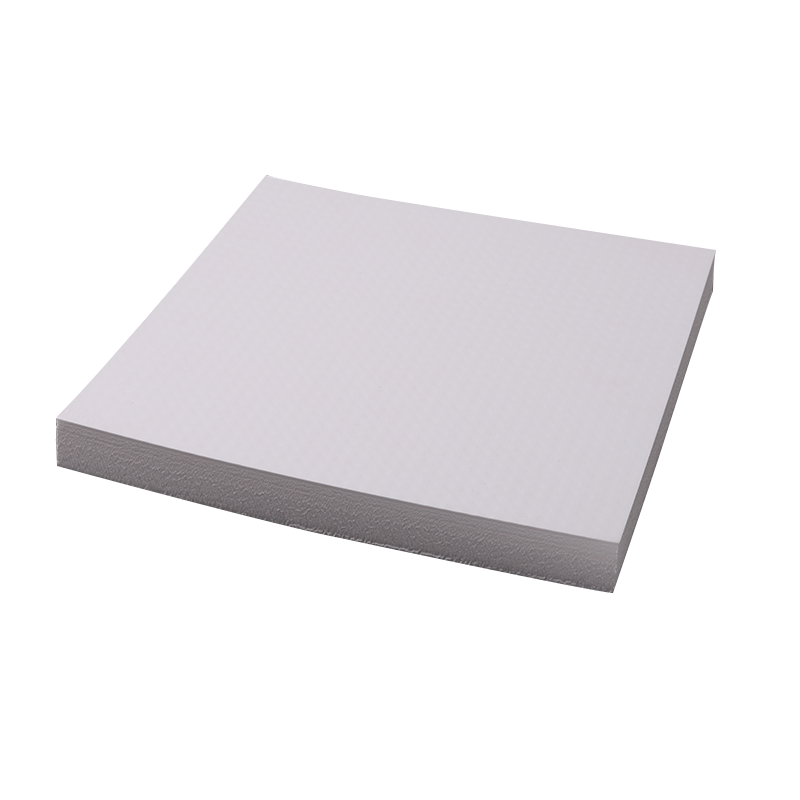
When you need a versatile material for insoles, protective padding, or underlayers, MTPU foam sheet may be the starting point, but always validate the aliphatic grade's UV data for your specific application.
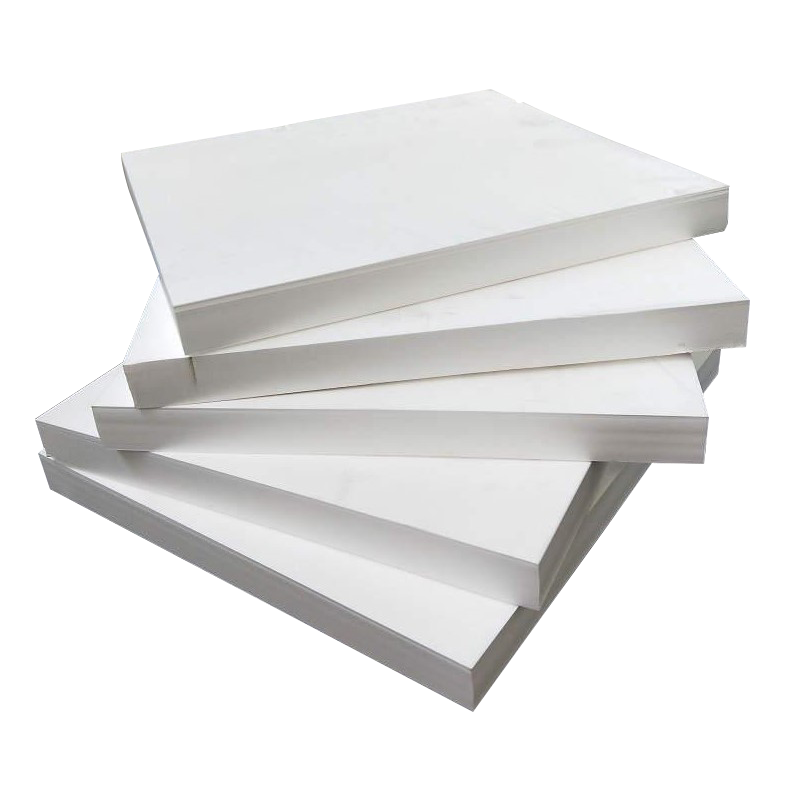
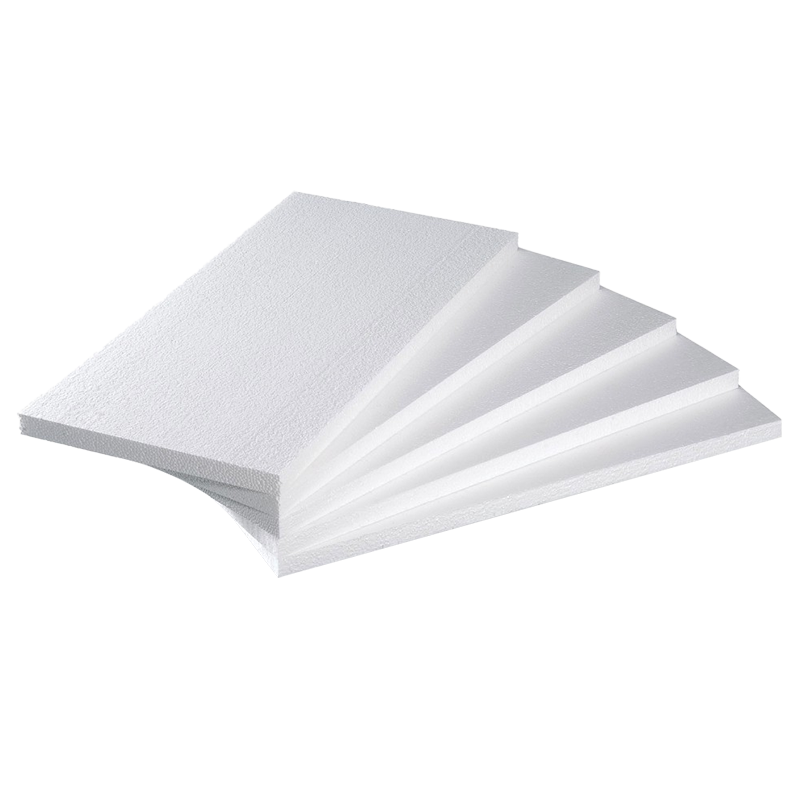
 M-TPU Foam Sheet for Insoles and Protective PaddingThis versatile foam offers cushioning and low-temperature resistance, but its aliphatic grade should be validated for UV stability before use in consumer products.View Product →
Also consider regulatory requirements if your product will be sold in the European Union or North America. REACH, RoHS, and food-contact regulations can affect the choice of additives. Confirm that the supplier can provide the necessary compliance documentation.
Frequently Asked Questions
Q1: Is aliphatic TPU foam more expensive than aromatic TPU foam?
Yes, aliphatic grades cost more because the aliphatic diisocyanate is more expensive to produce. However, the total cost of ownership may be lower for outdoor products because the material does not need to be painted, coated, or replaced due to yellowing.
Q2: Can aliphatic TPU foam be recycled?
It can, as long as the foam is not chemically crosslinked. Shincell's supercritical physical foaming process keeps the material thermoplastic, allowing scrap to be re-processed and reused.
Q3: What is the difference between microcellular and microporous aliphatic TPU foam?
Microcellular foam has a closed-cell structure with fine bubbles, while microporous foam has an open-cell structure that allows air or moisture to pass through. Both provide good cushioning, but the choice depends on the need for breathability or moisture management.
Aliphatic thermoplastic polyurethane is the benchmark material for applications that demand both durability and long-term color stability. Its chemistry gives you a lightweight, elastic, recyclable polymer that resists UV degradation and keeps its appearance. Whether you are designing foam sheets for footwear, mats, or protective equipment, the key is to match the grade to your required hardness, density, and UV exposure. With a growing range of aliphatic TPU foam options, you no longer have to sacrifice color stability for performance.
Compact, flexible, and lightfast, aliphatic TPU reduces maintenance and replacement costs in outdoor applications.
 ++86-0512-66079229