
 English
 Español

Home / News / Anti Vibration Foam for Industrial Equipment: Material Selection and Performance Guide
Why Anti Vibration Foam Matters
When a heavy motor spins up for the first time in the morning, the entire frame can hum. That vibration is not just an annoyance. Over time, it can shift alignment, loosen fasteners, and accelerate fatigue in nearby components. An anti vibration foam does not stop the source of the vibration. It absorbs the energy and converts it into faint heat, which is exactly what a well-chosen foam is engineered to do.
The conclusion here is straightforward: if an assembly runs on a shared chassis, flexible mounts, or a rolling cart, you already have a vibration problem. The solution is not always a heavier frame. Often, a modest layer of foam, bonded under the feet or inside the panel, will do more than a major structural change.
Engineers call this discipline NVH, or noise, vibration, and harshness. From an industrial perspective, NVH control protects equipment, improves operator comfort, and even helps with regulatory compliance. The key is to select a foam that performs at your specific frequency range and service temperature.
Key Performance Criteria to Compare
Not every foam is a good vibration damper. The right choice depends on several measurable properties. When comparing suppliers, focus on the four criteria below.
- Density: lower density foams typically offer lighter-weight damping at a given thickness, but they are also easier to compress and may deflect more under load.
- Compression set: this tells you whether the foam will stay pliable after being squeezed repeatedly. A high compression set means the material will eventually harden and lose its dampening effect.
- Damping factor (tanδ): a higher value indicates better energy dissipation inside the material. This is the most direct benchmark for vibration absorption.
- Temperature range: reliable performance across your real operating temperature is essential, especially in outdoor or high-heat environments.
| Material | Density (kg/m3) | Compression Set | Temperature Range |
|---|---|---|---|
| Polyurethane (PU) | 40-200 | 10-25% | -20°C to 80°C |
| Polyethylene (PE) | 24-96 | 20-35% | -40°C to 80°C |
| Polypropylene (PP) | 30-120 | 10-20% | -30°C to 100°C |
| Thermoplastic Polyurethane (TPU) | 100-400 | 5-15% | -30°C to 120°C |
| PVDF | 60-150 | 5-15% | -40°C to 150°C |
These numbers are starting points. The best way to verify a material's performance is to test a prototype under your actual load and vibration conditions.
Material Options for Anti Vibration Foam
The foam sheet manufacturer you choose matters as much as the family of polymer it uses. Here are three proven options that are available from Shincell New Material.
Polypropylene (PP) Foam
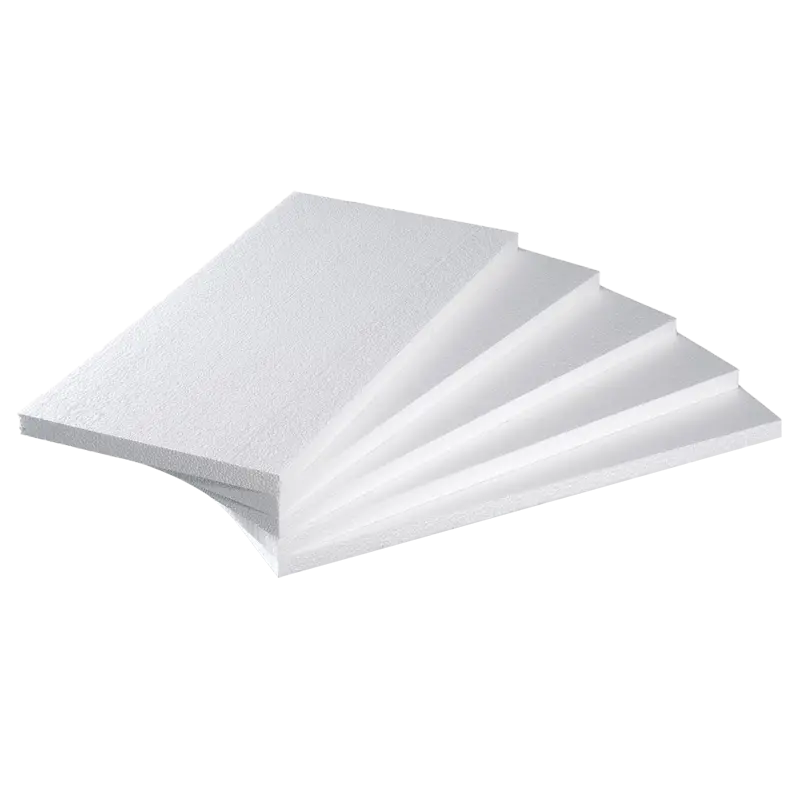
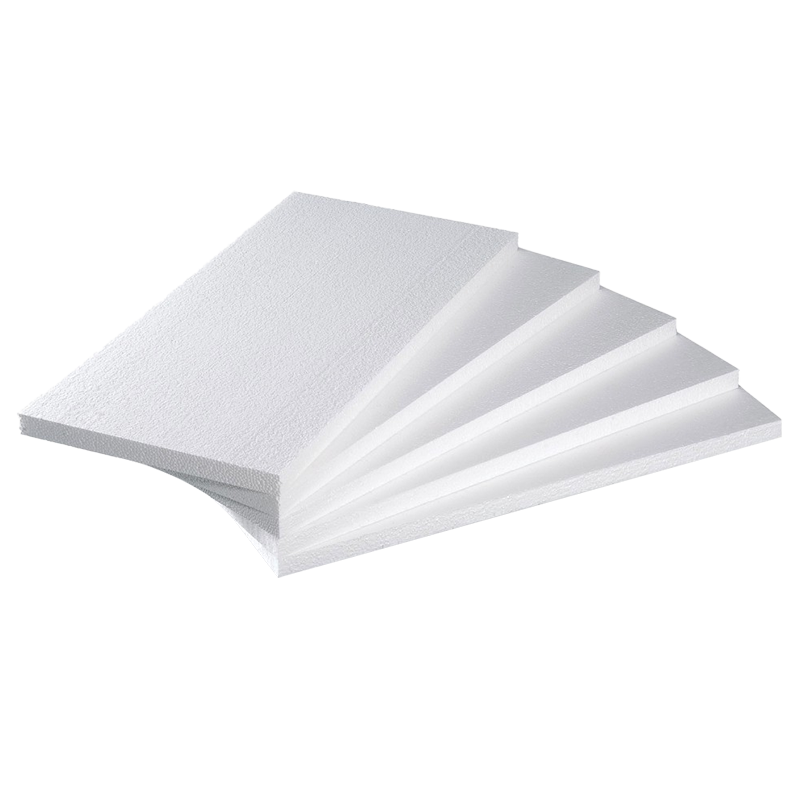
Rigid and lightweight, polypropylene foam is a strong choice for mounting heavy equipment. Its lower density means you can use a thicker pad without adding much weight. Supercritical physical foaming gives this material a consistent closed-cell structure, which resists water absorption and maintains its shape under repeated load. A 10 mm MPP foam sheet placed under a compressor foot will often reduce measured floor vibration by 80 percent or more in a well-designed mount.
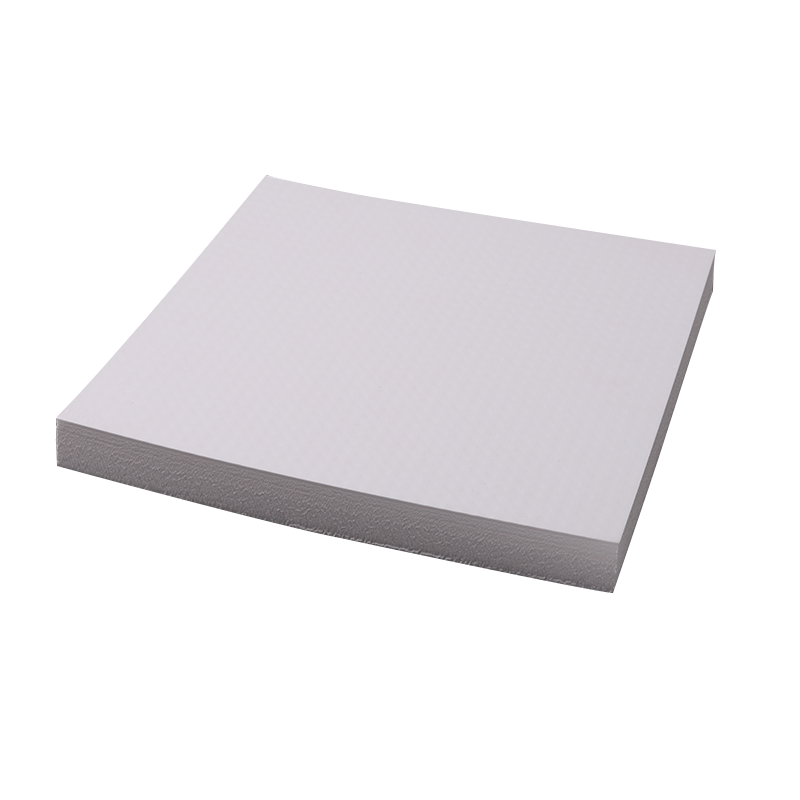
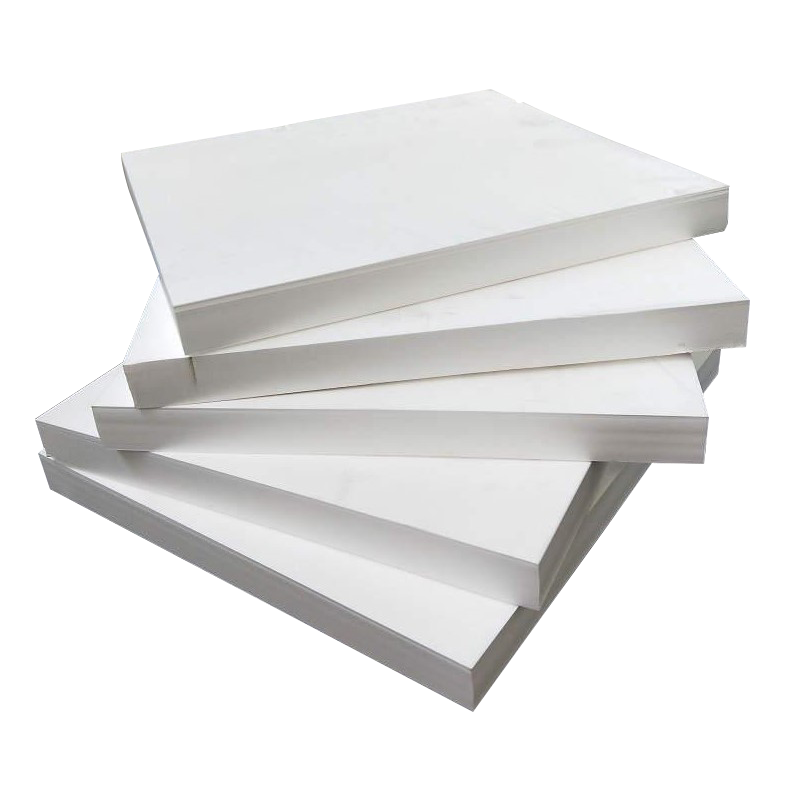 Lightweight Polypropylene Foam Sheet for Heavy Equipment MountingThis rigid, closed-cell foam sheet reduces floor vibration under compressors and other machinery, offering water resistance and dimensional stability while adding minimal weight.View Product →
Thermoplastic Polyurethane (TPU) Foam
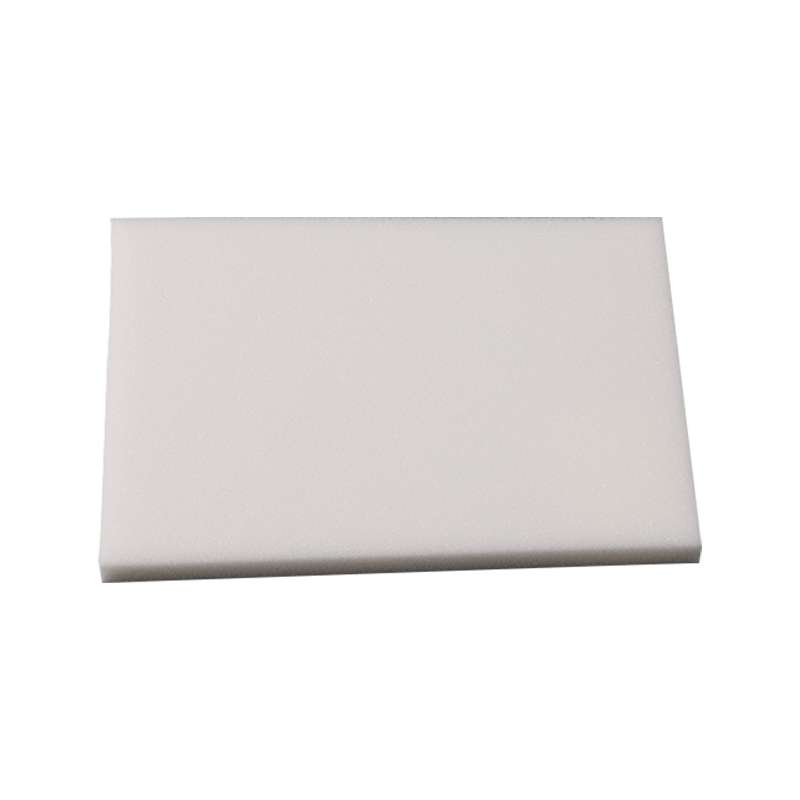
For applications that need both comfort and mechanical damping, TPU foam is the most versatile. It has a high damping factor and excellent resilience, which means it will absorb impact and then spring back to its original shape. This is why it is common in fitness mats and shoe midsoles; it also works in machine feet that receive occasional shocks. Our M-TPU foam sheet offers a flexible, elastic pad for mounting delicate components where movement is expected but must be controlled.
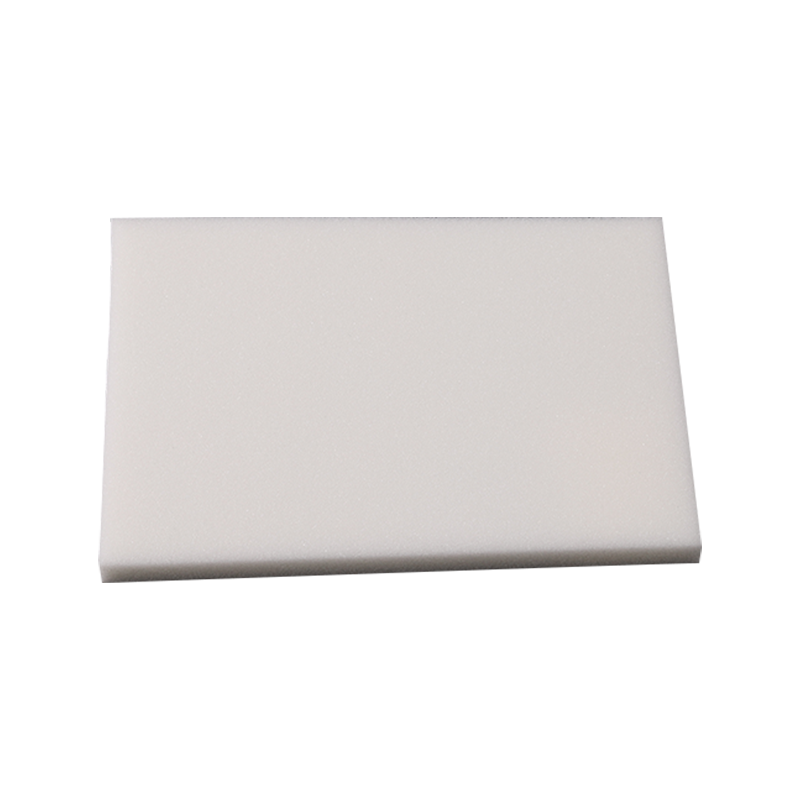
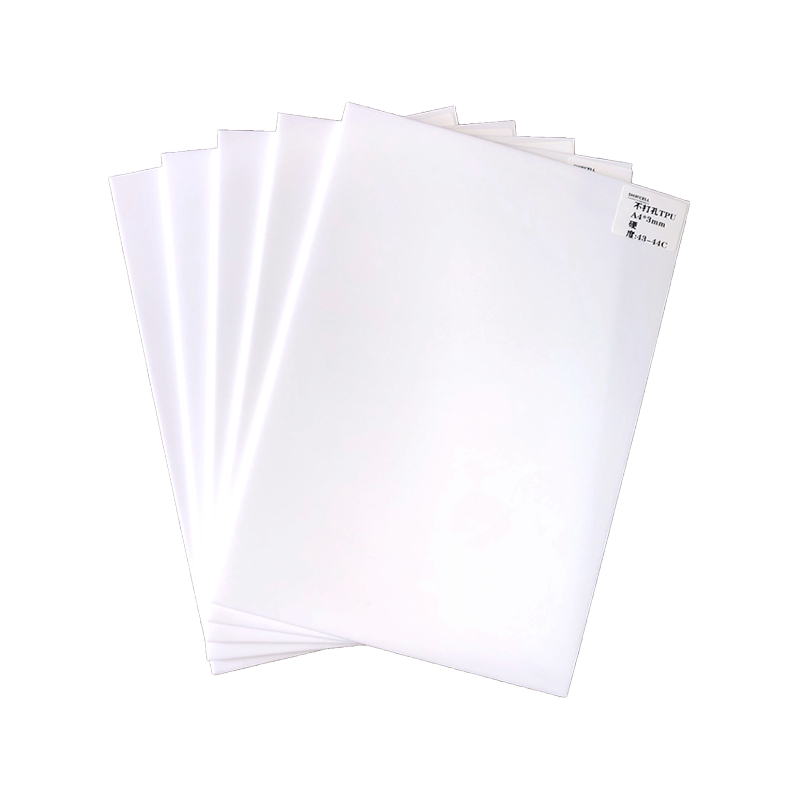 Flexible TPU Foam Sheet for Comfort and Controlled DampingWith high resilience and a high damping factor, this elastic foam pad absorbs impact and returns to shape, making it suitable for delicate components and mounting pads in dynamic applications.View Product →
Polyvinylidene Fluoride (PVDF) Foam
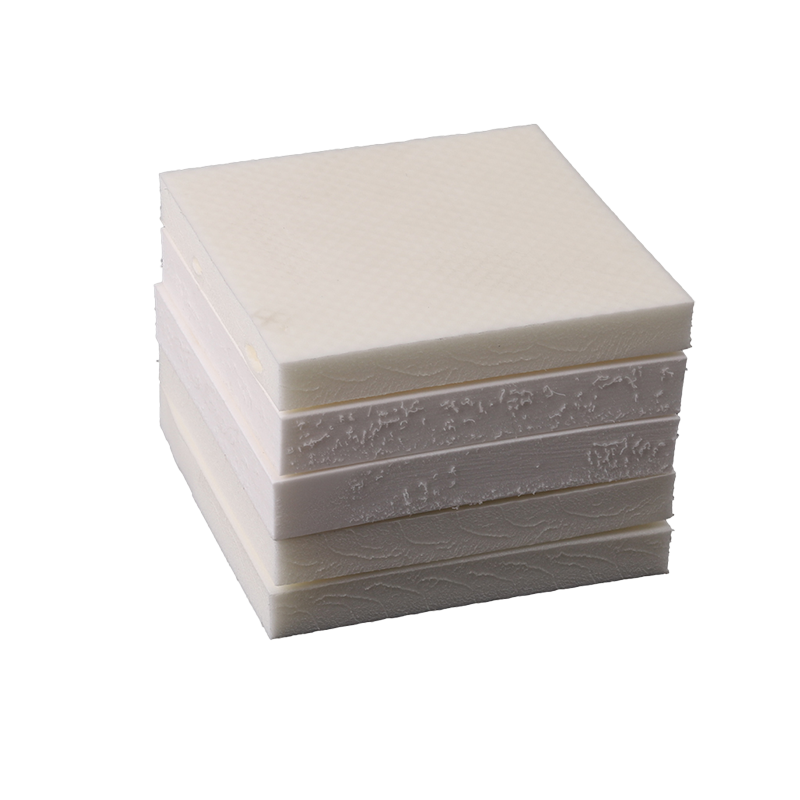
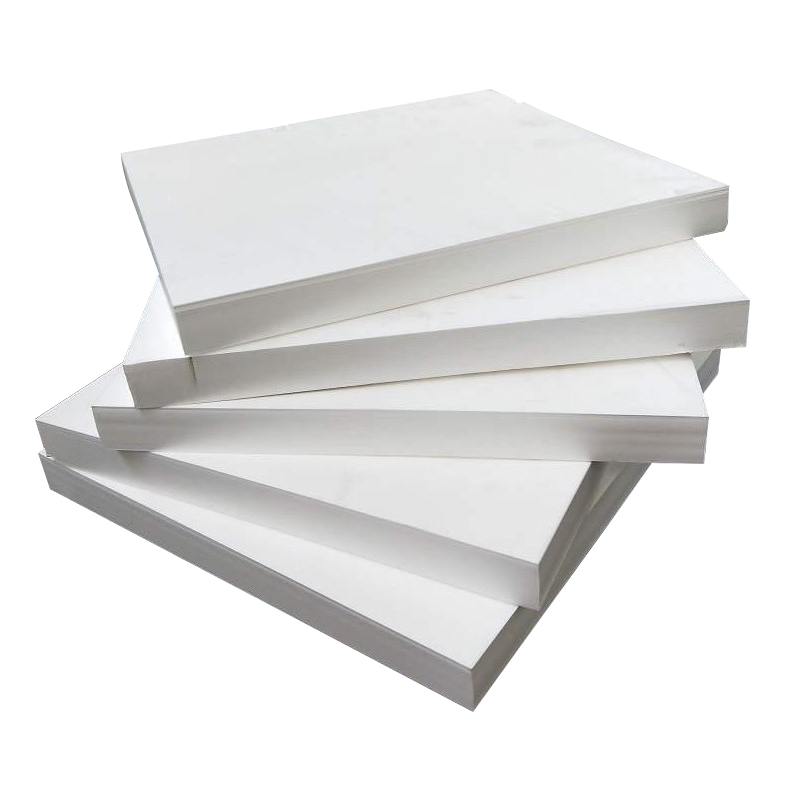
If the target environment includes aggressive chemicals, high temperature, or direct outdoor exposure, PVDF foam is the highest-performance option. It holds its stiffness and damping characteristics across a wide temperature range, making it a favorite in critical industrial settings. The PVDF foam sheet from Shincell is an excellent example of this specialty material, combining thermal stability with vibration control.
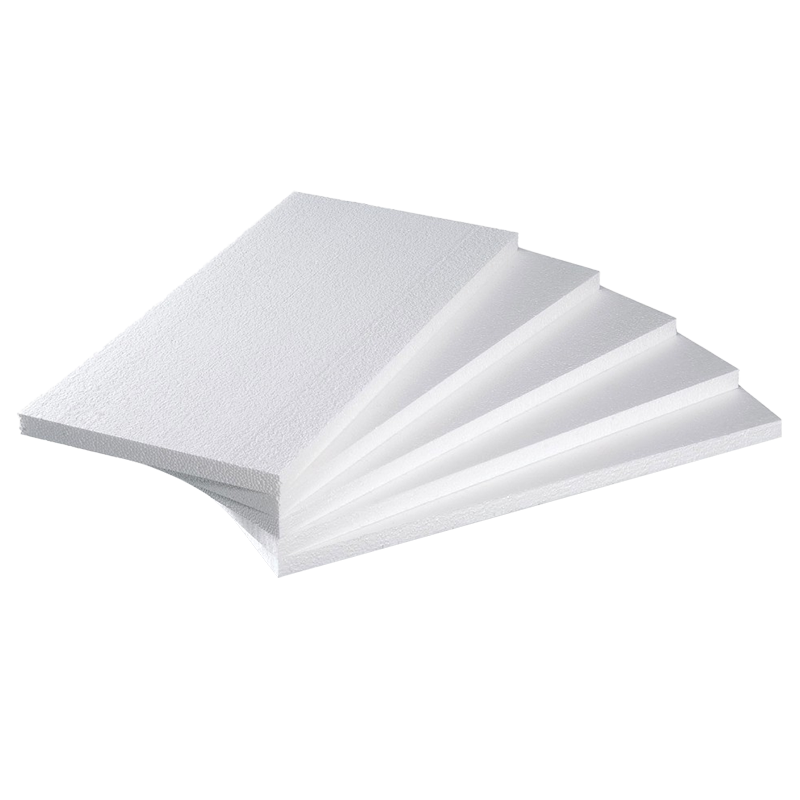 High-Performance PVDF Foam Sheet for Aggressive EnvironmentsThis specialty foam maintains stiffness and damping across a wide temperature range, resisting chemicals and outdoor exposure, making it ideal for critical industrial vibration control.View Product →
Where Anti Vibration Foam Helps Most
The real utility of anti vibration foam becomes obvious when you look at the variety of industrial cases it can solve.
In heavy machinery, it quiets gearboxes and pump mounts. In battery packs, it prevents cell-to-cell movement and absorbs impact from road vibration. In the electronics and communications sector, it keeps sensitive circuit boards from shaking. In sports equipment, it turns a hard surface into a comfortable one while still providing a stable base.
Example: Battery module protection
Shincell's PVDF foam sheet is used as a vibration pad between prismatic battery cells and the pack housing, reducing movement under road load and protecting the terminals from fretting corrosion.
Because the range of targets is wide, the best practice is to work with your foam supplier to define the damping target in terms of transmissibility, rather than just a material name. You can find specific examples and application details in our industrial applications overview, which covers the major sectors we serve.
A Practical Selection Guide
A structured selection process minimizes risk. Here is a five-step approach we recommend for choosing an anti vibration foam for industrial equipment.
- Define the vibration source. Measure the dominant frequency and amplitude. Use a simple accelerometer or a phone app for initial screening.
- Determine the environment. Identify the maximum and minimum operating temperatures, exposure to oil or solvents, and whether the part is at risk of UV light.
- Choose the material family. Use the table above as a first filter, but confirm with the supplier that the grade matches your conditions.
- Decide on geometry. Thickness and area directly control the damping performance. A thicker pad gives more damping but less stiffness; a larger area distributes the load.
- Test the prototype. Run a real-world vibration test before mass production. Check for creep over time and ensure the foam does not harden after repeated cycles.
Common pitfall: Choosing a soft foam just because it feels spongy. A very soft foam can bottom out under load, allowing the stiff structure to contact the base and create a direct vibration path. Use a slightly firmer grade that remains compliant under your actual preload.
For material options and data, explore our foam sheet category and compare the listed specifications.
Frequently Asked Questions
Q1: Can anti vibration foam also reduce airborne noise?
Yes, to some extent. When vibration is controlled, the amount of vibration-generated acoustic noise drops. However, foam sheets will not act as a full sound absorber. If airborne noise is the main concern, combine the foam with a porous acoustic material.
Q2: What is the maximum operating temperature for these foams?
It depends on the base polymer. Standard PP and TPU foams perform up to 100-120°C. PVDF foam can operate at higher temperatures, around 150°C, with slower degradation. Always confirm the glass transition temperature of the specific grade.
Q3: How do I calculate the thickness I need?
Start with the foam's compression deflection curve. The foam will deflect by 5-15 percent under the static load. Select a thickness that keeps this deflection within the design allowance while still providing enough strain for the vibration energy to be converted into heat. A typical starting point is 6-10 mm for industrial equipment feet.
Conclusion
Anti vibration foam is a small, inexpensive component that can make the difference between a machine that lasts a decade and one that needs annual repairs. The secret is not a specific brand or density, but a thoughtful selection that matches the material's damping characteristics to the real vibration environment.
Start by measuring the vibration, then use the comparison table and our selection guide to narrow the candidates. With the right foam in place, you will feel the difference after the first start-up.
 ++86-0512-66079229