
 English
 Español

Home / News / ASTM D3574 IFD Definition: How Indentation Force Deflection Measures Foam Firmness
You receive a flexible foam sample and a spec sheet that says "25% IFD: 32 lbs." If the foam is intended for a mattress layer, this number tells you when the material starts to feel supportive. If it is intended for an exercise mat, it tells you how much padding remains under a user's weight. Before you approve the material, you need to know exactly what that number means and how it was produced.
Indentation force deflection (IFD) is the downward force required to push a circular indenter plate into a foam specimen by a set percentage of the specimen's original height. ASTM D3574 Test B is the standard that defines the fixture, the specimen size, and the reporting format. In short, IFD is the most direct numerical expression of foam firmness.
The practical consequence is easy to state: a low IFD of 10-20 lbs feels soft and enveloping, while a high IFD of 55+ lbs feels firm and supportive. Density alone does not carry this information, which is why IFD is used as a specification value throughout the cushioning industry.
What ASTM D3574 Defines
ASTM D3574 is the standard test method for flexible cellular materials made from urethane. It covers density, compression set, tensile strength, tear resistance, and several other physical properties. Test B focuses on indentation force deflection and includes two procedures.
Test B1 uses a 380 x 380 x 100 mm specimen with a 203 mm diameter indenter plate. Test B2 is a small-specimen procedure using a 200 x 200 x 50 mm block and a 76 mm indenter. Both measure the same physical response, but B2 is more practical when foam sheet is supplied at a 50 mm thickness.
| Parameter | Test B1 | Test B2 |
|---|---|---|
| Specimen footprint | 380 x 380 mm | 200 x 200 mm |
| Specimen thickness | 100 mm | 50 mm |
| Indenter diameter | 203 mm | 76 mm |
When an engineer says "a 25% IFD of 30 N," the meaning is that the indenter plate had to be pushed with 30 Newtons of force to compress the foam by 25% of its original height. A lower number indicates softer, more conforming foam. A higher number indicates firmer, more supportive foam.
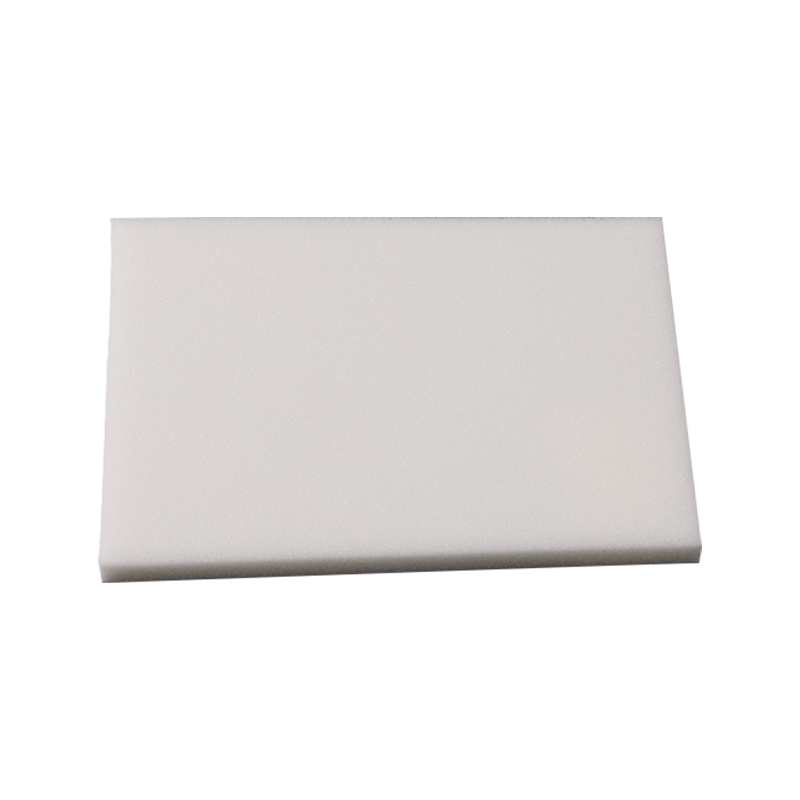
For foam sheets supplied in thinner formats, the same testing logic applies. Product engineers routinely adapt Test B2 when evaluating flexible foam sheet materials, because the 50 mm specimen geometry matches the typical production thickness of these materials.
How the IFD Test Is Performed
The procedure gives repeatable results only when the environment and pre-conditioning are strictly controlled. The specimen is conditioned at 23 °C and 50 ± 5% relative humidity, then pre-flexed to 75% indentation twice. This pre-flexing eliminates the initial compression history that can distort the first reading.
- Condition the foam sample at standard temperature and humidity.
- Measure the specimen thickness and place it on a rigid steel base plate.
- Apply two pre-flex cycles by compressing the foam to 75% of its original height.
- Release the load and allow the sample to recover for the time specified in the standard.
- Lower the indenter at a constant rate and record the force at 25% indentation.
- Continue to 65% indentation and record the force for support factor calculation.
One important detail: the indenter stays in contact with the foam from 25% to 65%. This is not a compression test where the sample is crushed between two flat plates. The indenter has a defined diameter and rounded edge, so the recorded force depends on both the foam firmness and the contact area between the plate and the cellular structure.
IFD vs. Foam Density
Foam density and IFD are separate measurements and are often confused. Density is mass per unit volume, typically reported in kg/m³ or lb/ft³. It indicates how much material is present and is a useful warning sign for durability. IFD is a mechanical response: how the foam resists a concentrated load.
There is no direct formula that converts density into IFD. A high-density foam can be formulated to feel very soft, while a low-density foam can be made firm by adjusting the cell structure or polymer blend. In everyday terms, you can have a dense foam that feels like a pillow and a light foam that feels like a floor mat.
This is the main reason why material specifications should always list both values. If you specify only density for a cushioning product, you may receive a material with the correct mass but the wrong comfort. If you specify only IFD, you may get a material that feels right initially but collapses too quickly in service.
Using IFD Values to Choose the Right Foam
The table below is a practical starting point for matching 25% IFD values to typical final products.
| 25% IFD | Perceived Firmness | Typical Uses |
|---|---|---|
| 10-20 lbs | Soft | Mattress toppers, pillows, baby play mats |
| 20-35 lbs | Medium | Yoga mats, seat cushions, comfort layers |
| 35-55 lbs | Firm | Mattress cores, fitness mats, bench seating |
| 55+ lbs | Extra firm | Gym flooring, automotive seating, heavy inserts |
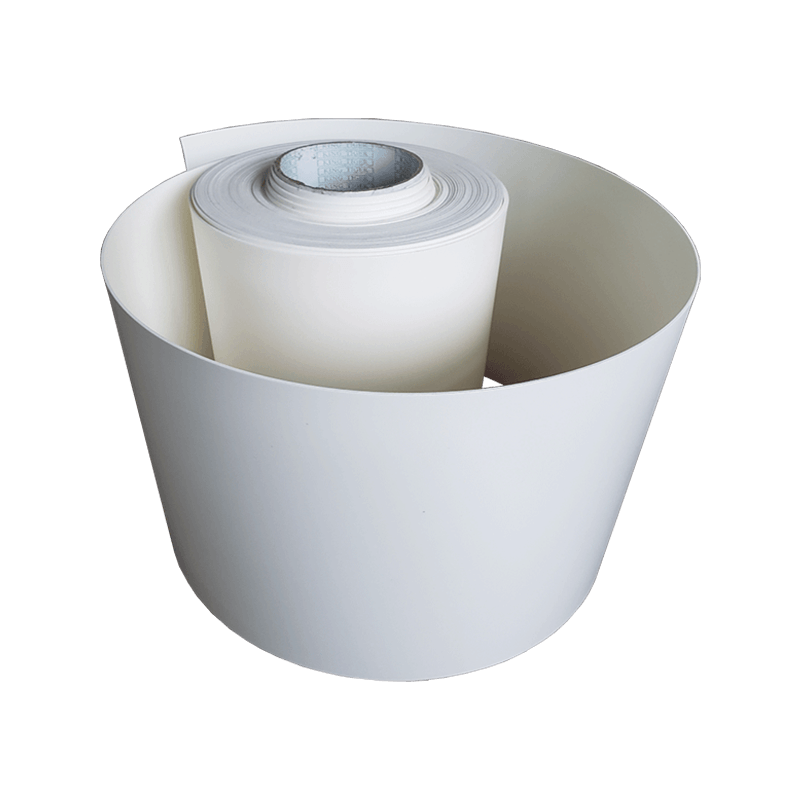
In the flexible foam market, the same polymer family can be tuned across these ranges. For example, M-TPU foam sheet is offered in soft and firm grades, so an engineer can select a grade that matches the target compression feel for a seat cushion or a mat.
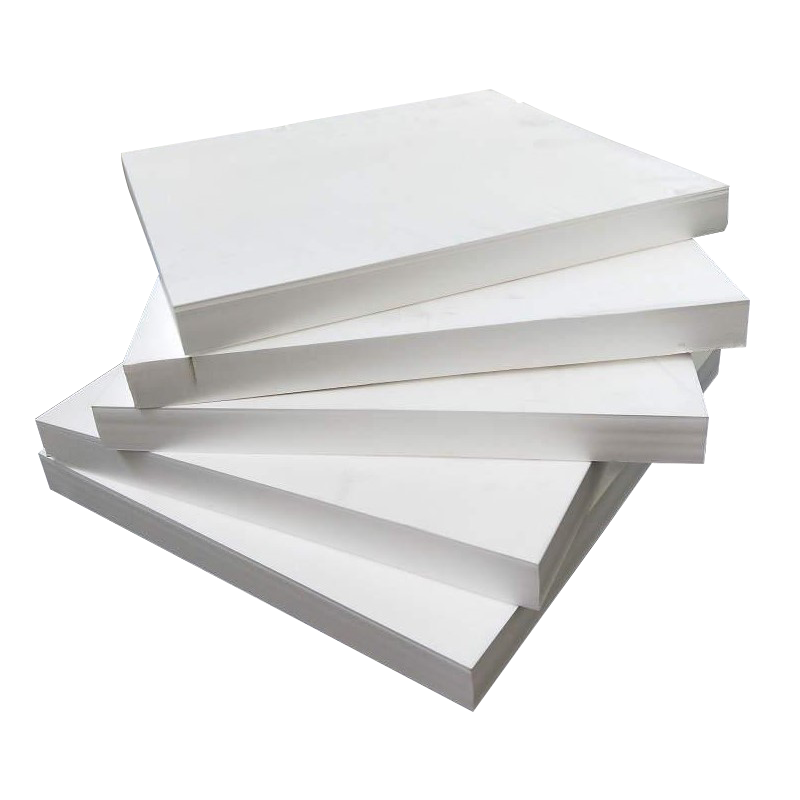
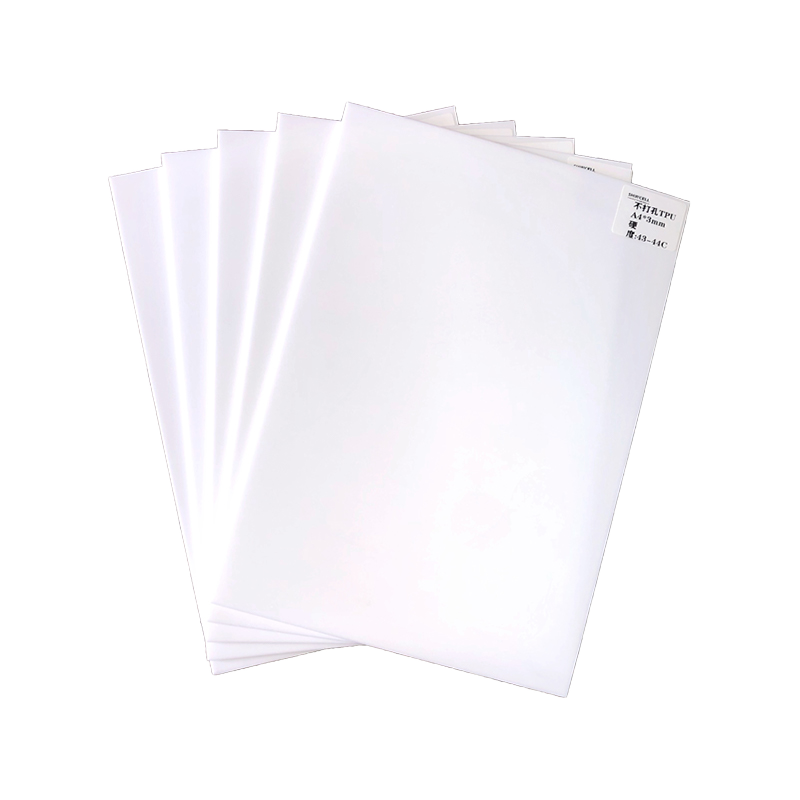 M-TPU Foam Sheet with Adjustable Firmness for Cushions and MatsThis flexible foam sheet can be tuned to different hardness grades, making it suitable for seat cushions or mats where compression feel matters. Production batches may show IFD variations that affect comfort and stability.View Product →
Practical Procurement Considerations
IFD values in production batches can vary around the nominal specification. A ±5 to ±10% deviation on a foam rated at 32 lbs means the delivered material may test at 29 or 35 lbs. For a mattress, that variation shifts the comfort profile. For an exercise mat, a value that is too low can make the mat feel unstable during bodyweight workouts.
Temperature and humidity also affect the measurement. Foam is stiffer at lower temperatures and softer at higher temperatures. When you compare quotes, make sure every supplier tests under the same conditioning parameters stated in ASTM D3574. A difference of 2 lbs in the IFD report can move a product from "medium" to "firm" in a tight specification range.
Another number to request is the support factor, which is the ratio of 65% IFD to 25% IFD. A support factor above 2.0 usually indicates good zonal support and resistance to bottoming out. For exercise mat and mattress applications, this ratio is just as important as the base IFD figure.
Where IFD Testing Matters in Product Development
IFD testing is used both as a quality control gate and as a design tool. In athletic mat production, an MTPU fitness mat needs an IFD that keeps the mat stable under a standing athlete, yet still allows comfortable knee support during floor work. In new energy battery packs, engineers use IFD data to predict how a foam layer behaves under thermal expansion or structural loading without disabling the safety barrier.
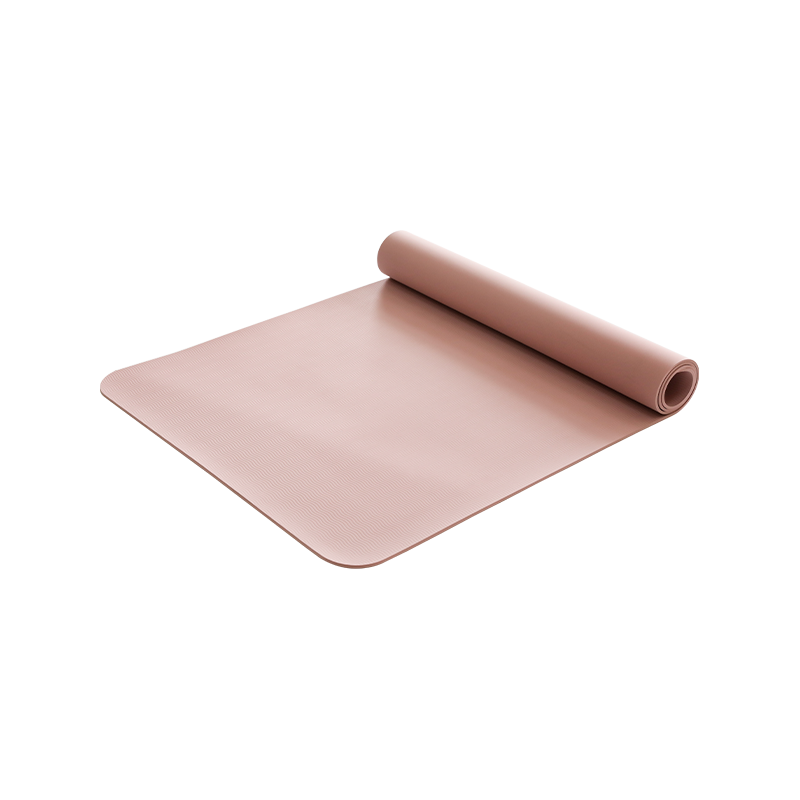
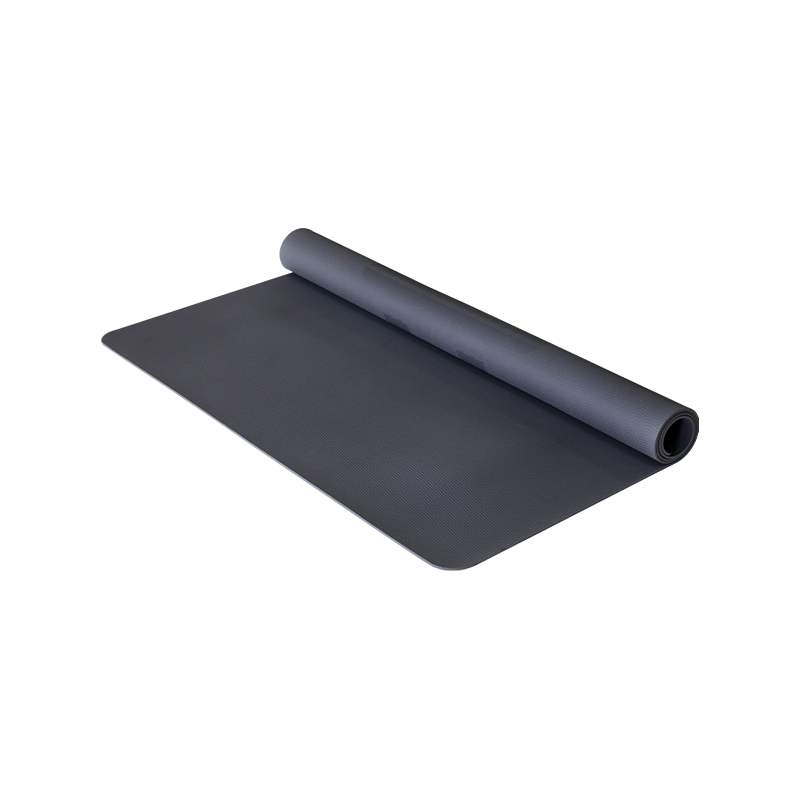
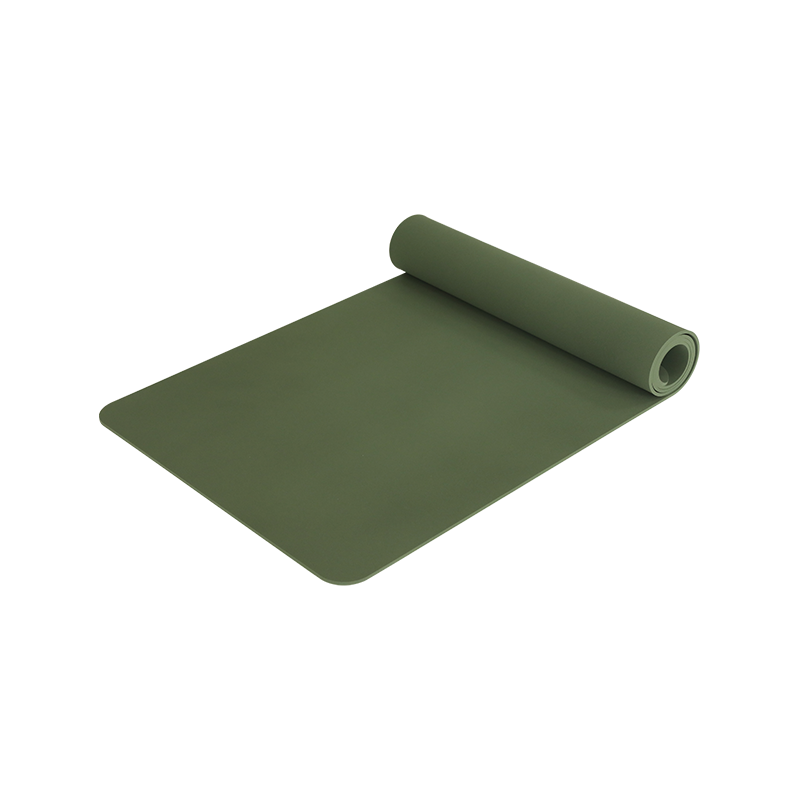 MTPU Fitness Mat with Balanced IFD for Stability and ComfortDesigned with a specific IFD range, this mat provides a stable surface for standing exercises while offering comfortable knee support. Its properties help maintain performance during repeated floor workouts.View Product →
The same principle applies to seating and protective inserts. A TPEE foam sheet can be specified with a target IFD so that it provides rapid recovery after repeated compression. The test method and the target value must be recorded in the technical document to avoid receiving a material that looks identical but performs differently.
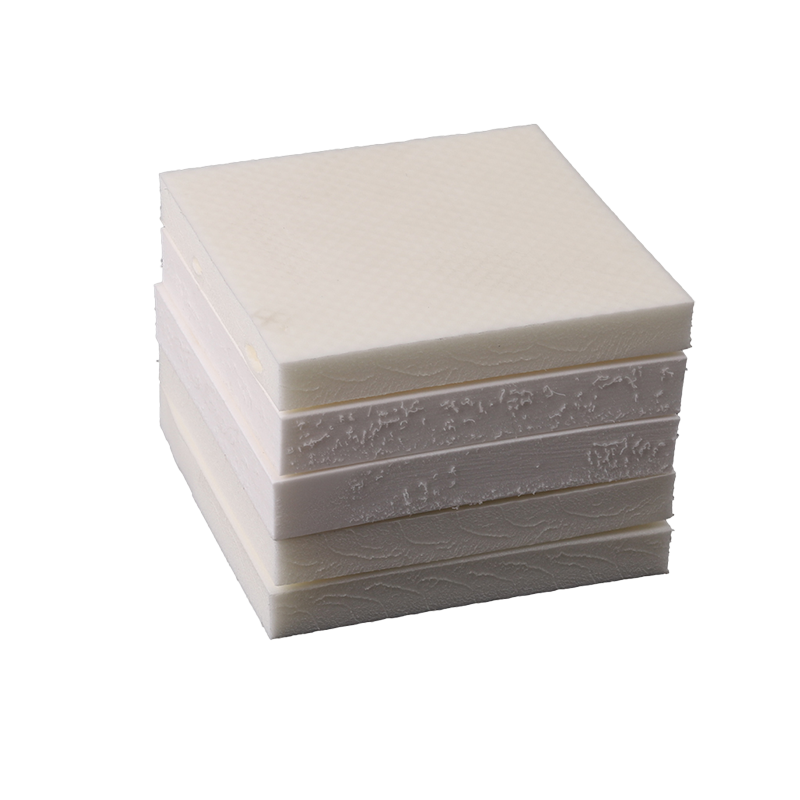 M-TPEE Foam Sheet with Specified IFD for Rapid RecoveryThis foam sheet can be specified with a target IFD to ensure rapid recovery after repeated compression. Recording the test method and value prevents performance mismatches in seating or protective inserts.View Product →
Across all these industries, ASTM D3574 Test B remains the reference point. The foam is compressed, the force is measured, and the result is compared with an agreed specification before production is approved.
Frequently Asked Questions
Q1: What is the difference between IFD and ILD?
IFD and ILD (indentation load deflection) describe the same measurement. IFD is the terminology used in current ASTM D3574 wording, while ILD is the legacy term found in older spec sheets. Both express the force at a defined indentation percentage.
Q2: What does a 25% IFD of 30 lbs mean?
Under the standard test procedure, the indenter plate must be pushed with 30 pounds of force to compress the foam to 25% of its original height. A lower number is softer; a higher number is firmer.
Q3: Does ASTM D3574 cover thermoplastic foams like TPU and TPEE?
The standard is written for flexible cellular urethane foams. TPU and TPEE foams are thermoplastic elastomers, not conventional polyurethane. In practice, many manufacturers apply the same geometry and procedure because the results correlate closely with perceived firmness. Always ask your supplier to document the test method used.
Q4: What if my foam sample is thinner than the required specimen?
Use Test B2 with its smaller specimen dimensions, or stack layers to reach the 100 mm thickness required by Test B1. The important thing is to follow the same test method consistently when comparing batch results.
Q5: How many samples should be tested per lot?
At least one sample from each production batch, and ideally five locations across a full sheet or bulk block, gives a representative average. The spread between readings tells you whether the foam is uniform in firmness.
 ++86-0512-66079229