
 English
 Español

Home / News / Flame Retardants vs Fireproof Materials: Fire Prevention Comparison Guide
In a crowded electronics production hall, a cable duct overheats and a fire starts inside a narrow channel. Operators may have only minutes to evacuate and contain the incident before the flame spread reaches nearby equipment. That is why the words “flame retardant” and “fireproof” are often used loosely on labels and in technical discussions. In practice, however, the two terms describe different fire-protection strategies. Flame retardants chemically delay combustion, while fireproof materials resist or withstand fire itself. The right choice depends on the material you are protecting, how long it will be exposed to heat, and whether you are trying to prevent ignition or simply buy time.
What Are Flame Retardants?
Flame retardants are chemical additives incorporated into combustible materials such as plastics, textiles, foams, and coatings. They work by reducing ignition propensity, slowing flame spread, and lowering heat release during a fire. Typical mechanisms include:
- Promoting carbonization in the solid phase, which forms a protective char layer that blocks oxygen and heat transfer.
- Scavenging free radicals in the gas phase, interrupting the combustion chain reaction.
- Releasing inert gases or water vapor that dilute the concentration of combustible gases.
The main families of flame retardants are halogenated (bromine or chlorine based), phosphorus-based, nitrogen-based, and inorganic mineral compounds such as aluminum hydroxide and magnesium hydroxide. Each family interacts differently with the host polymer, and the dosage must be balanced carefully against mechanical performance, color stability, and regulatory constraints.
What Are Fireproof Materials?
Fireproof materials are those that do not ignite easily and are highly resistant to heat, flame, or both. Typical examples include ceramic, metal, glass, concrete, mineral wool, and certain engineering polymers such as PVDF and polyetheretherketone. These materials provide passive protection by maintaining strength and shape under fire, acting as physical barriers between the fire and the protected asset.
The word “fireproof” is technically a simplification. Steel loses most of its load-bearing strength above 500 °C, and ceramics can crack during rapid thermal shock. In engineering and code-compliant design, “fireproof” generally means “high performance under defined test conditions.” The practical goal is not that a material never decomposes, but that it preserves the fire compartment long enough for evacuation and firefighting.
Flame Retardants vs Fireproof Materials: Key Differences
The most meaningful differences appear when you compare the protection mechanism, the type of protection, and the typical application context.
| Attribute | Flame Retardants | Fireproof Materials |
|---|---|---|
| Protection type | Active — slows fire spread | Passive — resists heat and flame |
| Source of protection | Added chemical additives | Inherent material structure |
| Typical examples | FR-PP, FR-PA, brominated foams | Ceramic, metal, glass, PVDF foam |
| Important tests | UL 94, IEC 60695, ASTM E84 | ASTM E119, ISO 834, UL 94 |
| Primary benefit | More escape and response time | Structural integrity during fire |
| Cost and weight | Usually lower added weight | Often heavier or more expensive |
For polymer foams, the distinction becomes practical: a flame-retardant foam reduces flame spread while preserving low weight, but it will still decompose if exposed to high temperatures for an extended period. A foam based on an intrinsically fire-resistant polymer such as PVDF offers a stronger starting point against heat and direct exposure.
Which Is More Effective for Fire Prevention?
There is no universal winner. The answer depends on the fire scenario you are preparing for. If your priority is to protect lives and property by delaying fire spread, flame retardants are more effective. This is the active protection path: the fire is slowed down, giving detection systems, sprinklers, and evacuation time to operate.
If your priority is structural integrity during a high-temperature event, fireproof materials provide the stronger defense. They act as passive barriers that maintain the fire compartment for a longer time.
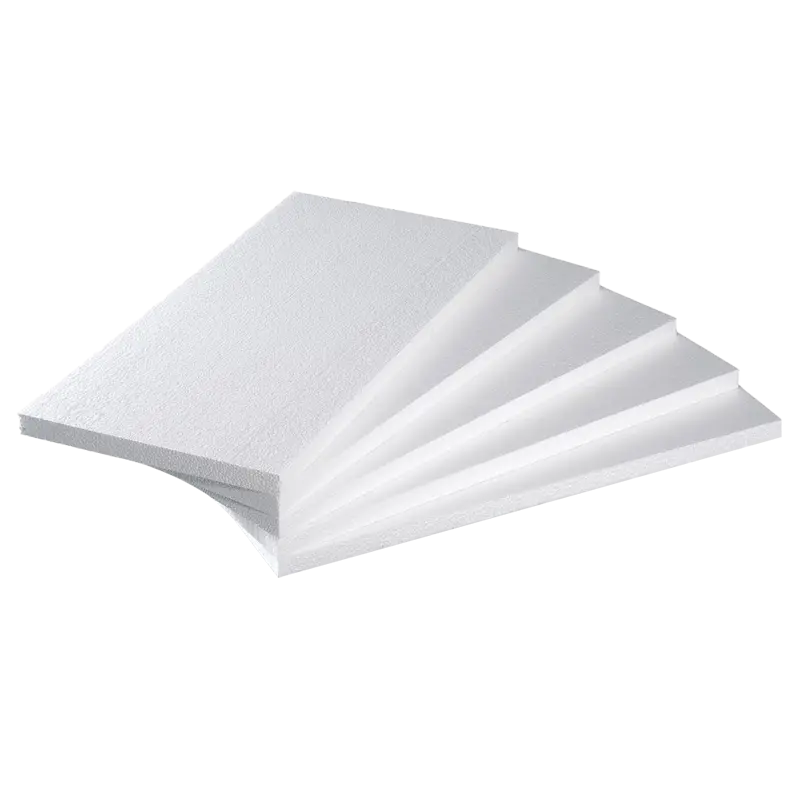
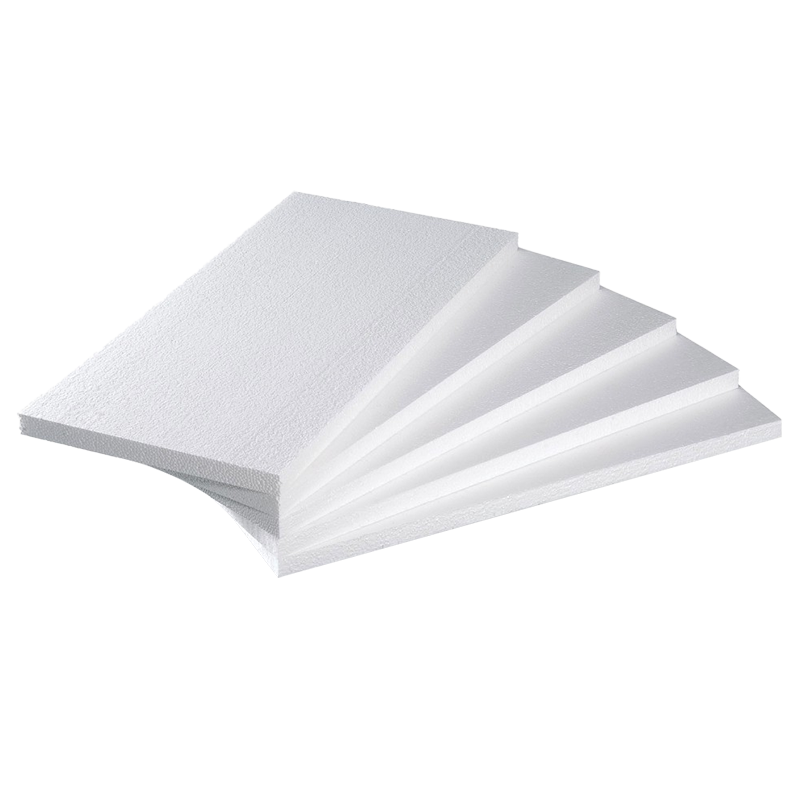
In practice, most designs combine both approaches. For example, a lithium-ion battery pack in an electric vehicle uses a fire-resistant enclosure and flame-retardant polymer foams inside. The foam cushions the battery cells while reducing the risk of thermal runaway propagation. For applications that combine lightweight insulation with a fire safety target, FR-MPP foam sheet delivers efficient flame retardancy in a mechanically robust package. The same foam is also specified in EV battery pad applications, where the risk of cell-to-cell heat transfer demands a material that delays ignition without adding excessive weight.
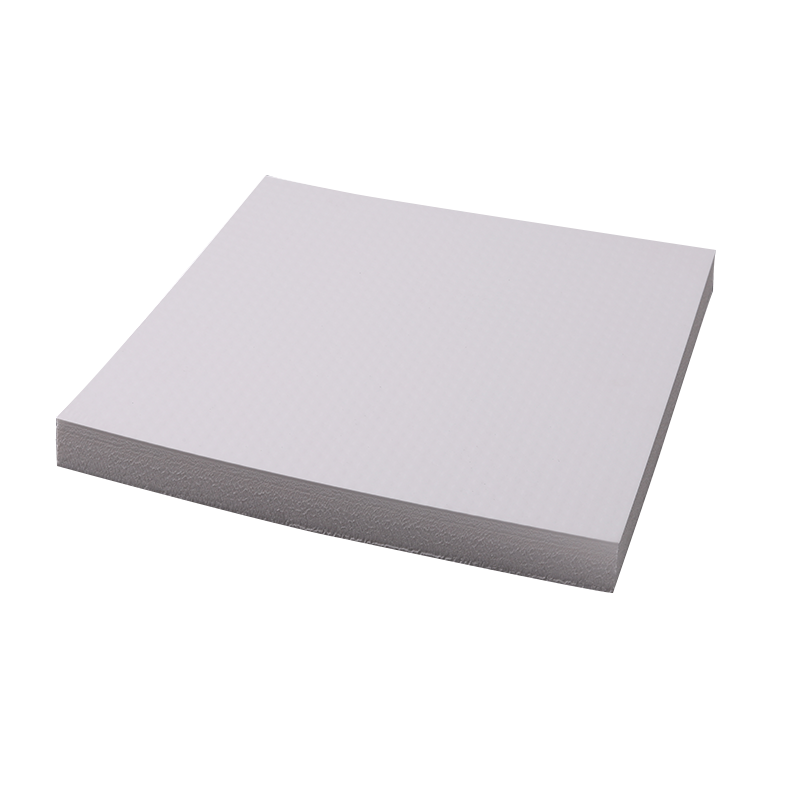
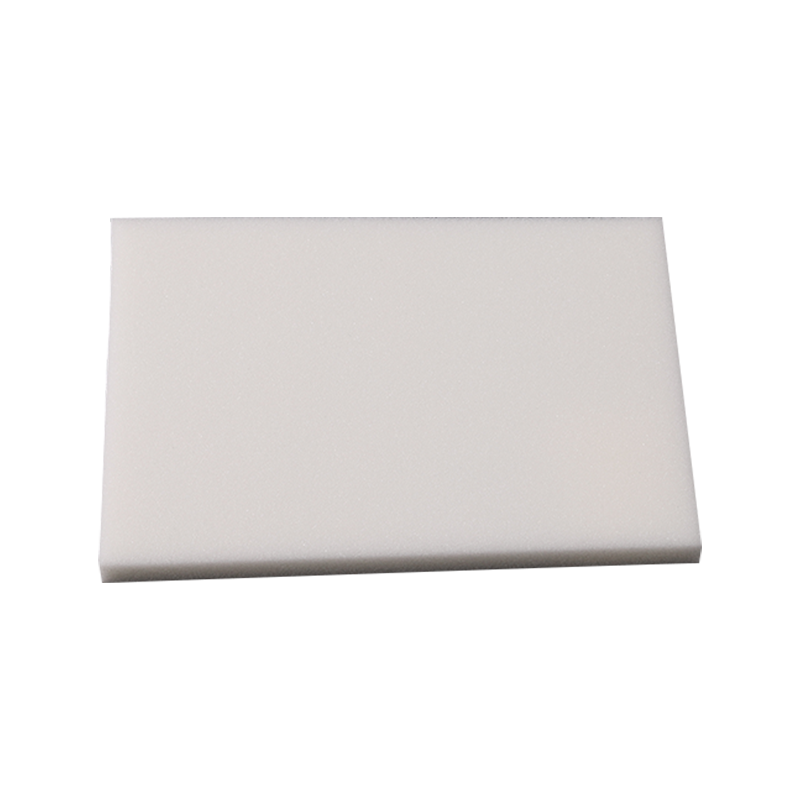 Flame-Retardant MPP Foam Sheet for Lightweight Insulation and CushioningThis additive-based FR foam offers balanced flame retardancy, mechanical strength, and low weight, making it suitable for EV battery pads and applications requiring UL 94 compliance without excess bulk.View Product →
How Flame Retardants Work in Polymer Foams
Polymer foams offer low density and excellent energy absorption, which makes them popular in shock absorption, insulation, and cushioning. However, many thermoplastics — including polypropylene, polyethylene, and some TPU grades — are inherently combustible. Flame-retardant additives must be introduced during the compounding or foaming stage to meet UL 94 classifications.
FR-MPP foam is made by adding flame-retardant components to polypropylene before the supercritical gas foaming process. The final material retains the low-density closed-cell structure and energy absorption of standard MPP foam while lowering flame spread and heat release rate.
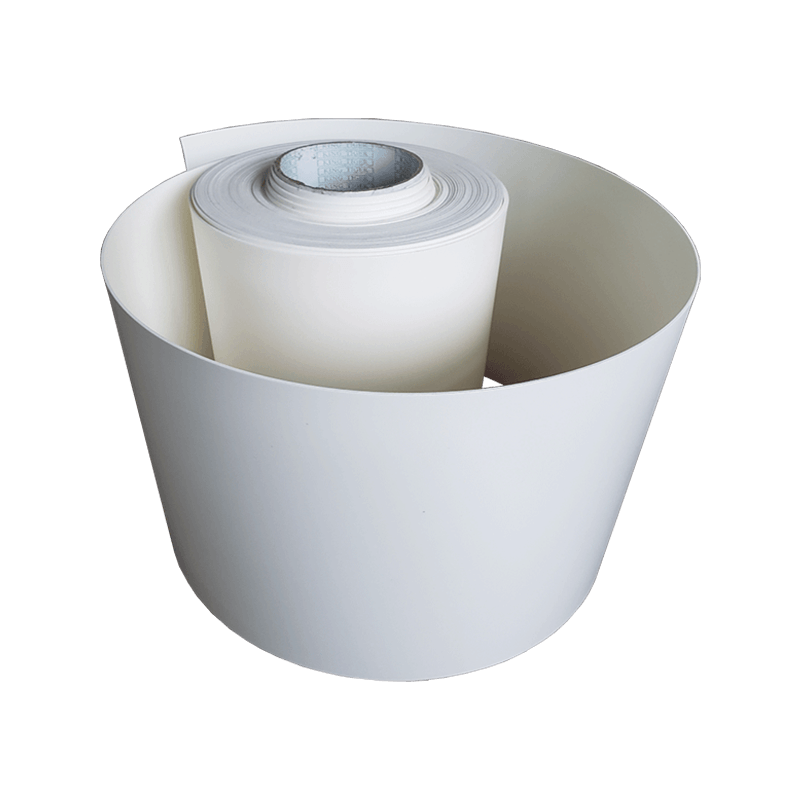
When higher thermal stability is required, PVDF foam sheet provides an alternative. The PVDF polymer itself is intrinsically flame-retardant, meaning its fire behavior does not depend on additives. PVDF also offers better resistance to chemicals, weathering, and high temperature than typical polypropylene, which makes it a useful option in semiconductor cleanroom and high-temperature process environments where additive-based flame retardancy might not be preferred.
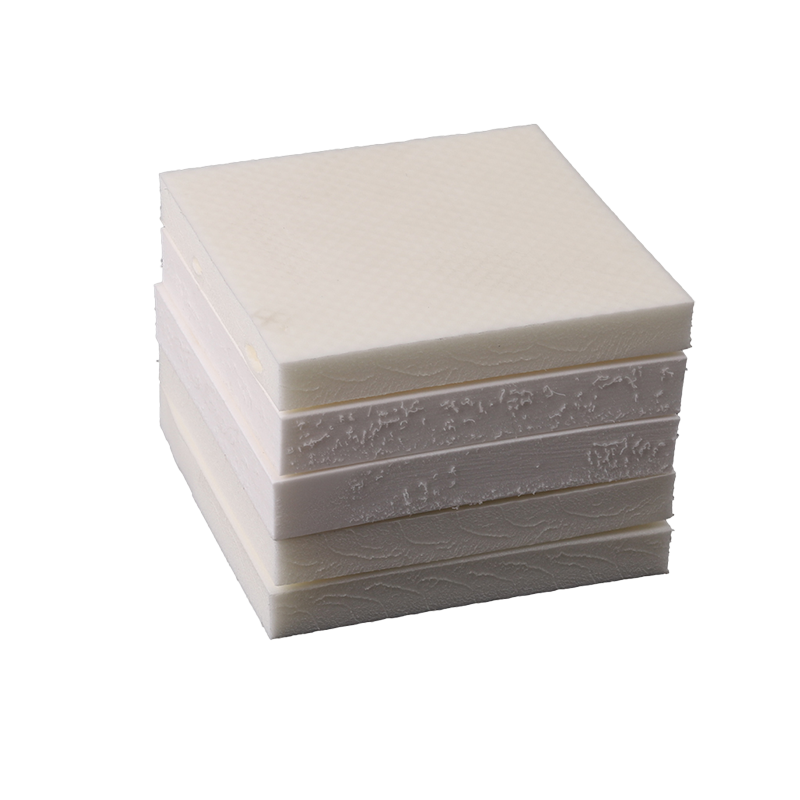
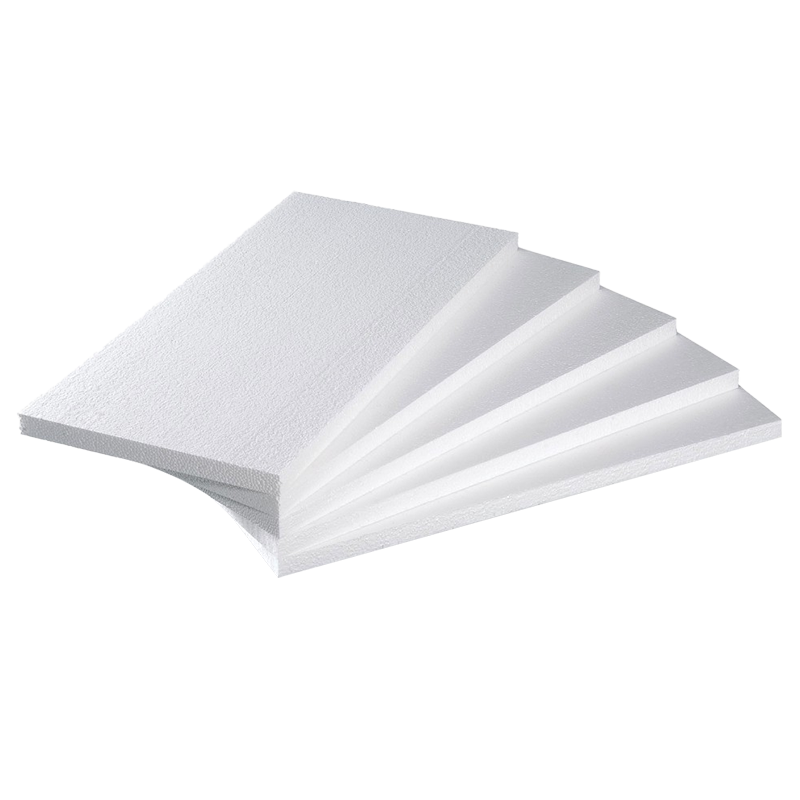 Intrinsically Fire-Resistant PVDF Foam Sheet for High-Temperature UsePVDF foam provides inherent flame resistance and superior chemical and thermal stability, ideal for semiconductor cleanroom and high-temperature environments where additive-based FR may fall short.View Product →
Choosing the Right Material for Your Application
Before choosing, define the actual fire safety target:
- What exposure time does the fire test require?
- Is the component part of a low-voltage electrical product or a structural building member?
- Does it need to achieve UL 94 V-0, V-1, or HB?
- Are lightweight and low thermal conductivity also important to the application?
- What is the acceptable additional cost and weight for flame retardancy?
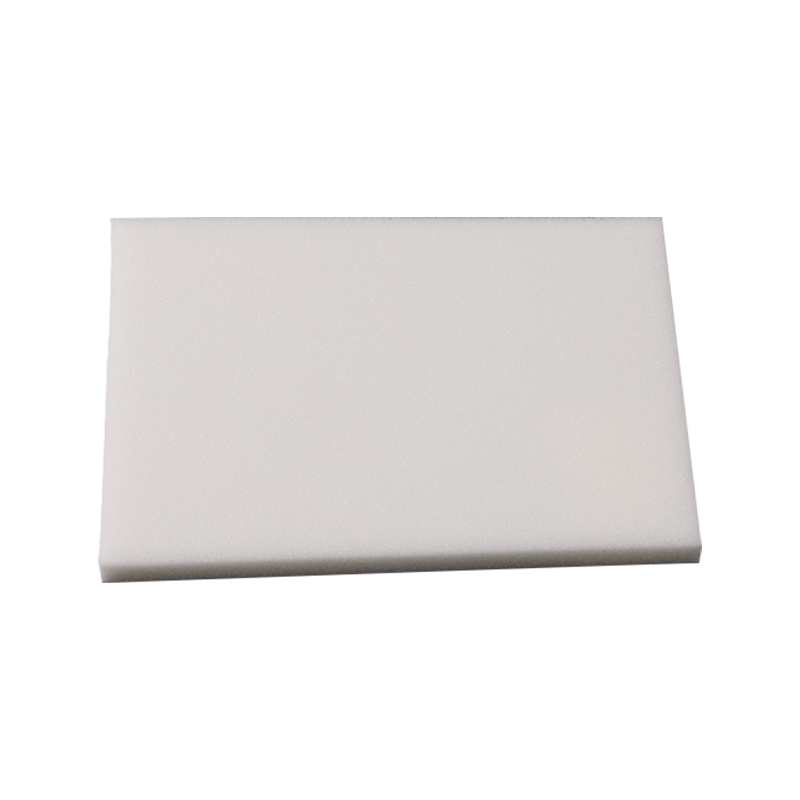
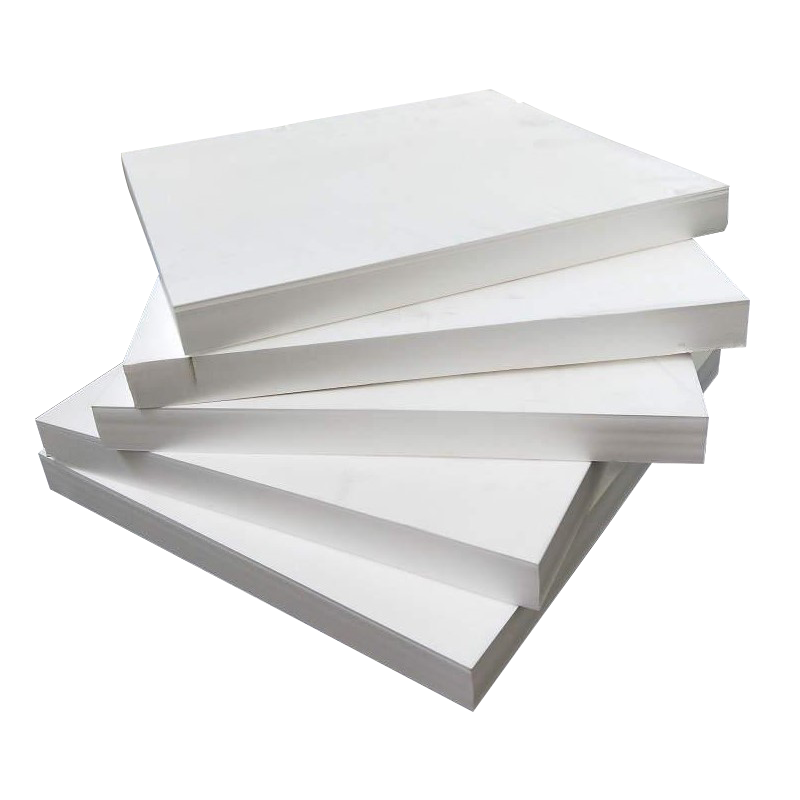
For cost-sensitive flame-retardant foam cushioning, FR-MPP foam is usually the most direct solution. If you need inherent fire resistance and higher upper-end service temperature, PVDF foam costs more but improves thermal durability. If your design does not involve strict fire codes, standard MPP foam sheet provides the most economical balance of mechanical performance and processability. To understand how UL 94 ratings translate into real design decisions, read the review of MPP, PVDF, and FR-MPP foam sheets for high-temperature applications.
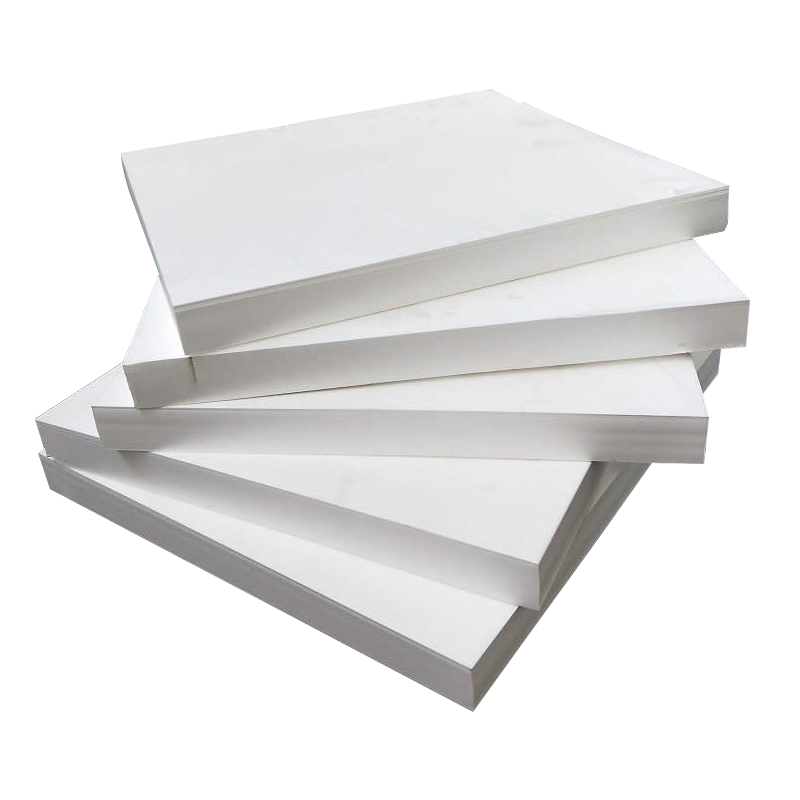 Economical MPP Foam Sheet for General Cushioning and InsulationStandard MPP foam delivers cost-effective mechanical performance and processability for designs without strict fire codes, serving as a practical choice for everyday cushioning and insulation needs.View Product →
Conclusion
Flame retardants and fireproof materials serve complementary roles rather than competing ones. Flame retardants give you control over how fast a fire can spread, while fireproof materials give you control over whether heat and flame can reach the protected asset. For polymer foams, the choice between an additive-based FR material and an intrinsically fire-resistant polymer is guided by temperature exposure, compliance targets, and cost. With a clear specification, both strategies can work together to protect people, equipment, and facilities.
FAQs
Q1: Are flame retardants and fireproof materials the same thing?
No. Flame retardants slow down combustion, while fireproof materials are designed to resist or withstand fire. They serve different purposes in a fire prevention strategy.
Q2: Can a material be both flame retardant and fireproof?
In a strict sense, no. A material can be flame-retardant because it has been treated with additives, and it can also be intrinsically fire-resistant. PVDF foam sheet, for example, provides both heat resistance and inherent flame retardancy without relying on chemical additives.
Q3: What does UL 94 V-0 mean?
UL 94 is a flammability standard for plastic materials. A V-0 rating means the sample stops burning within 10 seconds after the test flame is applied and does not drip burning particles. It is a common target for FR-MPP foam sheets used in electronics and electrical components.
Q4: When should I choose FR-MPP foam instead of PVDF foam?
Choose FR-MPP foam when additive-based fire protection is acceptable and cost efficiency matters. Choose PVDF foam when the material must provide its own flame resistance, higher thermal stability, and chemical durability — for example, in harsh process environments or high-temperature thermal barriers.
 ++86-0512-66079229