
 English
 Español

Home / News / How to Waterproof Foam: The Complete Guide to Protecting Every Type of Foam
Foam is one of the most versatile materials in product design, packaging, and industrial components. But when it comes into contact with water, a single edge can turn into a soaked, weakened, and eventually unusable part. The question "how to waterproof foam" is especially important for anyone using foam in outdoor projects, high-humidity environments, or applications that see regular cleaning. The answer depends on the type of foam, the required performance, and how long you need it to last.
Why Foam Needs Waterproofing
Most foams are porous by nature. Open-cell foams, such as polyurethane upholstery foam, absorb water quickly through their interconnected cells. This leads to swelling, loss of dimensional stability, and a perfect habitat for mold and mildew. Closed-cell foams are more resistant, but they are not automatically waterproof either: water can still enter through cut edges, seams, and surface damage. In industrial settings, water ingress is a common cause of premature failure in thermal insulation, cushioning components, and structural foam parts.
Water also affects foam's mechanical properties. Many polymer foams lose stiffness when they become saturated, and repeated wet-dry cycles can degrade the material itself. For example, a yoga mat that is not water-resistant will begin to break down at the surface after just a few months of use. In contrast, a properly protected foam can last years without losing its cushioning or load-bearing function.
Rule of thumb: If a foam will regularly get wet, it is smartest to choose a material that can handle it internally.
Waterproofing Methods Compared
There is no single "best" way to waterproof foam. The right method depends on the foam's chemistry, the exposure conditions, and the level of performance you need. The table below summarizes the most common approaches.
| Method | How It Works | Pros | Cons |
|---|---|---|---|
| Brush-on sealers | Paint a liquid coating such as polyurethane, epoxy, or acrylic over the foam surface. | Simple, low cost, easy to apply by hand | Sealer can crack with foam movement; not ideal for open-cell foam |
| Spray coatings | Use a commercial spray to form a thin, flexible barrier layer. | Fast coverage, good for complex shapes | Multiple coats needed; overspray can be messy |
| Film lamination | Heat-bond a plastic film like TPU or polyethylene to the foam surface. | Durable, watertight, adds mechanical strength | Requires specialized equipment; adds weight and cost |
| Material selection | Choose a foam that is inherently hydrophobic and closed-cell. | No extra processing; long-term reliability; retains breathability | Higher upfront material cost for advanced polymer foams |
For most DIY projects, brush-on or spray sealers are acceptable. But in high-performance applications—like automotive, aerospace, electronics, or medical equipment—a coating that can peel or wear is rarely the answer. Instead, the most effective strategy is to start with a foam that has low water absorption and does not rely on a secondary barrier for protection.
Choosing the Right Foam to Minimize Water Absorption
If you are designing a part that will see water or high humidity, the foam substrate matters more than any aftermarket coating. A material with a naturally closed-cell structure and low surface energy will shed water more effectively and maintain its properties for years. This is where engineered thermoplastic foams outperform conventional polyurethane or styrofoam.
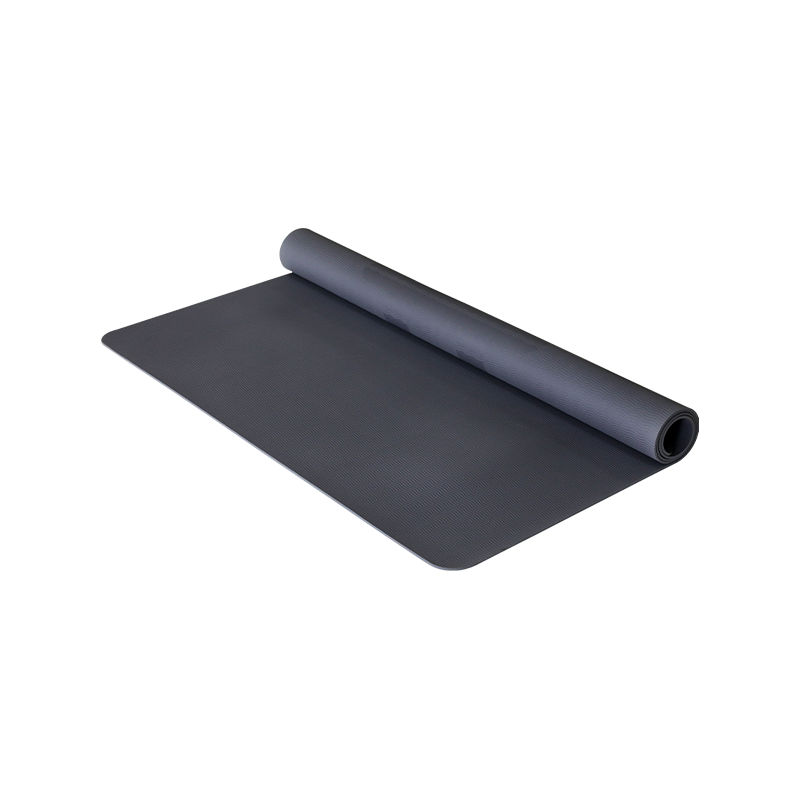
For example, an MTPU foam sheet is a thermoplastic polyurethane foam with a microcellular structure that resists water penetration while retaining exceptional elasticity. It is an excellent choice for products like yoga mats, fitness mats, and impact pads that are frequently cleaned or exposed to sweat and moisture. Its closed-cell surface also helps it resist water uptake at the edges, where many foams fail first.
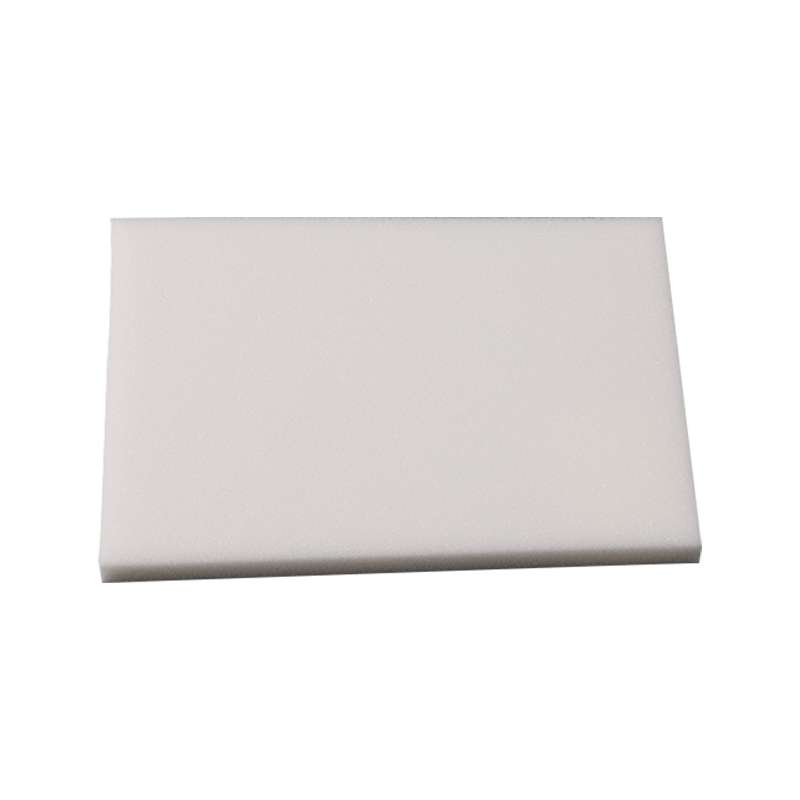
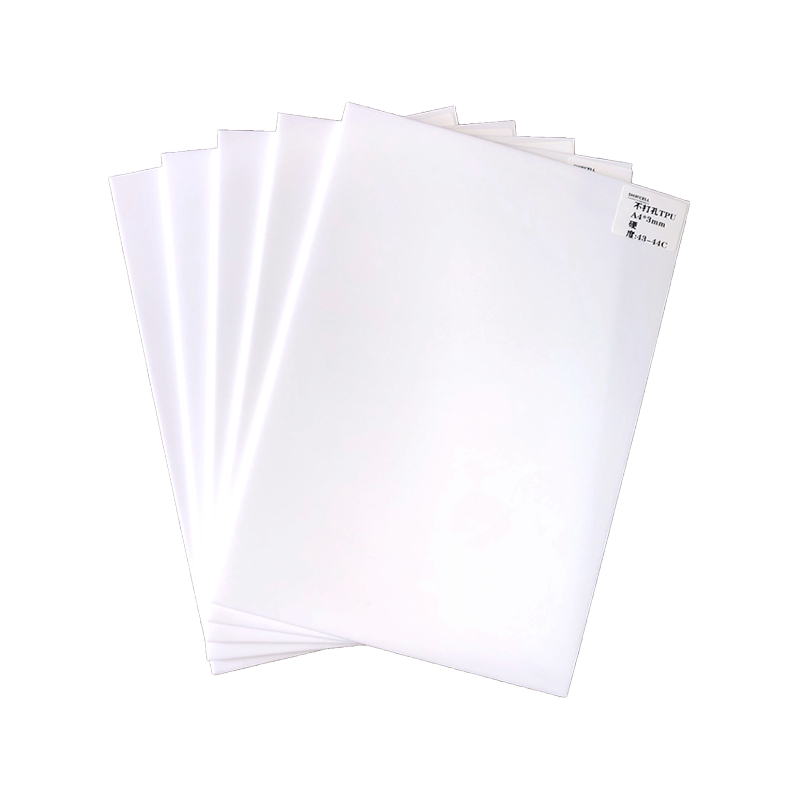 M-TPU Foam Sheet for Moisture-Resistant Cushioning ApplicationsThis thermoplastic polyurethane foam combines microcellular structure with resistance to water, making it suitable for fitness mats and impact pads that require frequent cleaning or exposure to sweat.View Product →
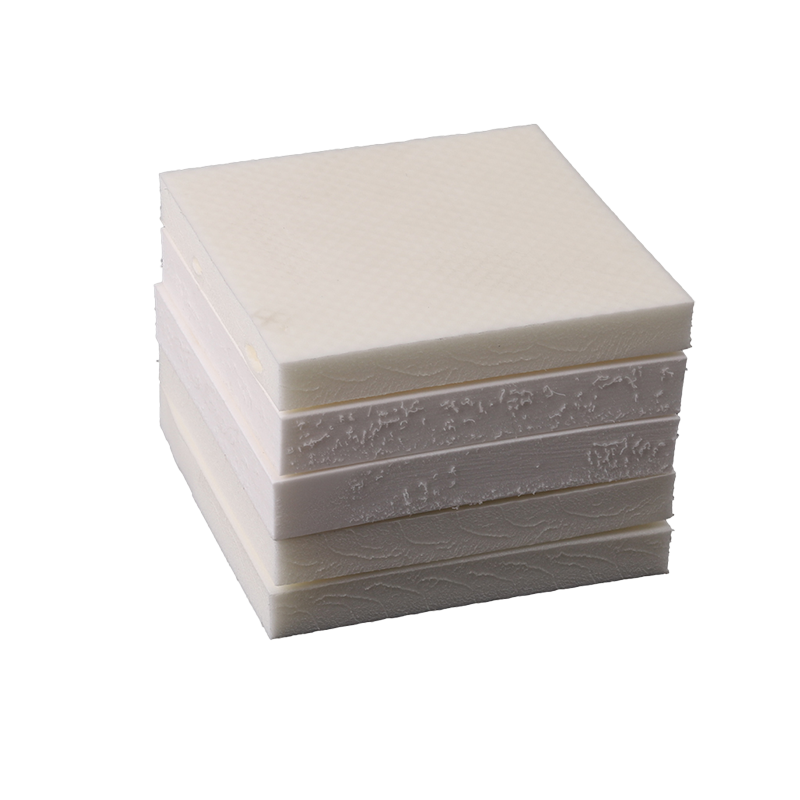
For harsher chemical environments, a PVDF foam sheet offers outstanding water and chemical resistance, along with thermal stability. PVDF (polyvinylidene fluoride) is a fluoropolymer that inherently repels water and resists most acids, bases, and solvents. This makes it a strong candidate for pipe insulation, outdoor equipment, and barrier components where sealer failure is not an option.
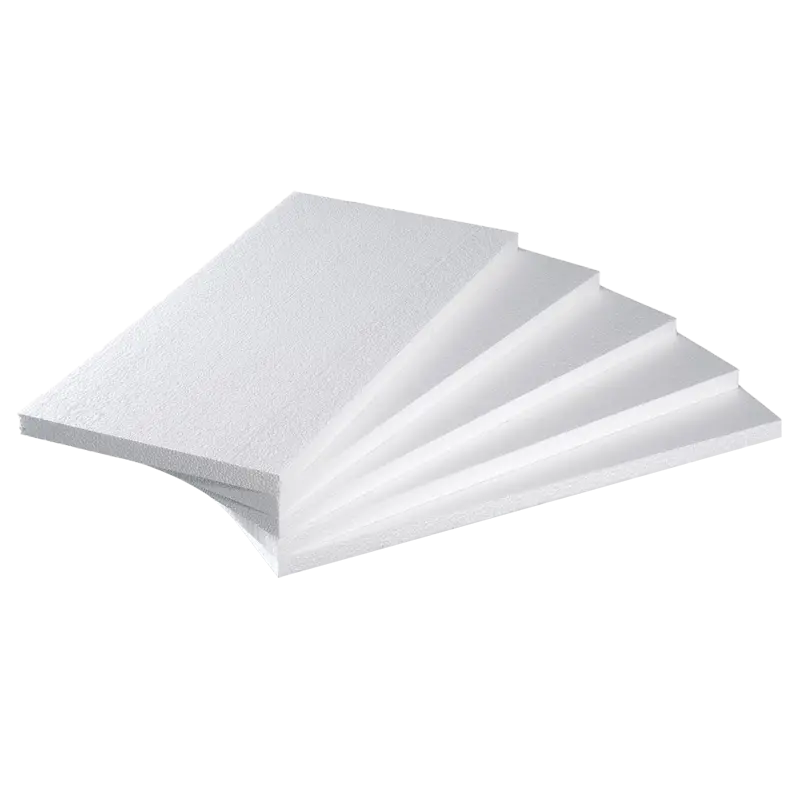
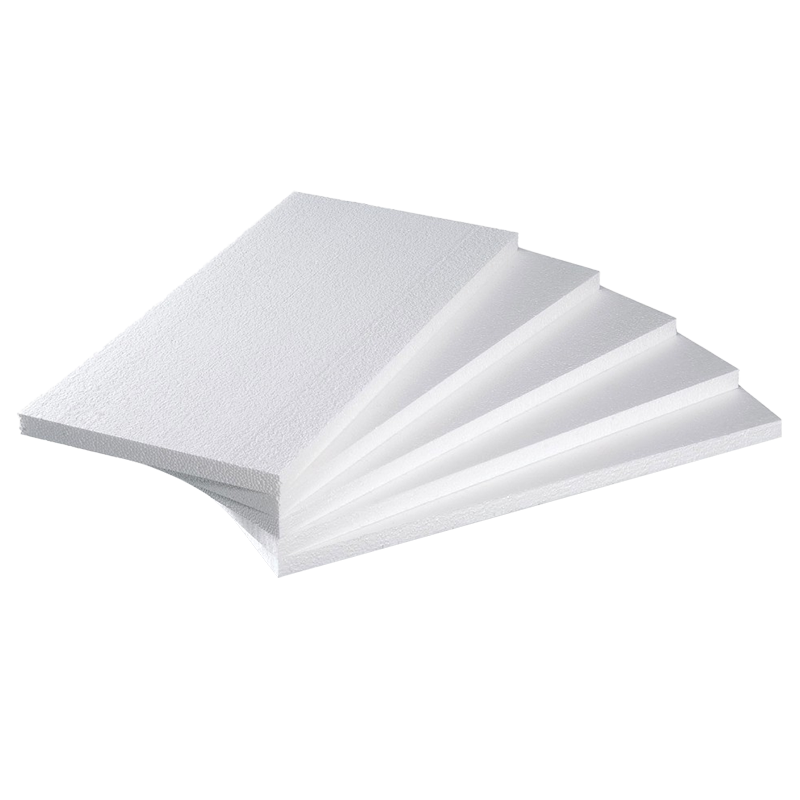 PVDF Foam Sheet for Chemical and Thermal ResistanceA fluoropolymer foam that repels water and resists acids, bases, and solvents, ideal for pipe insulation and barrier components where sealing reliability is critical.View Product →
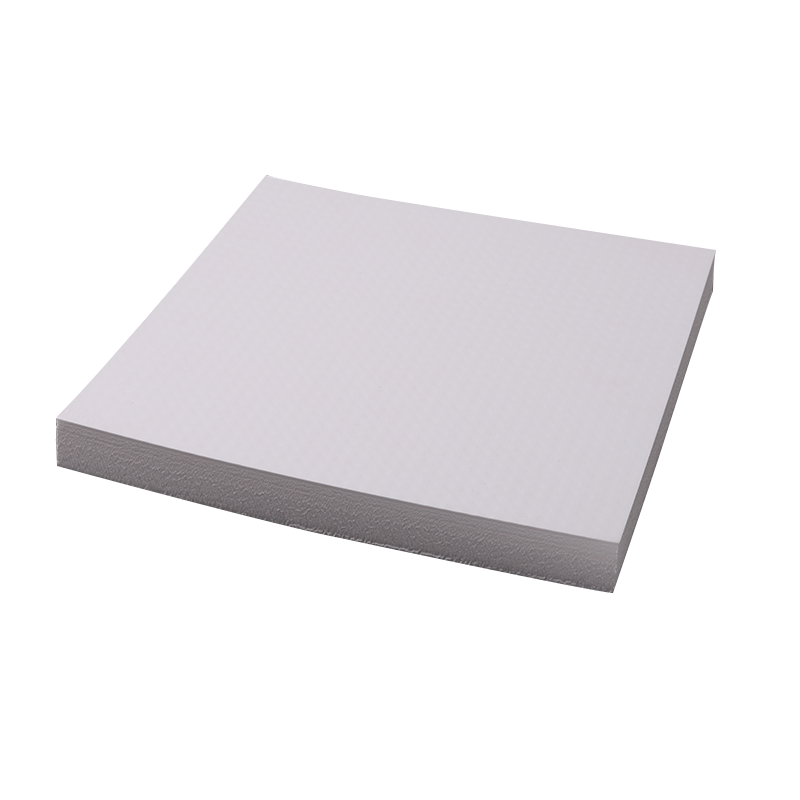
If you are working with polypropylene (PP) substrates, an MPP foam sheet provides the same closed-cell protection with the versatility of PP. MPP foam is lightweight, recyclable, and has very low water absorption, making it a popular material for packaging, automotive panels, and structural inserts that need to stay dry without additional coating.
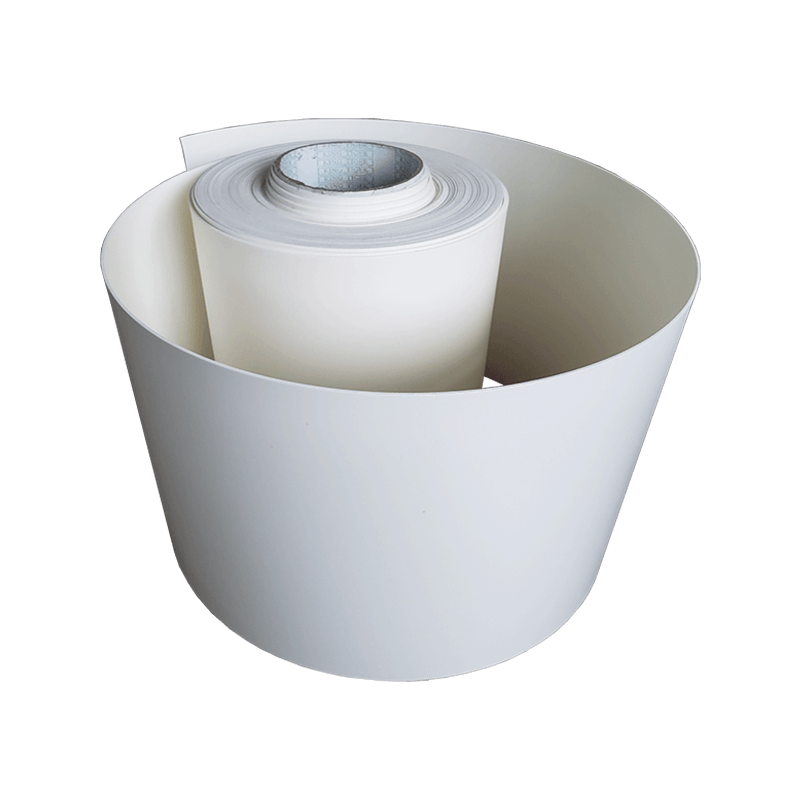
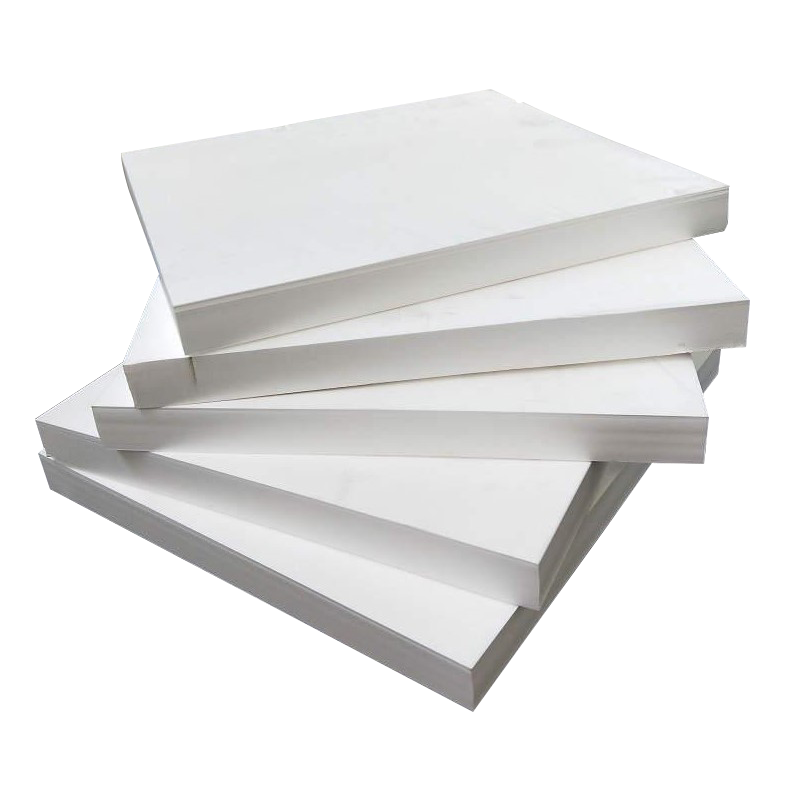 MPP Foam Sheet for Lightweight Waterproof InsulationRecyclable polypropylene foam with low water absorption, commonly used in packaging and automotive panels to provide dry, dimensionally stable structural inserts without extra coating.View Product →
Choosing one of these engineered foams usually eliminates the need for a separate waterproofing step. It also simplifies manufacturing: you can cut, shape, and bond the foam directly, and the finished part will maintain its dimensional stability even after repeated wet-dry cycles. To understand how these materials fit into broader applications, see our application overview across industries.
Step-by-Step Waterproofing for Common Foam Types
Polyurethane (PU) Foam
PU foam is open-cell and highly absorbent. Start by sanding the surface lightly to remove any skin or dust. Then apply a thin coat of oil-based polyurethane or a flexible urethane sealant. Let it fully cure, then sand lightly and apply another coat. For exposed edges that will be submerged or in high-humidity areas, use two or three coats and pay special attention to cut faces.
Polyethylene (PE) and Polypropylene (PP) Foam
PE and PP foams are already closed-cell and naturally water-resistant. If you need extra protection, you can use a matte acrylic spray or a solvent-based adhesive film. However, the most reliable approach is to avoid cutting edges that expose open cell areas. If you must cut the foam, seal the cut surface with a thin layer of flexible polyurethane adhesive or use heat sealing to close the surface pores. If you are working with PP-based foam, our foam sheet collection includes various thicknesses and densities with closed-cell properties.
Thermoplastic Polyurethane (TPU) and Engineering Foams
MTPU, TPEE, PEBAX, and PVDF foams are manufactured with hydrophobic polymers and a closed-cell microcellular structure. In most applications, they do not need any waterproof coating at all. If you want to further enhance their boundary performance, you can laminate them with a TPU film or use a weldable edge profile. Because these materials are thermoplastic, they can be heat-welded to form seams that are completely watertight—a major advantage over traditional open-cell foams.
Durability and Maintenance Tips
Even the best waterproof foam needs sensible maintenance in demanding environments. Here are some practical guidelines to extend the service life of your foam components.
- Wipe surface moisture after each use. Standing water can eventually penetrate micro-cracks and edge cuts.
- Avoid sharp objects that can puncture the closed-cell surface. A single puncture can allow water to travel through the foam interior.
- Use mild detergents and cold water for cleaning. Hot water and aggressive solvents can soften certain polymers and accelerate embrittlement.
- Check glued or bonded seams regularly. In waterproof applications, the adhesive interface is often the weakest point—even when the foam itself remains dry.
- Store foam in a dry, cool place away from UV light. Prolonged sunlight exposure can degrade the polymer surface, making it more susceptible to water uptake.
For industrial foam parts, schedule periodic inspections if they are used in outdoor or high-condensation environments. Catching a small surface crack early is much less expensive than replacing an entire cushioning layer or insulation panel.
Frequently Asked Questions
Q1: Can I waterproof foam with just a plastic bag?
A plastic bag can prevent direct water contact but it is not a durable solution. It will wrinkle, tear, and trap condensation, which can still damage the foam. For real protection, use a coating, lamination, or a water-resistant foam material.
Q2: Is closed-cell foam waterproof?
Closed-cell foam is water-resistant, but not instantly waterproof. It has a much lower water absorption rate than open-cell foam. However, water can enter through cut edges, punctures, and failed seams. For demanding applications, choose a hydrophobic closed-cell foam and seal edges as needed.
Q3: Do I need to waterproof TPU foam?
Generally no. MTPU foam is inherently hydrophobic and has excellent resistance to water, sweat, and cleaning agents. This makes it a popular choice for yoga mats, fitness mats, and other consumer products that require regular washing.
Q4: How long does a waterproof coating last?
It depends on the coating type and exposure. Brush-on polyurethane can last one to three years outdoors, while film lamination can last much longer. In high-flex applications, rigid coatings may crack, so flexible coatings or a waterproof polymer substrate are more reliable.
 ++86-0512-66079229