
 English
 Español

Home / News / Microcellular Polyurethane Foam: Properties, Applications and Selection Guide
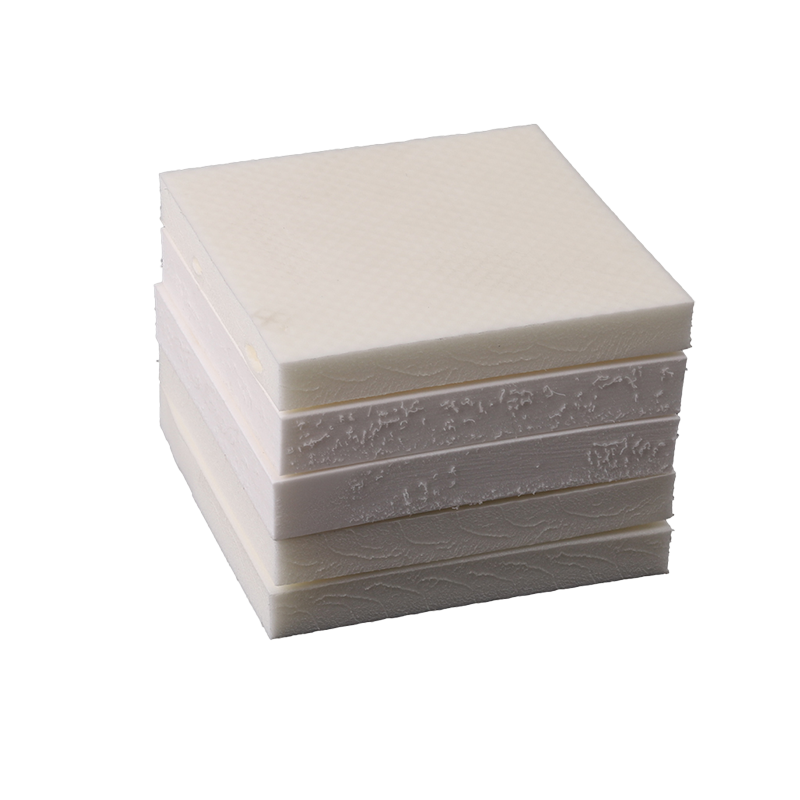
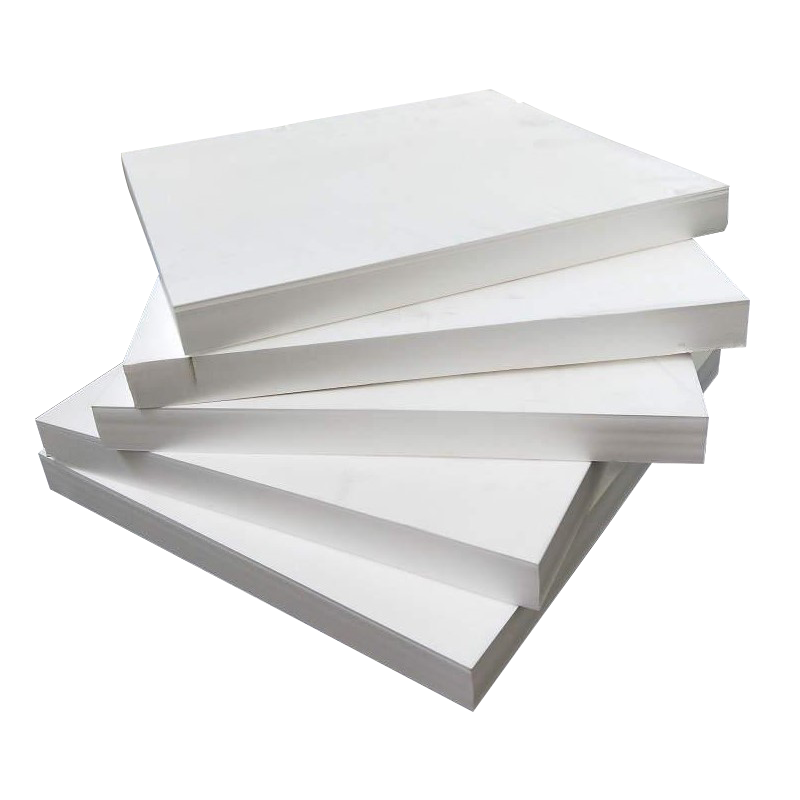
Microcellular polyurethane foam is a thermoplastic closed-cell foam with micron-scale cells, produced by dissolving nitrogen or carbon dioxide into a TPU resin at high pressure and then creating a rapid pressure drop. This physical process avoids chemical foaming agents and crosslinking. It results in a material that remains recyclable, holds its shape under repeated load, and provides high energy return per unit of weight. In applications such as shoe midsoles, sports mats, battery cushion pads, and high-frequency communication parts, this foam is often the strongest candidate for replacing heavier, less durable alternatives.
What Is Microcellular Polyurethane Foam?
Conventional polyurethane foam is produced with chemical blowing agents. The reaction creates large, irregular cells and, in many cases, a thermoset network that cannot be reprocessed. Microcellular polyurethane foam is made differently. During the foaming step, supercritical nitrogen or carbon dioxide is dissolved into the polymer melt. When the pressure is released, billions of tiny cells nucleate and grow. These cells usually measure 10–50 microns, which is far smaller than the 0.5–2 mm cells found in traditional PU foam.
The polymer matrix is typically a thermoplastic polyurethane elastomer, sometimes blended with TPEE or PEBAX to achieve a specific stiffness or rebound profile. Shincell New Material, a Chinese manufacturer focused on sustainable foaming technology, produces the M-TPU foam sheet using this supercritical foaming route. No chemical foaming agent or chemical crosslinking is involved, so the material can be recycled through standard thermoplastic processing routes.
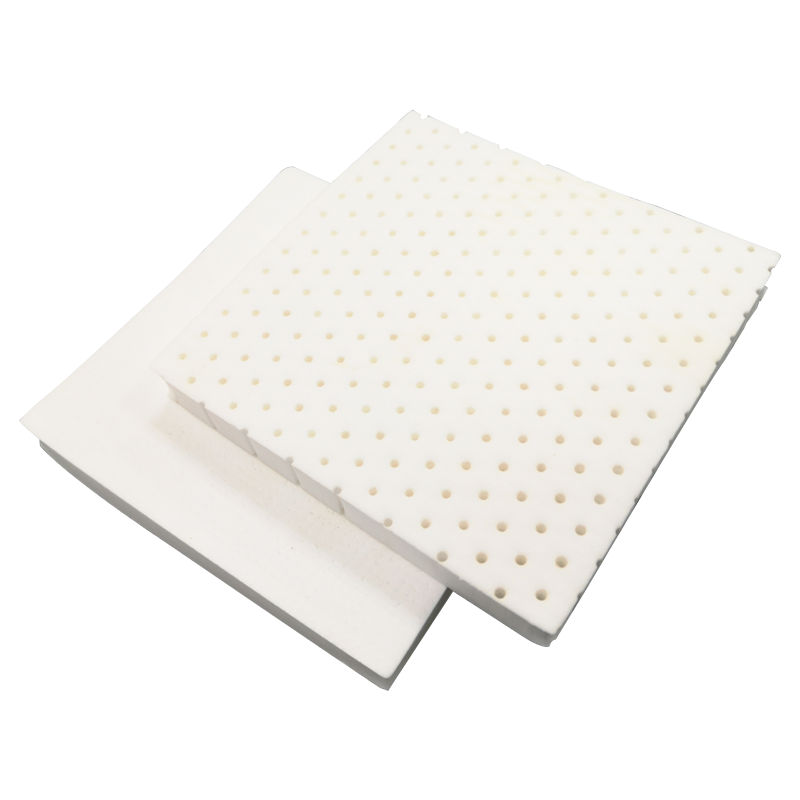
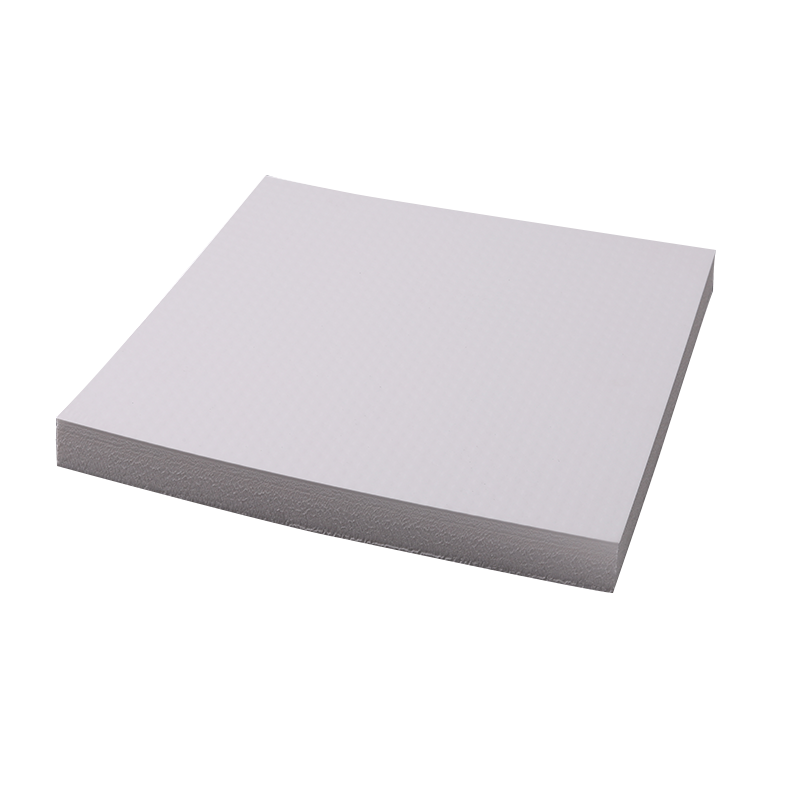
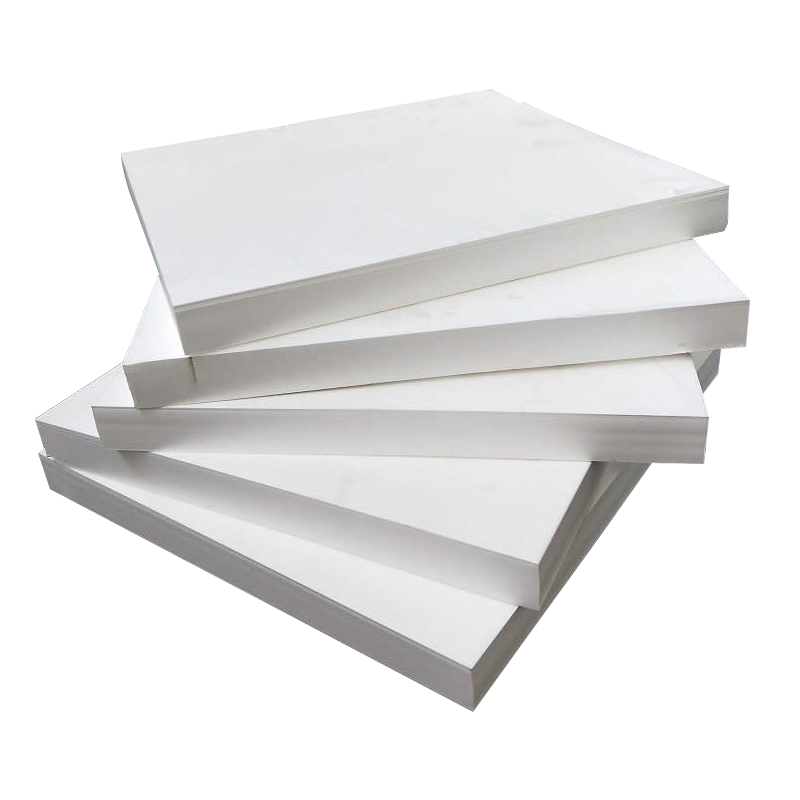
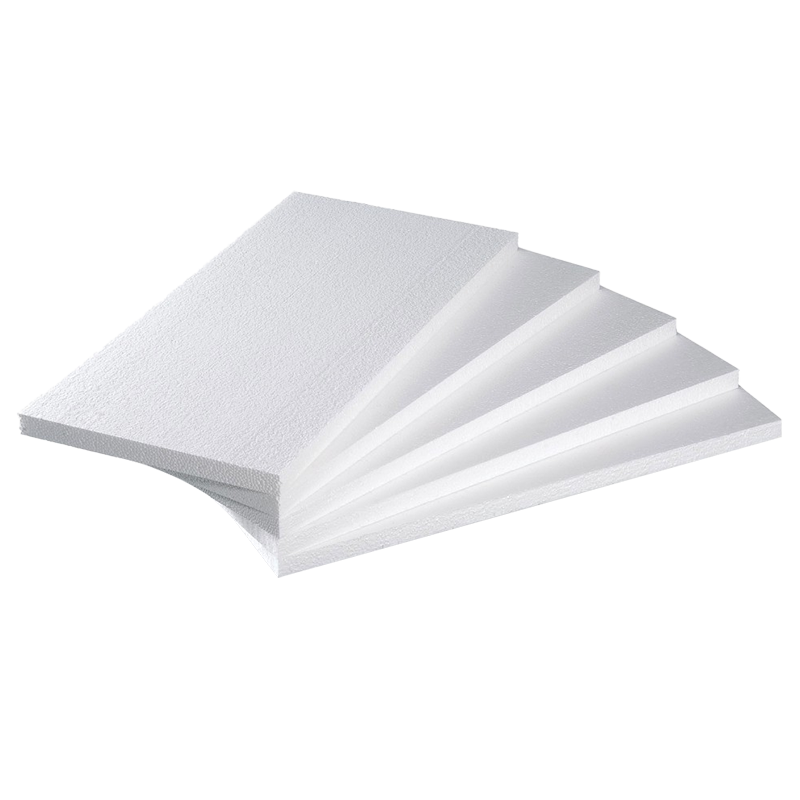
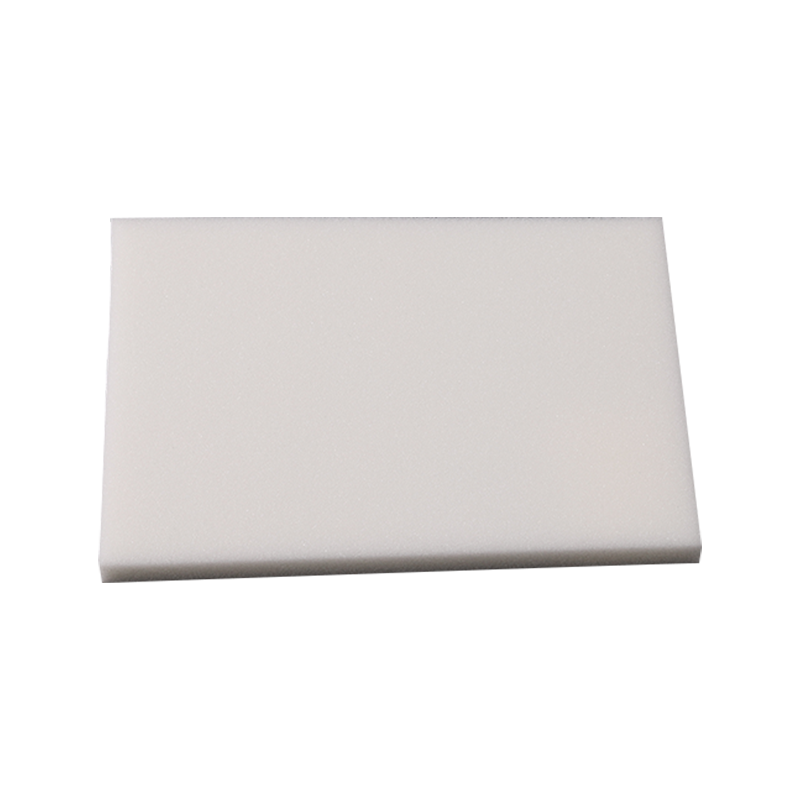
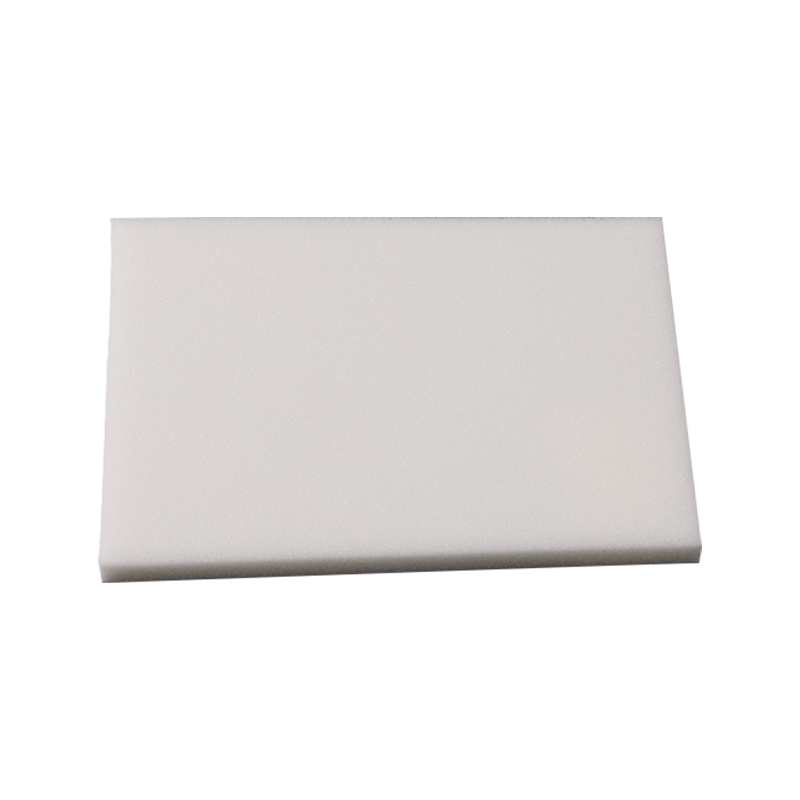
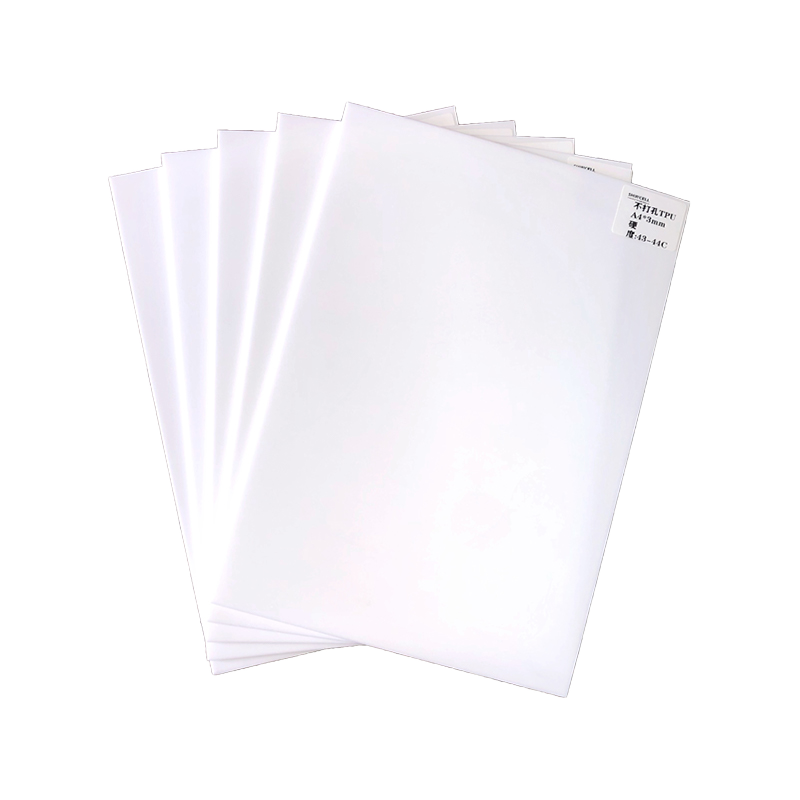 M-TPU Foam Sheet for Sustainable Cushioning ApplicationsThis microcellular thermoplastic polyurethane foam sheet is produced via supercritical foaming without chemical agents, offering recyclability, resilience, and consistent mechanical performance for engineering applications.View Product →
The practical advantage of this structure is consistency. In a microcellular foam, the cell distribution is uniform across the thickness. That means the mechanical performance is predictable from batch to batch, which is essential for engineers designing a product where a 10% variation in stiffness can make the difference between a good fit and a rejected part.
Key Mechanical and Physical Properties
The first specification to check is density. Density determines the relationship between weight and cushioning, and it defines the price: a lower-density foam uses less polymer per unit volume, but may not provide enough support for structural applications. Typical M-TPU products cover a range of 0.1–0.6 g/cm3, with softer grades used for mattress layers and denser grades used for footbeds and mats.
The second specification is compression set. This number measures how much a foam loses thickness after being compressed for a set period. For a gasket or a seat pad, high compression set means the part will become thinner and lose sealing ability over time. Microcellular polyurethane foam is known for its low compression set, often staying below 15% at room temperature, allowing it to be used in dynamic applications where the load is repeated thousands of times.
Other important values include tensile strength, tear resistance, and thermal stability. A typical operating range for M-TPU foam is −40°C to 100°C, but this can be extended by choosing an aliphatic TPU grade or by adding reinforcement during the compounding step.
0.1–0.6 g/cm3
Typical density range
<15%
Compression set at 25°C
−40 to 100°C
Service temperature range
Microcellular vs. Conventional Polyurethane Foam
The difference between the two materials becomes clear when you compare them side by side. The table below highlights the factors that typically drive a purchasing decision.
| Property | Microcellular PU | Conventional PU |
|---|---|---|
| Cell size | 10–50 microns | 0.5–2 mm |
| Foaming agent | N2 / CO2 | Chemical agent |
| Cell structure | Closed cell | Open cell |
| Matrix | Thermoplastic | Thermoset |
| Compression set | Low | Moderate to high |
If the part will be exposed to moisture, the closed-cell structure of microcellular PU foam blocks water absorption. If the part will be recycled after use, the thermoplastic matrix is a major advantage. For production engineering, the consistency of the cell structure is what allows you to design a cushioning response with confidence.
Applications Across Industries
The material is used across multiple sectors:
Sports footwearFitness & matsBattery padsRail & aerospace5G/6G communication
In sports footwear applications, the foam is used for midsoles, insoles, and heel inserts. A low-density M-TPU foam gives a springy, comfortable feel without substantial weight. The material also accepts standard shoe manufacturing operations, such as die cutting, skiving, and lamination.
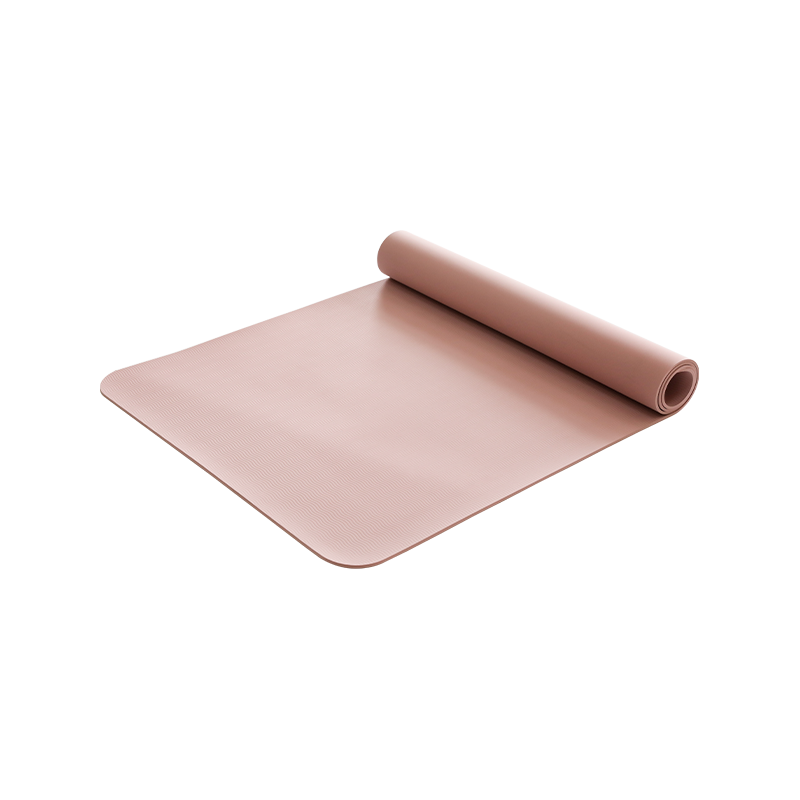
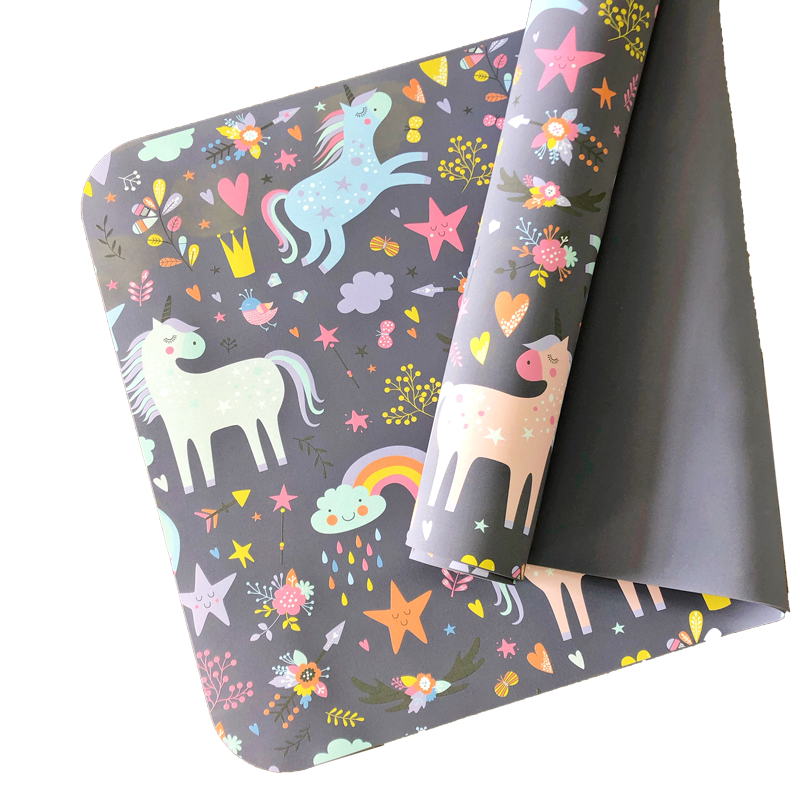
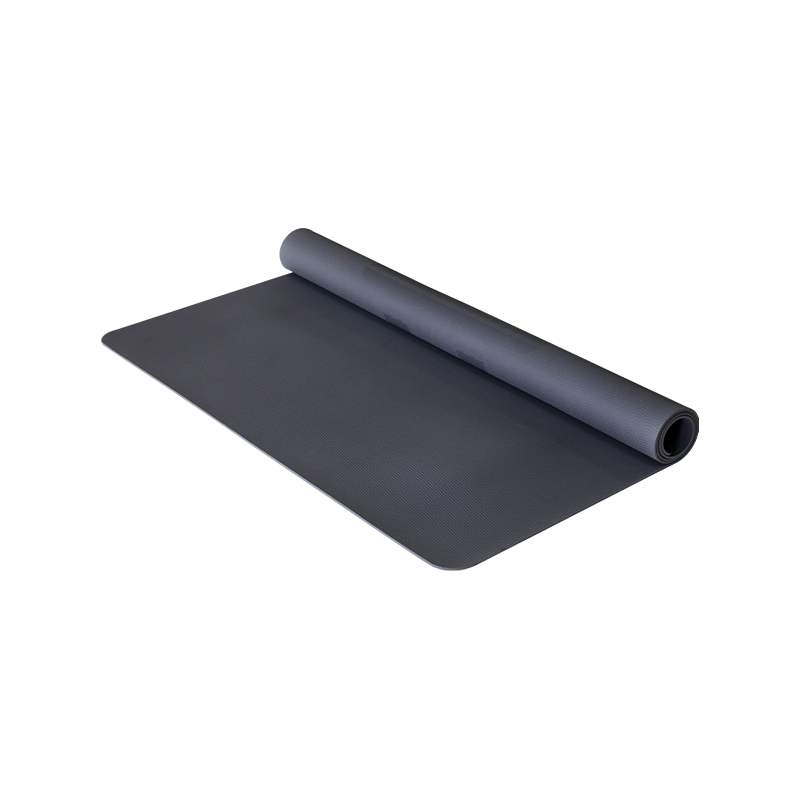
In fitness products, the same polymer family appears as MTPU fitness mats and yoga mats. The closed-cell surface repels sweat and cleaning solutions, while the foam density can be tuned so that the mat is firm enough for standing poses and soft enough for floor exercises.
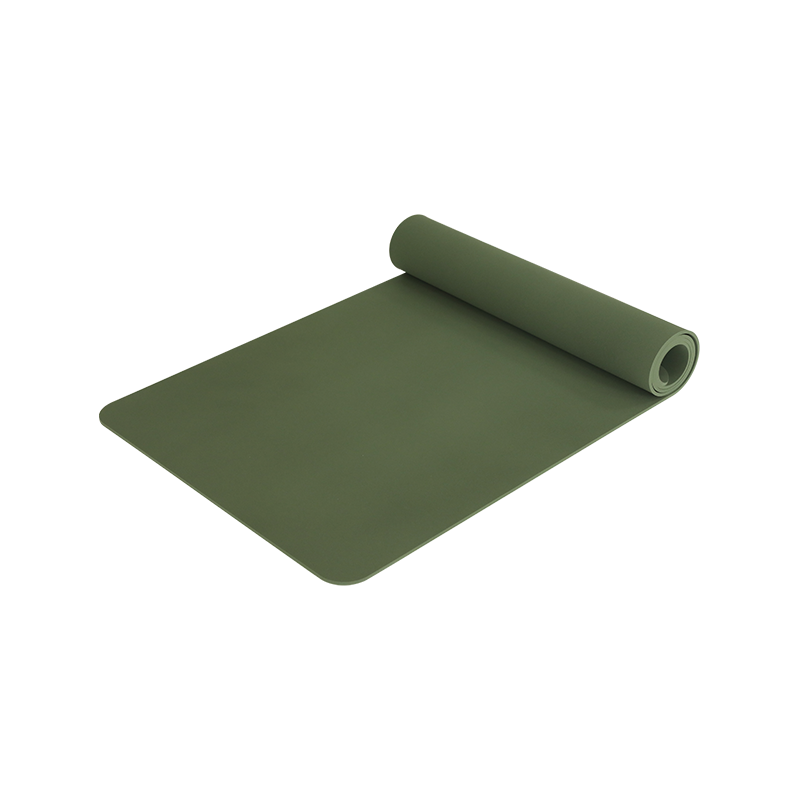 MTPU Fitness Mat with Customizable Size and SoftnessDesigned for yoga and fitness, this closed-cell mat repels sweat, is non-toxic, and provides adjustable cushioning for joint protection, with sizes customizable to 1830mm length.View Product →
Industrial sectors also benefit from this foam. New energy battery packs use microcellular PU pads to absorb vibration and thermal expansion. In railway and aerospace, thin foam sheets act as damping layers and gap fillers. In 5G/6G communication equipment, the foam provides gasketing and thermal management. For such applications, engineers sometimes require a specific flame rating, such as UL94 V-0. A broader structural overview of microcellular foam technology explains how the base polymer and cell structure influence the final performance in these environments.
How to Select a Microcellular Polyurethane Foam
Before you request a quote, define the requirement in terms of three variables.
- Density: the weight of the foam per unit volume, which drives both cushioning and cost.
- Hardness: usually expressed in Shore A, which relates directly to how the foam feels at the surface.
- Thickness: the nominal thickness and the tolerance you can accept for lamination or die cutting.
When the final application is outdoors or requires long-term UV stability, an microcellular aliphatic TPU foam is often the safest choice. The aliphatic backbone protects the foam from yellowing and slows the oxidative degradation that occurs when a standard aromatic TPU is exposed to sunlight for extended periods.
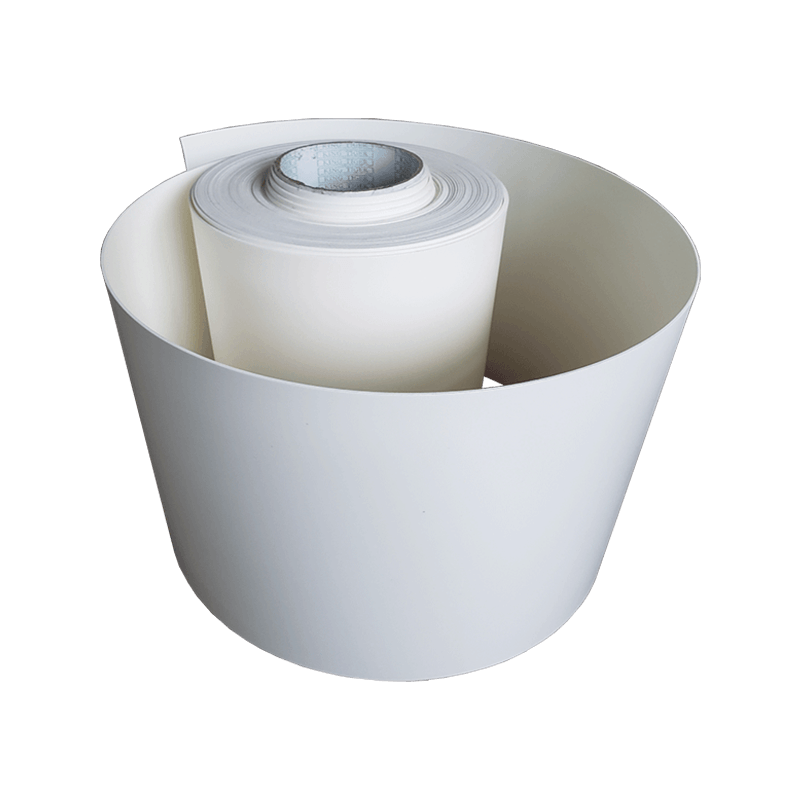
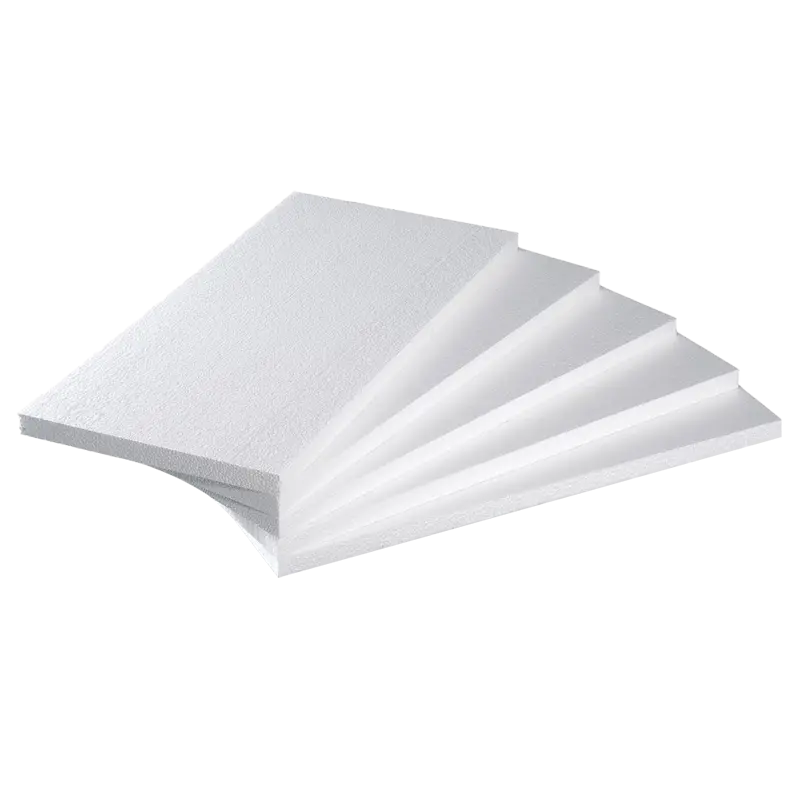 Microcellular Aliphatic TPU Foam for UV-Resistant Outdoor UseThis aliphatic TPU foam offers superior yellowing resistance and stability, making it ideal for outdoor applications requiring long-term exposure to sunlight without degradation.View Product →
For buyers, it is also worth asking about perforation and surface treatment. Perforated TPU foam sheets improve breathability and are used in insoles and shoe linings. A nonwoven top layer can be added before the foam is cut to simplify later assembly. Always discuss the tolerance with the supplier before production. Microcellular foam can be split to tight tolerances, but a standard tolerance of ±0.2 mm is usually achievable and helps keep the cost competitive.
Request a datasheet that includes cell size, density, hardness, and compression set for the exact thickness you plan to use.
Frequently Asked Questions
Q1: What does microcellular mean in polyurethane foam?
Microcellular means that the foam cells have a diameter in the micron range, typically 10–50 microns, instead of the millimeter-scale cells found in conventional polyurethane foam. This small cell size produces a more uniform stress distribution and reduces the risk of localized buckling.
Q2: Is microcellular polyurethane foam recyclable?
Yes, when the base polymer is a thermoplastic polyurethane and no crosslinking agent is added. Scrap foam from die cutting can be granulated and reprocessed, which reduces material waste in factory settings.
Q3: Can microcellular PU foam be flame retardant?
Yes. Flame-retardant grades can be produced by adding additives during compounding. If your application requires a UL94 rating, ask the supplier for a datasheet from an accredited laboratory.
Q4: What thicknesses are available for M-TPU foam sheets?
Most M-TPU foam sheets are supplied in a range from 1 mm to 10 mm. Thinner sheets are used for insoles and fabric lamination, while thicker sheets are used for fitness mats and industrial pads. Custom thicknesses and perforation patterns are available on request.
 ++86-0512-66079229