
 English
 Español

Home / News / Open Cell vs Closed Cell Foam: Key Differences, Pros, Cons & How to Choose
You are choosing a cushioning layer for a portable medical device, and the prototype shop asks: open cell or closed cell? If you pick the wrong one, the foam may swell from moisture, lose its rebound, or fail to damp the vibration you were trying to isolate. The practical rule is simple: closed-cell foam isolates and floats, while open-cell foam absorbs and breathes. That rule, however, gains real value only when you understand why the cell geometry drives such different behavior—and where your specific loads, temperatures, and environmental exposure sit.
Open Cell vs. Closed Cell Foam: The Core Difference
In closed-cell foam, each gas bubble is an independent, fully sealed pocket. Imagine thousands of tiny sealed balloons pressed together; air and water cannot travel from one pocket to another except by diffusion through the polymer wall. This structure gives the foam low water absorption, low air permeability, and a much higher strength-to-weight ratio when compressed.
In open-cell foam, the cell walls fracture or remain connected by small openings, so the gas can move freely between cells. Think of a sponge where air can leak from one cavity to the next. The resulting material is softer, more conformable, and far more effective at absorbing sound and transient impact—but it also drinks up moisture and provides little insulation.
This single geometric difference explains most of the performance gap you see in datasheets.
Head-to-Head Performance Comparison
Before you specify a foam, compare the properties that matter for your end product. The table below summarizes the usual trade-offs between open-cell and closed-cell foams.
| Property | Closed-Cell Foam | Open-Cell Foam |
|---|---|---|
| Gas permeability | Very low | High |
| Water absorption | Very low | High |
| Thermal insulation | Excellent | Poor to moderate |
| Sound absorption | Moderate | Excellent |
| Compressive strength | High | Low |
| Flexibility / softness | Stiffer | Softer |
| Water vapor barrier | Excellent | Poor |
| Relative cost | Higher | Lower |
Remember that these are typical trends, not physical laws. Advanced microcellular foams can push closed-cell performance into surprisingly soft and impact-absorbing territory, which is why a structural polymer like TPU can still deliver a plush feel while remaining closed-cell.
Closed-Cell Foam: What It Excels At
Moisture barriers and waterproof seals
Because closed-cell foam blocks liquid and vapor, it is the default for marine buoyancy aids, pipe insulation, gaskets, and equipment cases. A closed-cell polymer such as polypropylene or PVDF will not swell appreciably when immersed.
Thermal insulation that stays dry
Still air is the greatest insulation, but open-cell foam that absorbs water loses that benefit quickly. Closed-cell structures keep the gas pockets sealed, so the R-value remains stable in humid or wet environments. This is why EV battery pads and HVAC duct liners often use closed-cell sheets.
Load-bearing and dimensional stability
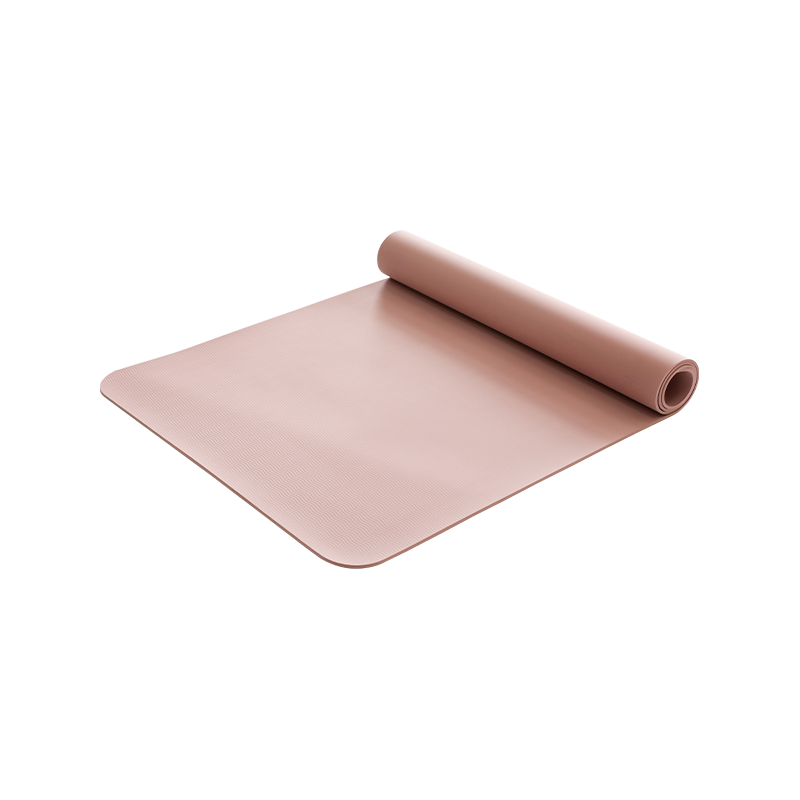
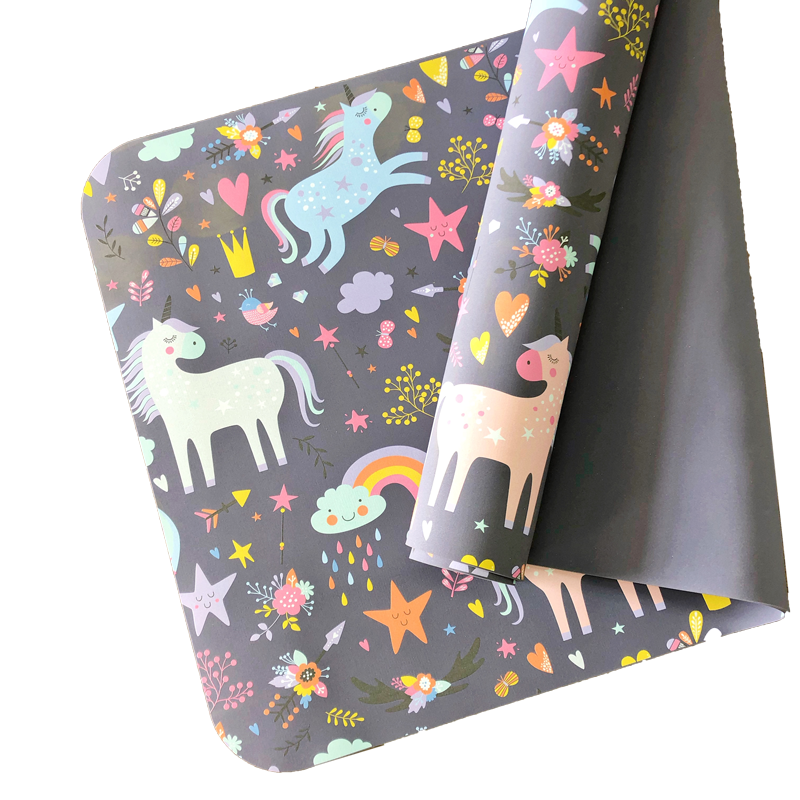
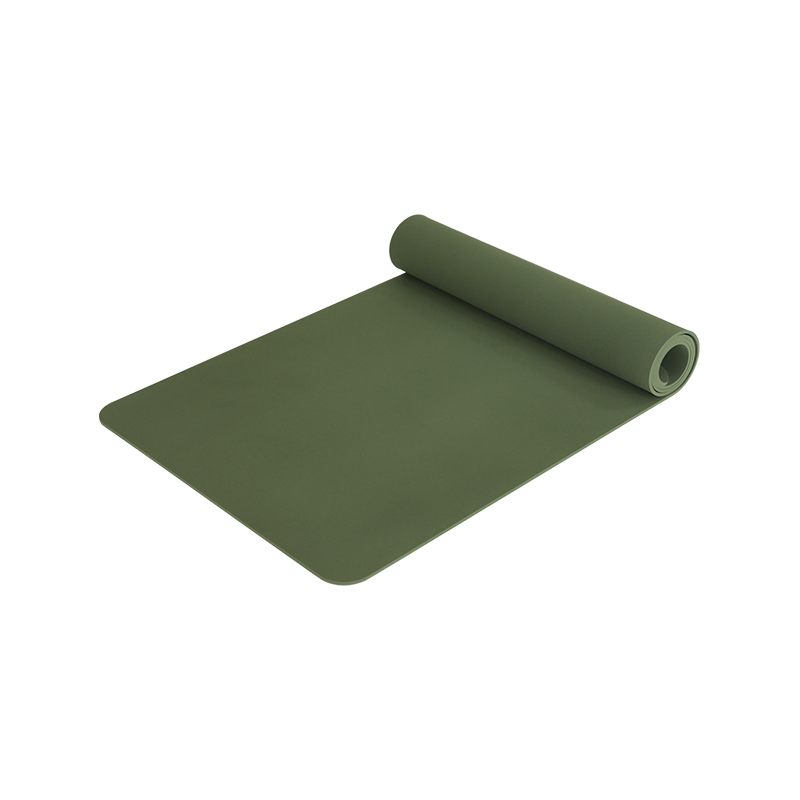
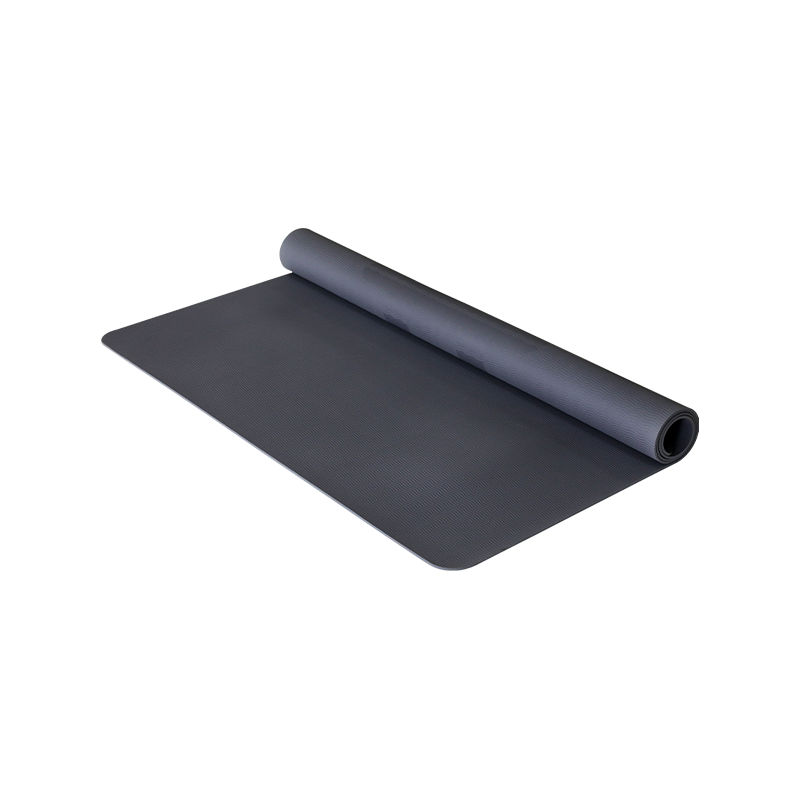
Sealed cells resist compression better and return to shape more predictably. In a shoe midsole or a gym mat, a closed-cell microcellular TPU foam can absorb repeated impact without packing out. For applications that need stiffness—like under a counterweight or between vibrating plates—closed-cell sheets provide the solid feel designers want.
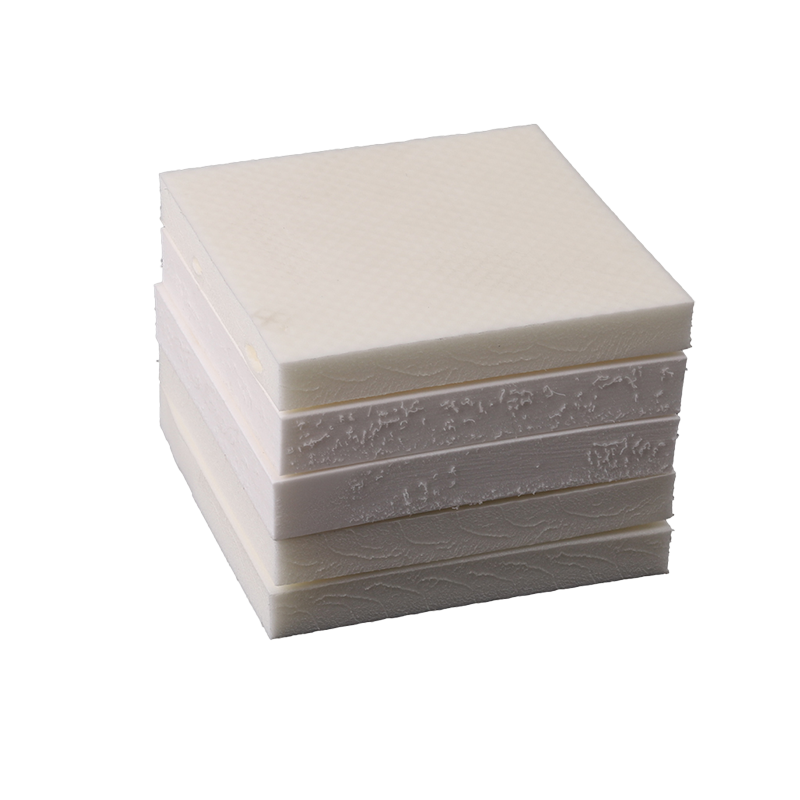
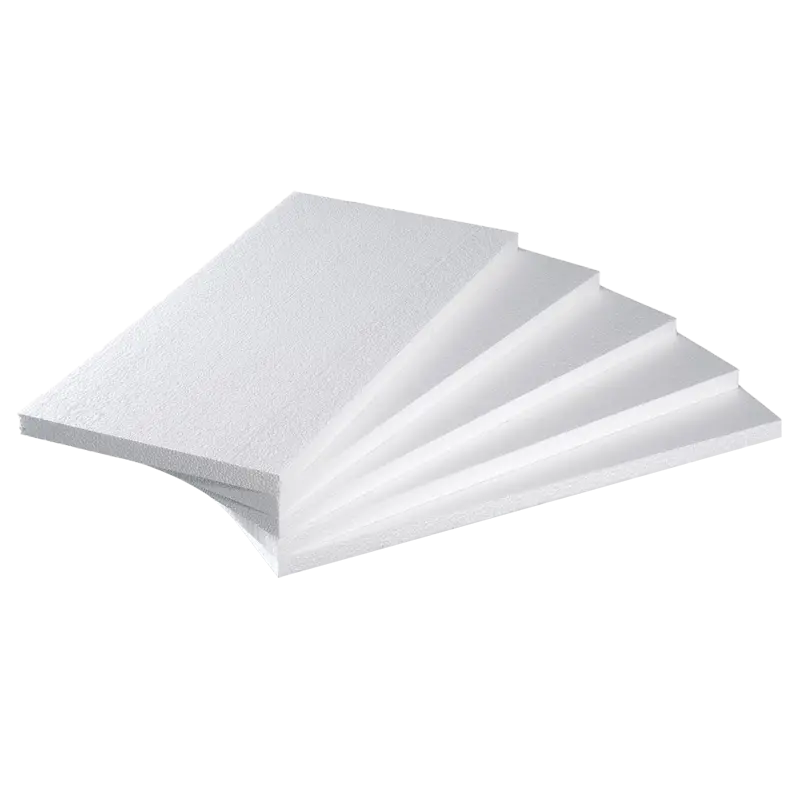
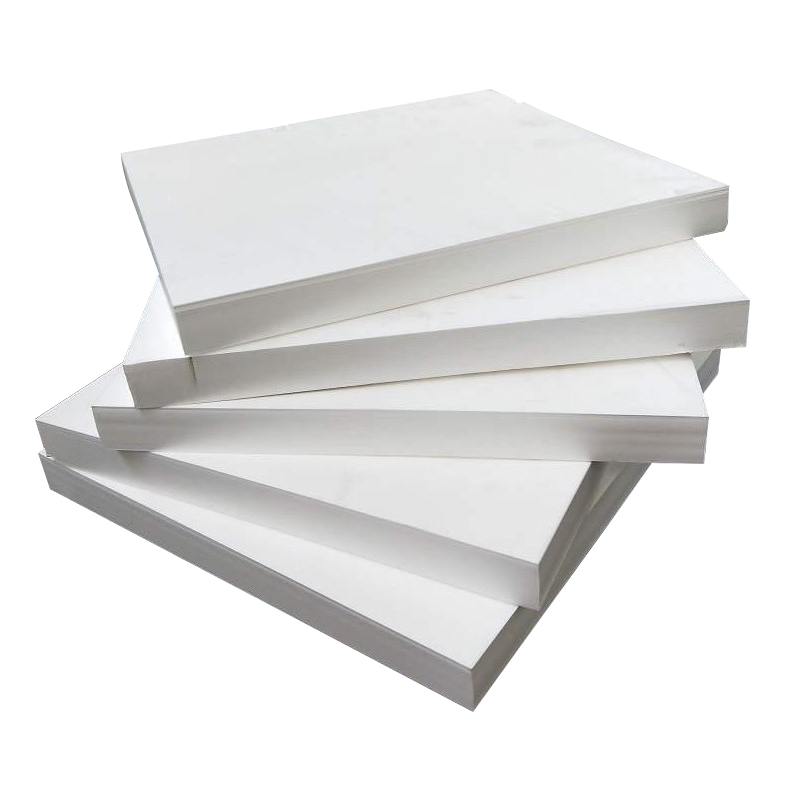
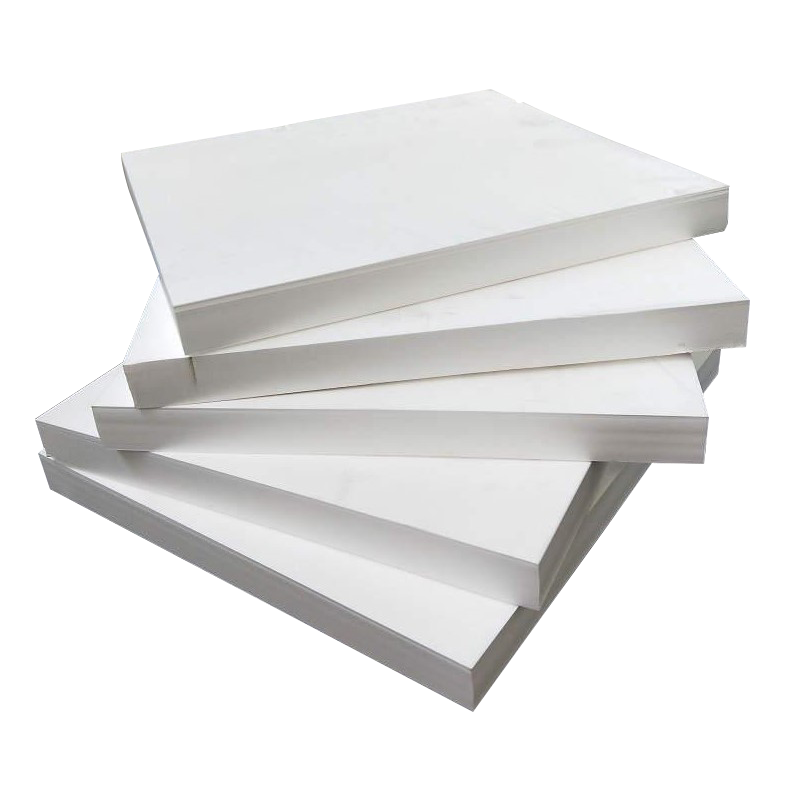 MPP Foam Sheet for Sealed-Cell Impact ProtectionThis closed-cell microcellular foam resists compression and returns to shape, making it suitable for shoe midsoles, gym mats, and stiff padding applications that need durable impact absorption.View Product →
Open-Cell Foam: When Softness and Absorption Matter
Acoustic absorption
Open-cell foam’s interconnected pores convert sound energy into tiny frictional losses. Acoustic panels, microphone isolation shields, and anechoic chambers all rely on open-cell structures to reduce reflections.
Ventilation and comfort
Breathability is hard to achieve with closed cells. For seat cushions, mattress toppers, and medical padding that contact the skin for hours, open-cell foam lets air move away so heat and humidity do not build up. Perforated foam sheets offer a useful compromise: they keep the polymer’s strength while adding engineered air paths.
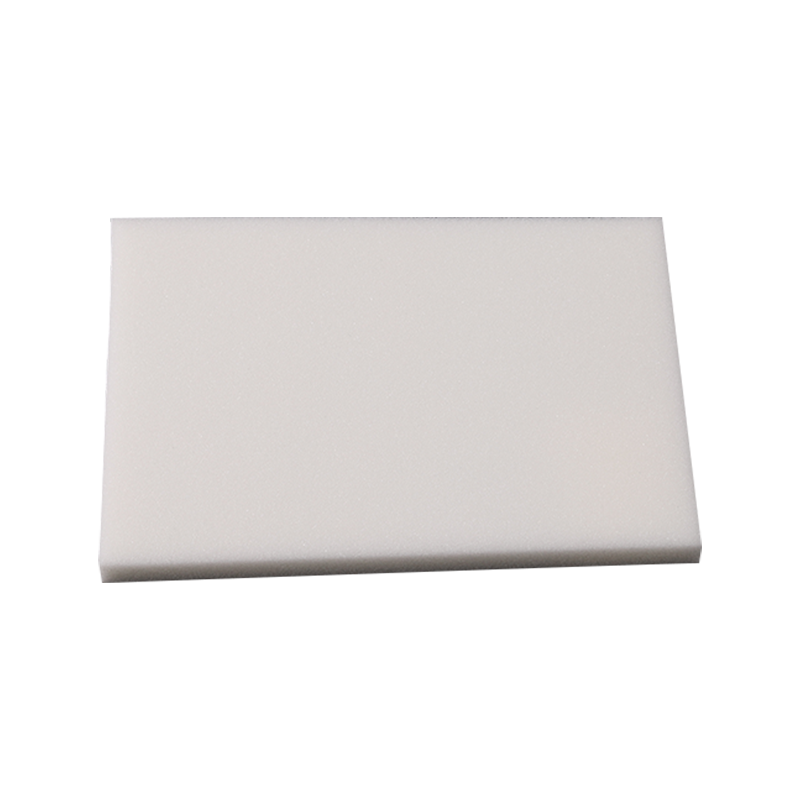
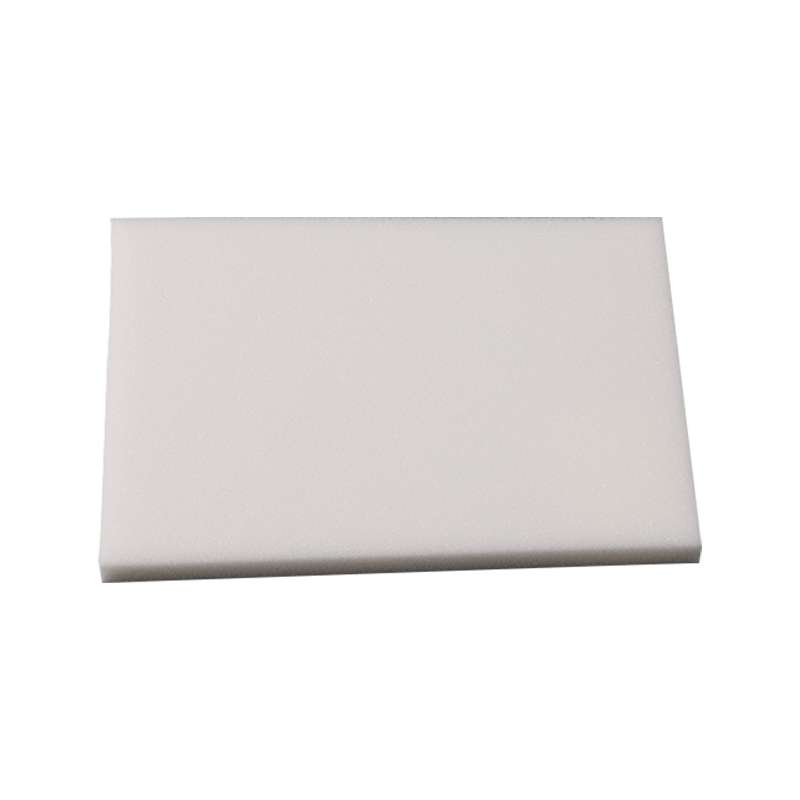
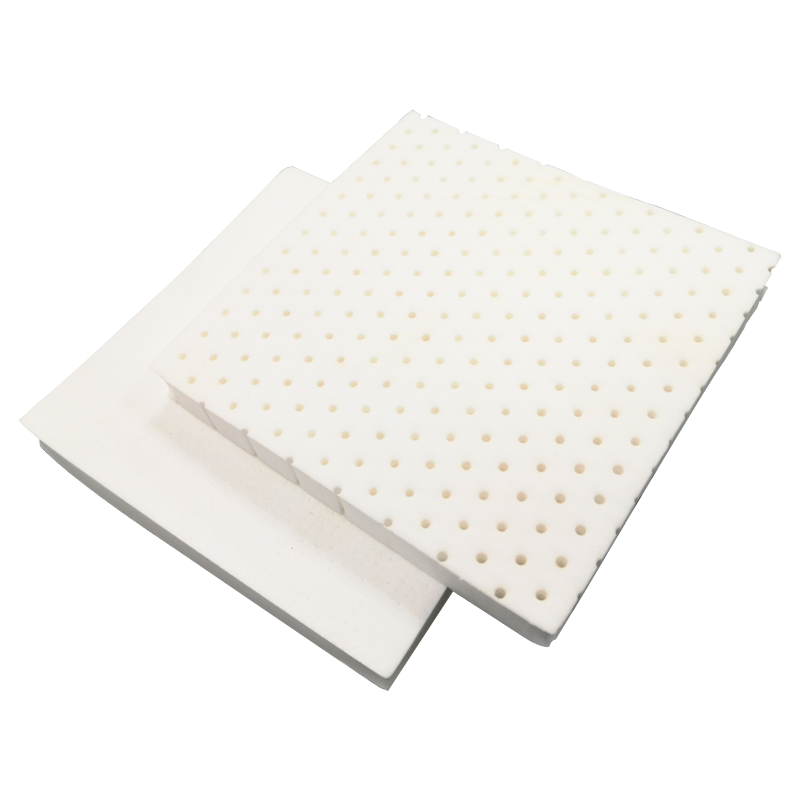 Perforated TPU Foam Sheet for Breathable CushioningThe perforated structure offers a compromise between closed-cell strength and open-cell airflow, helping seat cushions, mattress toppers, and medical padding avoid heat and humidity buildup.View Product →
Material Chemistry: How Polymer Choice Changes the Equation
Cell structure is the first layer of foam selection; the polymer matrix is the second. A closed-cell PP foam and a closed-cell TPU foam both block moisture, but they feel completely different because their glass transition temperatures and elasticity differ.
- TPU provides rubber-like elasticity, abrasion resistance, and a wide operating range from cold to warm, making it ideal for mats, footwear, and body-contact products.
- TPEE adds excellent fatigue resistance and low-temperature flexibility for dynamic cushions and automotive components.
- PEBAX keeps high elasticity and low density for premium footwear and wearable devices.
- PP offers a lightweight, waterproof, chemically resistant closed-cell structure at moderate cost.
- PVDF brings outstanding flame resistance, UV stability, and chemical resistance for demanding transport or cleanroom environments.
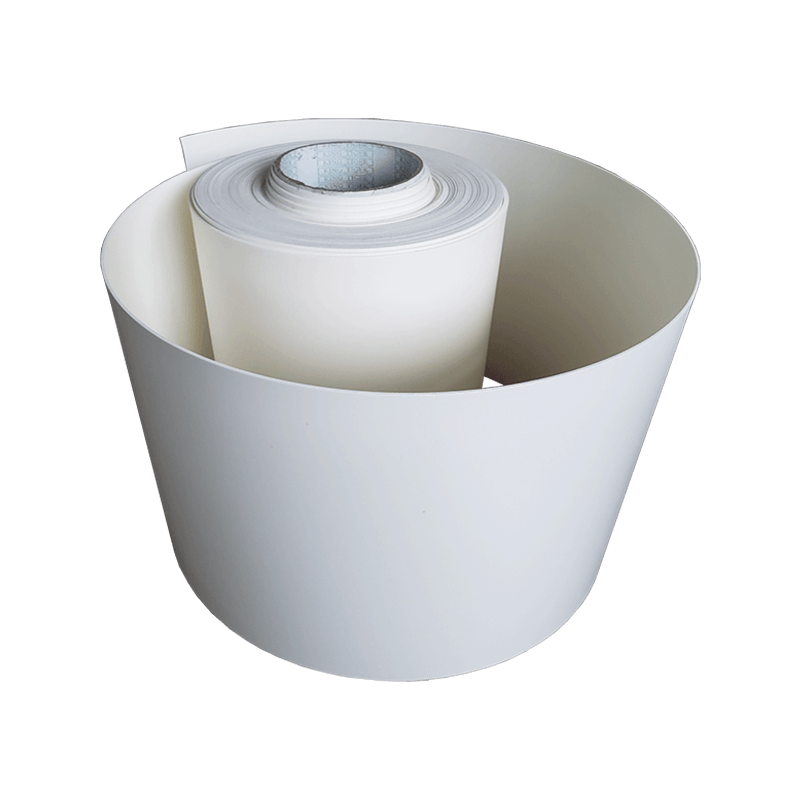
Our manufacturing uses supercritical physical foaming with nitrogen and carbon dioxide. This produces microcellular and nano-cellular structures without chemical foaming agents or crosslinking. The result is a thermoplastic foam that remains recyclable, nontoxic, and consistent in cell morphology—allowing us to tune open/closed behavior and material performance together. For a deeper look at the range, see our engineered foam sheet selection.
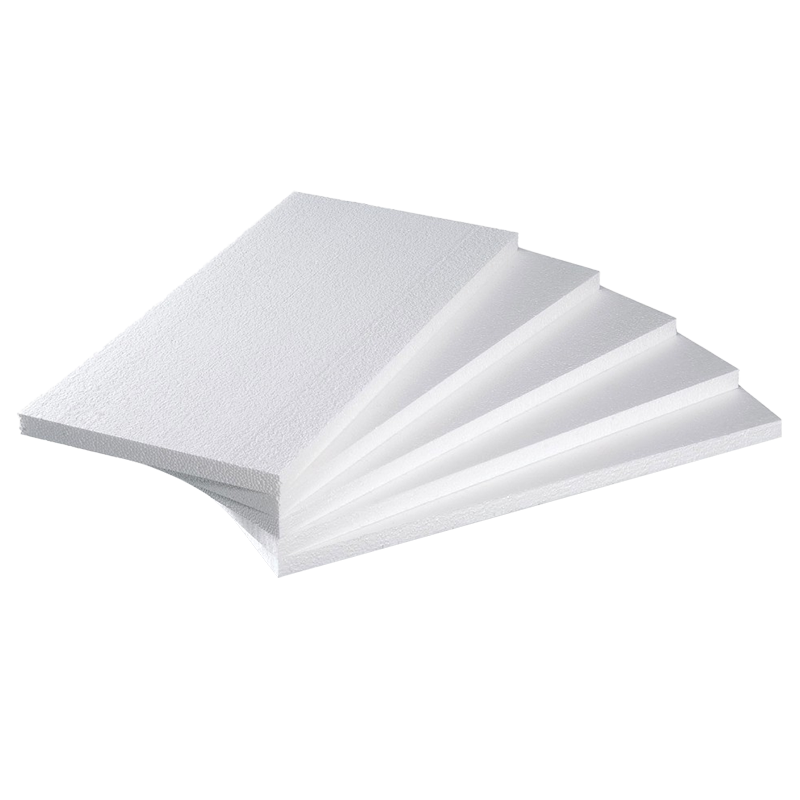
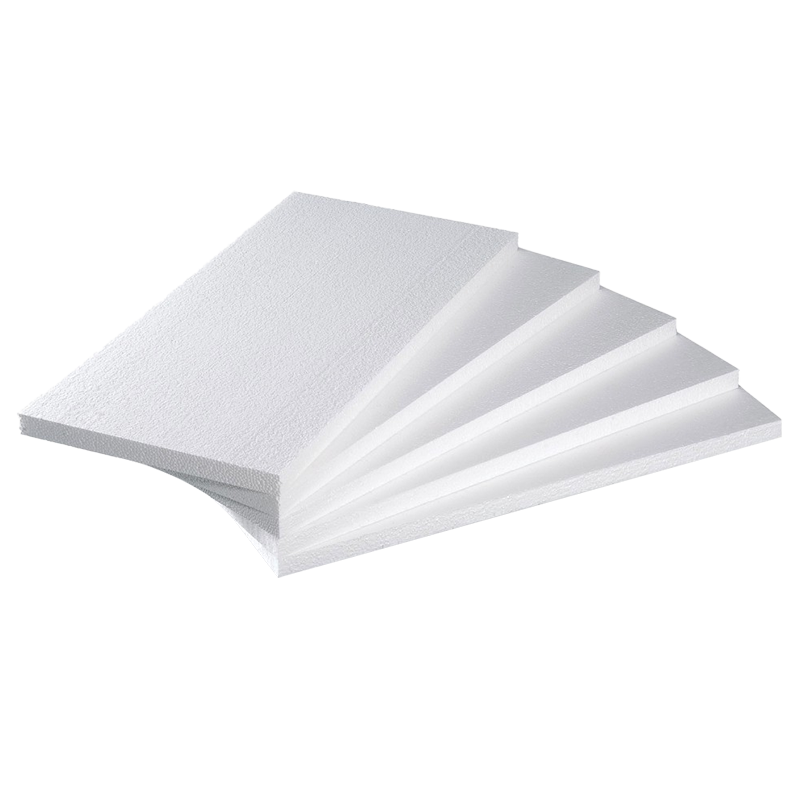
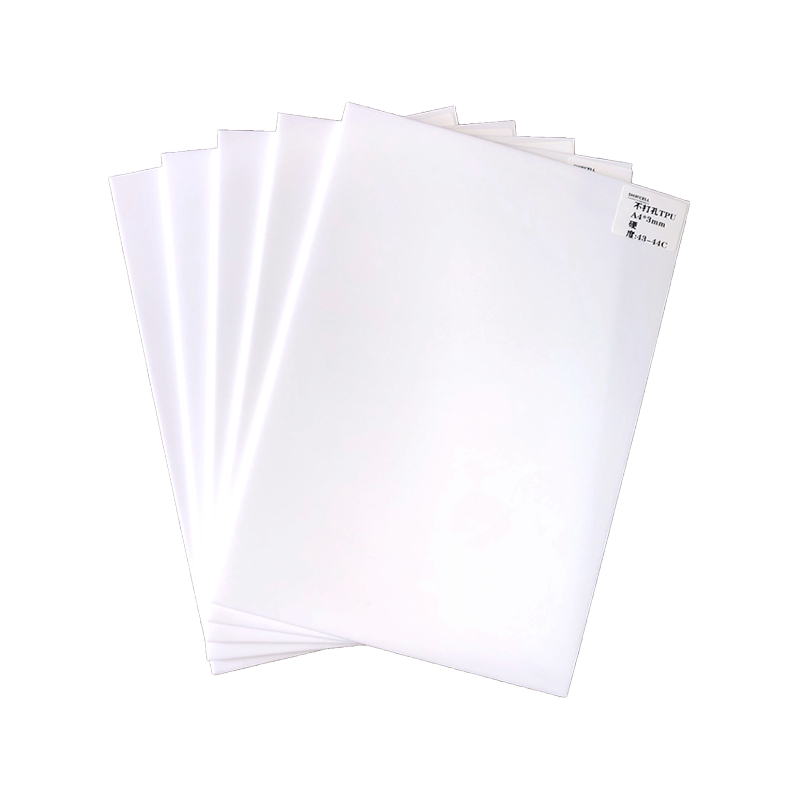 M-TPU Foam Sheet Made with Supercritical Physical FoamingProduced via nitrogen and carbon dioxide foaming without chemical agents, this recyclable microcellular foam lets you tailor open/closed behavior and material performance for diverse cushioning needs.View Product →
How to Choose Between Open Cell and Closed Cell Foam
Use this decision framework as a starting point:
- Define the environment. Will the foam face moisture, chemical vapors, or pressure changes? If yes, closed-cell structures are the safer default.
- Define the mechanical job. Is the part load-bearing or purely a cushioning/impact layer? Stiffness favors closed cell; soft conformability favors open cell.
- Define the acoustic/thermal requirement. Sound absorption favors open cell; thermal insulation favors closed cell unless the humidity is controlled.
- Check process compatibility. Thick rolled goods, die-cut sheets, and thermoformed parts may require different cell densities. A microcellular sheet can often replace a thicker open-cell part with better weight and durability.
- Validate with samples. Do not rely on the name “open” or “closed” alone—measure water absorption, hardness, compression set, and air resistance under your actual conditions.
At our industry application pages, you will find examples of how TPU, TPEE, PEBAX, PP, and PVDF foams are applied in EV battery pads, exercise mats, rail and aerospace, footwear, and pipe insulation.
Frequently Asked Questions
Q1: Is closed-cell foam always denser than open-cell foam?
No. Density depends on polymer type and manufacturing process. A microcellular closed-cell TPU can be lighter than a coarse open-cell foam, while still blocking moisture. The more useful comparison is water absorption and compressive behavior, not density alone.
Q2: Is PP foam a closed-cell foam?
Most polypropylene bead foams are closed-cell. Our MPP foam sheet is a microcellular PP sheet that delivers low water absorption, good thermal insulation, and excellent chemical resistance in a lightweight form.
Q3: Can I make an open-cell foam water-resistant?
You can coat or laminate the surface, but if the core is open-cell, any cut edge or scratch will expose the interconnected pores to water. For wet environments, choose a closed-cell structure in the base polymer.
Q4: Does perforated TPU foam count as open-cell?
Strictly speaking, the base TPU foam is microcellular and closed-cell; the perforation creates deliberate through-holes that allow air flow. This gives some of the breathability of open-cell foam while retaining the durability and moisture resistance of TPU.
The Bottom Line: Match the Cell Structure to the Mission
Closed-cell foam gives you an impermeable, insulating, shock-absorbing shell; open-cell foam gives you a breathable, sound-absorbing cushion. Neither is inherently better. The key is to name the requirement first—moisture, heat, elasticity, acoustic control—and then select a polymer and cell geometry that satisfy it. Because foam behavior is easy to oversimplify, always prototype with production-grade material and ask your supplier for measured performance data on density, water absorption, compression set, and thermal conductivity. The right answer will usually follow from the numbers, not from the name.
 ++86-0512-66079229