
 English
 Español

Home / News / Soft Foam Sheets: Types, Properties, and How to Choose the Right One for You
When you search for “soft foam sheets,” you are usually looking for a material that can cushion without collapsing, bounce back after repeated use, and still meet environmental requirements. The short version: not every flexible foam sheet delivers the same performance. In our experience manufacturing thermoplastic foam materials, the best balance of softness, resilience, and sustainability comes from supercritical physically foamed sheets based on TPU, TPEE, and PEBAX. This guide explains how these materials compare, what properties matter most, and how to choose the right sheet for your product.
What Are Soft Foam Sheets?
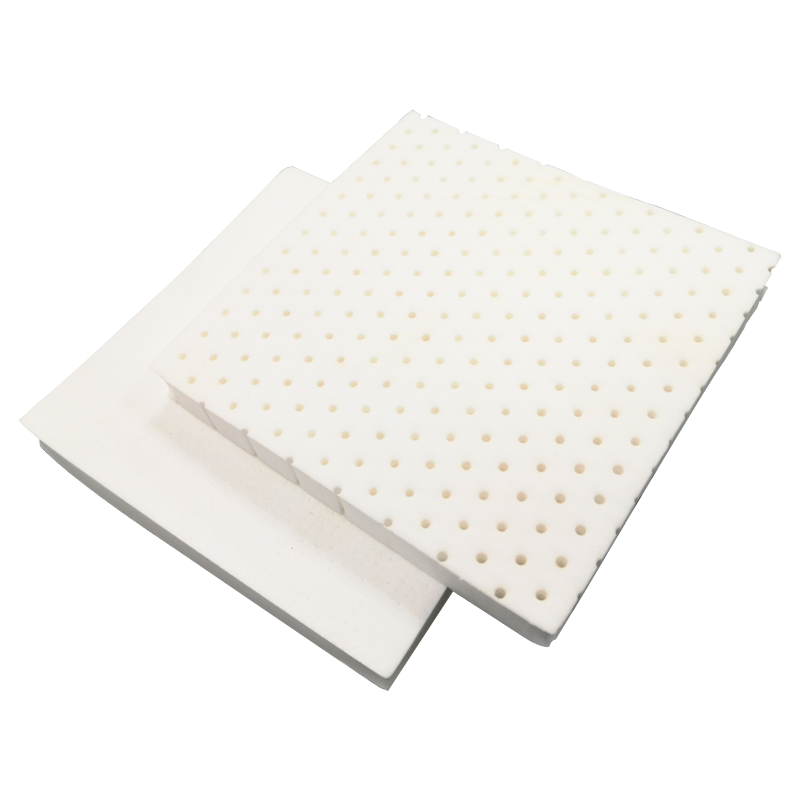
A soft foam sheet is a thin, flexible slab of foamed polymer with a soft hand feel and the ability to compress under pressure. Unlike rigid foam, it is designed for contact with the human body or delicate surfaces. Common examples include yoga mats, mattress toppers, shoe midsoles, and protective padding.
The softest and most durable soft foam sheets are based on thermoplastic elastomers (TPE). Three families dominate the high-performance segment: polyurethane (TPU), polyester elastomer (TPEE), and polyether block amide (PEBAX). Their microcellular structures are produced by physical foaming with nitrogen or carbon dioxide rather than chemical blowing agents.
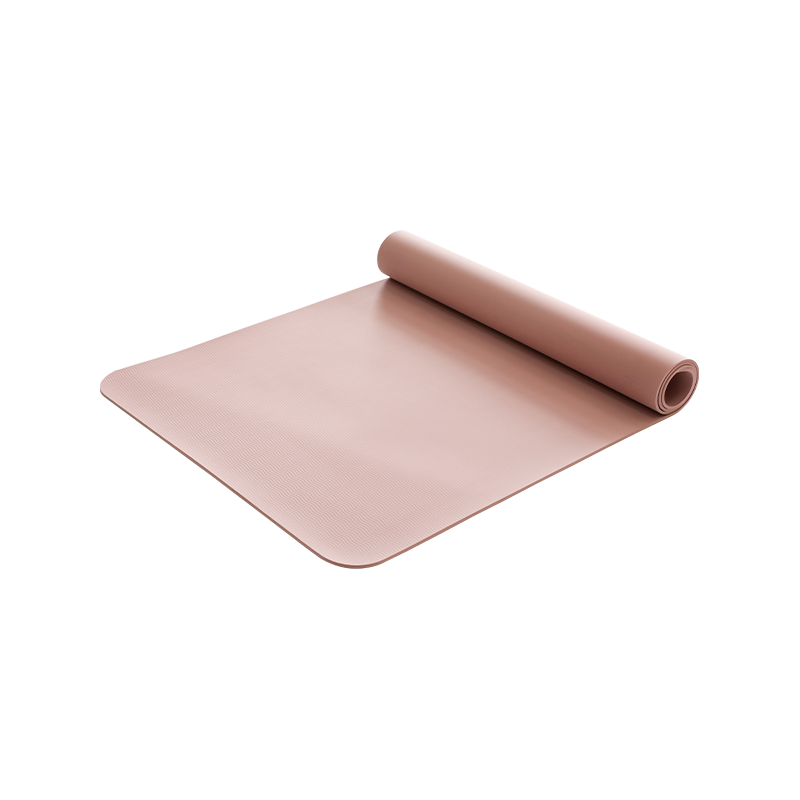
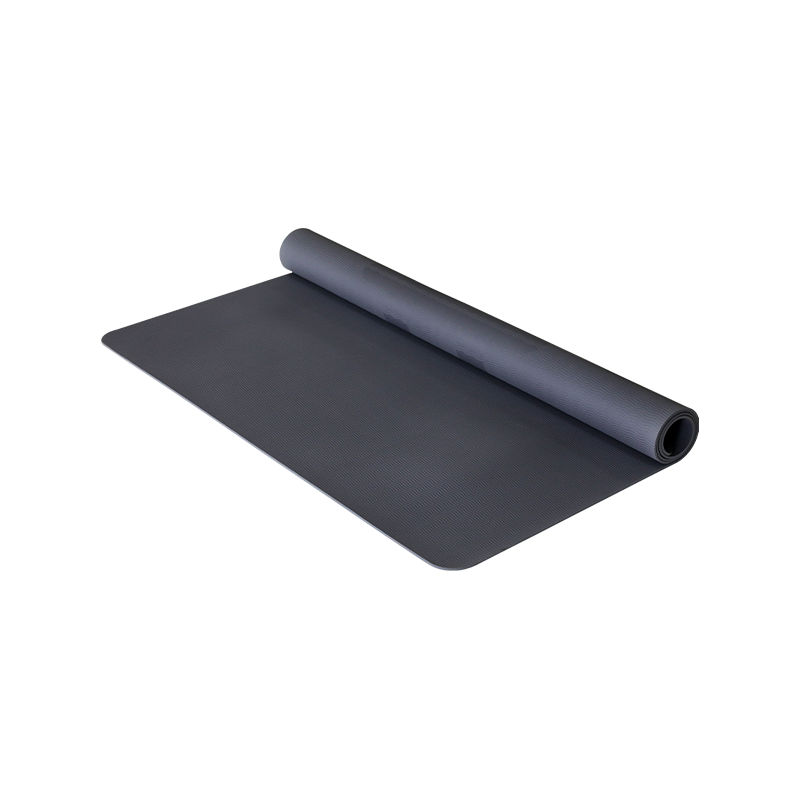
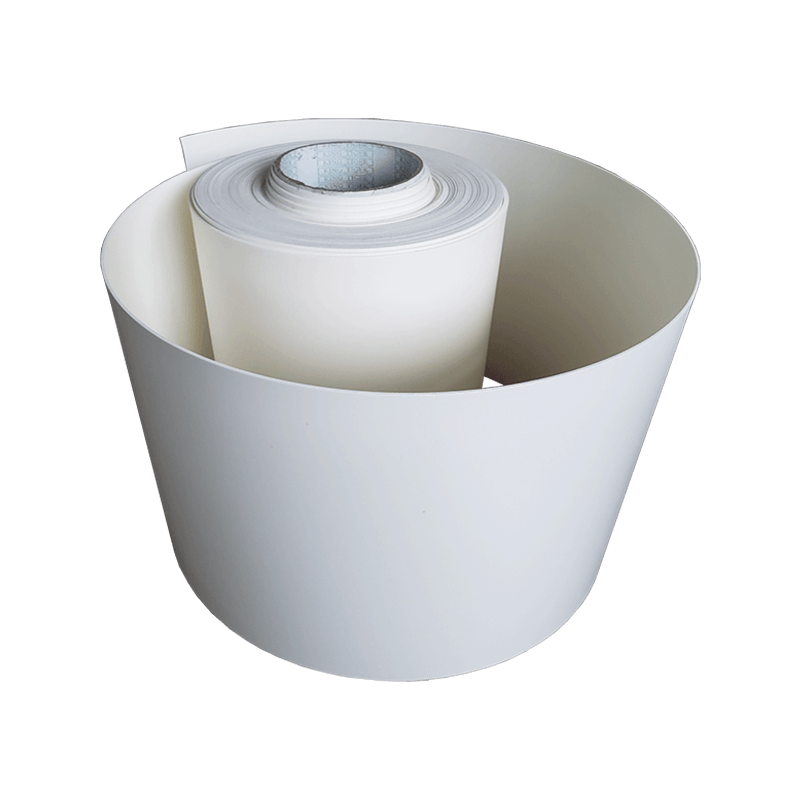
TPU foam sheets combine a plush feel with high tear strength, making them a common choice for yoga mats and shoe midsoles.
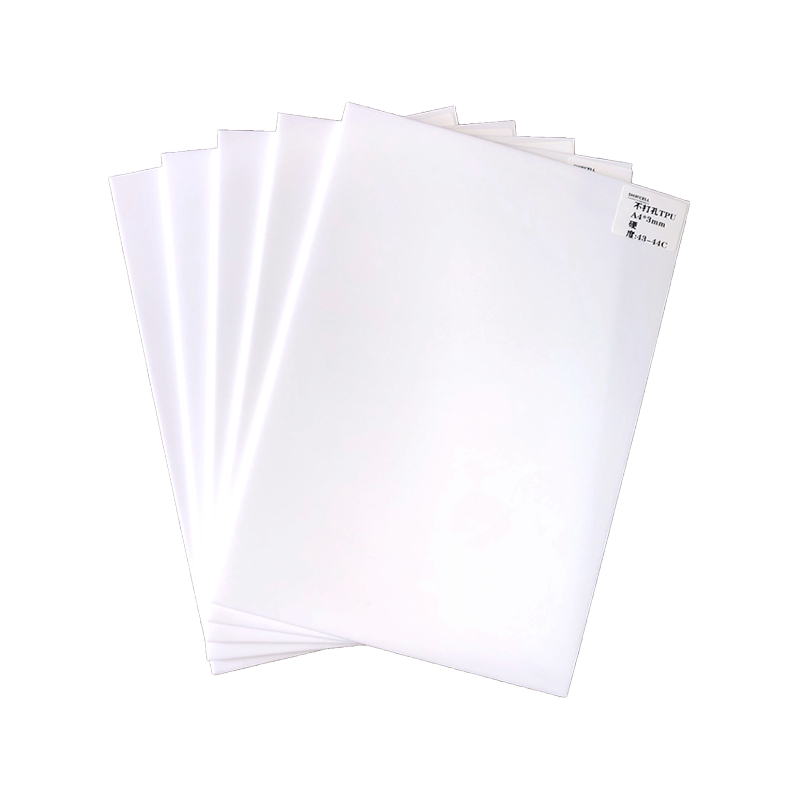 M-TPU Foam Sheet with High Tensile Strength and Low-Temperature ResistanceThis TPU foam sheet offers a plush feel alongside strong tear resistance, making it suitable for yoga mats and shoe midsoles while providing good chemical resistance and resilience.View Product →
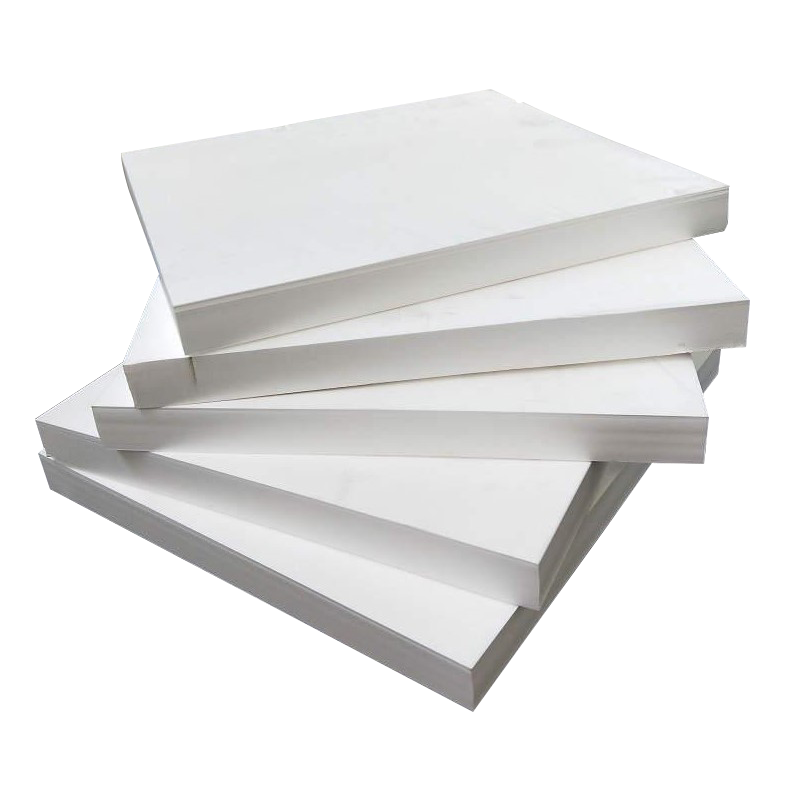
TPEE foam sheets add good chemical resistance and fatigue life, which suits industrial padding and sealing.
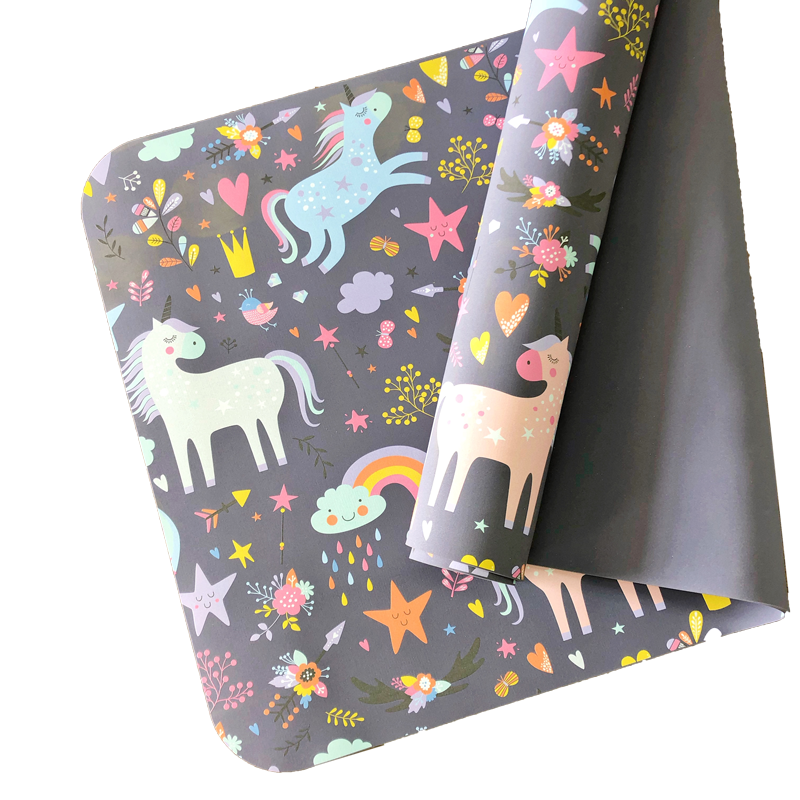
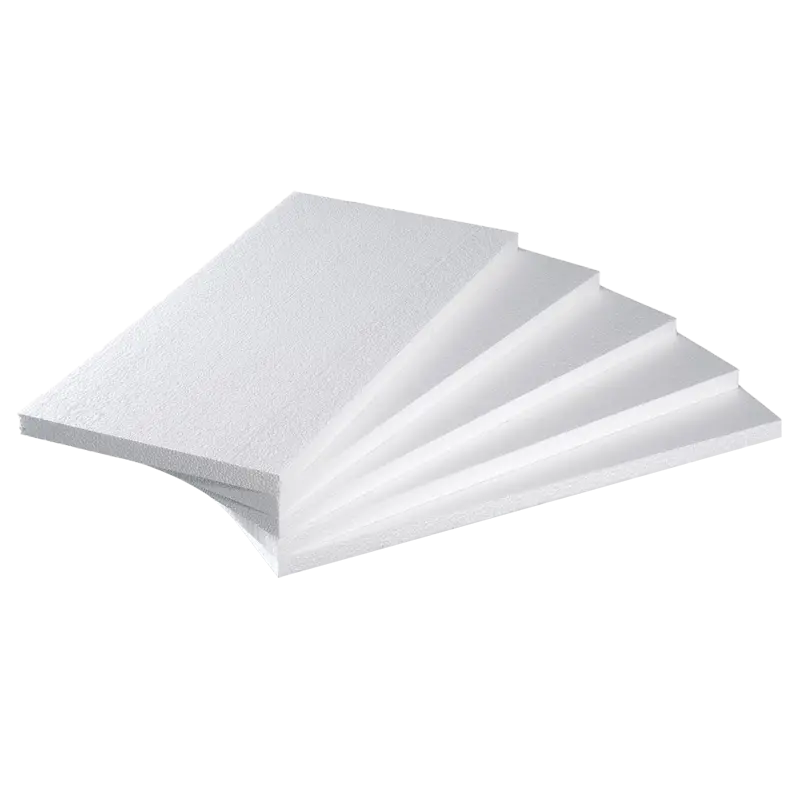
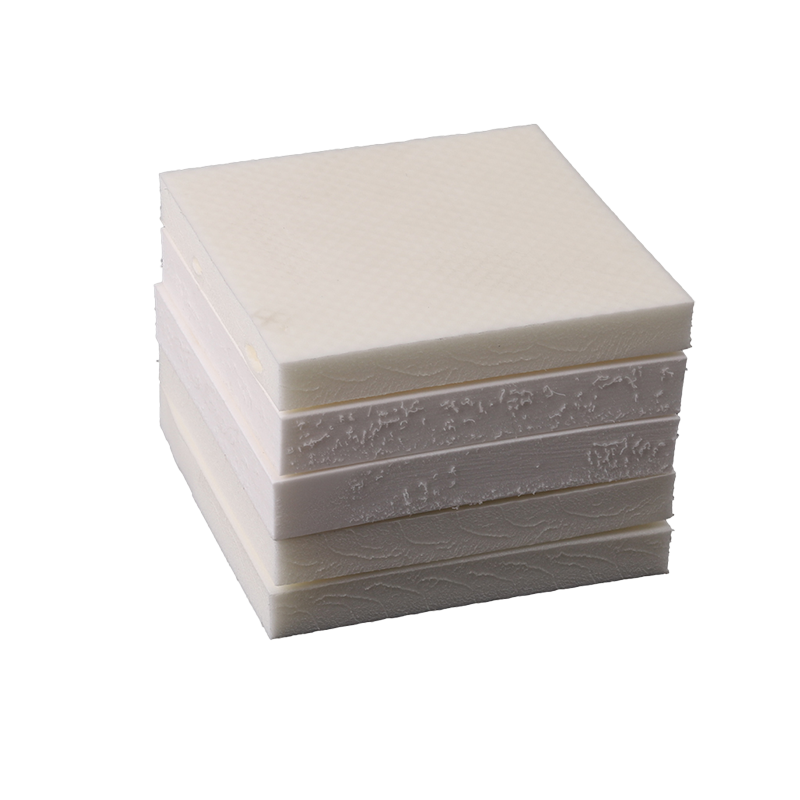 M-TPEE Foam Sheet Offering Chemical Resistance and Fatigue LifePositioned after the TPU sheet, this TPEE foam version adds chemical resistance and fatigue life, fitting industrial padding and sealing applications with good cushioning and tensile strength.View Product →
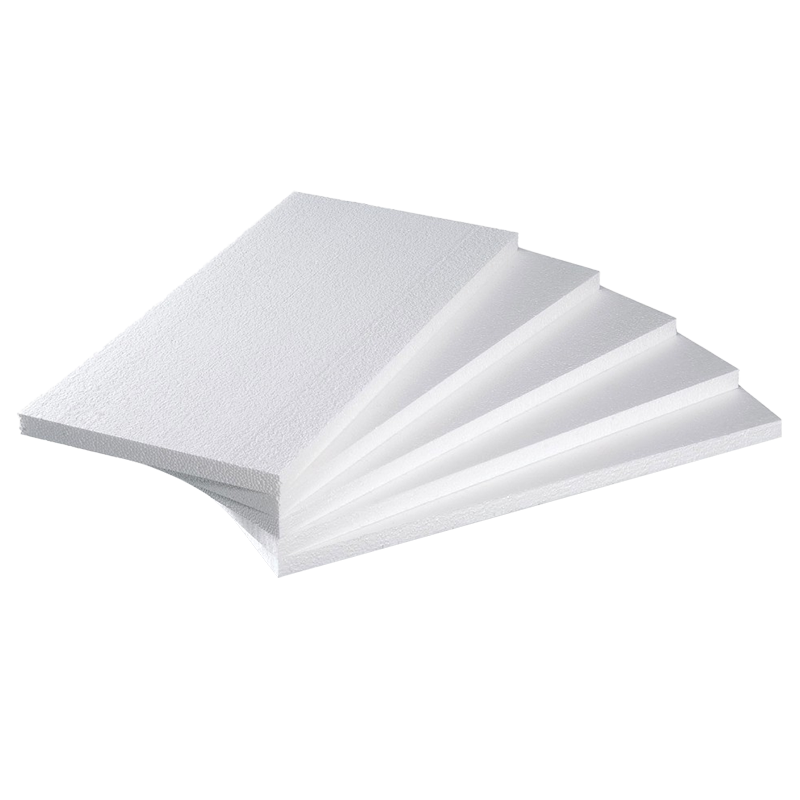
PEBAX foam sheets are lightweight and highly resilient, preferred when weight savings matter most.
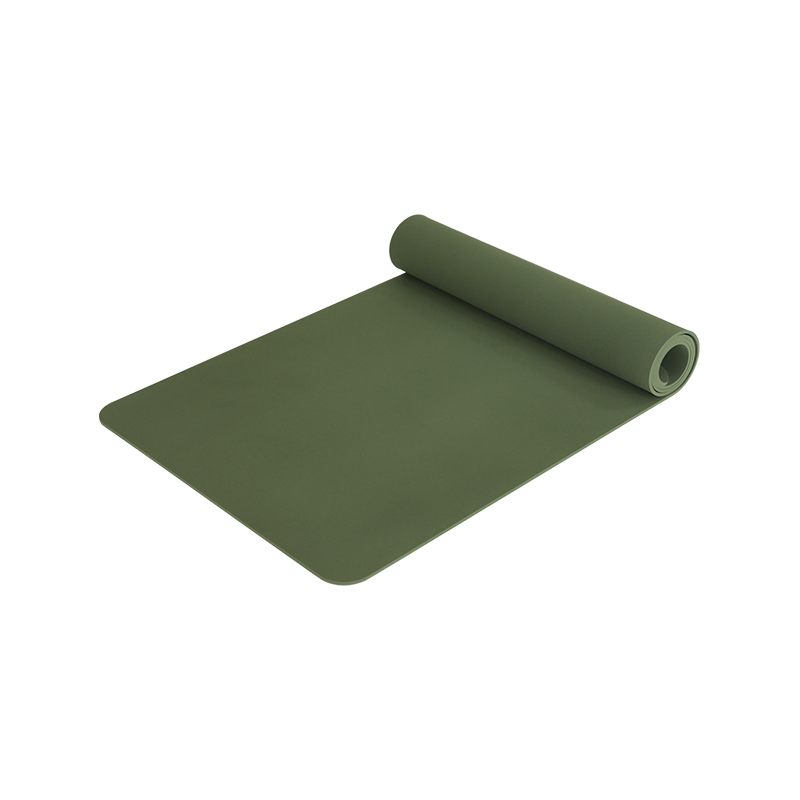
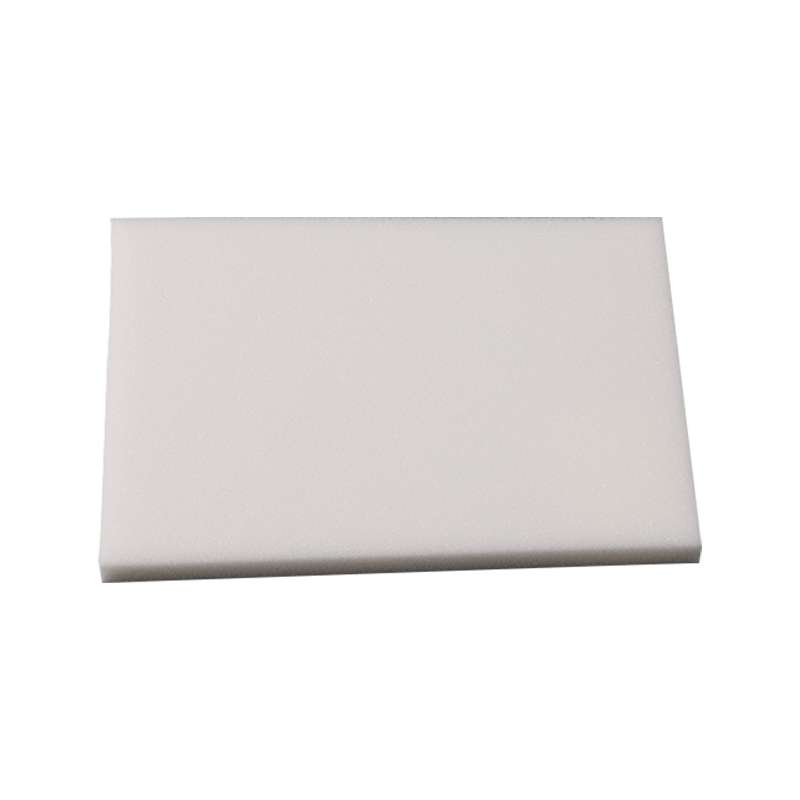
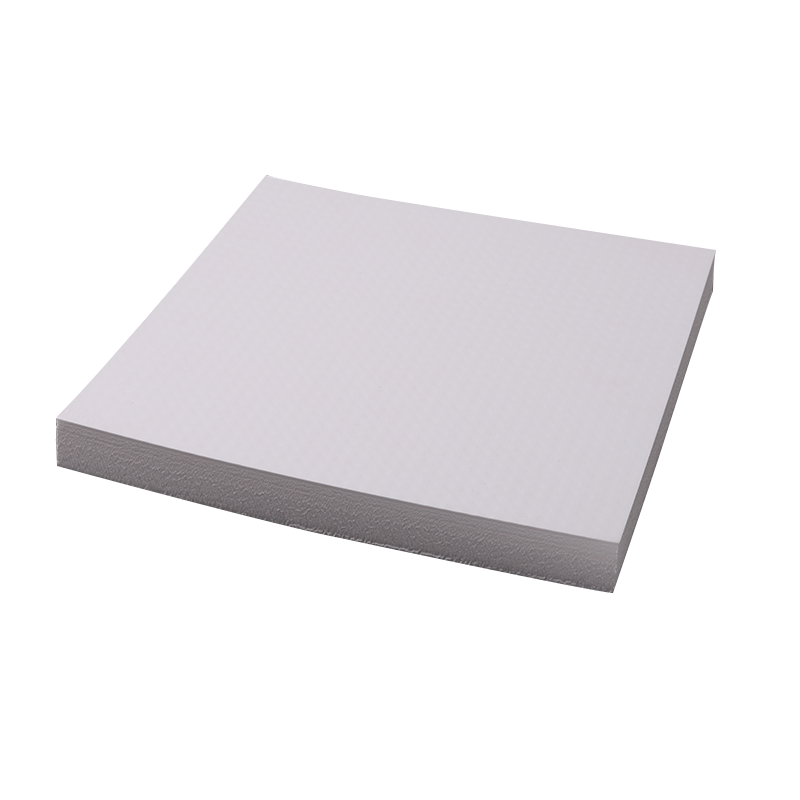 M-PEBAX Foam Sheet Designed for Lightweight and High ResilienceThis PEBAX foam sheet stands out for its lightweight and highly resilient nature, making it a preferred option when weight savings are critical, as noted in the surrounding discussion on foam performance.View Product →
| Material | Softness | Rebound | Chemical resistance |
|---|---|---|---|
| TPU | High | Excellent | Good |
| TPEE | Medium-High | Good | Excellent |
| PEBAX | Medium | Excellent | Good |
Key Properties to Compare Before You Buy
Soft feel alone is not enough. A foam sheet can feel soft but lose support after a few thousand compression cycles. When our customers evaluate soft foam sheets, they focus on four measurable values: density, hardness, rebound, and compression set.
Density
Measured in g/cm³ or kg/m³, density affects weight, cost, and mechanical properties. Lower density gives a lighter part, but too low can reduce durability. Soft foam sheets typically range from 0.10 to 0.30 g/cm³ for cushioning applications.
Hardness
Hardness is usually measured in Shore A for elastomers or Asker C for foam. A lower hardness value means a softer material. For example, a yoga mat may target 30–45 Asker C; a shoe midsole might aim for 45–55 Asker C.
Rebound
Rebound indicates energy return. A high rebound foam returns quickly and feels lively, while a low rebound foam absorbs energy slowly. For athletic mats and footwear, rebound above 50% is common; some supercritical TPU sheets reach 60–70%.
Compression Set
Compression set measures how much a foam fails to recover after being compressed. A low compression set (e.g., less than 10%) means the sheet keeps its original shape. This is critical for seating, mattresses, and gaskets.
A soft foam sheet with high compression set may feel good on day one but still “bottom out” after a month of use.
Use the table below as a starting point for specification.
| Property | TPU | TPEE | PEBAX |
|---|---|---|---|
| Density (g/cm³) | 0.12–0.25 | 0.15–0.30 | 0.10–0.22 |
| Hardness (Asker C) | 30–50 | 40–60 | 35–55 |
| Rebound | 60%+ | 50%+ | 60%+ |
| Compression set | <10% | <15% | <10% |
Always ask for test data rather than relying on marketing terms like “soft” or “high-quality.” Qualified manufacturers can supply these numbers.
Soft Foam Sheets vs. Traditional Flexible Foams
Most conventional flexible foam products use EVA, chemical-blown PU, or chemically crosslinked TPE. These materials are inexpensive, but they have limitations in rebound, durability, and recyclability. Supercritical physical foaming uses nitrogen or carbon dioxide to create microcellular bubbles inside the polymer without chemical additives or crosslinking. This produces a cleaner material with better structure recovery and consistent cell size.
| Parameter | EVA chemical foam | PU foam | Supercritical TPU/TPEE/PEBAX |
|---|---|---|---|
| Rebound | Moderate (about 40%) | Low to medium (20–50%) | High (50–70%) |
| Compression set | Higher | Variable | Lower |
| Recyclability | Limited | Can be difficult | Thermoplastic and recyclable |
| Odor | Often noticeable | Can be present | Low |
If your product needs long-term resilience and eco-friendly credentials, our foam sheet range made with supercritical foaming is worth checking.
Why the Manufacturing Process Changes the Material
The softness of a foam sheet depends not only on the polymer but on how the cells are formed. In supercritical physical foaming, gas is dissolved in the polymer at high pressure, then released to form millions of microcells. The result is a smooth surface, uniform cell size, and no residue from chemical blowing agents.
Because no chemical foaming agents are used, the finished sheets are non-toxic and low in odor. They are also thermoplastics, which means offcuts can be recycled and products can potentially be reprocessed at end of life. This aligns with the growing demand for sustainable materials in consumer goods.
Applications That Benefit from Soft Foam Sheets
Soft foam sheets are used wherever contact comfort matters. Because the material can be tuned by polymer type, density, and thickness, it adapts to many industries.
- Sports and fitness mats: yoga mats, gym flooring, foam rollers.
- Mattresses and bedding: toppers, pillow inserts, contouring layers.
- Footwear: midsoles for running shoes and casual footwear.
- Medical and therapeutic: wheelchair cushions, orthopedic supports, prosthetics liners.
- Industrial padding: vibration isolation, protective packing, gasket backing.
For exercise-focused uses, our sports mat and mattress page shows how specific foam sheets are adapted to real situations.
How to Choose the Right Soft Foam Sheet
Start with the end use. For a yoga mat, you want high rebound, low compression set, and a comfortable surface. For a medical cushion, you may prioritize pressure distribution and breathability. For a shoe midsole, weight and energy return are critical.
Use these questions to narrow down your choice:
- What hardness and thickness do I need?
- Will the part be exposed to chemicals, cleaning agents, or UV?
- How many compression cycles must it survive?
- Do I need recyclability or a specific regulatory compliance?
Next, compare confirmed test data. Ask for density, hardness, rebound, and compression set values from the manufacturer. If possible, request samples and run your own drop test or flex test.
Finally, consider the supplier’s ability to produce consistent sheets with tight tolerances. A reliable partner can adjust density and thickness while keeping cell structure uniform.
Soft Foam Sheets FAQ
Q1: Are soft foam sheets the same as foam rubber?
No. Soft foam sheets can be made from thermoplastic materials like TPU, TPEE, or PEBAX, while foam rubber is usually thermoset and harder to recycle.
Q2: What is the softest type of foam sheet?
In the thermoplastic family, low-density TPU foams with an Asker C hardness around 30 are among the softest. The exact value depends on density and cell structure.
Q3: Can soft foam sheets be recycled?
Thermoplastic foam sheets can be reground and reprocessed, especially those made by supercritical physical foaming. Ask your supplier for recycling compatibility.
Choosing the right soft foam sheet comes down to matching performance data with real-world use. Start with the polymer family, verify density, hardness, rebound, and compression set, and then test samples before committing to production.
 ++86-0512-66079229