
 English
 Español

Home / News / Thermal Conductivity of Foam Insulation: Values, Factors & How to Choose
A design engineer selecting insulation for a chilled-water line, a product engineer specifying a thermal barrier for a battery pack, and a contractor upgrading a building envelope all begin with the same question: what is the thermal conductivity of the foam insulation they are evaluating? Measured in watts per meter-kelvin (W/m·K), this number decides how much heat escapes or enters, how thick the insulation layer must be, and whether the system can hold its design temperature. The rule is simple: lower thermal conductivity means better insulation. A foam at 0.030 W/m·K passes only about 60% of the heat that a 0.050 W/m·K foam passes at the same thickness.
The k-value on a data sheet, however, is not a fixed material constant. It shifts with density, cell size, temperature, moisture, and even the age of the foam. Engineers who compare insulation products using a single room-temperature number risk specifying the wrong material, especially when the application involves fire ratings, service above 100 °C, or condensation-prone cold surfaces. This guide explains what thermal conductivity means for foam insulation, what ranges different thermoplastic foams offer, which factors change the value, and how to select and verify foam for real projects.
What Thermal Conductivity Tells You About Insulation
The thermal conductivity (k) of a material is the steady-state rate at which heat flows through it per unit thickness and per degree of temperature difference. A value of 0.035 W/m·K means 0.035 watts moves through a one-meter-thick cube for each kelvin of temperature difference across it. For insulation, the lower the k-value, the less energy moves through the material.
Foam insulation achieves low conductivity by combining a solid polymer with gas-filled cells. Still air conducts about 0.026 W/m·K, far less than any solid polymer. When the foaming process produces small, closed cells, the trapped gas limits solid conduction, suppresses convection, and interrupts infrared radiation. A well-designed closed-cell microcellular foam can reach k-values below 0.040 W/m·K, close to the performance of still air.
For engineering calculations, thermal resistance (R-value) is often more useful: R equals thickness divided by k. A 25 mm closed-cell sheet at 0.035 W/m·K provides about 0.71 m²·K/W. To reach R 1.0 m²·K/W, the same foam must be 35 mm thick; a foam at 0.050 W/m·K would need 50 mm for the same resistance, adding thickness, weight, and cost to the assembly.
0.026 W/m·KStill air at room temperature
0.030–0.045 W/m·KWell-designed closed-cell foams
0.6 W/m·KWater: why wet insulation fails
Two test standards appear on most datasheets: ASTM C518 and ISO 8301 use a heat flow meter on flat specimens, while ASTM C177 uses a guarded hot plate. All measure steady-state conduction, but specimen thickness, plate pressure, and calibration influence results. Compare materials only when the same standard and the same mean temperature were used.
Typical Thermal Conductivity Values by Foam Type
For insulation selection, the first practical step is knowing where each thermoplastic foam family sits on the thermal conductivity scale. The table below lists typical closed-cell ranges measured near room temperature; actual values vary with density and cell structure.
| Foam material | Thermal conductivity (W/m·K) | Typical density (kg/m³) | Continuous service limit |
|---|---|---|---|
| MPP microcellular PP foam | 0.030–0.042 | 30–200 | ~110 °C |
| FR-MPP flame-retardant PP foam | 0.033–0.045 | 40–200 | ~110 °C |
| PVDF microcellular foam | 0.040–0.060 | 60–150 | ~150 °C |
| M-TPU foam | 0.035–0.055 | 50–300 | ~100 °C |
| M-TPEE foam | 0.033–0.050 | 45–250 | ~120 °C |
| M-PEBAX foam | 0.030–0.045 | 40–200 | ~80 °C |
Polyolefin-based microcellular foams such as MPP sit in the 0.030–0.040 W/m·K range, comparable to expanded and extruded polystyrene insulation boards. PVDF foam shows a higher ambient k-value because the solid fluoropolymer is denser and inherently more conductive; its value lies in continuous service above 110 °C and in low-smoke fire performance, not in the lowest possible room-temperature k-value.
Two reading rules apply to any thermal conductivity table. First, compare values only at the density and mean temperature relevant to the application, because both shift the number. Second, check the closed-cell content; an open-cell foam can look acceptable on paper but fail under moisture. Three attributes define insulation quality regardless of polymer: closed-cellfine cell sizestable gas content. For the full range of densities and thicknesses available, start with the closed-cell foam sheet range.
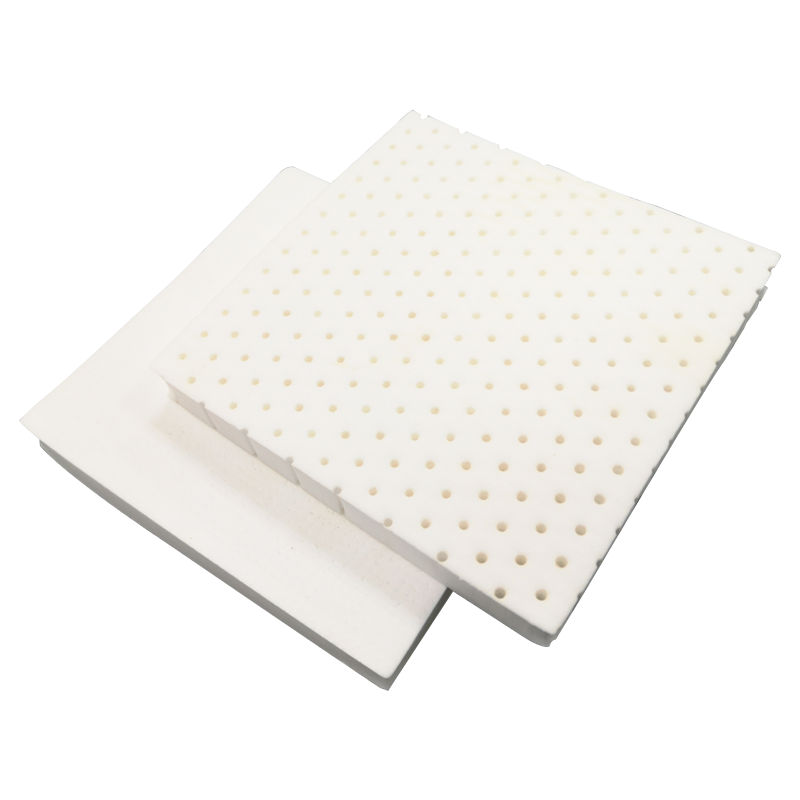
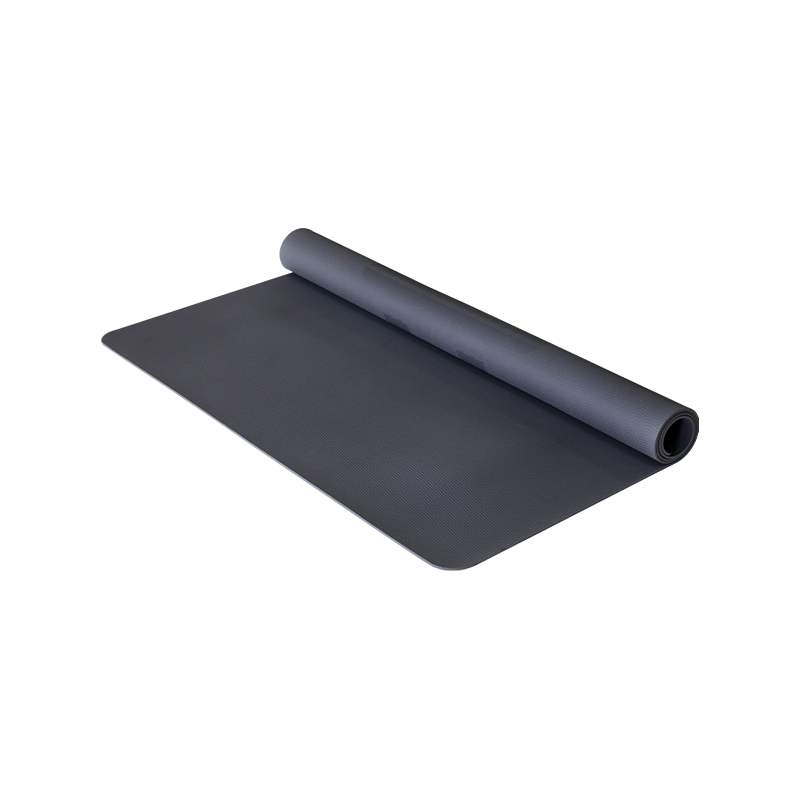
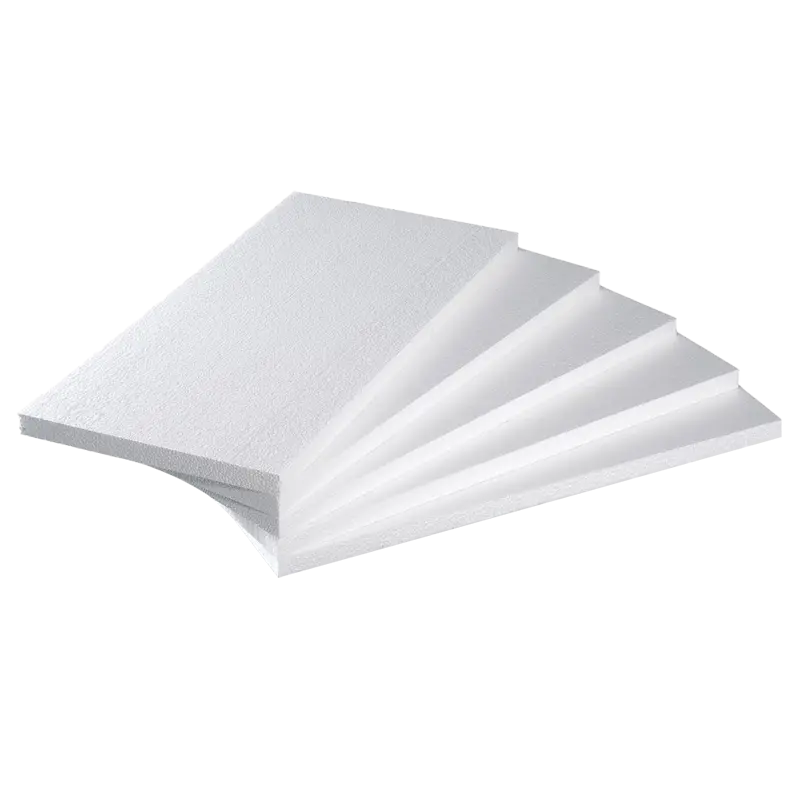
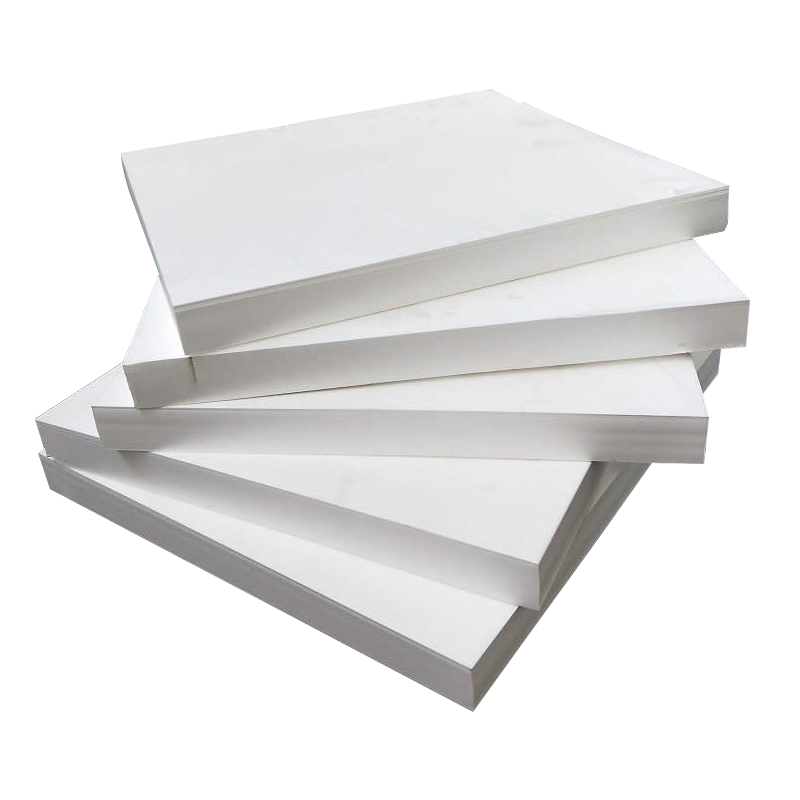 Closed-Cell MPP Foam Insulation SheetThis lightweight, waterproof MPP foam sheet provides thermal insulation and cushioning. It fits the discussion on closed-cell structure affecting k-value and moisture resistance.View Product →
Key Factors That Change the Thermal Conductivity of Foam Insulation
The thermal conductivity of a finished insulation foam is not one number; it is a response to four material and environmental variables that should be reviewed together before specifying.
Density
Thermal conductivity plotted against density forms a U-shaped curve. At very low density, cells grow large, cell walls thin, and radiation across the foam rises sharply. At very high density, conduction through the solid polymer dominates. The minimum lies in a mid-density window that depends on the polymer and the foaming process. This is why two sheets of the same chemistry but different densities are not interchangeable: an MPP sheet at 60 kg/m³ and one at 150 kg/m³ can differ in k-value by more than 15%.
Cell size and closed-cell content
Cell size matters as much as density. Microcellular foams with cell diameters of a few microns suppress radiation far better than foams with 100-micron cells, and a high closed-cell content prevents gas movement and moisture pickup. When assessing a new supplier, ask for closed-cell content and average cell size alongside the k-value.
Mean temperature
The k-value rises with temperature because gas molecules move faster. For a typical closed-cell thermoplastic foam, the increase is roughly 3% to 8% between 0 °C and 40 °C mean temperature, depending on type. Always request data at the mean temperature of the application. A pipe carrying cold brine or a rooftop surface exposed to direct sun needs a datasheet value measured under those conditions, not at 23 °C.
Moisture
Water conducts heat at about 0.6 W/m·K, roughly 20 times more than air. Even one to two percent moisture by volume can increase the k-value of many foams by ten percent or more. Closed-cell foams resist water intrusion much better than open-cell products, but cut edges, joints, clamps, and damaged skins still create entry paths. For cold lines and refrigeration duty, a fine closed-cell foam plus a correctly installed vapor barrier is the standard combination.
Aging and gas exchange
Some insulation foams are blown with HFC or hydrocarbon blowing agents that produce a very low initial k-value. Over years, that high-performance gas diffuses out and air diffuses in, so conductivity drifts upward. Foams made by supercritical physical foaming using nitrogen and carbon dioxide contain only normal atmospheric gases from the moment of production. There is no low-conductivity blowing agent to lose, so the measured k-value remains representative of long-term installed performance.
Specification tip: ask your supplier whether the k-value is an initial value or an aged value. For supercritical physical foams, the two are essentially the same, and the insulation you size today is the insulation you get in year ten.
How to Compare and Specify Insulation Foam
Compare the same test method and mean temperature
Require datasheets that state the test standard, specimen thickness, density, and mean temperature. If supplier A measured at 10 °C and supplier B at 40 °C, part of the gap between them is the test condition, not the material. A responsible supplier will provide k-values at multiple mean temperatures on request.
Add fire, mechanical, and moisture requirements
A low k-value is worthless if the foam fails the fire rating or collapses under clamp load. For battery pack thermal barriers and transit interior insulation, FR-MPP combines a flame-retarded polypropylene matrix with a closed-cell microcellular structure, offering thermal insulation and fire protection in the same layer. Alongside the k-value, check UL 94 rating, compression set, flexibility, and water absorption.
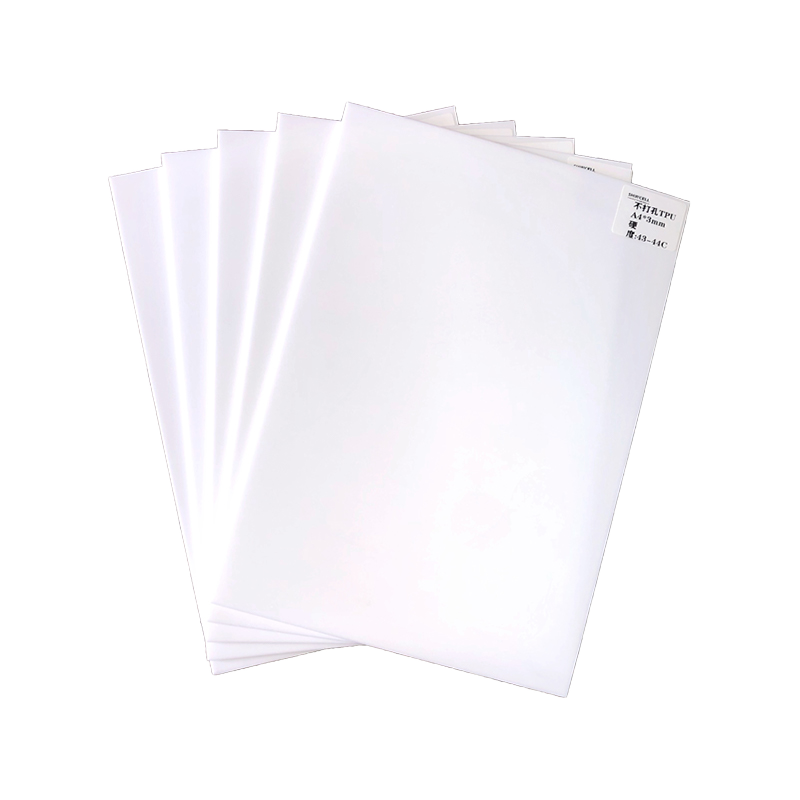
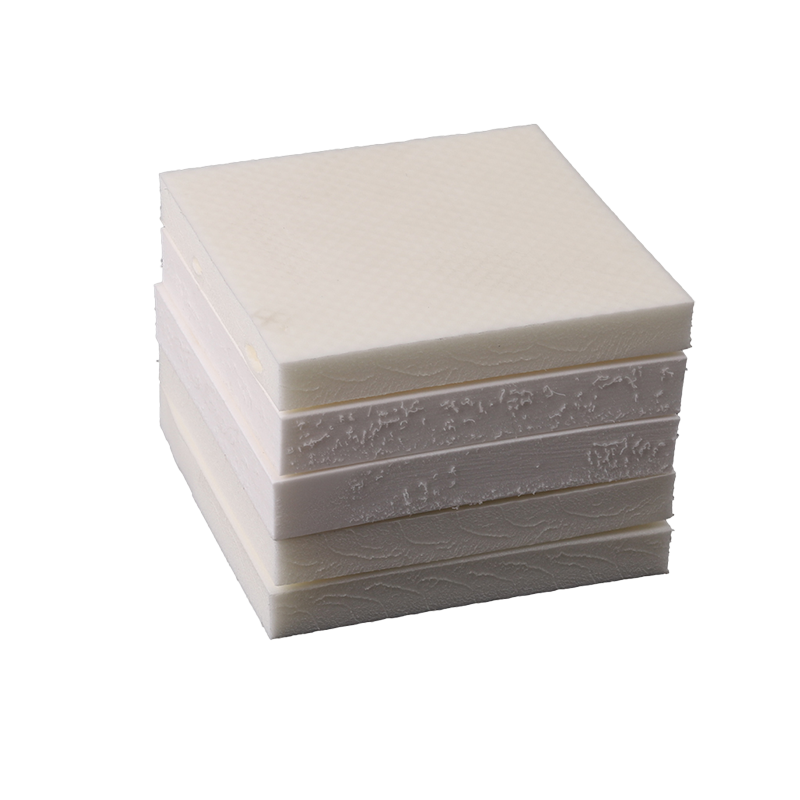
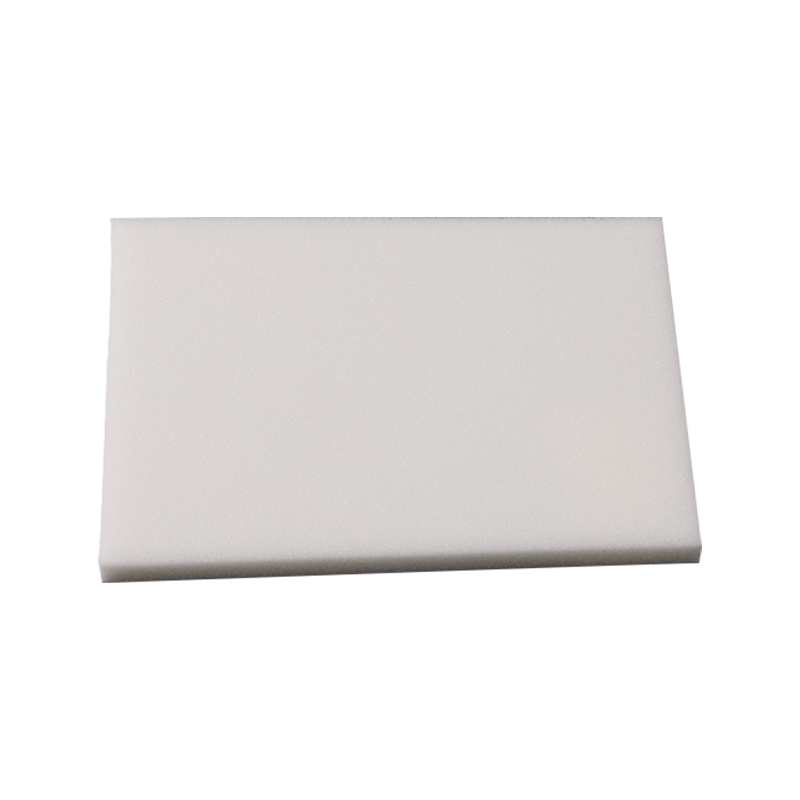
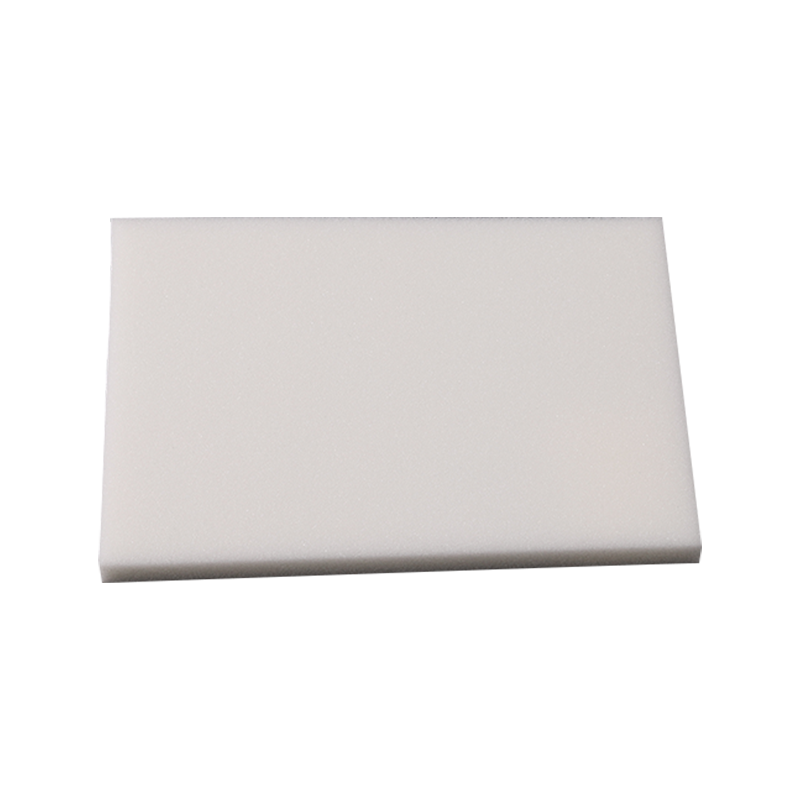 Flame-Retarded MPP Foam Sheet for Thermal BarriersThis FR-MPP foam combines flame retardancy with closed-cell insulation, relevant for fire-rated applications like battery barriers and transit interiors where k-value alone is insufficient.View Product →
Match the foam family to the operating window
PP-based microcellular foam covers most cold and warm insulation work below roughly 110 °C. Where the duty runs hotter, PVDF microcellular foam extends continuous service toward 150 °C while keeping stable mechanical and dielectric properties. These two families are not competing on the same number; service temperature and fire performance separate them more than k-value alone.
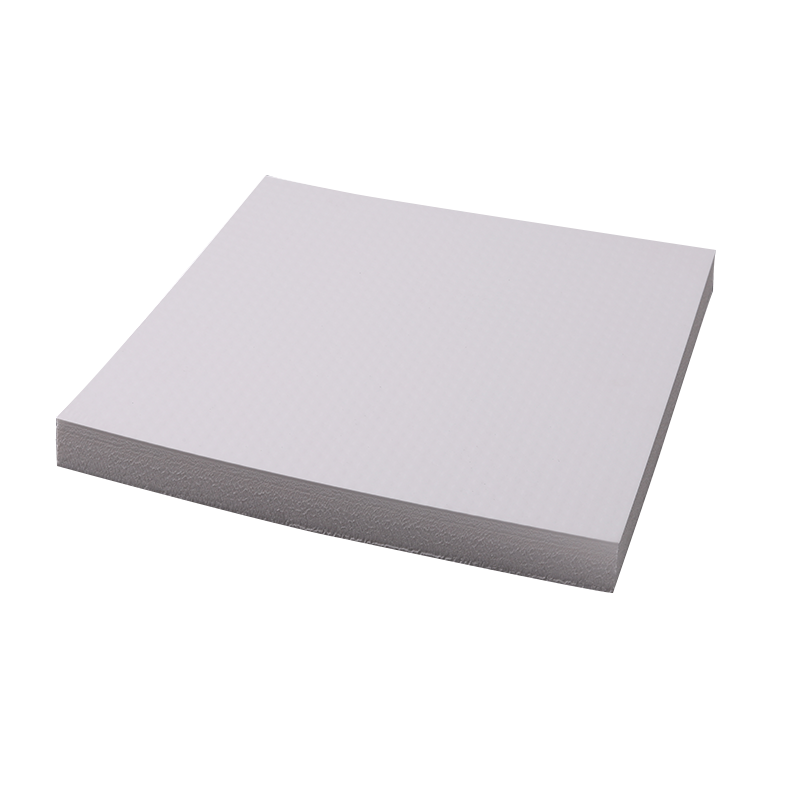
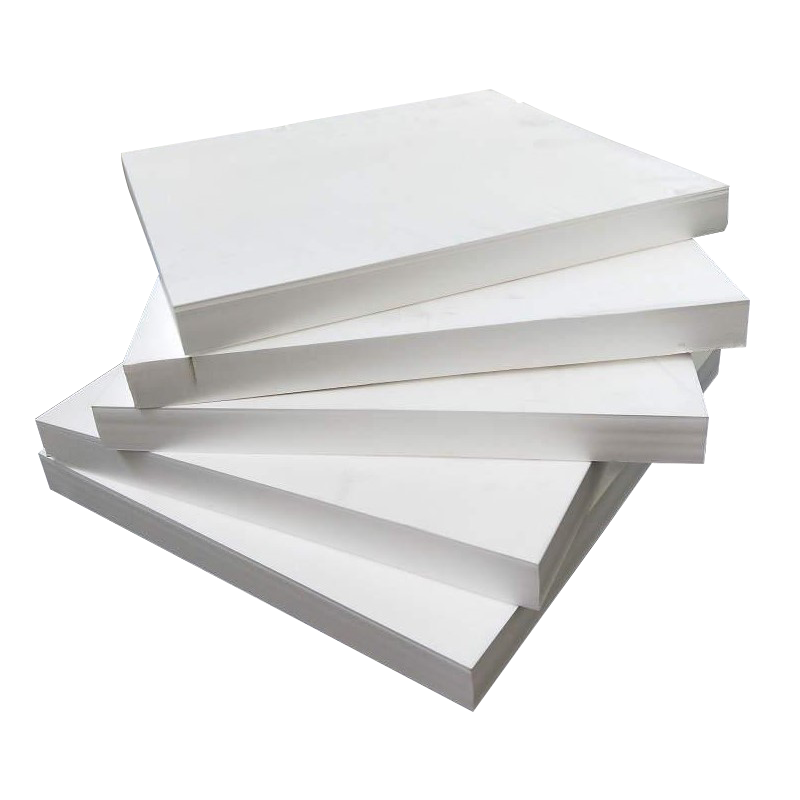
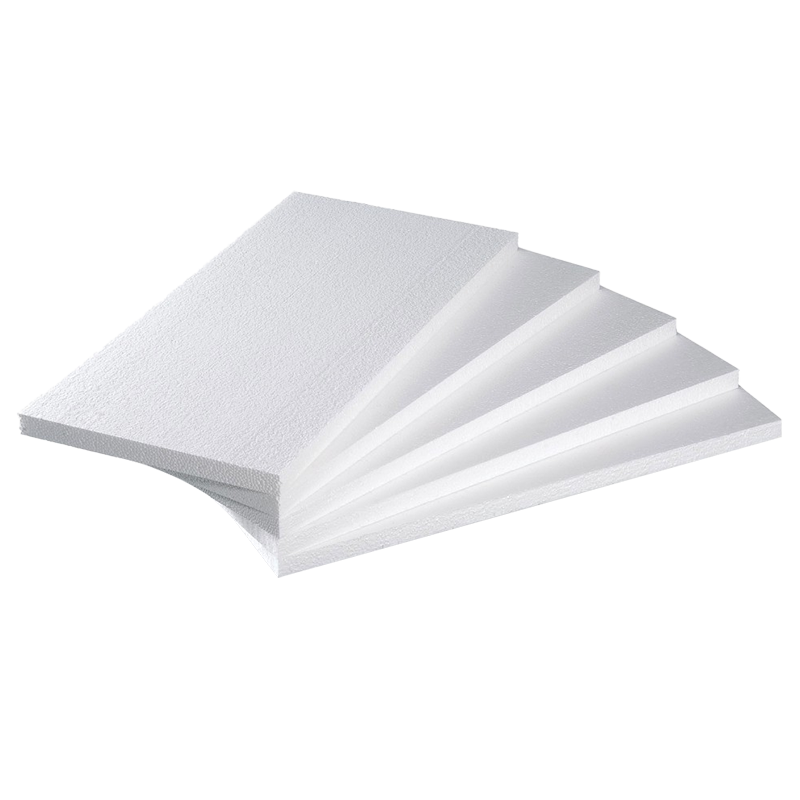 PVDF Microcellular Foam Sheet for High-Temperature InsulationThis PVDF foam extends insulation service to about 150°C with stable mechanical properties, suitable for hotter duties beyond typical PP foam temperature limits.View Product →
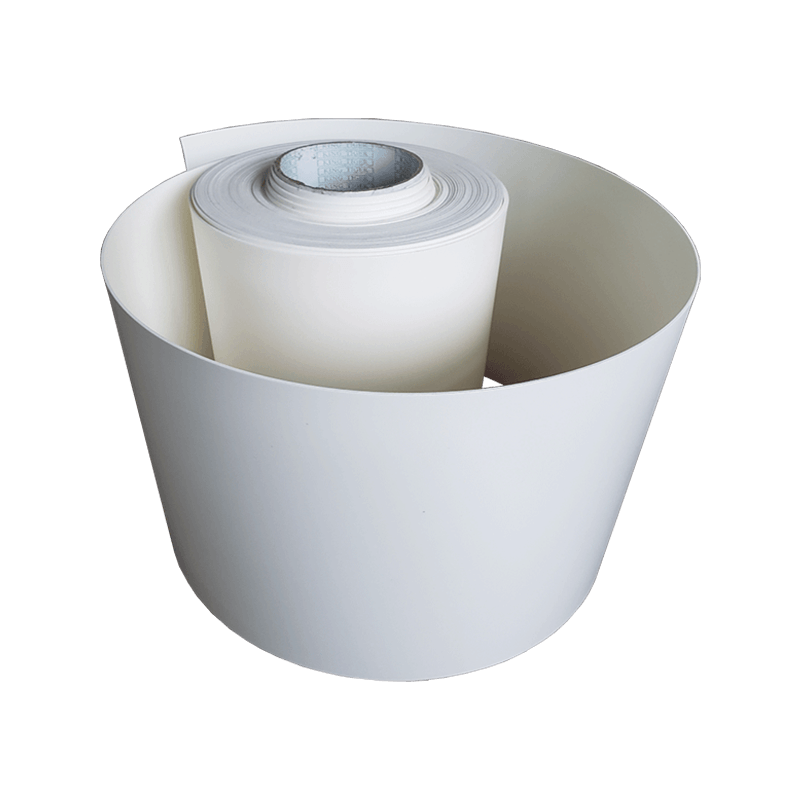
In pipe insulation, the foam must also bend around elbows, resist compression under clamps, and handle condensation without soaking up water. Closed-cell pipe and duct insulation designs depend on this combination; a good k-value only helps when the sheet can be formed and installed without gaps.
Frequently Asked Questions about Thermal Conductivity of Foam Insulation
Q1: What is a good thermal conductivity for foam insulation?
For closed-cell polymer foams, a k-value between 0.028 and 0.045 W/m·K at room temperature is generally considered good insulation. Above 0.060 W/m·K, the material needs noticeably more thickness to reach the same R-value, so it suits only undemanding or space-flexible applications.
Q2: Is lower density foam always better at insulating?
No. Each foam has an optimal density where radiation, gas conduction, and solid conduction balance. Move too low and radiation climbs; move too high and polymer conduction climbs. When comparing grades, compare k-value at the density you intend to use, not across a whole density range.
Q3: How much does moisture affect foam insulation?
The effect is large relative to the volume involved. One to two percent moisture by volume can lift the k-value by 10% or more in many foams, because water conducts roughly 20 times better than air. Closed-cell foams limit the damage but do not eliminate it if vapor barriers or joint seals fail.
Q4: Does the thermal conductivity of foam insulation increase over time?
In some foams, yes. Products blown with HFC or hydrocarbon agents lose that low-conductivity gas over years as air replaces it. Thermoplastic foams made by supercritical physical foaming with nitrogen or carbon dioxide contain normal air-like gases from production, so the aging drift is minimal and the datasheet value remains valid for design life.
Q5: Which thermal conductivity test should I rely on?
For flat foam sheets, ASTM C518 and ISO 8301 (heat flow meter methods) and ASTM C177 (guarded hot plate) are the dominant standards. All are reliable when correctly calibrated. The practical rule is consistency: use the same standard, the same mean temperature, and the same specimen conditioning for every material you compare.
 ++86-0512-66079229