
 English
 Español

Home / News / What Is Open Cell Foam? Definition, Structure, Properties, and How It Compares
Press a thumb into a seat cushion or a mattress topper. The material yields softly, feels airy inside, and takes a moment to recover its original shape. Squeeze the same cushion under water and streams of air bubbles escape from every direction. That responsive, breathable behavior is the signature of open cell foam.
Open cell foam is a polymer foam in which the individual gas-filled cells are not sealed. During foaming, thin walls between adjacent cells rupture, creating tiny openings that link the cells into a continuous network. Because air, moisture, and sound travel through this network, open cell foam behaves very differently from its sealed counterpart.
Definition: Open cell foam is a lightweight cellular plastic structure with interconnected internal pores, which allow air, moisture, and sound to pass through the material.
The contrast is best understood through the other major family: closed cell foam, where each gas bubble remains an isolated pocket. That single structural difference drives nearly every performance difference between the two.
How Open Cell Foam Is Structured
All polymer foams begin with the same idea: a solid polymer matrix with gas bubbles dispersed through it. The bubbles, called cells, form when gas is released or injected during processing. In closed cell foam, the cells stay separate and each is completely enclosed by polymer walls. In open cell foam, those walls break open while the foam is still expanding, leaving a skeleton of struts and films with passageways between every cell.
The degree of openness varies from one material to another. Conventional flexible polyurethane foam, commonly used in upholstery and bedding, typically has an open-cell content above 90 percent. Some foams are deliberately reticulated: the thin cell windows are removed entirely, leaving only the strut framework, which is ideal for filtration and liquid absorption. Other foams contain a mix of open and closed cells, balancing air permeability with dimensional stability.
In practical terms, open cell foam behaves like a microscopic sponge. Squeeze it and air is pushed out through the interconnected passages; release it and the polymer's elasticity pulls air back in. This continuous air exchange is what seat cushions and acoustic panels rely on.
Open Cell vs Closed Cell Foam: Key Differences
The choice between open cell and closed cell foam is a choice about how the material interacts with its environment. The table below summarizes the differences that matter in material selection.
| Property | Open Cell Foam | Closed Cell Foam |
|---|---|---|
| Cell structure | Interconnected pores | Sealed, discrete cells |
| Air permeability | High; air passes through | Low; acts as a barrier |
| Water behavior | Absorbs water and moisture | Resists water penetration |
| Thermal insulation | Moderate | High |
| Sound absorption | Excellent | Limited |
| Softness | Soft and conformable | Firmer options dominate |
| Compressive strength | Lower | Higher |
| Typical density | Low to moderate | Low to high (structural) |
| Common uses | Upholstery, acoustics, filtration | Insulation, flotation, gaskets, pads |
No single cell type is universally better. Each structure is engineered for a set of trade-offs, and suppliers formulate the polymer, density, and cell geometry to hit the needed performance.
Key Properties of Open Cell Foam
Five properties explain why open cell foam appears in so many comfort and acoustic products.
- Softness and conformabilityOpen cell foam yields under pressure and conforms to body shape, distributing load evenly across a larger area. This is why mattresses and seat cushions use it for pressure relief.
- BreathabilityAir moves freely through the open network, removing heat and moisture vapor. Seating, bedding, and footwear benefit from this continuous micro-ventilation.
- Sound absorptionSound waves entering the foam lose energy through friction against cell walls and struts. Acoustic panels and studio treatments rely heavily on this mechanism.
- Energy absorptionUnder impact, the cell structure crushes progressively, converting kinetic energy into deformation. Open cell foam adds protective cushioning inside packaging and padding.
- LightweightHigh open-cell content gives a low-density structure that saves weight in transportation and packaging.
These properties shift with density and base polymer. A low-density polyurethane foam feels feathery, while a higher-density version feels firm but still exchanges air.
How Open Cell Foam Is Manufactured
Most commercial open cell foam is made by chemical reaction foaming. For flexible polyurethane foam, a polyol and an isocyanate react with water to generate carbon dioxide. The gas nucleates into bubbles inside the viscous polymer; as the mixture expands, cell walls thin and rupture, creating the interconnected structure. Small formulation changes control whether the final foam is open or closed cell.
A different route uses physical blowing agents: gases or liquids that vaporize under heat, forming cells inside the polymer melt. Mechanical frothing, where air is whipped into a liquid polymer before curing, is another method used for specialty products such as latex foam.
The manufacturing approach has a direct effect on cell size. Conventional chemical foaming produces cells from several hundred micrometers to a millimeter. Supercritical fluid foaming, by contrast, creates microcellular structures with cell sizes in the micrometer or nanometer range, and these are almost always closed cell because the fine walls remain intact. That is why microcellular sheets behave so differently from conventional open cell cushioning.
Common Applications of Open Cell Foam
Open cell foam is among the most widely used cushioning materials in the world. It appears wherever softness, airflow, or acoustic performance matters, from household goods to technical components. Typical applications include:
- Furniture and bedding: seat cushions, backrests, pillows, and mattress toppers rely on open cell foam for comfort and moisture release.
- Acoustic treatment: wall panels, ceiling baffles, and studio wedges absorb reflected sound and reduce reverberation.
- Protective packaging: lightweight foam inserts hold fragile items snugly and absorb shock during transport.
- Filtration and liquid handling: reticulated foam with a fully open cell structure transports and filters air or liquid in HVAC, automotive, and medical devices.
- Medical and care products: wheelchair cushions, anti-decubitus pads, and orthopedic supports distribute pressure and allow airflow against the skin.
- Consumer goods: cleaning sponges, cosmetic puffs, and pet beds are everyday examples of the same open cell principle.
For industrial buyers, the practical question is not whether the foam is open or closed cell, but which combination of cushioning, breathability, moisture behavior, and durability the application requires. Reviewing application-specific material guidance can save significant trial-and-error time.
Limitations to Consider
Open cell foam is not the right answer everywhere. The same openness that provides breathability also creates real constraints:
- Moisture absorption: open cell foam soaks up water and humidity. In wet or outdoor service, absorbed moisture can degrade the polymer or support mold growth.
- Lower load capacity: the thin walls and open structure give lower compressive strength than a closed cell foam of similar density. Heavy, repetitive loads can permanently crush the cell network.
- Weak thermal barrier: because air moves through the material, open cell foam does not perform like a vapor-resistant insulation board. Cold surfaces can cause condensation inside the foam.
- Fatigue over time: flexible open cell foams lose resilience over years of use, which is why cushions and mattresses eventually sag.
These limitations explain why industrial specifications often call for closed cell foam whenever moisture resistance, structural support, or long-term dimensional stability is critical.
Open Cell or Closed Cell: How to Decide
Start with the operating environment, not the material name. If the product must breathe, absorb sound, or conform to irregular shapes, open cell foam fits naturally. If it must resist moisture, survive repeated compression, support a load, or keep its thickness for years, closed cell foam is usually the safer choice.
Choose open cell foam when your priorities are Breathability Sound absorption Conformability.
Choose closed cell microcellular foam when your priorities are Water resistance Repeated compression Structural strength Thermal insulation.
Manufacturers who need the closed cell side of the equation can use microcellular foam sheets made by supercritical physical foaming. These materials rely on nitrogen or carbon dioxide rather than chemical blowing agents, producing clean, recyclable thermoplastic foams with fine sealed cells.
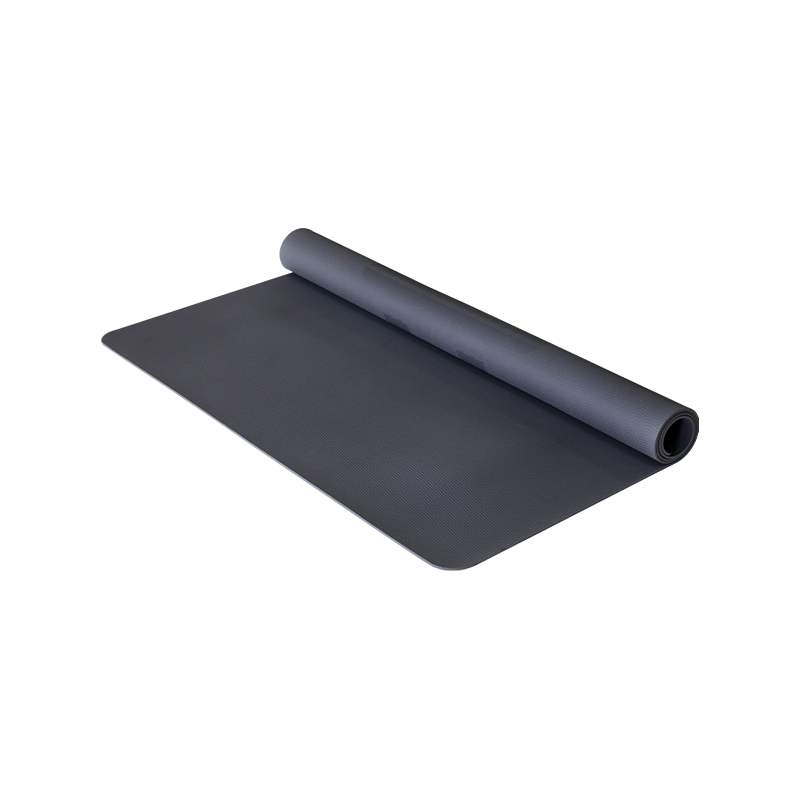
For cushioning and comfort products, M-TPU foam sheets provide resilience and elastic recovery without absorbing water. For rigid parts, MPP microcellular PP sheets deliver stiffness and impact strength. And for designs that need some airflow without giving up closed cell benefits, perforated TPU sheets create mechanical air channels through an otherwise sealed structure.
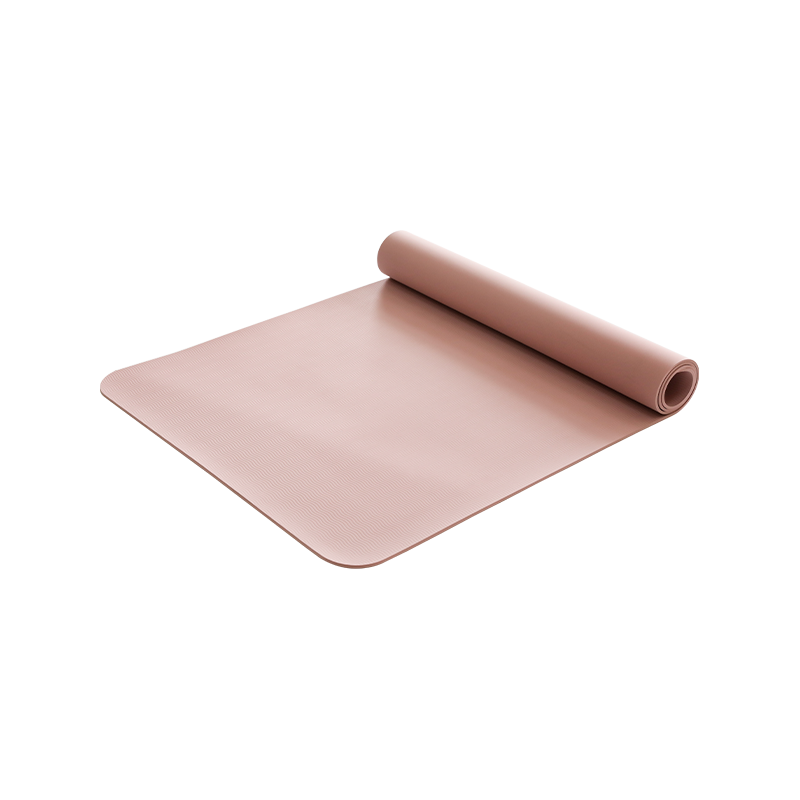
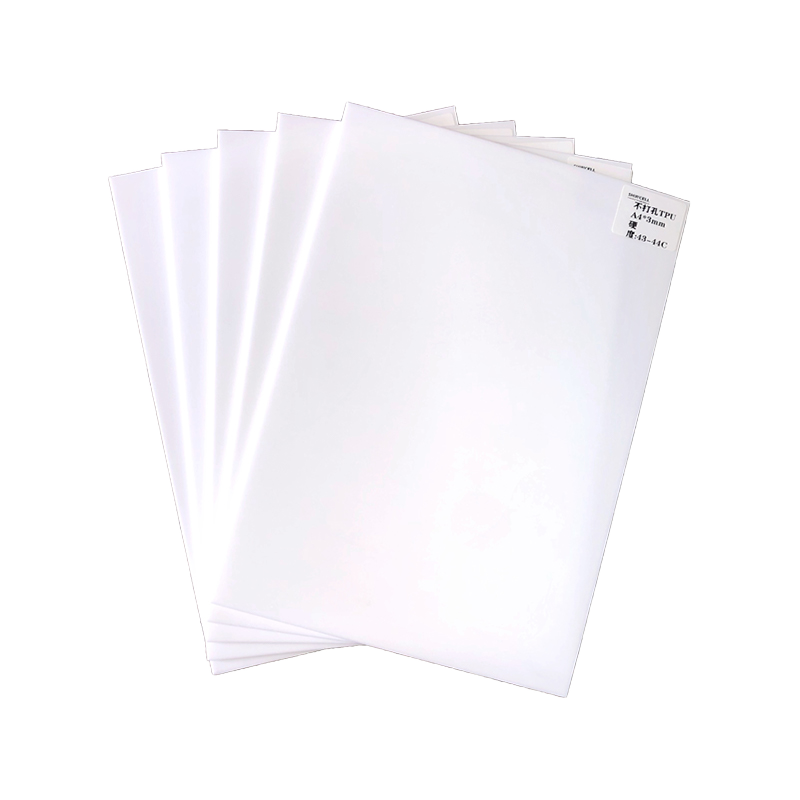 M-TPU Foam Sheet for Resilient Cushioning and Low-Temperature UseThis closed-cell sheet offers outstanding resilience and tensile strength without water absorption, making it a practical choice for comfort-focused products. Its low-temperature resistance and chemical resistance broaden its potential applications.View Product →
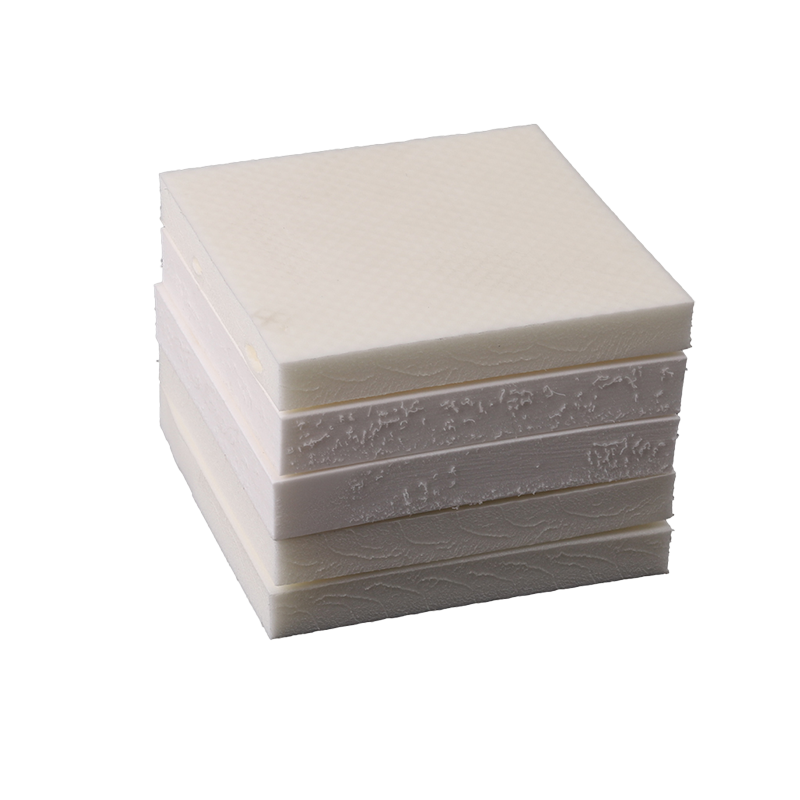
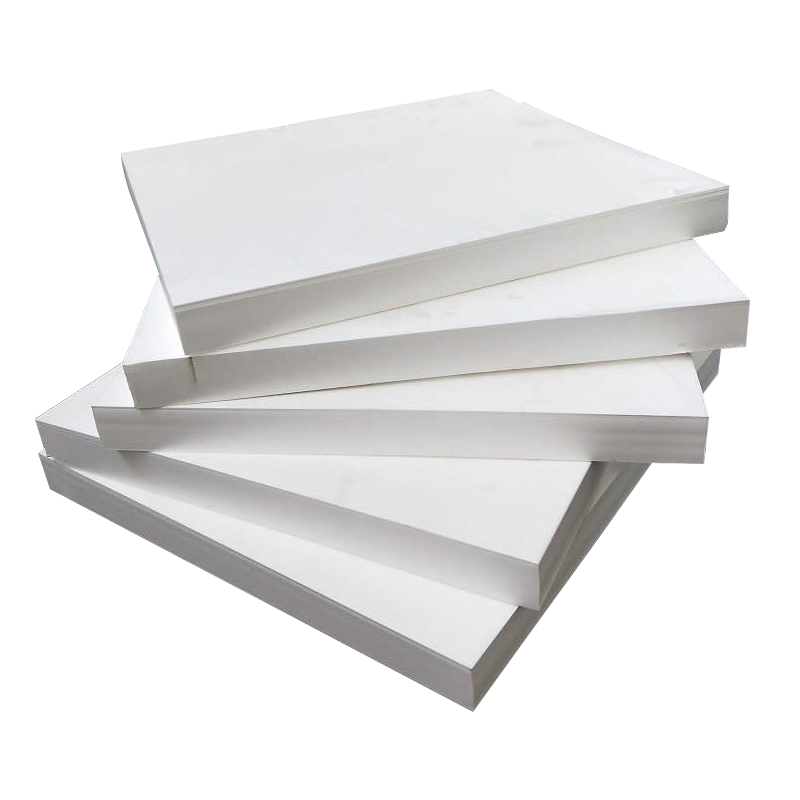 MPP Microcellular PP Foam Sheet for Rigid and Impact-Resistant PartsAs a lightweight yet stiff foam sheet, MPP delivers impact strength and surface protection while remaining waterproof and thermally insulating. It suits designs requiring rigidity and cushioning in demanding environments.View Product →
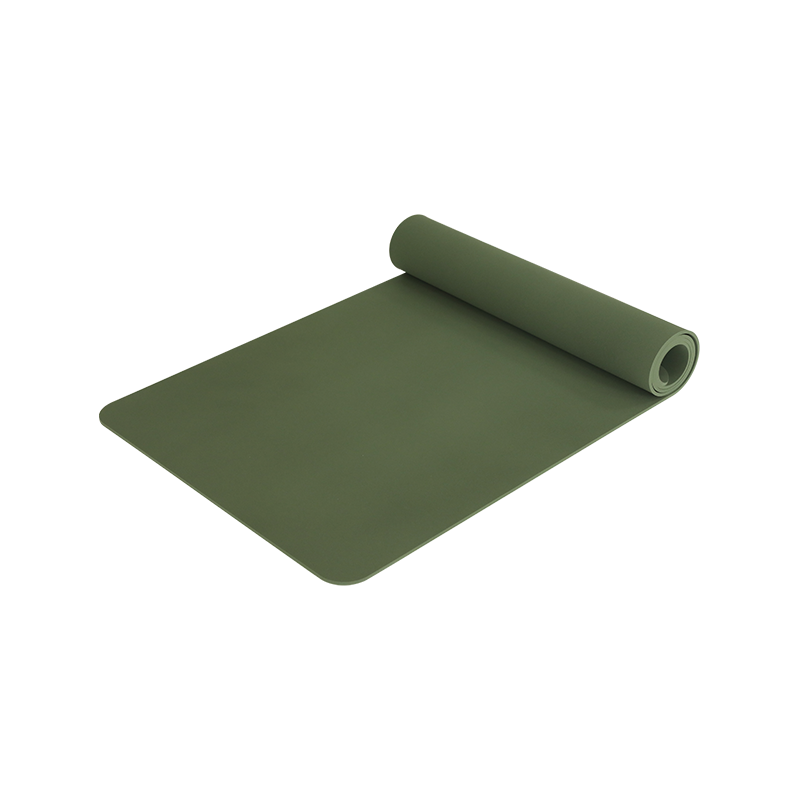
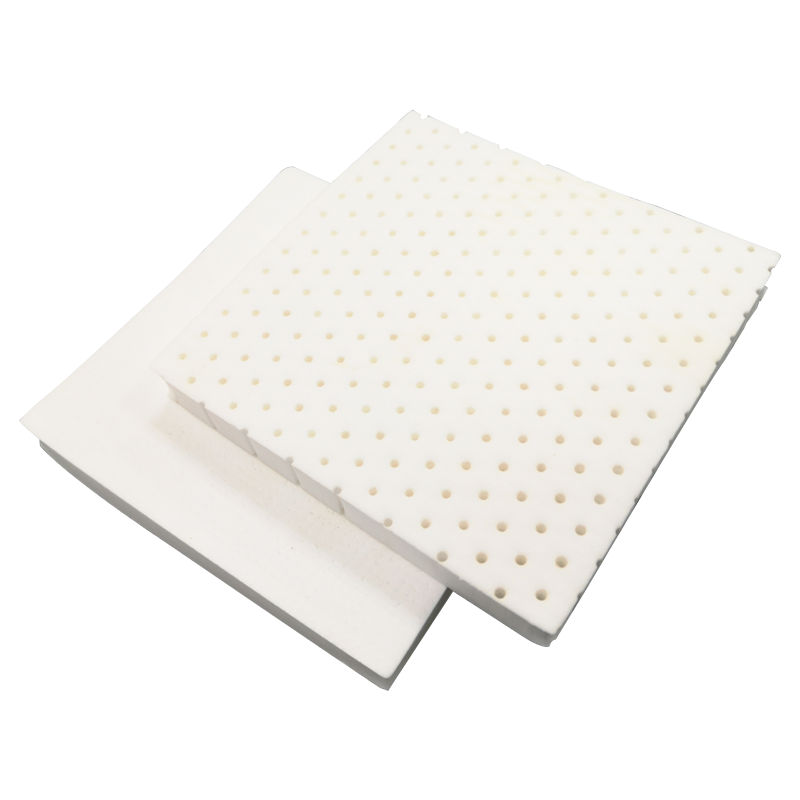 Perforated TPU Foam Sheet with Mechanical Air Channels for BreathabilityThis sheet combines closed-cell cushioning with perforations that create airflow paths, addressing designs needing ventilation without sacrificing resilience. Its chemical resistance and low-temperature performance support versatile use.View Product →
Closed cell sheets are available in a range of materials and densities, and a foam sheet product overview makes side-by-side comparison easier before sampling.
Frequently Asked Questions
Q1: Is all polyurethane foam open cell?
No. Flexible polyurethane foam used in cushions and mattresses is mostly open cell, but rigid polyurethane foam used for insulation boards and spray foam is closed cell. The formulation and process parameters determine which structure forms.
Q2: How can you tell if a foam is open cell or closed cell?
Press the foam and release it. Open cell foam lets air escape with a soft hiss and recovers slowly, like a sponge. Closed cell foam compresses like a balloon and springs back because trapped air cannot escape. Under water, open cell foam absorbs and sinks, while closed cell foam resists and floats.
Q3: Is open cell foam good for soundproofing?
Open cell foam is excellent at sound absorption, which reduces echo and reverberation inside a room. It is less effective as a sound barrier, because airborne sound passes through the porous structure. For blocking sound transmission, dense mass and airtight barriers are more effective than foam.
Q4: Can open cell foam be used outdoors or underwater?
Generally not recommended. The interconnected pores absorb water, adding weight and promoting mold growth in humid environments. Closed cell foams are the standard choice for outdoor, marine, and wet industrial applications.
Final Thoughts
Open cell foam earns its place wherever breathability, comfort, and acoustic performance matter. Its interconnected structure explains the airy softness of a seat cushion, the sound-damping effect of an acoustic panel, and the water-absorbing drawback engineers must design around.
Closed cell foam, by contrast, dominates wherever the same interface with air and water becomes a risk rather than a benefit. Understanding the open versus closed distinction at the cell level is the shortest path to a correct material decision.
 ++86-0512-66079229