
 English
 Español

Home / News / Flame Retardant vs Fire Retardant: Key Differences and Material Selection
Buying a flame-rated foam sheet requires more than checking the label. The words "flame retardant" and "fire retardant" appear on data sheets, building codes, and product brochures, and they are often used as if they mean the same thing. They do not, and the distinction can affect how you choose materials for battery protection pads, pipe insulation, and other safety-critical applications.
Key takeaway: Flame retardant is a chemical mechanism added to a material. Fire retardant is the broader category that includes flame retardants, coatings, and firefighting agents.
What Does "Flame Retardant" Actually Mean?
A flame retardant is a chemical additive or treatment that is incorporated into a material to delay ignition, reduce heat release, or slow the spread of flames. In polymer foams, the retardant works through one or more mechanisms: endothermic degradation, thermal shielding, dilution of flammable gas, or radical quenching in the gas phase.
When you see the letters FR in a product name such as FR-MPP foam sheet, it usually stands for flame retardant. The base polypropylene is modified with a flame retardant package so that the sheet meets performance criteria like UL 94 V-0 or V-2, depending on thickness and formulation.
What Does "Fire Retardant" Mean?
Fire retardant is a broader term. It describes any chemical, coating, or treatment that can prevent or suppress fire, from fire-retardant paints applied to wood to the red slurries dropped from aircraft to fight wildfires.
In industrial procurement, the two terms are frequently used interchangeably. However, the technical distinction matters: flame retardant is a material-level modification, while fire retardant is a category that covers all flame-inhibiting systems. A material can be fire retardant because it contains a flame retardant, or because the polymer itself is intrinsically fire resistant.
Key Differences at a Glance
The table below compares the two terms from a buyer's perspective.
| Aspect | Flame Retardant | Fire Retardant |
|---|---|---|
| Definition | A chemical additive that acts on the material itself | A broader category of fire-suppressing treatments or agents |
| Mechanism | Slows ignition and flame spread | Can also prevent ignition or suppress fire |
| Scope | Can be added or applied to a specific polymer | Includes paints, coatings, treatments, and firefighting chemicals |
| Common example | FR-MPP foam sheet | Fire retardant coating on a steel structure |
The practical takeaway: most engineering foams marketed as "FR" are flame retardant, but the same foams can also be described as fire retardant because they help stop fire spread.
How These Terms Affect Foam Material Selection
When you specify a foam for a battery pack, a rail car seat, or a pipe insulation jacket, you need to know which standard applies and which foam construction is most cost-effective. That is where the flame retardant vs fire retardant distinction enters your purchasing decision.
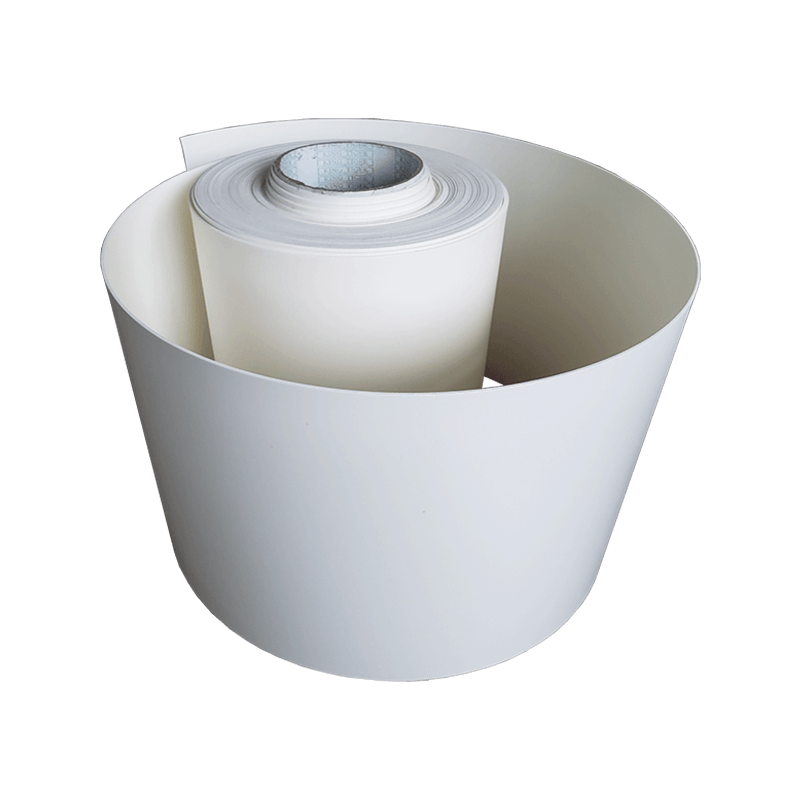
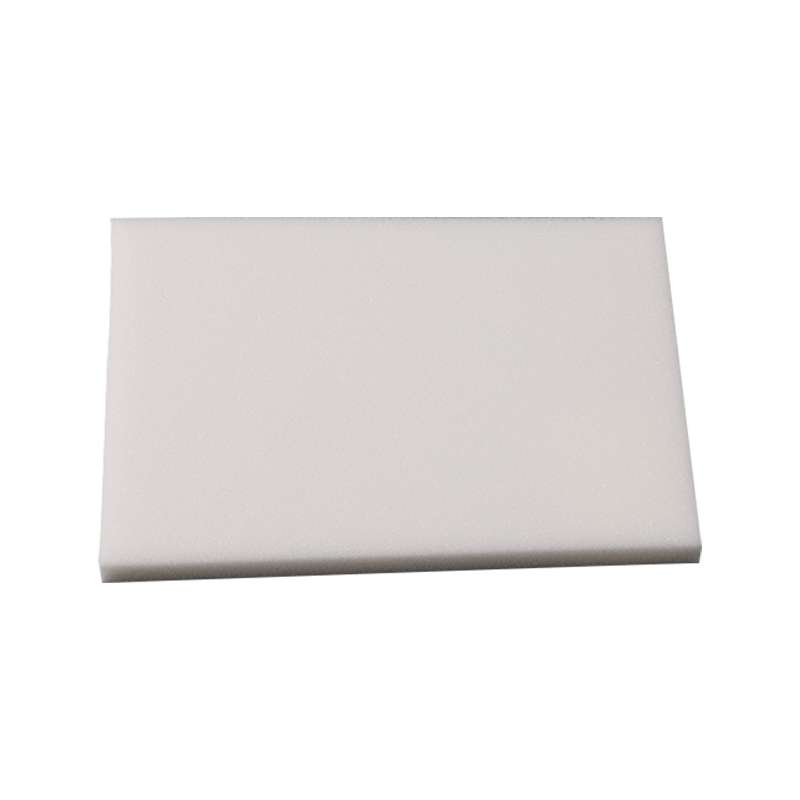
For polypropylene foams, a flame retardant additive package is added to the polymer matrix. The resulting FR-MPP flame retardant foam sheet can pass UL 94 horizontal and vertical burn tests and is commonly used in new energy vehicle battery pad applications to reduce the risk of thermal runaway propagation.
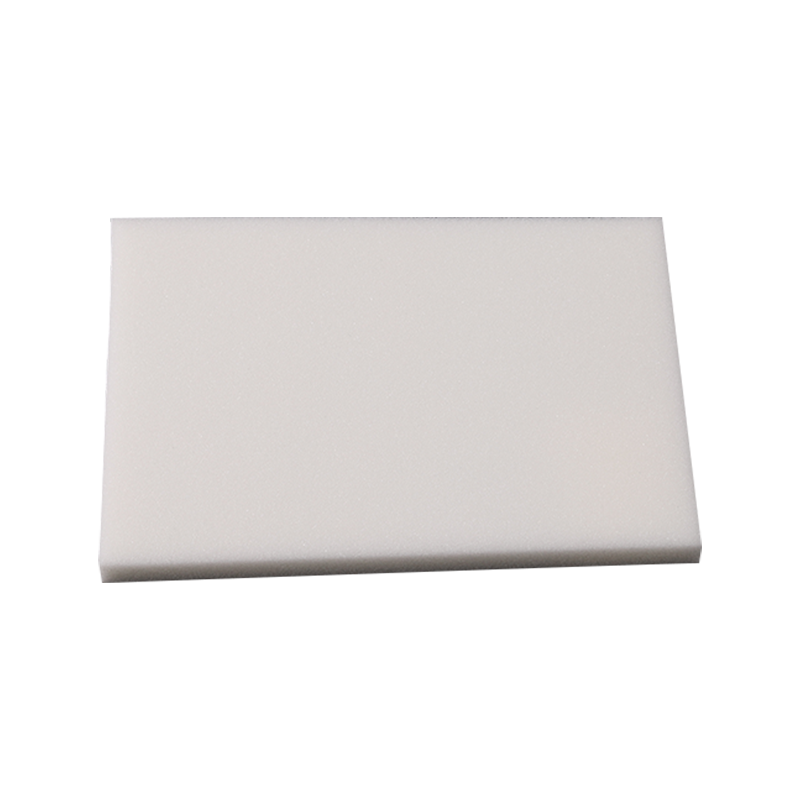 Flame Retardant Polypropylene Foam Sheet for Battery Pad ApplicationsThis FR-MPP foam sheet is formulated with a flame retardant additive package, enabling it to pass UL 94 horizontal and vertical burn tests. Its lightweight, insulating, and chemically resistant properties make it a reliable choice for reducing thermal runaway risk in new energy vehicle battery packs.View Product →
In contrast, some polymers are intrinsically fire retardant without additives. PVDF foam sheet belongs to this family, because the fluorine content gives the foam a high limiting oxygen index and a self-extinguishing character. That makes it a practical choice for semiconductor, aerospace, and high-temperature duct insulation.
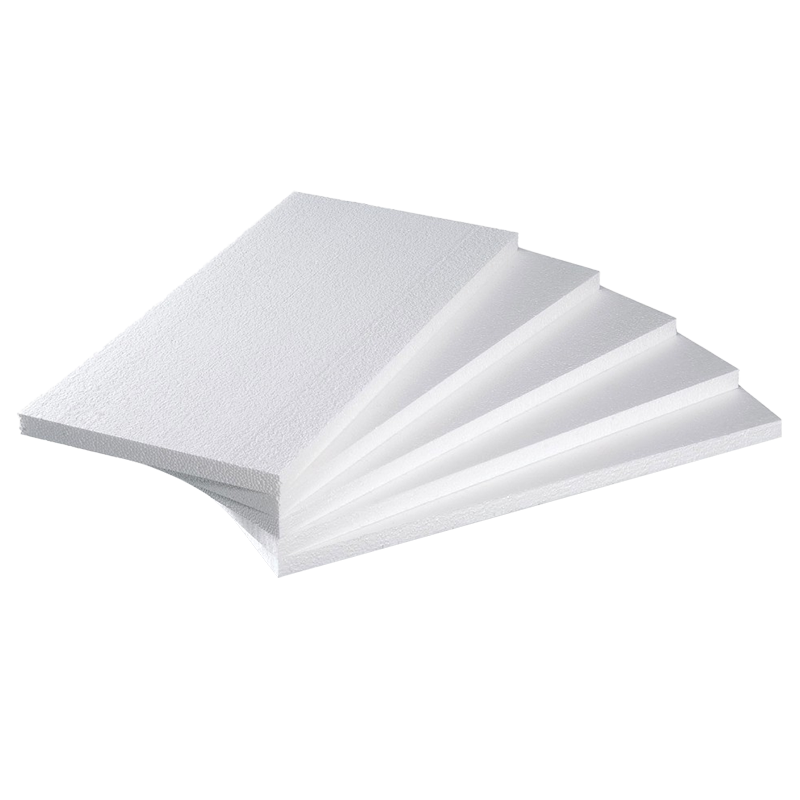 Intrinsically Fire Retardant PVDF Foam Sheet for High-Temperature InsulationPVDF foam offers inherent flame resistance due to its fluorine content, providing a high limiting oxygen index and self-extinguishing behavior. This makes it well suited for demanding insulation roles in semiconductor, aerospace, and high-temperature duct systems, where additive-based flame retardants may not be preferred.View Product →
You can browse the full engineering foam sheet range to compare flame retardant, intrinsic fire retardant, and standard options side by side.
Standards, Ratings, and Certifications You Should Ask For
Do not rely on the words "flame retardant" or "fire retardant" alone. Ask for the actual test report and the standard behind it. In the plastics industry, UL 94 is the most common reference point, with ratings ranging from HB (horizontal burn) to V-2, V-1, and V-0 (vertical burn with self-extinguishing behavior).
For example, a FR-MPP foam sheet used in battery cushioning will be tested to V-0. The UL 94 flame rating for FR-MPP foam sheets article explains how density and thickness influence the achieved rating, and why a 1 mm difference can put a product out of spec.
Other standards are also relevant depending on your industry: EN 45545-2 for rail, FMVSS 302 for automotive interiors, and GB/T 2408 for Chinese national compliance.
Questions Buyers Often Ask
Q1: Is flame retardant the same as fire retardant?
No. Flame retardant is a specific chemical mechanism; fire retardant is a broader category. In everyday product descriptions, however, the two are often used interchangeably.
Q2: Does "flame retardant" mean the material will not burn?
No. Flame retardant means it will burn more slowly or stop burning after the flame source is removed. It does not mean it is fireproof.
Q3: What does FR in FR-MPP foam sheet mean?
FR stands for flame retardant. The base PP is modified with additives so that the foam passes vertical burn tests such as UL 94 V-0.
Q4: How do I verify the fire safety of a foam sheet?
Ask the supplier for a certificate of analysis, a test report from an accredited laboratory, and the exact standard version. Do not accept a data sheet that only uses "fire retardant" without a specific rating.
Making the Right Call
Choose your material by asking what the application physically requires. If you need a polypropylene foam that is easily processed and passes UL 94 V-0, select a flame retardant grade. If your environment is very hot and the foam needs to remain stable under oxidation, consider a polymer with intrinsic fire resistance such as PVDF.
Always compare the actual test data, not the label. Shincell's engineering team can provide the certified ratings and processing guidance for each foam grade, so you do not have to rely on vague terminology.
 ++86-0512-66079229